Overview
The esophagus is a muscular tube that serves as a critical conduit in the digestive system, transporting food and liquids from the pharynx to the stomach through coordinated muscular contractions. Understanding esophagus biology is essential for MCAT success because it integrates multiple physiological concepts including smooth and skeletal muscle function, autonomic nervous system control, and the mechanical aspects of digestion. The esophagus exemplifies how structure directly supports function—its layered muscular wall, specialized sphincters, and strategic anatomical positioning all work together to ensure unidirectional food transport while preventing gastric reflux.
For the MCAT, the esophagus frequently appears in passages testing knowledge of physiology and organ systems, particularly in questions that require students to understand the coordination between voluntary and involuntary muscle control, neural regulation of peristalsis, and the pathophysiology of common disorders like gastroesophageal reflux disease (GERD). The esophagus serves as an excellent model system for testing comprehension of how the autonomic nervous system coordinates complex physiological processes, making it a medium-yield topic that often appears integrated with questions about the digestive system, muscle physiology, or neural control mechanisms.
The esophagus connects foundational concepts in biology including tissue histology, muscle contraction mechanisms, and neural signaling with applied clinical scenarios. Mastering this topic provides a framework for understanding how the body coordinates complex multi-step processes and how disruptions in normal physiology lead to disease states—both critical thinking skills heavily tested on the MCAT.
Learning Objectives
- [ ] Define esophagus using accurate Biology terminology
- [ ] Explain why esophagus matters for the MCAT
- [ ] Apply esophagus concepts to exam-style questions
- [ ] Identify common mistakes related to esophagus anatomy and physiology
- [ ] Connect esophagus to related Biology concepts including muscle physiology and neural control
- [ ] Describe the histological layers of the esophageal wall and their specific functions
- [ ] Explain the mechanism of peristalsis and the role of both skeletal and smooth muscle
- [ ] Analyze the function of the upper and lower esophageal sphincters in preventing reflux
- [ ] Predict physiological consequences of esophageal dysfunction based on anatomical and physiological principles
Prerequisites
- Basic digestive system anatomy: Understanding the overall organization of the GI tract provides context for where the esophagus fits in the digestive process
- Muscle tissue types (skeletal, smooth, cardiac): Essential for comprehending the unique muscular composition of the esophagus and how different muscle types contribute to its function
- Autonomic nervous system (sympathetic and parasympathetic): Required to understand neural control of peristalsis and sphincter function
- Basic histology (epithelial, connective, muscle tissues): Necessary for understanding the layered structure of the esophageal wall
- Membrane potential and action potentials: Foundational for understanding how neural signals coordinate muscular contractions
Why This Topic Matters
Clinical Significance
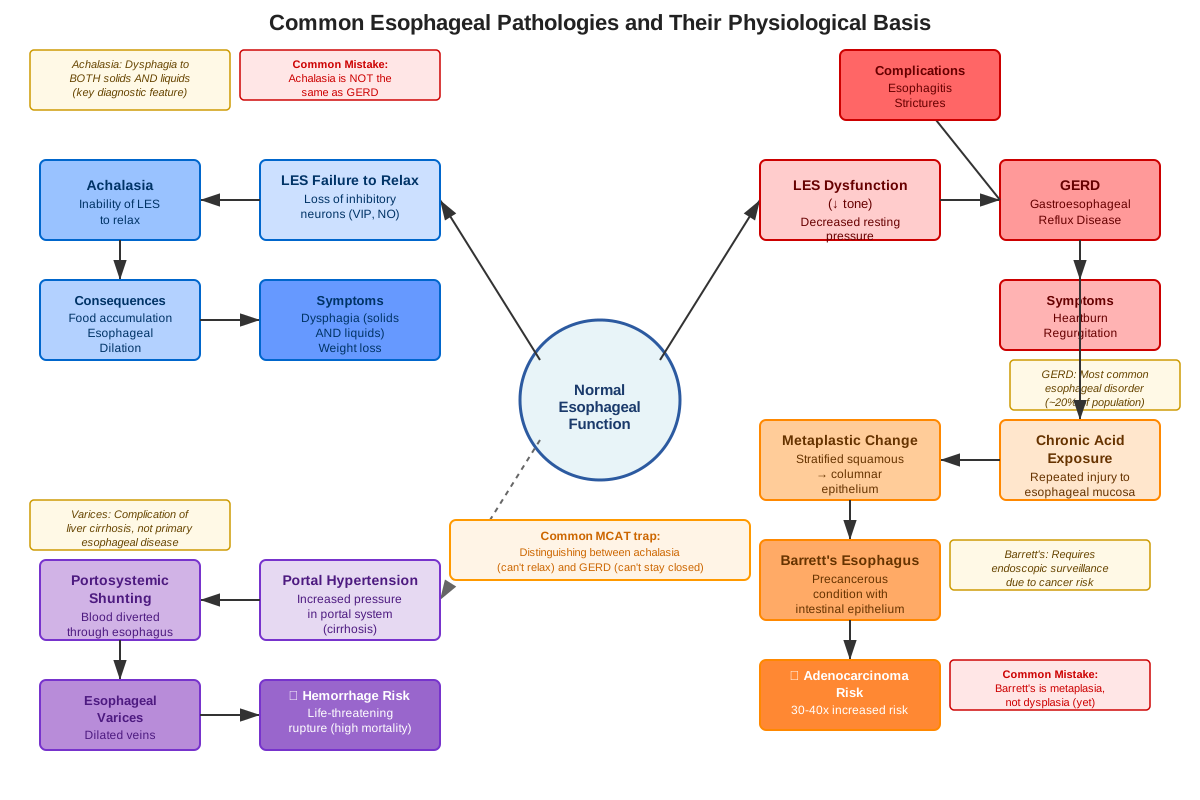
The esophagus is clinically relevant in numerous common pathological conditions that MCAT passages frequently reference. Gastroesophageal reflux disease (GERD) affects approximately 20% of the Western population and results from lower esophageal sphincter dysfunction, making it one of the most common GI complaints. Esophageal cancer, Barrett's esophagus (a precancerous condition), achalasia (failure of the lower esophageal sphincter to relax), and esophageal varices (dilated veins in cirrhosis patients) all represent high-yield clinical scenarios that test understanding of normal esophageal physiology. These conditions demonstrate how disruptions in normal structure and function lead to disease—a core principle of medical reasoning tested extensively on the MCAT.
MCAT Exam Statistics
Questions involving the esophagus appear in approximately 3-5% of MCAT biology passages, typically integrated within broader digestive system or physiology questions. The esophagus most commonly appears in passages testing: (1) coordination of voluntary and involuntary muscle control, (2) autonomic nervous system function, (3) pressure gradients and sphincter physiology, and (4) pathophysiology of reflux or swallowing disorders. Questions may present experimental data about peristaltic pressure waves, clinical vignettes describing dysphagia (difficulty swallowing), or research passages investigating neural control mechanisms.
Common Exam Contexts
MCAT passages featuring the esophagus typically appear as: research studies measuring esophageal motility using manometry, clinical case presentations of patients with swallowing difficulties or reflux symptoms, comparative anatomy passages contrasting esophageal structure across species, or experimental manipulations of neural control mechanisms. Understanding the esophagus enables students to answer questions about muscle physiology, neural coordination, pressure dynamics, and the relationship between structure and function—all high-yield MCAT competencies.
Core Concepts
Anatomical Structure and Location
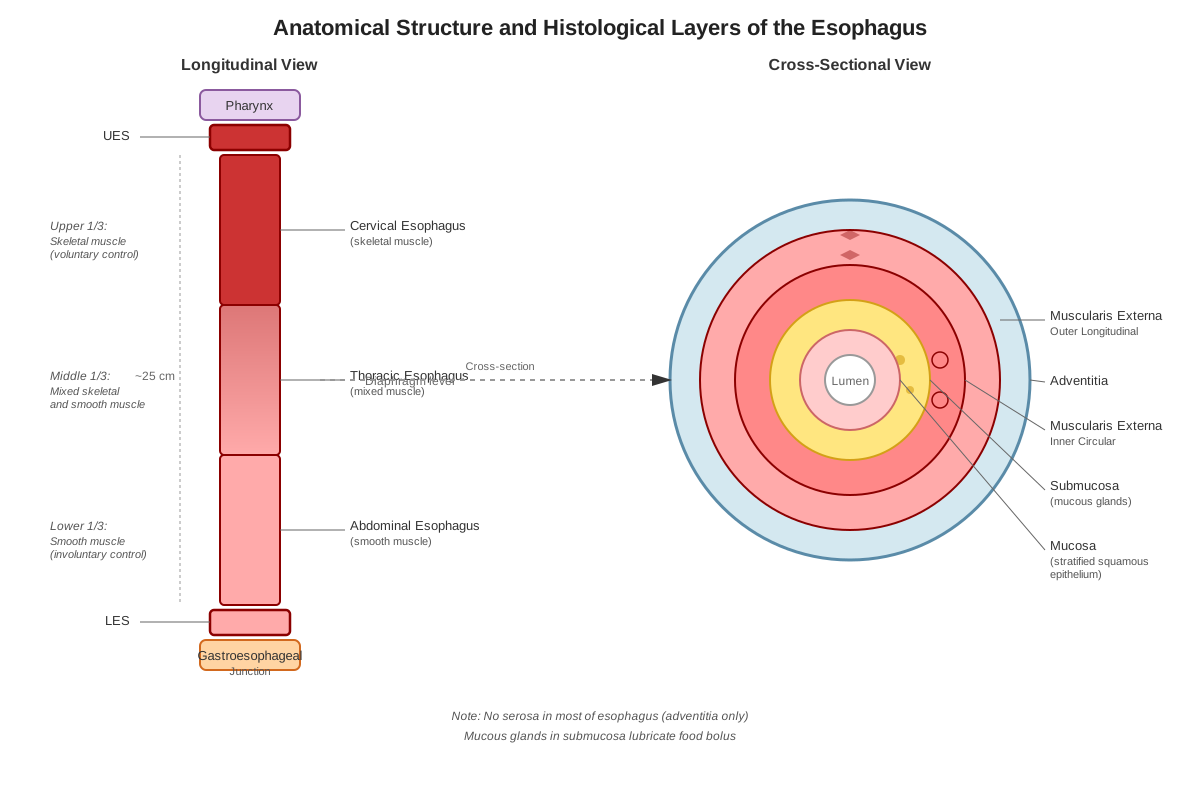
The esophagus is a hollow muscular tube approximately 25 centimeters long in adults, extending from the inferior border of the cricoid cartilage (at the level of the sixth cervical vertebra) to the cardiac orifice of the stomach (at the level of the eleventh thoracic vertebra). This tubular organ traverses three anatomical regions: the neck, thorax, and abdomen. The esophagus passes posterior to the trachea, through the posterior mediastinum, and penetrates the diaphragm through the esophageal hiatus before joining the stomach at the gastroesophageal junction.
The esophagus exhibits four natural constriction points where the lumen narrows: (1) at the cricopharyngeus muscle (upper esophageal sphincter), (2) where the aortic arch crosses anteriorly, (3) where the left main bronchus crosses anteriorly, and (4) at the esophageal hiatus of the diaphragm. These anatomical constrictions are clinically significant as sites where swallowed foreign objects may lodge and where ingested corrosive substances cause the most damage.
Histological Organization
The esophageal wall consists of four distinct layers from innermost to outermost: mucosa, submucosa, muscularis externa, and adventitia (in the thoracic portion) or serosa (in the abdominal portion). This layered organization follows the general pattern of the gastrointestinal tract but with specific adaptations for the esophagus's transport function.
| Layer | Components | Function |
|---|---|---|
| Mucosa | Non-keratinized stratified squamous epithelium, lamina propria, muscularis mucosae | Protection from mechanical abrasion; mucus secretion for lubrication |
| Submucosa | Dense connective tissue, esophageal glands, blood vessels, Meissner's plexus | Secretes mucus; contains sensory neurons and vasculature |
| Muscularis Externa | Inner circular and outer longitudinal muscle layers, Auerbach's (myenteric) plexus | Generates peristaltic contractions; coordinates motility |
| Adventitia/Serosa | Connective tissue | Anchors esophagus to surrounding structures |
The mucosa features non-keratinized stratified squamous epithelium, which provides protection against mechanical abrasion from food boluses while remaining flexible enough to accommodate the passage of solid materials. This epithelial type differs from the simple columnar epithelium found in most of the GI tract, reflecting the esophagus's primary mechanical rather than absorptive function. At the gastroesophageal junction, there is an abrupt transition from stratified squamous to simple columnar epithelium—this junction is clinically significant as the site where Barrett's esophagus develops when chronic acid reflux causes metaplastic changes.
Muscular Composition and Regional Variation
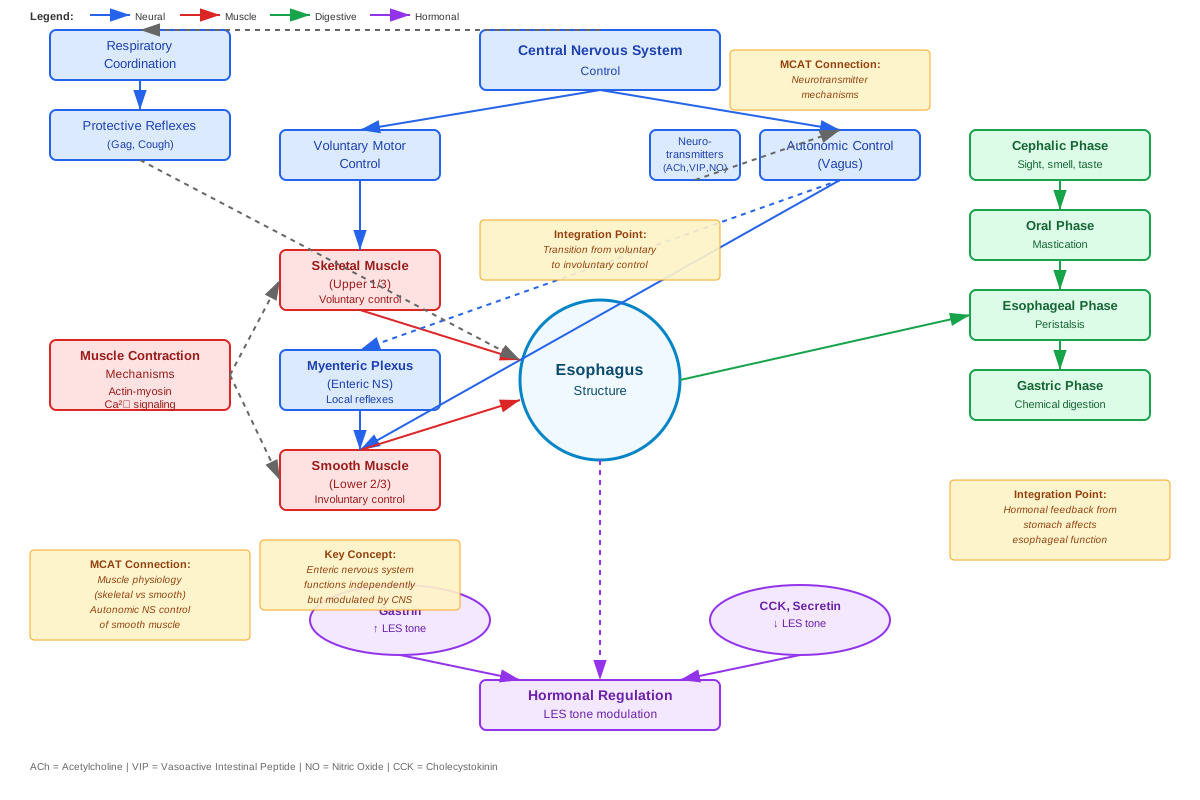
The muscularis externa of the esophagus exhibits a unique regional variation in muscle type that is frequently tested on the MCAT. The upper third (approximately the first 8 cm) contains skeletal muscle, the middle third contains a mixture of skeletal and smooth muscle, and the lower third contains exclusively smooth muscle. This gradual transition reflects the shift from voluntary control of swallowing initiation to involuntary control of food transport.
The skeletal muscle in the upper esophagus is under voluntary control via the vagus nerve (cranial nerve X), allowing conscious initiation of swallowing. The smooth muscle in the lower esophagus operates under involuntary autonomic control, with parasympathetic innervation from the vagus nerve promoting peristalsis and sympathetic innervation generally inhibiting motility. This dual innervation pattern exemplifies the autonomic nervous system's role in coordinating digestive processes.
Sphincter Mechanisms
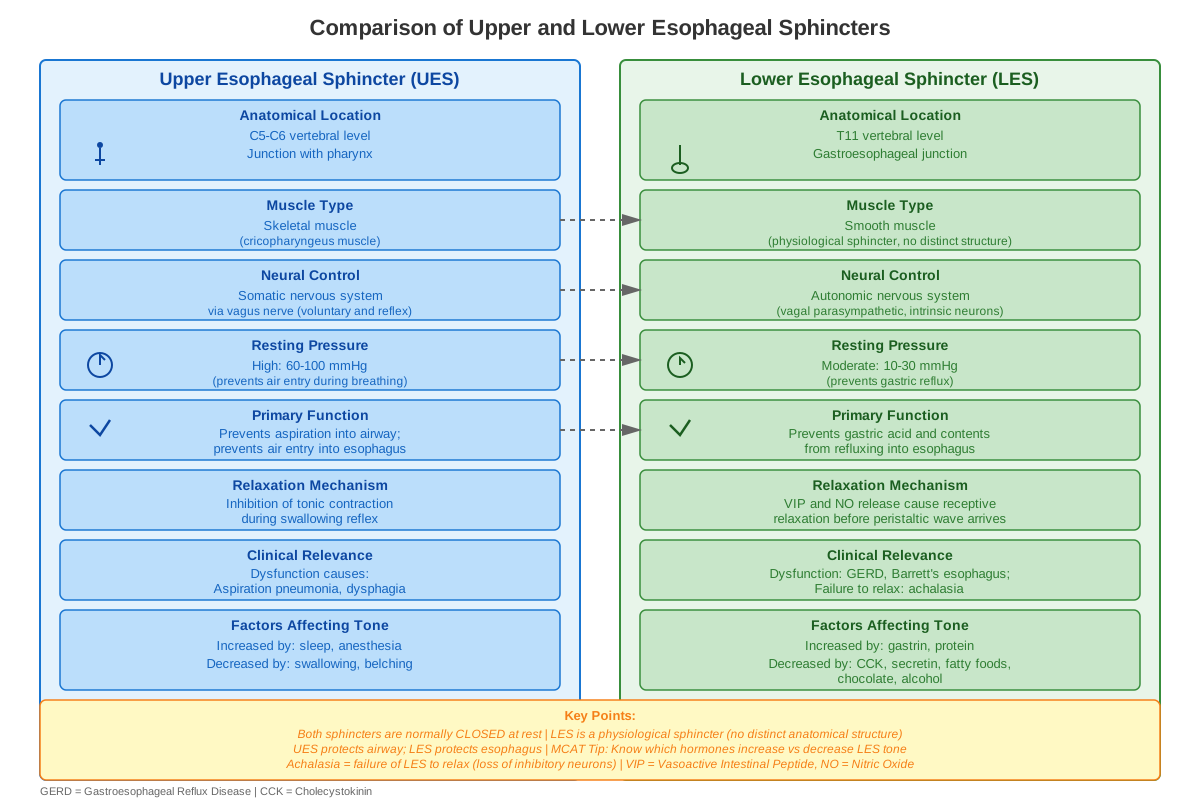
Two functional sphincters regulate flow through the esophagus: the upper esophageal sphincter (UES) and the lower esophageal sphincter (LES). Neither is a distinct anatomical structure; rather, both are physiological sphincters created by tonic muscle contraction.
The upper esophageal sphincter is formed primarily by the cricopharyngeus muscle (part of the inferior pharyngeal constrictor) and remains tonically contracted except during swallowing. This sphincter prevents air from entering the esophagus during breathing and protects the airway from esophageal contents. The UES relaxes reflexively during the pharyngeal phase of swallowing, triggered by sensory input to the swallowing center in the medulla.
The lower esophageal sphincter consists of the distal 3-4 cm of esophageal smooth muscle with intrinsically higher resting tone than the adjacent esophageal body. The LES maintains a pressure of 10-30 mmHg above intragastric pressure, creating a pressure barrier that prevents gastric reflux. Several factors influence LES tone:
Factors Increasing LES Pressure (preventing reflux):
- Parasympathetic (vagal) stimulation via acetylcholine
- Gastrin hormone
- Substance P
- Alpha-adrenergic stimulation
Factors Decreasing LES Pressure (promoting reflux):
- Cholecystokinin (CCK)
- Secretin
- Nitric oxide
- Progesterone (explains increased reflux during pregnancy)
- Caffeine, alcohol, chocolate, fatty foods
Peristalsis and Swallowing Mechanism
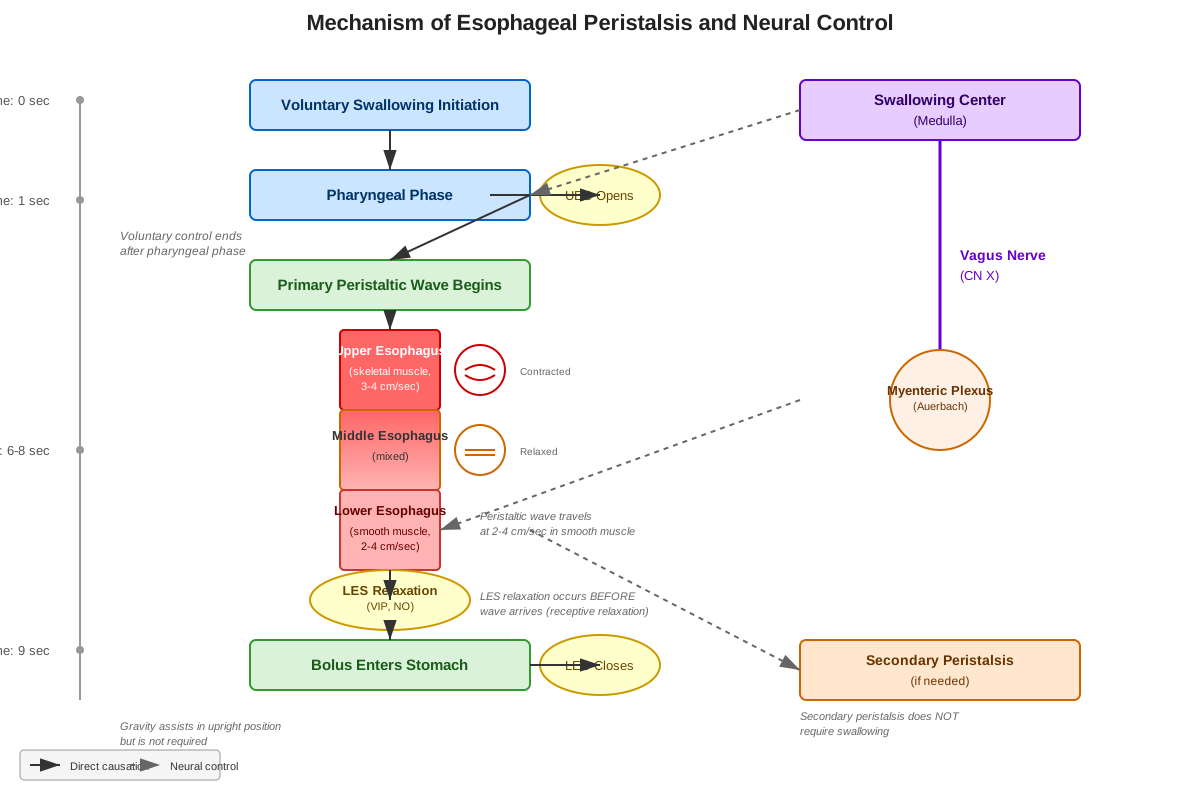
Peristalsis is the coordinated wave of muscular contraction that propels the food bolus through the esophagus. The swallowing process involves three phases: oral (voluntary), pharyngeal (involuntary), and esophageal (involuntary).
Esophageal Phase of Swallowing:
- Primary peristalsis: Initiated by the act of swallowing, a peristaltic wave begins in the upper esophagus and travels distally at approximately 3-4 cm/second. The wave consists of a sequential contraction of circular muscle behind the bolus and relaxation ahead of it, creating a pressure gradient that propels food downward.
- Secondary peristalsis: If the primary wave fails to clear the esophagus completely, distension of the esophageal wall triggers additional peristaltic waves that do not require another swallow. This backup mechanism ensures complete esophageal emptying.
- LES relaxation: The lower esophageal sphincter begins to relax within 1-2 seconds of swallowing initiation (before the peristaltic wave arrives), mediated by the neurotransmitters nitric oxide and vasoactive intestinal peptide (VIP). This receptive relaxation allows the bolus to enter the stomach.
The neural control of peristalsis involves both intrinsic and extrinsic mechanisms. The enteric nervous system (specifically the myenteric plexus between the circular and longitudinal muscle layers) coordinates the basic peristaltic reflex. However, esophageal peristalsis is primarily controlled by the swallowing center in the medulla oblongata, which sends sequential signals through the vagus nerve to coordinate the precisely timed contractions along the esophageal length.
Secretory Function
While the esophagus is not primarily a secretory organ, it does produce mucus from two sources: esophageal glands proper located in the submucosa (primarily in the upper and lower esophagus) and esophageal cardiac glands in the lamina propria near the gastroesophageal junction. These glands secrete mucus that lubricates the esophageal lining, facilitating bolus passage and providing some protection against refluxed gastric acid. Unlike the stomach, the esophagus does not secrete digestive enzymes or acid—its function is purely mechanical transport.
Innervation and Vascular Supply
The esophagus receives motor innervation from the vagus nerve (parasympathetic) and sympathetic fibers from the cervical and thoracic sympathetic trunk. Sensory innervation travels via vagal afferents and sympathetic pathways, with pain sensation from the esophagus often referred to the chest (explaining why esophageal disorders can mimic cardiac pain).
Blood supply varies by region: the cervical esophagus receives blood from the inferior thyroid artery, the thoracic portion from bronchial arteries and direct branches from the thoracic aorta, and the abdominal portion from the left gastric artery and inferior phrenic artery. Venous drainage is clinically significant because the esophagus represents a site of portosystemic anastomosis—the esophageal veins connect the portal and systemic venous systems. In portal hypertension (as occurs in cirrhosis), these connections dilate to form esophageal varices, which can rupture and cause life-threatening hemorrhage.
Concept Relationships
The esophagus integrates multiple physiological systems and concepts, making it an excellent topic for testing integrated understanding on the MCAT. The anatomical structure (layered wall with regional muscle variation) directly determines functional capabilities (ability to generate coordinated peristaltic waves). The neural control mechanisms (swallowing center in medulla → vagus nerve → myenteric plexus → muscle contraction) exemplify hierarchical organization in the nervous system, connecting to broader concepts of central versus peripheral neural control.
The sphincter physiology of the UES and LES demonstrates how pressure gradients regulate flow in biological systems, connecting to cardiovascular concepts of pressure-driven flow and to endocrine concepts through hormonal regulation of LES tone. The transition from skeletal to smooth muscle along the esophageal length illustrates the shift from voluntary to involuntary control, linking to concepts of somatic versus autonomic nervous system function.
Relationship Map:
Swallowing initiation (voluntary cortical control) → Swallowing center activation (medulla) → Vagal efferent signals → Sequential muscle contraction (peristalsis) → LES relaxation (nitric oxide/VIP mediated) → Bolus entry into stomach → LES contraction (restores pressure barrier) → Prevention of reflux
The esophagus also connects to pathophysiology concepts: LES dysfunction → GERD → chronic acid exposure → metaplasia (Barrett's esophagus) → dysplasia → adenocarcinoma. This progression demonstrates how disruption of normal physiology leads to disease, a core principle in medical reasoning.
Quick check — test yourself on Esophagus so far.
Try Flashcards →High-Yield Facts
⭐ The esophagus transitions from skeletal muscle (upper third) to mixed (middle third) to smooth muscle (lower third), reflecting the shift from voluntary to involuntary control.
⭐ The lower esophageal sphincter (LES) is a physiological (not anatomical) sphincter that maintains 10-30 mmHg pressure above intragastric pressure to prevent reflux.
⭐ Primary peristalsis is initiated by swallowing and travels at 3-4 cm/second; secondary peristalsis is triggered by esophageal distension without requiring another swallow.
⭐ The esophagus is lined with non-keratinized stratified squamous epithelium (protective function), unlike most of the GI tract which has simple columnar epithelium (absorptive function).
⭐ The vagus nerve provides parasympathetic innervation that promotes peristalsis and coordinates LES relaxation via nitric oxide and VIP release.
- The esophagus passes through the diaphragm at the esophageal hiatus at the level of T10 (remember: "I 8 [ate] 10 eggs at 12" for IVC at T8, esophagus at T10, aorta at T12).
- Esophageal glands in the submucosa secrete mucus for lubrication but do not produce digestive enzymes or acid.
- The gastroesophageal junction marks an abrupt transition from stratified squamous to simple columnar epithelium—the site where Barrett's esophagus develops.
- Factors that decrease LES pressure (promoting reflux) include CCK, secretin, progesterone, nitric oxide, caffeine, alcohol, and fatty foods.
- The esophagus contains sites of portosystemic anastomosis where portal and systemic venous systems connect; portal hypertension causes esophageal varices at these sites.
- Receptive relaxation of the LES begins 1-2 seconds after swallowing initiation, before the peristaltic wave arrives, ensuring the sphincter is open when the bolus reaches it.
- The myenteric (Auerbach's) plexus between the circular and longitudinal muscle layers coordinates peristaltic contractions as part of the enteric nervous system.
Common Misconceptions
Misconception: The esophagus is entirely composed of smooth muscle like most of the GI tract.
Correction: The esophagus uniquely transitions from skeletal muscle in the upper third to smooth muscle in the lower third, with a mixed region in between. This reflects the transition from voluntary initiation of swallowing to involuntary transport, making it distinct from other GI organs.
Misconception: The lower esophageal sphincter is a distinct anatomical ring of muscle like the pyloric sphincter.
Correction: The LES is a physiological sphincter created by increased tonic contraction of the distal esophageal smooth muscle, not a separate anatomical structure. It functions through sustained muscle tone rather than structural specialization.
Misconception: Peristalsis requires gravity to move food from the esophagus to the stomach.
Correction: Peristaltic contractions generate sufficient pressure (up to 100 mmHg) to propel food against gravity, which is why humans can swallow while upside down. The coordinated muscular contractions, not gravity, drive esophageal transport.
Misconception: The esophagus secretes digestive enzymes to begin chemical digestion.
Correction: The esophagus only secretes mucus for lubrication and protection; it performs no digestive function. Chemical digestion begins in the mouth (salivary amylase) and stomach (pepsin), but not in the esophagus, which serves purely as a conduit.
Misconception: Sympathetic stimulation increases peristalsis to speed digestion during stress.
Correction: Sympathetic stimulation generally inhibits GI motility, including esophageal peristalsis, as part of the "fight or flight" response that diverts resources away from digestion. Parasympathetic (vagal) stimulation promotes peristalsis during "rest and digest" states.
Misconception: The esophageal epithelium is the same throughout its length.
Correction: While the esophageal body is lined with non-keratinized stratified squamous epithelium, there is an abrupt transition to simple columnar epithelium at the gastroesophageal junction. This junction is clinically significant as the site of metaplastic changes in Barrett's esophagus.
Worked Examples
Example 1: Analyzing Esophageal Motility Data
Question: A research study uses esophageal manometry to measure pressure changes during swallowing. The data shows that pressure at a point 5 cm above the gastroesophageal junction increases from 5 mmHg to 80 mmHg, then returns to baseline over 4 seconds. Two seconds after the swallow, pressure at the gastroesophageal junction drops from 20 mmHg to 5 mmHg for 8 seconds before returning to 20 mmHg. Which of the following best explains these observations?
A) The data shows abnormal esophageal function with sphincter spasm
B) The pressure increase represents the peristaltic wave, and the pressure decrease represents LES relaxation
C) The pressure changes indicate reverse peristalsis preventing reflux
D) The data shows simultaneous contraction of all esophageal segments
Worked Solution:
Step 1: Identify what each pressure change represents.
- The pressure increase from 5 to 80 mmHg at a point in the esophageal body represents the passage of a peristaltic contraction wave. Normal peristaltic pressure ranges from 30-120 mmHg.
Step 2: Analyze the timing.
- The peristaltic wave occurs immediately after swallowing, consistent with primary peristalsis initiated by the swallow.
Step 3: Interpret the LES pressure changes.
- Baseline LES pressure of 20 mmHg is normal (10-30 mmHg range).
- The pressure drop to 5 mmHg represents LES relaxation.
- The relaxation begins 2 seconds after swallowing, before the peristaltic wave arrives (which would take 3-4 seconds to travel from the upper esophagus).
- This is receptive relaxation, allowing the bolus to enter the stomach.
Step 4: Evaluate the answer choices.
- A is incorrect: These are normal physiological responses, not pathological.
- B is correct: Accurately describes both the peristaltic wave and receptive relaxation.
- C is incorrect: The pressure changes show normal forward peristalsis, not reverse.
- D is incorrect: The sequential timing shows a wave traveling down the esophagus, not simultaneous contraction.
Answer: B
Key Concept Connection: This question tests understanding of the coordinated timing of esophageal peristalsis and LES relaxation, demonstrating how the nervous system coordinates multiple events to achieve efficient bolus transport.
Example 2: Clinical Vignette on GERD
Question: A 45-year-old patient reports frequent heartburn, especially after eating fatty meals and when lying down at night. Esophageal pH monitoring shows multiple episodes where esophageal pH drops below 4. The physician explains that certain foods and hormones can affect the lower esophageal sphincter. Which of the following would most likely worsen this patient's symptoms?
A) Increased gastrin secretion
B) Increased cholecystokinin (CCK) secretion
C) Increased parasympathetic stimulation
D) Decreased progesterone levels
Worked Solution:
Step 1: Identify the underlying problem.
- The patient has GERD (gastroesophageal reflux disease) caused by LES dysfunction allowing gastric acid (pH < 4) to reflux into the esophagus.
- Symptoms worsen with fatty meals and lying down, both of which are classic GERD triggers.
Step 2: Determine what would worsen symptoms.
- Worsening symptoms would result from further decreasing LES pressure, allowing more reflux.
Step 3: Evaluate each option's effect on LES pressure.
A) Gastrin increases LES pressure → would improve symptoms, not worsen them.
B) CCK is released in response to fats and decreases LES pressure → would worsen symptoms. This explains why fatty meals trigger symptoms.
C) Parasympathetic stimulation (via acetylcholine) increases LES pressure → would improve symptoms.
D) Decreased progesterone would increase LES pressure (since progesterone decreases it) → would improve symptoms. This explains why pregnant women (high progesterone) often experience reflux.
Step 4: Select the correct answer.
- Only CCK would worsen symptoms by further decreasing LES pressure.
Answer: B
Key Concept Connection: This question integrates esophageal sphincter physiology with endocrine regulation and clinical pathophysiology, demonstrating how hormonal factors influence GI function and how understanding normal physiology explains disease mechanisms and symptom patterns.
Exam Strategy
Approaching MCAT Questions on the Esophagus
When encountering esophagus-related questions on the MCAT, first identify whether the question focuses on structure (anatomy, histology), function (peristalsis, sphincter control), regulation (neural or hormonal control), or pathophysiology (GERD, achalasia, varices). Most questions will integrate multiple aspects, so mapping the question to these categories helps organize your approach.
Trigger Words and Phrases
Watch for these high-yield terms that signal specific concepts:
- "Swallowing" or "deglutition" → Think about the three phases and neural control via the swallowing center
- "Heartburn" or "reflux" → Focus on LES function and factors affecting sphincter pressure
- "Peristaltic wave" → Consider the mechanism of coordinated contraction and the role of the myenteric plexus
- "Upper third/lower third" → Recall the skeletal-to-smooth muscle transition
- "Vagus nerve" or "vagotomy" → Think about parasympathetic control of peristalsis and LES function
- "Portal hypertension" or "cirrhosis" → Consider esophageal varices at portosystemic anastomoses
Process of Elimination Tips
For questions about factors affecting LES pressure, remember that parasympathetic stimulation and gastrin increase pressure (preventing reflux), while CCK, secretin, progesterone, and nitric oxide decrease pressure (promoting reflux). If you can't remember a specific factor, consider its general physiological role: hormones released during active digestion (like gastrin) tend to maintain sphincter tone, while hormones signaling satiety or fat digestion (like CCK) tend to relax sphincters.
For questions about muscle type and control, use the anatomical location as a guide: upper esophagus = skeletal = voluntary initiation, lower esophagus = smooth = involuntary autonomic control. This principle helps eliminate answers that incorrectly assign voluntary control to the lower esophagus or involuntary control to the upper esophagus.
Time Allocation
Esophagus questions typically appear as part of longer digestive system passages. Allocate approximately 1-1.5 minutes per discrete question and 8-10 minutes for a full passage with 6-7 questions. If a question requires detailed analysis of experimental data (like manometry readings), budget an extra 30 seconds to carefully interpret the graphs or tables. Don't get bogged down trying to recall every detail about esophageal anatomy—focus on the functional principles that explain the data or clinical scenario presented.
Memory Techniques
Mnemonics
"SKELETAL Starts, SMOOTH Stops" - Remember that skeletal muscle is in the upper esophagus (where swallowing starts) and smooth muscle is in the lower esophagus (where it stops at the stomach).
"LES Pressure UP: GPS" - Factors that increase LES pressure: Gastrin, Parasympathetic stimulation, Substance P
"LES Pressure DOWN: CCK Secretes Nasty Problems" - Factors that decrease LES pressure: CCK, Secretin, Nitric oxide, Progesterone
"I 8 10 Eggs at 12" - Diaphragmatic openings: IVC at T8, Esophagus at T10, Aorta at T12
"Peristalsis Pushes Past Pressure" - Remember that peristaltic contractions (not gravity) generate the pressure needed to move food through the esophagus, even against gravity.
Visualization Strategies
Visualize the esophagus as a three-zone tube with color coding: upper third in red (skeletal muscle, like voluntary skeletal muscles elsewhere), middle third in purple (mixed), and lower third in blue (smooth muscle, like other involuntary GI organs). This mental image helps recall the muscle type distribution.
For sphincter function, imagine the LES as a pressure gate that must maintain higher pressure than the stomach to prevent backflow. Visualize factors that increase pressure as "closing the gate tighter" and factors that decrease pressure as "loosening the gate," allowing reflux.
For peristalsis, visualize a wave traveling down a tube, with contraction behind the bolus (squeezing it forward) and relaxation ahead (opening space for it to move into). This sequential contraction-relaxation pattern is the essence of peristalsis.
Acronyms
MESS describes the four layers of the esophageal wall from inside out: Mucosa, Epithelium (part of mucosa), Submucosa, Serosa/adventitia (remembering that muscularis externa comes between submucosa and serosa)
VIP for the neurotransmitters causing LES relaxation: Vasoactive Intestinal Peptide (and nitric oxide, which you can remember as "NO way to keep the sphincter closed")
Summary
The esophagus is a 25-cm muscular tube that transports food from the pharynx to the stomach through coordinated peristaltic contractions. Its unique structure—transitioning from skeletal muscle in the upper third to smooth muscle in the lower third—reflects the shift from voluntary to involuntary control of swallowing. The esophageal wall consists of four layers (mucosa with stratified squamous epithelium, submucosa, muscularis externa, and adventitia/serosa) that work together to facilitate bolus transport. Two physiological sphincters regulate flow: the upper esophageal sphincter prevents air entry and aspiration, while the lower esophageal sphincter maintains a pressure barrier preventing gastric reflux. Peristalsis is controlled by the swallowing center in the medulla via the vagus nerve, with the enteric nervous system (myenteric plexus) coordinating the sequential contractions. LES pressure is modulated by multiple factors—increased by gastrin and parasympathetic stimulation, decreased by CCK, secretin, and progesterone. Understanding esophageal physiology is essential for MCAT success because it integrates concepts of muscle physiology, neural control, pressure dynamics, and pathophysiology, frequently appearing in passages testing these integrated principles.
Key Takeaways
- The esophagus transitions from skeletal muscle (upper third) to smooth muscle (lower third), reflecting voluntary to involuntary control
- The LES is a physiological sphincter maintaining 10-30 mmHg pressure above intragastric pressure to prevent reflux
- Primary peristalsis is initiated by swallowing; secondary peristalsis is triggered by esophageal distension
- The esophagus is lined with non-keratinized stratified squamous epithelium for protection, not absorption
- Vagal (parasympathetic) stimulation promotes peristalsis and coordinates LES relaxation via nitric oxide and VIP
- Factors decreasing LES pressure (CCK, secretin, progesterone, nitric oxide) promote reflux and worsen GERD
- The esophagus performs no digestive function—only mechanical transport via peristalsis
Related Topics
Stomach Anatomy and Physiology: Understanding esophageal function provides the foundation for studying gastric function, particularly how the LES prevents reflux of gastric acid and how the gastroesophageal junction represents a transition in epithelial type and function.
Autonomic Nervous System: The esophagus exemplifies autonomic control with parasympathetic promotion of peristalsis and sympathetic inhibition, connecting to broader principles of autonomic regulation of visceral organs.
Smooth Muscle Physiology: The smooth muscle in the lower esophagus demonstrates key principles of smooth muscle contraction, including gap junction-mediated coordination and regulation by autonomic neurotransmitters.
Gastrointestinal Hormones: Understanding how CCK, gastrin, and secretin affect LES pressure connects esophageal physiology to endocrine regulation of digestion.
Portal Circulation and Liver Disease: The esophageal veins as sites of portosystemic anastomosis connect esophageal anatomy to hepatic pathophysiology and the consequences of portal hypertension.
Practice CTA
Now that you've mastered the core concepts of esophageal anatomy and physiology, it's time to reinforce your learning through active practice. Challenge yourself with MCAT-style practice questions that test your ability to apply these concepts to experimental data, clinical vignettes, and integrated scenarios. Use flashcards to drill the high-yield facts, particularly the factors affecting LES pressure and the muscle type distribution. Remember, understanding the esophagus isn't just about memorizing facts—it's about grasping the functional principles that explain how structure enables function and how disruptions lead to disease. This integrated understanding will serve you well not only on esophagus-specific questions but also on broader passages testing physiological reasoning. You've got this!
Sign up free to keep reading
Create a free AnvayaPrep account to finish this MCAT guide on Esophagus — plus flashcards and practice questions.