Overview
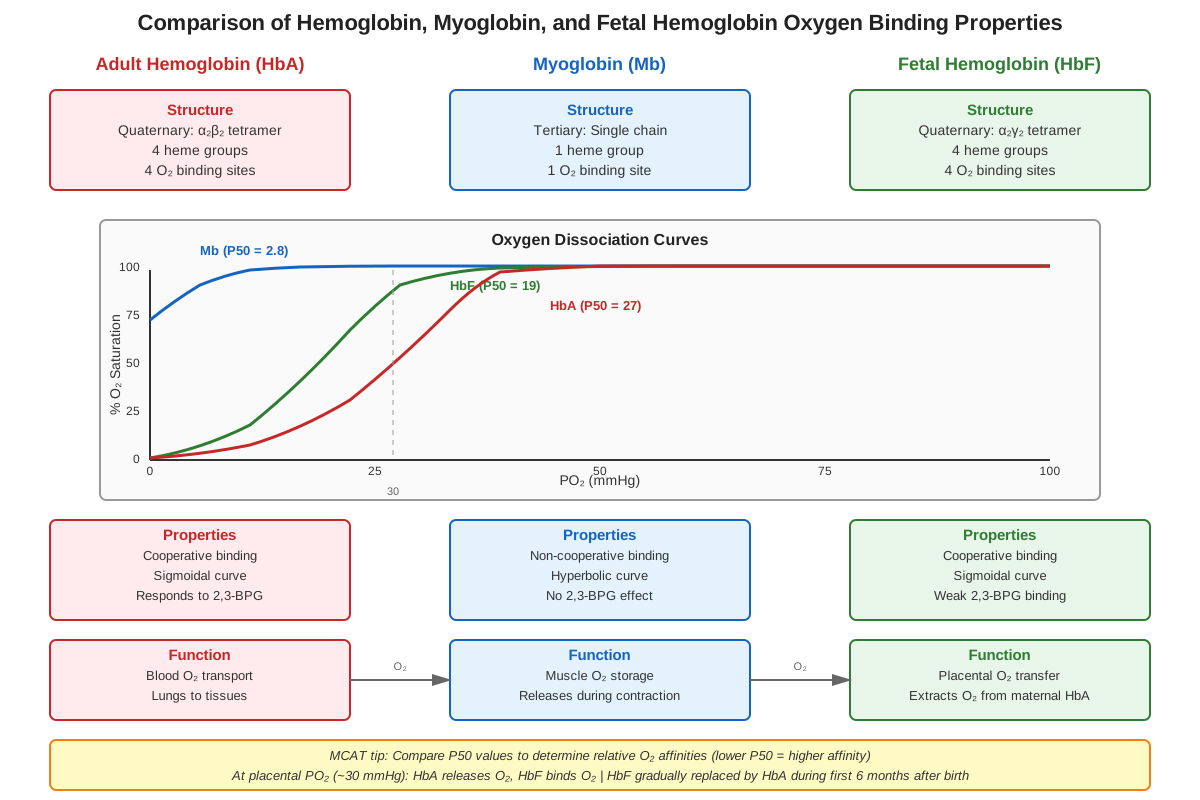
Hemoglobin oxygen binding represents one of the most elegant examples of protein structure-function relationships in human Biology and serves as a cornerstone concept within Physiology and Organ Systems. This topic explores how hemoglobin, a quaternary protein structure found in red blood cells, reversibly binds oxygen molecules and transports them from the lungs to peripheral tissues. Understanding the cooperative binding mechanism, allosteric regulation, and the factors that modulate oxygen affinity is essential for comprehending respiratory physiology, acid-base balance, and metabolic adaptation. The oxygen-hemoglobin dissociation curve—a sigmoidal relationship that describes the percentage of hemoglobin saturation at various partial pressures of oxygen—encapsulates the physiological brilliance of this system and appears frequently in MCAT passages.
For the MCAT, hemoglobin oxygen binding bridges multiple disciplines: biochemistry (protein structure and allosteric regulation), physiology (gas exchange and tissue perfusion), and general chemistry (equilibrium and Le Chatelier's principle). Questions often present clinical scenarios involving altitude adaptation, carbon monoxide poisoning, anemia, or metabolic acidosis, requiring students to predict shifts in the oxygen-hemoglobin dissociation curve and explain the underlying molecular mechanisms. This topic also connects to enzyme kinetics, as the cooperative binding of oxygen to hemoglobin contrasts with the hyperbolic binding curve of myoglobin, illustrating how quaternary structure enables sophisticated regulatory control.
Mastery of hemoglobin oxygen binding provides the foundation for understanding related concepts including the Bohr effect, fetal hemoglobin adaptations, 2,3-bisphosphoglycerate (2,3-BPG) regulation, and the physiological responses to hypoxia. This topic exemplifies how molecular-level interactions scale up to produce organism-level physiological responses, making it a high-yield area for integrated MCAT questions that test multiple knowledge domains simultaneously.
Learning Objectives
- [ ] Define hemoglobin oxygen binding using accurate Biology terminology, including the concepts of cooperative binding and allosteric regulation
- [ ] Explain why hemoglobin oxygen binding matters for the MCAT, particularly in integrated passages combining physiology and biochemistry
- [ ] Apply hemoglobin oxygen binding principles to exam-style questions involving oxygen-hemoglobin dissociation curves and clinical scenarios
- [ ] Identify common mistakes related to hemoglobin oxygen binding, including confusion between myoglobin and hemoglobin binding patterns
- [ ] Connect hemoglobin oxygen binding to related Biology concepts such as protein structure, enzyme kinetics, and acid-base physiology
- [ ] Predict and explain shifts in the oxygen-hemoglobin dissociation curve in response to changes in pH, temperature, CO₂, and 2,3-BPG
- [ ] Compare and contrast the oxygen binding properties of hemoglobin, myoglobin, and fetal hemoglobin
- [ ] Analyze experimental data and graphs related to oxygen saturation and partial pressure relationships
Prerequisites
- Protein structure (primary through quaternary): Hemoglobin's quaternary structure (four subunits) is essential to understanding cooperative binding and allosteric regulation
- Basic enzyme kinetics and Michaelis-Menten concepts: Provides framework for understanding binding curves, though hemoglobin exhibits cooperative rather than hyperbolic kinetics
- Partial pressure and gas laws: Necessary to interpret how oxygen concentration (expressed as partial pressure) drives binding and release
- Acid-base chemistry and pH: Critical for understanding the Bohr effect and how proton concentration affects oxygen affinity
- Basic respiratory physiology: Knowledge of gas exchange in lungs and tissues provides physiological context for hemoglobin function
- Equilibrium principles and Le Chatelier's principle: Helps predict how changing conditions shift the oxygen binding equilibrium
Why This Topic Matters
Hemoglobin oxygen binding has profound clinical significance that extends far beyond academic interest. This system enables human survival at varying altitudes, during exercise, and in disease states. Carbon monoxide poisoning—a leading cause of poisoning deaths—exerts its lethal effects by binding hemoglobin with 200-250 times greater affinity than oxygen, effectively blocking oxygen transport. Anemia, affecting billions worldwide, reduces oxygen-carrying capacity and triggers compensatory mechanisms including increased 2,3-BPG production. Sickle cell disease results from a single amino acid substitution in hemoglobin that causes polymerization under low oxygen conditions, demonstrating how molecular changes produce devastating clinical consequences.
On the MCAT, hemoglobin oxygen binding appears with moderate to high frequency, particularly in Biology and Biochemistry/Biology passages. Exam statistics indicate this topic appears in approximately 3-5% of biological sciences questions, often integrated with other concepts. Common question formats include:
- Graph interpretation: Presenting oxygen-hemoglobin dissociation curves with various conditions and asking students to identify which curve corresponds to specific physiological states
- Clinical vignettes: Describing patients with respiratory conditions, altitude exposure, or metabolic disorders and requiring prediction of hemoglobin saturation changes
- Comparative physiology: Contrasting hemoglobin with myoglobin or comparing adult and fetal hemoglobin
- Mechanism questions: Testing understanding of cooperative binding, the Bohr effect, or 2,3-BPG regulation
Passages frequently combine hemoglobin oxygen binding with acid-base balance, respiratory physiology, or experimental biochemistry, making this an ideal topic for testing integrated scientific reasoning—a core MCAT competency.
Core Concepts
Hemoglobin Structure and Composition
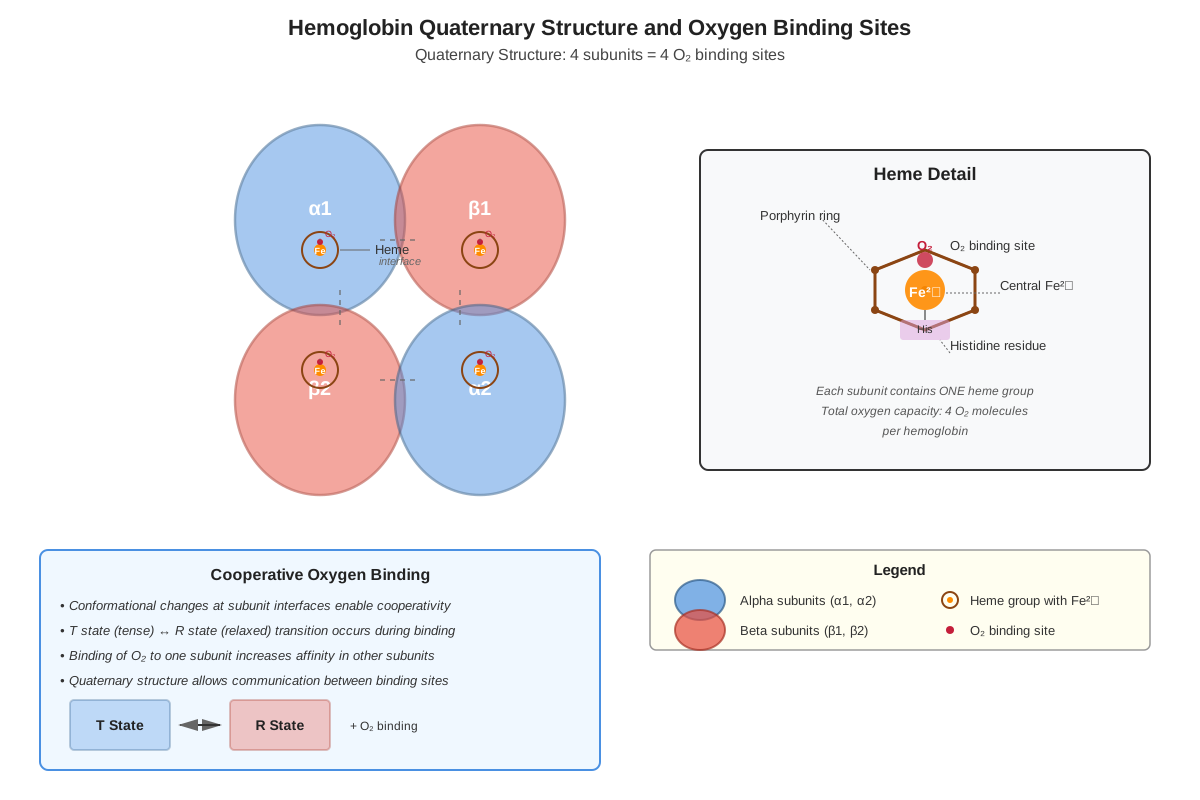
Hemoglobin is a globular protein with quaternary structure consisting of four polypeptide subunits: two alpha (α) chains and two beta (β) chains in adult hemoglobin (HbA). Each subunit contains a heme group—a porphyrin ring with a central iron (Fe²⁺) atom that serves as the oxygen binding site. The iron must remain in the ferrous (Fe²⁺) state to bind oxygen; oxidation to ferric (Fe³⁺) produces methemoglobin, which cannot transport oxygen. Each hemoglobin molecule can bind four oxygen molecules, one per heme group, with a total molecular weight of approximately 64,500 Da.
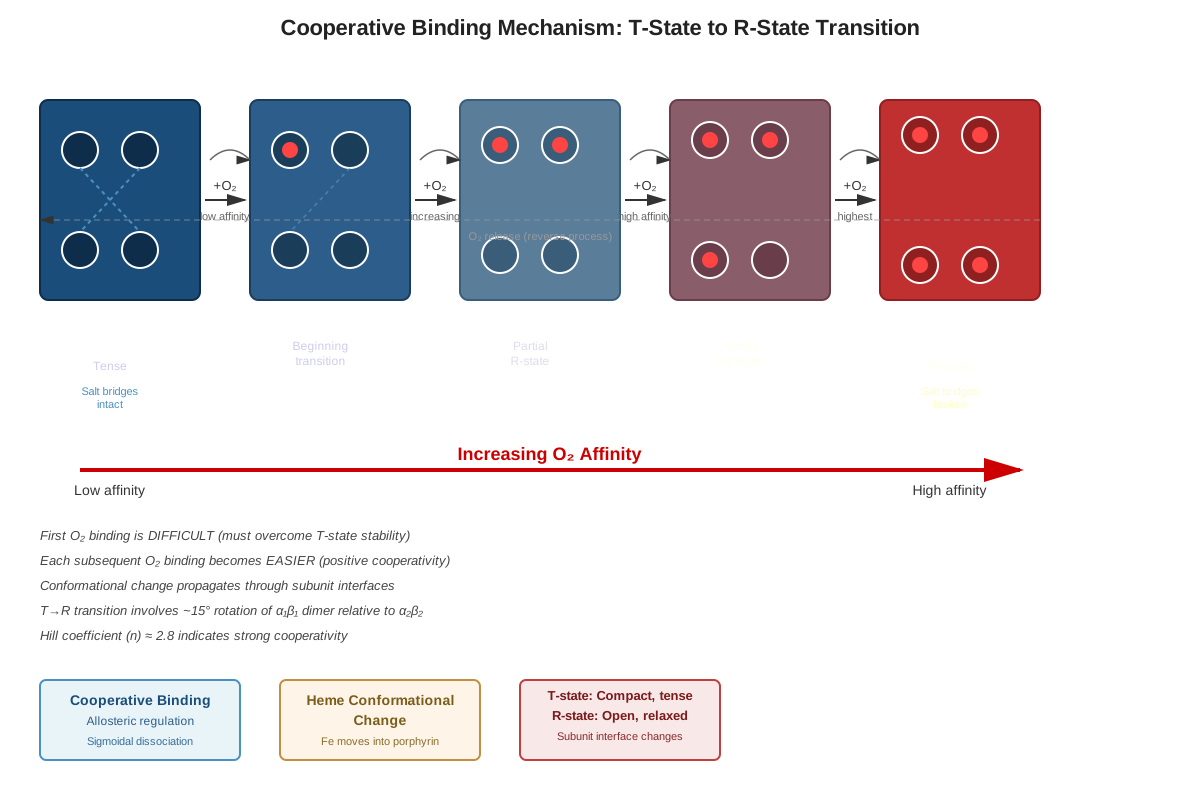
The quaternary structure enables allosteric regulation, where binding of oxygen to one subunit induces conformational changes that affect the other subunits. Hemoglobin exists in two principal conformational states: the T state (tense), which has low oxygen affinity and predominates when oxygen is absent, and the R state (relaxed), which has high oxygen affinity and predominates when oxygen is bound. The transition between these states underlies cooperative binding.
Cooperative Binding and the Sigmoidal Curve
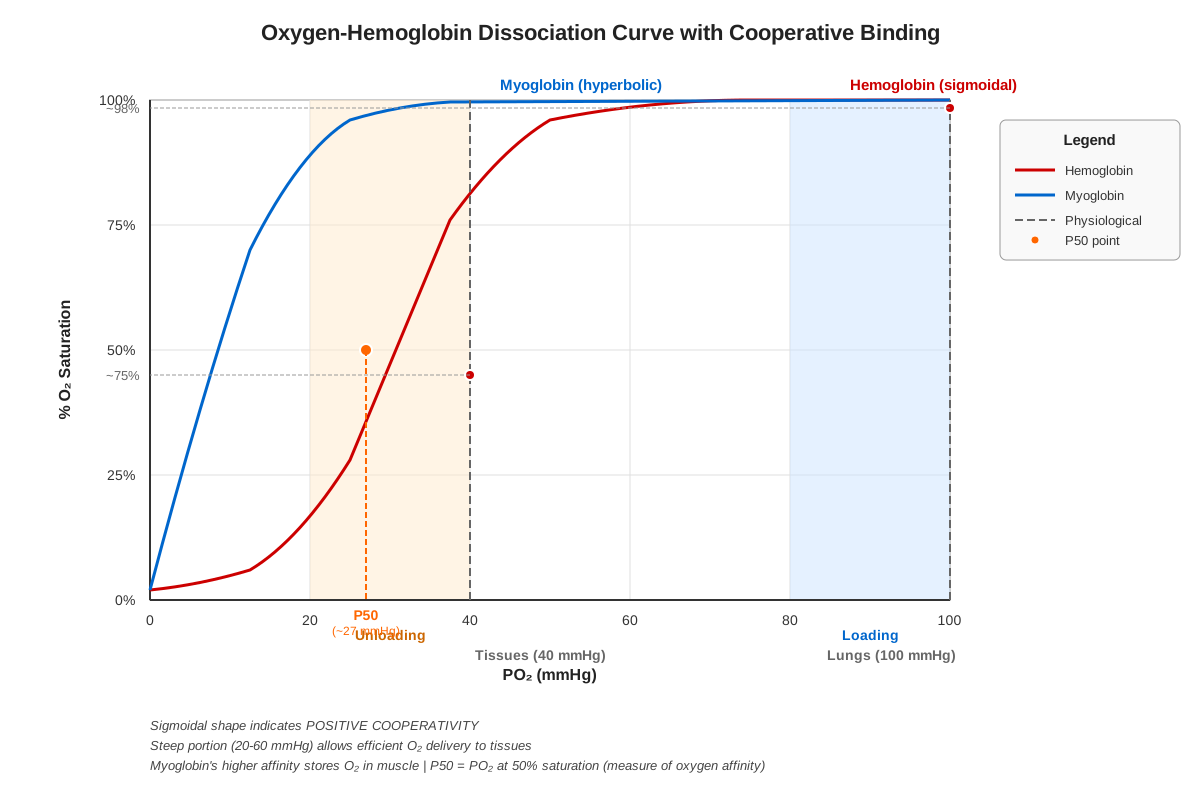
Cooperative binding describes the phenomenon where binding of the first oxygen molecule increases the affinity of hemoglobin for subsequent oxygen molecules. This produces a sigmoidal (S-shaped) oxygen-hemoglobin dissociation curve rather than the hyperbolic curve seen with myoglobin. The molecular mechanism involves conformational changes: when oxygen binds to one heme group, it triggers a shift from the T state toward the R state, making it progressively easier for additional oxygen molecules to bind.
The Hill coefficient (n) quantifies cooperativity; for hemoglobin, n ≈ 2.8-3.0, indicating strong positive cooperativity. A Hill coefficient of 1.0 would indicate no cooperativity (as seen with myoglobin), while values greater than 1.0 indicate positive cooperativity. This cooperative mechanism provides physiological advantages: hemoglobin loads oxygen efficiently in the lungs (where PO₂ is high) and unloads it efficiently in tissues (where PO₂ is low), with a steep portion of the curve in the physiological range.
The Oxygen-Hemoglobin Dissociation Curve
The oxygen-hemoglobin dissociation curve plots the percentage of hemoglobin saturation (Y-axis) against the partial pressure of oxygen (PO₂, X-axis). Key features include:
- Plateau region (PO₂ > 70 mmHg): In the lungs, where PO₂ ≈ 100 mmHg, hemoglobin is approximately 97-98% saturated. The plateau provides a safety margin—even if alveolar PO₂ drops moderately, hemoglobin remains highly saturated.
- Steep region (PO₂ 20-60 mmHg): In this physiological range corresponding to tissue PO₂, small decreases in PO₂ cause large decreases in saturation, facilitating oxygen unloading.
- P₅₀ value: The partial pressure at which hemoglobin is 50% saturated, normally approximately 26-27 mmHg. P₅₀ serves as an index of oxygen affinity—lower P₅₀ indicates higher affinity (curve shifts left), while higher P₅₀ indicates lower affinity (curve shifts right).
Factors Affecting Oxygen Affinity: Right and Left Shifts
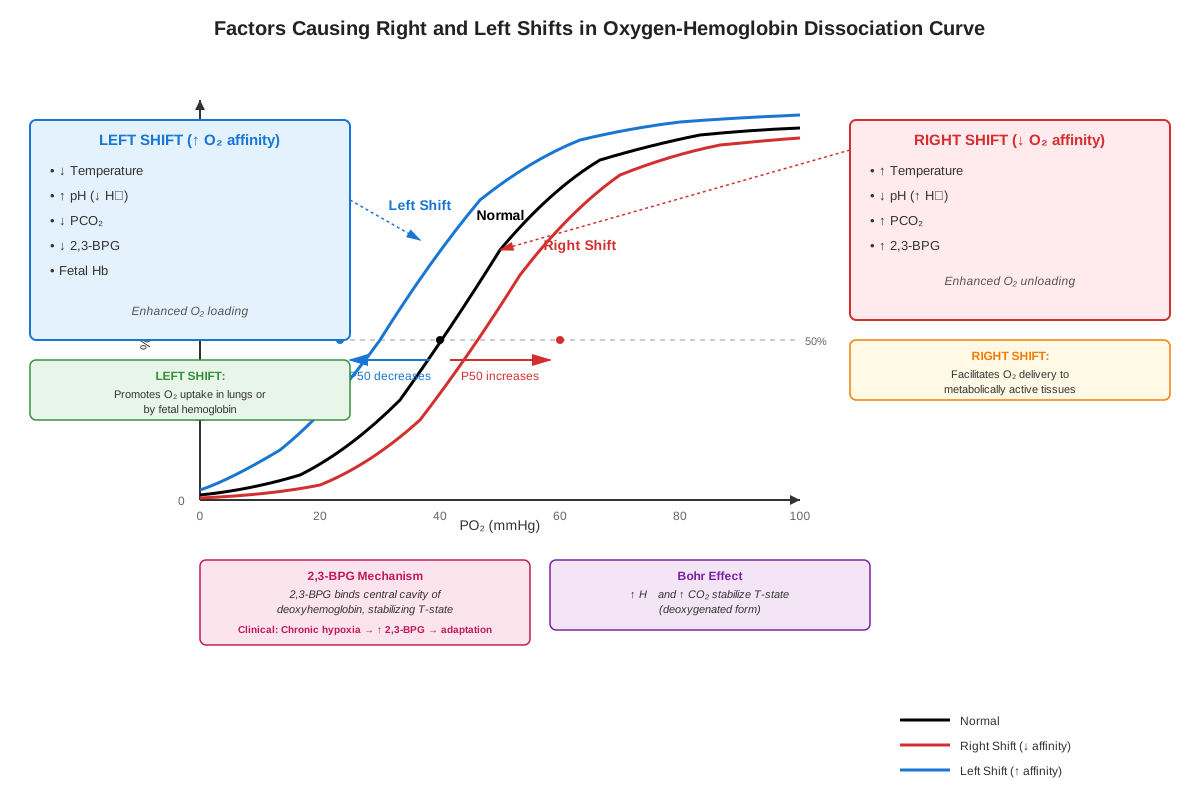
Multiple physiological factors modulate hemoglobin's oxygen affinity by stabilizing either the T state (decreasing affinity, right shift) or R state (increasing affinity, left shift):
| Factor | Effect on Curve | Effect on P₅₀ | Physiological Context |
|---|---|---|---|
| ↑ Temperature | Right shift | Increases | Exercise, fever; promotes O₂ unloading in metabolically active tissues |
| ↑ H⁺ (↓ pH) | Right shift | Increases | Bohr effect; metabolically active tissues produce CO₂/H⁺ |
| ↑ CO₂ | Right shift | Increases | Bohr effect; facilitates O₂ unloading where CO₂ is produced |
| ↑ 2,3-BPG | Right shift | Increases | Chronic hypoxia, altitude adaptation |
| ↓ Temperature | Left shift | Decreases | Hypothermia; reduces O₂ unloading |
| ↓ H⁺ (↑ pH) | Left shift | Decreases | Alkalosis; impairs O₂ unloading |
| ↓ CO₂ | Left shift | Decreases | Hyperventilation |
| ↓ 2,3-BPG | Left shift | Decreases | Stored blood |
| Fetal Hb (HbF) | Left shift | Decreases | Facilitates O₂ transfer from maternal to fetal blood |
| Carbon monoxide | Left shift + reduced capacity | Decreases (for remaining sites) | Poisoning; also reduces total O₂ carrying capacity |
Right shifts (increased P₅₀, decreased affinity) facilitate oxygen unloading in tissues—the curve shifts such that at any given PO₂, hemoglobin saturation is lower, meaning more oxygen is released. Left shifts (decreased P₅₀, increased affinity) enhance oxygen loading in the lungs but impair tissue unloading.
The Bohr Effect
The Bohr effect describes the decrease in hemoglobin oxygen affinity caused by increased CO₂ and decreased pH (increased H⁺). In metabolically active tissues, cellular respiration produces CO₂, which diffuses into blood and forms carbonic acid (H₂CO₃) via carbonic anhydrase, subsequently dissociating into H⁺ and HCO₃⁻. The increased H⁺ concentration stabilizes the T state by protonating specific amino acid residues (particularly histidine residues), promoting oxygen release exactly where it's needed.
Conversely, in the lungs, CO₂ diffuses out of blood into alveoli, pH rises, and hemoglobin's oxygen affinity increases, facilitating oxygen loading. This elegant coupling of oxygen and carbon dioxide transport maximizes efficiency. The Bohr effect can be summarized: high H⁺ and CO₂ → right shift → enhanced O₂ unloading in tissues; low H⁺ and CO₂ → left shift → enhanced O₂ loading in lungs.
2,3-Bisphosphoglycerate (2,3-BPG)
2,3-BPG (also called 2,3-diphosphoglycerate or 2,3-DPG) is an allosteric regulator produced in red blood cells through the Rapoport-Luebering shunt, a side pathway of glycolysis. 2,3-BPG binds to the central cavity of deoxygenated hemoglobin (T state), stabilizing this conformation and decreasing oxygen affinity (right shift). Each hemoglobin tetramer binds one molecule of 2,3-BPG.
Physiologically, 2,3-BPG levels increase in response to chronic hypoxia (e.g., high altitude, chronic lung disease, anemia), representing an adaptive mechanism that enhances oxygen delivery to tissues despite reduced oxygen availability. The adaptation takes several days to develop. Conversely, stored blood loses 2,3-BPG over time, resulting in a left-shifted curve and reduced oxygen delivery capacity when transfused—this is one reason why fresher blood is preferred for transfusions.
Hemoglobin vs. Myoglobin
Myoglobin is a monomeric oxygen-binding protein found in muscle tissue that serves as an oxygen storage molecule. Key differences include:
- Structure: Myoglobin has a single polypeptide chain with one heme group (no quaternary structure), while hemoglobin has four subunits with four heme groups
- Binding curve: Myoglobin exhibits a hyperbolic binding curve (no cooperativity), while hemoglobin shows a sigmoidal curve
- Oxygen affinity: Myoglobin has higher oxygen affinity than hemoglobin at all PO₂ values (lower P₅₀ ≈ 2-3 mmHg)
- Function: Myoglobin stores oxygen in muscle and facilitates oxygen diffusion from blood to mitochondria; hemoglobin transports oxygen in blood
- Allosteric regulation: Myoglobin is not regulated by pH, CO₂, or 2,3-BPG; hemoglobin is extensively regulated
The higher affinity of myoglobin ensures that oxygen transfers from hemoglobin to myoglobin in muscle tissue, where myoglobin then releases it to mitochondria only when PO₂ drops very low (during intense exercise).
Fetal Hemoglobin
Fetal hemoglobin (HbF) consists of two alpha chains and two gamma (γ) chains (α₂γ₂) rather than the two beta chains found in adult hemoglobin (HbA, α₂β₂). The gamma chains have different amino acid sequences that result in weaker binding of 2,3-BPG. Since 2,3-BPG normally decreases oxygen affinity, weaker 2,3-BPG binding means HbF has higher oxygen affinity than HbA (left-shifted curve, lower P₅₀).
This higher affinity is physiologically essential: in the placenta, where maternal and fetal blood come into close proximity (but don't mix), oxygen must transfer from maternal HbA to fetal HbF. The affinity difference creates a favorable gradient for oxygen transfer. After birth, gamma chain production decreases and beta chain production increases, with the transition to predominantly adult hemoglobin complete by approximately 6 months of age. This transition is clinically relevant in sickle cell disease and beta-thalassemia, which don't manifest until HbF levels decline.
Carbon Monoxide Poisoning
Carbon monoxide (CO) binds to hemoglobin with approximately 200-250 times greater affinity than oxygen, forming carboxyhemoglobin (COHb). CO poisoning produces two detrimental effects:
- Reduced oxygen-carrying capacity: CO occupies heme binding sites, directly reducing the number of sites available for oxygen
- Left shift of the dissociation curve: CO binding to some heme groups increases the oxygen affinity of the remaining sites (through the same cooperative mechanism), impairing oxygen unloading in tissues
The combination of reduced capacity and impaired unloading severely compromises tissue oxygen delivery. Symptoms include headache, confusion, and potentially death. Treatment involves high-flow oxygen or hyperbaric oxygen to competitively displace CO from hemoglobin. The left shift caused by CO explains why COHb levels as low as 20-30% can be lethal, even though 70-80% of oxygen-binding sites remain available—the remaining sites hold oxygen too tightly to release it effectively.
Concept Relationships
The core concepts of hemoglobin oxygen binding form an interconnected network centered on the relationship between protein structure and physiological function. Quaternary structure → enables cooperative binding → produces the sigmoidal dissociation curve → creates efficient oxygen loading and unloading. This fundamental relationship underlies all other aspects of the topic.
Allosteric regulation connects to multiple effectors: the Bohr effect (H⁺ and CO₂) and 2,3-BPG both stabilize the T state, producing right shifts that enhance tissue oxygen delivery. These regulatory mechanisms respond to metabolic demand—active tissues produce CO₂ and H⁺, which locally decrease hemoglobin oxygen affinity exactly where oxygen is most needed. This represents a beautiful example of physiological feedback.
The comparison between hemoglobin and myoglobin illustrates how quaternary structure enables sophisticated regulation: myoglobin's monomeric structure produces simple hyperbolic kinetics without cooperativity or allosteric regulation, while hemoglobin's tetrameric structure enables both. The affinity difference between these proteins creates a functional oxygen cascade: lungs → hemoglobin → myoglobin → mitochondria.
Fetal hemoglobin represents a developmental adaptation where altered primary structure (gamma vs. beta chains) → reduced 2,3-BPG binding → increased oxygen affinity → facilitated maternal-fetal oxygen transfer. This connects protein structure to developmental physiology.
Carbon monoxide poisoning demonstrates how competitive inhibition combined with cooperative effects produces clinical pathology: CO binding → stabilizes R state → left shift → impaired oxygen unloading, compounding the reduced capacity from site occupation.
All these concepts connect back to prerequisite knowledge: protein structure determines function, equilibrium principles govern binding and shifts, acid-base chemistry underlies the Bohr effect, and partial pressure drives the binding equilibrium. Understanding these relationships enables prediction of hemoglobin behavior under novel conditions—a key MCAT skill.
Quick check — test yourself on Hemoglobin oxygen binding so far.
Try Flashcards →High-Yield Facts
⭐ Hemoglobin exhibits cooperative binding, producing a sigmoidal oxygen-hemoglobin dissociation curve, while myoglobin shows hyperbolic kinetics with no cooperativity
⭐ Right shifts of the oxygen-hemoglobin dissociation curve (increased P₅₀) indicate decreased oxygen affinity and enhanced oxygen unloading; caused by increased temperature, increased H⁺ (decreased pH), increased CO₂, and increased 2,3-BPG
⭐ The Bohr effect describes how increased H⁺ and CO₂ in metabolically active tissues decrease hemoglobin oxygen affinity, facilitating oxygen delivery where it's needed most
⭐ Fetal hemoglobin (HbF) has higher oxygen affinity than adult hemoglobin (HbA) due to reduced 2,3-BPG binding, enabling oxygen transfer from maternal to fetal blood
⭐ Carbon monoxide binds hemoglobin with ~200-250× greater affinity than oxygen and causes both reduced oxygen-carrying capacity and a left shift (increased affinity of remaining sites), severely impairing tissue oxygen delivery
- P₅₀ (partial pressure at 50% saturation) is normally ~26-27 mmHg and serves as an index of oxygen affinity; lower P₅₀ = higher affinity (left shift), higher P₅₀ = lower affinity (right shift)
- 2,3-BPG levels increase during chronic hypoxia (altitude, anemia, chronic lung disease) as an adaptive mechanism to enhance tissue oxygen delivery
- Hemoglobin has four subunits (α₂β₂) with four heme groups, allowing binding of four oxygen molecules with positive cooperativity (Hill coefficient ~2.8-3.0)
- The T state (tense, deoxygenated) has low oxygen affinity, while the R state (relaxed, oxygenated) has high oxygen affinity; oxygen binding shifts the equilibrium from T to R
- Myoglobin has higher oxygen affinity than hemoglobin at all PO₂ values, with P₅₀ ~2-3 mmHg compared to hemoglobin's ~27 mmHg
- The plateau region of the oxygen-hemoglobin dissociation curve (PO₂ > 70 mmHg) provides a safety margin, ensuring high saturation even with moderate decreases in alveolar PO₂
- Stored blood loses 2,3-BPG over time, resulting in a left-shifted curve and reduced oxygen delivery capacity when transfused
- Methemoglobin contains iron in the ferric (Fe³⁺) rather than ferrous (Fe²⁺) state and cannot bind oxygen; methemoglobinemia causes functional anemia
Common Misconceptions
Misconception: Hemoglobin and myoglobin have the same oxygen affinity, just different binding curves.
Correction: Myoglobin has significantly higher oxygen affinity than hemoglobin at all PO₂ values (P₅₀ ~2-3 mmHg vs. ~27 mmHg). The difference in curve shape (hyperbolic vs. sigmoidal) reflects cooperativity, but the curves are also shifted relative to each other, with myoglobin's curve to the left of hemoglobin's.
Misconception: A right shift of the oxygen-hemoglobin dissociation curve is always pathological and harmful.
Correction: Right shifts are often adaptive and beneficial. In metabolically active tissues, increased temperature, H⁺, CO₂, and 2,3-BPG cause right shifts that enhance oxygen unloading exactly where oxygen is needed. The chronic increase in 2,3-BPG at high altitude is an important adaptive mechanism. Right shifts become problematic only when they're extreme or when oxygen loading in the lungs is compromised.
Misconception: Carbon monoxide poisoning is dangerous primarily because it reduces oxygen-carrying capacity.
Correction: While CO does reduce capacity by occupying binding sites, the more insidious effect is the left shift it causes. CO binding to some heme groups increases the oxygen affinity of the remaining sites through cooperative effects, preventing oxygen release in tissues. This explains why relatively low COHb levels (20-30%) can be lethal—the remaining oxygen-binding sites hold oxygen too tightly to deliver it effectively.
Misconception: The Bohr effect and 2,3-BPG regulation are the same mechanism.
Correction: These are distinct regulatory mechanisms. The Bohr effect involves H⁺ and CO₂ binding to specific amino acid residues (particularly histidines), causing immediate conformational changes. 2,3-BPG is a separate molecule that binds in the central cavity of deoxygenated hemoglobin. The Bohr effect provides rapid, local regulation (seconds), while 2,3-BPG changes occur over hours to days in response to chronic conditions.
Misconception: Fetal hemoglobin has higher oxygen affinity because it has more heme groups or binds more oxygen molecules.
Correction: Fetal hemoglobin (α₂γ₂) has the same number of subunits and heme groups as adult hemoglobin (α₂β₂)—four of each. The higher affinity results from the gamma chains having different amino acid sequences that reduce 2,3-BPG binding. Since 2,3-BPG normally decreases affinity, weaker 2,3-BPG binding means higher affinity.
Misconception: P₅₀ represents the partial pressure in tissues or lungs.
Correction: P₅₀ is a property of the hemoglobin molecule itself—the PO₂ at which hemoglobin is 50% saturated. It's an index of oxygen affinity, not a physiological measurement. Normal tissue PO₂ is ~40 mmHg and alveolar PO₂ is ~100 mmHg, while P₅₀ is ~27 mmHg. Changes in P₅₀ indicate shifts in the dissociation curve.
Misconception: Cooperative binding means all four oxygen molecules bind simultaneously.
Correction: Cooperative binding means that binding of each oxygen molecule increases the probability that the next oxygen will bind, but binding still occurs sequentially, not simultaneously. The first oxygen binds with relatively low affinity (hemoglobin in T state), but this binding triggers conformational changes that increase affinity for the second oxygen, and so on. By the time the fourth oxygen binds, hemoglobin is fully in the R state with high affinity.
Worked Examples
Example 1: Altitude Adaptation
Clinical Vignette: A medical student travels from sea level to a research station at 14,000 feet elevation. After one week, blood tests show her 2,3-BPG levels have increased by 30% compared to baseline. Predict and explain the changes in her oxygen-hemoglobin dissociation curve and the physiological rationale for this adaptation.
Solution:
Step 1 - Identify the primary change: Increased 2,3-BPG levels
Step 2 - Determine the effect on the dissociation curve: 2,3-BPG binds to deoxygenated hemoglobin (T state) and stabilizes this conformation, decreasing oxygen affinity. This causes a right shift of the oxygen-hemoglobin dissociation curve. The P₅₀ will increase from the normal ~27 mmHg to perhaps ~30-32 mmHg.
Step 3 - Analyze the physiological context: At high altitude, atmospheric pressure is lower, so alveolar PO₂ is reduced (perhaps 60-70 mmHg instead of 100 mmHg at sea level). This means arterial PO₂ is also reduced, and hemoglobin saturation in the lungs is lower than normal (perhaps 90-92% instead of 97-98%).
Step 4 - Explain the adaptive benefit: The right shift caused by increased 2,3-BPG might seem counterintuitive—it further reduces oxygen affinity when oxygen is already scarce. However, the key is tissue oxygen delivery. The steep portion of the dissociation curve shifts rightward, meaning that at the tissue PO₂ (~40 mmHg), hemoglobin saturation is lower than it would be without the 2,3-BPG increase. This translates to more oxygen being unloaded in tissues.
Step 5 - Quantitative reasoning: Without the 2,3-BPG increase, hemoglobin might be 90% saturated in the lungs and 70% saturated in tissues (20% unloading). With the right shift from increased 2,3-BPG, hemoglobin might be 88% saturated in the lungs but only 60% saturated in tissues (28% unloading). The slight decrease in loading is more than compensated by the substantial increase in unloading, resulting in net improved oxygen delivery.
Connection to learning objectives: This example demonstrates application of hemoglobin oxygen binding principles to a clinical scenario, prediction of curve shifts based on regulatory factors, and understanding of the physiological rationale for adaptive mechanisms—all key MCAT skills.
Example 2: Interpreting Experimental Data
Experimental Scenario: Researchers measure oxygen saturation of hemoglobin samples under different conditions and generate the following data:
| PO₂ (mmHg) | Sample A (% Sat) | Sample B (% Sat) | Sample C (% Sat) |
|---|---|---|---|
| 20 | 35 | 25 | 45 |
| 40 | 75 | 60 | 85 |
| 60 | 90 | 82 | 95 |
| 100 | 97 | 96 | 98 |
Identify which sample represents: (1) normal hemoglobin at pH 7.4, (2) hemoglobin at pH 7.2, and (3) fetal hemoglobin.
Solution:
Step 1 - Analyze the pattern: All three samples show sigmoidal curves (saturation increases with PO₂), but they differ in their saturation at intermediate PO₂ values. At high PO₂ (100 mmHg), all samples are nearly fully saturated (96-98%), which is expected—the plateau region.
Step 2 - Identify relative positions:
- Sample C has the highest saturation at all PO₂ values (left-most curve, highest affinity, lowest P₅₀)
- Sample A has intermediate saturation (middle curve)
- Sample B has the lowest saturation at intermediate PO₂ values (right-most curve, lowest affinity, highest P₅₀)
Step 3 - Match to conditions:
- Sample C = Fetal hemoglobin: Fetal hemoglobin has higher oxygen affinity than adult hemoglobin (left shift, lower P₅₀). At PO₂ = 20 mmHg, it's 45% saturated compared to 35% for normal adult hemoglobin.
- Sample A = Normal hemoglobin at pH 7.4: This represents the standard curve with P₅₀ ~27 mmHg (50% saturation would occur between 20 and 40 mmHg based on the data).
- Sample B = Hemoglobin at pH 7.2: Lower pH (more acidic) causes a right shift via the Bohr effect. At PO₂ = 40 mmHg, this sample is only 60% saturated compared to 75% for normal hemoglobin, indicating decreased affinity.
Step 4 - Verify with P₅₀ estimation:
- Sample A: P₅₀ appears to be ~27 mmHg (between 20 and 40, closer to 20 based on 35% at 20 and 75% at 40)
- Sample B: P₅₀ appears to be ~32-35 mmHg (right-shifted)
- Sample C: P₅₀ appears to be ~20-22 mmHg (left-shifted)
Step 5 - Physiological interpretation: The Bohr effect (Sample B) enhances oxygen unloading in tissues where pH is lower due to CO₂ production. Fetal hemoglobin's higher affinity (Sample C) facilitates oxygen transfer from maternal blood across the placenta.
Connection to learning objectives: This example demonstrates interpretation of experimental data, identification of curve shifts, application of the Bohr effect and fetal hemoglobin concepts, and quantitative reasoning—all essential MCAT competencies.
Exam Strategy
When approaching MCAT questions on hemoglobin oxygen binding, employ these strategic approaches:
Graph Recognition: Oxygen-hemoglobin dissociation curves appear frequently. Immediately identify the axes (PO₂ on X-axis, % saturation on Y-axis) and note the sigmoidal shape. When multiple curves are shown, determine which is left-shifted (higher affinity) and which is right-shifted (lower affinity) before reading the question stem. Remember: left = loading enhanced (lungs, fetal Hb, low 2,3-BPG), right = release enhanced (tissues, exercise, high 2,3-BPG).
Trigger Words and Phrases:
- "Metabolically active tissue," "exercising muscle," "fever" → expect right shift (decreased affinity)
- "High altitude," "chronic hypoxia," "anemia" → expect increased 2,3-BPG → right shift
- "Fetal," "placental transfer" → expect left shift (increased affinity)
- "Carbon monoxide," "CO poisoning" → expect left shift + reduced capacity
- "Hyperventilation," "alkalosis" → expect left shift (reverse Bohr effect)
- "P₅₀ increases" → right shift; "P₅₀ decreases" → left shift
Process of Elimination:
- When asked about curve shifts, eliminate options that confuse left and right shifts—this is the most common error
- For questions about myoglobin vs. hemoglobin, eliminate any option suggesting myoglobin has lower affinity or shows cooperativity
- For fetal hemoglobin questions, eliminate options suggesting structural differences in the number of subunits or heme groups (the difference is in the type of chains, not the number)
- For Bohr effect questions, eliminate options that reverse cause and effect (e.g., suggesting oxygen binding causes pH changes rather than pH changes affecting oxygen binding)
Quantitative Reasoning: When given specific PO₂ values, use these benchmarks:
- Alveolar/arterial PO₂: ~100 mmHg (sea level) → ~97-98% saturation
- Mixed venous/tissue PO₂: ~40 mmHg → ~75% saturation (normal conditions)
- P₅₀: ~27 mmHg → 50% saturation (by definition)
- Myoglobin P₅₀: ~2-3 mmHg
Time Allocation: Hemoglobin questions typically require 60-90 seconds. Spend 20-30 seconds analyzing any graphs or data, 20-30 seconds connecting to the relevant concept (Bohr effect, 2,3-BPG, cooperativity, etc.), and 20-30 seconds eliminating wrong answers and confirming the correct choice. Don't get bogged down trying to remember exact P₅₀ values—understanding the direction and magnitude of shifts is more important.
Integration Strategy: Hemoglobin questions often integrate multiple concepts. Create a mental checklist: structure (quaternary), mechanism (cooperative binding), regulation (Bohr effect, 2,3-BPG), comparisons (myoglobin, fetal Hb), and pathology (CO poisoning, methemoglobinemia). Identify which concepts the question is testing and focus your reasoning there.
Memory Techniques
Mnemonic for Right Shift Factors - "CADET, face Right!"
- CO₂ increase
- Acid increase (H⁺ increase, pH decrease)
- DPG increase (2,3-DPG/2,3-BPG)
- Exercise
- Temperature increase
All of these cause a right shift (decreased affinity, increased P₅₀, enhanced oxygen unloading).
Mnemonic for Hemoglobin vs. Myoglobin - "My Single Hyperbola"
- Myoglobin is a Single polypeptide (monomer) with a Hyperbola (hyperbolic binding curve)
- Hemoglobin has four subunits with a sigmoidal curve
Visualization for Cooperative Binding:
Picture hemoglobin as a four-person team doing a relay race. The first runner (oxygen molecule) has to work hard to get started (low affinity, T state). Once the first runner passes the baton, the second runner is already warmed up and ready (increased affinity). By the time the third and fourth runners go, the team is in full stride (R state, high affinity). This captures the essence of positive cooperativity.
Acronym for Fetal Hemoglobin - "FETAL = Favorable Exchange Through Affinity Left-shift"
Fetal hemoglobin's left-shifted curve (higher affinity) enables favorable oxygen exchange from maternal blood.
Memory Aid for P₅₀:
P₅₀ = Partial pressure at 50% saturation. Think "P-fifty" and remember it's normally about 27 mmHg (close to half of normal tissue PO₂ of ~40 mmHg). Lower P₅₀ = higher affinity (needs less pressure to achieve 50% saturation).
Bohr Effect Rhyme:
"When pH goes down and CO₂ goes high,
Hemoglobin says 'Oxygen, goodbye!'
In tissues that work and produce more acid,
Oxygen release becomes more rapid."
This captures the Bohr effect: decreased pH and increased CO₂ in metabolically active tissues promote oxygen release.
Summary
Hemoglobin oxygen binding represents a masterful integration of protein structure, biochemistry, and physiology that is essential for MCAT success. Hemoglobin's quaternary structure—four subunits, each with a heme group—enables cooperative binding, where oxygen binding to one subunit increases the affinity of the remaining subunits. This cooperativity produces the characteristic sigmoidal oxygen-hemoglobin dissociation curve, contrasting with myoglobin's hyperbolic curve. The curve's shape provides physiological advantages: efficient oxygen loading in the lungs (plateau region) and efficient unloading in tissues (steep region). Multiple factors modulate oxygen affinity through allosteric regulation: increased temperature, H⁺, CO₂, and 2,3-BPG all cause right shifts (decreased affinity, enhanced tissue unloading), while their decreases cause left shifts. The Bohr effect—decreased affinity with increased H⁺ and CO₂—ensures oxygen delivery matches metabolic demand. Fetal hemoglobin's higher affinity (left shift due to reduced 2,3-BPG binding) enables maternal-fetal oxygen transfer. Carbon monoxide poisoning exemplifies pathological disruption: CO's high affinity reduces capacity and causes a left shift, severely impairing tissue oxygen delivery. Understanding these principles, recognizing curve shifts, and applying concepts to clinical scenarios are essential MCAT competencies that appear regularly in integrated passages testing multiple knowledge domains simultaneously.
Key Takeaways
- Hemoglobin exhibits cooperative binding due to its quaternary structure, producing a sigmoidal dissociation curve that enables efficient oxygen loading in lungs and unloading in tissues
- Right shifts (increased P₅₀, decreased affinity) are caused by increased temperature, H⁺, CO₂, and 2,3-BPG, and enhance oxygen delivery to metabolically active tissues
- The Bohr effect couples oxygen and CO₂ transport: increased H⁺ and CO₂ in tissues decrease hemoglobin oxygen affinity, promoting oxygen release where it's needed
- Myoglobin has higher oxygen affinity than hemoglobin, shows hyperbolic (not sigmoidal) kinetics, and lacks allosteric regulation
- Fetal hemoglobin has higher oxygen affinity than adult hemoglobin due to reduced 2,3-BPG binding, facilitating placental oxygen transfer
- 2,3-BPG levels increase during chronic hypoxia as an adaptive mechanism to enhance tissue oxygen delivery
- Carbon monoxide binds hemoglobin with ~200-250× greater affinity than oxygen, causing both reduced capacity and a left shift that severely impairs tissue oxygen delivery
Related Topics
Myoglobin Structure and Function: Deep dive into this monomeric oxygen-binding protein, its role in muscle oxygen storage, and facilitated diffusion. Mastering hemoglobin oxygen binding provides the foundation for understanding how myoglobin's simpler structure produces different kinetics and physiological roles.
Respiratory Physiology and Gas Exchange: Explores ventilation, perfusion, and the mechanics of oxygen and CO₂ transport. Hemoglobin oxygen binding is central to understanding how oxygen moves from alveoli to tissues and how ventilation-perfusion matching optimizes gas exchange.
Acid-Base Balance and Buffer Systems: Examines pH regulation, buffer systems (including hemoglobin as a buffer), and respiratory/metabolic compensation. The Bohr effect directly connects hemoglobin function to acid-base physiology.
Allosteric Regulation and Enzyme Kinetics: Broader exploration of how protein conformational changes regulate function. Hemoglobin serves as a classic example of allosteric regulation that extends to understanding enzyme regulation.
Hematologic Disorders: Clinical conditions including anemia, sickle cell disease, thalassemias, and methemoglobinemia. Understanding normal hemoglobin function is essential for comprehending these pathologies.
Adaptations to Hypoxia: Physiological responses to low oxygen, including ventilatory changes, erythropoietin production, and angiogenesis. Hemoglobin's 2,3-BPG regulation is one component of the integrated hypoxic response.
Practice CTA
Now that you've mastered the core concepts of hemoglobin oxygen binding, it's time to solidify your understanding through active practice. Challenge yourself with MCAT-style practice questions that test your ability to interpret oxygen-hemoglobin dissociation curves, predict shifts under various physiological conditions, and apply these principles to clinical scenarios. Use flashcards to reinforce high-yield facts, particularly the factors causing right and left shifts, the differences between hemoglobin and myoglobin, and the mechanisms of the Bohr effect and 2,3-BPG regulation. Remember: understanding hemoglobin oxygen binding isn't just about memorizing curves—it's about developing the integrated reasoning skills that will help you excel across multiple MCAT topics. Each practice question you work through strengthens your ability to think like a physician-scientist, connecting molecular mechanisms to physiological outcomes. You've built a strong foundation—now apply it!
Sign up free to keep reading
Create a free AnvayaPrep account to finish this MCAT guide on Hemoglobin oxygen binding — plus flashcards and practice questions.