Overview
The mouth and salivary glands represent the initial components of the digestive system, where the mechanical and chemical breakdown of food begins. This topic encompasses the anatomical structures of the oral cavity, the three pairs of major salivary glands (parotid, submandibular, and sublingual), and the physiological processes that initiate digestion. Understanding the mouth and salivary glands is essential for MCAT success because it integrates anatomy, biochemistry, and physiology while serving as the foundation for understanding the entire gastrointestinal tract.
The mouth and salivary glands Biology tested on the MCAT focuses on the enzymatic activity of salivary amylase, the neural control of salivation, the composition of saliva, and how these structures contribute to the digestive process. Questions frequently connect oral physiology to broader concepts such as autonomic nervous system regulation, enzyme kinetics, pH effects on enzyme activity, and the coordination of multiple organ systems. The MCAT expects students to understand not just the structures themselves, but how they function within the context of Physiology and Organ Systems.
This topic serves as a critical bridge between multiple disciplines tested on the MCAT. It connects neurophysiology (autonomic control of secretion), biochemistry (enzyme function and carbohydrate digestion), anatomy (structural organization), and immunology (antibacterial components of saliva). Mastery of mouth and salivary glands MCAT content enables students to tackle complex passage-based questions that integrate multiple body systems and apply fundamental principles to clinical scenarios involving digestion, enzyme deficiencies, or autonomic dysfunction.
Learning Objectives
- [ ] Define mouth and salivary glands using accurate Biology terminology
- [ ] Explain why mouth and salivary glands matters for the MCAT
- [ ] Apply mouth and salivary glands to exam-style questions
- [ ] Identify common mistakes related to mouth and salivary glands
- [ ] Connect mouth and salivary glands to related Biology concepts
- [ ] Describe the composition of saliva and the function of each component
- [ ] Explain the neural pathways controlling salivary secretion, including both sympathetic and parasympathetic innervation
- [ ] Analyze how pH and environmental conditions affect salivary amylase activity
- [ ] Predict the consequences of salivary gland dysfunction on digestion and oral health
Prerequisites
- Basic enzyme structure and function: Understanding enzyme-substrate interactions is essential for comprehending salivary amylase activity and its role in carbohydrate digestion
- Autonomic nervous system organization: Knowledge of sympathetic and parasympathetic divisions is necessary to understand the neural control of salivary secretion
- Carbohydrate biochemistry: Familiarity with polysaccharides, disaccharides, and monosaccharides enables understanding of what salivary amylase digests and produces
- Basic anatomy terminology: Directional terms and anatomical organization help in understanding the location and structure of oral cavity components
- pH and buffer systems: Understanding pH effects on proteins is crucial for predicting enzyme activity changes in different environments
Why This Topic Matters
The mouth and salivary glands appear regularly on the MCAT in multiple contexts, making this a high-yield topic despite its relatively straightforward nature. Clinically, dysfunction of these structures leads to conditions such as xerostomia (dry mouth), sialadenitis (salivary gland inflammation), and impaired digestion. Understanding normal function allows students to predict pathological consequences, a critical skill for medical practice and a common MCAT question format.
From an exam perspective, this topic appears in approximately 3-5% of Biology questions on the MCAT, often integrated into passages about digestion, enzyme kinetics, or autonomic nervous system function. Questions may present experimental data about enzyme activity at different pH levels, clinical vignettes involving patients with autonomic dysfunction, or passages exploring the evolutionary advantages of oral digestion. The MCAT frequently tests this topic through:
- Passage-based questions analyzing experimental manipulation of salivary enzyme activity
- Discrete questions about autonomic control of secretion
- Integration questions connecting oral digestion to downstream digestive processes
- Graph interpretation questions showing enzyme activity curves for salivary amylase
The interdisciplinary nature of this topic makes it particularly valuable for the MCAT. A single question might require knowledge of anatomy (gland location), biochemistry (enzyme specificity), physiology (secretion control), and even psychology (salivation as a conditioned response). This integration mirrors the MCAT's emphasis on connecting concepts across traditional disciplinary boundaries, making thorough understanding of the mouth and salivary glands essential for achieving a competitive score.
Core Concepts
Anatomy of the Oral Cavity
The mouth (oral cavity) is bounded by the lips anteriorly, the cheeks laterally, the hard and soft palates superiorly, and the tongue and floor of the mouth inferiorly. The oral cavity is lined with stratified squamous epithelium, which provides protection against mechanical abrasion during chewing. The tongue is a muscular organ that manipulates food during mastication and contains taste buds for sensory detection. The teeth provide mechanical breakdown of food through mastication, increasing surface area for enzymatic action.
The oral cavity is divided into the vestibule (space between lips/cheeks and teeth) and the oral cavity proper (space within the dental arches). This anatomical organization facilitates the mixing of food with saliva and the formation of a bolus—a cohesive mass of partially digested food ready for swallowing. The MCAT may test understanding of how structural features facilitate function, such as how increased surface area from chewing enhances enzymatic digestion efficiency.
Major Salivary Glands
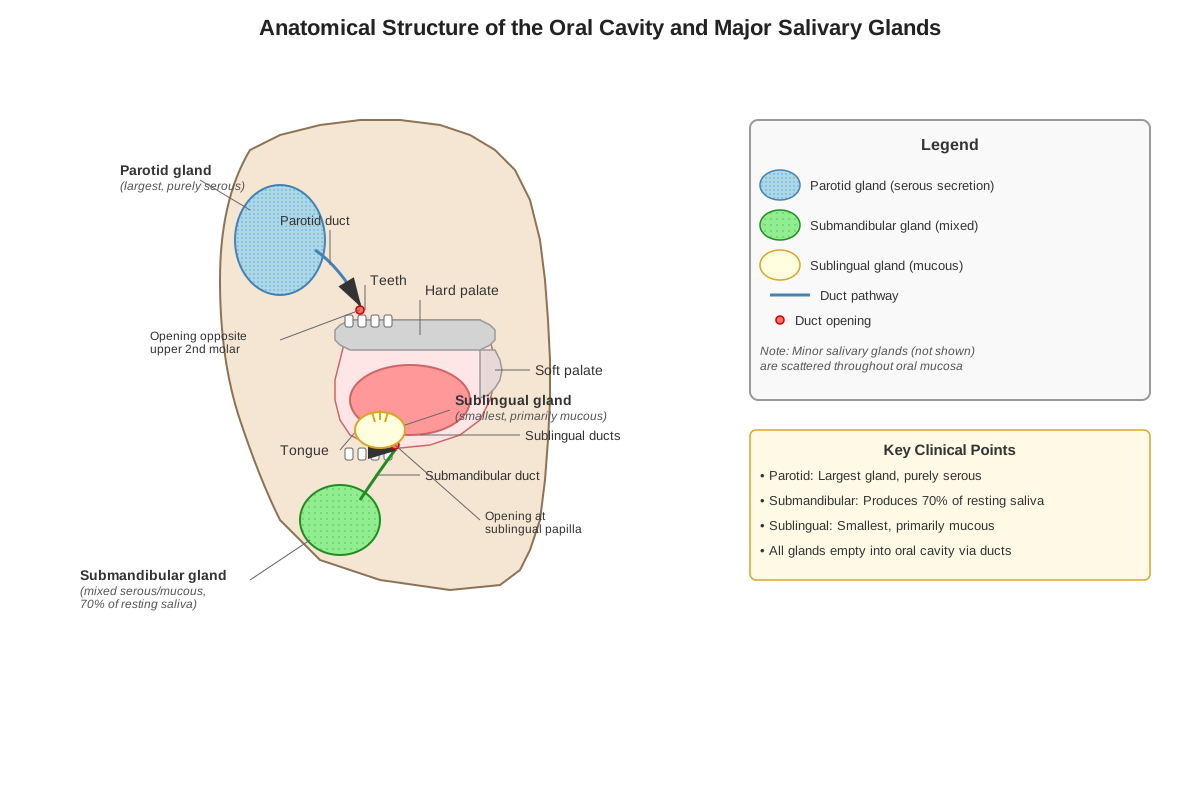
Three pairs of major salivary glands produce the majority of saliva: the parotid, submandibular, and sublingual glands. Each gland has distinct characteristics:
| Gland | Location | Duct | Secretion Type | Contribution to Total Saliva |
|---|---|---|---|---|
| Parotid | Anterior to ear, superficial to masseter | Stensen's duct (opens near upper 2nd molar) | Serous (watery, enzyme-rich) | 25% |
| Submandibular | Floor of mouth, beneath mandible | Wharton's duct (opens beneath tongue) | Mixed (serous and mucous) | 70% |
| Sublingual | Floor of mouth, beneath tongue | Multiple small ducts | Mucous (viscous, lubricating) | 5% |
The parotid gland produces purely serous secretions rich in salivary amylase and other enzymes. The submandibular gland is the largest contributor to total saliva volume and produces both serous and mucous secretions, making it the most important gland for both enzymatic digestion and lubrication. The sublingual gland produces primarily mucous secretions that aid in bolus formation and swallowing.
Minor salivary glands are also distributed throughout the oral mucosa, contributing to baseline saliva production and maintaining moisture. These glands are particularly important for continuous protection of oral tissues between meals.
Composition and Functions of Saliva
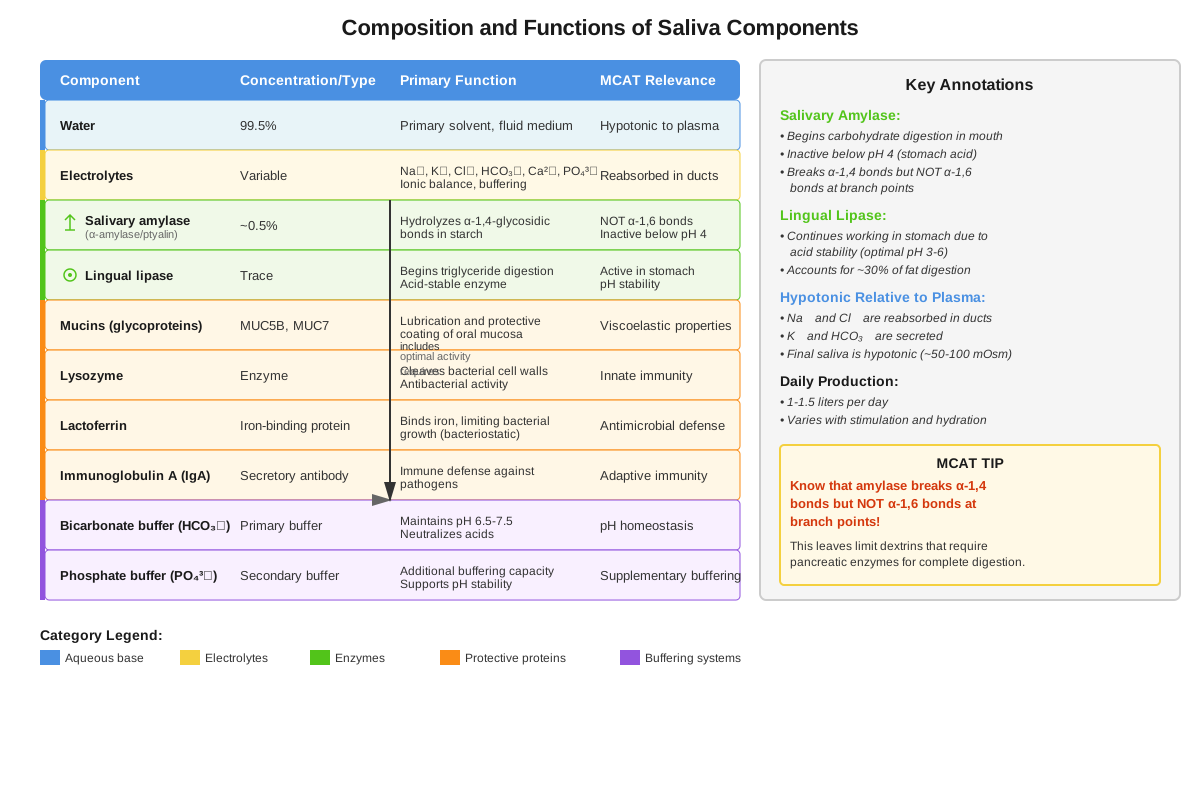
Saliva is a complex fluid containing 99.5% water and 0.5% solutes, including enzymes, electrolytes, mucus, and antibacterial compounds. The average person produces 1-1.5 liters of saliva daily, with production varying based on stimulation. The composition of saliva serves multiple critical functions:
Enzymatic components:
- Salivary amylase (ptyalin): Initiates carbohydrate digestion by hydrolyzing α-1,4-glycosidic bonds in starch, producing maltose, maltotriose, and α-limit dextrins
- Lingual lipase: Begins fat digestion, though this enzyme is more active in the acidic environment of the stomach
- Lysozyme: Antibacterial enzyme that cleaves peptidoglycan in bacterial cell walls
Protective components:
- Mucins: Glycoproteins that lubricate food and protect oral mucosa
- Immunoglobulin A (IgA): Antibody that provides immune defense against pathogens
- Bicarbonate ions: Buffer that helps neutralize acids and maintain optimal pH for enzyme activity
- Lactoferrin: Binds iron, limiting bacterial growth
Electrolytes: Sodium, potassium, chloride, and bicarbonate maintain osmotic balance and pH. Saliva is typically hypotonic compared to plasma, with a pH ranging from 6.5-7.5, which is optimal for salivary amylase activity.
Salivary Amylase Function and Specificity
Salivary amylase is the primary digestive enzyme in saliva, responsible for initiating carbohydrate breakdown. This enzyme specifically cleaves α-1,4-glycosidic bonds found in starch (amylose and amylopectin) but cannot cleave α-1,6-glycosidic bonds at branch points in amylopectin or the β-1,4-glycosidic bonds in cellulose. This specificity is crucial for MCAT questions involving enzyme substrate recognition.
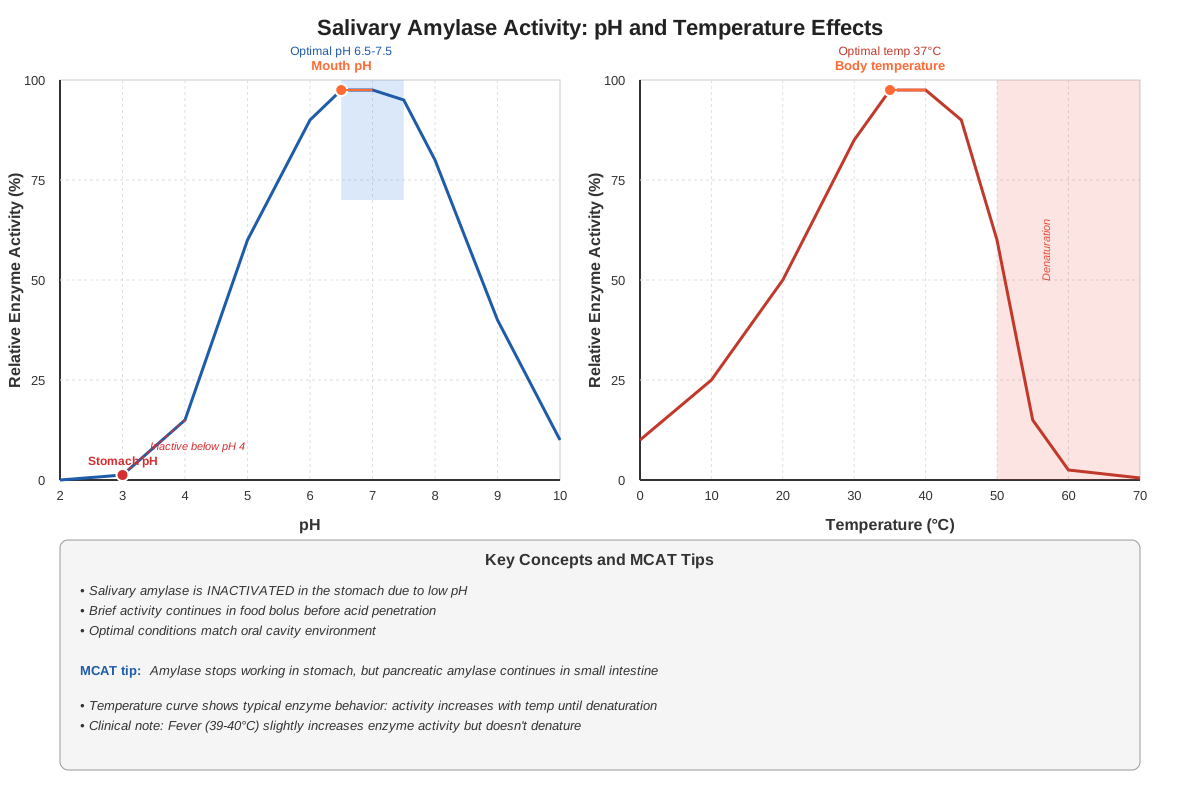
The enzyme exhibits optimal activity at pH 6.8-7.0 and is rapidly inactivated when exposed to the acidic environment of the stomach (pH 1.5-3.5). However, salivary amylase can continue functioning in the interior of the food bolus for 15-30 minutes after swallowing, where it is temporarily protected from gastric acid. This continued activity contributes significantly to overall carbohydrate digestion.
The products of salivary amylase activity include:
- Maltose: A disaccharide consisting of two glucose molecules
- Maltotriose: A trisaccharide consisting of three glucose molecules
- α-limit dextrins: Short branched chains containing α-1,6-glycosidic bonds that salivary amylase cannot cleave
These products are further digested by pancreatic amylase in the small intestine and by brush border enzymes (maltase, isomaltase) that complete the breakdown to glucose for absorption.
Neural Control of Salivary Secretion
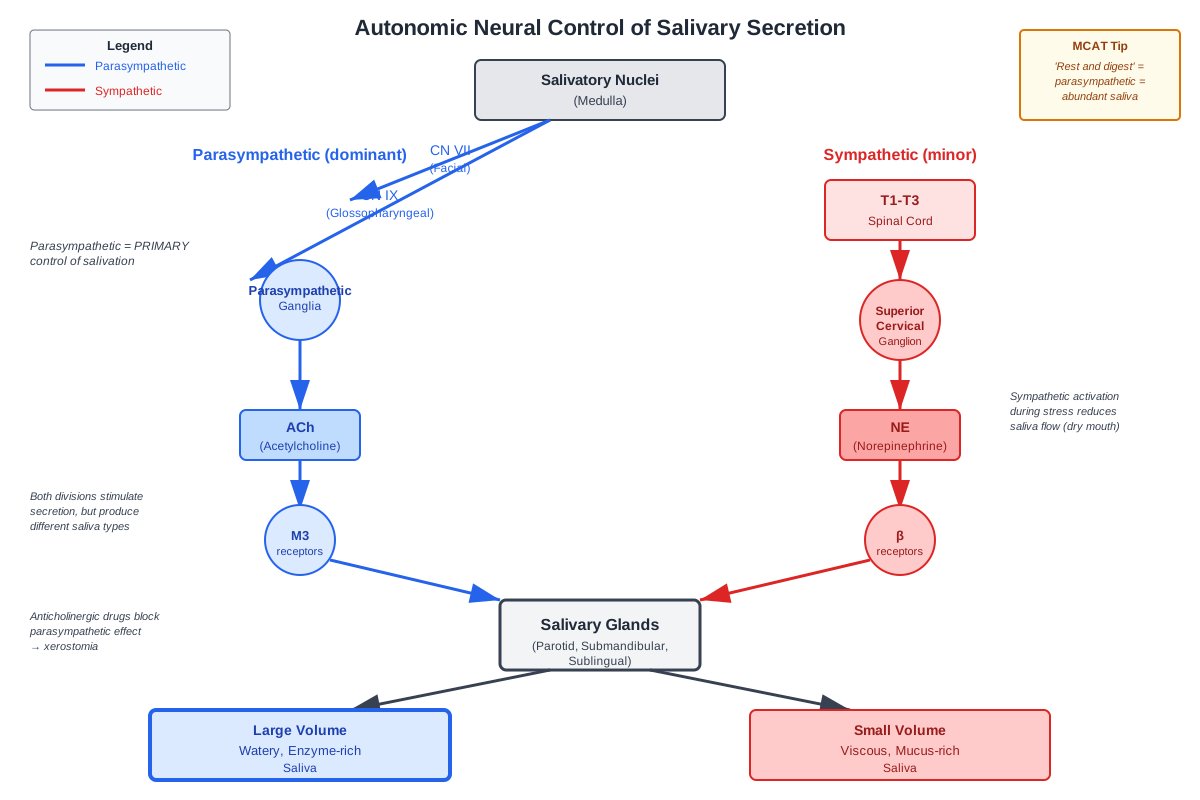
Salivary secretion is controlled exclusively by the autonomic nervous system, making it unique among digestive secretions (most others are also influenced by hormones). Both sympathetic and parasympathetic divisions stimulate secretion, but with different characteristics:
Parasympathetic control (dominant):
- Mediated by cranial nerves VII (facial) and IX (glossopharyngeal)
- Stimulates profuse, watery saliva rich in enzymes
- Activated by thought, smell, sight, or taste of food
- Involves muscarinic (M3) receptors on acinar cells
- Results in high-volume secretion for digestion
Sympathetic control:
- Mediated by sympathetic fibers from the superior cervical ganglion
- Stimulates thick, mucous-rich saliva with less volume
- Activated during stress or "fight-or-flight" responses
- Involves α and β-adrenergic receptors
- Results in low-volume, viscous secretion
The salivary reflex can be both unconditioned (automatic response to food in mouth) and conditioned (learned response to food-related stimuli). This concept connects to behavioral psychology and classical conditioning, topics that may appear in MCAT Behavioral Sciences passages. The salivary center in the medulla oblongata integrates sensory input and coordinates the motor output to salivary glands.
Mechanism of Saliva Production
Saliva production occurs in two stages within the salivary glands:
Stage 1 - Primary secretion (in acini):
- Acinar cells produce an isotonic fluid similar to plasma in electrolyte composition
- Contains water, ions, and proteins (enzymes, mucins)
- Driven by active chloride secretion into the lumen, with water following osmotically
Stage 2 - Modification (in ducts):
- Ductal cells modify the primary secretion as it flows through the duct system
- Sodium and chloride are reabsorbed (making saliva hypotonic)
- Potassium and bicarbonate are secreted
- The extent of modification depends on flow rate: at high flow rates, less time for modification results in saliva more similar to plasma in composition
This two-stage process is important for understanding how different stimuli affect saliva composition. Parasympathetic stimulation increases both the rate of primary secretion and the flow rate, resulting in high-volume, enzyme-rich saliva. Sympathetic stimulation produces lower flow rates, allowing more time for ductal modification and resulting in more viscous, protein-rich saliva.
Concept Relationships
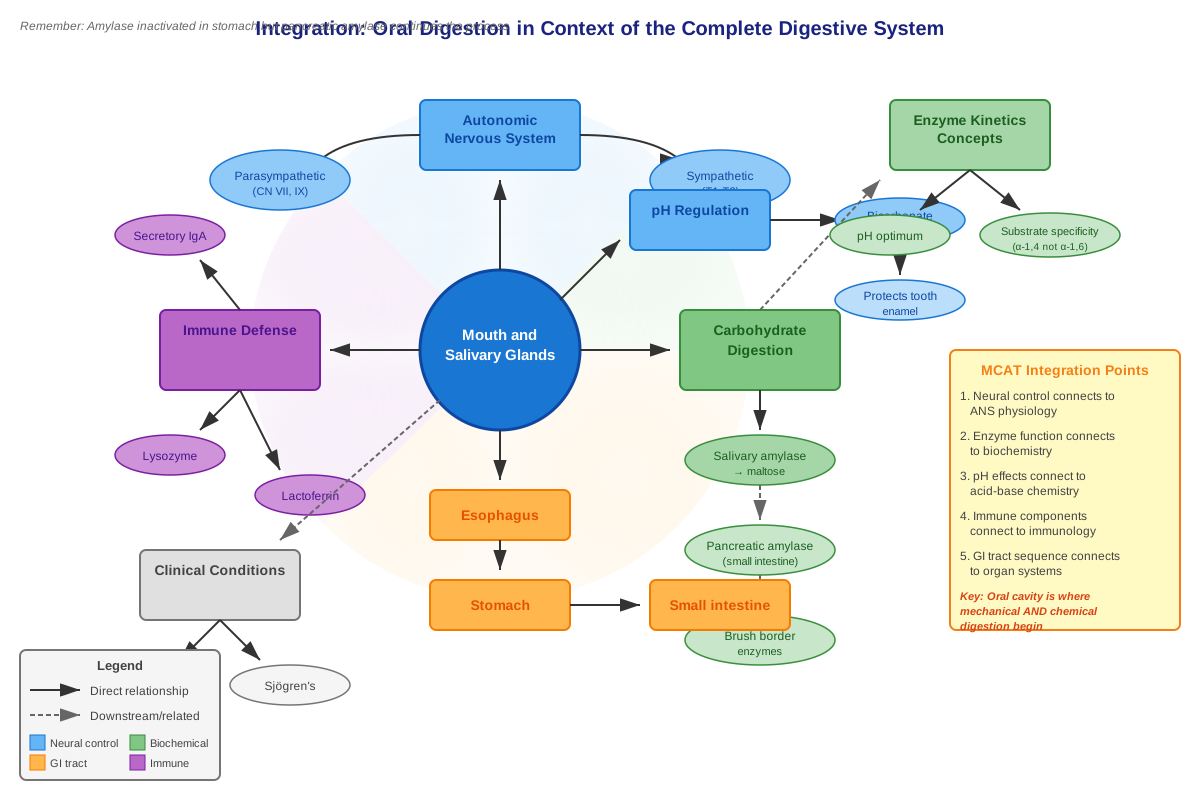
The concepts within mouth and salivary glands form an integrated system where structure determines function, and neural control coordinates activity with digestive needs. The anatomical organization of the oral cavity (structure) → enables mechanical breakdown and mixing (function) → which increases surface area for enzymatic action (biochemistry). The three major salivary glands (anatomy) → produce saliva with specific compositions (biochemistry) → controlled by autonomic nervous system signals (neurophysiology) → that respond to sensory stimuli (sensory physiology).
Salivary amylase function connects directly to enzyme kinetics principles: substrate specificity (only α-1,4-glycosidic bonds) → determines products (maltose, maltotriose, dextrins) → which require further digestion downstream (connecting to small intestine function). The pH dependence of salivary amylase (optimal at 6.8-7.0, inactivated below 4.0) → explains why carbohydrate digestion pauses in the stomach → and resumes in the small intestine with pancreatic amylase.
The neural control of salivation connects to broader autonomic nervous system function: parasympathetic dominance during "rest and digest" → produces high-volume, enzyme-rich saliva → facilitating digestion, while sympathetic activation during stress → produces low-volume, viscous saliva → reflecting the body's shift away from digestive priorities. This relationship extends to conditioned responses (psychology) → where learned associations trigger salivation → demonstrating integration of nervous system function with behavior.
The protective functions of saliva (lysozyme, IgA, buffering) → connect to immunology and pH regulation → which relate to maintaining homeostasis in the oral cavity → preventing infection and tooth decay. This relationship extends to the entire digestive tract, where each segment has specialized protective mechanisms appropriate to its environment and function.
Quick check — test yourself on Mouth and salivary glands so far.
Try Flashcards →High-Yield Facts
⭐ Salivary amylase (ptyalin) cleaves α-1,4-glycosidic bonds in starch but not α-1,6-glycosidic bonds at branch points or β-1,4-glycosidic bonds in cellulose
⭐ Salivary amylase has optimal activity at pH 6.8-7.0 and is inactivated by gastric acid (pH < 4.0)
⭐ Parasympathetic stimulation produces high-volume, watery, enzyme-rich saliva via cranial nerves VII and IX
⭐ The submandibular gland contributes approximately 70% of total saliva volume, making it the largest contributor
⭐ Saliva is hypotonic relative to plasma due to sodium and chloride reabsorption in the ductal cells
- The products of salivary amylase activity are maltose, maltotriose, and α-limit dextrins
- Sympathetic stimulation produces low-volume, thick, mucous-rich saliva via α and β-adrenergic receptors
- Lysozyme in saliva provides antibacterial protection by cleaving peptidoglycan in bacterial cell walls
- The parotid gland produces purely serous secretions and opens via Stensen's duct near the upper second molar
- Saliva contains IgA antibodies that provide immune defense in the oral cavity
- Bicarbonate ions in saliva buffer acids and help maintain optimal pH for enzyme activity
- Lingual lipase begins fat digestion in the mouth but is more active in the acidic stomach environment
Common Misconceptions
Misconception: Salivary amylase can digest all types of carbohydrates, including cellulose and glycogen equally well.
Correction: Salivary amylase specifically cleaves only α-1,4-glycosidic bonds found in starch. It cannot cleave α-1,6-glycosidic bonds at branch points (requiring isomaltase) or β-1,4-glycosidic bonds in cellulose (which humans cannot digest at all). While it can act on glycogen, the extensive branching makes starch a more efficient substrate.
Misconception: Sympathetic stimulation inhibits salivary secretion, which is why people get dry mouth when nervous.
Correction: Both sympathetic and parasympathetic divisions stimulate salivary secretion, but sympathetic stimulation produces low-volume, viscous saliva rather than no saliva. The sensation of "dry mouth" during stress results from the thick, mucous nature of sympathetically-stimulated saliva and reduced overall volume, not complete cessation of secretion.
Misconception: Salivary amylase stops working immediately upon entering the stomach due to acid inactivation.
Correction: While salivary amylase is inactivated by gastric acid (pH < 4.0), it can continue functioning for 15-30 minutes in the interior of the food bolus where it is temporarily protected from acid. This continued activity contributes meaningfully to carbohydrate digestion before pancreatic amylase takes over in the small intestine.
Misconception: All salivary glands produce the same type of saliva with identical composition.
Correction: The three major salivary glands produce different types of secretions: the parotid produces purely serous (watery, enzyme-rich) saliva, the sublingual produces primarily mucous (thick, lubricating) saliva, and the submandibular produces mixed serous and mucous secretions. This diversity allows saliva to serve multiple functions simultaneously.
Misconception: Saliva has the same electrolyte composition as blood plasma since it is derived from plasma.
Correction: While the primary secretion from acinar cells is isotonic and similar to plasma, ductal cells modify this secretion by reabsorbing sodium and chloride while secreting potassium and bicarbonate. The final saliva is hypotonic relative to plasma, with lower sodium and chloride concentrations and higher potassium and bicarbonate concentrations.
Misconception: The main function of saliva is enzymatic digestion of food.
Correction: While enzymatic digestion is important, saliva serves multiple critical functions including lubrication (facilitating swallowing), protection (antibacterial compounds, buffering), taste facilitation (dissolving food molecules), and oral hygiene (washing away debris). The protective and lubricating functions are arguably more essential than the digestive function, as evidenced by the significant oral health problems that occur with reduced salivation.
Worked Examples
Example 1: Enzyme Activity Analysis
Question: A researcher measures the activity of salivary amylase on a starch solution at different pH values and obtains the following results: pH 4.0 (10% activity), pH 5.5 (45% activity), pH 6.8 (100% activity), pH 7.5 (85% activity), pH 9.0 (20% activity). A student with normal salivary function eats a starch-rich meal. Approximately how long after swallowing will salivary amylase continue to contribute meaningfully to starch digestion?
Solution:
Step 1: Identify the optimal pH for salivary amylase from the data.
- The data shows maximum activity (100%) at pH 6.8, which matches the known optimal pH for salivary amylase (6.8-7.0).
Step 2: Determine the pH environment the enzyme will encounter after swallowing.
- The stomach has a pH of approximately 1.5-3.5, well below pH 4.0
- At pH 4.0, the enzyme retains only 10% activity
- At stomach pH (< 3.5), activity would be even lower, essentially inactivated
Step 3: Consider protective factors that might extend enzyme activity.
- The interior of the food bolus is temporarily protected from gastric acid
- This protection lasts approximately 15-30 minutes after swallowing
- During this time, salivary amylase can continue functioning at near-optimal pH
Step 4: Formulate the answer.
- Salivary amylase will continue contributing to starch digestion for approximately 15-30 minutes after swallowing, while the interior of the food bolus remains at a pH closer to neutral and protected from gastric acid.
Key Concept Connection: This example integrates enzyme kinetics (pH-activity relationships), digestive physiology (gastric acid environment), and the temporal sequence of digestion. It demonstrates why understanding both the biochemical properties of enzymes and the physiological environments they encounter is essential for predicting digestive outcomes.
Example 2: Autonomic Control Clinical Vignette
Question: A 45-year-old patient presents with complaints of difficulty swallowing dry foods and a persistent sensation of dry mouth. Physical examination reveals reduced saliva production. The physician suspects autonomic dysfunction and orders tests that show normal parasympathetic nerve function but impaired sympathetic nerve function to the salivary glands. Which of the following best describes the expected findings?
A) Complete absence of saliva production
B) Normal volume of saliva but altered composition with reduced mucous content
C) Reduced total saliva volume but relatively normal enzyme content
D) Normal saliva production during meals but reduced baseline production
Solution:
Step 1: Review the roles of parasympathetic and sympathetic innervation.
- Parasympathetic (CN VII, IX): Produces high-volume, watery, enzyme-rich saliva (dominant system)
- Sympathetic: Produces low-volume, thick, mucous-rich saliva
Step 2: Analyze the patient's condition.
- Normal parasympathetic function → can still produce high-volume, enzyme-rich saliva
- Impaired sympathetic function → reduced mucous-rich saliva production
Step 3: Predict the consequences.
- The patient should still produce adequate saliva volume (parasympathetic intact)
- The saliva would have reduced mucous content (sympathetic impaired)
- This would result in less viscous, less lubricating saliva
Step 4: Evaluate the answer choices.
- A is incorrect: Parasympathetic function alone can produce substantial saliva
- B is correct: Normal volume (parasympathetic) but reduced mucous (sympathetic)
- C is incorrect: Volume should be relatively normal with intact parasympathetic function
- D is incorrect: This doesn't match the pattern of sympathetic vs. parasympathetic control
Answer: B
Key Concept Connection: This example demonstrates the importance of understanding that both divisions of the autonomic nervous system stimulate salivary secretion but produce different types of saliva. It also illustrates how clinical presentations can be predicted from understanding normal physiology, a critical skill for both the MCAT and medical practice.
Exam Strategy
When approaching MCAT questions about mouth and salivary glands, first identify whether the question focuses on anatomy, biochemistry (enzyme function), or physiology (neural control). This categorization helps activate the relevant knowledge and prevents confusion between related but distinct concepts.
Trigger words to watch for:
- "Optimal pH" or "enzyme activity" → Think about salivary amylase's pH dependence (optimal 6.8-7.0, inactivated < 4.0)
- "Parasympathetic" or "cranial nerves VII/IX" → High-volume, watery, enzyme-rich saliva
- "Sympathetic" or "stress response" → Low-volume, thick, mucous-rich saliva
- "α-1,4-glycosidic bonds" → Salivary amylase substrate specificity
- "Hypotonic" → Saliva composition relative to plasma
- "Starch digestion" → Consider both salivary and pancreatic amylase, and the gap in the stomach
Process-of-elimination strategies:
- Eliminate answers that confuse sympathetic and parasympathetic effects (very common trap)
- Eliminate answers that suggest salivary amylase can digest all carbohydrates (it's specific for α-1,4 bonds)
- Eliminate answers that ignore pH effects on enzyme activity
- Eliminate answers that suggest saliva is isotonic with plasma (it's hypotonic)
Time allocation: Most questions on this topic are straightforward and should take 60-90 seconds. If a question involves complex passage analysis with experimental data, allocate up to 2 minutes but avoid getting bogged down in minor details. Focus on the big picture: What is being manipulated? What is the expected outcome based on normal physiology?
Common question formats:
- Graph interpretation: Enzyme activity vs. pH curves
- Experimental analysis: Effects of autonomic drugs on saliva production
- Clinical vignettes: Predicting consequences of salivary dysfunction
- Discrete questions: Testing specific facts about gland anatomy or saliva composition
When facing passage-based questions, quickly identify whether the passage introduces new information that modifies standard physiology or simply provides context for applying known principles. Most MCAT passages on this topic test application of fundamental concepts rather than introducing truly novel mechanisms.
Memory Techniques
Mnemonic for major salivary glands and their primary secretion types:
"Please Send Some Mixed Salad Mixes"
- Parotid → Serous
- Submandibular → Mixed
- Sublingual → Mucous
Mnemonic for salivary amylase specificity:
"Amylase Attacks Alpha-1,4 Arrangements"
- Reminds you that salivary amylase cleaves α-1,4-glycosidic bonds specifically
Visualization for autonomic control:
Picture a relaxed person at a dinner table (parasympathetic) with saliva literally dripping from their mouth (high volume, watery) while they enjoy food. Contrast this with a person giving a presentation (sympathetic stress) with a dry, sticky mouth (low volume, thick). This vivid imagery helps recall which division produces which type of saliva.
Acronym for saliva functions:
"HELP" - Hygiene, Enzymatic digestion, Lubrication, Protection
This reminds you that saliva serves multiple functions beyond just digestion.
pH memory aid:
"Salivary amylase likes neutral, dies in acid"
- Optimal around 7 (neutral)
- Inactivated below 4 (acidic stomach)
- This simple phrase captures the essential pH-activity relationship
Cranial nerve memory:
"7 and 9 make saliva fine" (CN VII and IX provide parasympathetic innervation)
Summary
The mouth and salivary glands constitute the initial segment of the digestive system where mechanical and chemical digestion begins. The three major salivary glands—parotid, submandibular, and sublingual—produce saliva with distinct compositions serving multiple functions including enzymatic digestion, lubrication, protection, and pH buffering. Salivary amylase initiates carbohydrate digestion by specifically cleaving α-1,4-glycosidic bonds in starch, producing maltose, maltotriose, and α-limit dextrins. This enzyme functions optimally at pH 6.8-7.0 and is inactivated by gastric acid, though it continues working temporarily in the protected interior of the food bolus. Salivary secretion is controlled exclusively by the autonomic nervous system, with parasympathetic stimulation (via CN VII and IX) producing high-volume, enzyme-rich saliva and sympathetic stimulation producing low-volume, mucous-rich saliva. Understanding these concepts requires integrating anatomy, biochemistry, and physiology—skills essential for MCAT success and future medical practice.
Key Takeaways
- Salivary amylase cleaves only α-1,4-glycosidic bonds in starch, not α-1,6 bonds or β-1,4 bonds in cellulose, and functions optimally at pH 6.8-7.0
- The submandibular gland contributes 70% of total saliva volume, making it the most important gland for overall saliva production
- Parasympathetic stimulation (CN VII and IX) produces high-volume, watery, enzyme-rich saliva, while sympathetic stimulation produces low-volume, thick, mucous-rich saliva
- Saliva is hypotonic relative to plasma due to sodium and chloride reabsorption in ductal cells
- Saliva serves multiple critical functions beyond digestion, including lubrication, antibacterial protection (lysozyme, IgA), pH buffering (bicarbonate), and oral hygiene
- Salivary amylase continues functioning for 15-30 minutes after swallowing in the protected interior of the food bolus before gastric acid inactivates it
- Both divisions of the autonomic nervous system stimulate salivary secretion, but with different characteristics—this is unique among digestive secretions
Related Topics
Stomach and gastric secretion: Understanding how gastric acid inactivates salivary amylase connects directly to stomach physiology and the continuation of digestion with pepsin. Mastering oral digestion provides the foundation for understanding how each digestive segment has specialized enzymes adapted to its pH environment.
Pancreatic function and secretions: Pancreatic amylase continues the carbohydrate digestion initiated by salivary amylase, working at the neutral pH of the small intestine. Understanding the complementary roles of these enzymes illustrates the coordinated nature of digestive physiology.
Autonomic nervous system: The neural control of salivary secretion exemplifies broader principles of autonomic function, including the "rest and digest" parasympathetic response and the "fight or flight" sympathetic response. This topic extends to cardiovascular, respiratory, and other organ system regulation.
Enzyme kinetics and regulation: The pH-dependent activity of salivary amylase demonstrates fundamental principles of enzyme function, including how environmental conditions affect catalytic activity. This connects to broader biochemistry concepts tested throughout the MCAT.
Small intestine and nutrient absorption: The products of salivary amylase digestion (maltose, maltotriose, dextrins) are further processed by brush border enzymes in the small intestine, completing carbohydrate digestion before absorption. Understanding this sequence is essential for comprehensive knowledge of nutrient processing.
Practice CTA
Now that you've mastered the core concepts of mouth and salivary glands, it's time to reinforce your learning through active practice. Complete the associated practice questions to test your ability to apply these concepts in MCAT-style scenarios. Use the flashcards to drill high-yield facts until they become automatic recall. Remember, understanding the material is just the first step—the MCAT rewards those who can rapidly apply knowledge under timed conditions. Your investment in thorough practice now will pay dividends on test day. You've built a strong foundation in this topic; now prove to yourself that you can use it to answer questions correctly and efficiently!
Sign up free to keep reading
Create a free AnvayaPrep account to finish this MCAT guide on Mouth and salivary glands — plus flashcards and practice questions.