Overview
Negative feedback is one of the most fundamental regulatory mechanisms in Biology, serving as the cornerstone of homeostasis across virtually all Physiology and Organ Systems. This control system operates by detecting deviations from a set point and initiating responses that counteract those changes, thereby maintaining stability within biological systems. Understanding negative feedback is essential for comprehending how the human body regulates temperature, blood glucose, hormone levels, blood pressure, and countless other physiological parameters. The elegance of negative feedback lies in its self-limiting nature: as the system approaches its target value, the corrective response diminishes, preventing overcorrection and oscillation.
For the MCAT, negative feedback represents a high-yield concept that bridges multiple disciplines within the biological sciences. Questions involving negative feedback appear regularly in passages about endocrine function, cardiovascular regulation, renal physiology, and metabolic control. The MCAT frequently tests not just the definition of negative feedback, but the ability to trace feedback loops through multiple organ systems, predict the consequences of loop disruption, and distinguish negative feedback from positive feedback mechanisms. Students who master this topic gain a powerful analytical framework for approaching complex physiological scenarios presented in both passage-based and discrete questions.
The concept of negative feedback connects intimately with broader biological principles including homeostasis, signal transduction, receptor-ligand interactions, and systems integration. It provides the mechanistic explanation for how organisms maintain internal stability despite external environmental fluctuations—a theme that permeates MCAT content from molecular biology to population ecology. Mastery of negative feedback enables students to predict physiological responses to perturbations, understand disease states resulting from regulatory dysfunction, and analyze experimental data involving hormonal or neural control systems.
Learning Objectives
- [ ] Define negative feedback using accurate Biology terminology
- [ ] Explain why negative feedback matters for the MCAT
- [ ] Apply negative feedback to exam-style questions
- [ ] Identify common mistakes related to negative feedback
- [ ] Connect negative feedback to related Biology concepts
- [ ] Diagram the components of a negative feedback loop and explain the function of each element
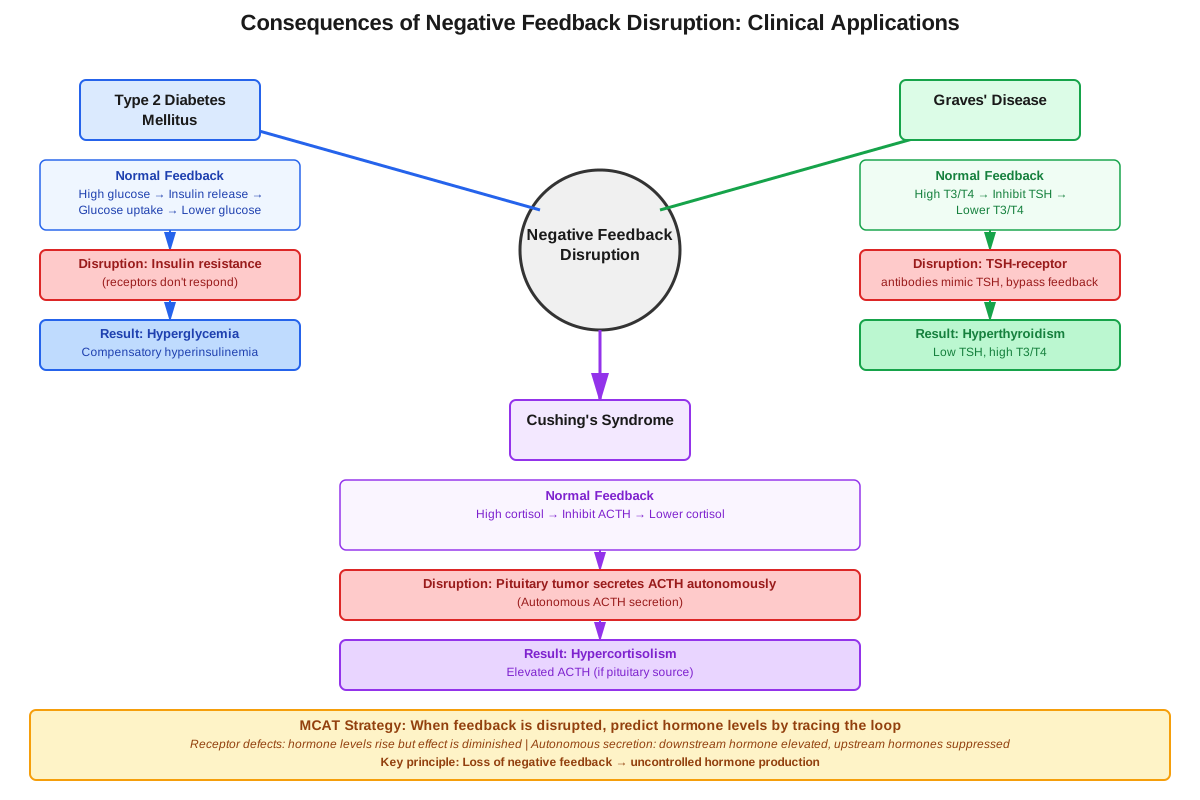
- [ ] Predict the physiological consequences when negative feedback mechanisms are disrupted or blocked
- [ ] Compare and contrast negative feedback with positive feedback mechanisms in biological systems
Prerequisites
- Homeostasis: Understanding that organisms maintain relatively constant internal conditions is essential because negative feedback is the primary mechanism achieving homeostatic regulation
- Hormone function and signaling: Knowledge of how hormones travel through the bloodstream and bind to target receptors provides the foundation for understanding endocrine feedback loops
- Basic nervous system organization: Familiarity with neural signaling enables comprehension of rapid negative feedback mechanisms involving the autonomic nervous system
- Enzyme regulation: Understanding how enzyme activity can be modulated prepares students for grasping feedback inhibition at the molecular level
- Receptor-ligand interactions: Knowledge of how binding affinity and receptor sensitivity work is crucial for understanding how feedback systems detect changes
Why This Topic Matters
Negative feedback mechanisms are clinically relevant to virtually every medical specialty. Diabetes mellitus results from disrupted glucose-insulin feedback loops; thyroid disorders stem from abnormalities in the hypothalamic-pituitary-thyroid axis; hypertension often involves dysregulated blood pressure feedback systems; and many pharmacological interventions work by modulating feedback pathways. Physicians must understand these regulatory circuits to diagnose endocrine disorders, interpret laboratory values, and predict drug effects. For instance, administering exogenous thyroid hormone suppresses TSH production through negative feedback—a principle that guides both treatment and diagnostic testing.
On the MCAT, negative feedback appears in approximately 15-20% of Physiology and Organ Systems questions, making it a medium-to-high yield topic. Questions typically present in three formats: (1) passage-based questions describing experimental manipulations of feedback systems and asking students to predict outcomes; (2) discrete questions testing knowledge of specific feedback loops like the hypothalamic-pituitary-adrenal axis; and (3) pseudo-discrete questions embedded in clinical vignettes requiring students to identify which feedback mechanism has been disrupted. The MCAT particularly favors questions that require multi-step reasoning—for example, predicting how blocking one hormone affects the levels of multiple other hormones in a cascade.
Common passage contexts include endocrine physiology experiments, cardiovascular regulation studies, thermoregulation scenarios, and metabolic control investigations. The exam frequently presents graphs showing hormone levels over time and asks students to identify where negative feedback is occurring or predict what happens when feedback is interrupted. Understanding negative feedback also enables students to eliminate incorrect answer choices that violate basic regulatory principles, making it a powerful tool for process-of-elimination strategies.
Core Concepts
Definition and Components of Negative Feedback
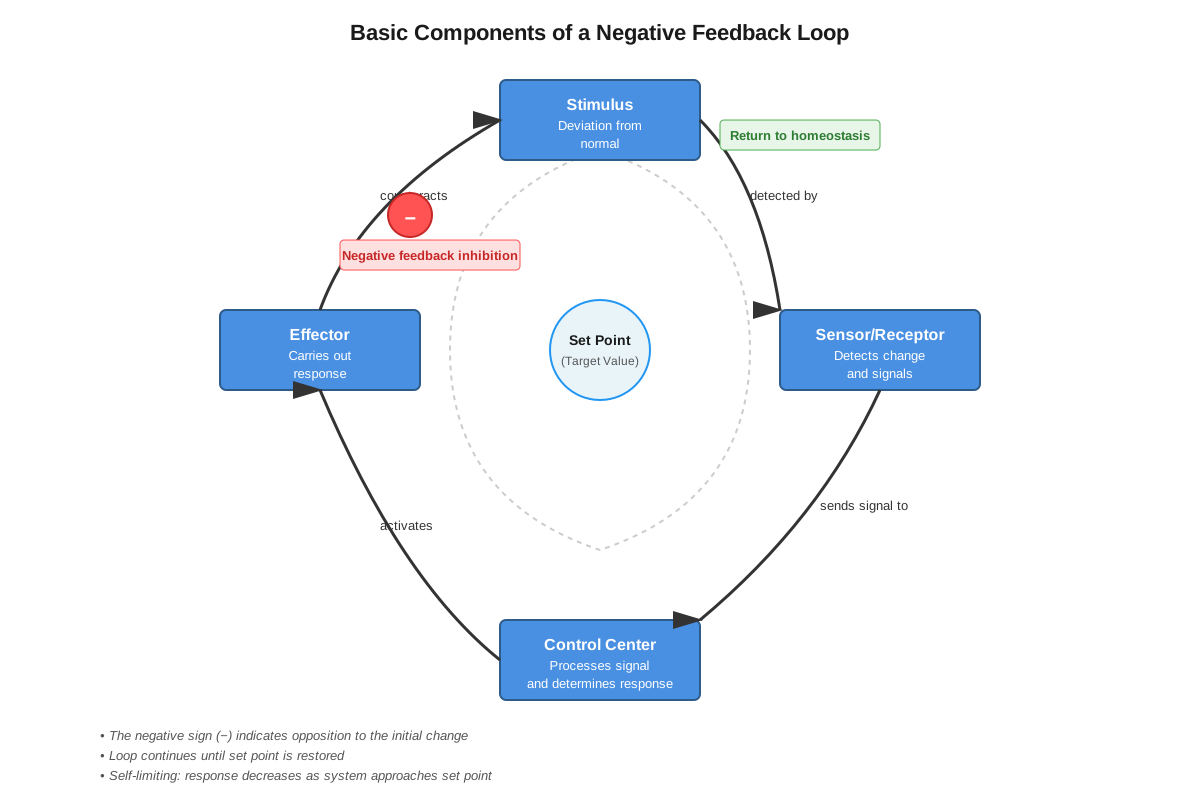
Negative feedback is a regulatory mechanism in which a change in a physiological variable triggers a response that counteracts the initial change, returning the variable toward its set point. This self-correcting system maintains homeostasis by opposing deviations from optimal conditions. Every negative feedback loop contains four essential components:
- Sensor (receptor): Detects changes in the regulated variable
- Control center (integrator): Compares the detected value to the set point and determines the appropriate response
- Effector: Executes the response that counteracts the initial change
- Regulated variable: The physiological parameter being maintained
The defining characteristic of negative feedback is that the output of the system inhibits or reduces the initial stimulus. As the regulated variable returns toward the set point, the magnitude of the corrective response decreases proportionally—this self-limiting property prevents overcorrection and maintains stability.
Mechanism of Action
Negative feedback operates through a cyclical process:
- A stimulus causes the regulated variable to deviate from its set point (either increasing or decreasing)
- Sensors detect this deviation and transmit information to the control center
- The control center processes this information and activates appropriate effectors
- Effectors produce responses that oppose the initial change
- As the regulated variable returns toward the set point, sensor input decreases
- Reduced sensor input leads to diminished effector activity
- The system reaches a new equilibrium near the set point
This process creates a feedback loop—a circular pathway where the output influences the input. The "negative" designation indicates that the relationship between output and input is inverse: increased output leads to decreased input, and vice versa. This inverse relationship creates stability rather than amplification.
Classic Examples in Human Physiology
Thermoregulation
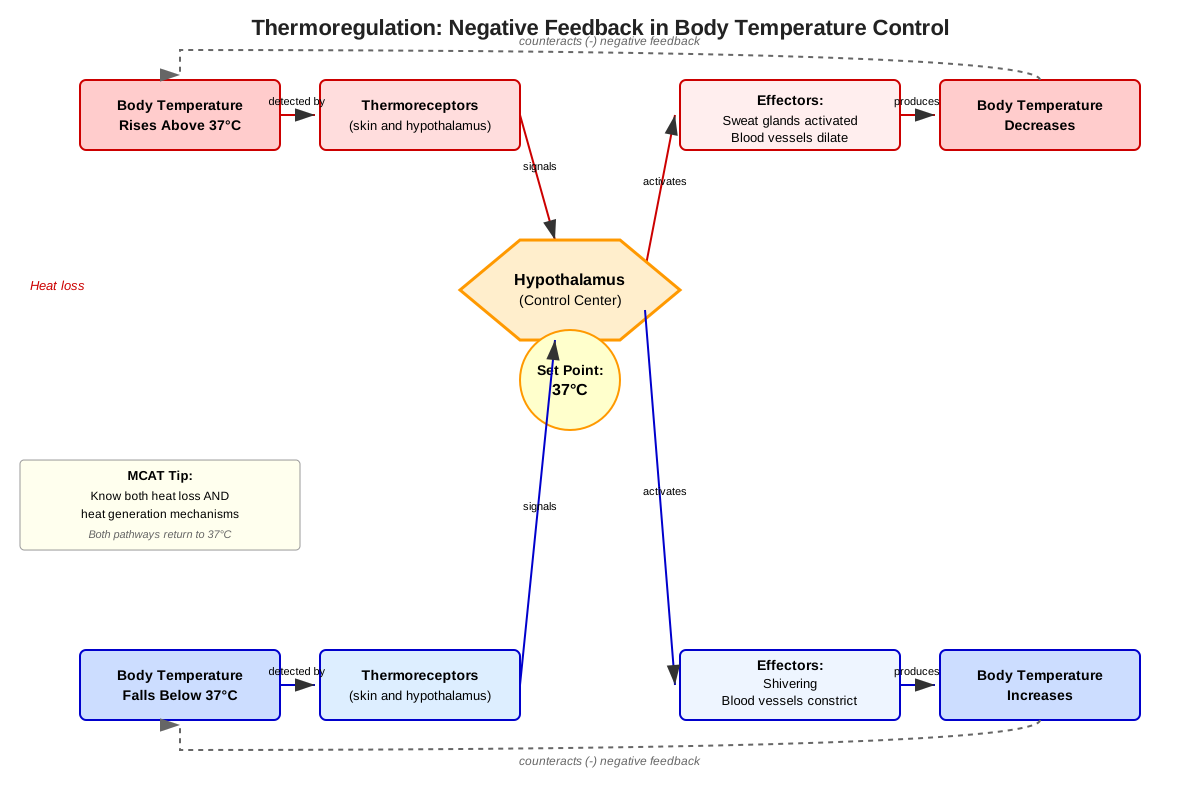
Body temperature regulation exemplifies negative feedback in action. When core temperature rises above the set point (approximately 37°C):
- Sensors: Thermoreceptors in the hypothalamus and skin detect elevated temperature
- Control center: The hypothalamic thermoregulatory center processes this information
- Effectors: Sweat glands increase secretion; blood vessels in the skin dilate (vasodilation)
- Response: Evaporative cooling and increased heat radiation lower body temperature
- Feedback: As temperature approaches 37°C, thermoreceptor signaling decreases, reducing the cooling response
Conversely, when temperature falls below set point, the hypothalamus activates shivering (muscle contraction generating heat) and vasoconstriction (reducing heat loss), demonstrating how the same feedback system can produce opposite responses depending on the direction of deviation.
Blood Glucose Regulation
The glucose-insulin feedback loop maintains blood glucose between 70-100 mg/dL:
- Stimulus: Eating a meal elevates blood glucose
- Sensor: Beta cells in pancreatic islets detect elevated glucose
- Effector: Beta cells secrete insulin
- Response: Insulin promotes glucose uptake by cells and storage as glycogen
- Feedback: As blood glucose decreases, insulin secretion diminishes
When blood glucose falls too low, alpha cells secrete glucagon, which stimulates glucose release from glycogen stores—an opposing negative feedback loop that prevents hypoglycemia.
Hypothalamic-Pituitary-Thyroid (HPT) Axis
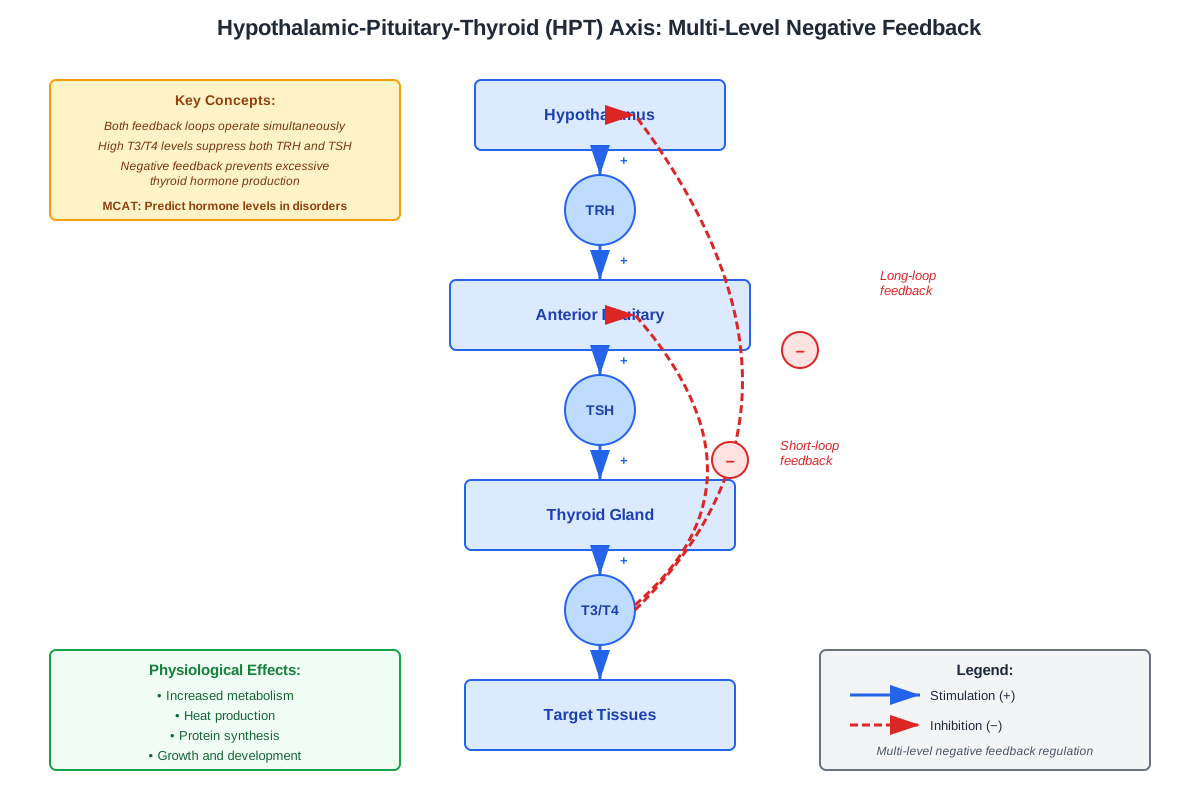
This endocrine cascade demonstrates multi-level negative feedback:
- Hypothalamus secretes thyrotropin-releasing hormone (TRH)
- TRH stimulates anterior pituitary to release thyroid-stimulating hormone (TSH)
- TSH stimulates thyroid gland to produce thyroid hormones (T3 and T4)
- T3 and T4 exert negative feedback on both the hypothalamus (reducing TRH) and pituitary (reducing TSH)
This creates both short-loop feedback (TSH inhibiting TRH) and long-loop feedback (T3/T4 inhibiting both TRH and TSH). The multi-tiered structure allows for fine-tuned regulation and multiple points of control.
Negative Feedback vs. Positive Feedback
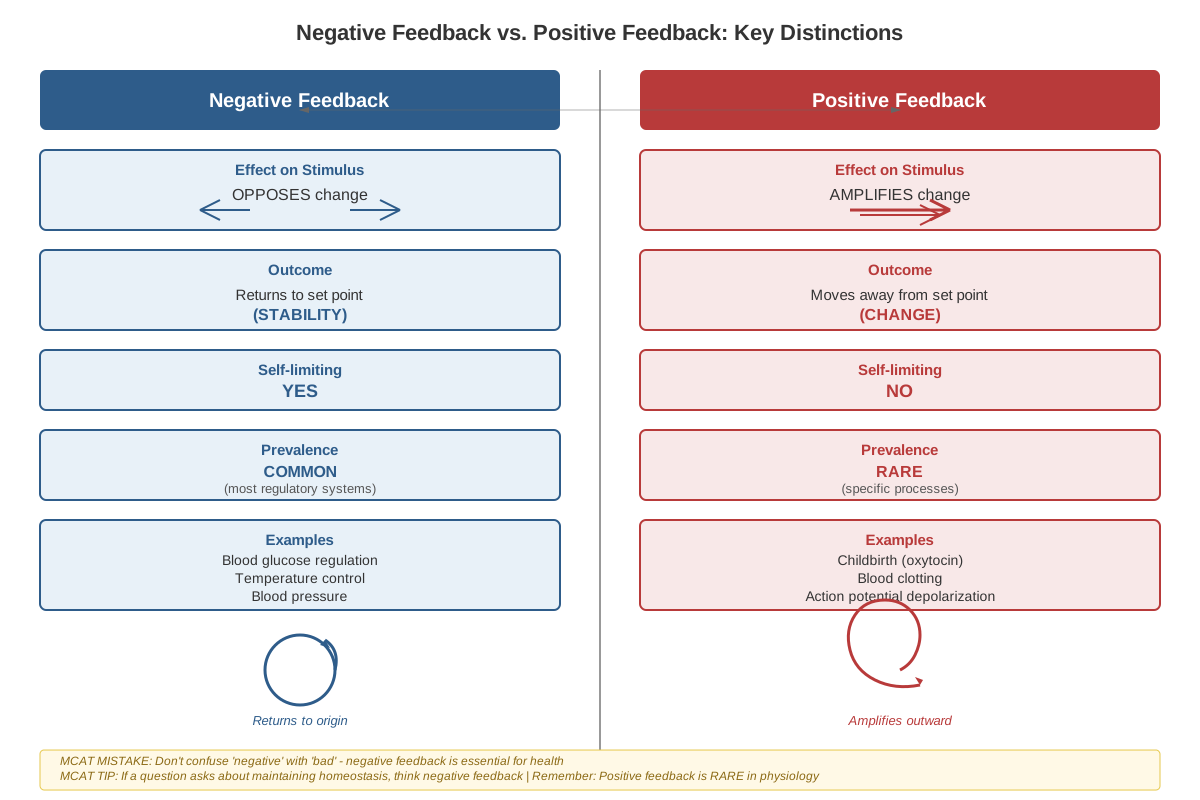
Understanding the distinction between negative and positive feedback is crucial for the MCAT:
| Feature | Negative Feedback | Positive Feedback |
|---|---|---|
| Effect on stimulus | Opposes/reduces initial change | Amplifies/enhances initial change |
| Stability | Promotes equilibrium and stability | Creates instability; moves away from set point |
| Self-limiting | Yes—response decreases as set point is approached | No—response continues until completion or external interruption |
| Frequency in physiology | Very common; most regulatory systems | Rare; specific processes requiring rapid completion |
| Examples | Temperature regulation, blood pressure control, hormone regulation | Blood clotting, childbirth (oxytocin-contraction cycle), action potential depolarization |
Positive feedback loops are inherently unstable and typically require external termination. For example, during childbirth, uterine contractions stimulate oxytocin release, which intensifies contractions—this cycle continues until delivery occurs, providing the external termination signal.
Feedback Inhibition at the Molecular Level
Negative feedback operates not only at the organismal level but also in biochemical pathways. Feedback inhibition (also called end-product inhibition) occurs when the final product of a metabolic pathway inhibits the enzyme catalyzing the first committed step:
A → B → C → D → E (end product)
      ↑_______________|
      (inhibition)
This mechanism prevents overproduction of metabolic products and conserves cellular resources. For example, in ATP synthesis, high ATP levels inhibit phosphofructokinase, the rate-limiting enzyme of glycolysis, preventing unnecessary glucose breakdown when energy is abundant.
Time Scales and Response Characteristics
Negative feedback systems operate across vastly different time scales:
- Neural feedback: Milliseconds to seconds (e.g., baroreceptor reflex adjusting heart rate)
- Endocrine feedback: Minutes to hours (e.g., insulin-glucose regulation)
- Developmental feedback: Days to weeks (e.g., growth hormone regulation during development)
The response time depends on the signaling mechanism: neural feedback using electrical signals is rapid, while endocrine feedback requiring hormone synthesis, secretion, circulation, and gene transcription is slower. The MCAT may test understanding of which feedback mechanisms can respond quickly versus those requiring more time.
Concept Relationships
Negative feedback serves as the mechanistic foundation for homeostasis—the two concepts are inseparable. While homeostasis describes the state of internal stability, negative feedback describes how that stability is achieved and maintained. This relationship extends to allostasis, the process of achieving stability through change, which involves adjusting set points in response to predictable challenges.
The concept connects directly to endocrine system function, as most hormonal regulation involves negative feedback loops. The hypothalamic-pituitary axes (thyroid, adrenal, gonadal) all employ multi-tiered negative feedback, making this topic essential for understanding reproductive physiology, stress responses, and metabolic regulation. Similarly, the autonomic nervous system uses negative feedback for rapid adjustments in heart rate, blood pressure, and respiratory rate through baroreceptor and chemoreceptor reflexes.
At the cellular level, negative feedback links to signal transduction and receptor regulation. Receptor desensitization—where prolonged ligand exposure reduces receptor sensitivity—represents a negative feedback mechanism preventing overstimulation. This connects to pharmacology concepts tested on the MCAT, including tolerance and receptor downregulation.
The relationship map flows as follows:
Stimulus/Perturbation → Sensor Detection → Signal Integration → Effector Activation → Corrective Response → Return Toward Set Point → Reduced Sensor Signaling → Diminished Effector Activity → Stable Equilibrium
This circular pathway distinguishes negative feedback from simple cause-and-effect relationships by creating a self-regulating loop. Understanding this circularity helps students identify feedback mechanisms in experimental scenarios and predict system behavior when components are disrupted.
Quick check — test yourself on Negative feedback so far.
Try Flashcards →High-Yield Facts
⭐ Negative feedback opposes the initial stimulus, while positive feedback amplifies it—this fundamental distinction appears in numerous MCAT questions requiring students to predict system behavior.
⭐ The hypothalamic-pituitary-target organ axes all employ negative feedback, with target organ hormones (cortisol, thyroid hormones, sex steroids) inhibiting both hypothalamic and pituitary hormone release.
⭐ Negative feedback systems are self-limiting—as the regulated variable approaches its set point, the corrective response automatically diminishes without requiring external intervention.
⭐ Disrupting negative feedback causes uncontrolled accumulation or depletion of the regulated variable; for example, removing negative feedback in the HPT axis causes hyperthyroidism.
⭐ Most physiological regulation involves negative feedback—positive feedback is rare and typically limited to processes requiring rapid completion (childbirth, blood clotting, action potentials).
- Negative feedback can operate at multiple levels simultaneously (short-loop and long-loop feedback in endocrine axes)
- The sensitivity of negative feedback systems can be adjusted by changing receptor number or affinity
- Negative feedback loops have inherent time delays between stimulus detection and response completion
- Exogenous administration of hormones suppresses endogenous production through negative feedback
- Feedback inhibition in metabolic pathways typically targets the rate-limiting enzyme to maximize regulatory efficiency
- Negative feedback maintains variables within a range rather than at a precise fixed value
- The gain of a negative feedback system determines how effectively it minimizes deviations from the set point
- Oscillations can occur in negative feedback systems when time delays are significant relative to response speed
- Negative feedback systems can have their set points adjusted (e.g., fever raises the temperature set point)
- Multiple negative feedback loops often interact to regulate complex physiological processes
Common Misconceptions
Misconception: Negative feedback completely eliminates deviations from the set point.
Correction: Negative feedback reduces but does not eliminate deviations. Systems maintain variables within an acceptable range around the set point, not at a precise fixed value. Small oscillations around the set point are normal and expected.
Misconception: Negative feedback always involves hormones.
Correction: While many negative feedback examples involve endocrine signaling, negative feedback also operates through neural pathways (baroreceptor reflex), metabolic regulation (feedback inhibition of enzymes), and even gene expression (transcription factor autoregulation). The mechanism of signaling varies, but the regulatory principle remains the same.
Misconception: The term "negative" means the feedback is harmful or bad.
Correction: "Negative" is a mathematical/engineering term indicating an inverse relationship between output and input, not a value judgment. Negative feedback is actually beneficial, providing stability and preventing dangerous extremes. The terminology describes the direction of the effect, not its desirability.
Misconception: Positive feedback is the opposite of negative feedback and therefore stabilizes systems.
Correction: Positive feedback amplifies changes and destabilizes systems, moving variables away from set points. It is not simply "the opposite" in terms of function—it serves entirely different physiological purposes, typically driving processes to rapid completion rather than maintaining equilibrium.
Misconception: Breaking one component of a negative feedback loop stops all regulation.
Correction: Many physiological variables are regulated by multiple overlapping feedback loops (redundancy). For example, blood glucose is regulated by insulin, glucagon, cortisol, epinephrine, and growth hormone. Disrupting one loop may impair but not completely eliminate regulation. However, the MCAT often tests scenarios where the primary feedback loop is disrupted, causing significant dysregulation.
Misconception: Negative feedback responses are instantaneous.
Correction: All negative feedback systems have inherent time delays between stimulus detection and response completion. Neural feedback is relatively fast (seconds), endocrine feedback is slower (minutes to hours), and developmental feedback is slowest (days to weeks). These time delays can cause temporary overshoots or oscillations before equilibrium is reached.
Misconception: The set point in negative feedback systems is always fixed.
Correction: Set points can be adjusted in response to physiological demands. For example, during infection, pyrogens raise the hypothalamic temperature set point, causing fever. During exercise, the blood pressure set point increases. This set point adjustment is called allostasis and represents a higher level of regulation.
Worked Examples
Example 1: Thyroid Hormone Replacement Therapy
Clinical Scenario: A patient with hypothyroidism begins taking synthetic thyroid hormone (levothyroxine). Laboratory tests show that TSH levels, which were initially elevated, decrease after several weeks of treatment. Explain this observation using negative feedback principles.
Analysis:
Step 1: Identify the normal feedback loop
- Hypothalamus releases TRH → Pituitary releases TSH → Thyroid produces T3/T4
- T3/T4 exert negative feedback on hypothalamus and pituitary
Step 2: Understand the initial pathology
- In hypothyroidism, the thyroid produces insufficient T3/T4
- Low T3/T4 means reduced negative feedback on the hypothalamus and pituitary
- Without adequate negative feedback inhibition, TRH and TSH levels rise
- Elevated TSH is the body's attempt to stimulate more thyroid hormone production
Step 3: Explain the effect of treatment
- Levothyroxine provides exogenous T3/T4
- This exogenous hormone exerts negative feedback on the hypothalamus and pituitary
- The negative feedback suppresses TRH and TSH release
- TSH levels decrease because the feedback loop now detects adequate thyroid hormone
Step 4: Predict clinical implications
- If levothyroxine dose is too high, TSH may become suppressed below normal (indicating excessive negative feedback)
- If dose is too low, TSH remains elevated (indicating insufficient negative feedback)
- TSH levels serve as a biomarker for appropriate dosing
Connection to Learning Objectives: This example demonstrates how exogenous substances can participate in endogenous feedback loops and how understanding negative feedback enables prediction of laboratory values and therapeutic outcomes—a common MCAT question format.
Example 2: Baroreceptor Reflex During Blood Loss
Experimental Scenario: A research study monitors cardiovascular parameters during controlled blood donation. Immediately after donating 500 mL of blood, subjects show decreased blood pressure, followed within seconds by increased heart rate. Explain the physiological mechanism using negative feedback.
Analysis:
Step 1: Identify the initial perturbation
- Blood loss reduces blood volume
- Decreased blood volume reduces venous return to the heart
- Reduced venous return decreases cardiac output (CO = HR × SV)
- Decreased cardiac output lowers blood pressure
Step 2: Trace the negative feedback response
- Sensors: Baroreceptors in the carotid sinus and aortic arch detect decreased arterial pressure
- Decreased pressure reduces baroreceptor firing rate
- Control center: The medullary cardiovascular center receives reduced baroreceptor input
- Reduced baroreceptor signaling is interpreted as "blood pressure too low"
Step 3: Describe effector activation
- The cardiovascular center increases sympathetic output and decreases parasympathetic output
- Effectors:
- Sympathetic stimulation of the SA node increases heart rate
- Sympathetic stimulation of ventricular myocardium increases contractility
- Sympathetic stimulation of arterioles causes vasoconstriction
Step 4: Explain the corrective response
- Increased heart rate and contractility raise cardiac output
- Vasoconstriction increases total peripheral resistance
- Blood pressure = Cardiac Output × Total Peripheral Resistance
- Both components increase, raising blood pressure back toward normal
Step 5: Describe feedback completion
- As blood pressure rises, baroreceptor firing increases
- Increased baroreceptor signaling reduces sympathetic drive
- The response is self-limiting—once pressure normalizes, the compensatory mechanisms diminish
Step 6: Identify limitations
- This negative feedback compensates for moderate blood loss but cannot fully restore blood volume
- If blood loss is severe, compensatory mechanisms become insufficient (decompensated shock)
- The feedback loop maintains pressure but doesn't address the underlying problem (reduced blood volume)
Connection to Learning Objectives: This example illustrates rapid neural negative feedback, demonstrates how to trace a feedback loop through multiple components, and shows the limitations of compensatory mechanisms—all high-yield concepts for MCAT passages involving cardiovascular physiology.
Exam Strategy
When approaching negative feedback MCAT questions, begin by identifying the four components: sensor, control center, effector, and regulated variable. Many incorrect answer choices violate the basic principle that negative feedback opposes the initial change—eliminate any option suggesting amplification or continuation of the deviation.
Trigger words indicating negative feedback include: "inhibits," "suppresses," "reduces," "counteracts," "opposes," "compensates," and "returns toward normal." Conversely, words like "amplifies," "enhances," "reinforces," and "accelerates" typically indicate positive feedback or non-feedback mechanisms.
For endocrine questions, draw a quick diagram of the hormonal cascade and mark where negative feedback occurs. Remember that in hypothalamic-pituitary axes, the target organ hormone typically inhibits both the hypothalamus and pituitary (long-loop feedback). If a question asks about administering exogenous hormone, predict that it will suppress upstream hormones through negative feedback.
Process-of-elimination strategy:
- Eliminate answers suggesting positive feedback when the question describes homeostatic regulation
- Eliminate answers that would move the variable further from the set point
- Eliminate answers that don't create a circular loop (feedback requires the output to influence the input)
- Eliminate answers suggesting the response continues indefinitely (negative feedback is self-limiting)
For passage-based questions, look for experimental manipulations that disrupt feedback loops (receptor blockers, enzyme inhibitors, hormone administration). Predict the consequences: blocking negative feedback causes uncontrolled accumulation of the regulated variable; enhancing negative feedback causes excessive suppression.
Time allocation: Negative feedback questions typically require 60-90 seconds. Spend 20-30 seconds identifying the feedback loop components, 20-30 seconds tracing the mechanism, and 20-30 seconds evaluating answer choices. If a question requires tracing through multiple feedback levels (like hypothalamic-pituitary-adrenal axis), allocate an additional 30 seconds.
Watch for questions that combine negative feedback with other concepts like receptor regulation, enzyme kinetics, or pharmacology. These integrated questions test whether students can apply feedback principles in complex scenarios rather than simply recalling definitions.
Memory Techniques
Mnemonic for feedback loop components: "SCRE" (pronounced "scree")
- Sensor detects the change
- Control center processes information
- Response is executed by effectors
- Equilibrium is restored
Visualization strategy: Picture a thermostat controlling room temperature. When the room gets too hot, the thermostat (sensor + control center) turns off the heater (effector), allowing temperature to decrease. As temperature approaches the set point, the thermostat reduces its corrective action. This concrete analogy helps students understand abstract physiological feedback loops.
Acronym for major endocrine feedback axes: "TAG"
- Thyroid axis (HPT)
- Adrenal axis (HPA)
- Gonadal axis (HPG)
All three employ negative feedback with target organ hormones (T3/T4, cortisol, sex steroids) inhibiting hypothalamic and pituitary hormones.
Memory aid for negative vs. positive feedback:
- Negative = Normalizing (returns to normal)
- Positive = Propelling forward (continues until completion)
Conceptual anchor: Remember that "negative" in negative feedback refers to the mathematical relationship (inverse/opposite), not the outcome. Think of it as "negating the change" rather than "bad feedback."
For remembering that negative feedback is self-limiting, use the phrase: "Negative feedback knows when to stop"—as the system approaches the set point, the response automatically diminishes.
Summary
Negative feedback represents the fundamental regulatory mechanism maintaining homeostasis across all physiological systems. This control process detects deviations from set points and initiates responses that counteract those changes, creating self-limiting loops that promote stability. The essential components—sensor, control center, effector, and regulated variable—form a circular pathway where output inhibits input, distinguishing negative feedback from simple cause-and-effect relationships. Classic examples including thermoregulation, glucose-insulin dynamics, and hypothalamic-pituitary-endocrine axes demonstrate how negative feedback operates across different time scales and signaling modalities. Understanding that negative feedback opposes initial stimuli (unlike positive feedback, which amplifies changes) enables students to predict physiological responses to perturbations, interpret experimental data, and analyze clinical scenarios. The MCAT frequently tests this concept through multi-step reasoning questions requiring students to trace feedback loops, predict consequences of loop disruption, and distinguish regulatory mechanisms. Mastery of negative feedback provides a powerful analytical framework applicable to endocrine, cardiovascular, renal, and metabolic physiology questions.
Key Takeaways
- Negative feedback opposes initial changes and returns regulated variables toward set points, creating self-limiting stability rather than amplification
- All negative feedback loops contain four components: sensor, control center, effector, and regulated variable arranged in a circular pathway
- Hypothalamic-pituitary-endocrine axes employ multi-level negative feedback, with target organ hormones inhibiting both hypothalamic and pituitary hormone release
- Disrupting negative feedback causes uncontrolled accumulation or depletion of the regulated variable, explaining many disease states
- Negative feedback operates across vastly different time scales (milliseconds for neural, hours for endocrine) depending on the signaling mechanism
- Exogenous administration of hormones or drugs can participate in endogenous feedback loops, suppressing natural production
- The distinction between negative feedback (stabilizing) and positive feedback (amplifying) is frequently tested and essential for predicting system behavior
Related Topics
Positive Feedback Mechanisms: Understanding the rare physiological processes (childbirth, blood clotting, action potential depolarization) that employ amplifying rather than stabilizing feedback provides important contrast and prevents confusion on comparison questions.
Endocrine System Organization: Deep knowledge of hypothalamic-pituitary axes, hormone synthesis and secretion, and receptor-mediated signaling builds directly on negative feedback principles and enables analysis of complex endocrine disorders.
Autonomic Nervous System Regulation: The sympathetic and parasympathetic divisions employ negative feedback for rapid cardiovascular, respiratory, and digestive adjustments, connecting neural and endocrine regulatory mechanisms.
Homeostasis and Allostasis: These broader concepts of physiological regulation depend entirely on negative feedback mechanisms, making this topic foundational for understanding how organisms maintain internal stability.
Receptor Regulation and Desensitization: Cellular-level negative feedback through receptor downregulation and desensitization connects molecular biology to systems physiology and explains tolerance phenomena.
Practice CTA
Now that you've mastered the core principles of negative feedback, challenge yourself with practice questions that require multi-step reasoning through feedback loops. Focus on questions involving endocrine axes, cardiovascular regulation, and experimental manipulations of feedback systems. Use flashcards to reinforce the components of major feedback loops and the consequences of disrupting them. Remember: understanding negative feedback isn't just about memorizing examples—it's about developing the analytical framework to predict how any regulated system will respond to perturbations. This skill will serve you across dozens of MCAT questions in physiology, endocrinology, and integrated systems passages. You've built a powerful tool for exam success—now apply it!
Sign up free to keep reading
Create a free AnvayaPrep account to finish this MCAT guide on Negative feedback — plus flashcards and practice questions.