Overview
Nervous tissue is one of the four fundamental tissue types in the human body, alongside epithelial, connective, and muscle tissue. This specialized tissue forms the structural and functional foundation of the nervous system, enabling rapid communication throughout the body through electrical and chemical signals. Understanding nervous tissue is critical for MCAT success because it bridges multiple high-yield topics including cell biology, physiology, and organ systems. The MCAT frequently tests nervous tissue concepts through passages involving neurological disorders, pharmacology, sensory systems, and homeostatic regulation.
Nervous tissue Biology encompasses the cellular composition, organization, and functional properties that allow the nervous system to detect stimuli, process information, and coordinate responses. The tissue consists of two primary cell types: neurons (excitable cells that transmit signals) and neuroglia (supporting cells that maintain the neural environment). These components work synergistically to create complex networks capable of everything from simple reflexes to higher-order cognitive functions. The MCAT expects students to understand not just the anatomical features of nervous tissue, but also the physiological mechanisms underlying signal transmission, including action potentials, synaptic transmission, and neural integration.
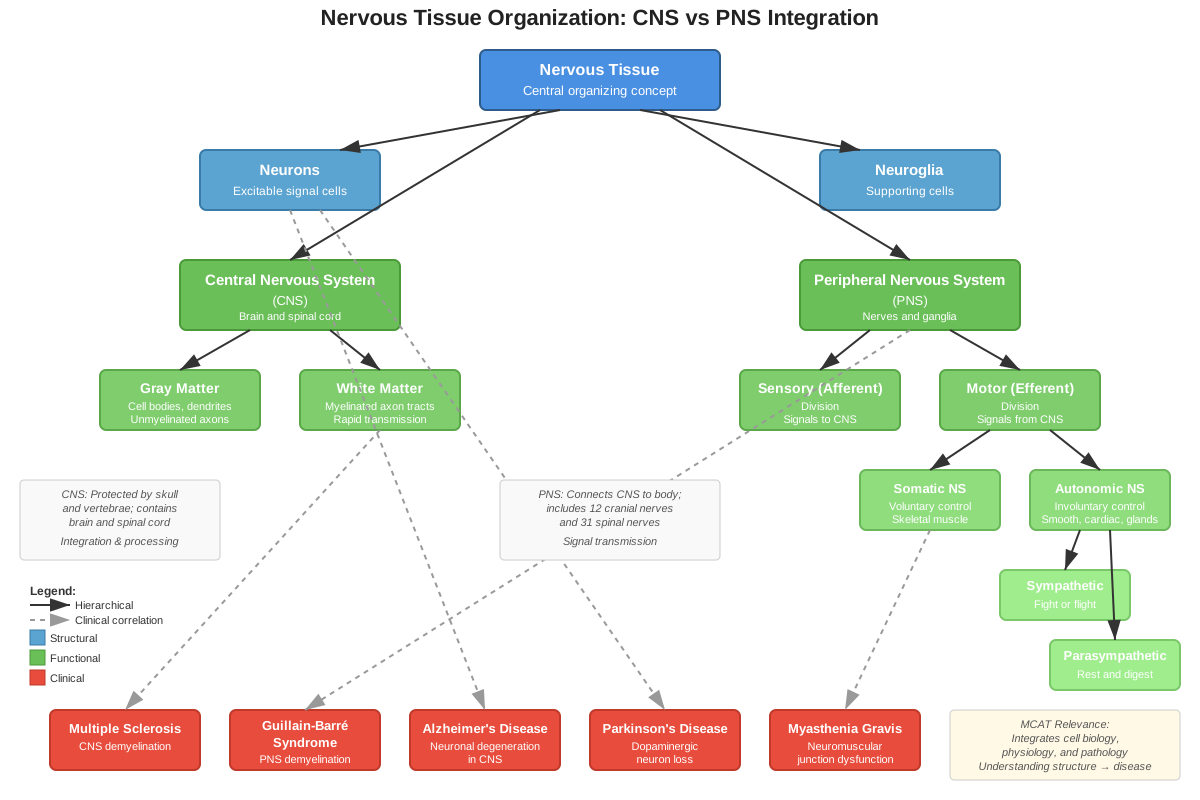
Within the broader context of Physiology and Organ Systems, nervous tissue serves as the foundation for understanding the central nervous system (brain and spinal cord) and peripheral nervous system (cranial and spinal nerves). This topic connects directly to endocrine system function (neuroendocrine integration), muscle physiology (neuromuscular junctions), sensory systems (receptor cells and pathways), and behavioral sciences (neural basis of cognition and emotion). Mastering nervous tissue provides the conceptual framework necessary for tackling complex MCAT passages that integrate multiple organ systems and physiological processes.
Learning Objectives
- [ ] Define nervous tissue using accurate Biology terminology
- [ ] Explain why nervous tissue matters for the MCAT
- [ ] Apply nervous tissue concepts to exam-style questions
- [ ] Identify common mistakes related to nervous tissue
- [ ] Connect nervous tissue to related Biology concepts
- [ ] Compare and contrast the structural and functional properties of neurons and neuroglia
- [ ] Analyze how nervous tissue organization differs between the central and peripheral nervous systems
- [ ] Predict the functional consequences of nervous tissue damage or dysfunction in clinical scenarios
Prerequisites
- Cell membrane structure and function: Understanding phospholipid bilayers, membrane proteins, and selective permeability is essential for comprehending how neurons maintain resting potentials and generate action potentials
- Basic cell biology: Knowledge of organelles, protein synthesis, and cellular metabolism provides context for the high metabolic demands of neurons and the support functions of glial cells
- Electrochemistry fundamentals: Familiarity with ions, concentration gradients, and electrical potentials is necessary to understand the electrochemical basis of neural signaling
- Tissue types overview: Recognizing the four basic tissue types helps position nervous tissue within the broader organizational hierarchy of the body
Why This Topic Matters
Nervous tissue MCAT questions appear regularly across multiple sections of the exam. In the Biological and Biochemical Foundations section, nervous tissue concepts frequently appear in passages about neurological diseases (multiple sclerosis, Alzheimer's disease, Parkinson's disease), neuropharmacology (how drugs affect neurotransmission), and sensory physiology. The Psychological, Social, and Biological Foundations section tests nervous tissue in the context of brain structure-function relationships, neural basis of behavior, and psychiatric disorders. Approximately 8-12% of biology questions involve nervous system concepts, making this a medium-to-high yield topic.
Clinically, nervous tissue dysfunction underlies numerous pathological conditions that appear in MCAT passages. Demyelinating diseases like multiple sclerosis demonstrate the importance of glial cells in signal propagation. Neurodegenerative disorders like Alzheimer's disease illustrate the consequences of neuronal death and synaptic dysfunction. Traumatic injuries to the central versus peripheral nervous system highlight differences in regenerative capacity. Understanding these clinical applications helps students recognize how basic science concepts translate to medical practice.
MCAT passages commonly present nervous tissue through experimental scenarios investigating neurotoxins, genetic mutations affecting ion channels, or novel therapeutic approaches targeting specific neural cell types. Questions may ask students to interpret data from electrophysiology experiments, predict outcomes of pharmacological interventions, or explain mechanisms of neural plasticity. The ability to apply nervous tissue knowledge to unfamiliar contexts distinguishes high-scoring students from those who merely memorize facts.
Core Concepts
Cellular Components of Nervous Tissue
Nervous tissue consists of two fundamental cell populations: neurons and neuroglia (glial cells). Neurons are the excitable cells responsible for receiving, processing, and transmitting information through electrical and chemical signals. Neuroglia are non-excitable supporting cells that outnumber neurons by approximately 10:1 and perform critical maintenance, protection, and regulatory functions.
Neuronal Structure and Classification
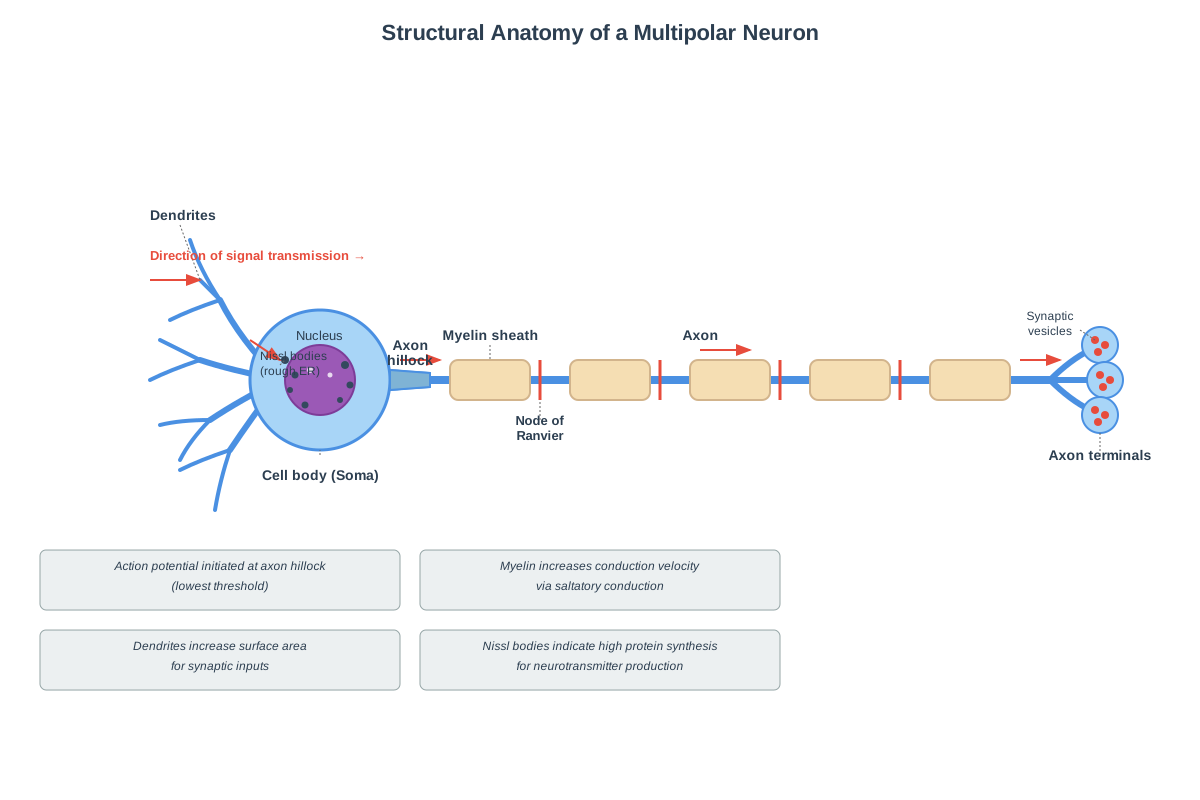
Neurons are highly specialized cells with distinct structural regions optimized for their functions. The cell body (soma) contains the nucleus and most organelles, serving as the metabolic center. Dendrites are branched extensions that receive incoming signals from other neurons, increasing the receptive surface area. The axon is a single, elongated process that conducts electrical signals (action potentials) away from the cell body toward target cells. The axon hillock is the junction between the soma and axon where action potentials are initiated due to high concentrations of voltage-gated sodium channels. The axon terminal contains synaptic vesicles filled with neurotransmitters for chemical communication with target cells.
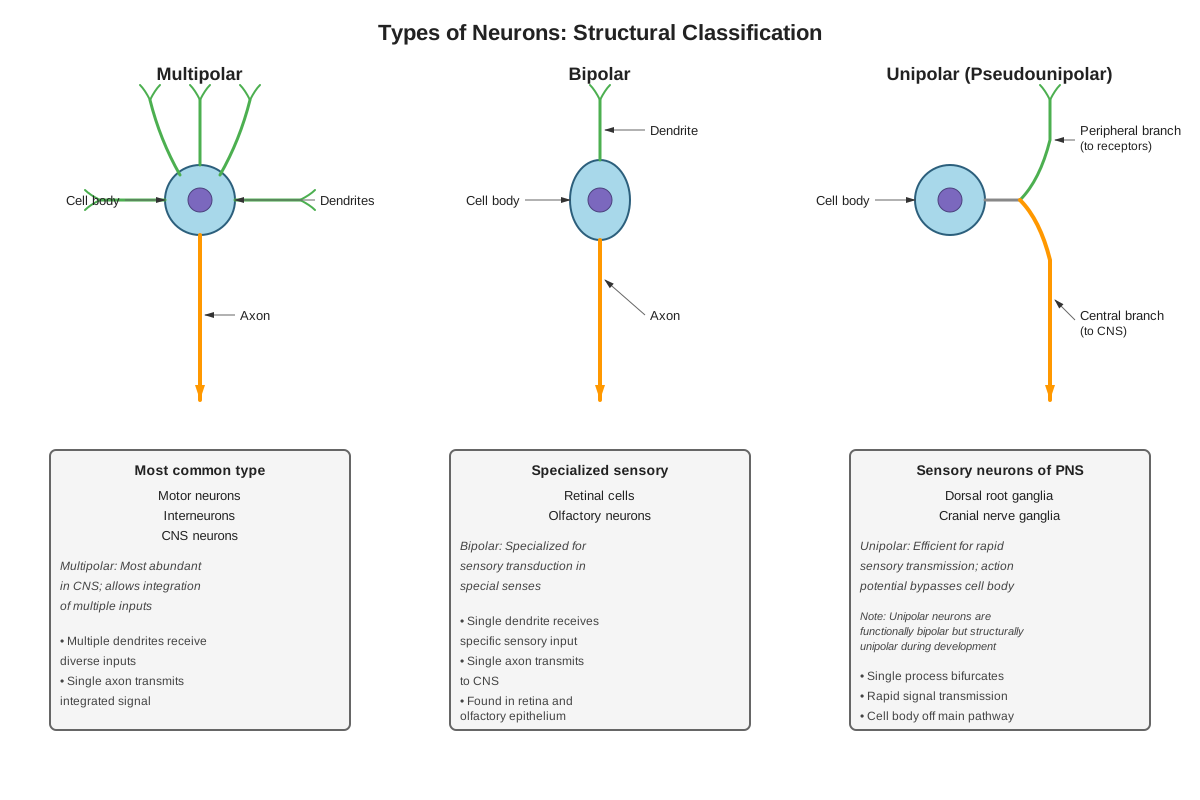
Neurons are classified by structure and function:
Structural Classification:
- Multipolar neurons: Multiple dendrites and one axon (most common type; includes motor neurons and interneurons)
- Bipolar neurons: One dendrite and one axon (found in retina, olfactory epithelium, and inner ear)
- Unipolar (pseudounipolar) neurons: Single process that divides into two branches (most sensory neurons)
Functional Classification:
- Sensory (afferent) neurons: Transmit information from sensory receptors toward the central nervous system
- Motor (efferent) neurons: Transmit commands from the central nervous system to effectors (muscles and glands)
- Interneurons: Connect neurons within the central nervous system; responsible for integration and processing
Neuroglia: The Supporting Cast
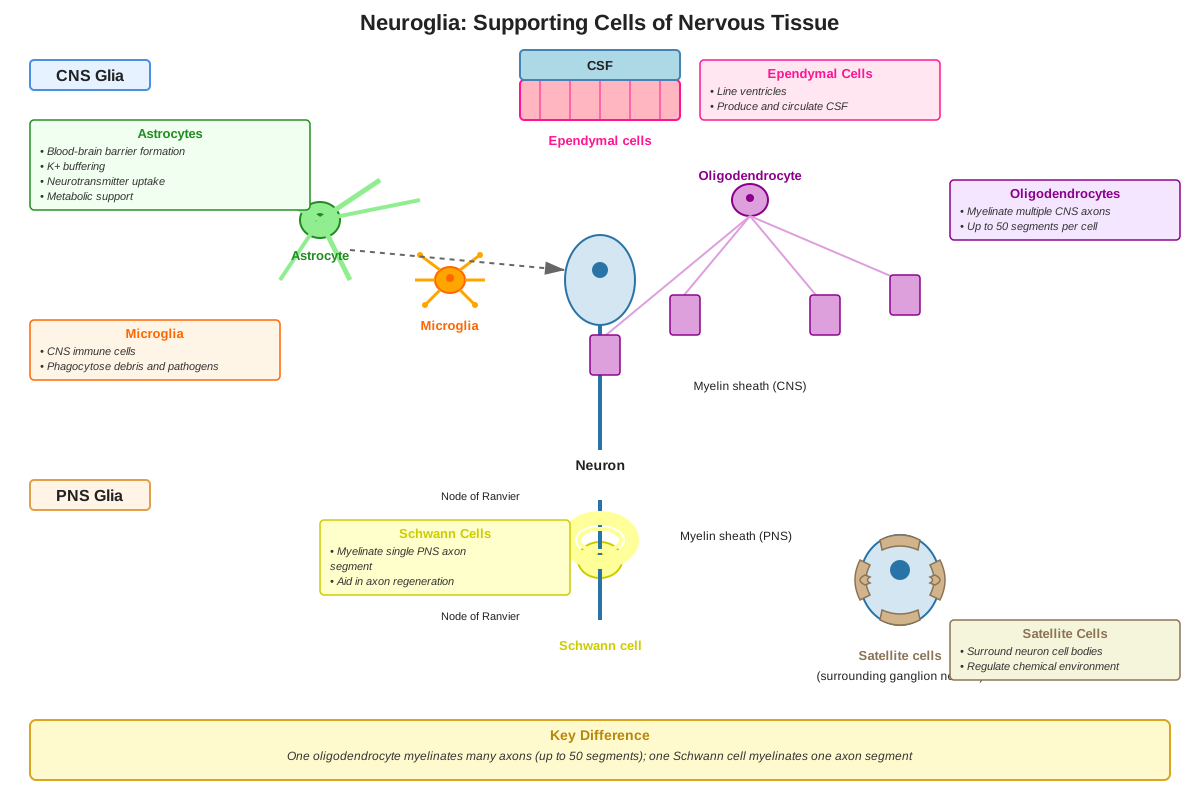
Neuroglia or glial cells provide essential support functions that enable neuronal activity. These cells differ between the central nervous system (CNS) and peripheral nervous system (PNS).
CNS Glial Cells:
| Glial Cell Type | Primary Functions | MCAT Relevance |
|---|---|---|
| Astrocytes | Regulate extracellular ion concentrations; form blood-brain barrier; provide metabolic support; repair and scarring | Most abundant CNS glial cell; involved in maintaining optimal environment for neural signaling |
| Oligodendrocytes | Produce myelin sheaths around multiple CNS axons | Critical for saltatory conduction; targeted in multiple sclerosis |
| Microglia | Immune defense; phagocytose debris and pathogens | CNS-resident immune cells; involved in neuroinflammation |
| Ependymal cells | Line ventricles; produce and circulate cerebrospinal fluid | Maintain CNS fluid environment |
PNS Glial Cells:
- Schwann cells: Produce myelin sheaths around single PNS axons; support axon regeneration after injury
- Satellite cells: Surround neuron cell bodies in ganglia; regulate chemical environment
Myelin and Saltatory Conduction
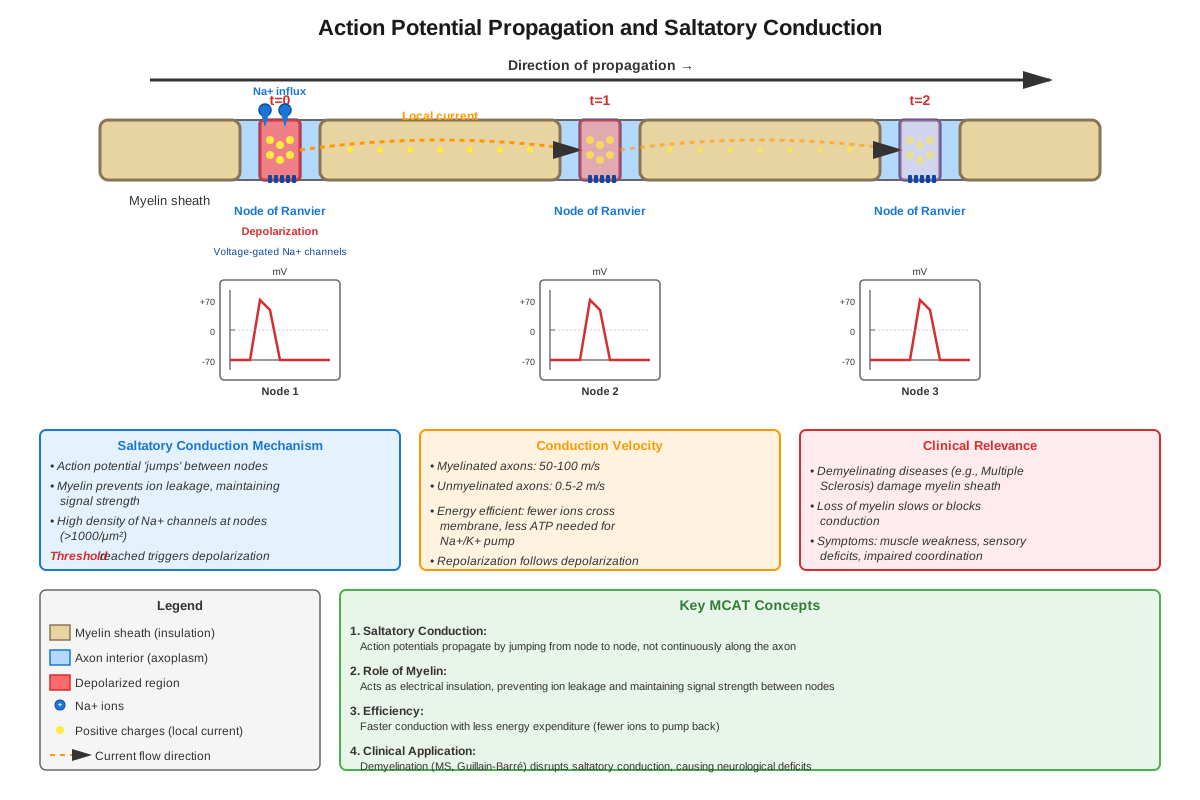
Myelin is a lipid-rich insulating sheath that wraps around axons, dramatically increasing the speed of action potential propagation. In the CNS, oligodendrocytes extend processes to myelinate segments of multiple axons. In the PNS, individual Schwann cells wrap around single axon segments. The gaps between myelinated segments are called Nodes of Ranvier, where the axon membrane is exposed and contains high densities of voltage-gated sodium channels.
Saltatory conduction is the rapid "jumping" of action potentials from node to node along myelinated axons. This mechanism increases conduction velocity up to 100-fold compared to unmyelinated axons while reducing metabolic demands. The MCAT frequently tests understanding of how demyelination (as in multiple sclerosis) slows or blocks signal transmission, causing neurological deficits.
Gray Matter vs. White Matter
The organization of nervous tissue differs between regions based on the concentration of cell bodies versus myelinated axons:
- Gray matter: Contains neuron cell bodies, dendrites, unmyelinated axons, and glial cells; appears gray due to lack of myelin; site of neural processing and integration
- White matter: Contains primarily myelinated axons and glial cells; appears white due to myelin lipids; functions as communication pathways between gray matter regions
In the brain, gray matter forms the outer cortex and inner nuclei, while white matter forms the inner tracts. In the spinal cord, this arrangement is reversed: gray matter forms the inner H-shaped region, while white matter forms the outer columns.
Neural Circuits and Information Processing
Nervous tissue is organized into functional circuits that process information:
- Divergence: One presynaptic neuron synapses with multiple postsynaptic neurons, amplifying signals
- Convergence: Multiple presynaptic neurons synapse with one postsynaptic neuron, integrating multiple inputs
- Reverberating circuits: Neurons form feedback loops that maintain activity, important for rhythmic behaviors and short-term memory
- Parallel processing: Information travels through multiple pathways simultaneously, allowing complex integration
Regeneration and Plasticity
The capacity for nervous tissue repair differs between CNS and PNS:
PNS Regeneration: Schwann cells support axon regeneration by forming regeneration tubes and secreting growth factors. Damaged axons can regrow at approximately 1-2 mm per day if the cell body remains intact.
CNS Regeneration: Limited regeneration due to inhibitory factors in the CNS environment, glial scar formation by astrocytes, and lack of regeneration-promoting factors. This explains why spinal cord injuries typically result in permanent deficits.
Neural plasticity refers to the nervous system's ability to modify connections and function in response to experience, learning, or injury. This includes synaptic plasticity (changes in synaptic strength), neurogenesis (formation of new neurons in limited regions), and functional reorganization.
Concept Relationships
The cellular components of nervous tissue work hierarchically: individual neurons and glial cells → neural circuits → functional regions → integrated nervous system. Neurons depend on glial cells for metabolic support, optimal ionic environment, and myelin production. Myelin produced by oligodendrocytes and Schwann cells → enables saltatory conduction → increases signal transmission speed → allows rapid reflexes and complex processing.
The structural organization of nervous tissue (gray matter vs. white matter) directly relates to function: gray matter regions (cell bodies) → perform processing and integration → send signals through white matter tracts (myelinated axons) → reach target gray matter regions or effector organs. This organization appears throughout the nervous system from spinal cord to cerebral hemispheres.
Nervous tissue connects to broader Physiology and Organ Systems concepts: neurons communicate with muscle tissue at neuromuscular junctions (motor system), receive input from specialized sensory receptor cells (sensory systems), and interact with endocrine tissue (neuroendocrine integration). Understanding nervous tissue is prerequisite for studying specific brain regions, spinal cord organization, autonomic nervous system, and sensory pathways.
The regenerative capacity of nervous tissue relates to developmental biology and stem cell concepts. PNS regeneration demonstrates how supportive cellular environments (Schwann cells) enable repair, while CNS limitations illustrate how inhibitory factors and scar formation prevent regeneration. These principles connect to broader themes of tissue repair and regenerative medicine.
Quick check — test yourself on Nervous tissue so far.
Try Flashcards →High-Yield Facts
⭐ Neurons are the functional units of nervous tissue, specialized for electrical and chemical signal transmission, while neuroglia outnumber neurons and provide essential support functions
⭐ Oligodendrocytes myelinate multiple CNS axons; Schwann cells myelinate single PNS axons
⭐ Myelin enables saltatory conduction, increasing action potential propagation speed up to 100-fold
⭐ Astrocytes are the most abundant CNS glial cells and contribute to the blood-brain barrier, regulate extracellular ion concentrations, and provide metabolic support
⭐ PNS neurons can regenerate after injury with Schwann cell support; CNS neurons have limited regenerative capacity
- Microglia are the resident immune cells of the CNS, derived from mesoderm (unlike other glial cells which are ectodermal)
- Nodes of Ranvier contain high densities of voltage-gated sodium channels, enabling action potential regeneration during saltatory conduction
- Gray matter contains neuron cell bodies and is the site of neural processing; white matter contains myelinated axons and serves as communication pathways
- Multipolar neurons are the most common structural type and include motor neurons and interneurons
- Ependymal cells line the ventricles and produce cerebrospinal fluid, which cushions the CNS and maintains chemical environment
Common Misconceptions
Misconception: All neurons have the same basic structure with multiple dendrites and one axon.
Correction: While multipolar neurons (the most common type) have this structure, bipolar neurons have one dendrite and one axon, and unipolar neurons have a single process that divides into two branches. Structural diversity reflects functional specialization.
Misconception: Glial cells are just "filler" cells with no important functions.
Correction: Neuroglia perform critical functions including myelin production, immune defense, metabolic support, regulation of extracellular environment, and formation of the blood-brain barrier. Neurons cannot function properly without glial support.
Misconception: Myelin is produced by the same cell type throughout the nervous system.
Correction: Oligodendrocytes produce myelin in the CNS and can myelinate multiple axons, while Schwann cells produce myelin in the PNS and myelinate only single axon segments. This distinction is important for understanding demyelinating diseases and regeneration.
Misconception: The brain cannot generate new neurons after development.
Correction: While most brain regions have limited neurogenesis in adults, certain areas (hippocampus and olfactory bulb) retain the capacity to generate new neurons throughout life. This neurogenesis contributes to learning, memory, and neural plasticity.
Misconception: Damaged CNS neurons cannot regenerate because neurons are post-mitotic cells.
Correction: The primary limitation is not the post-mitotic state but rather the inhibitory CNS environment, including glial scar formation and lack of growth-promoting factors. PNS neurons are also post-mitotic but can regenerate axons with Schwann cell support.
Misconception: White matter is called "white" because it contains more cells than gray matter.
Correction: White matter appears white due to the high lipid content of myelin sheaths surrounding axons. It actually contains fewer cell bodies than gray matter, which appears gray due to the presence of numerous cell bodies, dendrites, and unmyelinated processes.
Worked Examples
Example 1: Demyelinating Disease Analysis
Clinical Vignette: A 28-year-old woman presents with vision problems, muscle weakness, and numbness in her extremities. MRI reveals multiple lesions in the white matter of her brain and spinal cord. Laboratory tests show antibodies against myelin proteins. The neurologist diagnoses multiple sclerosis.
Question: Explain why demyelination causes the patient's symptoms and why lesions appear specifically in white matter.
Solution:
Step 1 - Identify the affected tissue component: Multiple sclerosis is an autoimmune disease targeting myelin in the CNS. Since oligodendrocytes produce CNS myelin, these glial cells are the primary target.
Step 2 - Connect structure to function: Myelin enables saltatory conduction by insulating axons and concentrating voltage-gated sodium channels at Nodes of Ranvier. This increases action potential propagation speed dramatically.
Step 3 - Predict consequences of damage: When myelin is destroyed, action potentials can no longer "jump" between nodes. Instead, signals must propagate continuously along the axon membrane, which is much slower and may fail entirely. This explains the muscle weakness (motor signals don't reach muscles effectively), numbness (sensory signals don't reach the brain), and vision problems (optic nerve demyelination).
Step 4 - Explain lesion location: White matter consists primarily of myelinated axons, while gray matter contains mostly cell bodies and unmyelinated processes. Since the disease targets myelin, lesions appear in white matter tracts that connect different brain regions and carry signals between the brain and spinal cord.
Learning Objective Connection: This example applies nervous tissue concepts to a clinical scenario, demonstrating understanding of glial cell function, myelin's role in signal transmission, and nervous tissue organization.
Example 2: Experimental Design Analysis
Experimental Scenario: Researchers are studying nerve regeneration after injury. They sever the sciatic nerve (a PNS nerve) in one group of rats and make a similar lesion in the spinal cord (CNS) in another group. After 8 weeks, they measure functional recovery and examine tissue samples.
Question: Predict the outcomes for each group and explain the cellular mechanisms underlying any differences.
Solution:
Step 1 - Identify relevant tissue differences: The key difference is PNS versus CNS location, which determines the glial cell environment. PNS has Schwann cells; CNS has oligodendrocytes and astrocytes.
Step 2 - Apply regeneration principles:
PNS (sciatic nerve) group:
- Schwann cells will form regeneration tubes (bands of Büngner)
- Schwann cells secrete growth factors and adhesion molecules
- Axons can regenerate at ~1-2 mm/day
- Expected outcome: Partial to significant functional recovery
CNS (spinal cord) group:
- Astrocytes form glial scars that physically block regeneration
- CNS environment contains myelin-associated inhibitory factors
- Oligodendrocytes do not support regeneration like Schwann cells
- Expected outcome: Minimal functional recovery, permanent deficits
Step 3 - Predict tissue examination findings:
PNS samples: Evidence of axon regrowth, Schwann cell proliferation, remyelination of regenerated axons
CNS samples: Glial scar formation, cavity formation, limited axon sprouting, minimal regeneration
Step 4 - Consider experimental implications: This difference explains why peripheral nerve injuries (like carpal tunnel syndrome) can improve with treatment, while spinal cord injuries typically result in permanent paralysis. Understanding these mechanisms guides therapeutic approaches like Schwann cell transplantation into CNS lesions.
Learning Objective Connection: This example requires applying knowledge of nervous tissue cellular components, comparing CNS and PNS properties, and predicting functional consequences—all key MCAT skills.
Exam Strategy
When approaching nervous tissue MCAT questions, first identify whether the question involves CNS or PNS, as this distinction affects glial cell types, regenerative capacity, and organization. Look for trigger words like "oligodendrocyte" (CNS), "Schwann cell" (PNS), "white matter" (myelinated tracts), or "gray matter" (cell bodies).
For passage-based questions, quickly determine the experimental or clinical context:
- Demyelinating disease passages → focus on myelin function and saltatory conduction
- Neurotoxin passages → consider effects on specific cell types or cellular processes
- Regeneration passages → distinguish CNS versus PNS capabilities
- Neural development passages → consider glial cell roles in guiding axon growth
Process-of-elimination strategies:
- Eliminate answers that confuse CNS and PNS glial cells (e.g., claiming Schwann cells are in the brain)
- Eliminate answers that attribute neuronal functions to glial cells or vice versa
- Eliminate answers that ignore the role of myelin in conduction velocity
- Watch for answers that incorrectly describe regeneration capacity
Time allocation: Nervous tissue questions typically require 60-90 seconds. Spend 20-30 seconds identifying the specific concept being tested (cell type, function, organization, or pathology), then 30-60 seconds applying that knowledge to eliminate wrong answers and confirm the correct choice.
Common question formats:
- "Which cell type is responsible for...?" → Know specific glial cell functions
- "What would be the effect of...?" → Predict consequences of damage or dysfunction
- "Why does this disease affect...?" → Connect pathology to tissue organization
- "Which statement about nervous tissue is correct?" → Distinguish true facts from misconceptions
Memory Techniques
Mnemonic for CNS glial cells - "MAOE":
- Microglia = immune defense (think "M" for macrophage-like)
- Astrocytes = most abundant, blood-brain barrier
- Oligodendrocytes = make myelin (think "oligo" = few, wraps few times around multiple axons)
- Ependymal = line ventricles, make CSF
Mnemonic for neuron structural types - "UBM":
- Unipolar = one process (most sensory neurons)
- Bipolar = two processes (special senses: sight, smell, hearing)
- Multipolar = many processes (most common: motor neurons, interneurons)
Visualization for saltatory conduction: Picture a person jumping from stone to stone across a stream (nodes of Ranvier) versus wading through water (unmyelinated axon). The jumping is much faster—this is saltatory conduction.
Acronym for astrocyte functions - "BRIMS":
- Blood-brain barrier formation
- Regulate extracellular ions
- Ion and neurotransmitter uptake
- Metabolic support (provide lactate to neurons)
- Scar formation after injury
Memory aid for CNS vs. PNS myelin: "Oligos are GREEDY—they wrap MULTIPLE axons" (oligodendrocytes in CNS). "Schwann cells are GENEROUS—they SUPPORT regeneration" (Schwann cells in PNS).
Spatial organization memory trick: In the brain, think "Gray on the OUTSIDE, white on the INSIDE" (cortex is gray matter). In the spinal cord, it's reversed: "Gray makes an H in the MIDDLE, white surrounds it."
Summary
Nervous tissue is a specialized tissue type composed of neurons (excitable cells that transmit signals) and neuroglia (supporting cells that maintain the neural environment). Neurons exhibit diverse structural forms (multipolar, bipolar, unipolar) and functional roles (sensory, motor, interneuron) but share common features including dendrites for receiving signals, a cell body for metabolic functions, and an axon for signal transmission. Neuroglia outnumber neurons and include CNS types (astrocytes, oligodendrocytes, microglia, ependymal cells) and PNS types (Schwann cells, satellite cells), each with specialized support functions. Myelin produced by oligodendrocytes (CNS) and Schwann cells (PNS) enables saltatory conduction, dramatically increasing signal transmission speed. Nervous tissue organization into gray matter (cell bodies, processing) and white matter (myelinated axons, communication) reflects functional specialization. The PNS demonstrates regenerative capacity with Schwann cell support, while CNS regeneration is limited by inhibitory environmental factors. Understanding nervous tissue structure-function relationships is essential for analyzing MCAT questions involving neurological diseases, neuropharmacology, sensory systems, and neural integration.
Key Takeaways
- Nervous tissue consists of neurons (signal transmission) and neuroglia (support functions), with glial cells outnumbering neurons approximately 10:1
- Oligodendrocytes myelinate multiple CNS axons while Schwann cells myelinate single PNS axons; myelin enables saltatory conduction and increases signal speed up to 100-fold
- Astrocytes are the most abundant CNS glial cells and perform multiple critical functions including blood-brain barrier formation, ion regulation, and metabolic support
- Gray matter (cell bodies, processing) and white matter (myelinated axons, communication) represent functional organization throughout the nervous system
- PNS neurons can regenerate with Schwann cell support; CNS regeneration is limited by inhibitory factors and glial scar formation
- Understanding nervous tissue cellular components and organization is essential for analyzing clinical scenarios involving demyelinating diseases, neurotoxins, and neural injuries
- The MCAT frequently tests nervous tissue through passages involving neurological pathology, experimental manipulations, and structure-function relationships
Related Topics
Action Potentials and Synaptic Transmission: Building on nervous tissue structure, this topic explores the electrical and chemical mechanisms of neural signaling, including ion channels, neurotransmitters, and synaptic integration.
Central Nervous System Organization: Understanding nervous tissue enables study of specific brain regions (cerebral cortex, basal ganglia, limbic system) and spinal cord anatomy, including ascending and sensory pathways.
Peripheral Nervous System: This topic expands on PNS nervous tissue to cover somatic and autonomic divisions, including sympathetic and parasympathetic organization and function.
Sensory Systems: Specialized nervous tissue in sensory organs (retina, cochlea, olfactory epithelium) demonstrates how neurons and supporting cells adapt for specific sensory modalities.
Neuropharmacology: Understanding nervous tissue cellular components provides the foundation for studying how drugs affect neurotransmission, including mechanisms of action for psychiatric medications and neurotoxins.
Practice CTA
Now that you've mastered the fundamentals of nervous tissue, it's time to reinforce your understanding through active practice. Complete the practice questions to test your ability to apply these concepts to MCAT-style scenarios, and use the flashcards to solidify high-yield facts for rapid recall on test day. Remember, understanding nervous tissue structure-function relationships is key to excelling on questions involving neurophysiology, pathology, and pharmacology—topics that appear frequently across multiple MCAT sections. Your investment in mastering this foundational topic will pay dividends throughout your MCAT preparation!
Sign up free to keep reading
Create a free AnvayaPrep account to finish this MCAT guide on Nervous tissue — plus flashcards and practice questions.