Overview
Peptide hormones represent one of the three major classes of hormones in the human body, alongside steroid hormones and amino acid derivatives. These signaling molecules are composed of chains of amino acids ranging from just three residues to over 200, making them structurally diverse yet functionally unified by their mechanism of action. Unlike lipid-soluble steroid hormones that can cross cell membranes freely, peptide hormones are hydrophilic molecules that cannot penetrate the lipid bilayer and must instead bind to cell-surface receptors to initiate their effects. This fundamental property dictates their synthesis, storage, secretion, and mechanism of action—all critical concepts for MCAT success.
Understanding peptide hormones Biology is essential for mastering the Physiology and Organ Systems section of the MCAT because these molecules regulate virtually every physiological process tested on the exam: metabolism, growth, reproduction, stress responses, fluid balance, and homeostasis. The MCAT frequently tests not only the identity and function of specific peptide hormones but also the underlying principles of how they are synthesized, how they travel through the bloodstream, and how they trigger cellular responses through signal transduction cascades. Questions may appear as discrete items testing hormone function or embedded within passages describing endocrine disorders, feedback loops, or experimental manipulations of signaling pathways.
The study of peptide hormones MCAT content bridges multiple disciplines tested on the exam. It connects molecular biology (gene expression and protein synthesis), cell biology (receptor-mediated signaling and second messenger systems), biochemistry (post-translational modifications and enzyme cascades), and physiology (organ system integration and homeostatic regulation). Mastery of this topic provides a framework for understanding how cells communicate across distances and how the body coordinates complex responses to internal and external stimuli—concepts that appear repeatedly across MCAT passages in both biological and biochemical contexts.
Learning Objectives
- [ ] Define peptide hormones using accurate Biology terminology
- [ ] Explain why peptide hormones matters for the MCAT
- [ ] Apply peptide hormones to exam-style questions
- [ ] Identify common mistakes related to peptide hormones
- [ ] Connect peptide hormones to related Biology concepts
- [ ] Describe the complete synthesis pathway from gene to active hormone, including post-translational modifications
- [ ] Compare and contrast peptide hormone mechanisms with steroid hormone mechanisms
- [ ] Predict the cellular response to peptide hormone binding based on receptor type and second messenger systems
- [ ] Analyze feedback loops involving peptide hormones and predict physiological outcomes when these loops are disrupted
Prerequisites
- Protein structure and synthesis: Understanding amino acid chains, translation, and the central dogma is essential because peptide hormones are proteins synthesized through standard cellular machinery
- Cell membrane structure: Knowledge of the phospholipid bilayer and its selective permeability explains why peptide hormones require cell-surface receptors
- Basic receptor types: Familiarity with receptor concepts helps understand how peptide hormones initiate cellular responses
- Signal transduction fundamentals: Understanding how extracellular signals become intracellular responses provides context for peptide hormone mechanisms
- Endocrine system overview: Basic knowledge of glands and hormone function establishes the physiological context for specific peptide hormones
Why This Topic Matters
Peptide hormones are clinically significant because disorders of peptide hormone production or signaling underlie numerous diseases tested on the MCAT. Diabetes mellitus results from insulin deficiency or resistance; growth disorders stem from growth hormone abnormalities; thyroid diseases involve thyroid-stimulating hormone dysregulation; and reproductive disorders often trace to gonadotropin imbalances. Understanding peptide hormone physiology enables students to reason through clinical vignettes and experimental passages that describe these conditions.
From an exam statistics perspective, peptide hormones appear in approximately 15-20% of MCAT Biology questions, either as the primary focus or as supporting content within broader physiological passages. Questions typically test three areas: (1) identification of specific hormones and their functions, (2) mechanisms of action including receptor types and signal transduction, and (3) regulatory feedback loops and homeostatic control. The MCAT favors questions that require application and analysis rather than simple recall, so students must understand not just what each hormone does, but why and how it accomplishes its effects.
This topic commonly appears in MCAT passages describing experimental manipulations (e.g., "Researchers treated cells with a peptide hormone and measured cAMP levels"), clinical case studies (e.g., "A patient presents with polyuria and polydipsia"), or comparative physiology scenarios. Passages may present data in graphs showing hormone levels over time, dose-response curves for hormone effects, or results from receptor-blocking experiments. Success requires integrating knowledge of specific hormones with general principles of endocrine physiology and cell signaling.
Core Concepts
Definition and Chemical Nature
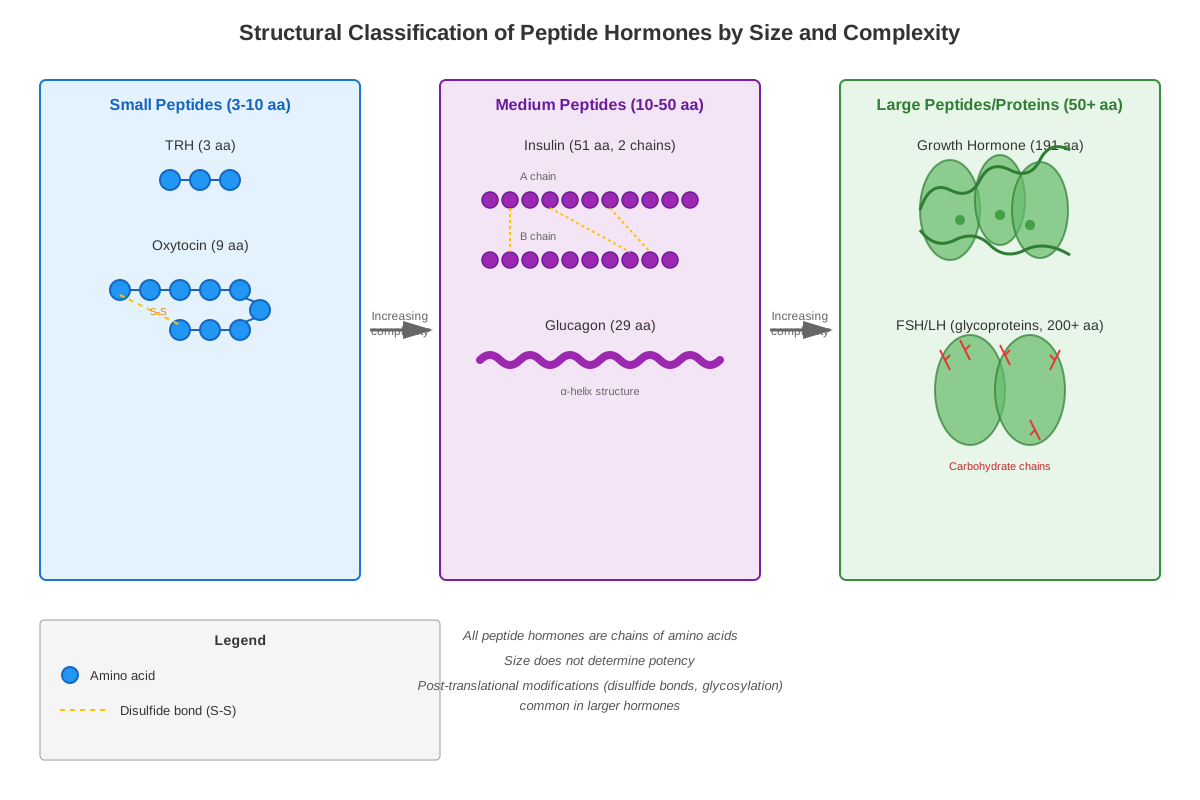
Peptide hormones are signaling molecules composed of amino acids linked by peptide bonds, ranging from small peptides (3-50 amino acids) to large polypeptides and proteins (50-200+ amino acids). The term "peptide hormone" encompasses several subcategories: small peptides like thyrotropin-releasing hormone (TRH, 3 amino acids), medium-sized peptides like insulin (51 amino acids), and large glycoproteins like follicle-stimulating hormone (FSH, ~200 amino acids). What unifies these diverse molecules is their hydrophilic nature, which prevents them from crossing cell membranes and necessitates cell-surface receptor binding.
The chemical structure of peptide hormones determines their properties. Being composed of amino acids, they contain polar and charged groups that make them water-soluble, allowing them to dissolve in blood plasma without requiring carrier proteins (though some do bind to binding proteins for stability). Their protein nature also makes them susceptible to degradation by proteases, resulting in relatively short half-lives (minutes to hours) compared to steroid hormones. This rapid turnover allows for quick adjustments in hormone levels, enabling fine-tuned physiological control.
Synthesis and Processing
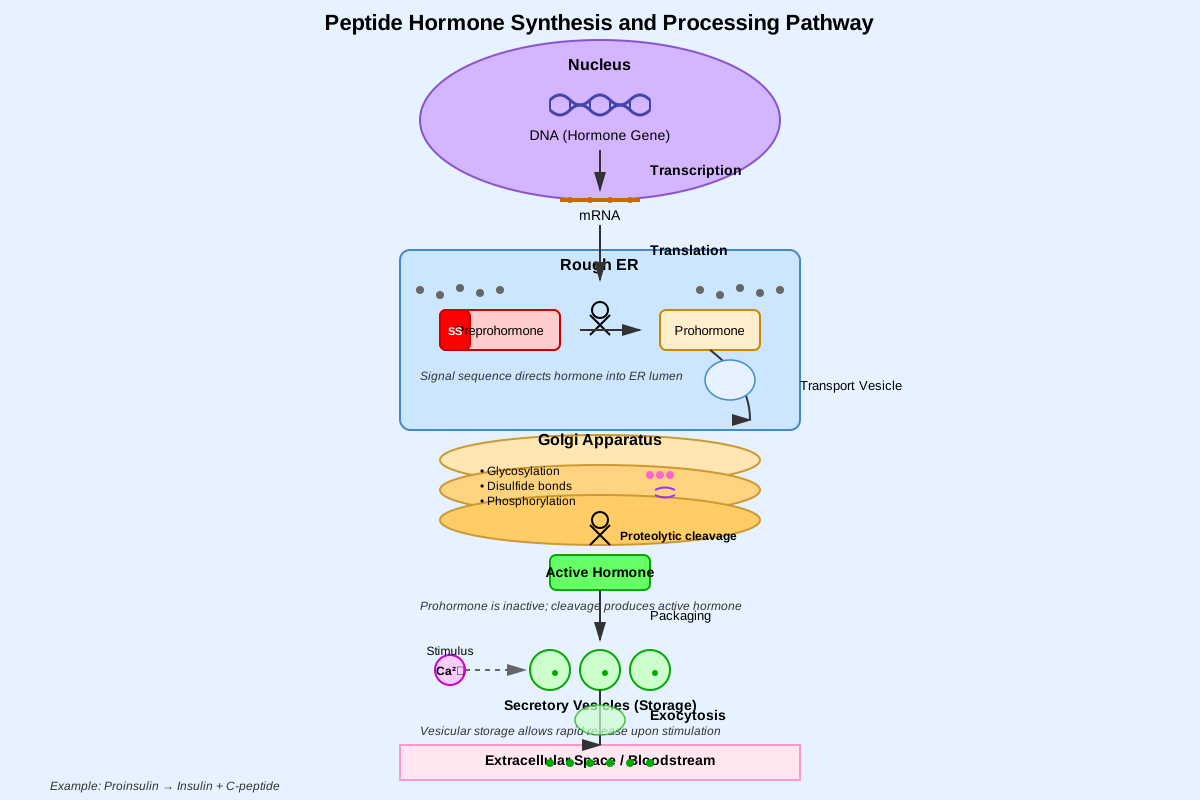
Peptide hormone synthesis follows the standard pathway for secreted proteins, beginning with transcription of the hormone gene in the nucleus. The resulting mRNA is translated by ribosomes on the rough endoplasmic reticulum (RER), producing a preprohormone—the initial, inactive form containing a signal sequence. This signal sequence directs the growing peptide chain into the ER lumen, where it is cleaved off by signal peptidase, yielding a prohormone.
The prohormone undergoes further processing as it moves through the secretory pathway:
- Folding and disulfide bond formation occur in the ER, establishing the proper three-dimensional structure
- Glycosylation may occur in the ER and Golgi apparatus, adding carbohydrate groups that affect stability and activity
- Proteolytic cleavage in the Golgi removes additional sequences, converting the prohormone to the active hormone
- Packaging into secretory vesicles occurs in the trans-Golgi network, where hormones are concentrated and stored
This multi-step processing is physiologically important because it allows cells to store large quantities of pre-made hormone that can be rapidly released upon stimulation, without requiring new protein synthesis. For example, pancreatic beta cells store insulin in secretory granules, enabling immediate release when blood glucose rises.
Storage and Secretion
Unlike steroid hormones, which are synthesized on demand and diffuse out of cells immediately, peptide hormones are stored in membrane-bound secretory vesicles within endocrine cells. This storage mechanism allows for regulated secretion—the release of hormone in response to specific stimuli through exocytosis. When an appropriate signal reaches the endocrine cell (such as elevated blood glucose for insulin or hypothalamic releasing hormones for pituitary hormones), intracellular calcium levels typically rise, triggering fusion of secretory vesicles with the plasma membrane and release of hormone into the extracellular space.
The regulated secretion of peptide hormones enables rapid, pulsatile release patterns that are physiologically important. Many peptide hormones are released in bursts rather than continuously, creating oscillating blood levels that prevent receptor desensitization and maintain target tissue responsiveness. Growth hormone, for instance, is released in pulses during sleep, and gonadotropin-releasing hormone (GnRH) must be released in a pulsatile pattern to properly stimulate reproductive hormone secretion.
Mechanism of Action
The mechanism of action for peptide hormones follows a consistent pattern dictated by their inability to cross cell membranes:
- Hormone binds to cell-surface receptor: The peptide hormone acts as a first messenger, binding to a specific receptor on the target cell's plasma membrane
- Receptor activation: Hormone binding causes a conformational change in the receptor, activating its intracellular domain
- Signal transduction: The activated receptor triggers intracellular signaling cascades, often involving second messengers like cAMP, cGMP, IP₃, DAG, or calcium ions
- Cellular response: Second messengers activate protein kinases and other effector proteins that modify cellular function through phosphorylation or other mechanisms
- Termination: The signal is terminated through hormone degradation, receptor internalization, or second messenger breakdown
This mechanism allows for signal amplification—a single hormone molecule binding to one receptor can generate thousands of second messenger molecules, each activating multiple downstream targets. This amplification cascade enables peptide hormones to produce robust cellular responses despite relatively low blood concentrations (typically nanomolar to picomolar range).
Receptor Types and Signaling Pathways
Peptide hormones bind to several major classes of cell-surface receptors, each coupling to distinct signaling pathways:
| Receptor Type | Mechanism | Second Messengers | Example Hormones |
|---|---|---|---|
| G protein-coupled receptors (GPCRs) | Activate G proteins that modulate enzymes or ion channels | cAMP, IP₃, DAG, Ca²⁺ | Glucagon, ACTH, TSH, FSH, LH |
| Receptor tyrosine kinases (RTKs) | Autophosphorylation activates kinase cascades | Phosphorylated proteins | Insulin, IGF-1, EGF |
| Cytokine receptors | Associated kinases phosphorylate STAT proteins | Phosphorylated STATs | Growth hormone, prolactin |
| Guanylyl cyclase receptors | Intrinsic enzyme activity produces cGMP | cGMP | ANP, BNP |
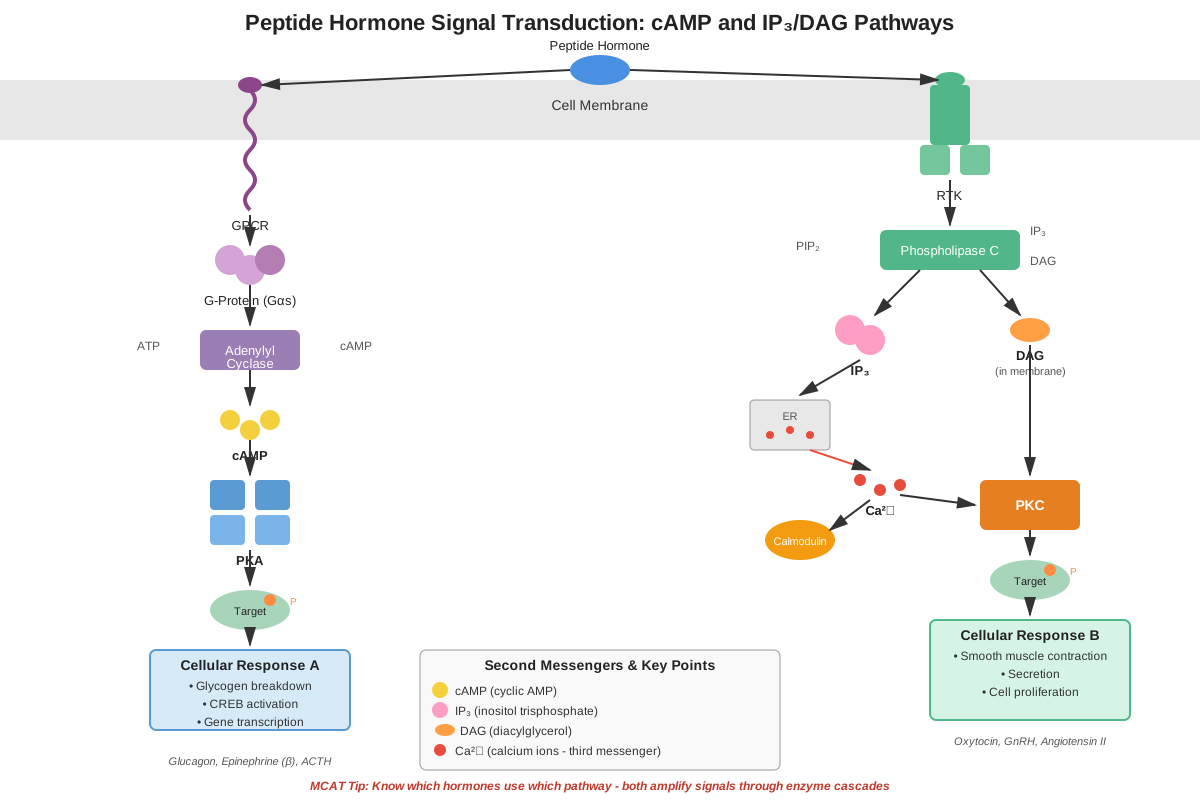
GPCR signaling is the most common mechanism for peptide hormones. When a hormone binds, the receptor activates a G protein (Gs, Gi, or Gq), which then modulates effector enzymes. Gs proteins activate adenylyl cyclase, increasing cAMP production; Gi proteins inhibit adenylyl cyclase, decreasing cAMP; and Gq proteins activate phospholipase C, which cleaves PIP₂ into IP₃ and DAG. These second messengers then activate protein kinases (PKA for cAMP, PKC for DAG) that phosphorylate target proteins to alter cell function.
RTK signaling is exemplified by insulin, which binds to its receptor and causes receptor dimerization and autophosphorylation. The phosphorylated receptor recruits and activates intracellular signaling proteins, initiating cascades including the PI3K/Akt pathway (promoting glucose uptake and glycogen synthesis) and the MAPK pathway (promoting cell growth and proliferation).
Major Peptide Hormones and Functions
Understanding specific peptide hormones and their physiological roles is essential for MCAT success:
Hypothalamic releasing and inhibiting hormones:
- TRH (thyrotropin-releasing hormone): Stimulates TSH release from anterior pituitary
- CRH (corticotropin-releasing hormone): Stimulates ACTH release
- GnRH (gonadotropin-releasing hormone): Stimulates FSH and LH release
- GHRH (growth hormone-releasing hormone): Stimulates GH release
- Somatostatin: Inhibits GH and TSH release
Anterior pituitary hormones:
- TSH (thyroid-stimulating hormone): Stimulates thyroid hormone synthesis and release
- ACTH (adrenocorticotropic hormone): Stimulates cortisol synthesis and release from adrenal cortex
- FSH and LH (gonadotropins): Regulate reproductive function and sex hormone production
- GH (growth hormone): Promotes growth, stimulates IGF-1 production, affects metabolism
- Prolactin: Stimulates milk production
Posterior pituitary hormones (synthesized in hypothalamus, stored in posterior pituitary):
- ADH/Vasopressin: Increases water reabsorption in kidney collecting ducts; vasoconstriction
- Oxytocin: Stimulates uterine contractions and milk ejection
Pancreatic hormones:
- Insulin: Lowers blood glucose by promoting cellular glucose uptake, glycogen synthesis, and lipid storage
- Glucagon: Raises blood glucose by promoting glycogenolysis and gluconeogenesis
- Somatostatin: Inhibits insulin and glucagon release (paracrine function)
Other important peptide hormones:
- Parathyroid hormone (PTH): Increases blood calcium by promoting bone resorption, kidney calcium reabsorption, and vitamin D activation
- Calcitonin: Decreases blood calcium by inhibiting bone resorption
- Atrial natriuretic peptide (ANP): Promotes sodium and water excretion, lowers blood pressure
- Leptin: Signals satiety and energy sufficiency
- Ghrelin: Signals hunger
Regulation and Feedback Loops
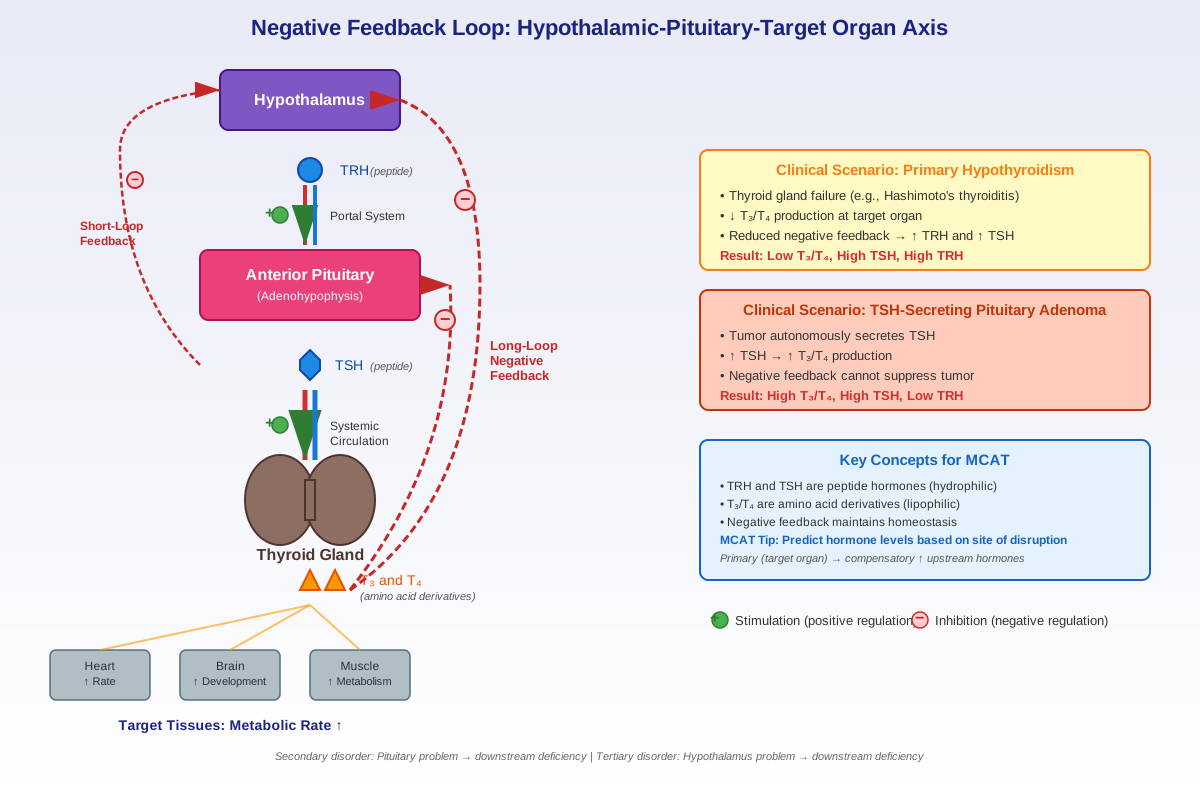
Peptide hormone secretion is tightly regulated through negative feedback loops that maintain homeostasis. The classic example is the hypothalamic-pituitary-thyroid (HPT) axis:
- Hypothalamus releases TRH
- TRH stimulates anterior pituitary to release TSH
- TSH stimulates thyroid gland to release thyroid hormones (T₃ and T₄)
- T₃ and T₄ exert negative feedback on both hypothalamus (reducing TRH) and pituitary (reducing TSH)
This negative feedback prevents excessive hormone production and maintains stable thyroid hormone levels. Similar axes exist for cortisol (HPA axis) and sex hormones (HPG axis). Understanding these feedback loops is crucial for predicting how hormone levels change in disease states—for example, primary hypothyroidism (thyroid gland failure) results in low T₃/T₄ but elevated TSH because the negative feedback is lost.
Positive feedback is rare but important in specific contexts. During childbirth, oxytocin stimulates uterine contractions, which stretch the cervix, which stimulates more oxytocin release—a positive feedback loop that intensifies until delivery occurs. Similarly, the LH surge that triggers ovulation results from positive feedback of estrogen on the hypothalamus and pituitary.
Comparison with Steroid Hormones
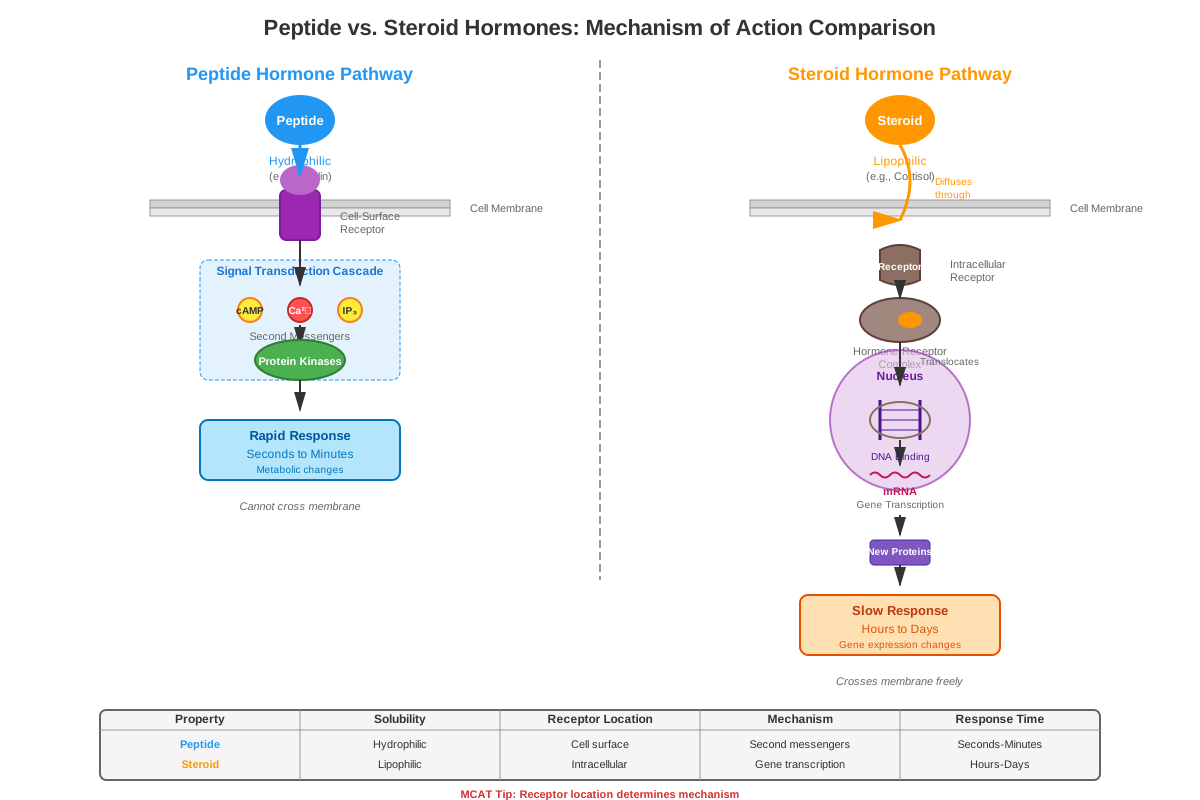
Understanding the differences between peptide and steroid hormones is frequently tested on the MCAT:
| Feature | Peptide Hormones | Steroid Hormones |
|---|---|---|
| Chemical nature | Amino acid chains | Cholesterol derivatives |
| Solubility | Hydrophilic (water-soluble) | Lipophilic (fat-soluble) |
| Synthesis | Ribosomes, ER, Golgi | Smooth ER, mitochondria |
| Storage | Stored in secretory vesicles | Synthesized on demand |
| Transport in blood | Dissolved in plasma (some use binding proteins) | Require carrier proteins |
| Receptor location | Cell surface | Intracellular (cytoplasm or nucleus) |
| Mechanism | Second messenger systems | Direct gene transcription |
| Speed of action | Seconds to minutes | Hours to days |
| Duration of action | Short (minutes to hours) | Long (hours to days) |
| Half-life | Short (degraded by proteases) | Long (protected by carriers) |
This comparison highlights why peptide hormones are suited for rapid, reversible responses (like insulin responding to a meal), while steroid hormones mediate slower, sustained changes (like cortisol's prolonged metabolic effects during stress).
Quick check — test yourself on Peptide hormones so far.
Try Flashcards →Concept Relationships
The concepts within peptide hormone biology form an integrated system. Synthesis and processing (preprohormone → prohormone → active hormone) determines what molecules are available for storage and secretion, which in turn affects the timing and magnitude of hormone release. The chemical nature of peptide hormones (hydrophilic) necessitates their mechanism of action (cell-surface receptors and second messengers), which differs fundamentally from steroid hormones. The receptor types (GPCRs, RTKs, etc.) determine which signaling pathways are activated, which ultimately produces the specific physiological effects of each hormone. Finally, these effects feed back to regulate hormone secretion through feedback loops, completing the regulatory circuit.
Peptide hormones connect to prerequisite topics in multiple ways. Understanding protein synthesis is essential because peptide hormones are made through transcription and translation. Knowledge of cell membrane structure explains why these hydrophilic molecules cannot cross membranes. Signal transduction concepts learned in cell biology directly apply to understanding how peptide hormones produce cellular responses. The endocrine system overview provides the anatomical and physiological context for where peptide hormones are produced and what organs they target.
Peptide hormones also connect forward to related topics. Understanding insulin and glucagon is essential for mastering glucose metabolism and diabetes pathophysiology. The hypothalamic-pituitary axes connect to reproductive physiology, stress responses, and growth and development. Peptide hormone signaling through second messengers relates to neurotransmitter signaling and pharmacology of drugs targeting these pathways. The concept of receptor-mediated signaling extends to immunology (cytokine signaling) and cancer biology (growth factor signaling).
The relationship map: Gene expression → Protein synthesis → Post-translational processing → Hormone storage → Regulated secretion → Blood transport → Receptor binding → Signal transduction → Cellular response → Physiological effect → Feedback regulation → Modulation of gene expression (completing the cycle).
High-Yield Facts
⭐ Peptide hormones are hydrophilic and cannot cross cell membranes, requiring cell-surface receptors to exert their effects
⭐ Peptide hormones are synthesized as preprohormones, processed to prohormones, then cleaved to active hormones and stored in secretory vesicles
⭐ Insulin is the only hormone that lowers blood glucose; it acts through receptor tyrosine kinase signaling to promote glucose uptake and storage
⭐ Glucagon, cortisol, epinephrine, and growth hormone all raise blood glucose through various mechanisms (the "counter-regulatory hormones")
⭐ The hypothalamic-pituitary axes (HPT, HPA, HPG) operate through negative feedback loops where the final hormone inhibits upstream releasing hormones
- Peptide hormones typically have short half-lives (minutes to hours) due to protease degradation, allowing rapid adjustments in hormone levels
- Second messenger systems (cAMP, IP₃/DAG, Ca²⁺) amplify peptide hormone signals, allowing low hormone concentrations to produce large cellular responses
- ADH (vasopressin) increases water reabsorption in kidney collecting ducts via V₂ receptors that increase aquaporin-2 insertion
- Growth hormone acts indirectly through IGF-1 (insulin-like growth factor 1) produced by the liver in response to GH stimulation
- Oxytocin and ADH are synthesized in the hypothalamus but stored and released from the posterior pituitary (neurohypophysis)
- Parathyroid hormone (PTH) increases blood calcium through three mechanisms: bone resorption, kidney reabsorption, and vitamin D activation (which increases intestinal absorption)
- Atrial natriuretic peptide (ANP) is released by atrial myocytes in response to stretch (volume expansion) and promotes sodium/water excretion
- Many peptide hormones are released in pulsatile patterns to prevent receptor desensitization and maintain target tissue responsiveness
- Receptor downregulation occurs with chronic peptide hormone exposure, reducing cellular sensitivity (important in insulin resistance)
- The anterior pituitary is called the "master gland" because its peptide hormones (TSH, ACTH, FSH, LH, GH, prolactin) regulate other endocrine glands
Common Misconceptions
Misconception: All hormones work the same way, binding to receptors and activating genes.
Correction: Peptide hormones and steroid hormones have fundamentally different mechanisms. Peptide hormones bind cell-surface receptors and work through second messengers to produce rapid effects (seconds to minutes), while steroid hormones cross membranes, bind intracellular receptors, and directly regulate gene transcription for slower effects (hours to days).
Misconception: Peptide hormones are stored in the blood until needed.
Correction: Peptide hormones are stored in secretory vesicles within endocrine cells, not in the blood. They are released into the blood only when the endocrine cell receives an appropriate stimulus. Once in the blood, they have short half-lives and are quickly degraded.
Misconception: Insulin and glucagon are antagonists that simply cancel each other out.
Correction: While insulin and glucagon have opposite effects on blood glucose, they are not simple antagonists. They work through different receptors and signaling pathways, and their coordinated action allows fine-tuned glucose regulation. Both are necessary for proper metabolic control—insulin dominates in the fed state, glucagon in the fasted state.
Misconception: The posterior pituitary produces ADH and oxytocin.
Correction: The posterior pituitary (neurohypophysis) stores and releases ADH and oxytocin, but these hormones are synthesized by neurosecretory cells in the hypothalamus. The hormones travel down axons to the posterior pituitary, where they are stored in axon terminals until released into the bloodstream.
Misconception: Negative feedback always means hormone levels decrease.
Correction: Negative feedback means the output inhibits further production, maintaining homeostasis around a set point. Hormone levels don't necessarily decrease—they stabilize. For example, in the HPT axis, thyroid hormones exert negative feedback on TSH, but normal thyroid hormone levels are maintained, not reduced to zero.
Misconception: All peptide hormones use cAMP as their second messenger.
Correction: While many peptide hormones do use cAMP (via Gs-coupled GPCRs), others use different second messengers. Insulin uses receptor tyrosine kinase signaling without traditional second messengers. Some hormones use IP₃/DAG/Ca²⁺ (via Gq-coupled GPCRs). ANP uses cGMP. The second messenger depends on the receptor type.
Misconception: Peptide hormones need carrier proteins to travel in blood because they're proteins.
Correction: Peptide hormones are hydrophilic and dissolve directly in blood plasma without requiring carrier proteins (though some do bind to binding proteins for stability or half-life extension). It's the lipophilic steroid and thyroid hormones that require carrier proteins because they're not water-soluble.
Worked Examples
Example 1: Insulin Signaling and Glucose Metabolism
Question: A researcher treats cultured muscle cells with insulin and observes increased glucose uptake. She then adds a drug that inhibits phosphatidylinositol 3-kinase (PI3K) and finds that insulin no longer increases glucose uptake. Which of the following best explains this observation?
A) PI3K is required for insulin receptor expression
B) PI3K is part of the insulin receptor's signal transduction pathway leading to glucose transporter insertion
C) PI3K degrades insulin, and blocking it increases insulin levels
D) PI3K is required for insulin synthesis
Analysis:
This question tests understanding of insulin's mechanism of action and signal transduction pathways. Let's work through the reasoning:
- Identify the hormone type and mechanism: Insulin is a peptide hormone that binds to a receptor tyrosine kinase (RTK) on the cell surface. It cannot enter cells directly.
- Recall the insulin signaling pathway: When insulin binds its receptor, the receptor autophosphorylates and activates downstream signaling proteins. A major pathway is the PI3K/Akt pathway, which leads to translocation of GLUT4 glucose transporters from intracellular vesicles to the plasma membrane, increasing glucose uptake.
- Analyze the experimental observation: Insulin increases glucose uptake (expected). When PI3K is inhibited, insulin no longer increases glucose uptake (PI3K is necessary for insulin's effect).
- Evaluate each answer:
- A) Incorrect: The receptor must already be present for insulin to have any initial effect
- B) Correct: PI3K is a key component of the insulin signaling cascade that leads to GLUT4 translocation
- C) Incorrect: PI3K is a kinase involved in signaling, not insulin degradation
- D) Incorrect: Insulin is synthesized in pancreatic beta cells, not muscle cells; PI3K is involved in signaling, not synthesis
Answer: B
Key takeaway: This question illustrates how the MCAT tests peptide hormone mechanisms by presenting experimental manipulations. Success requires knowing not just what insulin does (lowers blood glucose) but how it accomplishes this effect (RTK signaling → PI3K/Akt pathway → GLUT4 translocation).
Example 2: Hypothalamic-Pituitary Feedback Loop
Question: A patient presents with fatigue, weight gain, and cold intolerance. Laboratory tests reveal low T₃ and T₄ levels, but TSH levels are also low. Which of the following is the most likely diagnosis?
A) Primary hypothyroidism (thyroid gland failure)
B) Secondary hypothyroidism (pituitary failure)
C) Tertiary hypothyroidism (hypothalamic failure)
D) Hyperthyroidism with negative feedback
Analysis:
This clinical vignette tests understanding of the hypothalamic-pituitary-thyroid axis and feedback regulation:
- Identify the symptoms: Fatigue, weight gain, and cold intolerance are classic symptoms of hypothyroidism (low thyroid hormone).
- Analyze the lab values:
- Low T₃ and T₄ confirms hypothyroidism
- Low TSH is the key finding that determines the cause
- Apply feedback loop knowledge:
- In primary hypothyroidism (thyroid gland failure), the thyroid cannot produce T₃/T₄ even when stimulated. The low T₃/T₄ removes negative feedback on the pituitary, so TSH would be HIGH (not low).
- In secondary hypothyroidism (pituitary failure), the pituitary cannot produce TSH, so the thyroid isn't stimulated. This results in low TSH and low T₃/T₄—matching our patient.
- In tertiary hypothyroidism (hypothalamic failure), TRH is low, leading to low TSH and low T₃/T₄. This is also possible but less common than secondary.
- Hyperthyroidism would show high T₃/T₄, not low.
- Distinguish between B and C: Both secondary and tertiary hypothyroidism could present with low TSH and low T₃/T₄. However, "secondary" specifically refers to pituitary failure, which is more common and is the best answer when hypothalamic vs. pituitary isn't further specified. A TRH stimulation test could distinguish them (TSH would rise with TRH in tertiary but not secondary).
Answer: B (or C could be argued; the MCAT would likely provide additional information to distinguish, or accept both)
Key takeaway: Understanding feedback loops allows you to predict hormone levels in disease states. The pattern of hormone levels (which are high, which are low) reveals where in the axis the problem lies. This type of clinical reasoning is frequently tested on the MCAT.
Exam Strategy
When approaching MCAT questions on peptide hormones, follow this systematic approach:
1. Identify the hormone class first: Determine whether the question involves a peptide, steroid, or amino acid derivative hormone. This immediately tells you about solubility, receptor location, and mechanism of action. Trigger words like "cell-surface receptor," "second messenger," or "rapid response" suggest peptide hormones.
2. Map the axis or pathway: For questions involving hypothalamic-pituitary hormones, quickly sketch the axis (hypothalamus → pituitary → target gland → target hormone). This helps you track feedback loops and predict how hormone levels change in disease states.
3. Watch for mechanism questions: The MCAT loves to test whether you understand how peptide hormones work, not just what they do. Look for questions asking about receptor types, signal transduction, or why a particular drug blocks a hormone's effect. These require mechanistic understanding.
4. Use process of elimination with solubility: If a question describes a hormone that "requires a carrier protein in blood" or "binds to intracellular receptors," you can eliminate peptide hormones. Conversely, "dissolves in plasma" or "binds cell-surface receptors" eliminates steroids.
5. Recognize experimental setups: Passages often describe experiments manipulating hormone signaling (adding hormones to cells, blocking receptors, measuring second messengers). Approach these systematically: What's the normal pathway? What does the manipulation block? What would you predict as a result?
6. Time allocation: Discrete questions on peptide hormones should take 60-90 seconds—quickly identify the hormone, recall its function, and select the answer. Passage-based questions may take 90-120 seconds as you integrate passage information with your knowledge. Don't get bogged down trying to recall every detail; focus on the core concepts and use reasoning.
7. Flag feedback loop questions: Questions presenting hormone levels (e.g., "TSH is high, T₄ is low") are testing feedback loop understanding. The pattern of levels tells you where the problem is. High upstream hormones with low downstream hormones suggest target gland failure. Low everything suggests hypothalamic or pituitary failure.
8. Connect to physiology: Many peptide hormone questions are embedded in broader physiological contexts (metabolism, reproduction, stress response). Use your knowledge of organ systems to reason through unfamiliar scenarios. For example, if a passage describes a hormone that increases during fasting, consider what metabolic changes occur during fasting (gluconeogenesis, lipolysis) and which hormones promote those changes (glucagon, cortisol, GH).
Memory Techniques
FLAT PiG mnemonic for anterior pituitary hormones:
- FSH (Follicle-Stimulating Hormone)
- LH (Luteinizing Hormone)
- ACTH (Adrenocorticotropic Hormone)
- TSH (Thyroid-Stimulating Hormone)
- Prolactin
- GH (Growth Hormone)
"Peptides are Picky about Permeability": Peptide hormones cannot cross membranes (they're picky), so they need cell-surface receptors. This reminds you of their hydrophilic nature and mechanism.
Insulin vs. Glucagon visualization: Picture insulin as a "storage hormone" that pushes glucose into cells (like putting money in a bank), while glucagon is a "mobilization hormone" that pulls glucose out of storage (like withdrawing money). This helps remember their opposite effects.
"Pre-Pro-Active" for hormone processing: Peptide hormones go through three stages: Preprohormone (with signal sequence) → Prohormone (signal removed) → Active hormone (fully processed). The progression gets shorter and more active.
ADH memory trick: "ADH Adds water" (it increases water reabsorption). Also remember "Diabetes Insipidus = Insipid urine = dilute urine = lack of ADH."
Hypothalamic-pituitary axes: Create a visual map with hypothalamus at the top, pituitary in the middle, and target glands at the bottom. Draw arrows showing stimulation and curved arrows showing negative feedback. This spatial representation helps you track hormone relationships.
Second messenger associations:
- cAMP: Think "A for Adenylyl cyclase" (Gs proteins)
- IP₃/DAG: Think "PIP₂ gets clipped" (Gq proteins activate phospholipase C)
- RTK: Think "Tyrosine = Insulin" (insulin uses RTK)
Calcium-raising hormones: "PTH Pulls calcium" (from bone, into blood). Vitamin D "Delivers calcium" (increases intestinal absorption).
Summary
Peptide hormones are hydrophilic signaling molecules composed of amino acid chains that regulate virtually every physiological process tested on the MCAT. Their water-soluble nature prevents membrane crossing, necessitating cell-surface receptor binding and signal transduction through second messenger systems—a mechanism fundamentally different from lipophilic steroid hormones. Peptide hormones are synthesized through the standard secretory pathway (preprohormone → prohormone → active hormone), stored in secretory vesicles, and released through regulated exocytosis in response to specific stimuli. Major peptide hormones include hypothalamic releasing hormones, anterior pituitary tropic hormones (FLAT PiG), posterior pituitary hormones (ADH and oxytocin), pancreatic hormones (insulin and glucagon), and others like PTH and ANP. These hormones act through various receptor types (GPCRs, RTKs, cytokine receptors) to activate signaling cascades that produce rapid cellular responses. Peptide hormone secretion is regulated through negative feedback loops, particularly in hypothalamic-pituitary axes, maintaining homeostasis. Understanding peptide hormone synthesis, mechanism of action, specific functions, and regulatory feedback is essential for success on MCAT questions involving endocrine physiology, metabolism, and homeostatic control.
Key Takeaways
- Peptide hormones are hydrophilic and require cell-surface receptors; steroid hormones are lipophilic and use intracellular receptors—this fundamental difference determines their mechanisms of action
- The synthesis pathway (preprohormone → prohormone → active hormone) and storage in secretory vesicles enables rapid, regulated release of pre-made hormone
- Insulin (lowers glucose) and glucagon (raises glucose) are the primary regulators of blood glucose, working through different receptors and signaling pathways
- Hypothalamic-pituitary axes operate through negative feedback loops; the pattern of hormone levels (which are high/low) reveals where in the axis a problem exists
- Second messenger systems (cAMP, IP₃/DAG, Ca²⁺) amplify peptide hormone signals, allowing low hormone concentrations to produce large cellular responses
- Major peptide hormones and their functions must be memorized: FLAT PiG (anterior pituitary), ADH and oxytocin (posterior pituitary), insulin and glucagon (pancreas), PTH (parathyroid), and others
- Understanding peptide hormone mechanisms enables reasoning through experimental passages and clinical vignettes, which is how the MCAT typically tests this content
Related Topics
Signal Transduction Pathways: Deeper exploration of GPCR signaling, RTK cascades, and second messenger systems builds on peptide hormone mechanisms and applies to neurotransmitters and growth factors.
Glucose Metabolism and Diabetes: Understanding insulin and glucagon action is foundational for mastering glycolysis, gluconeogenesis, glycogen metabolism, and the pathophysiology of diabetes mellitus.
Reproductive Physiology: The hypothalamic-pituitary-gonadal axis, involving GnRH, FSH, and LH, regulates the menstrual cycle, spermatogenesis, and sex hormone production.
Stress Response and HPA Axis: CRH, ACTH, and cortisol form the stress response system, connecting endocrinology to immunology and metabolism.
Calcium Homeostasis: PTH, calcitonin, and vitamin D regulate blood calcium through effects on bone, kidney, and intestine—important for understanding bone physiology and mineral metabolism.
Renal Physiology: ADH's mechanism of action in the collecting duct connects peptide hormones to kidney function, fluid balance, and osmolarity regulation.
Mastering peptide hormones provides the foundation for understanding these interconnected physiological systems, all of which appear regularly on the MCAT.
Practice CTA
Now that you've mastered the core concepts of peptide hormones, it's time to reinforce your learning through active practice. Attempt the practice questions and flashcards associated with this topic to test your understanding and identify any remaining gaps. Remember, the MCAT rewards not just knowledge but the ability to apply concepts to novel situations—practice questions develop this critical skill. Focus on understanding why wrong answers are incorrect, not just why the right answer is correct. This analytical approach will serve you well on test day. You've built a strong foundation in peptide hormone biology; now solidify it through deliberate practice!
Sign up free to keep reading
Create a free AnvayaPrep account to finish this MCAT guide on Peptide hormones — plus flashcards and practice questions.