Overview
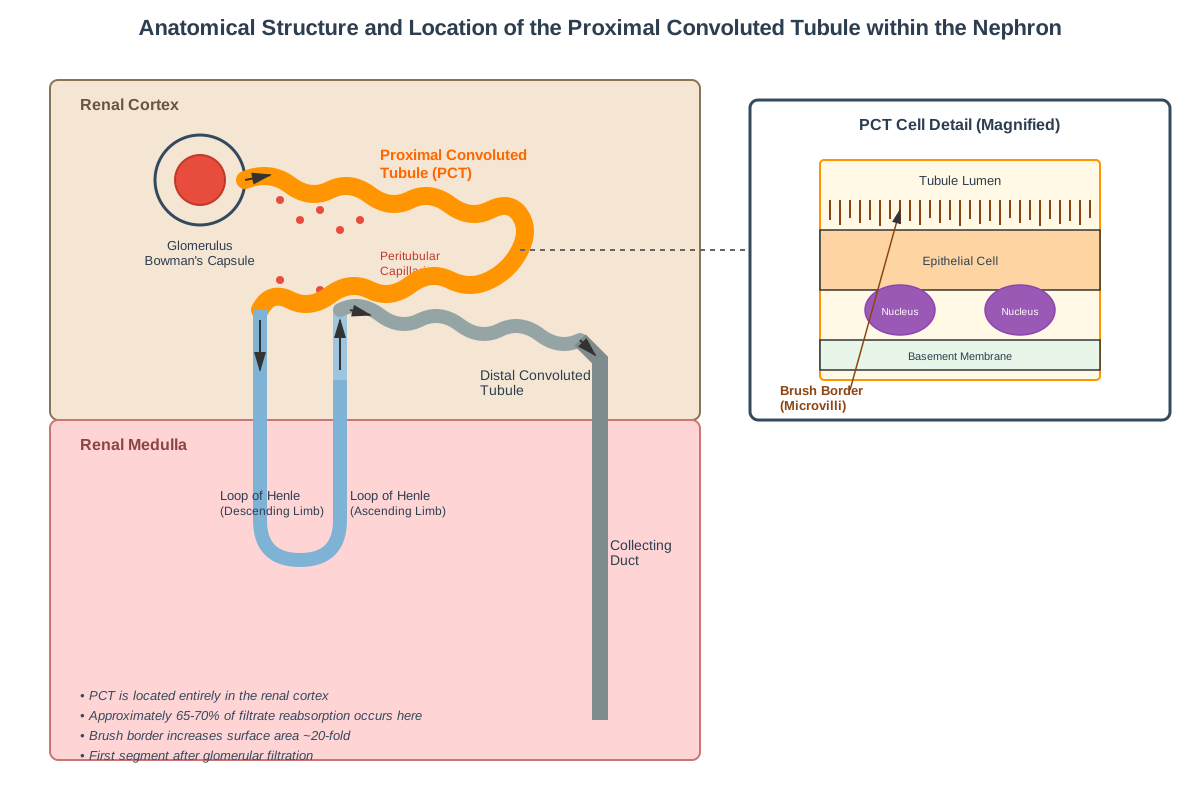
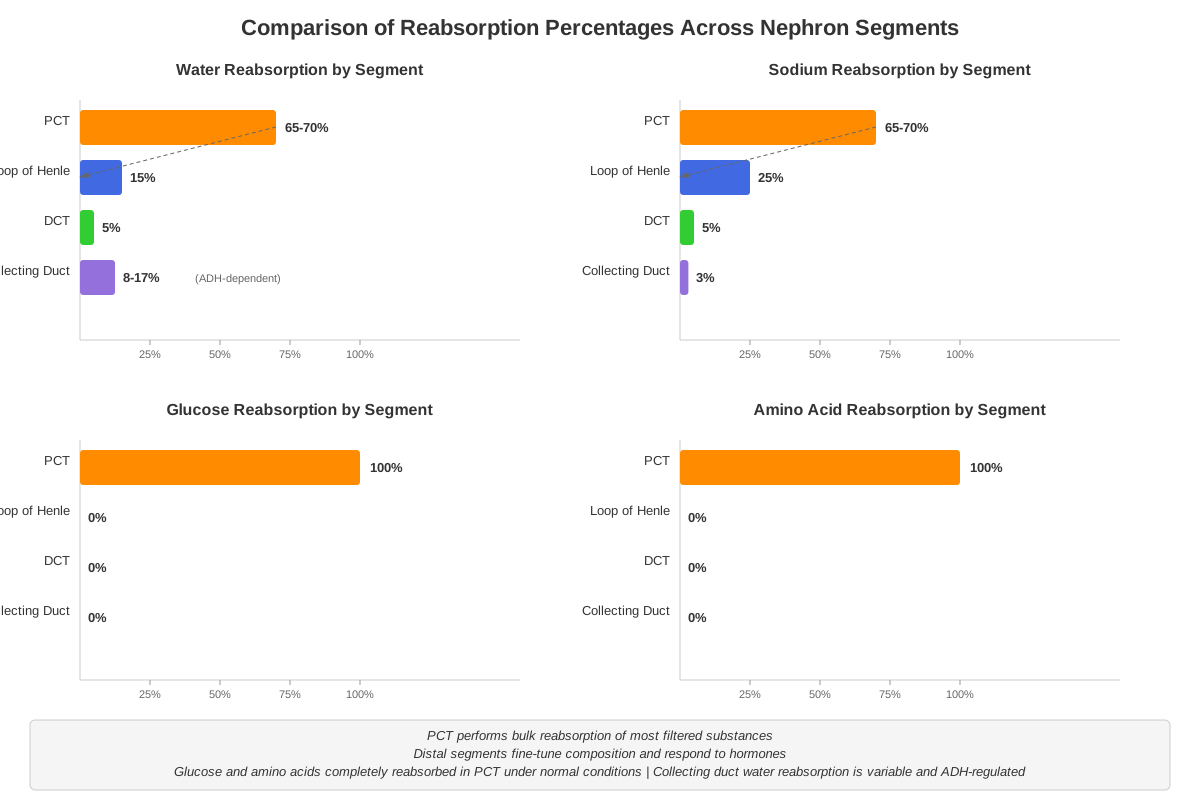
The proximal convoluted tubule (PCT) represents one of the most metabolically active and functionally critical segments of the nephron, the fundamental functional unit of the kidney. Located immediately after the glomerulus and Bowman's capsule in the renal cortex, this highly specialized structure is responsible for reabsorbing approximately 65-70% of the filtered water, sodium, and chloride, as well as nearly 100% of filtered glucose and amino acids under normal physiological conditions. Understanding the PCT is essential for comprehending how the body maintains fluid balance, electrolyte homeostasis, and nutrient conservation—all high-yield topics for the MCAT.
For MCAT preparation in Biology and Physiology and Organ Systems, the proximal convoluted tubule serves as a cornerstone concept that integrates multiple biological principles including active and passive transport, osmosis, cellular energetics, and hormonal regulation. Questions about the PCT frequently appear in passages discussing renal physiology, acid-base balance, drug excretion, and metabolic disorders such as diabetes mellitus. The MCAT tests not only factual knowledge about PCT structure and function but also the ability to apply these concepts to clinical scenarios and experimental data interpretation.
The PCT connects conceptually to broader themes in human physiology including cardiovascular function (blood pressure regulation), endocrine signaling (renin-angiotensin-aldosterone system), and cellular biology (membrane transport mechanisms). Mastery of this topic enables students to tackle complex passages that integrate renal function with other organ systems, making it a medium-importance but high-integration topic that appears across multiple question types on the exam.
Learning Objectives
- [ ] Define proximal convoluted tubule using accurate Biology terminology
- [ ] Explain why proximal convoluted tubule matters for the MCAT
- [ ] Apply proximal convoluted tubule concepts to exam-style questions
- [ ] Identify common mistakes related to proximal convoluted tubule
- [ ] Connect proximal convoluted tubule to related Biology concepts
- [ ] Describe the specific transport mechanisms operating in the PCT and their energy requirements
- [ ] Predict the consequences of PCT dysfunction on whole-body homeostasis
- [ ] Analyze experimental data involving PCT function and pharmaceutical interventions
Prerequisites
- Basic cell membrane structure and function: Understanding lipid bilayers, membrane proteins, and selective permeability is essential for comprehending how the PCT performs selective reabsorption
- Active and passive transport mechanisms: Knowledge of primary active transport (Na⁺/K⁺-ATPase), secondary active transport (cotransporters and antiporters), and facilitated diffusion underlies PCT function
- Nephron anatomy: Familiarity with the overall structure of the nephron (glomerulus, Bowman's capsule, tubule segments, collecting duct) provides context for where the PCT fits in renal processing
- Osmosis and tonicity: Understanding water movement across membranes is crucial for explaining how the PCT reabsorbs water following solute reabsorption
- Basic acid-base chemistry: The PCT plays a significant role in bicarbonate reabsorption and hydrogen ion secretion, requiring foundational knowledge of pH regulation
Why This Topic Matters
Clinical Significance
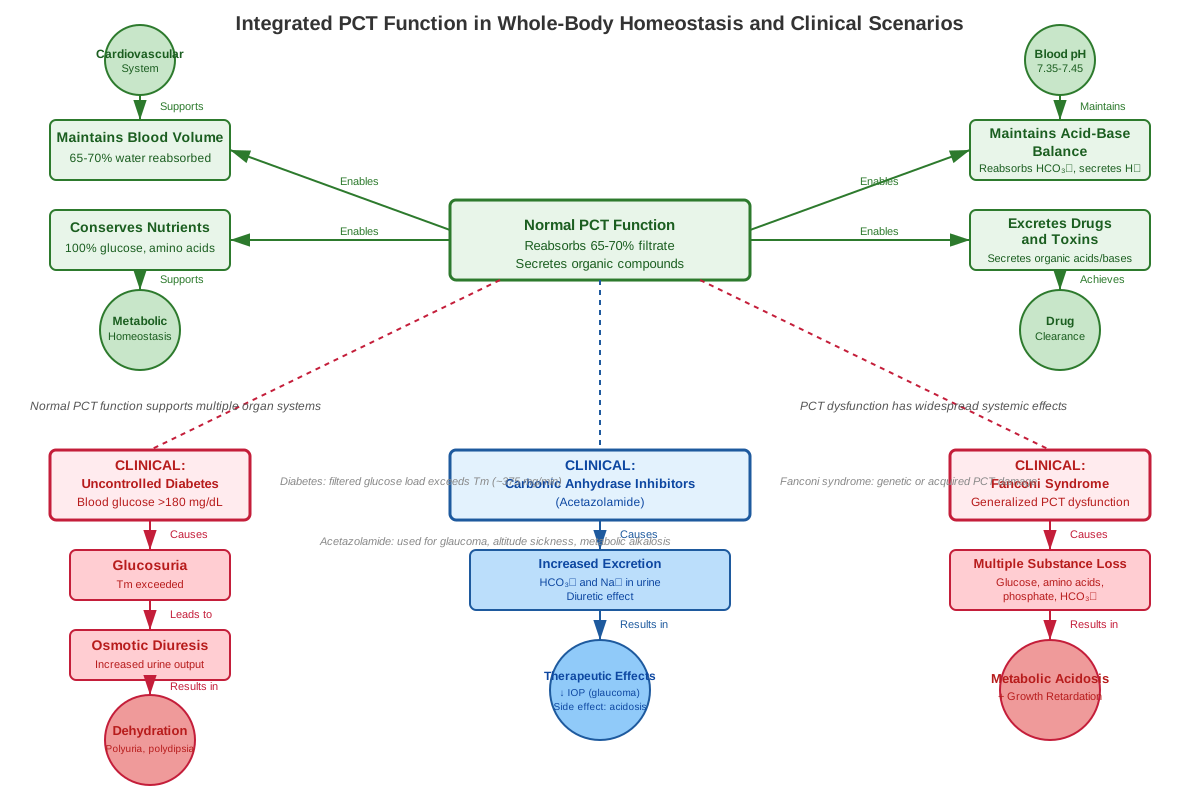
The proximal convoluted tubule is clinically relevant in numerous pathological conditions. Fanconi syndrome, a disorder affecting PCT function, results in the loss of glucose, amino acids, phosphate, and bicarbonate in the urine, leading to metabolic acidosis and growth retardation. Many commonly prescribed medications, including diuretics and antibiotics, exert their effects by modulating PCT transport mechanisms. Additionally, the PCT is a primary site of drug secretion into the tubular fluid, making it essential for understanding pharmacokinetics and drug-drug interactions. Diabetic nephropathy often begins with changes in PCT function, and understanding normal PCT physiology is foundational to comprehending how chronic hyperglycemia damages the kidneys.
MCAT Exam Statistics
The proximal convoluted tubule appears in approximately 3-5% of MCAT Biology/Biochemistry section questions, either as a primary focus or as part of integrated passages about renal physiology. Questions typically fall into three categories: (1) discrete questions testing factual knowledge about PCT structure and function, (2) passage-based questions requiring application of PCT concepts to experimental scenarios or clinical vignettes, and (3) questions integrating PCT function with endocrine regulation or acid-base balance. The topic is particularly high-yield because it connects to multiple testable concepts including cellular energetics, membrane transport, and homeostasis.
Common Exam Presentations
On the MCAT, the proximal convoluted tubule MCAT content typically appears in passages describing: renal clearance studies comparing different substances; pharmaceutical research on new diuretic agents; clinical cases of electrolyte imbalances or glucosuria; experimental manipulations of transport proteins; and comparative physiology questions examining how different organisms handle water and solute balance. Recognizing these passage types allows students to anticipate which PCT concepts will be tested and how to approach the associated questions efficiently.
Core Concepts
Anatomical Structure and Cellular Characteristics
The proximal convoluted tubule is the first segment of the renal tubule, beginning at the urinary pole of Bowman's capsule and extending through a tortuous, coiled path in the renal cortex before straightening into the proximal straight tubule (pars recta) that descends toward the medulla. The PCT epithelium consists of a single layer of cuboidal cells characterized by an extensive brush border (microvilli) on the apical (luminal) surface, which increases the surface area for reabsorption by approximately 20-fold. These cells are packed with mitochondria, particularly near the basolateral membrane, reflecting the high energy demands of active transport processes.
The basolateral membrane is highly folded and interdigitates with adjacent cells, further expanding surface area for transport. Tight junctions between PCT cells are relatively "leaky" compared to other nephron segments, allowing significant paracellular movement of water and solutes. This anatomical arrangement optimizes the PCT for its primary function: bulk reabsorption of filtered substances back into the peritubular capillaries.
Primary Transport Mechanisms
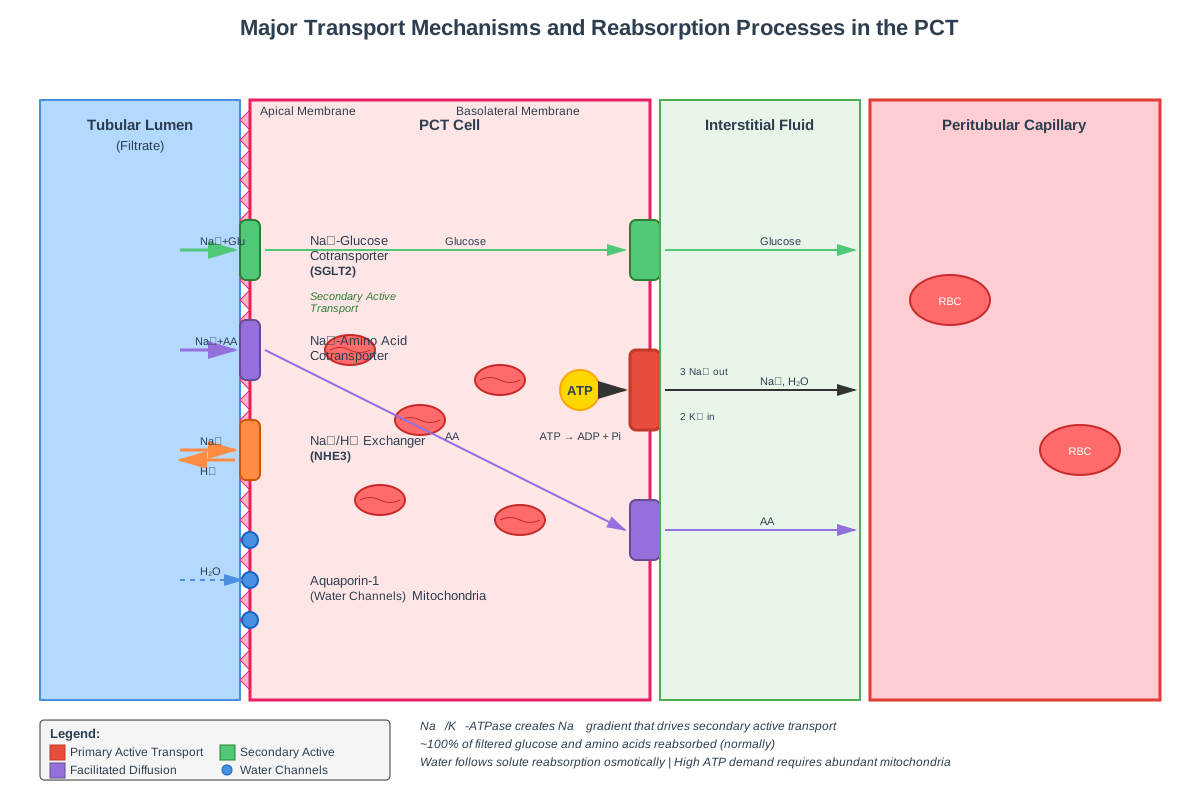
The foundation of PCT function is the Na⁺/K⁺-ATPase pump located on the basolateral membrane. This primary active transporter uses ATP to pump three sodium ions out of the cell into the interstitial fluid while bringing two potassium ions into the cell. This creates a low intracellular sodium concentration and an electrochemical gradient that drives virtually all other transport processes in the PCT.
On the apical membrane, sodium enters the cell down its concentration gradient through various mechanisms:
- Na⁺-glucose cotransporter (SGLT2 and SGLT1): Secondary active transport that couples sodium entry with glucose reabsorption. SGLT2 in the early PCT has lower affinity but higher capacity, while SGLT1 in the late PCT has higher affinity. Under normal plasma glucose concentrations, essentially 100% of filtered glucose is reabsorbed.
- Na⁺-amino acid cotransporters: Multiple transporters exist for different amino acid classes, ensuring complete reabsorption of filtered amino acids.
- Na⁺/H⁺ exchanger (NHE3): This antiporter secretes hydrogen ions into the tubular lumen while reabsorbing sodium. The secreted H⁺ combines with filtered bicarbonate to form carbonic acid, which dissociates into CO₂ and H₂O. CO₂ diffuses into the cell where carbonic anhydrase catalyzes its conversion back to bicarbonate, which exits the basolateral membrane through Na⁺/HCO₃⁻ cotransporters. This mechanism reabsorbs approximately 80% of filtered bicarbonate.
- Na⁺-phosphate cotransporter: Reabsorbs phosphate, a process regulated by parathyroid hormone (PTH), which inhibits this transporter.
Water and Chloride Reabsorption
Water reabsorption in the PCT occurs through both transcellular and paracellular pathways. The transcellular route involves aquaporin-1 (AQP1) water channels present on both apical and basolateral membranes, allowing water to follow the osmotic gradient created by solute reabsorption. The paracellular route through leaky tight junctions contributes significantly to water movement. Approximately 65% of filtered water is reabsorbed in the PCT, making it the single largest site of water reabsorption in the nephron.
Chloride reabsorption follows a biphasic pattern. In the early PCT, chloride is reabsorbed primarily through the paracellular pathway, following the electrochemical gradient created by sodium reabsorption. In the late PCT, as preferential reabsorption of bicarbonate and organic anions increases the luminal chloride concentration, chloride is reabsorbed transcellularly via Cl⁻/formate exchangers and through paracellular diffusion down its concentration gradient.
Secretion Functions
While the PCT is primarily reabsorptive, it also performs important secretory functions. Organic anion transporters (OATs) and organic cation transporters (OCTs) on the basolateral membrane take up various organic compounds from the blood, including drugs (penicillin, probenecid), toxins, and metabolic waste products. These substances are then secreted into the tubular lumen via apical transporters. This secretory mechanism is clinically important for drug elimination and is the basis for potential drug-drug interactions when multiple medications compete for the same transporters.
The PCT also secretes hydrogen ions (as described above), ammonia (NH₃), and various metabolic acids, contributing to acid-base balance. Ammonia secretion is particularly important during metabolic acidosis, as it allows for increased acid excretion without further lowering urine pH.
Hormonal Regulation
Several hormones modulate PCT function:
| Hormone | Effect on PCT | Mechanism |
|---|---|---|
| Parathyroid hormone (PTH) | Decreases phosphate reabsorption | Inhibits Na⁺-phosphate cotransporter |
| Angiotensin II | Increases Na⁺ and water reabsorption | Stimulates Na⁺/H⁺ exchanger activity |
| Dopamine | Decreases Na⁺ reabsorption | Inhibits Na⁺/K⁺-ATPase |
| Glucocorticoids | Increase glucose reabsorption capacity | Upregulate SGLT expression |
Glucose Transport Maximum (Tm)
The concept of transport maximum is particularly important for understanding glucose handling by the PCT. Under normal conditions (plasma glucose ~100 mg/dL), all filtered glucose is reabsorbed. However, when plasma glucose exceeds approximately 180-200 mg/dL (the renal threshold), the glucose transporters become saturated, and glucose appears in the urine (glucosuria). This occurs in uncontrolled diabetes mellitus and is a classic MCAT scenario. The Tm for glucose is approximately 375 mg/min in males and 300 mg/min in females, representing the maximum rate at which the PCT can reabsorb glucose.
Concept Relationships
The proximal convoluted tubule functions as an integrative hub connecting multiple physiological concepts. The Na⁺/K⁺-ATPase establishes the electrochemical gradient → which drives secondary active transport of glucose, amino acids, and other solutes → creating an osmotic gradient that drives water reabsorption → resulting in concentration of remaining solutes in the tubular fluid.
The PCT connects to acid-base physiology through bicarbonate reabsorption and hydrogen ion secretion, which links to the carbonic anhydrase system and ultimately to respiratory regulation of CO₂. The PCT's role in phosphate handling connects to bone metabolism and calcium homeostasis through PTH regulation, demonstrating integration with the endocrine system.
Understanding PCT function is prerequisite to comprehending the loop of Henle (which receives the 30-35% of filtrate not reabsorbed by the PCT), the distal convoluted tubule (which performs fine-tuning of electrolyte balance), and the collecting duct (where final urine concentration occurs). The PCT also connects to cardiovascular physiology through its role in blood volume regulation and the renin-angiotensin-aldosterone system.
From a cellular biology perspective, the PCT exemplifies how cell polarity (differential distribution of transporters on apical vs. basolateral membranes) enables directional transport, how mitochondrial density correlates with energy demands, and how membrane specializations (microvilli, basolateral folds) optimize function.
Quick check — test yourself on Proximal convoluted tubule so far.
Try Flashcards →High-Yield Facts
⭐ The proximal convoluted tubule reabsorbs approximately 65-70% of filtered water and sodium, making it the largest site of reabsorption in the nephron.
⭐ Under normal conditions, the PCT reabsorbs 100% of filtered glucose and amino acids through Na⁺-coupled secondary active transport.
⭐ The Na⁺/K⁺-ATPase on the basolateral membrane is the primary active transporter that drives all other PCT transport processes.
⭐ The PCT reabsorbs approximately 80% of filtered bicarbonate through a mechanism involving Na⁺/H⁺ exchange and carbonic anhydrase.
⭐ The renal threshold for glucose (approximately 180-200 mg/dL plasma concentration) represents the point at which PCT glucose transporters become saturated, resulting in glucosuria.
- The PCT brush border (microvilli) increases apical surface area by approximately 20-fold, optimizing reabsorption capacity.
- Aquaporin-1 water channels on both apical and basolateral membranes facilitate transcellular water reabsorption in the PCT.
- Parathyroid hormone (PTH) inhibits phosphate reabsorption in the PCT, increasing urinary phosphate excretion.
- The PCT secretes organic anions and cations, including many drugs, through specific transporter systems (OATs and OCTs).
- Angiotensin II stimulates PCT sodium reabsorption by enhancing Na⁺/H⁺ exchanger activity, contributing to blood pressure regulation.
- The PCT has relatively leaky tight junctions compared to other nephron segments, allowing significant paracellular transport.
- Carbonic anhydrase in PCT cells is essential for bicarbonate reabsorption and is the target of carbonic anhydrase inhibitor diuretics.
Common Misconceptions
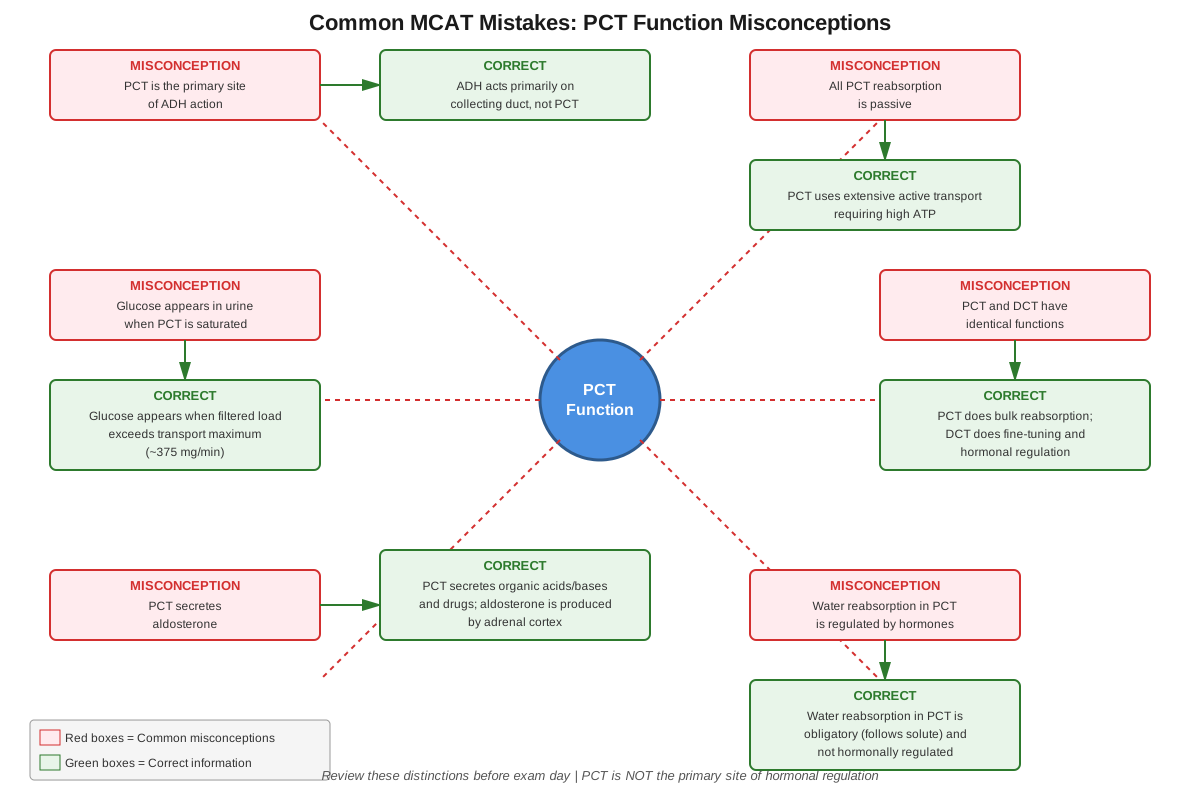
Misconception: The PCT actively transports water across the epithelium.
Correction: Water reabsorption in the PCT is passive, following the osmotic gradient created by active solute reabsorption. While aquaporin channels facilitate water movement, no energy is directly expended on water transport itself.
Misconception: All transport in the PCT requires direct ATP expenditure.
Correction: Only the Na⁺/K⁺-ATPase directly uses ATP. Most other transport processes are secondary active transport, using the sodium gradient established by the Na⁺/K⁺-ATPase. Glucose and amino acid reabsorption, for example, are secondary active transport processes that don't directly consume ATP.
Misconception: The PCT reabsorbs a fixed percentage of filtered substances regardless of physiological conditions.
Correction: While the PCT typically reabsorbs about 65-70% of filtered sodium and water, this can be modulated by hormones (angiotensin II, dopamine) and physiological states. Additionally, substances like glucose show threshold behavior rather than percentage-based reabsorption.
Misconception: Glucosuria always indicates diabetes mellitus.
Correction: While diabetes is the most common cause of glucosuria, it can also result from inherited or acquired defects in PCT glucose transporters (renal glucosuria), pregnancy (increased GFR exceeds reabsorptive capacity), or certain medications. The key is distinguishing between hyperglycemia-induced glucosuria and normal-glycemia glucosuria.
Misconception: The PCT is impermeable to proteins, which is why they don't appear in urine.
Correction: Small amounts of protein are filtered at the glomerulus, and the PCT actually reabsorbs these proteins through receptor-mediated endocytosis. Proteinuria indicates either excessive glomerular filtration of proteins or impaired PCT reabsorption, not simply glomerular impermeability.
Misconception: Bicarbonate reabsorption in the PCT involves direct transport of HCO₃⁻ from lumen to blood.
Correction: Bicarbonate cannot be directly reabsorbed. Instead, secreted H⁺ combines with filtered HCO₃⁻ to form CO₂, which diffuses into the cell and is converted back to HCO₃⁻ by carbonic anhydrase. This "new" bicarbonate is then transported into the blood. The net effect is bicarbonate reabsorption, but the actual bicarbonate ion doesn't cross the apical membrane.
Worked Examples
Example 1: Glucose Reabsorption and Diabetes
Clinical Vignette: A patient with poorly controlled type 1 diabetes mellitus presents with a plasma glucose concentration of 300 mg/dL and a glomerular filtration rate (GFR) of 125 mL/min. The transport maximum (Tm) for glucose is 375 mg/min. Calculate the filtered load of glucose and determine whether glucosuria will occur.
Solution:
Step 1: Calculate the filtered load of glucose.
- Filtered load = GFR × plasma concentration
- Convert plasma glucose to mg/mL: 300 mg/dL = 3 mg/mL
- Filtered load = 125 mL/min × 3 mg/mL = 375 mg/min
Step 2: Compare filtered load to Tm.
- Filtered load (375 mg/min) = Tm (375 mg/min)
- The PCT is operating exactly at its maximum reabsorptive capacity
Step 3: Determine if glucosuria occurs.
- When filtered load equals Tm, the transporters are just becoming saturated
- In practice, glucosuria begins when filtered load exceeds Tm
- At exactly Tm, minimal glucosuria may begin to appear
Conclusion: This patient is at the threshold for glucosuria. Any further increase in plasma glucose or GFR would result in glucose appearing in the urine. This example demonstrates the concept of transport maximum and explains why diabetic patients develop glucosuria when plasma glucose exceeds approximately 180-200 mg/dL (the renal threshold).
Connection to Learning Objectives: This problem applies PCT concepts to a clinical scenario, demonstrating how understanding transport mechanisms and their limitations allows prediction of physiological outcomes in disease states.
Example 2: Carbonic Anhydrase Inhibition
Experimental Scenario: Researchers administer acetazolamide, a carbonic anhydrase inhibitor, to experimental subjects and measure changes in urine composition. Predict the effects on bicarbonate excretion, urine pH, and blood pH.
Solution:
Step 1: Identify the normal role of carbonic anhydrase in the PCT.
- In PCT cells, carbonic anhydrase catalyzes: CO₂ + H₂O ↔ H₂CO₃ ↔ H⁺ + HCO₃⁻
- This reaction is essential for bicarbonate reabsorption
- Normally, ~80% of filtered bicarbonate is reabsorbed in the PCT
Step 2: Predict the effect of inhibiting carbonic anhydrase.
- Without carbonic anhydrase, CO₂ entering the cell cannot be efficiently converted to HCO₃⁻
- Less H⁺ is available for secretion via the Na⁺/H⁺ exchanger
- Filtered bicarbonate cannot be reabsorbed efficiently
Step 3: Determine consequences for urine and blood.
- Urine bicarbonate: Increases dramatically (bicarbonate remains in tubular fluid)
- Urine pH: Increases (becomes more alkaline due to bicarbonate)
- Blood pH: Decreases (metabolic acidosis develops due to bicarbonate loss)
- Urine volume: Increases (bicarbonate acts as an osmotic diuretic, retaining water)
Step 4: Consider secondary effects.
- Increased sodium excretion (Na⁺/H⁺ exchanger is less active)
- Increased potassium excretion (more sodium reaches distal nephron, where Na⁺ reabsorption is coupled to K⁺ secretion)
Conclusion: Acetazolamide causes bicarbonate diuresis, alkaline urine, and metabolic acidosis. This explains its clinical use in treating metabolic alkalosis and altitude sickness (where mild acidosis stimulates ventilation). This example also illustrates why carbonic anhydrase inhibitors are weak diuretics—the distal nephron can compensate for some of the PCT dysfunction.
Connection to Learning Objectives: This example demonstrates how understanding PCT mechanisms allows prediction of pharmacological effects and connects PCT function to acid-base balance and whole-body homeostasis.
Exam Strategy
Approaching PCT Questions
When encountering MCAT questions about the proximal convoluted tubule, first identify whether the question focuses on: (1) structure-function relationships, (2) specific transport mechanisms, (3) hormonal regulation, or (4) clinical/pathological scenarios. Questions about structure typically ask about the brush border, tight junction permeability, or mitochondrial density. Transport mechanism questions often involve glucose, amino acids, bicarbonate, or drug secretion. Hormonal regulation questions usually feature PTH, angiotensin II, or aldosterone (though aldosterone primarily affects the distal nephron). Clinical scenarios frequently involve diabetes, Fanconi syndrome, or diuretic mechanisms.
Trigger Words and Phrases
Watch for these high-yield trigger phrases:
- "Bulk reabsorption" or "majority of filtrate" → indicates PCT
- "Glucose in urine" or "glucosuria" → think PCT transport maximum and diabetes
- "Brush border" or "microvilli" → PCT structural feature
- "Secondary active transport" → likely refers to Na⁺-coupled cotransporters in PCT
- "Bicarbonate reabsorption" → PCT handles 80%, involves carbonic anhydrase
- "Organic anion/cation secretion" → PCT drug elimination pathway
- "Renal threshold" → PCT transport maximum concept
- "Carbonic anhydrase inhibitor" → affects PCT bicarbonate reabsorption
Process of Elimination Tips
When eliminating answer choices:
- Eliminate options suggesting the PCT is the primary site of water concentration (that's the collecting duct)
- Eliminate options suggesting aldosterone directly affects the PCT (it primarily acts on the distal nephron)
- Eliminate options suggesting the PCT actively transports water (water movement is passive)
- Eliminate options suggesting proteins are normally filtered and excreted (PCT reabsorbs filtered proteins)
- For transport mechanism questions, eliminate options that don't account for the Na⁺/K⁺-ATPase as the primary energy source
Time Allocation
For discrete PCT questions, spend 45-60 seconds identifying the specific concept being tested and selecting the answer. For passage-based questions, allocate 1-2 minutes per question, ensuring you reference relevant data from the passage. If a question requires calculations (like filtered load or transport maximum), budget an extra 30 seconds for arithmetic. Don't get bogged down in complex calculations—MCAT math is designed to be simple, and if your calculation becomes unwieldy, you've likely made an error in setup.
Memory Techniques
Mnemonic for PCT Functions
"GABA Reabsorbs Most"
- Glucose (100% reabsorbed)
- Amino acids (100% reabsorbed)
- Bicarbonate (80% reabsorbed)
- All the water and sodium (65-70% reabsorbed)
- Most of everything else
Visualization Strategy
Picture the PCT as a "greedy" segment that grabs most of what's valuable from the filtrate. Visualize the brush border as thousands of tiny hands reaching into the tubular lumen, pulling glucose, amino acids, and sodium back into the body. The Na⁺/K⁺-ATPase pumps on the basolateral side are like engines that power all these hands. This anthropomorphic visualization helps remember that the PCT is the primary reabsorptive site.
Acronym for Transport Mechanisms
"SNAP" for the major apical transporters:
- SGLT (Sodium-Glucose Linked Transporter)
- NHE (Na⁺/H⁺ Exchanger)
- Amino acid cotransporters
- Phosphate cotransporter
Bicarbonate Reabsorption Sequence
Remember the sequence: "H+ out, CO2 in, HCO3- out"
- H⁺ secreted into lumen (via Na⁺/H⁺ exchanger)
- H⁺ + HCO₃⁻ → H₂CO₃ → CO₂ + H₂O (in lumen)
- CO₂ diffuses into cell
- CO₂ + H₂O → H₂CO₃ → H⁺ + HCO₃⁻ (in cell, via carbonic anhydrase)
- HCO₃⁻ exits basolateral membrane into blood
Summary
The proximal convoluted tubule is the nephron's primary reabsorptive segment, recovering approximately 65-70% of filtered water and sodium, 100% of glucose and amino acids, and 80% of bicarbonate under normal physiological conditions. Its function depends fundamentally on the basolateral Na⁺/K⁺-ATPase, which creates the electrochemical gradient driving secondary active transport of numerous solutes via apical cotransporters and exchangers. The PCT's extensive brush border and high mitochondrial density reflect its role in bulk reabsorption. Water follows solute reabsorption passively through aquaporin-1 channels and paracellular pathways. The PCT also secretes organic anions and cations, including many drugs, and plays a crucial role in acid-base balance through bicarbonate reabsorption and hydrogen ion secretion. Understanding PCT function requires integrating concepts of membrane transport, cellular energetics, and hormonal regulation, making it a high-integration topic for the MCAT that connects to broader themes in renal physiology, endocrinology, and clinical medicine.
Key Takeaways
- The PCT reabsorbs the majority (65-70%) of filtered water and sodium, making it the nephron's primary bulk reabsorption site
- All glucose and amino acid reabsorption occurs in the PCT via Na⁺-coupled secondary active transport, with a transport maximum that explains diabetic glucosuria
- The basolateral Na⁺/K⁺-ATPase is the primary active transporter that energizes all other PCT transport processes
- Bicarbonate reabsorption (80% in PCT) requires carbonic anhydrase and involves H⁺ secretion, not direct HCO₃⁻ transport
- The PCT's brush border, leaky tight junctions, and abundant mitochondria are structural adaptations for its reabsorptive function
- Hormones including PTH, angiotensin II, and dopamine modulate specific PCT transport processes
- Understanding PCT function is essential for predicting effects of diuretics, explaining diabetic complications, and analyzing renal clearance data on the MCAT
Related Topics
Loop of Henle: After mastering PCT function, study how the loop of Henle creates the medullary osmotic gradient essential for urine concentration. The loop receives the 30-35% of filtrate not reabsorbed by the PCT and performs additional selective reabsorption.
Distal Convoluted Tubule and Collecting Duct: These segments perform fine-tuning of electrolyte balance and final urine concentration, with the collecting duct being the primary site of aldosterone and ADH action. Understanding PCT function provides context for why these segments handle smaller volumes but perform more regulated reabsorption.
Glomerular Filtration: The PCT processes whatever the glomerulus filters, so understanding glomerular filtration rate, filtration fraction, and the factors affecting filtration helps predict PCT workload and explains conditions like glucosuria.
Acid-Base Physiology: The PCT's role in bicarbonate reabsorption connects directly to metabolic acid-base disorders. Mastering PCT function enables understanding of metabolic acidosis, alkalosis, and compensatory mechanisms.
Renal Clearance and Pharmacokinetics: The PCT's secretory function is essential for drug elimination. Understanding PCT transport mechanisms explains drug-drug interactions, dosing adjustments in renal disease, and clearance calculations.
Practice CTA
Now that you've mastered the core concepts of proximal convoluted tubule function, it's time to solidify your understanding through active practice. Work through the practice questions to test your ability to apply these concepts to MCAT-style scenarios, and use the flashcards to reinforce high-yield facts and mechanisms. Remember, the MCAT rewards not just knowledge but the ability to apply that knowledge under time pressure—practice is what builds that skill. You've invested the time to understand this material deeply; now demonstrate that mastery through deliberate practice. Every question you work through brings you one step closer to your target score!
Sign up free to keep reading
Create a free AnvayaPrep account to finish this MCAT guide on Proximal convoluted tubule — plus flashcards and practice questions.