Overview
Prenatal development refers to the process of growth and maturation that occurs from conception through birth, spanning approximately 38–40 weeks of gestation. This foundational period establishes the biological substrate for all subsequent physical, cognitive, and socioemotional development across the lifespan. Within the context of Psychology and the MCAT, prenatal development represents a critical intersection of biological processes and environmental influences that shape human behavior, cognition, and health outcomes. Understanding this developmental period requires integrating knowledge from embryology, neuroscience, and developmental psychology to appreciate how genetic programming interacts with maternal and environmental factors to produce individual differences in developmental trajectories.
For the MCAT, prenatal development appears frequently in the Psychological, Social, and Biological Foundations of Behavior section, particularly within questions addressing Development and Personality. Test-makers favor this topic because it allows them to assess students' understanding of gene-environment interactions, critical periods, teratogenic effects, and the biological foundations of behavior. Questions often present clinical vignettes involving maternal health conditions, substance exposure, or developmental abnormalities, requiring students to apply their knowledge of prenatal stages and risk factors to predict developmental outcomes or explain behavioral phenotypes.
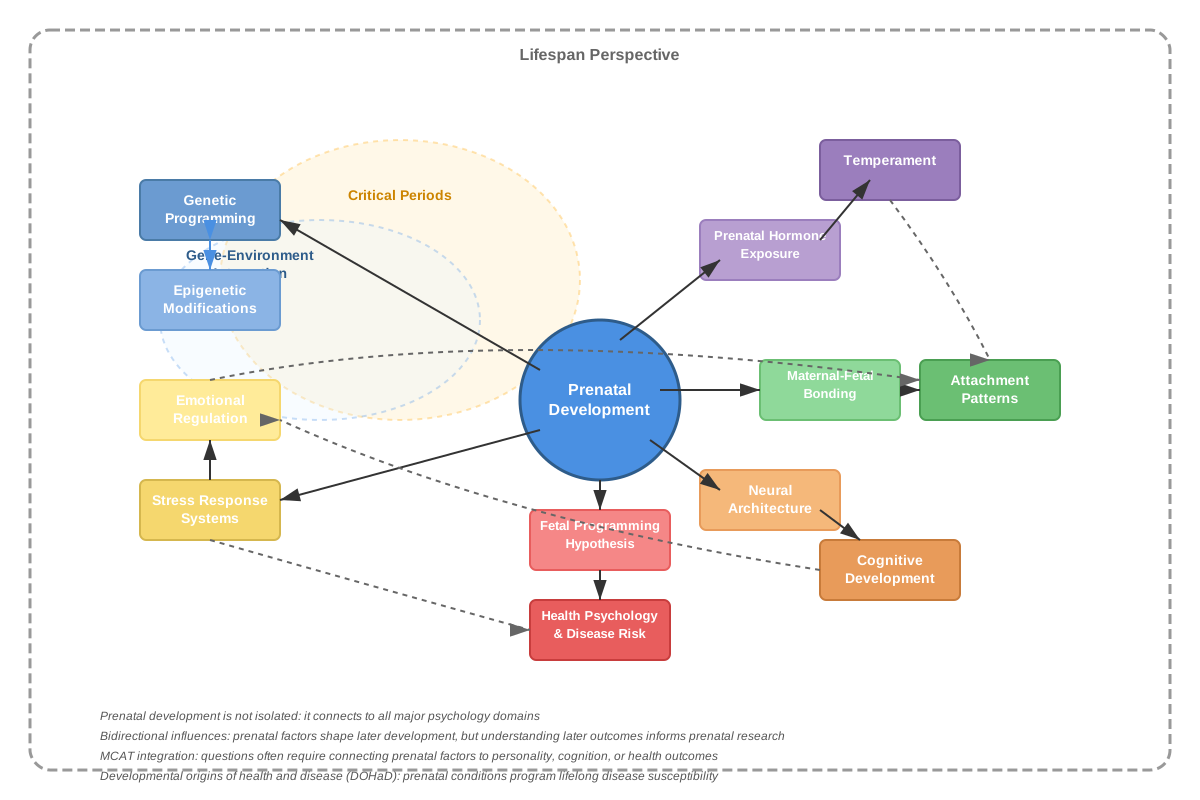
The study of prenatal development connects intimately with numerous other psychology concepts, including attachment theory (which begins forming in utero through maternal-fetal interactions), temperament (partially determined by prenatal hormone exposure), cognitive development (dependent on proper neural tube formation and brain development), and health psychology (examining how prenatal experiences create vulnerability or resilience to later disease). Mastering prenatal development provides the essential foundation for understanding how nature and nurture begin their lifelong interaction before birth, establishing patterns that influence personality, cognition, and behavior throughout the lifespan.
Learning Objectives
- [ ] Define prenatal development using accurate Psychology terminology
- [ ] Explain why prenatal development matters for the MCAT
- [ ] Apply prenatal development to exam-style questions
- [ ] Identify common mistakes related to prenatal development
- [ ] Connect prenatal development to related Psychology concepts
- [ ] Differentiate between the three major stages of prenatal development and their characteristic developmental milestones
- [ ] Analyze the effects of teratogens on fetal development during critical and sensitive periods
- [ ] Evaluate how maternal factors (stress, nutrition, substance use) influence prenatal development and subsequent behavioral outcomes
Prerequisites
- Basic embryology and human reproduction: Understanding fertilization, implantation, and basic cellular differentiation provides the biological foundation for tracking developmental stages
- Genetics fundamentals: Knowledge of chromosomes, genes, and inheritance patterns enables comprehension of genetic contributions to prenatal development and congenital conditions
- Nervous system anatomy: Familiarity with brain structures and neural organization helps students understand the significance of prenatal neural development
- Basic endocrinology: Understanding hormones and their effects on development is essential for grasping how maternal and fetal hormones influence growth and differentiation
Why This Topic Matters
Prenatal development holds profound clinical and real-world significance as the foundation for lifelong health and behavior. Adverse prenatal experiences contribute to conditions ranging from intellectual disabilities and autism spectrum disorders to cardiovascular disease and mental health disorders in adulthood. The concept of fetal programming—whereby prenatal conditions establish biological set points that influence disease risk decades later—has revolutionized our understanding of chronic disease prevention. Public health initiatives targeting prenatal care, maternal nutrition, and substance abuse prevention directly apply principles of prenatal development to reduce morbidity and mortality.
On the MCAT, prenatal development appears in approximately 3–5% of Psychology/Sociology section questions, making it a medium-yield topic that nonetheless appears consistently across test administrations. Questions typically take three forms: (1) discrete questions asking students to identify developmental stages or teratogenic effects, (2) passage-based questions presenting research on maternal factors and developmental outcomes, and (3) clinical vignettes describing congenital conditions requiring students to identify likely prenatal causes. The AAMC particularly favors questions that integrate biological and psychological perspectives, such as asking how prenatal hormone exposure influences later gender identity or how maternal stress affects infant temperament.
Common exam passage contexts include research studies on fetal alcohol spectrum disorders, investigations of maternal stress and cortisol exposure, discussions of critical periods for organ system development, and epidemiological studies linking prenatal nutrition to cognitive outcomes. Students must be prepared to interpret graphs showing developmental timelines, analyze experimental designs involving prenatal interventions, and apply knowledge of teratogenic mechanisms to novel scenarios. The interdisciplinary nature of prenatal development makes it an ideal topic for testing students' ability to integrate biological, psychological, and social perspectives—a core competency for future physicians.
Core Concepts
Stages of Prenatal Development
Prenatal development unfolds across three distinct stages, each characterized by specific developmental processes and vulnerabilities. The germinal stage (conception to approximately 2 weeks) begins with fertilization and encompasses the zygote's journey through the fallopian tube, cell division through mitosis, and implantation into the uterine wall. During this period, the developing organism is called a zygote (single-celled) and then a blastocyst (hollow ball of cells). The blastocyst differentiates into the inner cell mass (which becomes the embryo) and the trophoblast (which becomes the placenta and supporting structures). This stage is characterized by rapid cell division but minimal differentiation, making it relatively resistant to teratogenic effects—exposure to harmful agents typically results in either no effect or spontaneous abortion (all-or-nothing principle).
The embryonic stage (weeks 3–8 post-conception) represents the period of most dramatic structural development. During these critical weeks, all major organ systems and body structures begin forming through the process of organogenesis. The embryo develops three primary germ layers: the ectoderm (forming the nervous system, skin, and sensory organs), mesoderm (forming muscles, bones, circulatory system, and reproductive organs), and endoderm (forming the digestive system, lungs, and glands). The neural tube—precursor to the brain and spinal cord—forms during weeks 3–4, making this a critical period for neural development. By the end of the embryonic stage, the organism measures approximately one inch in length but possesses rudimentary versions of all major body systems. This stage represents the period of maximum vulnerability to teratogens, as disruption of organogenesis can produce major structural abnormalities.
The fetal stage (week 9 through birth) encompasses the longest prenatal period and focuses on growth, elaboration, and functional maturation of systems established during the embryonic stage. The developing organism is now termed a fetus. Early fetal development (weeks 9–12) involves continued organ differentiation, sex organ development, and the beginning of spontaneous movement. The second trimester (weeks 13–27) features rapid growth, development of reflexes, sensory system maturation, and the age of viability (approximately 24 weeks), when survival outside the uterus becomes possible with intensive medical support. The third trimester (weeks 28–40) emphasizes brain development, particularly myelination and synapse formation, fat deposition for temperature regulation, and lung maturation for breathing. While the fetal stage is less vulnerable to major structural defects than the embryonic stage, teratogenic exposure can still produce functional deficits, growth restriction, and organ system impairments.
Critical and Sensitive Periods
Critical periods are specific time windows during which particular structures or systems must develop; if development is disrupted during these periods, the damage is typically irreversible. For example, the critical period for neural tube formation occurs during weeks 3–4 of gestation. If the neural tube fails to close properly during this narrow window, conditions like spina bifida or anencephaly result, and these structural defects cannot be corrected by later environmental inputs. Critical periods reflect the biological reality that certain developmental processes must occur in a specific sequence and timeframe, with each stage building upon the previous one.
Sensitive periods represent broader time windows during which development is particularly responsive to environmental influences, but the system retains some plasticity for later modification. For instance, brain development shows sensitive periods for language acquisition, sensory processing, and emotional regulation that extend from prenatal life through early childhood. While disruption during sensitive periods produces significant effects, the outcomes are typically less severe than critical period disruptions, and some degree of recovery or compensation remains possible through later intervention.
Understanding the distinction between critical and sensitive periods is essential for predicting teratogenic effects. The timing of exposure determines both the type and severity of developmental disruption. The embryonic stage contains multiple overlapping critical periods for different organ systems, explaining why teratogenic exposure during weeks 3–8 produces the most severe structural abnormalities. In contrast, fetal stage exposure typically affects growth and functional maturation rather than basic structure.
Teratogens and Environmental Influences
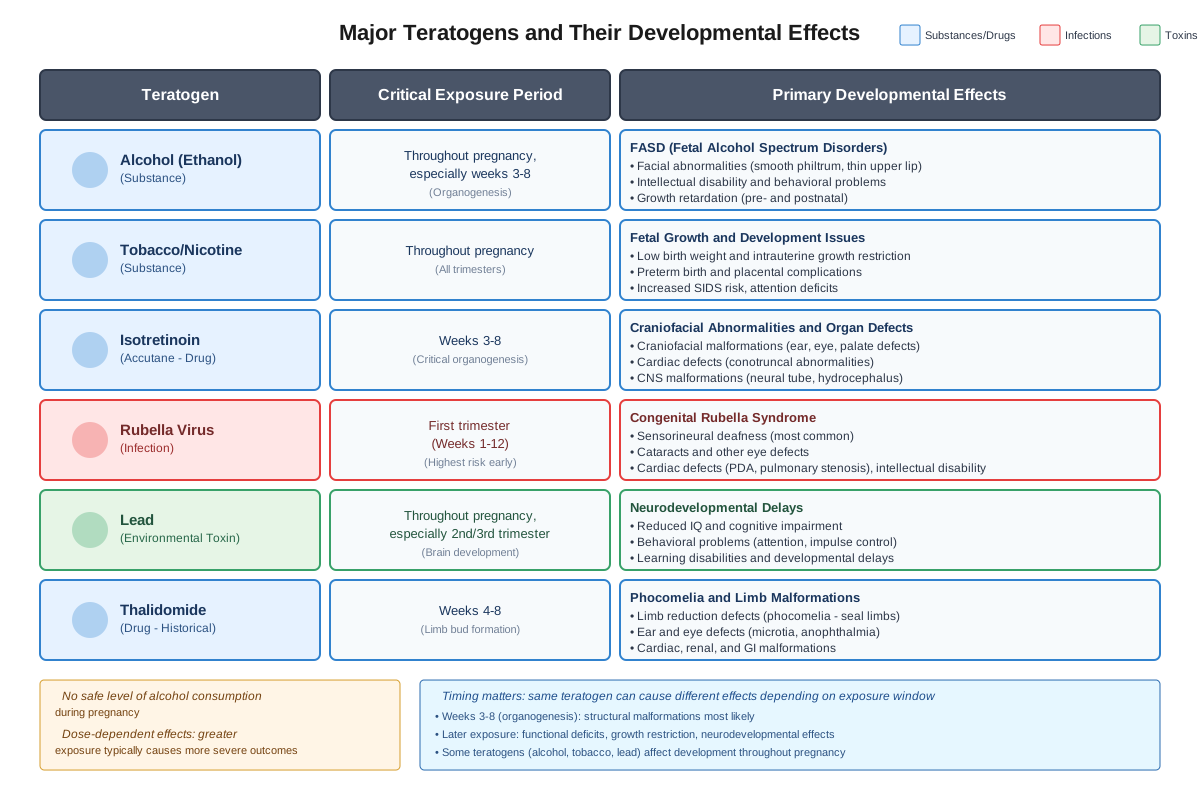
Teratogens are environmental agents that cause developmental abnormalities. The effects of teratogens follow several key principles: (1) dose-response relationship (higher doses produce more severe effects), (2) timing specificity (effects depend on developmental stage at exposure), (3) genetic susceptibility (individuals vary in vulnerability based on genetic factors), and (4) mechanism specificity (different teratogens affect different developmental processes). Common teratogenic categories include drugs and chemicals, infectious agents, maternal conditions, and environmental toxins.
Alcohol represents one of the most significant and preventable teratogens. Prenatal alcohol exposure can produce fetal alcohol spectrum disorders (FASD), ranging from full fetal alcohol syndrome (FAS) with characteristic facial features, growth restriction, and intellectual disability, to more subtle effects on attention, executive function, and behavior. Alcohol affects multiple developmental processes, including neural migration, synapse formation, and myelination. No safe level of alcohol consumption during pregnancy has been established, making complete abstinence the recommended approach.
Prescription and illicit drugs vary widely in their teratogenic potential. Isotretinoin (Accutane) for acne produces severe craniofacial and cardiac abnormalities. Thalidomide, historically prescribed for morning sickness, caused limb malformations. Opioids can produce neonatal abstinence syndrome. Cocaine increases risk for placental abruption and stroke. Selective serotonin reuptake inhibitors (SSRIs) show complex risk-benefit profiles, with some studies suggesting increased risk for cardiac defects or persistent pulmonary hypertension, while untreated maternal depression also poses risks to fetal development.
Infectious agents following the TORCH acronym represent significant prenatal threats: Toxoplasmosis (from undercooked meat or cat feces, causing brain and eye damage), Other (including syphilis, varicella-zoster, and parvovirus B19), Rubella (German measles, causing deafness, heart defects, and intellectual disability), Cytomegalovirus (the most common congenital infection, potentially causing hearing loss and developmental delays), and Herpes simplex virus (transmitted during delivery, causing severe neurological damage). Zika virus, identified more recently, causes microcephaly and severe brain abnormalities.
Maternal factors beyond specific teratogens significantly influence prenatal development. Maternal stress elevates cortisol levels, which crosses the placenta and affects fetal brain development, particularly regions involved in stress response and emotion regulation. Prenatal stress exposure associates with increased risk for anxiety, attention problems, and altered stress reactivity in offspring. Maternal nutrition profoundly impacts development; deficiencies in folic acid increase neural tube defect risk, iodine deficiency impairs brain development, and overall malnutrition restricts fetal growth. Conversely, maternal obesity and gestational diabetes increase risks for macrosomia (excessive birth weight), metabolic disorders, and developmental problems. Maternal age influences outcomes, with teenage mothers facing increased risks due to incomplete physical maturity and socioeconomic factors, while advanced maternal age (35+) increases risks for chromosomal abnormalities like Down syndrome.
Prenatal Brain Development
The developing brain represents the most complex and protracted aspect of prenatal development. Neurulation (neural tube formation) occurs during weeks 3–4, establishing the basic structure from which the entire central nervous system develops. The neural tube's anterior portion expands to form the brain's major divisions: forebrain (prosencephalon), midbrain (mesencephalon), and hindbrain (rhombencephalon). These structures further differentiate into specific brain regions with distinct functions.
Neurogenesis (neuron production) occurs primarily during the embryonic and early fetal periods, with most neurons generated by mid-gestation. The brain produces neurons at an astounding rate—up to 250,000 per minute during peak periods. Neurons migrate from their birthplace in the ventricular zone to their final destinations through neural migration, guided by radial glial cells and chemical signals. Disruption of neural migration produces conditions like lissencephaly (smooth brain) or heterotopias (neurons in wrong locations), often resulting in seizures and intellectual disability.
Synaptogenesis (synapse formation) begins prenatally but continues extensively after birth. Neurons extend axons and dendrites, forming connections with other neurons. Initial synapse formation is exuberant, producing far more connections than will ultimately be retained. Myelination (coating axons with myelin sheaths to increase transmission speed) begins prenatally but continues through adolescence and early adulthood. Prenatal myelination focuses on basic sensory and motor pathways, while higher-order cognitive pathways myelinate later.
The prenatal brain shows remarkable plasticity but also vulnerability. Adequate nutrition (particularly protein, iron, and omega-3 fatty acids), oxygen supply, and protection from toxins are essential for optimal brain development. Prenatal brain development establishes the foundation for all subsequent cognitive, emotional, and behavioral functioning, making this period critical for lifelong outcomes.
Gene-Environment Interactions
Prenatal development exemplifies the fundamental principle that genes and environment interact continuously to shape outcomes. Genetic factors establish the basic blueprint and developmental trajectory, determining species-typical features and individual variations in growth rate, temperament, and vulnerability to environmental influences. However, genes require appropriate environmental conditions to express their potential.
Epigenetic mechanisms represent molecular processes by which environmental factors influence gene expression without changing DNA sequence. Prenatal experiences can add or remove chemical tags (methyl groups, acetyl groups) to DNA or histone proteins, altering which genes are active or silenced. These epigenetic modifications can persist throughout life and, in some cases, transmit to subsequent generations. For example, maternal nutrition affects epigenetic programming of genes involved in metabolism, potentially explaining how prenatal famine exposure increases offspring's risk for obesity and diabetes decades later.
The fetal programming hypothesis (also called the Barker hypothesis or developmental origins of health and disease) proposes that prenatal and early postnatal conditions establish biological set points and regulatory patterns that influence disease risk throughout life. Fetuses experiencing suboptimal conditions (malnutrition, stress, hypoxia) adapt through mechanisms that prioritize immediate survival but may increase vulnerability to later disease. For instance, growth-restricted fetuses may develop "thrifty phenotypes" with enhanced nutrient storage efficiency—adaptive in scarcity but maladaptive in environments with abundant food, increasing obesity and metabolic syndrome risk.
Concept Relationships
The three stages of prenatal development form a sequential progression, with each stage building upon the previous one. The germinal stage establishes the basic cellular foundation → the embryonic stage transforms this foundation into differentiated organ systems through organogenesis → the fetal stage refines and matures these systems for independent function. This progression explains why teratogenic effects vary by timing: disrupting early stages affects basic structure, while disrupting later stages affects growth and functional maturation.
Critical and sensitive periods emerge from the sequential nature of development. Each organ system has its own critical period corresponding to its primary organogenesis phase, creating a developmental timeline where different structures show peak vulnerability at different times. This concept connects directly to teratogen effects—the same teratogenic exposure produces different outcomes depending on which organ systems are in their critical periods at the time of exposure.
Teratogens and maternal factors represent the environmental side of gene-environment interactions. Genetic factors determine individual susceptibility to teratogenic effects, explaining why identical exposures produce variable outcomes across individuals. Prenatal brain development integrates all these concepts, as the brain's extended developmental timeline creates multiple critical and sensitive periods, making it vulnerable to diverse teratogens and maternal factors throughout gestation.
The relationships extend beyond prenatal development to later developmental domains. Prenatal development → establishes biological foundations → that interact with postnatal environment → to shape cognitive development, personality, attachment patterns, and health outcomes. For example: prenatal stress exposure → alters fetal HPA axis development → produces heightened stress reactivity → influences temperament → affects attachment security → shapes personality development. Understanding these cascading relationships enables prediction of how prenatal factors influence later psychological outcomes.
Quick check — test yourself on Prenatal development so far.
Try Flashcards →High-Yield Facts
⭐ The embryonic stage (weeks 3–8) represents the period of maximum vulnerability to teratogens due to organogenesis; exposure during this period produces major structural abnormalities.
⭐ The germinal stage follows the all-or-nothing principle: teratogenic exposure either causes no effect or results in spontaneous abortion.
⭐ Fetal alcohol spectrum disorders (FASD) represent the leading preventable cause of intellectual disability, with no established safe level of prenatal alcohol consumption.
⭐ Neural tube formation occurs during weeks 3–4 of gestation; folic acid supplementation before conception and during early pregnancy reduces neural tube defect risk by approximately 70%.
⭐ The age of viability (approximately 24 weeks gestation) marks when survival outside the uterus becomes possible with intensive medical support.
- The three germ layers (ectoderm, mesoderm, endoderm) form during the embryonic stage and give rise to all body tissues and organs.
- Critical periods are narrow time windows when specific structures must develop; disruption causes irreversible damage, while sensitive periods allow some later compensation.
- Maternal stress elevates cortisol levels that cross the placenta, affecting fetal brain development and programming stress response systems.
- TORCH infections (Toxoplasmosis, Other, Rubella, Cytomegalovirus, Herpes) represent significant infectious teratogens with varying effects on fetal development.
- Teratogenic effects follow a dose-response relationship, with higher exposures generally producing more severe outcomes.
- Advanced maternal age (35+) increases risk for chromosomal abnormalities, particularly trisomy 21 (Down syndrome), due to increased errors in meiotic division.
- Epigenetic mechanisms allow prenatal environmental factors to influence gene expression without changing DNA sequence, potentially affecting lifelong health and behavior.
- The fetal programming hypothesis proposes that prenatal conditions establish biological set points that influence disease risk throughout life.
Common Misconceptions
Misconception: The placenta provides complete protection from harmful substances in the maternal bloodstream.
Correction: The placenta is selectively permeable but not a complete barrier. Many substances cross the placenta, including alcohol, drugs, hormones, antibodies, and some infectious agents. The placenta's protective function is limited, making maternal exposure to teratogens a significant concern throughout pregnancy.
Misconception: Teratogenic effects are consistent regardless of timing of exposure during pregnancy.
Correction: Timing is critical for teratogenic effects. The same teratogen produces different outcomes depending on developmental stage at exposure. Embryonic stage exposure typically causes structural abnormalities in organs undergoing organogenesis, while fetal stage exposure more commonly affects growth and functional maturation. Each organ system has its own critical period of maximum vulnerability.
Misconception: Small amounts of alcohol during pregnancy are safe, especially in later trimesters.
Correction: No safe level of alcohol consumption during pregnancy has been established. While heavy drinking poses the greatest risk, even moderate or light drinking can produce subtle effects on brain development, attention, and executive function. Alcohol affects multiple developmental processes throughout pregnancy, including neural migration and synapse formation that continue into the fetal stage.
Misconception: Genetic factors determine prenatal development outcomes, with environmental factors playing a minor role.
Correction: Prenatal development exemplifies gene-environment interaction, where genetic and environmental factors continuously influence each other. Genes establish potential and vulnerability patterns, but environmental factors (nutrition, stress, teratogens) determine whether and how genetic potential is realized. Epigenetic mechanisms allow environmental factors to modify gene expression, demonstrating that nature and nurture are inseparable during prenatal development.
Misconception: The fetal stage is relatively safe from environmental influences since major structures have already formed.
Correction: While the fetal stage is less vulnerable to major structural defects than the embryonic stage, it remains highly sensitive to environmental influences. Brain development continues extensively during the fetal stage, with ongoing neurogenesis, migration, synaptogenesis, and myelination. Teratogenic exposure during the fetal stage can produce growth restriction, functional impairments, and subtle but significant effects on brain development that manifest as cognitive, behavioral, or emotional problems later in life.
Misconception: Prenatal development effects are immediately apparent at birth.
Correction: Many prenatal influences produce effects that emerge later in development rather than being immediately apparent at birth. Subtle brain development disruptions may not manifest until cognitive demands increase during childhood. Fetal programming effects on metabolism and stress response may not become apparent until adulthood. This delayed emergence makes it challenging to identify prenatal causes of later problems but underscores the importance of optimal prenatal conditions for lifelong health.
Worked Examples
Example 1: Teratogen Timing and Effects
Vignette: A research study examines pregnancy outcomes in women exposed to a novel environmental toxin. Group A was exposed during weeks 2–4 of gestation, Group B during weeks 6–8, and Group C during weeks 20–24. Group A showed high rates of spontaneous abortion but normal development in surviving pregnancies. Group B showed high rates of cardiac and limb malformations. Group C showed growth restriction but normal structural development. Explain these differential outcomes.
Analysis:
This question tests understanding of developmental stages, critical periods, and timing-dependent teratogenic effects.
Step 1: Identify the developmental stage for each exposure window.
- Group A (weeks 2–4): Late germinal stage and early embryonic stage, encompassing implantation and beginning of organogenesis
- Group B (weeks 6–8): Mid-to-late embryonic stage, peak period of organogenesis for most organ systems
- Group C (weeks 20–24): Mid-fetal stage, after major structural formation is complete
Step 2: Apply the all-or-nothing principle to Group A.
The germinal stage follows the all-or-nothing principle. Exposure during this period either disrupts implantation or early cell division (causing spontaneous abortion) or has no effect (because cells are not yet differentiated). Surviving embryos show normal development because the teratogen affected the pregnancy before critical differentiation occurred.
Step 3: Explain Group B's structural malformations.
Weeks 6–8 represent the peak of organogenesis, when the heart, limbs, and other major structures are forming. This is the period of maximum vulnerability to structural teratogens. The cardiac and limb malformations indicate that these systems were in their critical periods during exposure. Disruption of organogenesis produces permanent structural abnormalities because these critical periods cannot be repeated.
Step 4: Explain Group C's growth restriction without structural abnormalities.
By weeks 20–24 (mid-fetal stage), major structural formation is complete. The fetal stage focuses on growth and functional maturation rather than organogenesis. Teratogenic exposure during this period typically affects growth rate and organ function rather than basic structure. Growth restriction reflects the teratogen's impact on cellular proliferation and metabolism without disrupting already-formed structures.
Conclusion: The differential outcomes demonstrate that teratogenic effects depend critically on timing of exposure relative to developmental stage. The same teratogen produces spontaneous abortion (germinal stage), structural malformations (embryonic stage), or growth restriction (fetal stage) depending on when exposure occurs. This exemplifies why the embryonic stage represents the period of maximum vulnerability to structural teratogens.
Example 2: Maternal Stress and Developmental Programming
Vignette: A longitudinal study follows children whose mothers experienced severe stress during pregnancy due to a natural disaster. At age 10, these children show higher rates of anxiety disorders, attention problems, and altered cortisol response to stress compared to controls, even when controlling for postnatal environmental factors. Explain the biological mechanisms linking prenatal stress exposure to these outcomes.
Analysis:
This question integrates prenatal brain development, maternal factors, fetal programming, and gene-environment interactions to explain long-term psychological outcomes.
Step 1: Identify the maternal factor and its biological mechanism.
Maternal stress activates the hypothalamic-pituitary-adrenal (HPA) axis, elevating cortisol levels. Cortisol crosses the placenta, exposing the developing fetus to elevated stress hormones. This represents a maternal factor that influences prenatal development through hormonal mechanisms.
Step 2: Explain effects on prenatal brain development.
Elevated prenatal cortisol exposure affects multiple aspects of brain development:
- Alters development of the fetal HPA axis, potentially programming heightened stress reactivity
- Affects hippocampal development (the hippocampus has high concentrations of cortisol receptors and regulates stress response)
- Influences prefrontal cortex development, affecting executive function and attention
- Modifies amygdala development, affecting emotional processing and anxiety responses
Step 3: Apply the fetal programming hypothesis.
The fetal programming hypothesis proposes that prenatal conditions establish biological set points that persist throughout life. Prenatal stress exposure programs the stress response system to be more reactive—potentially adaptive if the postnatal environment is also stressful (preparing the organism for a threatening world) but maladaptive in normal environments. This programming occurs through:
- Epigenetic modifications of genes regulating HPA axis function
- Altered receptor expression in stress-responsive brain regions
- Modified neural connectivity in emotion regulation circuits
Step 4: Connect to observed outcomes.
The programmed changes in brain development and stress response systems manifest as:
- Anxiety disorders: Heightened amygdala reactivity and altered HPA axis function increase vulnerability to anxiety
- Attention problems: Prefrontal cortex alterations affect executive function and attention regulation
- Altered cortisol response: Programmed HPA axis changes produce different cortisol patterns in response to stress
Step 5: Address the control for postnatal factors.
The persistence of effects even when controlling for postnatal environment demonstrates that prenatal programming produces lasting biological changes independent of later experiences. This doesn't mean postnatal environment is irrelevant—it can moderate prenatal effects—but prenatal programming establishes a biological foundation that influences developmental trajectories.
Conclusion: This example demonstrates how maternal stress during pregnancy influences fetal brain development through hormonal mechanisms, programming stress response systems in ways that increase vulnerability to later psychological problems. It exemplifies gene-environment interaction (prenatal environment modifying biological systems), fetal programming (prenatal conditions establishing lasting set points), and the connection between prenatal development and later psychological outcomes—all high-yield concepts for the MCAT.
Exam Strategy
When approaching MCAT questions on prenatal development, first identify the developmental stage being discussed (germinal, embryonic, or fetal), as this immediately constrains possible answers. Questions often hinge on understanding that different stages have different vulnerabilities and developmental processes. Look for timing cues in the question stem—specific week numbers, terms like "early pregnancy" or "third trimester," or descriptions of developmental milestones that indicate stage.
Trigger words and phrases to watch for include:
- "Critical period" or "sensitive period" → signals questions about timing-dependent effects
- "Teratogen," "exposure," or specific substances (alcohol, medications) → indicates questions about environmental influences and their effects
- "Organogenesis" → points to embryonic stage and structural development
- "Fetal programming" or "developmental origins" → suggests questions about long-term effects of prenatal conditions
- Week numbers (especially weeks 3–8) → often signals embryonic stage and critical period concepts
- "Spontaneous abortion" or "miscarriage" → may indicate germinal stage or severe embryonic disruption
For process-of-elimination, use these strategies:
- Eliminate answers that place events in the wrong developmental stage (e.g., organogenesis in fetal stage)
- Rule out answers suggesting the placenta provides complete protection from substances
- Eliminate options claiming prenatal effects are always immediately apparent at birth
- Reject answers that ignore timing-dependent effects of teratogens
- Discard options suggesting genetic or environmental factors alone determine outcomes without interaction
Time allocation: Prenatal development questions typically require 60–90 seconds. Discrete questions usually take less time (45–60 seconds) because they test straightforward factual knowledge. Passage-based questions may require more time (90–120 seconds) to integrate passage information with background knowledge. Don't get bogged down trying to recall every detail about specific teratogens—focus on general principles (timing, dose-response, critical periods) that apply across examples.
When facing a difficult question, return to fundamental principles: (1) developmental stage determines vulnerability, (2) timing of exposure determines effects, (3) genes and environment interact continuously, and (4) prenatal conditions can have delayed effects. These principles can guide reasoning even when specific factual knowledge is uncertain.
Memory Techniques
Mnemonic for developmental stages and timing:
"GET Fancy" = Germinal (0–2 weeks), Embryonic (3–8 weeks), T (through) Fetal (9 weeks–birth)
Mnemonic for germ layers and their derivatives:
"ECM" = Ectoderm (nervous system, skin), C (for Center) Mesoderm (muscles, bones, heart), M (for Middle) Endoderm (digestive system, lungs)
Mnemonic for TORCH infections:
"TO RCH" = Toxoplasmosis, Other, Rubella, Cytomegalovirus, Herpes
Visualization: Imagine a torch (flashlight) shining on a pregnant woman, with each letter representing an infection to avoid.
Mnemonic for critical period principle:
"3-4 TUBE, 3-8 EVERYTHING"
- Weeks 3–4: Neural TUBE formation (critical period for neural tube defects)
- Weeks 3–8: EVERYTHING else (critical periods for most organ systems)
Visualization for teratogen timing effects:
Imagine a house being built:
- Germinal stage = Laying foundation (all-or-nothing: foundation works or construction stops)
- Embryonic stage = Framing and major construction (disruption creates structural problems)
- Fetal stage = Finishing and decorating (disruption affects quality and details but structure remains)
Acronym for maternal factors affecting prenatal development:
"SAND" = Stress, Age, Nutrition, Drugs/Disease
These four categories encompass most maternal influences tested on the MCAT.
Memory aid for fetal programming:
"Prenatal conditions write the first chapter of the life story" → emphasizes that prenatal experiences establish patterns that influence later chapters (developmental stages) but don't completely determine the ending (outcomes remain modifiable).
Summary
Prenatal development encompasses the approximately 40-week period from conception through birth, progressing through three distinct stages: germinal (0–2 weeks), embryonic (3–8 weeks), and fetal (9 weeks–birth). The embryonic stage represents the period of maximum vulnerability to teratogens due to organogenesis, when all major organ systems form from three germ layers. Critical periods are narrow time windows when specific structures must develop; disruption during these periods causes irreversible damage. Teratogenic effects depend on timing, dose, genetic susceptibility, and mechanism of action. Common teratogens include alcohol (causing FASD), drugs, infectious agents (TORCH), and maternal factors like stress, poor nutrition, and advanced age. Prenatal brain development involves neurulation, neurogenesis, neural migration, synaptogenesis, and myelination, establishing the foundation for all later cognitive and behavioral functioning. Gene-environment interactions operate continuously during prenatal development, with epigenetic mechanisms allowing environmental factors to modify gene expression. The fetal programming hypothesis proposes that prenatal conditions establish biological set points influencing lifelong health and disease risk. Understanding prenatal development requires integrating biological processes with environmental influences to predict developmental outcomes and explain individual differences in behavior, cognition, and health.
Key Takeaways
- The embryonic stage (weeks 3–8) is the period of maximum teratogenic vulnerability due to organogenesis; timing of exposure determines type and severity of effects
- No safe level of prenatal alcohol consumption has been established; FASD represents the leading preventable cause of intellectual disability
- Critical periods are narrow windows when specific structures must develop; disruption causes irreversible damage, while sensitive periods allow some later compensation
- Maternal factors (stress, nutrition, age, substance use) significantly influence prenatal development through hormonal, nutritional, and toxic mechanisms
- Prenatal brain development establishes the foundation for lifelong cognitive, emotional, and behavioral functioning through neurulation, neurogenesis, migration, synaptogenesis, and myelination
- Gene-environment interactions operate continuously during prenatal development, with epigenetic mechanisms allowing environmental factors to modify gene expression without changing DNA sequence
- The fetal programming hypothesis explains how prenatal conditions establish biological set points that influence disease risk and behavioral patterns throughout life
Related Topics
Cognitive Development builds directly on prenatal brain development, examining how the neural foundations established prenatally support later cognitive abilities like memory, language, and executive function. Understanding prenatal neural development enables comprehension of why early disruptions produce lasting cognitive effects.
Attachment Theory connects to prenatal development through maternal-fetal interactions and the biological foundations of bonding. Prenatal stress and maternal mental health influence postnatal attachment patterns, demonstrating continuity between prenatal and postnatal development.
Temperament and Personality have roots in prenatal development through genetic factors, prenatal hormone exposure, and fetal programming of stress response systems. Mastering prenatal development provides the biological foundation for understanding individual differences in temperament.
Health Psychology extensively applies prenatal development concepts, particularly fetal programming and developmental origins of disease. Understanding how prenatal conditions influence lifelong health enables comprehension of prevention strategies and health disparities.
Behavioral Genetics examines gene-environment interactions that begin during prenatal development. Epigenetic mechanisms established prenatally exemplify how genes and environment interact to shape behavioral outcomes.
Practice CTA
Now that you've mastered the core concepts of prenatal development, it's time to test your knowledge and reinforce your learning. Complete the practice questions to apply these concepts to MCAT-style scenarios, and use the flashcards to solidify high-yield facts and terminology. Remember, understanding prenatal development provides the essential foundation for comprehending all subsequent developmental stages and the biological basis of behavior. Your investment in mastering this topic will pay dividends not only on the MCAT but throughout your medical career, as prenatal influences shape patient health and behavior across the lifespan. You've got this!
Sign up free to keep reading
Create a free AnvayaPrep account to finish this MCAT guide on Prenatal development — plus flashcards and practice questions.