Overview
Bipolar disorders represent a category of mood disorders characterized by alternating episodes of mania (or hypomania) and depression, creating significant disruptions in energy, activity levels, and daily functioning. These conditions fall within the broader category of Psychological Disorders and Treatment, a critical domain for MCAT Psychology preparation. Understanding bipolar disorders requires mastery of diagnostic criteria, neurobiological underpinnings, and the distinction between various subtypes that appear frequently in both discrete questions and passage-based items on the exam.
For the MCAT, bipolar disorders serve as an essential bridge between biological psychology and clinical psychology. Questions often integrate neurotransmitter systems (particularly dopamine and serotonergic pathways), genetic predisposition, and psychosocial stressors to test multidimensional reasoning. The AAMC emphasizes understanding how mood disorders differ from one another and how treatment approaches vary based on symptom presentation. Bipolar disorders exemplify the biopsychosocial model that underlies modern psychiatric understanding, making them a high-yield topic for demonstrating integrated knowledge.
Within the landscape of psychological disorders, bipolar disorders connect to depressive disorders (sharing the depressive episode component), anxiety disorders (high comorbidity rates), and substance use disorders (often co-occurring). They also relate to fundamental concepts in neuroscience, including the limbic system's role in emotional regulation, circadian rhythm disruption, and the mechanism of action for mood stabilizers. Mastering this topic provides a foundation for understanding treatment modalities, including pharmacological interventions and psychotherapy approaches that appear across multiple MCAT questions.
Learning Objectives
- [ ] Define Bipolar disorders using accurate Psychology terminology
- [ ] Explain why Bipolar disorders matters for the MCAT
- [ ] Apply Bipolar disorders to exam-style questions
- [ ] Identify common mistakes related to Bipolar disorders
- [ ] Connect Bipolar disorders to related Psychology concepts
- [ ] Distinguish between Bipolar I, Bipolar II, and Cyclothymic Disorder based on episode criteria
- [ ] Analyze the neurobiological mechanisms underlying mood cycling in bipolar disorders
- [ ] Evaluate treatment approaches and their mechanisms of action for bipolar spectrum disorders
Prerequisites
- Major Depressive Disorder: Understanding depressive episodes is essential since bipolar disorders include depressive phases with similar symptomatology
- Neurotransmitter systems: Knowledge of dopamine, serotonin, and norepinephrine function underlies the biological basis of mood disorders
- DSM-5 diagnostic framework: Familiarity with categorical diagnosis and symptom duration criteria is necessary for distinguishing disorder subtypes
- Mood vs. affect: Understanding the distinction between sustained emotional states (mood) and observable emotional expression (affect) clarifies diagnostic criteria
- Circadian rhythms: Basic knowledge of biological clocks relates to sleep disturbances and seasonal patterns in bipolar disorders
Why This Topic Matters
Bipolar disorders affect approximately 2.8% of the U.S. adult population, making them clinically significant conditions with substantial public health impact. The disorders typically emerge in late adolescence or early adulthood, often leading to decades of episodic impairment if untreated. The suicide risk in bipolar disorder is approximately 15-20 times higher than the general population, underscoring the critical importance of accurate diagnosis and treatment. Understanding these disorders prepares future physicians to recognize early warning signs and appreciate the complexity of mood regulation.
On the MCAT, bipolar disorders appear in approximately 3-5% of Psychology/Sociology section questions, typically within the Psychological Disorders and Treatment content category. Questions may present as discrete items testing diagnostic criteria or as passage-based items integrating research studies on treatment efficacy, genetic heritability, or neuroimaging findings. The AAMC frequently tests the ability to distinguish between bipolar subtypes, recognize manic versus hypomanic episodes, and understand the rationale for specific pharmacological interventions.
Common exam presentations include clinical vignettes describing patients with mood episodes (requiring differential diagnosis), research passages examining twin studies or brain imaging correlates, and questions about treatment mechanisms. The topic often appears alongside questions about depressive disorders, requiring students to differentiate unipolar from bipolar presentations. Additionally, bipolar disorders frequently connect to social psychology concepts like stigma, identity, and the sick role, as well as to biological concepts including genetic inheritance patterns and neurotransmitter function.
Core Concepts
Definition and Classification
Bipolar disorders constitute a group of mood disorders characterized by the presence of manic or hypomanic episodes, typically alternating with depressive episodes. The DSM-5 recognizes several distinct subtypes within the bipolar spectrum, each defined by specific episode criteria and duration requirements. The hallmark feature distinguishing bipolar disorders from unipolar depression is the occurrence of elevated mood states that represent a clear departure from the individual's typical functioning.
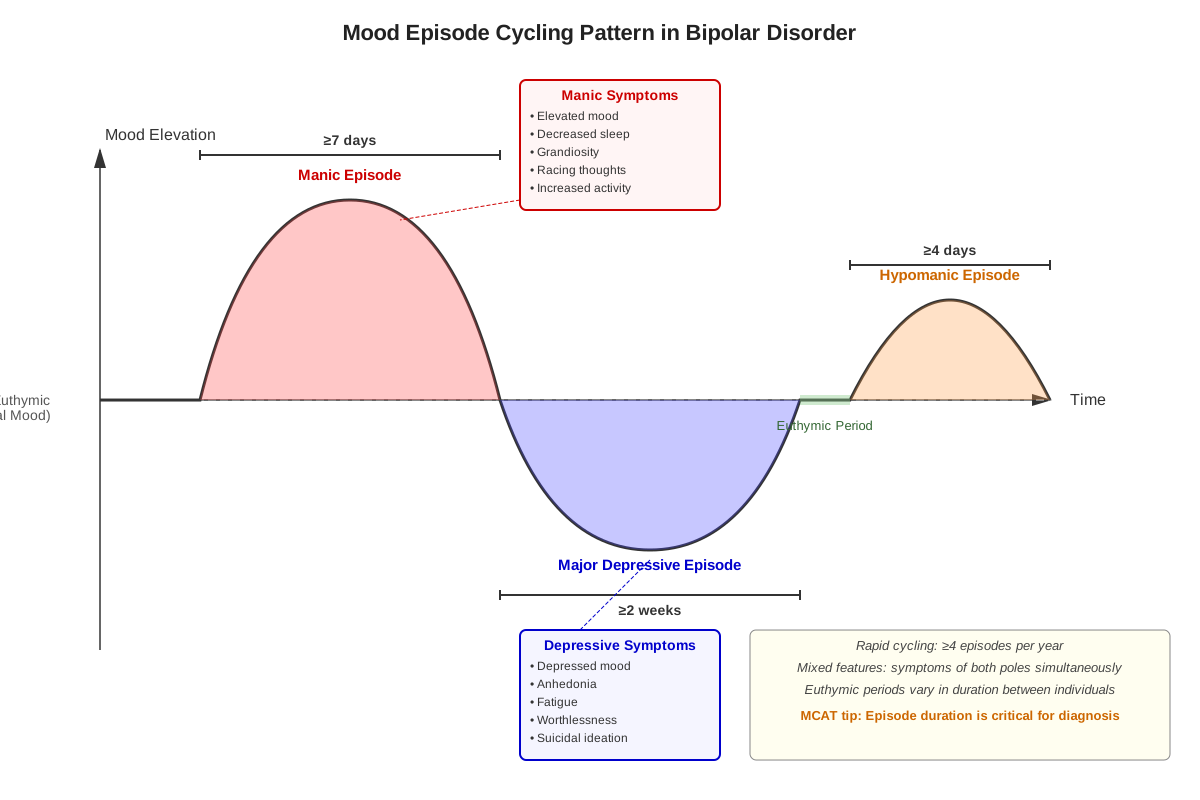
The classification system emphasizes the severity and duration of mood elevation as the primary distinguishing factor between subtypes. A manic episode represents a distinct period of abnormally and persistently elevated, expansive, or irritable mood lasting at least one week (or any duration if hospitalization is required). A hypomanic episode involves similar symptoms but with shorter duration (at least four consecutive days) and less severe functional impairment. Depressive episodes in bipolar disorders meet the same criteria as those in major depressive disorder, requiring at least two weeks of depressed mood or anhedonia plus additional symptoms.
Bipolar I Disorder
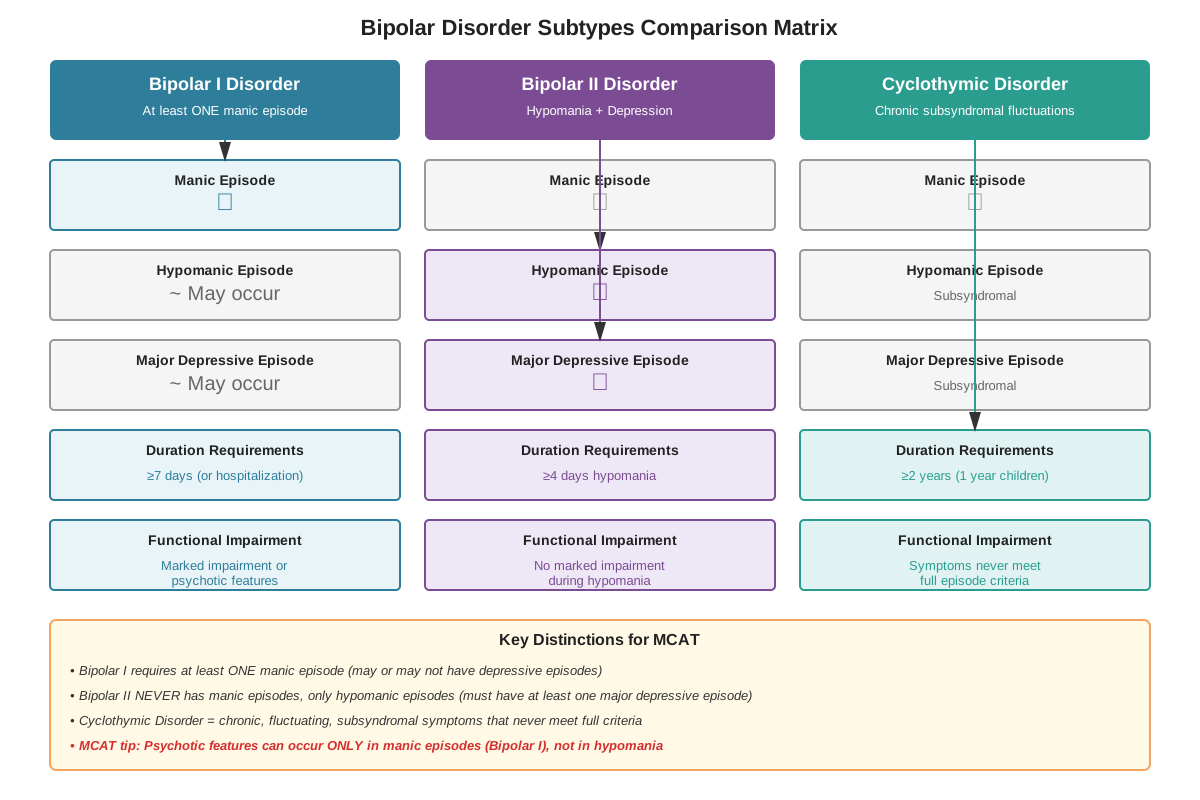
Bipolar I Disorder is defined by the occurrence of at least one manic episode. The manic episode may be preceded or followed by hypomanic or major depressive episodes, but these are not required for diagnosis. This represents the most severe form of bipolar disorder, as manic episodes cause marked impairment in social or occupational functioning and may include psychotic features such as delusions or hallucinations.
During a manic episode, individuals exhibit at least three of the following symptoms (four if mood is only irritable): inflated self-esteem or grandiosity, decreased need for sleep, increased talkativeness or pressure to keep talking, flight of ideas or racing thoughts, distractibility, increased goal-directed activity or psychomotor agitation, and excessive involvement in activities with high potential for painful consequences. The mnemonic DIG FAST captures these criteria: Distractibility, Indiscretion, Grandiosity, Flight of ideas, Activity increase, Sleep deficit, Talkativeness.
The lifetime prevalence of Bipolar I Disorder is approximately 1%, with equal distribution between males and females. The average age of onset is the early twenties, though the disorder can emerge in adolescence or later adulthood. Genetic factors play a substantial role, with heritability estimates around 85% and first-degree relatives having a 10-fold increased risk compared to the general population.
Bipolar II Disorder
Bipolar II Disorder requires at least one hypomanic episode and at least one major depressive episode, with no history of full manic episodes. This diagnosis is not simply a "milder" form of Bipolar I; rather, individuals with Bipolar II typically spend more time in depressive episodes and may experience greater overall functional impairment due to the chronic nature of depressive symptoms.
Hypomanic episodes differ from manic episodes in three critical ways: duration (four days minimum versus seven days), severity (no marked impairment versus significant impairment), and hospitalization (never required versus sometimes necessary). Hypomanic episodes are observable by others as a clear change from baseline functioning but do not cause severe problems in social or occupational domains. Importantly, the presence of psychotic features automatically qualifies an episode as manic rather than hypomanic.
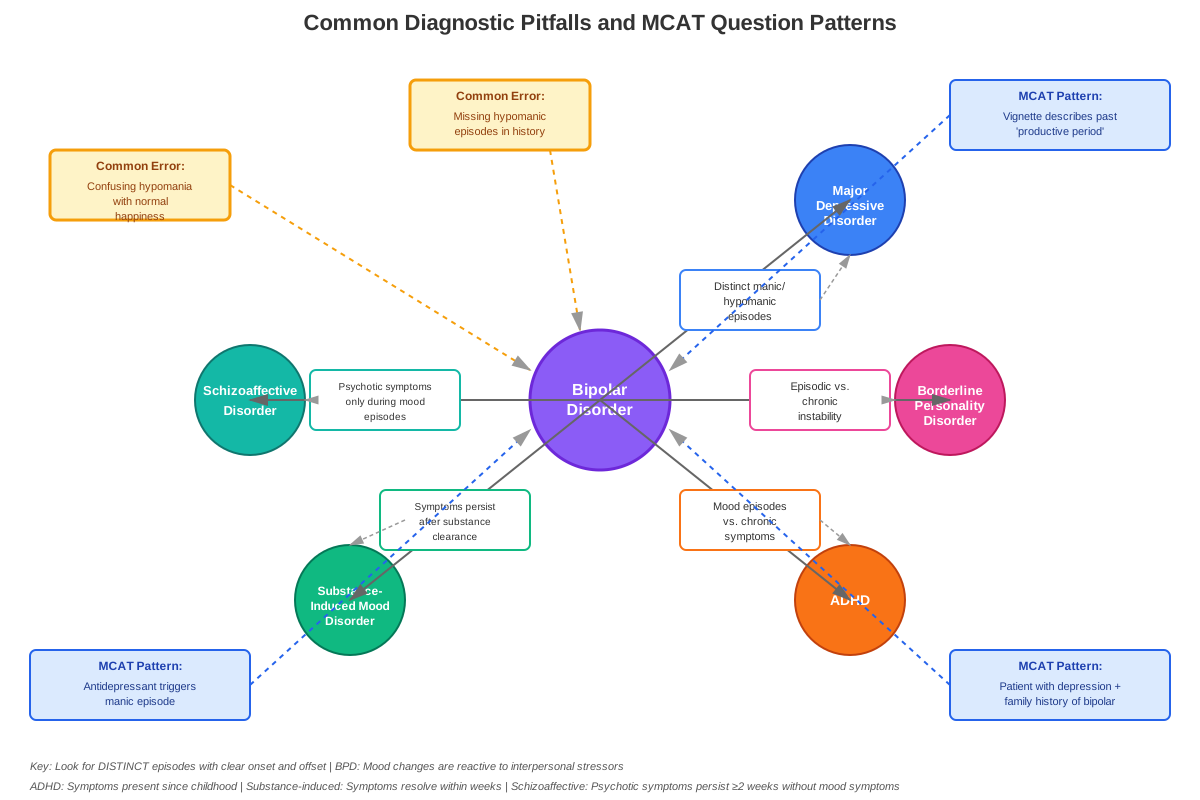
The lifetime prevalence of Bipolar II Disorder is approximately 0.8%, with a higher proportion of females affected. The disorder often goes unrecognized because individuals may not seek treatment during hypomanic periods (which may feel productive or pleasant) and may present only during depressive episodes, leading to misdiagnosis as unipolar depression. This misdiagnosis has significant treatment implications, as antidepressant monotherapy can potentially trigger mood elevation or rapid cycling.
Cyclothymic Disorder
Cyclothymic Disorder involves chronic fluctuating mood disturbances with numerous periods of hypomanic symptoms and depressive symptoms that do not meet full criteria for hypomanic or major depressive episodes. The diagnosis requires at least two years of symptoms in adults (one year in children and adolescents) with symptom-free intervals lasting no longer than two months. This represents a milder but more chronic pattern of mood instability.
Individuals with cyclothymic disorder experience persistent mood variability that causes distress or impairment but falls below the threshold for Bipolar I or II. Approximately 15-50% of individuals with cyclothymic disorder eventually develop Bipolar I or II Disorder, suggesting it may represent a prodromal phase or attenuated form of bipolar spectrum illness. The lifetime prevalence is approximately 0.4-1%, with equal gender distribution.
Neurobiological Mechanisms
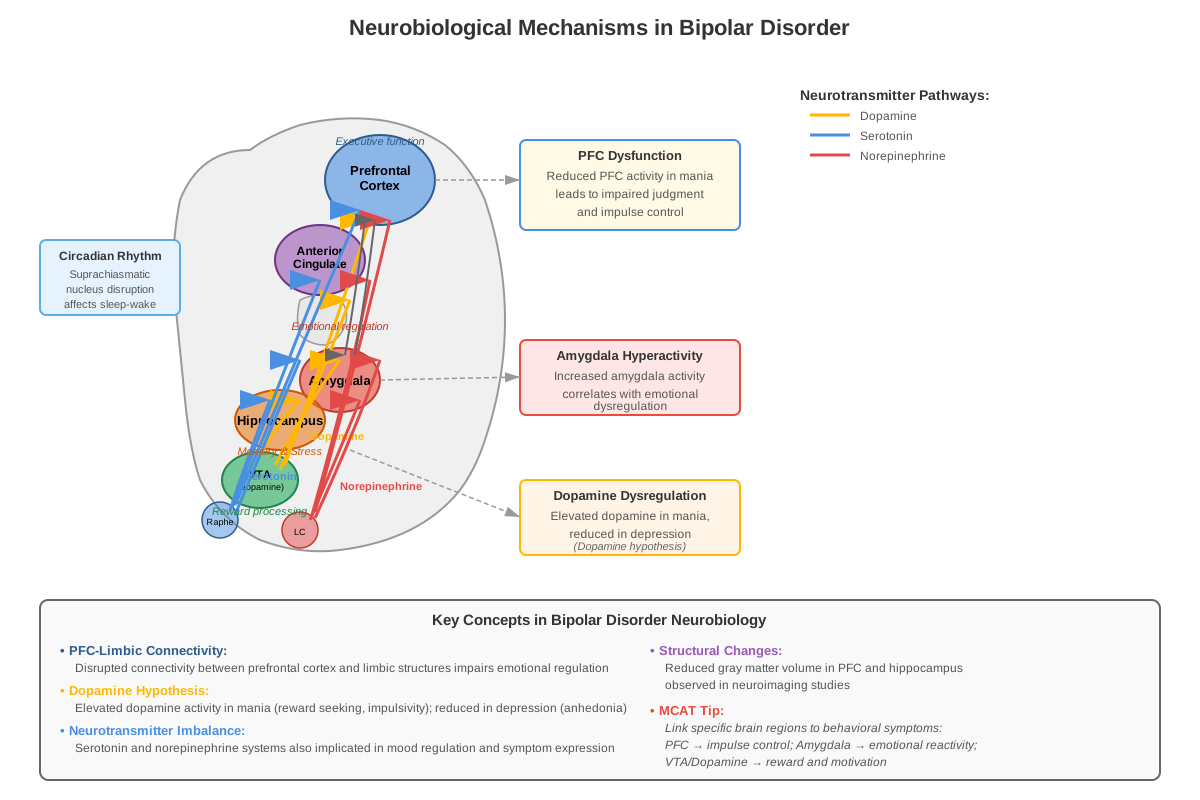
The pathophysiology of bipolar disorders involves dysregulation across multiple neurotransmitter systems, structural brain abnormalities, and disrupted neural circuitry. The dopamine hypothesis suggests that manic episodes involve excessive dopaminergic activity, particularly in mesolimbic reward pathways, while depressive episodes may involve dopaminergic hypofunction. This explains the effectiveness of dopamine-blocking antipsychotics in treating mania and the potential for dopamine-enhancing substances (like stimulants) to trigger manic episodes.
Serotonergic dysfunction also contributes to mood instability, with evidence suggesting altered serotonin transporter function and receptor sensitivity. The noradrenergic system shows dysregulation, with elevated norepinephrine during mania and decreased levels during depression. Additionally, glutamate and GABA (the primary excitatory and inhibitory neurotransmitters) show imbalances that may contribute to mood cycling.
Neuroimaging studies reveal structural and functional abnormalities in bipolar disorders. The prefrontal cortex (particularly ventrolateral and dorsolateral regions) shows reduced volume and hypoactivity, correlating with impaired executive function and emotional regulation. The amygdala demonstrates hyperactivity during mood episodes, reflecting heightened emotional reactivity. The hippocampus often shows volume reduction, potentially related to stress exposure and HPA axis dysregulation. White matter abnormalities in tracts connecting these regions suggest disrupted neural communication underlying mood instability.
Circadian Rhythm Disruption
Circadian rhythm abnormalities represent a core feature of bipolar disorders, with evidence suggesting that disrupted biological clocks contribute to mood episode triggering and maintenance. Sleep-wake cycle disturbances precede mood episodes in many individuals, and interventions targeting circadian stability (social rhythm therapy) show therapeutic efficacy. The suprachiasmatic nucleus (SCN) regulates circadian rhythms, and genetic variations in clock genes (CLOCK, BMAL1, PER) associate with bipolar disorder risk.
During manic episodes, individuals experience dramatically reduced sleep need without fatigue, suggesting altered homeostatic sleep drive. This sleep reduction may perpetuate mania through effects on neurotransmitter systems and neural excitability. Conversely, depressive episodes often involve hypersomnia or disrupted sleep architecture. Seasonal patterns occur in some individuals, with mood episodes clustering in specific seasons (often depression in winter, mania in spring/summer), suggesting photoperiod sensitivity.
Treatment Approaches
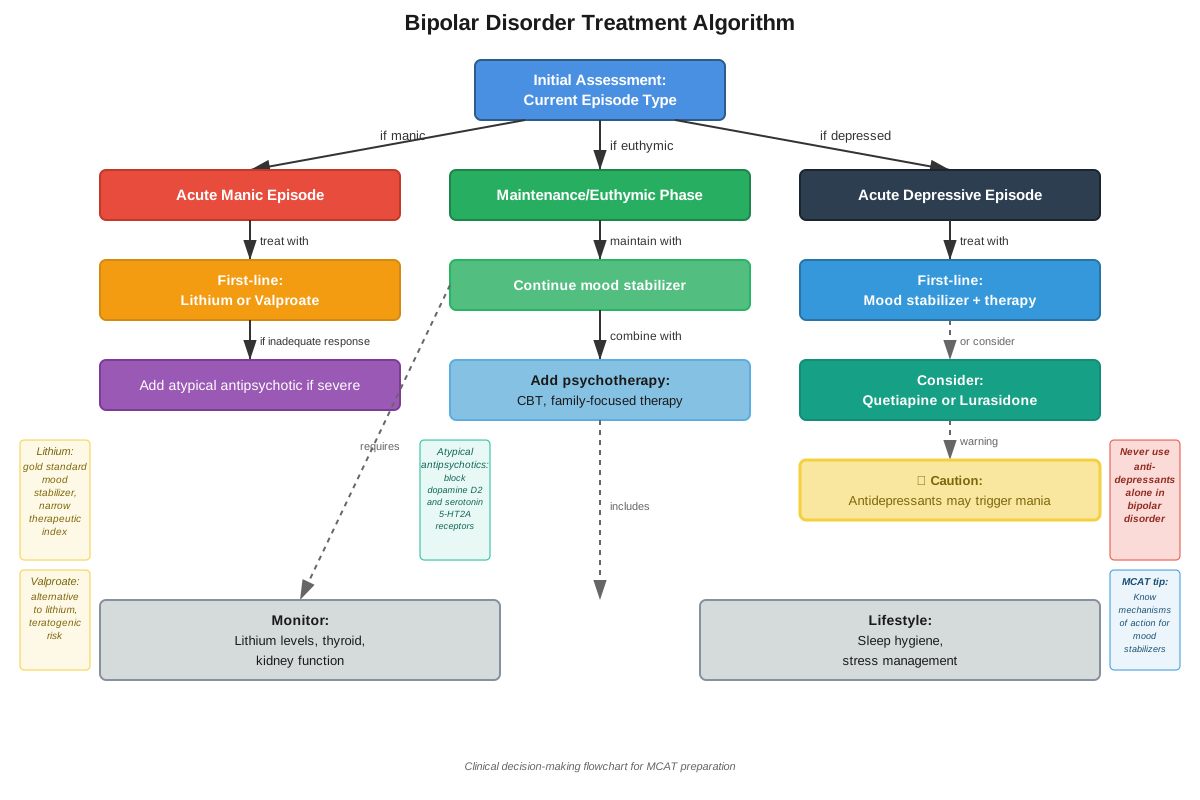
Mood stabilizers represent the cornerstone of bipolar disorder treatment, with lithium being the gold-standard medication. Lithium's mechanism involves multiple pathways, including modulation of second messenger systems (particularly inositol phosphate signaling), neuroprotective effects through increased BDNF, and potential effects on circadian clock genes. Lithium demonstrates particular efficacy in preventing manic episodes and reducing suicide risk, with evidence for anti-suicidal effects independent of mood stabilization.
Anticonvulsants such as valproate, carbamazepine, and lamotrigine also serve as mood stabilizers, though their mechanisms differ. Valproate enhances GABAergic inhibition and may modulate glutamate signaling. Lamotrigine shows particular efficacy for bipolar depression and maintenance treatment, potentially through glutamate modulation. Atypical antipsychotics (quetiapine, olanzapine, aripiprazole, lurasidone) treat acute mania and, in some cases, bipolar depression through dopamine D2 receptor antagonism and serotonin receptor effects.
Psychotherapy plays an essential adjunctive role, with evidence-based approaches including cognitive-behavioral therapy (CBT), interpersonal and social rhythm therapy (IPSRT), and family-focused therapy. IPSRT specifically targets circadian rhythm stabilization by establishing regular daily routines and sleep-wake schedules. Psychoeducation about the disorder, medication adherence, and early warning sign recognition reduces relapse rates significantly.
Episode Patterns and Course
Bipolar disorders typically follow a recurrent episodic course with periods of euthymia (normal mood) between episodes. The average individual with Bipolar I experiences 4-5 mood episodes over their lifetime, though patterns vary considerably. Rapid cycling describes a course with at least four mood episodes within 12 months, occurring in approximately 10-20% of individuals and associated with poorer treatment response and greater functional impairment.
The kindling hypothesis suggests that early mood episodes may be triggered by psychosocial stressors, but with recurrence, episodes become increasingly autonomous and require less external provocation. This neurobiological sensitization may involve long-term changes in neural circuitry and gene expression. The concept has treatment implications, emphasizing the importance of early intervention and maintenance treatment to prevent episode accumulation and progressive course worsening.
Comparison Table
| Feature | Bipolar I | Bipolar II | Cyclothymic Disorder |
|---|---|---|---|
| Manic Episodes | Required (≥1) | Never present | Never present |
| Hypomanic Episodes | May occur | Required (≥1) | Hypomanic symptoms (not full episodes) |
| Depressive Episodes | May occur | Required (≥1) | Depressive symptoms (not full episodes) |
| Duration Criteria | 7 days (mania) | 4 days (hypomania) | 2 years (adults) |
| Functional Impairment | Marked during mania | Primarily during depression | Mild to moderate, chronic |
| Psychotic Features | May occur in mania | Never (would be Bipolar I) | Never |
| Hospitalization | Sometimes required | Not for hypomania | Rarely required |
| Prevalence | ~1% | ~0.8% | ~0.4-1% |
Concept Relationships
The concepts within bipolar disorders form an interconnected framework where diagnostic classification depends on episode type and severity. The relationship flows as: mood episode criteria → disorder subtype classification → treatment selection → outcome and course. Manic episodes define Bipolar I, while the combination of hypomanic and depressive episodes defines Bipolar II, and subsyndromal symptoms characterize cyclothymic disorder. This hierarchical classification system prevents diagnostic overlap (an individual cannot have both Bipolar I and II simultaneously).
The neurobiological mechanisms connect directly to treatment approaches: dopamine dysregulation → antipsychotic efficacy, circadian disruption → rhythm stabilization therapy, and neurotransmitter imbalances → mood stabilizer mechanisms. Understanding these biological underpinnings explains why specific medications target particular symptoms and why non-pharmacological interventions like sleep-wake regulation prove therapeutic.
Bipolar disorders connect to prerequisite knowledge of major depressive disorder through shared depressive episode criteria, but the presence of mood elevation distinguishes the conditions and dramatically alters treatment (antidepressant monotherapy is avoided in bipolar disorders due to mood destabilization risk). The relationship to neurotransmitter systems from biological psychology provides the mechanistic foundation for understanding both pathophysiology and pharmacotherapy. Connections to circadian rhythms explain seasonal patterns, sleep disturbances, and the rationale for social rhythm therapy.
The topic also relates to broader psychological concepts including the biopsychosocial model (integrating genetic vulnerability, neurobiological dysfunction, and psychosocial stressors), stress-diathesis framework (explaining how predisposition interacts with triggers), and stigma (affecting help-seeking behavior and treatment adherence). Understanding these relationships enables integrated reasoning across MCAT questions that combine biological, psychological, and social perspectives.
Quick check — test yourself on Bipolar disorders so far.
Try Flashcards →High-Yield Facts
⭐ Bipolar I Disorder requires only ONE manic episode for diagnosis; depressive episodes are common but not required for the diagnosis itself.
⭐ Manic episodes last at least 7 days (or any duration if hospitalization required), while hypomanic episodes last at least 4 consecutive days.
⭐ Bipolar II involves hypomanic episodes plus major depressive episodes, with NO history of full manic episodes (presence of even one manic episode changes diagnosis to Bipolar I).
⭐ Lithium is the gold-standard mood stabilizer with demonstrated efficacy for mania prevention and unique anti-suicidal properties independent of mood effects.
⭐ Antidepressant monotherapy is avoided in bipolar disorders due to risk of triggering manic/hypomanic episodes or inducing rapid cycling.
- DIG FAST mnemonic captures manic episode criteria: Distractibility, Indiscretion, Grandiosity, Flight of ideas, Activity increase, Sleep deficit, Talkativeness.
- Rapid cycling (≥4 episodes per year) occurs in 10-20% of cases and predicts poorer treatment response.
- Heritability of bipolar disorder is approximately 85%, among the highest of psychiatric conditions, with first-degree relatives having 10-fold increased risk.
- Cyclothymic disorder requires 2 years of symptoms (1 year in children/adolescents) with no symptom-free period exceeding 2 months.
- Psychotic features during mood elevation automatically qualify the episode as manic rather than hypomanic, changing diagnosis to Bipolar I.
- Circadian rhythm disruption is both a symptom and potential trigger of mood episodes, explaining efficacy of social rhythm therapy.
- Dopamine excess during mania explains effectiveness of dopamine-blocking antipsychotics for acute manic episodes.
- Bipolar II patients spend more time depressed than Bipolar I patients, despite having "less severe" mood elevation.
- Seasonal patterns occur in some individuals, with depression clustering in winter and mania in spring/summer months.
- The kindling hypothesis suggests episodes become more autonomous over time, requiring less external stress to trigger recurrence.
Common Misconceptions
Misconception: Bipolar disorder means rapidly switching between mania and depression multiple times per day.
Correction: Mood episodes in bipolar disorders last days to weeks or months. Rapid cycling refers to four or more episodes per year, not daily fluctuations. Within-day mood variability is not characteristic of bipolar disorders and might suggest other conditions like borderline personality disorder.
Misconception: Bipolar II is simply a milder or less serious form of Bipolar I.
Correction: While Bipolar II lacks full manic episodes, individuals often experience greater cumulative impairment due to more time spent in depressive episodes. The disorders are qualitatively different, not simply varying in severity along a single dimension. Bipolar II has distinct treatment considerations and course patterns.
Misconception: Hypomanic episodes are always pleasant and productive, so they don't require treatment.
Correction: While hypomania may initially feel positive, it represents mood dysregulation that can progress to more severe episodes, impair judgment leading to harmful consequences, and signals need for mood stabilization. Additionally, hypomanic episodes in Bipolar II are typically followed by depressive episodes that cause significant suffering.
Misconception: A person must have equal numbers of manic and depressive episodes to have bipolar disorder.
Correction: Bipolar I requires only one manic episode for diagnosis, regardless of whether depressive episodes occur. Episode frequency and pattern vary greatly between individuals. Some people experience predominantly manic episodes, others predominantly depressive episodes, and patterns may change over the illness course.
Misconception: Antidepressants are the appropriate treatment for depression in bipolar disorder.
Correction: Antidepressant monotherapy (without mood stabilizers) is avoided in bipolar disorders due to risk of triggering mania, hypomania, or rapid cycling. Treatment of bipolar depression typically involves mood stabilizers (particularly lamotrigine or quetiapine) or combination therapy with careful monitoring.
Misconception: Bipolar disorder only affects mood, not cognition or physical health.
Correction: Bipolar disorders involve cognitive impairments (executive function, attention, memory) that may persist between episodes. The condition also associates with increased rates of cardiovascular disease, metabolic syndrome, and other medical comorbidities, requiring comprehensive health monitoring.
Misconception: Substance use causes bipolar disorder.
Correction: While substance use can trigger mood episodes in vulnerable individuals and commonly co-occurs with bipolar disorders (comorbidity rates 40-60%), substances do not cause the underlying disorder. However, substance-induced mood episodes must be ruled out before diagnosing primary bipolar disorder, and ongoing substance use complicates treatment and worsens outcomes.
Worked Examples
Example 1: Diagnostic Differentiation
Clinical Vignette: A 24-year-old graduate student presents to student health services reporting feeling "down" for the past month, with difficulty concentrating, decreased appetite, and thoughts that life is meaningless. During the interview, she mentions that last spring she had a period of about 10 days when she felt "amazing," needed only 3-4 hours of sleep, started three new business ventures, and spent her entire savings on supplies. She was hospitalized briefly during this time. Her roommate confirms these episodes represent clear changes from her baseline personality.
Question: What is the most appropriate diagnosis?
Step 1 - Identify the mood episodes present:
- Current depressive symptoms (1 month duration with neurovegetative symptoms and depressed mood) = Major Depressive Episode
- Past elevated mood episode (10 days, decreased sleep need, increased goal-directed activity, excessive spending, required hospitalization) = Manic Episode
Step 2 - Apply diagnostic criteria:
- Presence of at least ONE manic episode = Bipolar I Disorder
- The hospitalization confirms severity meeting manic (not hypomanic) criteria
- The current depressive episode is consistent with but not required for Bipolar I diagnosis
Step 3 - Rule out alternatives:
- Bipolar II requires hypomanic (not manic) episodes → ruled out by hospitalization and severity
- Major Depressive Disorder requires no history of mania/hypomania → ruled out by spring episode
- Cyclothymic Disorder requires subsyndromal symptoms only → ruled out by full episodes
Answer: Bipolar I Disorder, current episode depressed
Key Learning Points:
- Only ONE manic episode is needed for Bipolar I diagnosis
- Hospitalization during mood elevation indicates manic (not hypomanic) severity
- Current episode specifier describes present state but doesn't change the diagnosis
- Collateral information from others helps confirm behavioral changes
Example 2: Treatment Selection
Clinical Vignette: A 32-year-old woman with Bipolar II Disorder has been stable on lamotrigine for 18 months. She now presents with a major depressive episode. Her psychiatrist considers treatment options. The patient asks why she can't just take an antidepressant like her friend with depression does.
Question: What is the most appropriate explanation for avoiding antidepressant monotherapy?
Step 1 - Recall bipolar depression treatment principles:
- Mood stabilizers remain the foundation of treatment
- Antidepressant monotherapy risks mood destabilization
- Several mood stabilizers have evidence for treating bipolar depression
Step 2 - Identify the specific risks:
- Antidepressants without mood stabilizers can trigger hypomanic/manic episodes
- Risk of inducing rapid cycling (≥4 episodes per year)
- Even in Bipolar II (without manic history), hypomania induction is problematic
- Treatment-emergent mood elevation complicates long-term management
Step 3 - Consider appropriate alternatives:
- Increase lamotrigine dose (has evidence for bipolar depression)
- Add quetiapine (FDA-approved for bipolar depression)
- Add lurasidone (FDA-approved for bipolar depression)
- Consider adjunctive antidepressant only WITH adequate mood stabilizer coverage
Step 4 - Formulate patient-centered explanation:
"Your brain's mood regulation system works differently than someone with unipolar depression. Antidepressants alone can destabilize your mood by pushing it too far in the elevated direction, potentially triggering hypomanic episodes or causing rapid mood cycling. We need to adjust your mood stabilizer first, which treats depression while maintaining stability. This protects you from the mood swings that characterize bipolar disorder."
Answer: Antidepressant monotherapy risks triggering hypomania or rapid cycling; treatment should involve mood stabilizer optimization or addition of agents with evidence for bipolar depression (quetiapine, lurasidone, or increased lamotrigine).
Key Learning Points:
- Treatment of bipolar depression differs fundamentally from unipolar depression
- Mood stabilization takes priority over symptom relief alone
- Patient education about bipolar-specific treatment rationale improves adherence
- Several medications have specific evidence for bipolar depression beyond traditional antidepressants
Exam Strategy
When approaching MCAT questions on bipolar disorders, first identify whether the question asks about diagnosis, pathophysiology, or treatment. For diagnostic questions, systematically evaluate episode criteria: duration (7 days for mania, 4 days for hypomania), severity (marked impairment or hospitalization indicates mania), and symptom count (at least 3 from DIG FAST, or 4 if mood is only irritable). Remember that a single manic episode establishes Bipolar I regardless of other episodes.
Trigger words that signal bipolar disorders include: "decreased need for sleep" (not just insomnia, but functioning well on minimal sleep), "increased goal-directed activity," "pressured speech," "flight of ideas," "grandiosity," and "excessive involvement in pleasurable activities." The phrase "distinct period" or "clear change from baseline" indicates an episode rather than personality traits. Watch for temporal descriptors: "for the past week" suggests mania, "for four days" suggests hypomania, and "for two years" suggests cyclothymic disorder.
For process-of-elimination, rule out options that confuse episode types (manic vs. hypomanic) or duration criteria. Eliminate answers suggesting antidepressant monotherapy for bipolar depression. Be wary of options that describe personality disorders (which are pervasive patterns, not episodes) or substance-induced states (which require temporal relationship to substance use). If a vignette describes psychotic features during mood elevation, eliminate Bipolar II and hypomanic episode options.
Time allocation: Spend 10-15 seconds identifying the episode type(s) described, then 10-15 seconds matching to diagnostic criteria. For passage-based questions, note whether the passage discusses genetics (high heritability), neuroimaging (prefrontal and limbic abnormalities), or treatment studies (mood stabilizer mechanisms). Don't overthink questions about episode duration—the DSM-5 criteria are specific and testable.
When questions integrate bipolar disorders with other concepts, look for connections to: neurotransmitter systems (dopamine in mania), brain regions (prefrontal cortex in executive dysfunction, amygdala in emotional dysregulation), genetic inheritance (family studies, twin studies), and psychosocial factors (stress as episode trigger, stigma affecting treatment-seeking). Questions may also test understanding of comorbidity, particularly with anxiety disorders and substance use disorders.
Memory Techniques
DIG FAST mnemonic for manic episode criteria:
- Distractibility
- Indiscretion (excessive involvement in pleasurable activities)
- Grandiosity
- Flight of ideas
- Activity increase
- Sleep deficit (decreased need)
- Talkativeness (pressured speech)
"7-4-2-1" duration rule:
- 7 days = manic episode minimum
- 4 days = hypomanic episode minimum
- 2 years = cyclothymic disorder minimum (adults)
- 1 manic episode = sufficient for Bipolar I diagnosis
Visualization strategy: Picture a bipolar battery with positive and negative poles representing mood elevation and depression. The battery's charge level represents episode severity: fully charged = mania (Bipolar I), partially charged = hypomania (Bipolar II), constantly fluctuating charge = cyclothymic disorder. This image reinforces that bipolar involves poles of mood, not rapid switching.
"Hypo = Below" reminder: Hypo-manic means "below" manic in severity. Hypo-thyroid means below-normal thyroid function. This linguistic connection helps remember that hypomanic episodes are less severe than manic episodes, with less impairment and shorter duration.
Treatment mnemonic "LAMP" for mood stabilizers:
- Lithium (gold standard)
- Anticonvulsants (valproate, carbamazepine, lamotrigine)
- Mood stabilizers (general category)
- Psychotherapy (adjunctive, especially IPSRT)
Episode sequence visualization: Create a mental timeline showing that episodes last weeks to months (not hours to days). Picture a calendar with colored blocks: red for mania (1+ weeks), pink for hypomania (4+ days), blue for depression (2+ weeks), and white for euthymia. This reinforces appropriate time scales and helps distinguish bipolar from conditions with rapid mood shifts.
Summary
Bipolar disorders represent a spectrum of mood disorders characterized by episodes of mood elevation (mania or hypomania) that distinguish them from unipolar depression. Bipolar I Disorder requires at least one manic episode (7+ days of elevated mood with marked impairment), while Bipolar II Disorder involves hypomanic episodes (4+ days, less severe) plus major depressive episodes. Cyclothymic Disorder presents with chronic subsyndromal mood fluctuations lasting at least two years. The neurobiological basis involves dysregulation of dopamine, serotonin, and norepinephrine systems, along with structural and functional brain abnormalities in prefrontal and limbic regions. Circadian rhythm disruption plays a central role in episode triggering and maintenance. Treatment centers on mood stabilizers (lithium, anticonvulsants, atypical antipsychotics) rather than antidepressants alone, which risk mood destabilization. Psychotherapy, particularly interpersonal and social rhythm therapy, provides essential adjunctive treatment. For the MCAT, mastering diagnostic criteria, episode duration requirements, neurobiological mechanisms, and treatment principles enables confident answering of questions across discrete and passage-based formats. Understanding the distinction between episode types and disorder subtypes, along with the rationale for bipolar-specific treatment approaches, represents core knowledge for Psychology/Sociology section success.
Key Takeaways
- Bipolar I requires only ONE manic episode (7+ days, marked impairment); Bipolar II requires hypomanic episodes (4+ days, less impairment) plus major depressive episodes, with no manic history
- DIG FAST mnemonic captures the seven criteria for manic episodes: Distractibility, Indiscretion, Grandiosity, Flight of ideas, Activity increase, Sleep deficit, Talkativeness
- Neurobiological mechanisms involve dopamine excess in mania, along with serotonergic and noradrenergic dysregulation, plus structural abnormalities in prefrontal cortex and limbic regions
- Mood stabilizers (lithium, anticonvulsants, atypical antipsychotics) form the treatment foundation; antidepressant monotherapy is avoided due to risk of triggering mood elevation or rapid cycling
- Circadian rhythm disruption is both symptom and trigger, explaining the efficacy of social rhythm therapy and the occurrence of seasonal patterns
- High heritability (85%) and familial clustering underscore the strong genetic component, with first-degree relatives having 10-fold increased risk
- Bipolar disorders connect to multiple MCAT concepts: neurotransmitter systems, brain structure and function, genetic inheritance, stress-diathesis model, and biopsychosocial framework
Related Topics
Major Depressive Disorder: Understanding unipolar depression provides essential contrast to bipolar disorders, particularly regarding depressive episode criteria and treatment differences. Mastering the distinction between unipolar and bipolar depression is critical for differential diagnosis questions.
Schizophrenia Spectrum Disorders: Psychotic features can occur in severe manic episodes, requiring differentiation from primary psychotic disorders. Understanding the relationship between mood symptoms and psychosis clarifies diagnostic boundaries.
Anxiety Disorders: High comorbidity rates (50-60%) between bipolar and anxiety disorders make understanding their interaction clinically relevant. Questions may test recognition of comorbid presentations and treatment implications.
Substance Use Disorders: Comorbidity rates of 40-60% and the potential for substance-induced mood episodes require understanding the bidirectional relationship between bipolar and substance use disorders.
Psychopharmacology: Deep understanding of mood stabilizer mechanisms, antipsychotic actions, and antidepressant risks in bipolar disorders connects to broader pharmacology concepts tested on the MCAT.
Neuroscience of Emotion: The limbic system, prefrontal cortex, and neurotransmitter systems underlying emotional regulation provide the biological foundation for understanding mood disorders.
Practice CTA
Now that you've mastered the core concepts of bipolar disorders, reinforce your learning by attempting practice questions and reviewing flashcards focused on diagnostic criteria, episode differentiation, and treatment principles. Challenge yourself with clinical vignettes that require applying DSM-5 criteria and distinguishing between bipolar subtypes. The more you practice recognizing trigger words and systematically evaluating episode characteristics, the more confident you'll become in tackling these questions on test day. Remember: bipolar disorders integrate biological, psychological, and social perspectives—exactly the kind of multidimensional thinking the MCAT rewards. You've got this!
Sign up free to keep reading
Create a free AnvayaPrep account to finish this MCAT guide on Bipolar disorders — plus flashcards and practice questions.