Overview
Trauma-related disorders represent a critical category within the broader spectrum of psychological disorders that emerge following exposure to traumatic or stressful events. These conditions, primarily including Post-Traumatic Stress Disorder (PTSD), Acute Stress Disorder (ASD), and Adjustment Disorders, are characterized by significant psychological distress and functional impairment that develop after experiencing or witnessing events involving actual or threatened death, serious injury, or sexual violence. Understanding trauma-related disorders is essential for MCAT success because these conditions bridge multiple domains tested on the exam: biological bases of behavior (neurological changes following trauma), social processes (impact of interpersonal violence and community trauma), and individual psychological responses to environmental stressors.
The study of trauma-related disorders within Psychology provides insight into how extreme stress affects cognitive processing, emotional regulation, memory consolidation, and behavioral patterns. These disorders demonstrate the complex interplay between environmental triggers and individual vulnerability factors, including genetic predisposition, prior trauma exposure, social support systems, and neurobiological stress response mechanisms. The DSM-5 classification system groups these conditions together because they share a common etiological requirement: the presence of a traumatic or stressful event as a precipitating factor, distinguishing them from other anxiety and mood disorders that may arise without clear environmental triggers.
For the MCAT, trauma-related disorders frequently appear in Psychological Disorders and Treatment passages that test understanding of diagnostic criteria, neurobiological mechanisms, treatment approaches, and the distinction between normal stress responses and pathological reactions. Questions may present clinical vignettes requiring differentiation between PTSD, Acute Stress Disorder, and Adjustment Disorders based on symptom duration, severity, and specific diagnostic features. Additionally, this topic connects to broader themes in social psychology (social support as a protective factor), biological psychology (HPA axis dysregulation), and cognitive psychology (intrusive memories and attentional biases), making it a high-yield area for integrated, interdisciplinary questions.
Learning Objectives
- [ ] Define trauma-related disorders using accurate Psychology terminology
- [ ] Explain why trauma-related disorders matters for the MCAT
- [ ] Apply trauma-related disorders to exam-style questions
- [ ] Identify common mistakes related to trauma-related disorders
- [ ] Connect trauma-related disorders to related Psychology concepts
- [ ] Differentiate between PTSD, Acute Stress Disorder, and Adjustment Disorders based on DSM-5 criteria
- [ ] Analyze the neurobiological mechanisms underlying trauma-related disorders, including HPA axis dysfunction and amygdala hyperactivity
- [ ] Evaluate the effectiveness of evidence-based treatments for trauma-related disorders, including cognitive-behavioral interventions and pharmacotherapy
Prerequisites
- Basic understanding of the stress response: Knowledge of the fight-or-flight response and HPA axis function is essential for understanding how trauma overwhelms normal stress mechanisms
- Familiarity with DSM-5 diagnostic principles: Understanding categorical diagnosis, symptom clusters, and duration criteria provides the framework for distinguishing between trauma-related disorders
- General anxiety disorder concepts: Recognizing the difference between pathological anxiety and adaptive fear responses helps contextualize trauma-related symptoms
- Memory systems (explicit and implicit): Understanding how traumatic memories are encoded and retrieved differently than normal memories is crucial for comprehending intrusive symptoms
- Basic neurotransmitter function: Knowledge of cortisol, norepinephrine, and serotonin roles in stress and mood regulation supports understanding of biological mechanisms
Why This Topic Matters
Trauma-related disorders represent a significant public health concern, affecting approximately 6-9% of the general population at some point in their lives, with higher rates among military personnel, first responders, and survivors of interpersonal violence. Clinically, these conditions are associated with substantial functional impairment, increased risk of comorbid depression and substance use disorders, and elevated suicide risk. Understanding these disorders enables healthcare professionals to recognize symptoms, provide appropriate referrals, and implement trauma-informed care practices across medical specialties.
On the MCAT, trauma-related disorders appear with moderate frequency in the Psychological, Social, and Biological Foundations of Behavior section, typically accounting for 2-4 questions per exam. Questions most commonly appear in two formats: (1) passage-based questions presenting research studies on trauma interventions, neurobiological correlates, or epidemiological data requiring interpretation of experimental design and results; and (2) discrete questions presenting clinical vignettes requiring application of diagnostic criteria to distinguish between different trauma-related disorders or to differentiate trauma disorders from other anxiety or mood conditions.
This topic frequently appears in passages discussing the biological basis of behavior, particularly studies examining neuroimaging findings (amygdala hyperactivity, hippocampal volume reduction), neuroendocrine dysfunction (cortisol dysregulation), or genetic vulnerability factors. Social psychology passages may explore the role of social support, cultural factors in trauma expression, or the impact of collective trauma on communities. Additionally, treatment-focused passages may present data on cognitive-behavioral therapy effectiveness, exposure therapy mechanisms, or pharmacological interventions, requiring students to evaluate research methodology and interpret outcome measures.
Core Concepts
Post-Traumatic Stress Disorder (PTSD)
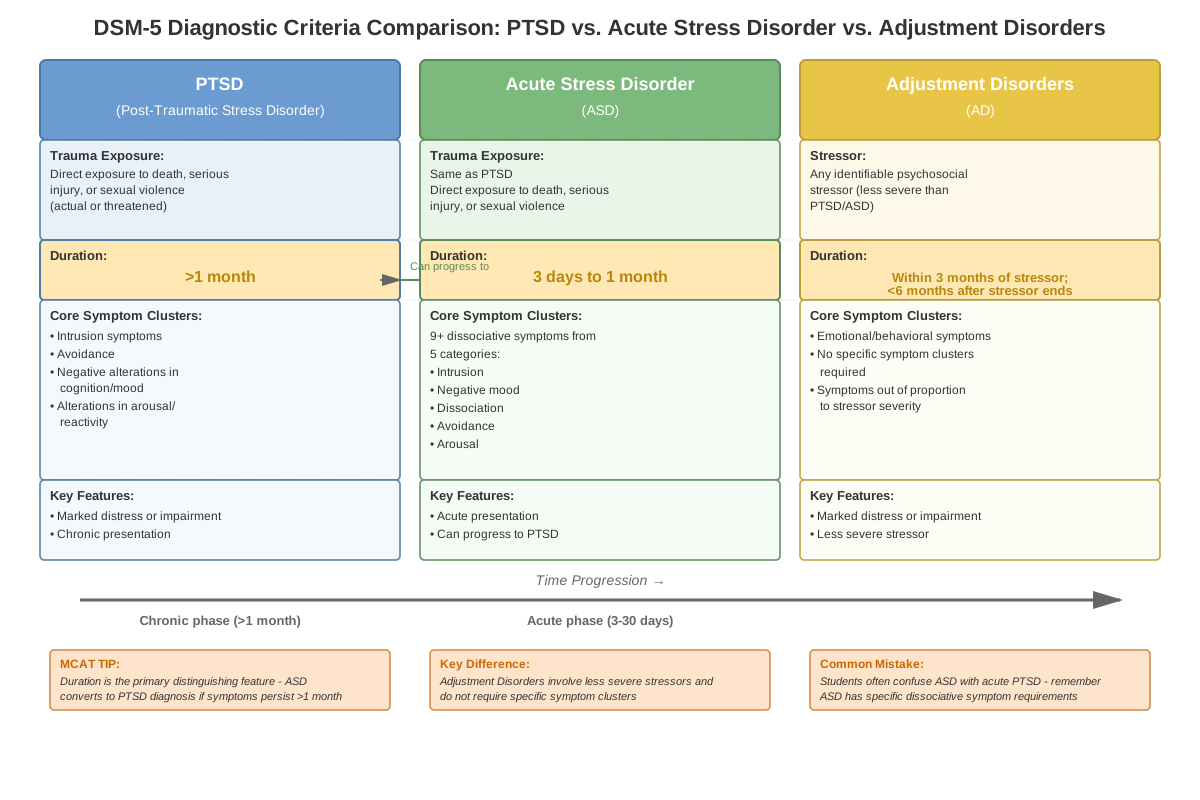
Post-Traumatic Stress Disorder (PTSD) is a trauma-related disorder characterized by persistent psychological distress following exposure to a traumatic event involving actual or threatened death, serious injury, or sexual violence. The DSM-5 requires that symptoms persist for more than one month and cause clinically significant distress or functional impairment. PTSD can develop through direct exposure to trauma, witnessing trauma occurring to others, learning that trauma occurred to a close family member or friend, or experiencing repeated or extreme exposure to aversive details of traumatic events (as in first responders).
The diagnostic criteria for PTSD are organized into four distinct symptom clusters:
Intrusion symptoms (Criterion B) include recurrent, involuntary, and intrusive distressing memories of the traumatic event; recurrent distressing dreams related to the event; dissociative reactions (flashbacks) where the individual feels or acts as if the traumatic event were recurring; intense psychological distress at exposure to internal or external cues that symbolize or resemble aspects of the trauma; and marked physiological reactions to trauma-related cues. These symptoms reflect the failure of normal memory consolidation processes, resulting in fragmented, sensory-based memories that intrude into consciousness without voluntary control.
Avoidance symptoms (Criterion C) involve persistent efforts to avoid distressing memories, thoughts, or feelings about the traumatic event, as well as avoidance of external reminders (people, places, conversations, activities, objects, situations) that arouse distressing memories or feelings. This avoidance represents a maladaptive coping strategy that, while providing short-term relief, prevents emotional processing and maintains the disorder.
Negative alterations in cognitions and mood (Criterion D) encompass a range of symptoms including inability to remember important aspects of the traumatic event (dissociative amnesia), persistent and exaggerated negative beliefs about oneself, others, or the world (e.g., "I am bad," "No one can be trusted," "The world is completely dangerous"), persistent distorted cognitions about the cause or consequences of the trauma leading to self-blame, persistent negative emotional state (fear, horror, anger, guilt, shame), markedly diminished interest in significant activities, feelings of detachment or estrangement from others, and persistent inability to experience positive emotions.
Alterations in arousal and reactivity (Criterion E) include irritable behavior and angry outbursts, reckless or self-destructive behavior, hypervigilance, exaggerated startle response, problems with concentration, and sleep disturbance. These symptoms reflect a persistently activated threat-detection system and dysregulated stress response.
Acute Stress Disorder (ASD)
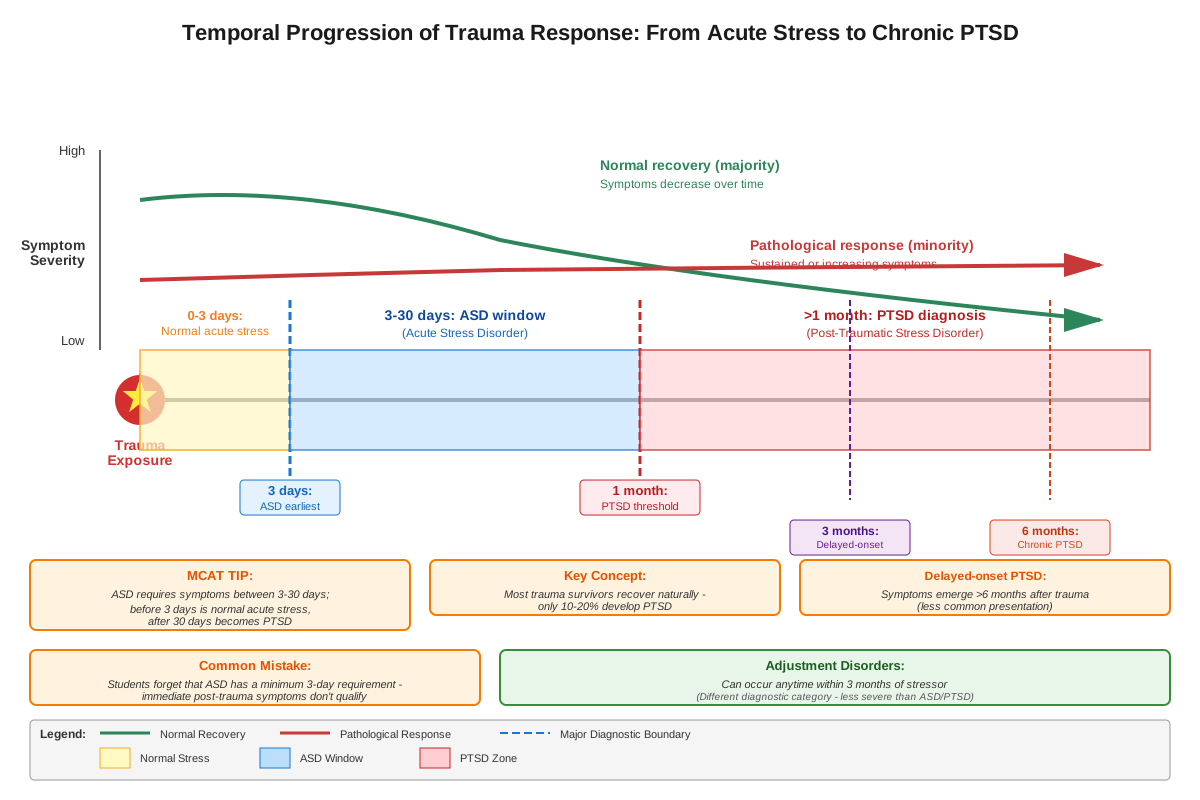
Acute Stress Disorder (ASD) shares many features with PTSD but is distinguished primarily by its temporal course. ASD symptoms develop within three days to one month following trauma exposure and last between three days and one month. If symptoms persist beyond one month, the diagnosis typically changes to PTSD. ASD was introduced in the DSM-IV partly to identify individuals at high risk for developing chronic PTSD and to facilitate early intervention.
The diagnostic criteria for ASD include exposure to a traumatic event plus nine or more symptoms from five categories: intrusion symptoms (similar to PTSD), negative mood (inability to experience positive emotions), dissociative symptoms (altered sense of reality, inability to remember important aspects of the trauma), avoidance symptoms, and arousal symptoms. The emphasis on dissociative symptoms distinguishes ASD from PTSD, as peritraumatic dissociation (dissociation occurring during or immediately after trauma) is a strong predictor of subsequent PTSD development.
Adjustment Disorders
Adjustment Disorders represent a category of stress-related conditions that develop in response to identifiable stressors but do not meet criteria for more specific disorders like PTSD or Major Depressive Disorder. The stressor in adjustment disorders may be a single event (job loss, divorce) or multiple stressors (marital problems combined with financial difficulties), and the stressor may be recurrent or continuous. Critically, adjustment disorders do not require exposure to a traumatic event as defined for PTSD—the stressor can be of any severity.
Symptoms must develop within three months of stressor onset and must cause either marked distress out of proportion to the severity or intensity of the stressor or significant impairment in social, occupational, or other important areas of functioning. Adjustment disorders are specified by predominant symptom presentation: with depressed mood, with anxiety, with mixed anxiety and depressed mood, with disturbance of conduct, with mixed disturbance of emotions and conduct, or unspecified. Symptoms must resolve within six months after the stressor or its consequences have terminated, distinguishing adjustment disorders from more chronic conditions.
Neurobiological Mechanisms
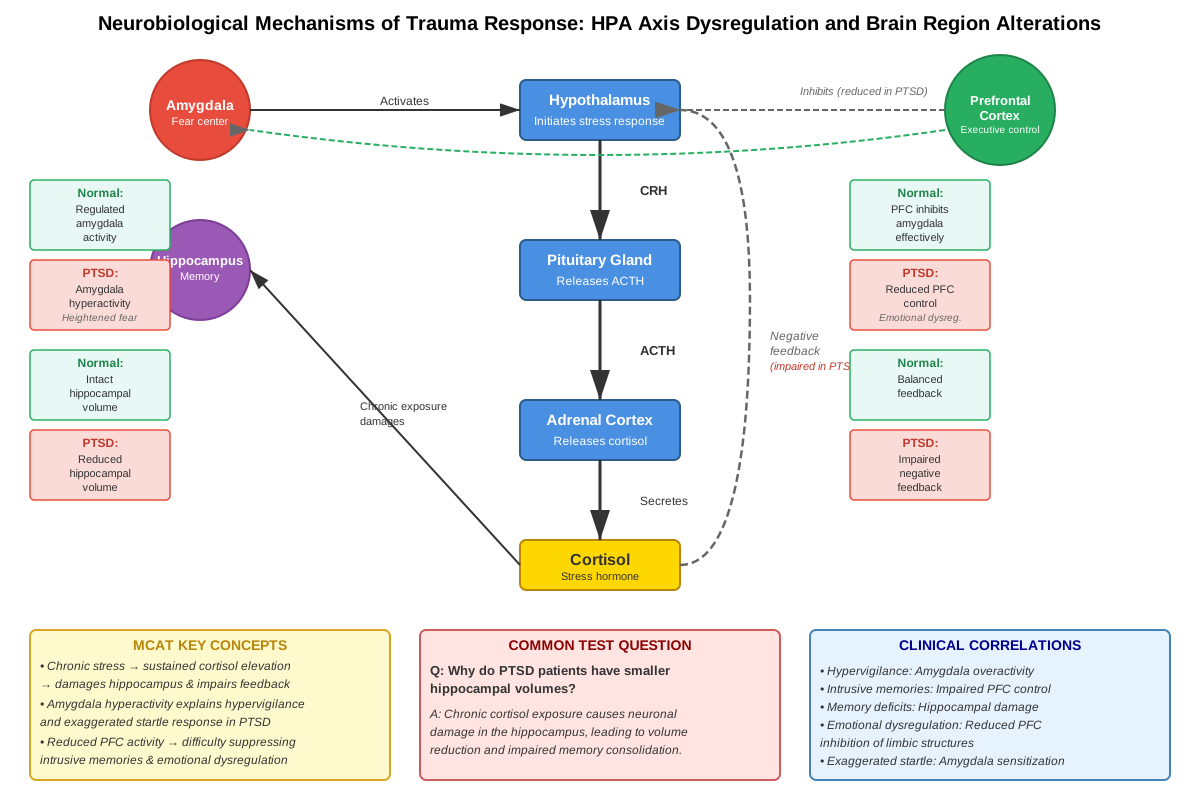
The neurobiology of trauma-related disorders involves dysregulation across multiple brain systems. The amygdala, responsible for threat detection and fear conditioning, shows hyperactivity in individuals with PTSD, leading to exaggerated fear responses and difficulty distinguishing between safe and dangerous situations. Neuroimaging studies consistently demonstrate increased amygdala activation in response to trauma-related stimuli and even neutral stimuli that share features with the traumatic event.
The hippocampus, critical for contextual memory and distinguishing past from present, often shows reduced volume in chronic PTSD. This structural change may result from prolonged exposure to elevated cortisol levels and may contribute to the difficulty individuals with PTSD experience in recognizing that trauma-related memories represent past events rather than current threats. Hippocampal dysfunction also contributes to fragmented, decontextualized trauma memories.
The prefrontal cortex, particularly the ventromedial prefrontal cortex (vmPFC), shows reduced activation in PTSD. The vmPFC normally inhibits amygdala activity and is crucial for fear extinction—the process by which conditioned fear responses diminish when the feared stimulus is repeatedly presented without the aversive outcome. Reduced vmPFC function in PTSD contributes to persistent fear responses and difficulty with emotional regulation.
The hypothalamic-pituitary-adrenal (HPA) axis shows paradoxical dysregulation in PTSD. While acute stress typically elevates cortisol levels, chronic PTSD is often associated with lower baseline cortisol levels but enhanced negative feedback sensitivity. This pattern may result from chronic HPA axis activation leading to compensatory downregulation. However, individuals with PTSD show exaggerated cortisol responses to trauma reminders, indicating context-dependent HPA axis reactivity.
Norepinephrine systems show hyperactivity in PTSD, contributing to hyperarousal symptoms, exaggerated startle responses, and hypervigilance. Elevated norepinephrine during trauma encoding may also contribute to the formation of particularly strong, intrusive memories. Serotonin dysregulation contributes to mood symptoms, impulsivity, and aggression observed in some individuals with PTSD.
Risk and Protective Factors
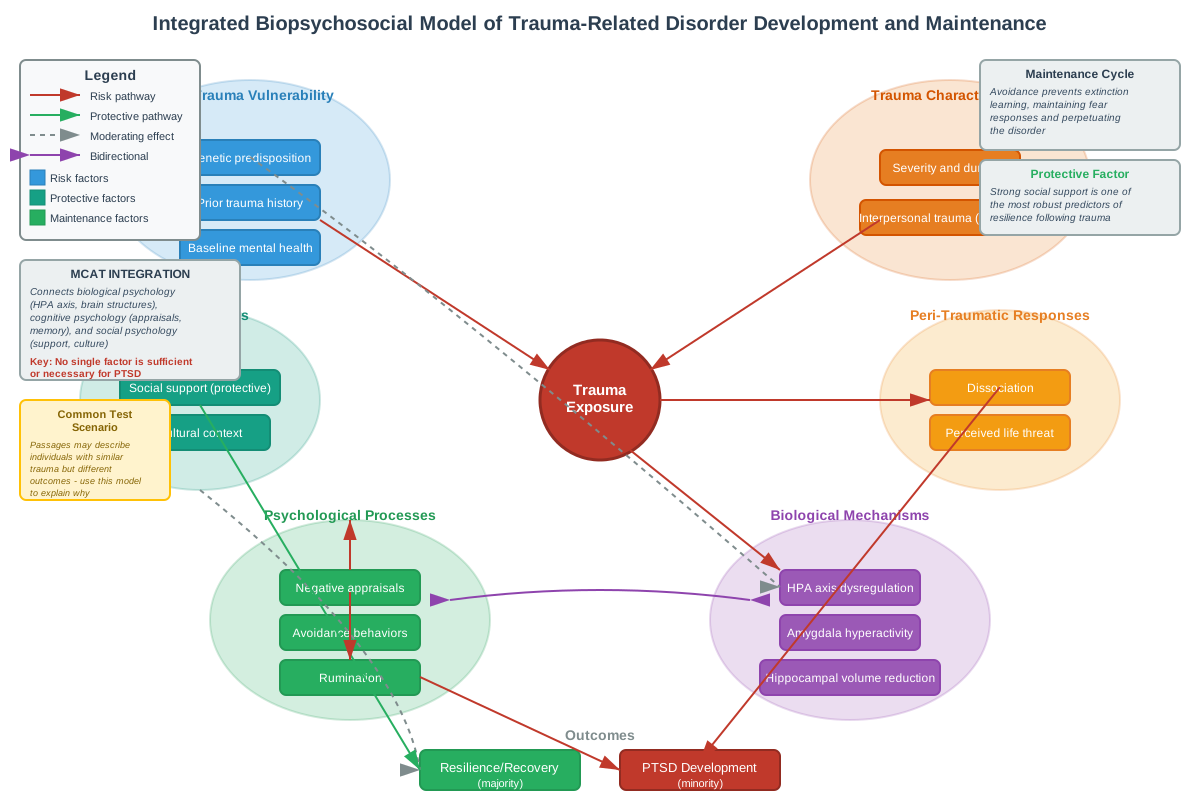
Multiple factors influence vulnerability to developing trauma-related disorders following exposure to potentially traumatic events. Pre-trauma factors include prior trauma exposure (particularly childhood trauma), pre-existing mental health conditions, family history of mental illness, and certain personality traits (neuroticism, negative affectivity). Genetic factors contribute to vulnerability, with heritability estimates for PTSD ranging from 30-40%.
Peri-traumatic factors (occurring during the trauma) include trauma severity, perceived life threat, peritraumatic dissociation, and physical injury. Interpersonal traumas (assault, abuse) carry higher risk for PTSD development than non-interpersonal traumas (natural disasters, accidents). Peritraumatic dissociation—feeling detached from one's body or surroundings during the trauma—is one of the strongest predictors of subsequent PTSD.
Post-trauma factors include lack of social support, additional life stressors, and maladaptive coping strategies (avoidance, substance use). Conversely, strong social support, adaptive coping strategies, and early intervention serve as protective factors. The quality and timing of social support appear particularly important, with early, sustained support associated with better outcomes.
Treatment Approaches
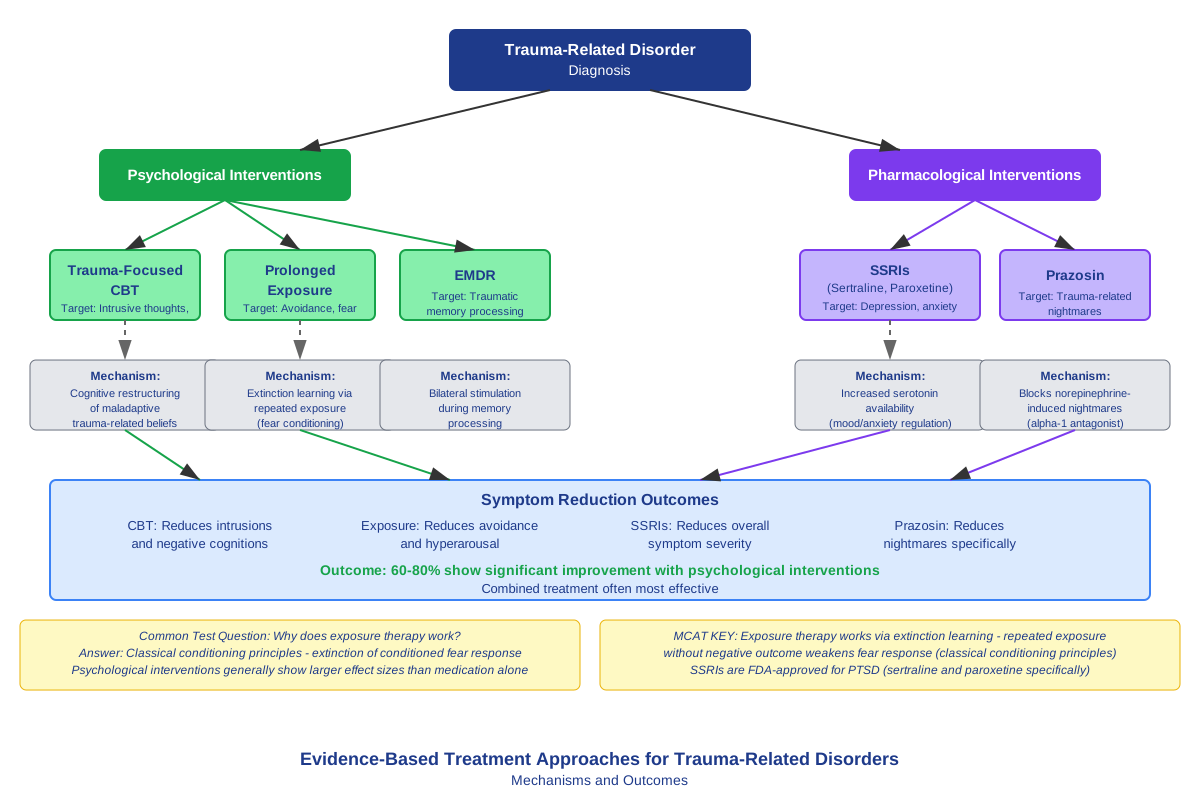
Trauma-focused cognitive-behavioral therapy (TF-CBT) represents the gold standard psychological treatment for PTSD. This approach includes psychoeducation about trauma responses, teaching coping and emotional regulation skills, creating a trauma narrative to process the traumatic memory, cognitive restructuring to address maladaptive trauma-related beliefs, and gradual exposure to trauma reminders to reduce avoidance and facilitate emotional processing.
Prolonged Exposure (PE) therapy focuses specifically on reducing avoidance through repeated, prolonged imaginal exposure to the trauma memory and in vivo exposure to safe situations the person has been avoiding. The theoretical mechanism involves emotional processing of the trauma memory and extinction of conditioned fear responses.
Cognitive Processing Therapy (CPT) emphasizes identifying and modifying maladaptive cognitions about the trauma, particularly self-blame, guilt, and negative beliefs about safety, trust, control, esteem, and intimacy. Patients write detailed accounts of their trauma and examine how the trauma has affected their beliefs.
Eye Movement Desensitization and Reprocessing (EMDR) involves recalling traumatic memories while engaging in bilateral stimulation (typically lateral eye movements). While the specific mechanism remains debated, EMDR has demonstrated efficacy comparable to other evidence-based treatments.
Pharmacotherapy for PTSD primarily involves selective serotonin reuptake inhibitors (SSRIs), with sertraline and paroxetine FDA-approved for PTSD treatment. These medications address mood symptoms, intrusive thoughts, and hyperarousal. Prazosin, an alpha-1 adrenergic antagonist, shows efficacy for trauma-related nightmares by blocking norepinephrine activity.
Quick check — test yourself on Trauma related disorders so far.
Try Flashcards →Concept Relationships
The concepts within trauma-related disorders form an interconnected network centered on the relationship between traumatic stress exposure and psychological adaptation. Traumatic event exposure → acute stress response (fight-or-flight activation, peritraumatic reactions) → potential development of ASD (if symptoms persist 3 days to 1 month) → potential progression to PTSD (if symptoms continue beyond 1 month). This temporal progression illustrates how normal acute stress responses can evolve into pathological conditions when recovery processes fail.
The four PTSD symptom clusters demonstrate reciprocal relationships: Intrusion symptoms → trigger avoidance behaviors (to reduce distress) → maintain negative cognitions (by preventing corrective learning) → increase arousal symptoms (due to persistent threat perception) → heighten sensitivity to intrusion symptoms, creating a self-perpetuating cycle. Understanding this cycle is crucial for comprehending why avoidance, despite providing short-term relief, maintains the disorder long-term.
Neurobiological mechanisms underlie and explain symptom manifestations: Amygdala hyperactivity → intrusion symptoms and hyperarousal; Hippocampal dysfunction → fragmented memories and difficulty contextualizing past trauma; Prefrontal cortex hypoactivity → difficulty with emotional regulation and fear extinction → persistent avoidance and negative cognitions. This biological-psychological integration demonstrates how brain changes produce observable symptoms.
Trauma-related disorders connect to broader psychological concepts: Classical conditioning explains how neutral stimuli present during trauma become conditioned stimuli that trigger fear responses; operant conditioning explains how avoidance behaviors are negatively reinforced by anxiety reduction; cognitive schemas explain how trauma can shatter assumptions about safety, trust, and control; memory consolidation processes explain why trauma memories have unique sensory and emotional qualities; stress and coping frameworks explain individual differences in trauma response based on appraisal and coping strategies.
The relationship between trauma-related disorders and other psychological conditions includes high comorbidity with Major Depressive Disorder (shared negative cognitions and anhedonia), substance use disorders (self-medication of distressing symptoms), and other anxiety disorders (shared hyperarousal and avoidance features). Understanding these relationships helps differentiate primary from secondary diagnoses and informs comprehensive treatment planning.
High-Yield Facts
⭐ PTSD requires symptom duration of more than one month, while Acute Stress Disorder symptoms last between 3 days and 1 month following trauma exposure
⭐ PTSD includes four symptom clusters: intrusion (Criterion B), avoidance (Criterion C), negative alterations in cognitions and mood (Criterion D), and alterations in arousal and reactivity (Criterion E)
⭐ Adjustment Disorders do not require exposure to a traumatic event as defined for PTSD—any identifiable stressor of any severity can precipitate an adjustment disorder
⭐ The amygdala shows hyperactivity in PTSD, contributing to exaggerated fear responses and difficulty distinguishing safe from dangerous situations
⭐ The hippocampus often shows reduced volume in chronic PTSD, contributing to fragmented trauma memories and difficulty contextualizing past events
- Peritraumatic dissociation (dissociation during or immediately after trauma) is one of the strongest predictors of subsequent PTSD development
- Interpersonal traumas (assault, abuse, combat) carry higher risk for PTSD than non-interpersonal traumas (natural disasters, accidents)
- The ventromedial prefrontal cortex (vmPFC) shows reduced activation in PTSD, impairing fear extinction and emotional regulation
- Trauma-focused cognitive-behavioral therapy (TF-CBT) and Prolonged Exposure (PE) therapy are first-line psychological treatments with the strongest evidence base
- SSRIs (particularly sertraline and paroxetine) are first-line pharmacological treatments for PTSD, addressing mood, intrusive thoughts, and hyperarousal symptoms
- Avoidance symptoms, while providing short-term relief, maintain PTSD by preventing emotional processing and corrective learning
- Strong social support following trauma serves as a significant protective factor against PTSD development
Common Misconceptions
Misconception: All individuals exposed to trauma will develop PTSD → Correction: Only approximately 10-20% of trauma-exposed individuals develop PTSD; most people demonstrate resilience and recover without developing a disorder. Individual vulnerability factors, trauma characteristics, and post-trauma factors all influence risk.
Misconception: PTSD symptoms always appear immediately after trauma → Correction: While symptoms typically emerge within the first three months, PTSD can have delayed onset, with symptoms first appearing months or even years after trauma exposure. However, delayed-onset PTSD often involves subsyndromal symptoms that were present earlier but did not meet full diagnostic criteria.
Misconception: Avoidance of trauma reminders is an adaptive coping strategy that should be encouraged → Correction: While avoidance provides short-term distress reduction, it maintains PTSD by preventing emotional processing of the trauma and extinction of conditioned fear responses. Effective treatment involves gradual, controlled exposure to trauma memories and reminders.
Misconception: Adjustment Disorders are just "normal stress" and don't require treatment → Correction: Adjustment Disorders represent clinically significant conditions causing marked distress or functional impairment beyond what would be expected from the stressor. They warrant clinical attention and may benefit from brief psychotherapy or supportive interventions.
Misconception: PTSD only affects combat veterans → Correction: While military combat is a significant trauma exposure, PTSD affects diverse populations including survivors of sexual assault, childhood abuse, serious accidents, natural disasters, and medical trauma. Women have approximately twice the lifetime prevalence of PTSD compared to men, partly due to higher rates of interpersonal violence exposure.
Misconception: Flashbacks mean the person is "crazy" or losing touch with reality permanently → Correction: Flashbacks are dissociative reactions where trauma memories intrude with such intensity that the person temporarily feels as if the event is recurring. They are time-limited symptoms of PTSD, not indicators of psychosis, and typically last seconds to minutes before the person reorients to the present.
Misconception: Talking about trauma immediately after it occurs prevents PTSD (critical incident debriefing) → Correction: Research shows that mandatory, immediate debriefing does not prevent PTSD and may actually interfere with natural recovery processes. Effective early interventions focus on safety, practical support, and teaching coping skills rather than detailed trauma processing.
Worked Examples
Example 1: Distinguishing Between Trauma-Related Disorders
Clinical Vignette: A 28-year-old woman presents to her primary care physician five weeks after being involved in a serious motor vehicle accident in which she sustained minor injuries but witnessed a fatality. She reports recurrent, intrusive memories of the accident, particularly the moment of impact, which occur multiple times daily and are accompanied by intense anxiety and physical sensations of her heart racing. She has been avoiding driving and becomes extremely anxious when riding as a passenger. She reports difficulty sleeping, increased irritability, and difficulty concentrating at work. She states she feels constantly "on edge" and jumps at sudden noises. She has stopped attending her weekly social activities because she "just doesn't feel like herself" and can't enjoy things she used to. Which diagnosis is most appropriate?
Analysis:
Step 1: Confirm trauma exposure meeting PTSD/ASD criteria. The patient experienced a serious accident with actual threat to life and witnessed death—this meets Criterion A for both PTSD and ASD.
Step 2: Identify symptom clusters present:
- Intrusion symptoms: Recurrent, intrusive memories with psychological distress and physiological reactivity (Criterion B) ✓
- Avoidance symptoms: Avoiding driving and riding in cars (Criterion C) ✓
- Negative alterations in mood/cognition: Inability to enjoy previously pleasurable activities (anhedonia), feeling detached from herself (Criterion D) ✓
- Alterations in arousal/reactivity: Sleep disturbance, irritability, concentration problems, hypervigilance, exaggerated startle (Criterion E) ✓
Step 3: Assess duration. Symptoms have been present for five weeks (more than one month post-trauma).
Step 4: Determine diagnosis. The patient meets criteria for all four PTSD symptom clusters, symptoms have persisted beyond one month, and she reports functional impairment (work difficulties, social withdrawal). Diagnosis: Post-Traumatic Stress Disorder (PTSD).
Key distinction: If symptoms had been present for only two weeks, the diagnosis would be Acute Stress Disorder. If the stressor had been less severe (e.g., a minor fender-bender without injury or life threat) and symptoms were primarily anxiety about driving, Adjustment Disorder with Anxiety would be more appropriate.
Example 2: Neurobiological Mechanisms Question
MCAT-Style Question: Researchers conduct a neuroimaging study comparing individuals with PTSD to trauma-exposed controls without PTSD. Participants view trauma-related images while undergoing functional MRI. Compared to controls, individuals with PTSD show significantly greater activation in which brain region, and what symptom cluster does this finding best explain?
A) Hippocampus; intrusion symptoms
B) Amygdala; hyperarousal and re-experiencing symptoms
C) Ventromedial prefrontal cortex; avoidance symptoms
D) Dorsolateral prefrontal cortex; negative cognitions
Analysis:
Step 1: Review neurobiological findings in PTSD:
- Amygdala: hyperactive, especially to threat-related stimuli
- Hippocampus: often reduced volume, involved in memory contextualization
- Ventromedial prefrontal cortex (vmPFC): hypoactive, impaired fear extinction
- Dorsolateral prefrontal cortex: involved in executive function and working memory
Step 2: Consider what "greater activation" indicates. The question asks which region shows increased activation in PTSD compared to controls when viewing trauma-related images.
Step 3: Evaluate each option:
- Option A: Hippocampus typically shows reduced volume but not necessarily greater activation; while involved in memory, intrusion symptoms are more directly related to amygdala hyperactivity
- Option B: Amygdala hyperactivity is the most consistent neuroimaging finding in PTSD, particularly in response to threat-related stimuli. This hyperactivity underlies both hyperarousal (exaggerated threat detection) and re-experiencing symptoms (intense emotional reactions to trauma reminders)
- Option C: vmPFC typically shows reduced activation in PTSD, not increased activation; while related to avoidance through impaired extinction, this doesn't match the "greater activation" finding
- Option D: Dorsolateral prefrontal cortex is not the primary region implicated in PTSD symptomatology
Answer: B - The amygdala shows hyperactivity in PTSD, particularly when exposed to trauma-related stimuli, and this hyperactivity best explains hyperarousal symptoms (exaggerated threat detection, heightened startle) and re-experiencing symptoms (intense emotional and physiological reactions to trauma reminders).
Learning point: Understanding the specific neurobiological correlates of different symptom clusters allows you to predict research findings and connect biological mechanisms to observable symptoms—a common MCAT question format.
Exam Strategy
When approaching MCAT questions on trauma-related disorders, first identify whether the question requires diagnostic differentiation (distinguishing between PTSD, ASD, and Adjustment Disorders) or mechanism understanding (neurobiological basis, treatment rationale, or symptom relationships). For diagnostic questions, immediately note the time frame since trauma exposure: less than 1 month suggests ASD, more than 1 month suggests PTSD, and if the stressor doesn't meet trauma criteria, consider Adjustment Disorder.
Trigger words and phrases to watch for:
- "Intrusive memories," "flashbacks," "nightmares" → intrusion symptoms (Criterion B)
- "Avoids reminders," "refuses to discuss," "stays away from" → avoidance symptoms (Criterion C)
- "Can't remember parts of," "blames self," "feels detached," "can't feel happy" → negative alterations in cognitions/mood (Criterion D)
- "Hypervigilant," "exaggerated startle," "irritable," "difficulty sleeping" → arousal/reactivity alterations (Criterion E)
- "Three weeks after," "two weeks following" → consider ASD
- "Two months after," "six months later" → consider PTSD
- "Following job loss," "after divorce" (non-traumatic stressors) → consider Adjustment Disorder
For passage-based questions, quickly identify the study design and what's being manipulated or measured. Neuroimaging studies typically show amygdala hyperactivity and vmPFC hypoactivity in PTSD. Treatment studies comparing exposure therapy to control conditions test whether confronting trauma memories (rather than avoiding them) leads to symptom reduction. Epidemiological studies may present data on risk factors—remember that interpersonal trauma, prior trauma history, and lack of social support increase PTSD risk.
Process-of-elimination strategy: When choosing between trauma-related disorders, eliminate options based on timing first (ASD vs. PTSD), then stressor severity (trauma-level vs. ordinary stressor for Adjustment Disorder). When choosing between PTSD and other anxiety disorders, look for the presence of a specific trauma and all four symptom clusters—if intrusion symptoms or trauma-specific avoidance are absent, consider alternative diagnoses. When evaluating treatment options, eliminate answers suggesting avoidance-based strategies, as these maintain rather than resolve PTSD.
Time allocation: Discrete questions on trauma-related disorders typically require 60-90 seconds—enough time to identify key diagnostic features and eliminate incorrect options. Passage-based questions may require 90-120 seconds, as you'll need to reference specific data or study details. Don't get bogged down trying to remember every DSM-5 criterion; focus on the core distinguishing features (timing, symptom clusters, stressor type) that differentiate between disorders.
Memory Techniques
Mnemonic for PTSD symptom clusters: "I ANAN" (pronounced "I-an-an")
- Intrusion symptoms (nightmares, flashbacks, intrusive memories)
- Avoidance (of reminders, thoughts, feelings)
- Negative alterations in cognitions and mood
- Arousal and reactivity alterations
- Need more than 1 month duration
Mnemonic for PTSD intrusion symptoms: "DREAM"
- Distressing dreams
- Reactions (physiological) to cues
- Emotional distress to cues
- Actual reliving (flashbacks/dissociative reactions)
- Memories (intrusive, involuntary)
Visualization for neurobiological changes: Picture a smoke alarm (amygdala) that's become hypersensitive and goes off constantly, while the off switch (vmPFC) is broken and can't turn it off, and the context detector (hippocampus) that should distinguish between real fire and burnt toast has shrunk and doesn't work properly. This creates a system where false alarms (trauma reminders) trigger full emergency responses.
Timeline memory aid: "3-3-1-1"
- 3 days minimum for ASD
- 3 days to 1 month duration for ASD
- 1 month minimum for PTSD
- 1 month maximum for ASD
Acronym for protective factors: "SOCIAL"
- Strong social support
- Optimistic outlook/adaptive coping
- Connection to community
- Intervention (early, appropriate)
- Absence of prior trauma
- Low additional stressors
Summary
Trauma-related disorders represent a category of psychological conditions that develop following exposure to traumatic or stressful events, with Post-Traumatic Stress Disorder (PTSD), Acute Stress Disorder (ASD), and Adjustment Disorders as the primary diagnoses. PTSD, characterized by four symptom clusters (intrusion, avoidance, negative alterations in cognitions/mood, and alterations in arousal/reactivity), requires symptom duration exceeding one month and causes significant functional impairment. ASD shares similar features but occurs within one month of trauma exposure. Adjustment Disorders develop in response to identifiable stressors that don't necessarily meet trauma criteria and resolve within six months of stressor termination. Neurobiologically, PTSD involves amygdala hyperactivity, hippocampal volume reduction, and ventromedial prefrontal cortex hypoactivity, explaining the persistence of fear responses and difficulty with emotional regulation. Treatment approaches emphasize trauma-focused cognitive-behavioral interventions that facilitate emotional processing through controlled exposure to trauma memories, challenging maladaptive cognitions, and building coping skills, with SSRIs as first-line pharmacotherapy. Understanding the temporal distinctions, symptom patterns, and neurobiological mechanisms enables accurate diagnosis and appropriate treatment selection.
Key Takeaways
- PTSD requires four symptom clusters (intrusion, avoidance, negative cognitions/mood, arousal/reactivity) lasting more than one month, distinguishing it from ASD (3 days to 1 month) and normal stress responses
- Amygdala hyperactivity and ventromedial prefrontal cortex hypoactivity represent core neurobiological findings in PTSD, explaining exaggerated fear responses and impaired fear extinction
- Avoidance symptoms maintain PTSD by preventing emotional processing; effective treatment involves gradual, controlled exposure to trauma memories and reminders
- Adjustment Disorders differ from PTSD/ASD in that they don't require exposure to a traumatic event—any identifiable stressor can precipitate an adjustment disorder
- Peritraumatic dissociation, prior trauma exposure, and lack of social support are significant risk factors for PTSD development following trauma exposure
- Trauma-focused CBT and Prolonged Exposure therapy represent first-line psychological treatments with the strongest evidence base for PTSD
- Interpersonal traumas carry higher PTSD risk than non-interpersonal traumas, and women have approximately twice the lifetime prevalence of PTSD compared to men
Related Topics
Major Depressive Disorder: Understanding depression is essential because PTSD and MDD frequently co-occur, share negative cognitions and anhedonia, and require differentiation in diagnosis. Mastering trauma-related disorders provides foundation for understanding how environmental stressors precipitate mood disorders.
Anxiety Disorders: PTSD shares features with other anxiety disorders (hyperarousal, avoidance) but is distinguished by the presence of a specific trauma and intrusion symptoms. Understanding these distinctions enables accurate differential diagnosis.
Memory and Cognition: Trauma-related disorders involve unique memory phenomena (fragmented trauma memories, intrusive recollections, dissociative amnesia) that connect to broader understanding of memory encoding, consolidation, and retrieval processes.
Stress and Coping: Trauma-related disorders represent failures of normal stress adaptation mechanisms. Understanding stress physiology (HPA axis, sympathetic nervous system) and coping strategies provides context for why some individuals develop disorders while others demonstrate resilience.
Neurobiology of Emotion: The amygdala, hippocampus, and prefrontal cortex interactions in PTSD exemplify broader principles of emotional processing, fear conditioning, and emotional regulation relevant across multiple psychological disorders.
Psychotherapy and Treatment Approaches: Trauma-focused treatments (exposure therapy, cognitive processing therapy, EMDR) illustrate broader therapeutic principles including extinction learning, cognitive restructuring, and emotional processing applicable to other conditions.
Practice CTA
Now that you've mastered the core concepts of trauma-related disorders, it's time to solidify your understanding through active practice. Challenge yourself with MCAT-style practice questions that require you to apply diagnostic criteria, analyze neurobiological mechanisms, and evaluate treatment approaches. Use flashcards to reinforce the temporal distinctions between disorders, symptom cluster criteria, and neurobiological correlates. Focus particularly on questions requiring differentiation between PTSD, Acute Stress Disorder, and Adjustment Disorders, as these distinctions frequently appear on the exam. Remember: understanding trauma-related disorders not only prepares you for MCAT success but also provides essential knowledge for compassionate, trauma-informed medical practice. Your investment in mastering this material will serve you throughout your medical career.
Sign up free to keep reading
Create a free AnvayaPrep account to finish this MCAT guide on Trauma related disorders — plus flashcards and practice questions.