Overview
Pain perception is a complex psychological and physiological process through which the nervous system detects, interprets, and responds to potentially harmful stimuli. Unlike simple sensation, which involves the detection of stimuli, pain perception integrates sensory input with emotional, cognitive, and contextual factors to create the subjective experience of pain. This multidimensional nature makes pain perception a critical topic within Sensation and Perception for the MCAT Psychology section, as it exemplifies how biological processes interact with psychological states to produce conscious experience.
Understanding pain perception is essential for MCAT success because it bridges multiple content areas tested on the exam. The topic connects neuroanatomy (pain pathways and neurotransmitters), behavioral psychology (pain responses and coping mechanisms), and social psychology (cultural influences on pain expression). Questions about pain perception frequently appear in both discrete questions and passage-based formats, often embedded within clinical scenarios involving patient care, pharmacological interventions, or psychological treatments. The MCAT expects students to understand not just the biological mechanisms of pain but also how psychological factors modulate pain experience—a concept central to the biopsychosocial model of health.
Within the broader framework of Psychology, pain perception demonstrates key principles about how humans interact with their environment. It illustrates bottom-up processing (sensory signals traveling from periphery to brain) and top-down processing (cognitive and emotional factors influencing pain interpretation). Pain perception also connects to motivation and emotion, as pain serves as a powerful motivator for behavior change and triggers emotional responses that can amplify or diminish the pain experience. Mastering this topic provides foundational knowledge for understanding psychosomatic disorders, placebo effects, and the gate-control theory—all high-yield concepts for the MCAT.
Learning Objectives
- [ ] Define pain perception using accurate Psychology terminology
- [ ] Explain why pain perception matters for the MCAT
- [ ] Apply pain perception to exam-style questions
- [ ] Identify common mistakes related to pain perception
- [ ] Connect pain perception to related Psychology concepts
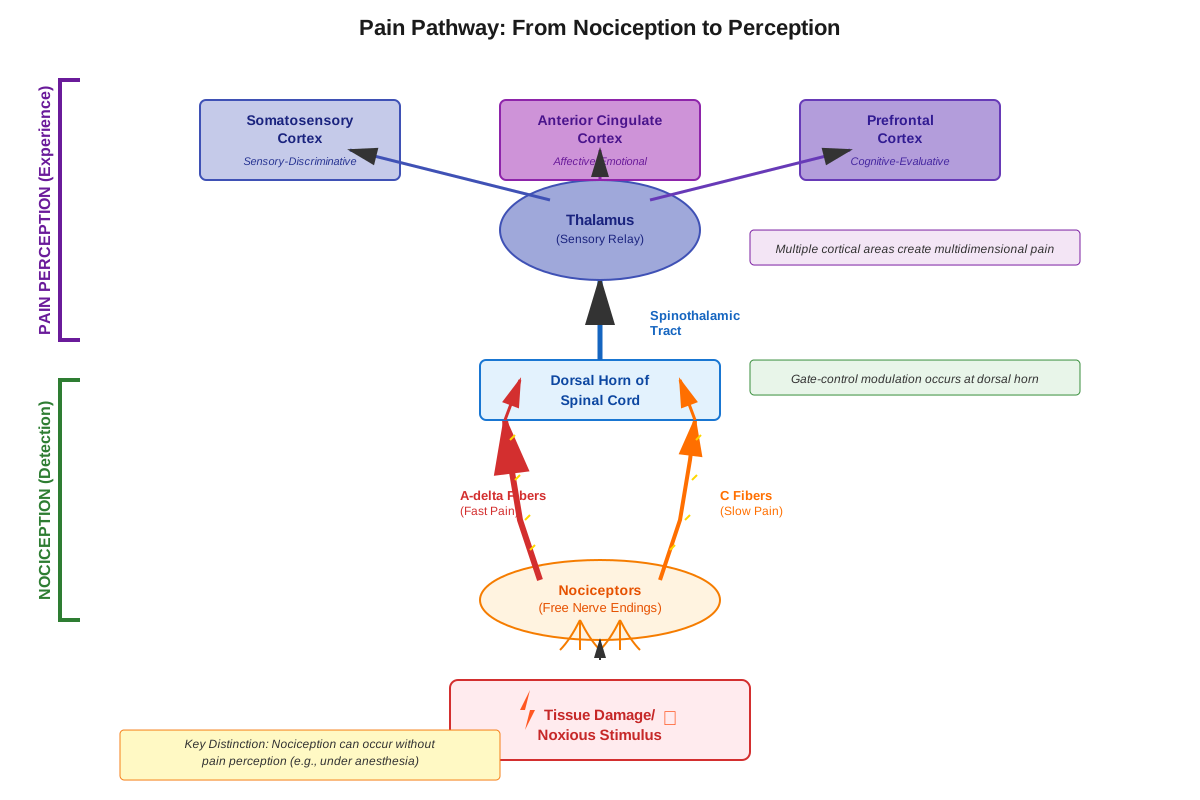
- [ ] Distinguish between nociception and pain perception
- [ ] Analyze how the gate-control theory explains pain modulation
- [ ] Evaluate the role of psychological factors in chronic pain conditions
- [ ] Compare different types of pain (acute vs. chronic, nociceptive vs. neuropathic)
Prerequisites
- Basic neuroanatomy: Understanding of neurons, synapses, and neural pathways is necessary to comprehend how pain signals travel through the nervous system
- Neurotransmitter function: Knowledge of how chemical messengers work enables understanding of pain signal transmission and modulation
- Sensory transduction: Familiarity with how physical stimuli convert to neural signals provides the foundation for understanding nociception
- Brain structure and function: Awareness of key brain regions (thalamus, somatosensory cortex, limbic system) is essential for understanding where pain is processed
- Basic psychological concepts: Understanding of perception, attention, and emotion helps explain how psychological factors influence pain experience
Why This Topic Matters
Pain perception represents one of the most clinically relevant topics in psychology and medicine. Chronic pain affects approximately 20% of adults worldwide, making it a leading cause of disability and healthcare utilization. Understanding pain perception is crucial for future physicians because effective pain management requires recognizing that pain is not merely a physical sensation but a complex experience shaped by biological, psychological, and social factors. The biopsychosocial approach to pain management—which the MCAT frequently tests—acknowledges that treating pain requires addressing all these dimensions.
On the MCAT, pain perception appears with moderate frequency across multiple question formats. Approximately 3-5% of Psychology/Sociology section questions directly or indirectly address pain-related concepts. The topic most commonly appears in passage-based questions describing clinical scenarios, research studies on pain interventions, or discussions of pain management approaches. Discrete questions often test the gate-control theory, the distinction between nociception and pain perception, or how psychological factors (stress, anxiety, attention) modulate pain experience.
Exam passages frequently present pain perception in several contexts: studies comparing placebo effects in pain management, investigations of cultural differences in pain expression and tolerance, research on chronic pain conditions and their psychological comorbidities, or clinical vignettes requiring students to apply the biopsychosocial model. The MCAT also tests pain perception through questions about specific interventions—asking students to predict which psychological techniques (distraction, cognitive reappraisal, mindfulness) would most effectively reduce pain in given scenarios. Understanding this topic enables students to answer questions spanning neuroscience, behavioral psychology, and social psychology domains.
Core Concepts
Definition and Components of Pain Perception
Pain perception is the conscious, subjective experience of pain that results from the integration of sensory information (nociception) with cognitive, emotional, and contextual factors. It is crucial to distinguish between nociception—the neural process of encoding and processing noxious stimuli—and pain perception itself. Nociception can occur without conscious pain perception (as during surgery under anesthesia), and pain perception can occur without tissue damage (as in phantom limb pain or psychogenic pain).
Pain perception involves three key components:
- Sensory-discriminative component: Identifies the location, intensity, and quality of pain
- Affective-motivational component: Generates the unpleasant emotional experience and motivation to escape or avoid the painful stimulus
- Cognitive-evaluative component: Involves interpretation, meaning-making, and memory of pain experiences
These components are processed in different brain regions, explaining why pain is multidimensional rather than a simple sensation.
Nociception: The Biological Foundation
Nociceptors are specialized sensory receptors that detect potentially harmful stimuli. These free nerve endings respond to mechanical, thermal, or chemical stimuli that could cause tissue damage. There are two main types of nociceptive fibers:
| Fiber Type | Characteristics | Pain Quality | Function |
|---|---|---|---|
| A-delta fibers | Myelinated, fast-conducting (5-30 m/s) | Sharp, localized, immediate pain | First pain; triggers immediate withdrawal reflexes |
| C fibers | Unmyelinated, slow-conducting (0.5-2 m/s) | Dull, aching, diffuse pain | Second pain; promotes healing behaviors and tissue protection |
The nociceptive pathway follows this sequence:
- Transduction: Nociceptors convert harmful stimuli into electrical signals
- Transmission: Signals travel via A-delta and C fibers to the spinal cord dorsal horn
- Modulation: Signals are enhanced or inhibited at the spinal cord level
- Perception: Signals reach the brain where conscious pain experience occurs
Key brain regions involved in pain perception include the thalamus (relay station), somatosensory cortex (location and intensity), anterior cingulate cortex (emotional component), insula (integration of sensory and emotional aspects), and prefrontal cortex (cognitive evaluation and pain meaning).
Gate-Control Theory
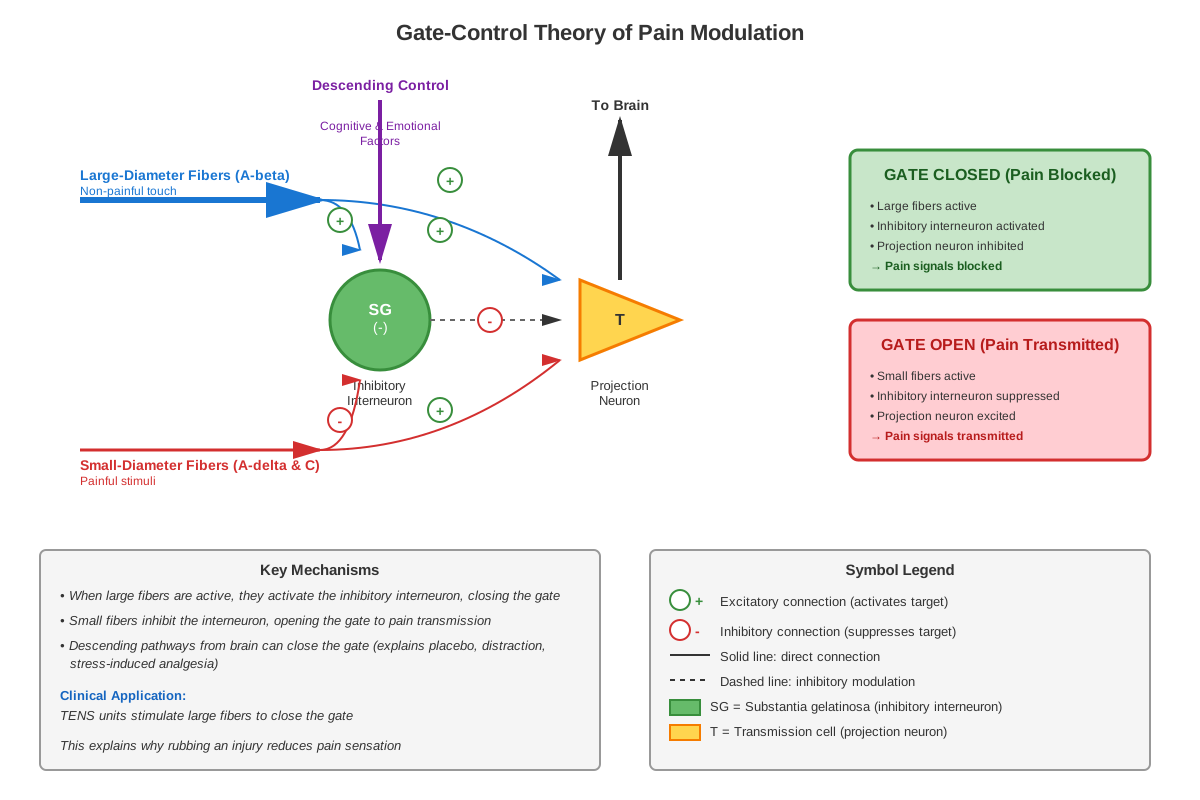
The gate-control theory, proposed by Melzack and Wall in 1965, revolutionized understanding of pain by explaining how pain signals can be modulated before reaching conscious awareness. This theory remains highly testable on the MCAT because it elegantly explains numerous pain phenomena and interventions.
According to gate-control theory, a neural "gate" in the spinal cord dorsal horn can increase or decrease the flow of pain signals to the brain. The gate is influenced by three factors:
- Activity in pain fibers (A-delta and C fibers): Opens the gate, allowing more pain signals through
- Activity in non-pain sensory fibers (A-beta fibers): Closes the gate, reducing pain signals
- Descending signals from the brain: Can open or close the gate based on psychological factors
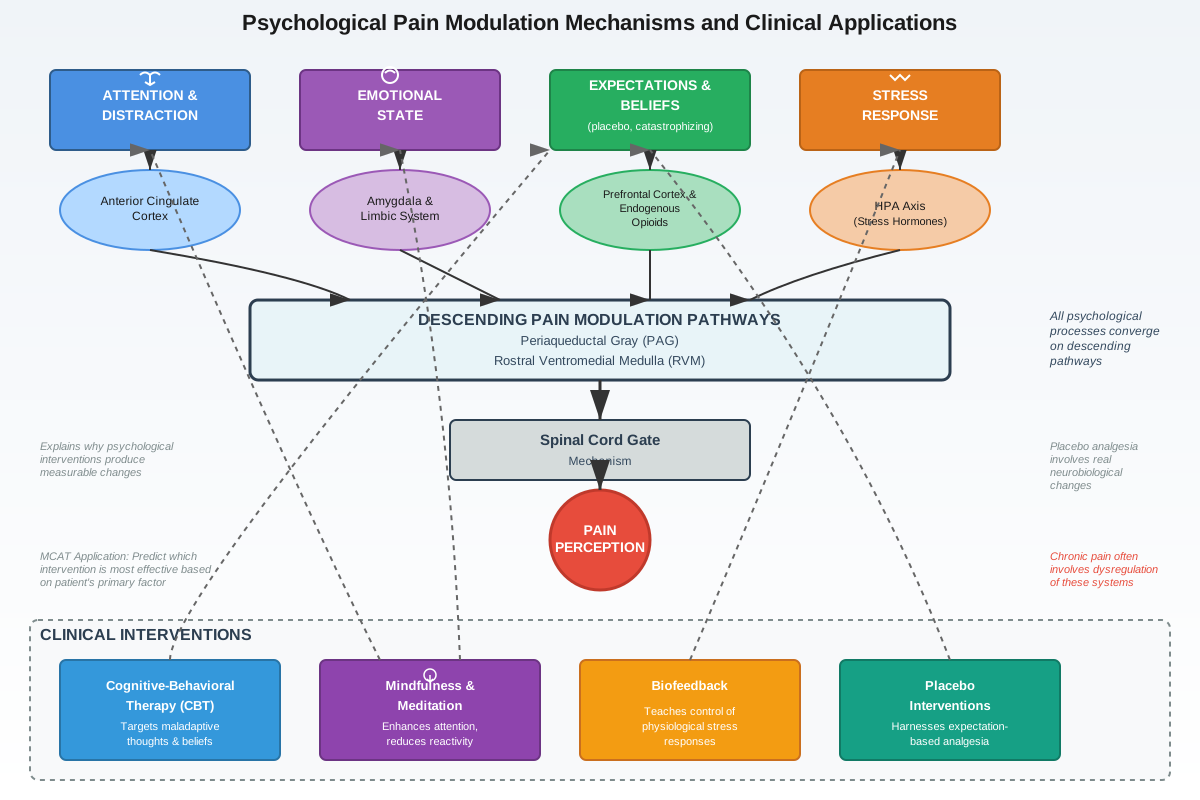
This mechanism explains why rubbing an injured area reduces pain (non-pain sensory input closes the gate), why distraction decreases pain perception (descending inhibition closes the gate), and why anxiety and attention to pain increase pain perception (descending facilitation opens the gate).
The gate-control theory introduced the crucial concept that pain is not simply proportional to tissue damage but is actively modulated by the nervous system. This laid the groundwork for understanding psychological pain interventions and the placebo effect.
Psychological Factors in Pain Perception
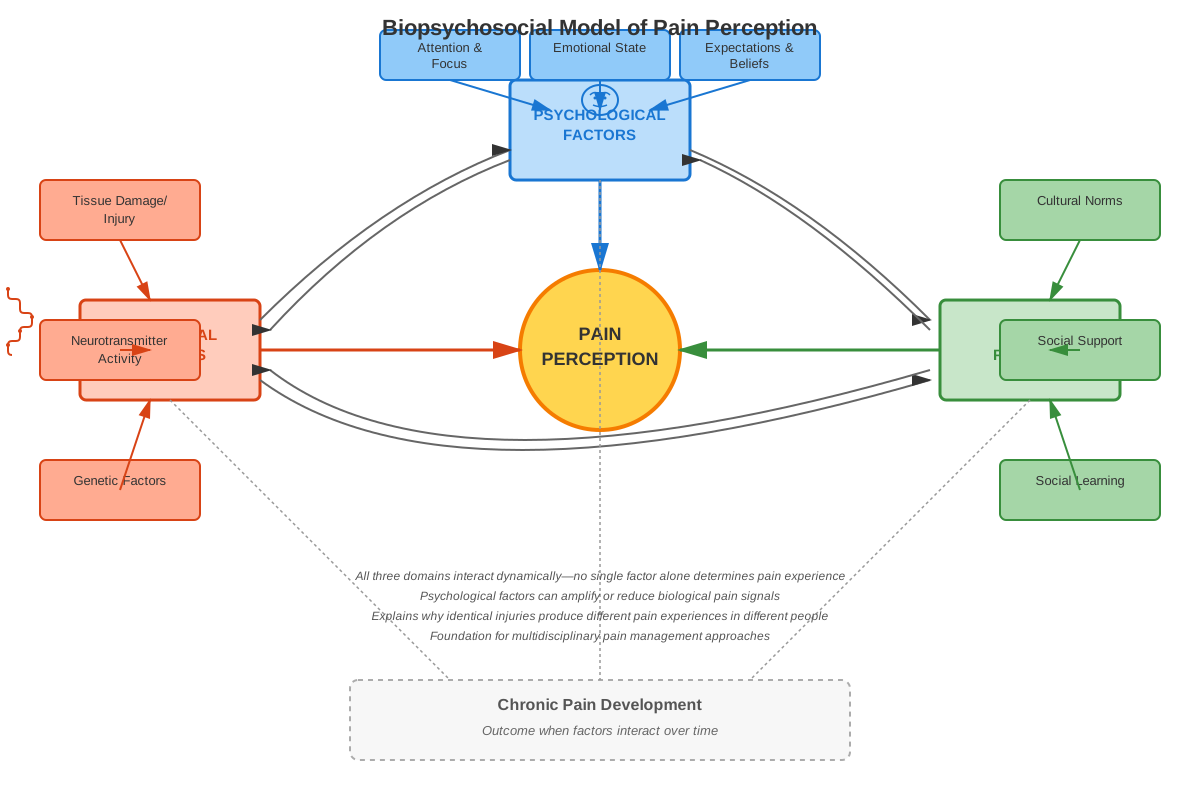
Pain perception is profoundly influenced by psychological variables, making it a prime example of mind-body interaction tested on the MCAT:
Attention and distraction: Focusing attention on pain increases its perceived intensity, while distraction reduces pain perception. This explains why soldiers injured in combat may not notice severe wounds until after the battle, and why distraction techniques (virtual reality, music) effectively reduce procedural pain.
Emotional state: Anxiety, depression, and stress amplify pain perception through multiple mechanisms. Negative emotions increase muscle tension, enhance attention to pain signals, and activate descending facilitation pathways that open the spinal gate. Conversely, positive emotions and relaxation can reduce pain perception.
Expectations and beliefs: The placebo effect demonstrates how expectations powerfully influence pain. When patients believe they have received pain medication (even if it's an inert substance), they often experience genuine pain relief mediated by endogenous opioid release. Similarly, negative expectations can create nocebo effects, where anticipated pain becomes more severe.
Prior experience and learning: Past pain experiences shape current pain perception through classical and operant conditioning. Someone who experienced severe pain during a previous medical procedure may perceive more pain during similar future procedures due to conditioned fear responses.
Cultural and social factors: Cultural background influences pain expression, pain tolerance, and pain-related behaviors. Some cultures encourage stoic responses to pain, while others permit more expressive pain behaviors. Social modeling also affects pain perception—observing others in pain can increase one's own pain sensitivity.
Types of Pain
Understanding pain classification is essential for MCAT questions that present clinical scenarios:
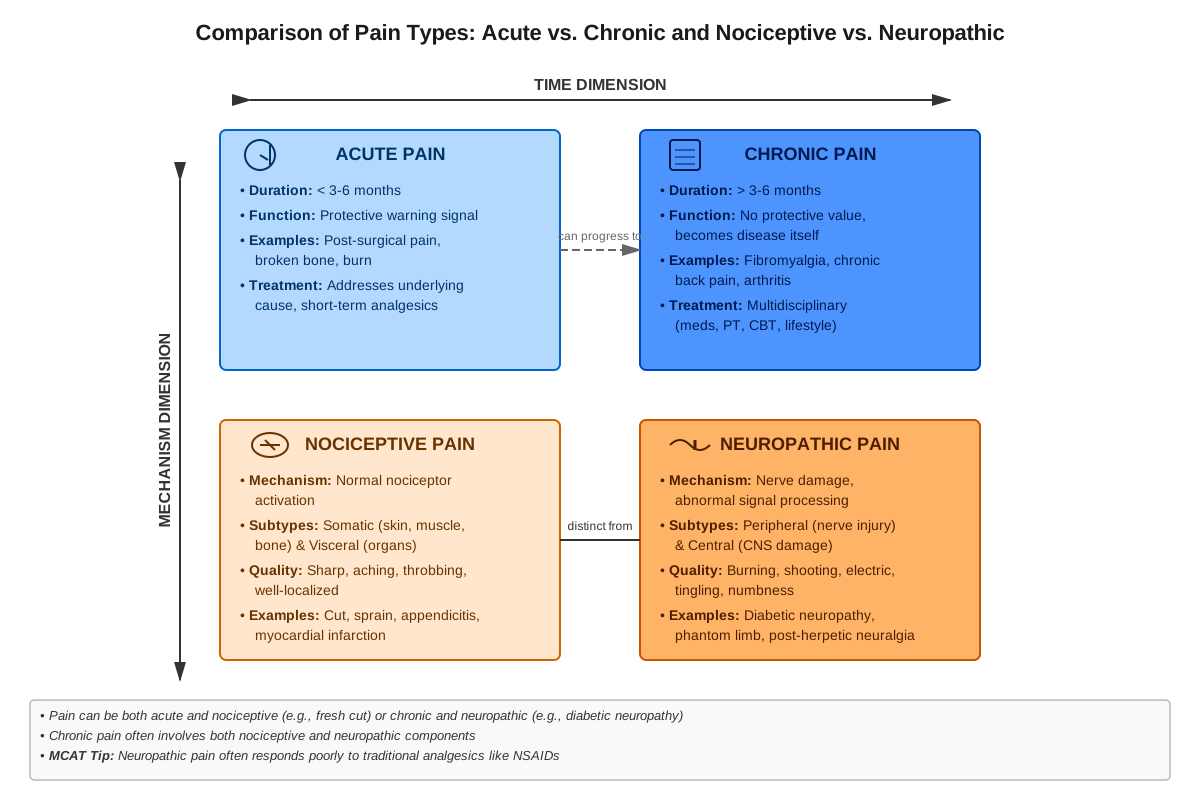
Acute vs. Chronic Pain:
- Acute pain: Short-duration pain (typically less than 3-6 months) that serves a protective function by signaling tissue damage. It typically resolves as healing occurs.
- Chronic pain: Persistent pain lasting beyond normal healing time. Chronic pain often loses its protective function and becomes a disease state itself, frequently accompanied by psychological comorbidities like depression and anxiety.
Nociceptive vs. Neuropathic Pain:
- Nociceptive pain: Results from activation of nociceptors by actual or potential tissue damage. Includes somatic pain (from skin, muscles, joints) and visceral pain (from internal organs).
- Neuropathic pain: Results from damage or dysfunction in the nervous system itself. Characterized by burning, shooting, or electric-shock sensations. Examples include diabetic neuropathy and phantom limb pain.
Endogenous Pain Modulation
The body possesses natural pain-control systems that the MCAT frequently tests:
Endogenous opioids: The body produces natural pain-relieving substances including endorphins, enkephalins, and dynorphins. These bind to opioid receptors in the brain and spinal cord, inhibiting pain signal transmission. Exercise, stress, and placebo effects can trigger endogenous opioid release.
Descending pain modulation pathways: Neural pathways from the brain (particularly the periaqueductal gray and rostral ventromedial medulla) send signals down the spinal cord that can inhibit or facilitate pain transmission. These pathways are activated by psychological factors, explaining how cognitive and emotional states influence pain.
Stress-induced analgesia: Acute stress can temporarily reduce pain perception through activation of endogenous opioid systems and descending inhibitory pathways. This adaptive response allows organisms to continue functioning during emergencies despite injury.
Concept Relationships
Pain perception exemplifies the integration of multiple psychological and biological processes. The relationship flow begins with nociception (sensory detection) → transmission through neural pathways → modulation at the spinal cord level (gate-control theory) → perception in the brain → psychological interpretation influenced by attention, emotion, and cognition → behavioral response to pain.
The gate-control theory serves as the central organizing framework, connecting biological nociception with psychological modulation. Descending pathways from higher brain centers (influenced by attention, emotion, and expectations) regulate the spinal gate, demonstrating how top-down processing affects bottom-up sensory input. This bidirectional relationship between biology and psychology is fundamental to understanding pain.
Pain perception connects to broader Sensation and Perception concepts by illustrating how perception differs from sensation. While nociception is the sensory component, pain perception involves interpretation, meaning-making, and integration with memory and emotion—all perceptual processes. The topic also relates to motivation and emotion, as pain creates powerful motivational states (avoidance, escape) and triggers emotional responses (fear, anxiety) that feed back to influence pain intensity.
Within clinical psychology, pain perception connects to psychosomatic disorders (where psychological factors contribute to physical symptoms), somatoform disorders (where pain occurs without adequate medical explanation), and the biopsychosocial model of health. Understanding pain perception is also essential for comprehending stress and coping, as chronic pain is both a stressor and a condition influenced by stress.
The placebo effect in pain management demonstrates connections to social psychology (authority and persuasion), cognitive psychology (expectations and beliefs), and neuroscience (endogenous opioid systems). This makes pain perception an integrative topic that bridges multiple MCAT content areas.
Quick check — test yourself on Pain perception so far.
Try Flashcards →High-Yield Facts
⭐ Pain perception is distinct from nociception: Nociception is the neural encoding of harmful stimuli, while pain perception is the conscious, subjective experience influenced by psychological factors.
⭐ Gate-control theory explains pain modulation: A neural gate in the spinal cord can be closed by non-pain sensory input (A-beta fibers) or descending inhibition from the brain, reducing pain signal transmission.
⭐ Psychological factors significantly influence pain perception: Attention, emotion, expectations, and beliefs can increase or decrease perceived pain intensity independent of tissue damage.
⭐ The placebo effect in pain involves real physiological changes: Placebo analgesia activates endogenous opioid release and can be blocked by naloxone (an opioid antagonist).
⭐ Chronic pain differs fundamentally from acute pain: Chronic pain persists beyond healing, often becomes a disease state itself, and is strongly associated with psychological comorbidities like depression and anxiety.
- A-delta fibers transmit fast, sharp pain while C fibers transmit slow, dull pain, explaining the dual sensation often experienced after injury.
- The anterior cingulate cortex processes the emotional/affective component of pain, which is why pain is inherently unpleasant.
- Distraction reduces pain by activating descending inhibitory pathways that close the spinal gate.
- Cultural factors influence pain expression and tolerance but not necessarily pain threshold (the minimum stimulus intensity that produces pain).
- Stress-induced analgesia explains why soldiers may not feel severe injuries during combat—acute stress activates endogenous opioid systems.
- Phantom limb pain demonstrates that pain perception can occur without peripheral nociceptor activation, indicating central nervous system involvement.
- Cognitive-behavioral therapy effectively treats chronic pain by modifying attention, interpretation, and coping strategies related to pain.
- The biopsychosocial model of pain emphasizes that biological, psychological, and social factors all contribute to pain experience and should all be addressed in treatment.
Common Misconceptions
Misconception: Pain intensity is directly proportional to tissue damage.
Correction: Pain perception is influenced by numerous psychological factors (attention, emotion, expectations, context) that can increase or decrease perceived pain independent of actual tissue damage. Severe tissue damage can occur with minimal pain (as in some heart attacks), and severe pain can occur with minimal tissue damage (as in fibromyalgia).
Misconception: Nociception and pain perception are the same thing.
Correction: Nociception is the neural process of detecting and encoding harmful stimuli, which can occur without conscious pain perception (during anesthesia). Pain perception is the conscious, subjective experience that results from integrating nociceptive signals with cognitive, emotional, and contextual factors.
Misconception: The placebo effect is "all in your head" and doesn't involve real physiological changes.
Correction: Placebo analgesia involves genuine physiological mechanisms, particularly endogenous opioid release. Placebo effects can be blocked by naloxone (an opioid antagonist), demonstrating that expectations trigger real neurochemical changes that reduce pain.
Misconception: Chronic pain is just acute pain that lasts longer.
Correction: Chronic pain involves neuroplastic changes in the nervous system (central sensitization) that make the nervous system more responsive to pain signals. It becomes a disease state itself rather than a symptom, often losing its protective function and becoming maladaptive.
Misconception: The gate-control theory suggests pain is either "on" or "off."
Correction: The gate-control theory describes a continuum of pain signal transmission that can be modulated to varying degrees. The gate can be partially open or closed, allowing for gradations in pain intensity rather than binary on/off states.
Misconception: Psychological pain interventions only work for "psychological pain" (pain without physical cause).
Correction: Psychological interventions (distraction, cognitive reappraisal, relaxation) effectively reduce pain perception even when clear tissue damage exists. All pain has psychological components because pain perception inherently involves cognitive and emotional processing.
Misconception: Cultural differences in pain expression reflect differences in actual pain experience.
Correction: Cultural factors primarily influence pain expression and pain-related behaviors rather than pain threshold or the fundamental experience of pain. People from different cultures may feel similar pain but express it differently based on cultural norms.
Worked Examples
Example 1: Gate-Control Theory Application
Question: A patient with chronic lower back pain reports that applying a heating pad to the affected area provides significant pain relief. Using the gate-control theory, explain why this intervention reduces pain perception.
Analysis:
This question requires applying the gate-control theory to explain a common pain management technique. Let's work through the reasoning systematically.
Step 1: Identify the relevant mechanism from gate-control theory.
The gate-control theory states that the spinal gate can be closed (reducing pain signal transmission) by activity in non-pain sensory fibers (A-beta fibers) or by descending inhibition from the brain.
Step 2: Determine which mechanism applies to heat application.
Applying a heating pad activates thermoreceptors and mechanoreceptors in the skin, which send signals through large-diameter A-beta fibers. These are non-pain sensory fibers.
Step 3: Explain the gate-closing mechanism.
When A-beta fibers are activated by the heating pad, they stimulate inhibitory interneurons in the spinal cord dorsal horn. These inhibitory interneurons reduce the transmission of pain signals from A-delta and C fibers (pain fibers) to projection neurons that carry signals to the brain.
Step 4: Connect to pain perception outcome.
With fewer pain signals reaching the brain, the conscious perception of pain intensity decreases. The patient experiences pain relief even though the underlying tissue damage or inflammation hasn't changed.
Complete Answer: According to gate-control theory, the heating pad activates non-pain sensory receptors (thermoreceptors and mechanoreceptors) that send signals through large-diameter A-beta fibers. These fibers stimulate inhibitory interneurons in the spinal cord that close the neural gate, reducing transmission of pain signals from A-delta and C fibers to the brain. This mechanism explains why the patient experiences pain relief—fewer pain signals reach conscious awareness even though the underlying pathology remains unchanged.
Learning Objective Connection: This example demonstrates application of pain perception concepts to clinical scenarios and shows how the gate-control theory explains common pain management interventions.
Example 2: Psychological Factors in Pain Perception
Question: A research study examines pain perception in two groups of participants who receive identical painful stimuli (pressure applied to the hand). Group A is told the procedure is a "pain tolerance test" and that most people find it very painful. Group B is told the procedure is a "pressure sensitivity assessment" and that most people find it only mildly uncomfortable. Group A reports significantly higher pain ratings than Group B. Explain these findings using concepts from pain perception psychology.
Analysis:
This question tests understanding of how psychological factors, particularly expectations and framing, influence pain perception.
Step 1: Identify the key psychological factor being manipulated.
The study manipulates expectations through different framing of the identical stimulus. Group A receives negative expectations (high pain anticipated), while Group B receives neutral/positive expectations (low pain anticipated).
Step 2: Explain the mechanism of expectation effects.
Expectations influence pain perception through multiple pathways:
- Attention: Expecting severe pain increases attention to pain signals, amplifying perceived intensity
- Emotional response: Negative expectations trigger anxiety, which enhances pain perception through increased arousal and muscle tension
- Descending modulation: Expectations activate descending pathways from the brain that can open or close the spinal gate
Step 3: Connect to specific neural mechanisms.
Negative expectations (Group A) activate descending facilitation pathways that open the spinal gate, allowing more pain signals to reach the brain. They also reduce endogenous opioid release. Positive expectations (Group B) activate descending inhibition pathways that close the gate and may trigger endogenous opioid release.
Step 4: Relate to broader concepts.
This demonstrates the nocebo effect (negative expectations increasing pain) and shows that pain perception is not simply proportional to stimulus intensity but is actively constructed by the brain based on cognitive factors.
Complete Answer: The findings demonstrate how expectations powerfully influence pain perception through top-down processing. Group A's negative expectations ("pain tolerance test," "very painful") increased attention to pain signals, triggered anxiety, and activated descending facilitation pathways that opened the spinal gate, allowing more pain signals to reach conscious awareness. Group B's neutral expectations reduced anxiety and may have activated descending inhibition pathways that closed the gate. This illustrates the nocebo effect and demonstrates that identical nociceptive input can produce different pain experiences based on cognitive factors. The study exemplifies how pain perception integrates sensory information with psychological context rather than simply reflecting stimulus intensity.
Learning Objective Connection: This example shows how to apply pain perception concepts to research scenarios, demonstrates the role of psychological factors in pain, and illustrates the distinction between nociception (identical in both groups) and pain perception (different between groups).
Exam Strategy
When approaching MCAT questions on pain perception, employ these strategic approaches:
Identify the question type: Pain perception questions typically fall into three categories:
- Mechanism questions asking you to explain how pain pathways or modulation works
- Application questions requiring you to predict pain outcomes given psychological or physiological manipulations
- Interpretation questions presenting research findings about pain interventions
Watch for trigger words and phrases:
- "Gate-control theory" → Think about factors that open or close the spinal gate
- "Placebo effect" → Consider expectations, endogenous opioids, and descending modulation
- "Chronic pain" → Remember psychological comorbidities, central sensitization, and biopsychosocial approach
- "Distraction," "attention," "anxiety" → Think about descending modulation pathways
- "Cultural differences" → Distinguish between pain expression (varies) and pain threshold (relatively constant)
- "Nociception" vs. "pain perception" → Distinguish sensory detection from conscious experience
Apply the biopsychosocial framework: When questions present clinical scenarios, systematically consider:
- Biological factors: Tissue damage, nociceptor activation, neurotransmitters, neural pathways
- Psychological factors: Attention, emotion, expectations, beliefs, coping strategies
- Social factors: Cultural background, social support, modeling, healthcare interactions
Use process of elimination effectively:
- Eliminate answers that confuse nociception with pain perception
- Eliminate answers suggesting pain is purely proportional to tissue damage
- Eliminate answers that ignore psychological factors in pain modulation
- Eliminate answers that misrepresent the gate-control theory (e.g., suggesting the gate is binary rather than graded)
Time allocation: Pain perception questions typically require 60-90 seconds. Spend 20-30 seconds carefully reading the question stem and identifying key concepts, 30-40 seconds analyzing answer choices, and 10-20 seconds confirming your selection. Passage-based questions may require additional time to extract relevant information from the passage.
Common question patterns:
- Comparing interventions and predicting which would be most effective for pain management
- Explaining why psychological factors influence pain in specific scenarios
- Identifying which brain regions are involved in different components of pain perception
- Applying gate-control theory to explain pain phenomena or interventions
Exam Tip: If a question asks about pain management interventions, consider both biological mechanisms (closing the spinal gate through sensory input) and psychological mechanisms (descending modulation through attention, emotion, or expectations). The most complete answer often integrates both levels of explanation.
Memory Techniques
Mnemonic for Gate-Control Theory factors:
"PAD" controls the gate:
- Pain fibers (A-delta, C fibers) → Open the gate
- A-beta fibers (non-pain sensory) → Close the gate
- Descending pathways (from brain) → Open or close the gate
Mnemonic for pain perception components:
"SAC" the pain:
- Sensory-discriminative (location, intensity, quality)
- Affective-motivational (emotional unpleasantness, motivation to escape)
- Cognitive-evaluative (interpretation, meaning, memory)
Visualization for A-delta vs. C fibers:
Imagine touching a hot stove:
- A-delta = "Ah!" (fast, sharp, immediate withdrawal)
- C = "Continues" (slow, dull, prolonged aching)
Acronym for psychological factors influencing pain:
"PEACE" affects pain perception:
- Prior experience and learning
- Emotional state (anxiety, depression)
- Attention and distraction
- Cultural and social factors
- Expectations and beliefs
Memory aid for endogenous opioids:
"END" the pain naturally:
- Endorphins
- eNkephalins
- Dynorphins
Conceptual visualization for nociception vs. perception:
Think of nociception as the "hardware" (wiring and signals) and pain perception as the "software" (program that interprets and creates the experience). The same hardware input can produce different software outputs depending on settings (psychological factors).
Summary
Pain perception represents a complex integration of biological and psychological processes that transforms nociceptive signals into conscious pain experience. Unlike simple nociception—the neural detection and encoding of harmful stimuli—pain perception involves sensory-discriminative, affective-motivational, and cognitive-evaluative components processed across multiple brain regions. The gate-control theory provides the foundational framework for understanding pain modulation, explaining how non-pain sensory input and descending pathways from the brain can regulate pain signal transmission at the spinal cord level. Psychological factors including attention, emotion, expectations, prior experience, and cultural background profoundly influence pain perception, often independent of actual tissue damage. This explains phenomena like placebo analgesia, stress-induced analgesia, and the effectiveness of psychological pain interventions. Chronic pain differs fundamentally from acute pain through neuroplastic changes that sensitize the nervous system and through strong associations with psychological comorbidities. For MCAT success, students must understand that pain perception exemplifies the biopsychosocial model, demonstrating how biological processes (nociception, neurotransmitters, neural pathways) interact with psychological factors (cognition, emotion) and social context (culture, learning) to produce the subjective experience of pain.
Key Takeaways
- Pain perception is the conscious, subjective experience of pain that integrates nociceptive signals with cognitive, emotional, and contextual factors—it is distinct from nociception itself
- Gate-control theory explains how pain signals are modulated at the spinal cord by non-pain sensory input (A-beta fibers) and descending pathways from the brain influenced by psychological factors
- Psychological variables (attention, emotion, expectations, beliefs) significantly influence pain perception through descending modulation pathways and can increase or decrease pain independent of tissue damage
- The placebo effect in pain involves genuine physiological mechanisms, particularly endogenous opioid release, demonstrating how expectations create real neurochemical changes
- Chronic pain involves neuroplastic changes (central sensitization) and psychological comorbidities, making it fundamentally different from acute pain and requiring biopsychosocial treatment approaches
- Pain perception exemplifies the integration of bottom-up processing (sensory signals) and top-down processing (cognitive and emotional influences), making it a key concept for understanding mind-body interactions
- Understanding pain perception requires distinguishing between its three components: sensory-discriminative (location/intensity), affective-motivational (emotional unpleasantness), and cognitive-evaluative (interpretation/meaning)
Related Topics
Stress and Health: Pain serves as a significant stressor, and stress reciprocally influences pain perception through physiological arousal and psychological mechanisms. Understanding stress-pain interactions is essential for comprehending chronic pain conditions.
Psychosomatic and Somatoform Disorders: Pain perception concepts directly apply to understanding conditions where psychological factors contribute to physical symptoms or where pain occurs without adequate medical explanation.
Neurotransmitters and Synaptic Transmission: Deeper knowledge of neurotransmitter systems (particularly endogenous opioids, substance P, and glutamate) enhances understanding of pain signal transmission and modulation.
Emotion and Motivation: Pain triggers powerful emotional responses and motivational states that influence behavior. Understanding emotion-pain connections enriches comprehension of the affective-motivational component of pain.
Social and Cultural Psychology: Cultural influences on pain expression, social modeling of pain behaviors, and the role of social support in pain management connect pain perception to broader social psychology concepts.
Biopsychosocial Model of Health: Pain perception serves as a prime example of this integrative model, demonstrating how biological, psychological, and social factors interact to influence health outcomes.
Practice CTA
Now that you've mastered the core concepts of pain perception, it's time to solidify your understanding through active practice. Challenge yourself with MCAT-style practice questions that test your ability to apply gate-control theory, distinguish nociception from pain perception, and analyze how psychological factors influence pain in clinical scenarios. Use flashcards to reinforce high-yield facts about pain pathways, fiber types, and brain regions involved in pain processing. Remember that pain perception exemplifies the integrative, biopsychosocial thinking that the MCAT rewards—practice questions will help you develop the analytical skills to approach these multidimensional problems confidently. Your investment in understanding this topic will pay dividends not only on test day but throughout your medical career, where effective pain management requires recognizing the complex interplay of biological and psychological factors. You've got this!
Sign up free to keep reading
Create a free AnvayaPrep account to finish this MCAT guide on Pain perception — plus flashcards and practice questions.