Overview
Mortality is a fundamental demographic concept that refers to the incidence of death within a population. In Sociology, mortality extends beyond simple death counts to encompass patterns, rates, and social determinants that influence when, how, and why people die. Understanding mortality is essential for analyzing population dynamics, health disparities, and the broader social structures that shape life expectancy across different groups.
For the MCAT, mortality represents a high-yield topic within Demographics and Social Change that frequently appears in Psychological, Social, and Biological Foundations of Behavior passages. The exam tests not only definitional knowledge but also the ability to interpret mortality data, understand social determinants of health outcomes, and analyze how demographic transitions affect societies. Questions often present epidemiological data, require calculation or interpretation of mortality rates, or ask students to identify factors contributing to differential mortality patterns across socioeconomic, racial, or geographic groups.
Mortality connects intimately with numerous sociological concepts including social stratification, healthcare access, environmental justice, and population aging. It serves as a measurable outcome that reflects the cumulative impact of social determinants of health, making it a critical lens through which to examine health equity and social inequality. Mastering mortality concepts enables students to analyze complex passages involving public health interventions, demographic shifts, and the social consequences of disease patterns—all common themes in MCAT social science sections.
Learning Objectives
- [ ] Define Mortality using accurate Sociology terminology
- [ ] Explain why Mortality matters for the MCAT
- [ ] Apply Mortality to exam-style questions
- [ ] Identify common mistakes related to Mortality
- [ ] Connect Mortality to related Sociology concepts
- [ ] Calculate and interpret crude mortality rates, age-specific mortality rates, and infant mortality rates from provided data
- [ ] Analyze how social determinants of health create differential mortality patterns across populations
- [ ] Evaluate the relationship between mortality trends and demographic transitions in societies
Prerequisites
- Basic epidemiological concepts: Understanding rates, ratios, and proportions is necessary for calculating and interpreting mortality statistics
- Social determinants of health: Knowledge of how socioeconomic status, education, and environment affect health outcomes provides context for mortality disparities
- Population structure concepts: Familiarity with age distribution and population pyramids helps interpret age-specific mortality patterns
- Basic statistical literacy: Ability to read graphs, tables, and interpret numerical data is essential for MCAT passage analysis
Why This Topic Matters
Clinical and Real-World Significance
Mortality data drives public health policy, resource allocation, and intervention strategies worldwide. Infant mortality rates serve as key indicators of a nation's healthcare system quality and social development. Maternal mortality reveals gender-specific health disparities and healthcare access issues. Cause-specific mortality patterns guide disease prevention efforts and medical research priorities. Understanding mortality helps healthcare professionals identify at-risk populations, advocate for health equity, and evaluate the effectiveness of medical interventions at the population level.
MCAT Exam Statistics
Mortality appears in approximately 15-20% of MCAT Psychological, Social, and Biological Foundations passages that include demographic or epidemiological content. Questions typically fall into three categories: (1) data interpretation requiring calculation or comparison of mortality rates, (2) analysis of social factors contributing to mortality disparities, and (3) evaluation of demographic consequences of changing mortality patterns. The topic frequently appears alongside morbidity, life expectancy, and healthcare access themes.
Common Exam Presentations
MCAT passages present mortality through epidemiological tables comparing death rates across populations, graphs showing temporal trends in cause-specific mortality, or descriptions of public health interventions with mortality outcomes. Questions may ask students to identify which population has higher mortality risk, explain why certain groups experience elevated mortality, or predict demographic consequences of declining mortality rates. Passages often embed mortality within broader discussions of health disparities, aging populations, or the epidemiological transition.
Core Concepts
Defining Mortality
Mortality refers to the occurrence of death in a population and serves as a fundamental measure of population health and demographic change. Unlike individual death, which is a singular event, mortality represents a population-level phenomenon measured through rates and ratios that allow comparison across groups and time periods. In Mortality Sociology, researchers examine not just how many people die, but the social patterns, inequalities, and determinants that shape death rates across different segments of society.
The sociological study of mortality recognizes that death is not randomly distributed but follows predictable patterns based on social position, access to resources, environmental exposures, and structural inequalities. This perspective transforms mortality from a purely biological phenomenon into a social indicator that reveals how societies organize resources, distribute risks, and value different groups.
Mortality Rate Calculations
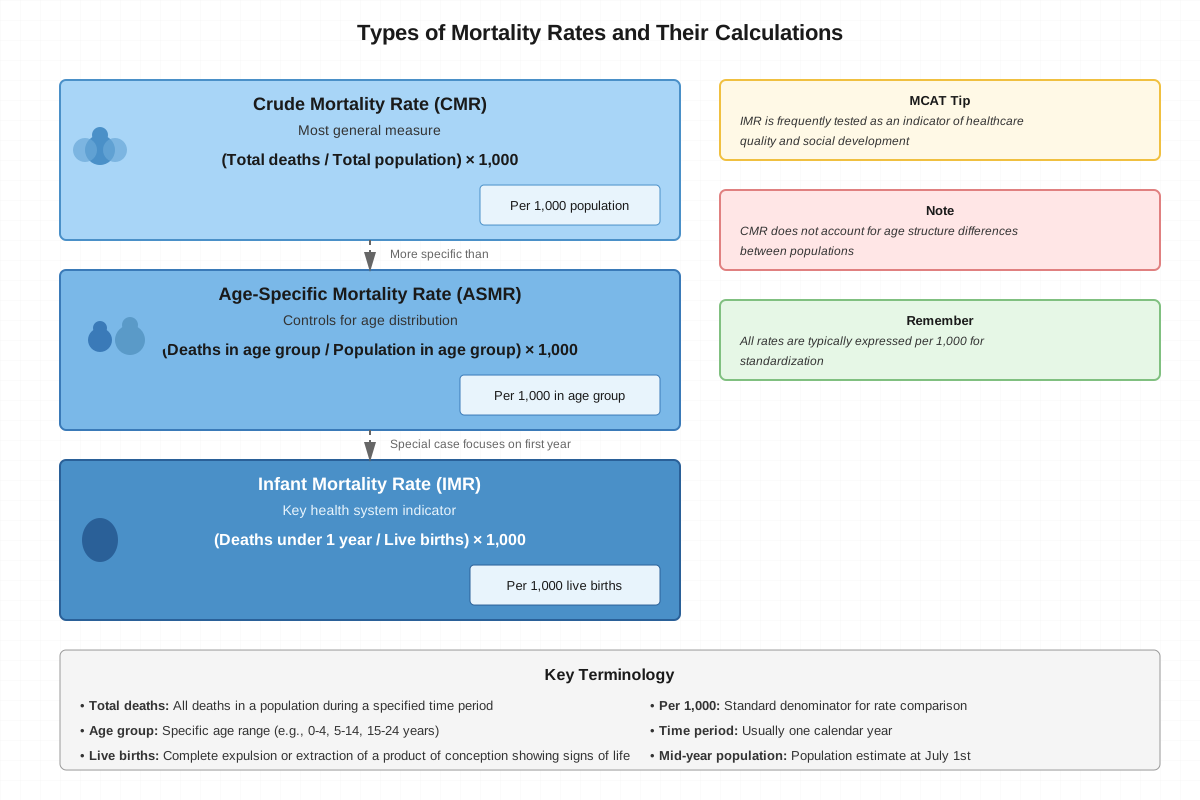
The crude mortality rate (also called crude death rate) represents the most basic mortality measure, calculated as:
Crude Mortality Rate = (Total Deaths / Total Population) × 1,000This rate expresses deaths per 1,000 population per year and provides a general measure of mortality burden. However, crude rates can be misleading when comparing populations with different age structures, since older populations naturally experience higher mortality regardless of health conditions.
Age-specific mortality rates address this limitation by calculating death rates within specific age groups:
Age-Specific Mortality Rate = (Deaths in Age Group / Population in Age Group) × 1,000These rates enable more meaningful comparisons by accounting for age distribution differences. For example, comparing elderly mortality rates between countries provides better insight into healthcare quality for older adults than crude rates alone.
Infant mortality rate (IMR) measures deaths among children under one year of age:
Infant Mortality Rate = (Deaths Under Age 1 / Live Births) × 1,000IMR serves as a sensitive indicator of overall population health, healthcare system quality, maternal health, nutrition, and socioeconomic development. Countries with high infant mortality typically face challenges in healthcare access, sanitation, and poverty.
Mortality Patterns and Differentials
Mortality exhibits systematic variation across social categories, creating mortality differentials that reflect underlying social inequalities. Key patterns include:
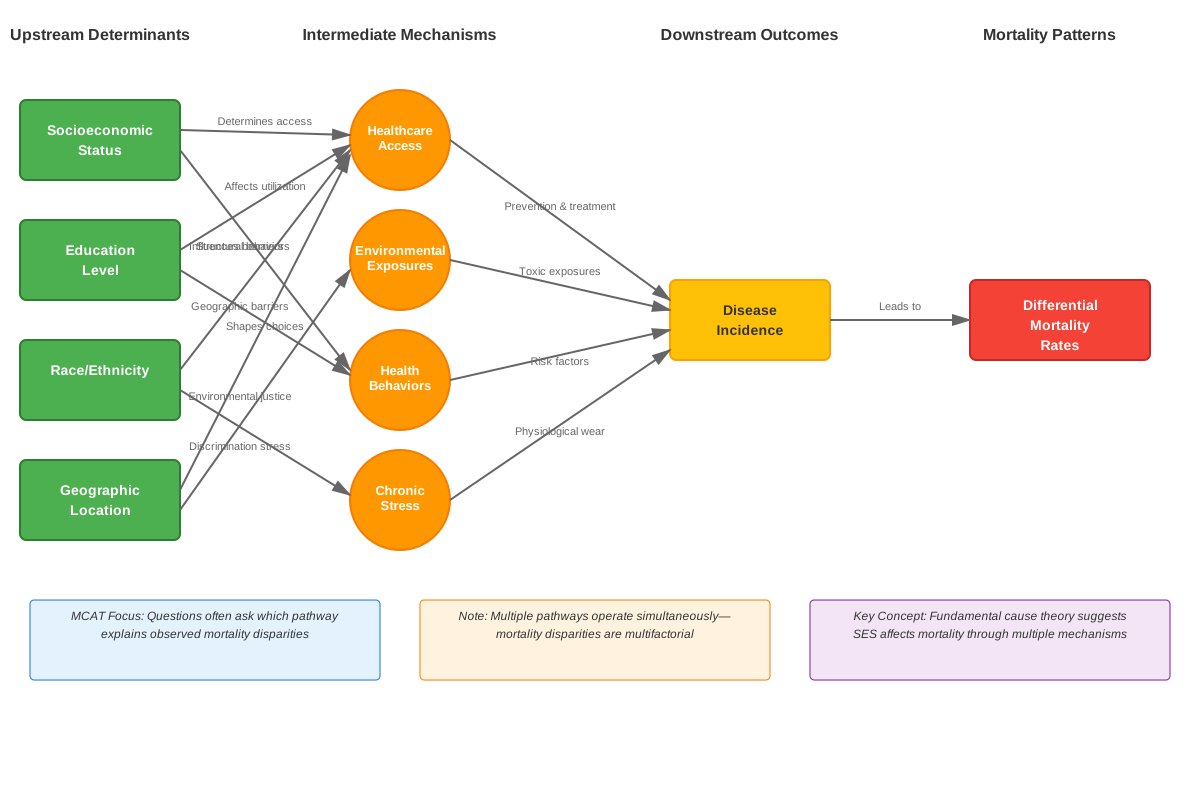
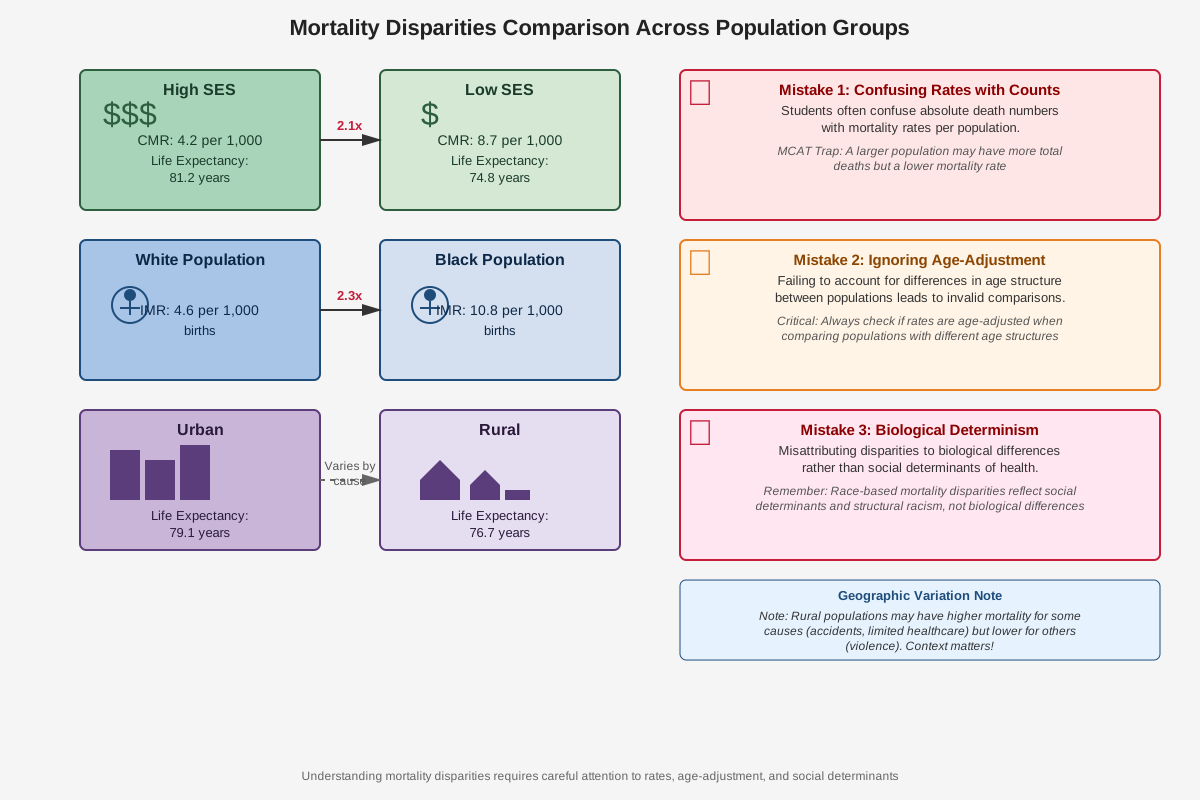
Socioeconomic gradients: Higher socioeconomic status consistently correlates with lower mortality across virtually all causes of death. This gradient operates through multiple mechanisms including better healthcare access, healthier behaviors, safer living conditions, lower stress, and greater health literacy.
Racial and ethnic disparities: In the United States, Black Americans experience higher mortality rates than White Americans across most age groups and causes, reflecting the cumulative impact of structural racism, residential segregation, healthcare discrimination, and differential exposure to environmental hazards.
Gender differences: Females typically exhibit lower mortality rates than males at all ages, a pattern attributed to both biological factors (hormonal protection, genetic advantages) and social factors (lower rates of risky behaviors, greater healthcare utilization, different occupational exposures).
Geographic variation: Urban versus rural mortality patterns vary by cause—rural areas often show higher mortality from accidents and chronic diseases, while urban areas may show higher rates of violence and certain infectious diseases. International comparisons reveal vast mortality differences reflecting economic development, healthcare systems, and social policies.
Cause-Specific Mortality
Examining mortality by cause reveals how disease patterns shape population health and change over time. Cause-specific mortality rates calculate deaths from particular causes:
Cause-Specific Mortality Rate = (Deaths from Specific Cause / Total Population) × 100,000Leading causes of death in developed nations include cardiovascular disease, cancer, chronic respiratory disease, and cerebrovascular disease—predominantly chronic conditions affecting older adults. Developing nations show higher mortality from infectious diseases, maternal conditions, and nutritional deficiencies, though this pattern is shifting through the epidemiological transition.
The epidemiological transition describes how populations shift from high mortality dominated by infectious diseases and malnutrition to lower mortality dominated by chronic degenerative diseases. This transition accompanies economic development, improved sanitation, medical advances, and changing lifestyle patterns.
Mortality and Life Expectancy
Life expectancy represents the average number of years a person can expect to live based on current mortality rates. While distinct from mortality rates themselves, life expectancy synthesizes mortality patterns across the lifespan into a single, interpretable measure. Declining mortality rates, particularly in infancy and childhood, dramatically increase life expectancy.
Life expectancy at birth reflects mortality conditions across the entire age spectrum, while life expectancy at age 65 specifically captures mortality patterns among older adults. Increases in life expectancy at older ages indicate improvements in managing chronic diseases and extending survival among the elderly.
Social Determinants of Mortality
The social determinants of health framework explains how social conditions shape mortality patterns. Key determinants include:
Economic stability: Income, employment, and wealth affect mortality through multiple pathways—ability to afford healthcare, nutritious food, safe housing, and health-promoting resources. Poverty increases mortality risk across virtually all causes.
Education: Higher educational attainment correlates with lower mortality, operating through improved health literacy, better employment opportunities, healthier behaviors, and greater ability to navigate healthcare systems.
Healthcare access and quality: Insurance coverage, provider availability, and quality of care directly influence mortality from treatable conditions. Lack of access to preventive care, early detection, and effective treatment increases mortality risk.
Neighborhood and built environment: Residential segregation, environmental pollution, food deserts, and unsafe neighborhoods create differential mortality risks. Environmental justice issues disproportionately expose marginalized communities to health hazards.
Social and community context: Social support, discrimination, community cohesion, and chronic stress affect mortality through both direct physiological pathways (stress response, inflammation) and indirect behavioral pathways (coping behaviors, healthcare utilization).
Mortality in Demographic Transitions
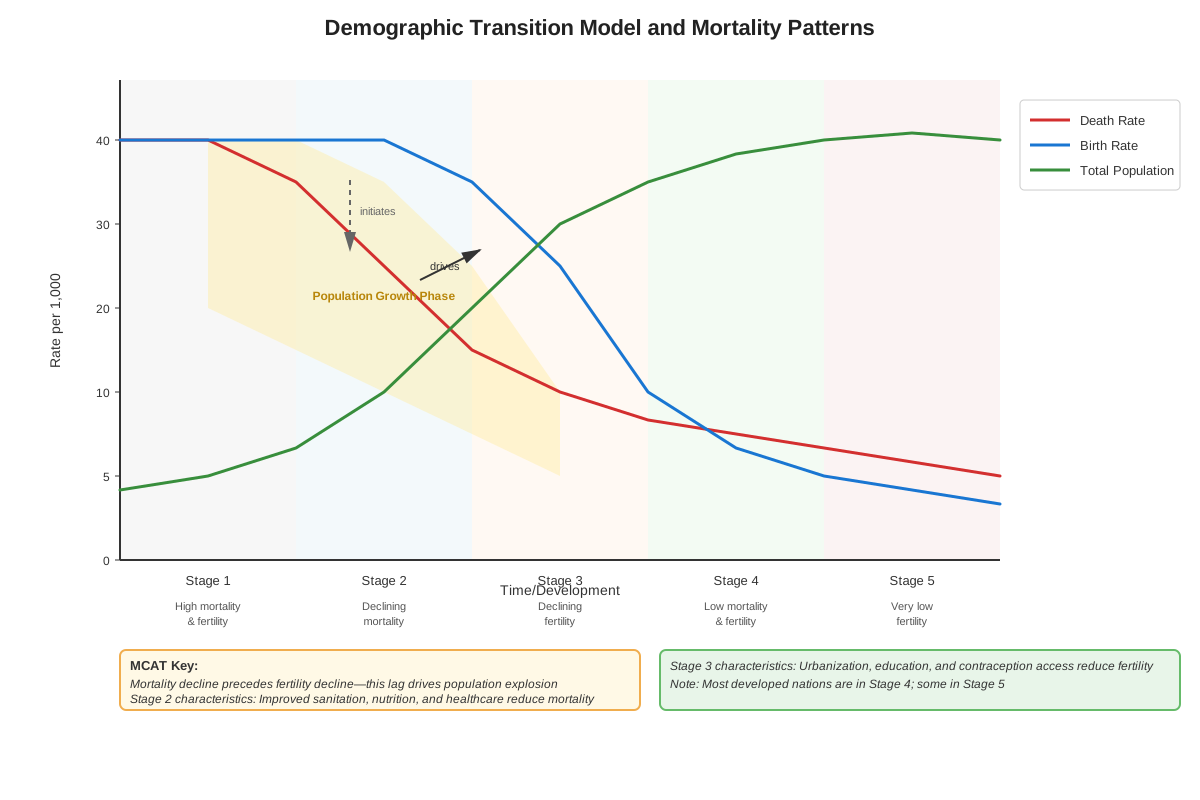
The demographic transition model describes how populations shift from high birth and death rates to low birth and death rates as societies modernize. Mortality decline typically precedes fertility decline, creating a period of rapid population growth. Understanding this sequence helps explain population aging, changing dependency ratios, and social policy challenges.
Stage 1 (pre-transition) features high mortality from infectious diseases, malnutrition, and poor sanitation. Stage 2 (early transition) shows declining mortality, particularly infant and child mortality, due to public health improvements. Stage 3 (late transition) exhibits low mortality concentrated at older ages. Stage 4 (post-transition) shows very low mortality with most deaths occurring in old age from chronic diseases.
Concept Relationships
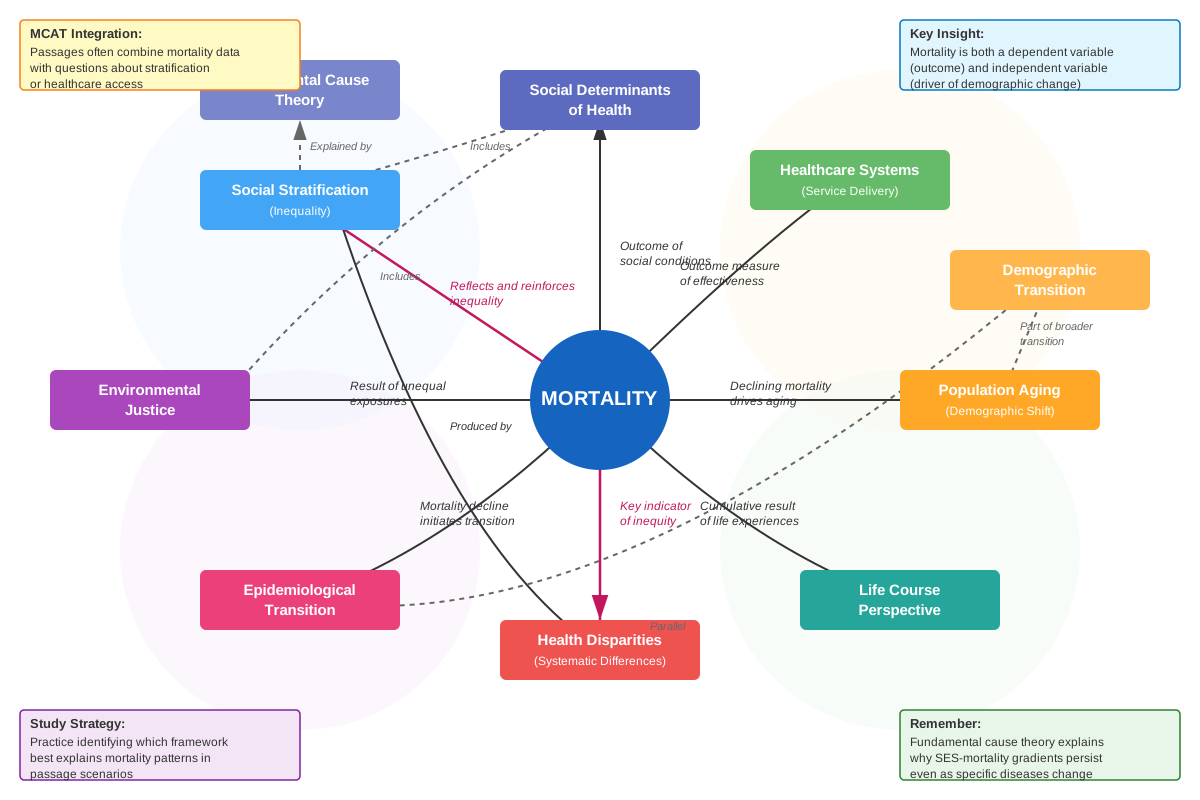
Mortality serves as a central node connecting multiple demographic and sociological concepts. Mortality rates directly influence population growth (along with fertility and migration), creating the foundation for demographic analysis. Declining mortality → increased life expectancy → population aging → changing dependency ratios → social policy challenges.
Social determinants of health → differential mortality patterns → health disparities → social stratification reinforcement. This relationship demonstrates how mortality both reflects and perpetuates social inequality. Groups with lower socioeconomic status experience higher mortality, which in turn affects family stability, economic productivity, and intergenerational mobility.
Epidemiological transition → changing cause-specific mortality → demographic transition → population aging. As infectious disease mortality declines and chronic disease mortality becomes dominant, populations age and require different healthcare systems and social support structures.
Infant mortality serves as a particularly sensitive indicator connecting maternal health, healthcare access, socioeconomic development, and overall population health. High infant mortality → lower life expectancy → indication of broader health system challenges.
Mortality differentials connect to concepts of health equity, environmental justice, structural racism, and social stratification. These differentials provide measurable evidence of how social structures create unequal health outcomes, making mortality a key outcome variable for evaluating social justice.
High-Yield Facts
⭐ Infant mortality rate is the most sensitive indicator of overall population health and socioeconomic development, reflecting maternal health, healthcare access, nutrition, and sanitation quality.
⭐ Mortality exhibits a consistent socioeconomic gradient, with higher socioeconomic status associated with lower mortality across virtually all causes of death in all populations studied.
⭐ The crude mortality rate can be misleading when comparing populations with different age structures because older populations naturally have higher death rates regardless of health conditions.
⭐ Life expectancy at birth in the United States shows significant racial disparities, with Black Americans experiencing approximately 3-4 years lower life expectancy than White Americans, reflecting cumulative effects of structural racism and health inequities.
⭐ The epidemiological transition describes the shift from infectious disease mortality to chronic disease mortality that accompanies economic development and public health improvements.
- Age-specific mortality rates provide more meaningful comparisons than crude rates by accounting for differences in population age structure between groups.
- Maternal mortality ratio measures deaths during pregnancy and childbirth per 100,000 live births, serving as an indicator of women's health and healthcare quality.
- Cause-specific mortality rates identify leading causes of death, which differ substantially between developed nations (chronic diseases) and developing nations (infectious diseases).
- Mortality compression refers to the phenomenon where deaths become increasingly concentrated at older ages as infant, child, and young adult mortality decline.
- Social determinants of health explain the majority of mortality differentials between populations, operating through pathways including healthcare access, environmental exposures, chronic stress, and health behaviors.
Quick check — test yourself on Mortality so far.
Try Flashcards →Common Misconceptions
Misconception: Mortality rate and death rate are different measures requiring different calculations.
Correction: Mortality rate and death rate are synonymous terms both referring to the number of deaths per unit population per time period. The terms are used interchangeably in demography and epidemiology.
Misconception: Higher crude mortality rates always indicate worse population health.
Correction: Crude mortality rates can be higher in healthier populations if they have older age structures. Developed nations with excellent healthcare may show higher crude mortality than younger developing nations simply because they have more elderly residents. Age-specific rates provide more accurate health comparisons.
Misconception: Infant mortality only reflects healthcare quality at birth.
Correction: Infant mortality reflects a broad range of social determinants including prenatal care, maternal nutrition, socioeconomic conditions, environmental quality, and healthcare access throughout the first year of life. It serves as a comprehensive indicator of population health and social development.
Misconception: Mortality differentials between racial groups primarily reflect genetic or biological differences.
Correction: Racial mortality differentials overwhelmingly reflect social determinants of health including structural racism, residential segregation, healthcare discrimination, differential environmental exposures, and socioeconomic inequalities. Race functions as a social category, not a biological one, in explaining health disparities.
Misconception: Life expectancy and mortality rate measure the same thing in different ways.
Correction: While related, these measures capture different aspects of population health. Mortality rates measure the frequency of death in a given period, while life expectancy synthesizes age-specific mortality rates across the lifespan to estimate average years of life remaining. A population can have low mortality rates at most ages but still have modest life expectancy if certain age groups experience high mortality.
Misconception: Declining mortality always leads to population growth.
Correction: Declining mortality initially increases population growth, but if accompanied by declining fertility (as in the demographic transition), populations can eventually stabilize or even decline. Many developed nations with very low mortality now experience population decline due to even lower fertility rates.
Worked Examples
Example 1: Calculating and Interpreting Mortality Rates
Scenario: A researcher examines mortality data from two countries. Country A has 50,000 deaths among a population of 10 million. Country B has 80,000 deaths among a population of 20 million. The age distribution shows Country A has 15% of its population over age 65, while Country B has 8% over age 65.
Question: Which country has the higher crude mortality rate, and what caution should be applied when interpreting this comparison?
Solution:
Step 1: Calculate crude mortality rate for Country A
- Deaths = 50,000
- Population = 10,000,000
- CMR = (50,000 / 10,000,000) × 1,000 = 5.0 deaths per 1,000 population
Step 2: Calculate crude mortality rate for Country B
- Deaths = 80,000
- Population = 20,000,000
- CMR = (80,000 / 20,000,000) × 1,000 = 4.0 deaths per 1,000 population
Step 3: Interpret the comparison
Country A has a higher crude mortality rate (5.0 vs. 4.0 per 1,000). However, Country A also has a substantially older population (15% vs. 8% over age 65). Since mortality increases dramatically with age, Country A's higher crude rate may simply reflect its older age structure rather than worse health conditions.
Caution: The crude mortality rate comparison is potentially misleading due to different age structures. Age-specific mortality rates or age-standardized rates would provide more meaningful comparisons of actual health conditions between these countries. Country A might actually have better healthcare and lower mortality at each age group, but still show a higher crude rate due to having more elderly residents.
Connection to Learning Objectives: This example demonstrates how to calculate mortality rates (LO 6), interpret mortality data critically (LO 3), and identify common mistakes in mortality comparisons (LO 4).
Example 2: Analyzing Social Determinants of Mortality Disparities
Scenario: An MCAT passage presents data showing that census tracts with median household incomes below $35,000 have infant mortality rates of 8.5 per 1,000 live births, while tracts with median incomes above $75,000 have infant mortality rates of 3.2 per 1,000 live births. The passage notes that lower-income tracts also have fewer prenatal care providers, higher rates of food insecurity, greater exposure to environmental pollutants, and lower rates of health insurance coverage.
Question: Which of the following best explains the observed infant mortality differential?
A) Genetic differences between populations in different income brackets
B) Individual behavioral choices regarding prenatal care utilization
C) Multiple social determinants of health operating through interconnected pathways
D) Random variation in infant mortality rates across geographic areas
Solution:
Step 1: Identify the mortality pattern
The data shows a clear socioeconomic gradient in infant mortality, with lower-income areas experiencing nearly three times the infant mortality rate of higher-income areas (8.5 vs. 3.2 per 1,000).
Step 2: Evaluate each answer choice
Choice A: Genetic explanations are inappropriate for socioeconomic comparisons. Income brackets contain diverse populations, and socioeconomic position is not genetically determined. This reflects a common misconception that biological factors explain social disparities.
Choice B: While individual behaviors matter, framing the issue as individual choice ignores the structural factors described in the passage—fewer providers, food insecurity, environmental exposures, and insurance gaps. This represents an individualistic fallacy that overlooks social determinants.
Choice C: This answer recognizes that multiple social determinants (healthcare access, nutrition, environmental quality, economic resources) operate simultaneously through interconnected pathways to create the observed mortality differential. The passage explicitly describes these multiple factors.
Choice D: The magnitude and consistency of the difference (nearly 3-fold) across income categories indicates a systematic pattern, not random variation.
Step 3: Select the best answer
Choice C is correct. The infant mortality differential reflects the cumulative impact of multiple social determinants of health operating through interconnected pathways. Lower-income communities face simultaneous disadvantages in healthcare access, nutrition, environmental quality, and economic resources, all of which contribute to higher infant mortality.
Connection to Learning Objectives: This example applies mortality concepts to exam-style questions (LO 3), analyzes social determinants creating mortality patterns (LO 7), and connects mortality to broader sociological concepts of health equity and social stratification (LO 5).
Exam Strategy
Approaching MCAT Mortality Questions
When encountering mortality-related questions, first identify whether the question requires: (1) calculation or interpretation of mortality rates, (2) analysis of factors causing mortality differentials, or (3) evaluation of demographic consequences of mortality patterns. Each question type demands different approaches.
For calculation questions, carefully identify the numerator (deaths in the specified group) and denominator (population at risk), then apply the appropriate formula. Watch for whether the question asks for crude rates, age-specific rates, or cause-specific rates—using the wrong denominator is a common error.
For interpretation questions, consider population age structure before drawing conclusions about health conditions. If comparing crude mortality rates between populations, ask whether age differences might explain observed patterns. Look for passage information about age distribution or life expectancy that provides context.
For social determinants questions, think systematically about pathways connecting social conditions to mortality outcomes. MCAT questions typically reward answers that recognize multiple, interconnected determinants rather than single-factor explanations.
Trigger Words and Phrases
"Crude mortality rate" or "crude death rate" signals that age structure differences might confound comparisons—consider whether the question requires recognizing this limitation.
"Infant mortality rate" indicates a question about population health indicators, healthcare access, or socioeconomic development. Remember that IMR serves as a sensitive indicator of overall population health.
"Age-specific" or "age-adjusted" signals that the data accounts for age structure differences, making comparisons more valid than crude rates.
"Mortality differential" or "mortality disparity" indicates a question about social determinants of health, health equity, or structural factors creating unequal outcomes.
"Life expectancy" questions often connect to mortality patterns but require understanding that life expectancy synthesizes mortality across the lifespan rather than measuring mortality directly.
"Leading causes of death" signals questions about the epidemiological transition, chronic versus infectious disease patterns, or differences between developed and developing nations.
Process of Elimination Tips
Eliminate answers that:
- Attribute social patterns to genetic or purely biological factors without evidence
- Explain population-level phenomena through individual choices alone, ignoring structural factors
- Confuse mortality rates with other measures (prevalence, incidence, morbidity)
- Draw conclusions about health conditions based solely on crude rates without considering age structure
- Suggest that mortality differentials are random or unexplainable when systematic patterns exist
Favor answers that:
- Recognize multiple, interconnected social determinants of health
- Account for age structure when interpreting mortality comparisons
- Connect mortality patterns to broader sociological concepts (stratification, inequality, structural factors)
- Acknowledge that mortality serves as an outcome reflecting cumulative social conditions
- Use appropriate technical terminology (crude vs. age-specific rates, infant mortality, life expectancy)
Time Allocation
Mortality questions typically require 60-90 seconds. Calculation questions may take slightly longer if complex arithmetic is involved, but MCAT calculations are generally straightforward. Spend more time carefully reading what the question asks for (crude vs. age-specific, which population, which time period) than on the actual calculation. For interpretation questions, quickly scan the passage for relevant data about age structure, socioeconomic factors, or healthcare access before selecting an answer.
Memory Techniques
Mortality Rate Mnemonics
"Dead People" for mortality rate formula structure:
- Deaths in numerator
- Population in denominator
"CACI" for mortality rate types:
- Crude (total deaths/total population)
- Age-specific (deaths in age group/population in age group)
- Cause-specific (deaths from cause/total population)
- Infant (deaths under 1 year/live births)
Social Determinants Visualization
Visualize mortality differentials as a pyramid of disadvantage: populations at the bottom face multiple, stacked disadvantages (poverty + poor healthcare access + environmental hazards + discrimination) that compound to create higher mortality, while those at the top benefit from multiple protective factors that stack to create lower mortality. This image reinforces that mortality differentials reflect cumulative, interconnected social determinants rather than single factors.
Epidemiological Transition Sequence
"I-C-C" for the epidemiological transition:
- Infectious diseases dominate early (high mortality)
- Chronic diseases emerge middle (declining mortality)
- Chronic diseases dominate late (low mortality, older ages)
Age Structure Caution
Remember "Old populations die more" as a reminder that crude mortality rates reflect age structure. When comparing populations, always consider whether age differences might explain mortality differences before concluding that health conditions differ.
Summary
Mortality represents the occurrence of death in populations and serves as a fundamental demographic and sociological measure that reveals patterns of health, inequality, and social organization. The MCAT tests understanding of mortality through rate calculations (crude, age-specific, cause-specific, and infant mortality rates), interpretation of mortality data accounting for age structure differences, and analysis of social determinants creating mortality differentials across populations. Key concepts include recognizing that crude mortality rates can mislead when populations differ in age structure, understanding that infant mortality serves as a sensitive indicator of overall population health and development, and analyzing how social determinants of health (socioeconomic status, healthcare access, education, environment, discrimination) create systematic mortality disparities. The epidemiological transition describes how mortality patterns shift from infectious disease dominance to chronic disease dominance as societies develop. Mortality connects to broader demographic concepts including population growth, aging, and the demographic transition, while also serving as a measurable outcome reflecting social stratification and health equity. Success on MCAT mortality questions requires careful attention to which rate is being calculated or compared, consideration of confounding factors like age structure, and recognition that mortality differentials reflect multiple, interconnected social determinants rather than individual factors or random variation.
Key Takeaways
- Mortality rates measure deaths per unit population, with crude rates providing overall measures while age-specific rates enable more valid comparisons by accounting for age structure differences
- Infant mortality rate serves as the most sensitive indicator of population health, reflecting maternal health, healthcare access, nutrition, socioeconomic development, and overall health system quality
- Mortality exhibits consistent socioeconomic gradients, with higher socioeconomic status associated with lower mortality across virtually all causes through multiple interconnected pathways
- Social determinants of health explain the majority of mortality differentials, operating through healthcare access, environmental exposures, chronic stress, economic resources, and structural inequalities
- The epidemiological transition describes the shift from infectious disease mortality to chronic disease mortality that accompanies development, changing population age structure and healthcare needs
- Crude mortality rates can mislead when comparing populations with different age structures because older populations naturally experience higher mortality regardless of health conditions
- Mortality connects to demographic transitions, population aging, and health equity, serving as both a demographic measure and a sociological indicator of how societies distribute resources and risks
Related Topics
Morbidity and Disease Burden: Understanding how illness patterns (morbidity) relate to death patterns (mortality) provides a complete picture of population health. Morbidity measures complement mortality data by capturing non-fatal health conditions that affect quality of life.
Life Expectancy and Healthy Life Expectancy: These measures synthesize mortality patterns into interpretable indicators of how long people live and how many of those years are spent in good health, connecting mortality to quality of life considerations.
Demographic Transition Model: This framework explains how mortality decline (along with fertility changes) drives population growth patterns, age structure shifts, and social policy challenges as societies modernize.
Health Disparities and Health Equity: Mortality differentials serve as key evidence of health disparities, connecting to broader discussions of social justice, structural racism, and efforts to achieve health equity across populations.
Epidemiology and Public Health: Understanding mortality requires familiarity with epidemiological methods for measuring disease patterns and evaluating public health interventions designed to reduce mortality.
Social Stratification and Inequality: Mortality gradients by socioeconomic status demonstrate how social stratification literally becomes embodied in differential survival, connecting demographic outcomes to sociological theories of inequality.
Practice CTA
Now that you've mastered the core concepts of mortality, it's time to reinforce your learning through active practice. Attempt the practice questions to test your ability to calculate mortality rates, interpret demographic data, and analyze social determinants of mortality differentials. Use the flashcards to memorize high-yield facts about mortality patterns, rate calculations, and common MCAT question types. Remember that mortality questions frequently appear in MCAT passages involving health disparities, demographic change, and public health interventions—topics that reward deep conceptual understanding rather than simple memorization. Your investment in mastering this material will pay dividends not only on test day but throughout your medical career as you work to understand and address health inequities in patient populations. You've got this!
Sign up free to keep reading
Create a free AnvayaPrep account to finish this MCAT guide on Mortality — plus flashcards and practice questions.