Overview
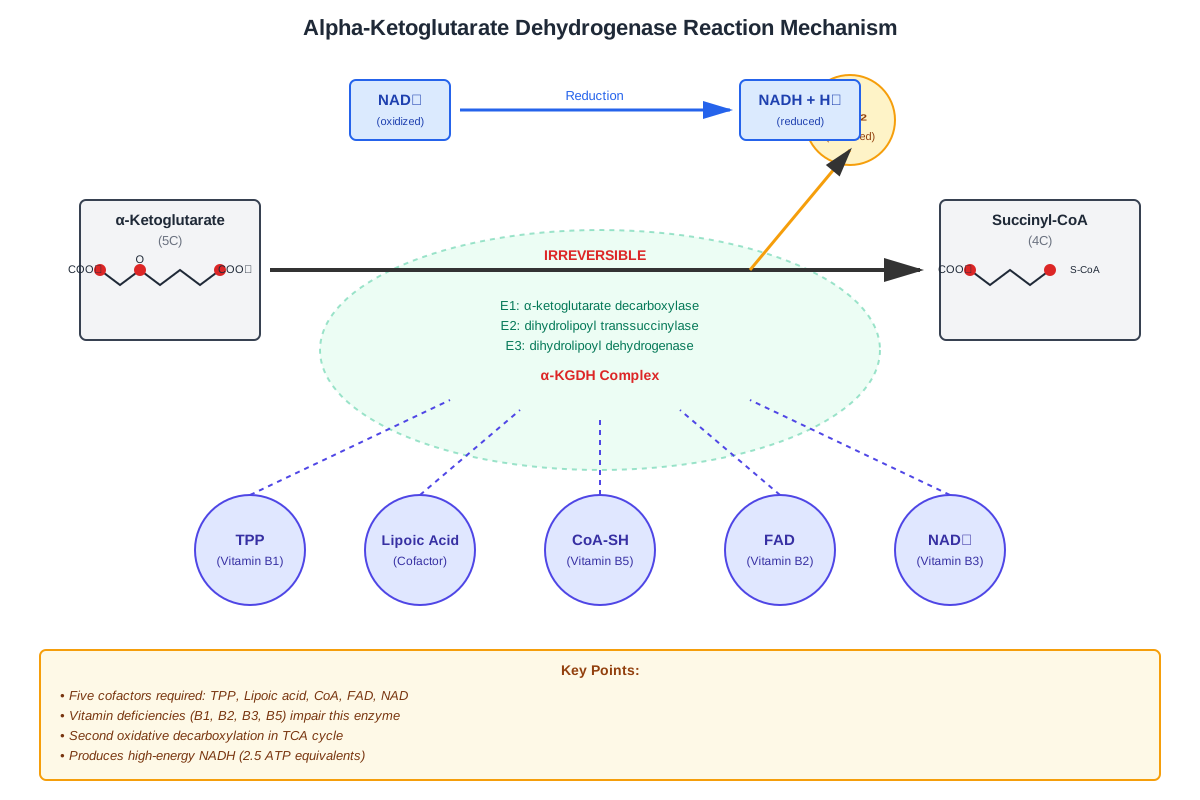
Alpha-ketoglutarate dehydrogenase (α-ketoglutarate dehydrogenase, α-KGDH) represents one of the most critical regulatory enzymes in cellular metabolism, serving as a rate-limiting step in the citric acid cycle (Krebs cycle, TCA cycle). This multi-enzyme complex catalyzes the irreversible oxidative decarboxylation of α-ketoglutarate to succinyl-CoA, simultaneously reducing NAD+ to NADH and releasing CO₂. Understanding this enzyme is essential for MCAT success because it integrates multiple high-yield concepts: enzyme kinetics, metabolic regulation, cofactor requirements, and energy production pathways.
For the MCAT, α-ketoglutarate dehydrogenase exemplifies several testable principles in Biochemistry. The enzyme complex demonstrates how cells coordinate energy metabolism through allosteric regulation and product inhibition. Questions frequently test students' understanding of how this enzyme responds to cellular energy status, its structural similarity to other dehydrogenase complexes, and its role in connecting carbohydrate metabolism to amino acid metabolism. The enzyme's requirement for five different cofactors makes it a favorite target for questions about vitamin deficiencies and their metabolic consequences.
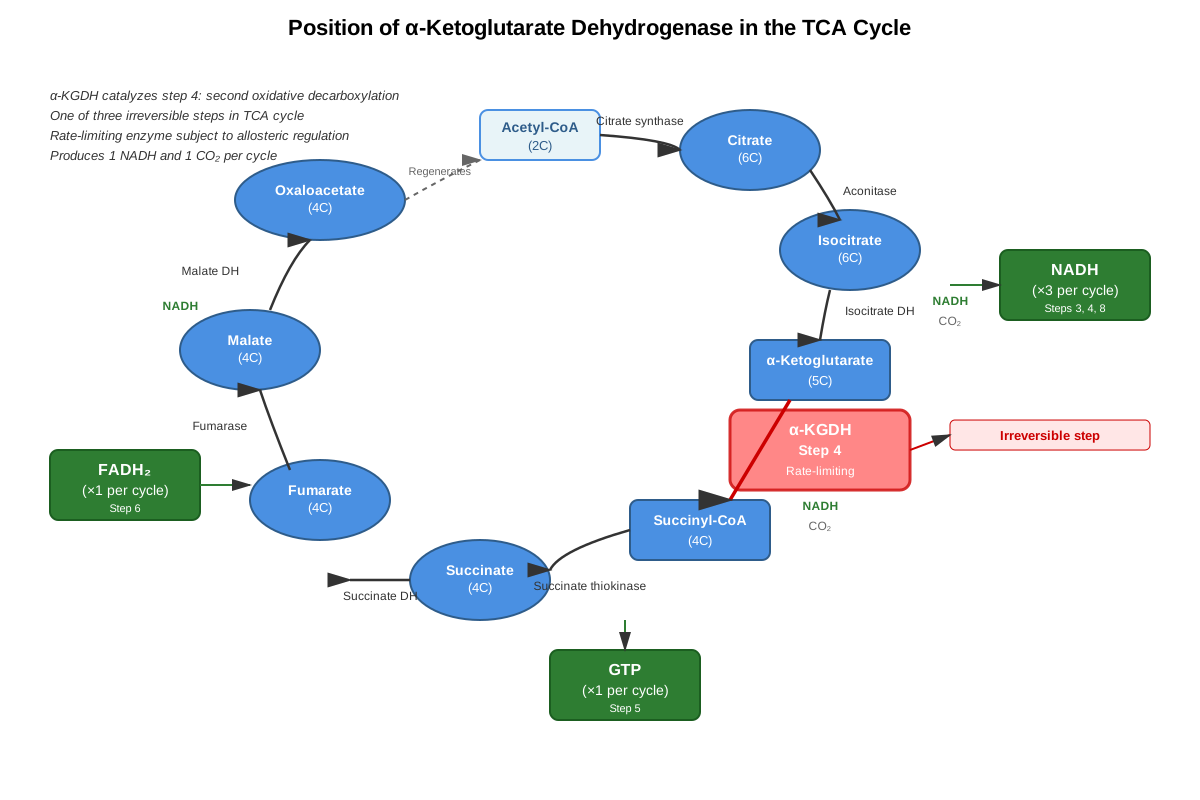
Within the broader context of cellular respiration and energy metabolism, α-ketoglutarate dehydrogenase occupies a strategic position. It catalyzes the fourth step of the citric acid cycle, occurring after isocitrate dehydrogenase and before succinate thiokinase. This enzyme complex shares remarkable structural and mechanistic similarity with pyruvate dehydrogenase and branched-chain α-ketoacid dehydrogenase, forming a family of related enzyme complexes that students must distinguish on the exam. Mastery of α-ketoglutarate dehydrogenase provides insight into metabolic integration, regulatory mechanisms, and the biochemical basis of several clinical conditions.
Learning Objectives
- [ ] Define alpha-ketoglutarate dehydrogenase using accurate Biochemistry terminology
- [ ] Explain why alpha-ketoglutarate dehydrogenase matters for the MCAT
- [ ] Apply alpha-ketoglutarate dehydrogenase concepts to exam-style questions
- [ ] Identify common mistakes related to alpha-ketoglutarate dehydrogenase
- [ ] Connect alpha-ketoglutarate dehydrogenase to related Biochemistry concepts
- [ ] Describe the complete reaction mechanism and all five required cofactors
- [ ] Analyze the allosteric regulation of α-ketoglutarate dehydrogenase and predict enzyme activity under various metabolic conditions
- [ ] Compare and contrast α-ketoglutarate dehydrogenase with pyruvate dehydrogenase complex in terms of structure, regulation, and metabolic role
Prerequisites
- Citric Acid Cycle (TCA Cycle) Overview: Understanding the complete cycle is essential because α-ketoglutarate dehydrogenase catalyzes one of its eight reactions, and students must know where this step fits in the overall pathway.
- Enzyme Kinetics and Regulation: Knowledge of allosteric regulation, competitive/non-competitive inhibition, and feedback inhibition is necessary to understand how this enzyme responds to cellular energy status.
- Oxidation-Reduction Reactions: Familiarity with redox reactions and electron carriers (NAD+/NADH) is required because the enzyme catalyzes an oxidative decarboxylation.
- Coenzyme A (CoA) Structure and Function: Understanding CoA as an acyl group carrier is fundamental to comprehending the reaction product (succinyl-CoA).
- Vitamin-Derived Cofactors: Basic knowledge of B vitamins and their coenzyme forms is necessary because α-ketoglutarate dehydrogenase requires five different cofactors.
Why This Topic Matters
Clinical Significance
α-Ketoglutarate dehydrogenase deficiency, though rare, causes severe neurological impairment, lactic acidosis, and developmental delays. The enzyme's sensitivity to oxidative stress makes it a target in neurodegenerative diseases including Alzheimer's disease, where decreased α-KGDH activity contributes to reduced energy production in neurons. Thiamine (vitamin B₁) deficiency, which impairs α-ketoglutarate dehydrogenase function, manifests as beriberi and Wernicke-Korsakoff syndrome, conditions that may appear in MCAT clinical vignettes. Understanding this enzyme helps explain why tissues with high energy demands (brain, heart, skeletal muscle) are particularly vulnerable to metabolic disruptions.
MCAT Exam Relevance
α-Ketoglutarate dehydrogenase appears in approximately 3-5% of MCAT Biochemistry questions, typically within passages about cellular respiration, metabolic regulation, or vitamin deficiencies. The enzyme is particularly high-yield because it integrates multiple testable concepts: the citric acid cycle, cofactor requirements, allosteric regulation, and metabolic control. Questions often present experimental data showing enzyme activity under different conditions or ask students to predict metabolic consequences of enzyme inhibition.
Common Exam Contexts
MCAT passages featuring α-ketoglutarate dehydrogenase typically appear in three formats: (1) research passages investigating metabolic regulation where students must interpret graphs showing enzyme activity versus substrate or regulator concentration; (2) clinical vignettes describing patients with vitamin deficiencies or metabolic disorders where students must identify the affected enzyme and predict metabolic consequences; (3) experimental passages comparing different dehydrogenase complexes where students must recognize structural and functional similarities. Discrete questions often test cofactor requirements, regulatory mechanisms, or the enzyme's position within the citric acid cycle.
Core Concepts
Enzyme Structure and Classification
Alpha-ketoglutarate dehydrogenase is not a single enzyme but rather a multi-enzyme complex consisting of three distinct enzymatic components, similar in organization to the pyruvate dehydrogenase complex. The complex includes: E1 (α-ketoglutarate decarboxylase), E2 (dihydrolipoyl transsuccinylase), and E3 (dihydrolipoyl dehydrogenase). This architectural arrangement allows for substrate channeling, where the product of one enzymatic reaction is directly transferred to the next enzyme without diffusing into solution, dramatically increasing catalytic efficiency.
The molecular weight of the complete complex exceeds 2 million daltons, making it one of the largest enzyme complexes in cellular metabolism. The E2 component forms the structural core, with multiple E1 and E3 subunits attached to its surface. This organization is critical for understanding how the complex coordinates the sequential reactions required to convert α-ketoglutarate to succinyl-CoA.
The Complete Reaction Mechanism
The overall reaction catalyzed by the α-ketoglutarate dehydrogenase complex is:
α-ketoglutarate + NAD+ + CoA-SH → Succinyl-CoA + NADH + H+ + CO₂This reaction proceeds through five distinct steps, each requiring a specific cofactor:
- Decarboxylation (E1 component): α-ketoglutarate binds to the E1 subunit, where thiamine pyrophosphate (TPP), derived from vitamin B₁, facilitates the removal of CO₂. The TPP carbanion attacks the carbonyl carbon of α-ketoglutarate, forming a covalent intermediate. This step is mechanistically identical to the decarboxylation step in pyruvate dehydrogenase.
- Oxidation and Transfer (E1 to E2): The hydroxyethyl-TPP intermediate is oxidized, and the resulting acyl group is transferred to the lipoic acid prosthetic group attached to the E2 component. Lipoic acid (lipoamide), derived from octanoic acid, serves as a swinging arm that moves between active sites.
- Transacylation (E2 component): The acyl group attached to lipoic acid is transferred to coenzyme A (derived from pantothenic acid, vitamin B₅), forming succinyl-CoA. This high-energy thioester bond preserves much of the energy from the oxidation reaction.
- Reoxidation of Lipoic Acid (E2 to E3): The reduced lipoic acid (dihydrolipoamide) must be reoxidized to participate in another catalytic cycle. This oxidation is coupled to the reduction of FAD (flavin adenine dinucleotide, derived from riboflavin, vitamin B₂) bound to the E3 component.
- Regeneration of FAD (E3 component): The FADH₂ is reoxidized by transferring electrons to NAD+ (derived from niacin, vitamin B₃), producing NADH. This NADH can then enter the electron transport chain to generate ATP.
Cofactor Requirements: The "Tender Loving Care For Nancy"
The α-ketoglutarate dehydrogenase complex requires five cofactors, making it one of the most cofactor-dependent enzymes in metabolism:
| Cofactor | Vitamin Source | Role in Reaction | Enzyme Component |
|---|---|---|---|
| Thiamine pyrophosphate (TPP) | Vitamin B₁ (Thiamine) | Decarboxylation | E1 |
| Lipoic acid (Lipoamide) | Synthesized from octanoate | Acyl group carrier | E2 |
| Coenzyme A (CoA-SH) | Vitamin B₅ (Pantothenic acid) | Acyl group acceptor | E2 |
| FAD | Vitamin B₂ (Riboflavin) | Electron acceptor | E3 |
| NAD+ | Vitamin B₃ (Niacin) | Final electron acceptor | E3 |
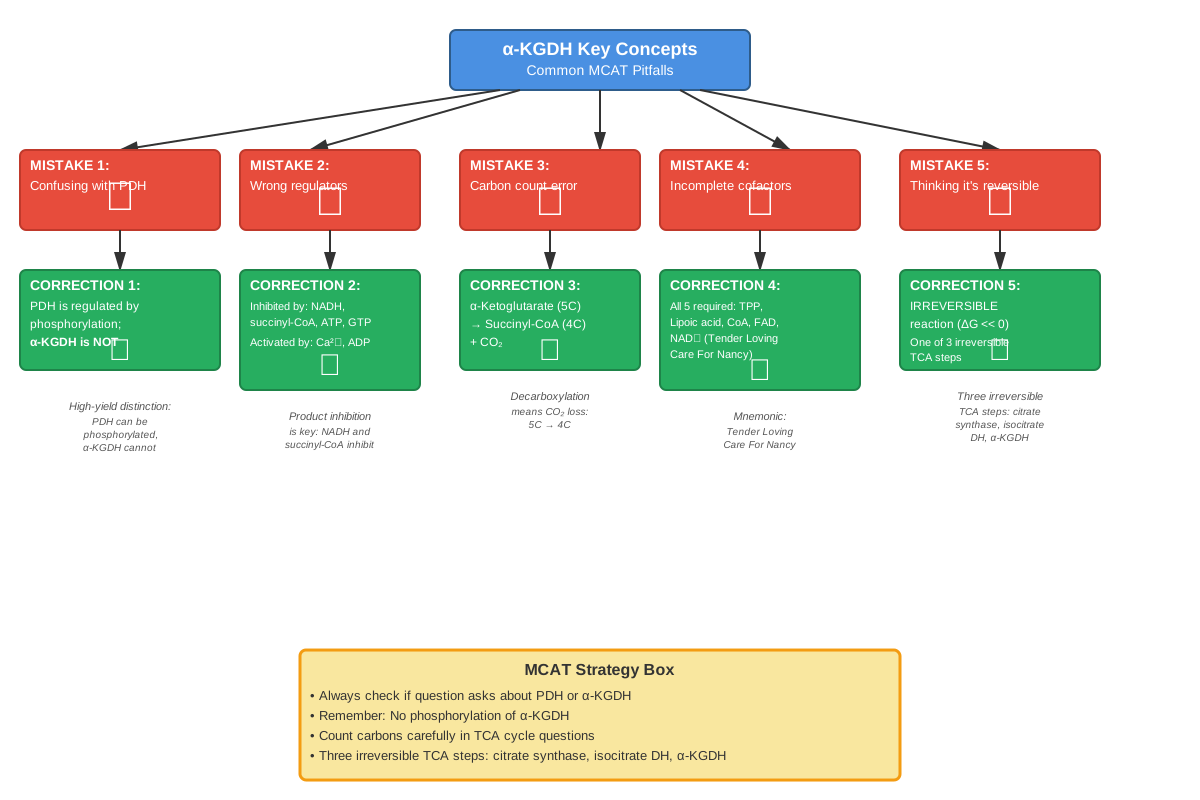
This cofactor requirement makes the enzyme vulnerable to multiple vitamin deficiencies, a concept frequently tested on the MCAT. The mnemonic "Tender Loving Care For Nancy" helps students remember the five cofactors in order.
Metabolic Position and Energetics
α-Ketoglutarate dehydrogenase catalyzes the fourth reaction of the citric acid cycle, positioned strategically after the first oxidative decarboxylation (isocitrate → α-ketoglutarate) and before the substrate-level phosphorylation step (succinyl-CoA → succinate). This positioning is significant because:
- The reaction is irreversible under physiological conditions (ΔG°' = -33 kJ/mol), making it a committed step and potential control point
- It generates the second NADH of the cycle (the first being produced by isocitrate dehydrogenase)
- It produces the second CO₂ molecule released per acetyl-CoA oxidized
- It creates succinyl-CoA, a high-energy intermediate that drives GTP/ATP synthesis in the next step
The irreversibility of this reaction means that α-ketoglutarate cannot be regenerated from succinyl-CoA, distinguishing this step from several reversible reactions in the cycle.
Allosteric Regulation and Metabolic Control
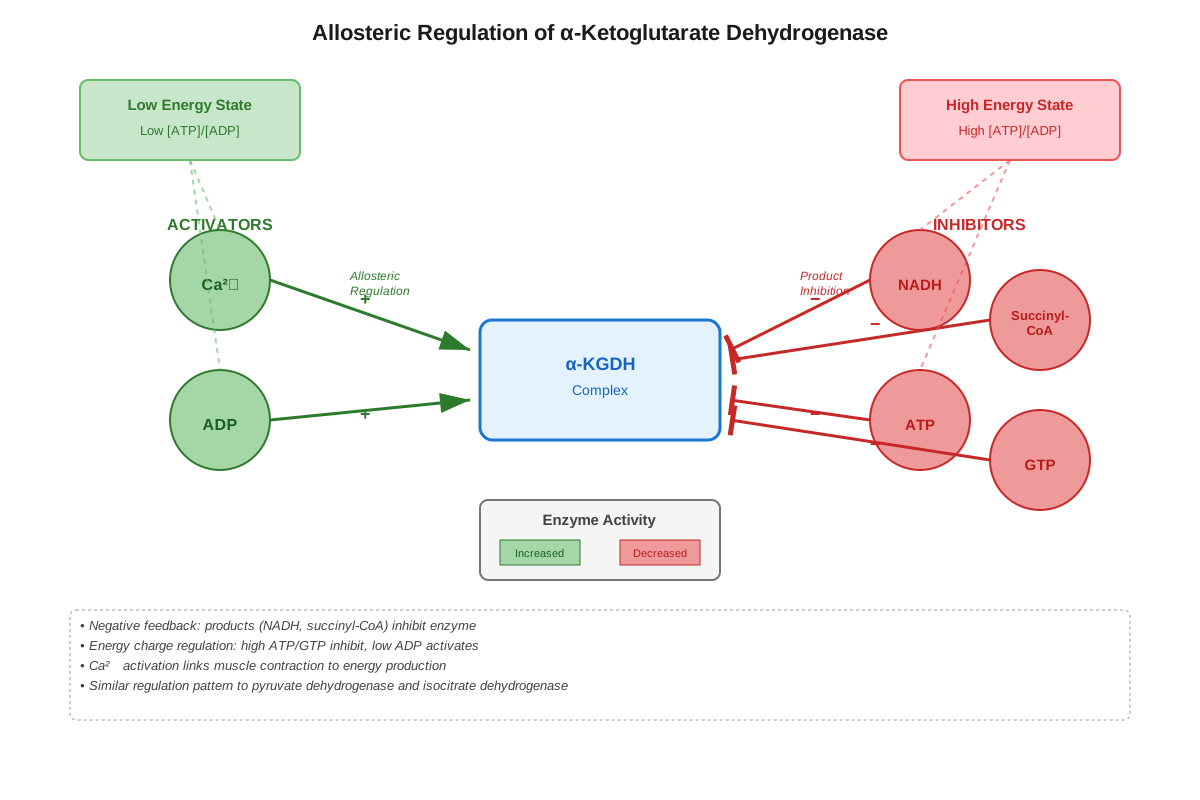
α-Ketoglutarate dehydrogenase exemplifies negative feedback regulation and responds to the cell's energy status through multiple mechanisms:
Inhibitors (indicate high energy status):
- Succinyl-CoA (product inhibition): The immediate product of the reaction inhibits the enzyme, preventing wasteful overproduction
- NADH (product inhibition): High NADH/NAD+ ratios signal sufficient reducing equivalents and slow the enzyme
- ATP: High ATP levels indicate adequate energy and reduce enzyme activity
- GTP: Similar to ATP, signals energy sufficiency
Activators (indicate low energy status):
- Ca²+: Calcium ions activate the enzyme, particularly important in muscle tissue where Ca²+ signals contraction and increased energy demand
- ADP: Low energy charge (high ADP/ATP ratio) stimulates enzyme activity
This regulatory pattern makes physiological sense: when the cell has abundant energy (high ATP, NADH, succinyl-CoA), the enzyme slows down to prevent unnecessary substrate oxidation. Conversely, when energy is needed (high ADP, low NADH), the enzyme accelerates to increase ATP production through the citric acid cycle and electron transport chain.
MCAT Exam Tip: Questions often present scenarios with altered ATP/ADP or NADH/NAD+ ratios and ask students to predict enzyme activity. Remember that α-ketoglutarate dehydrogenase activity increases when energy is needed and decreases when energy is abundant.
Comparison with Pyruvate Dehydrogenase Complex
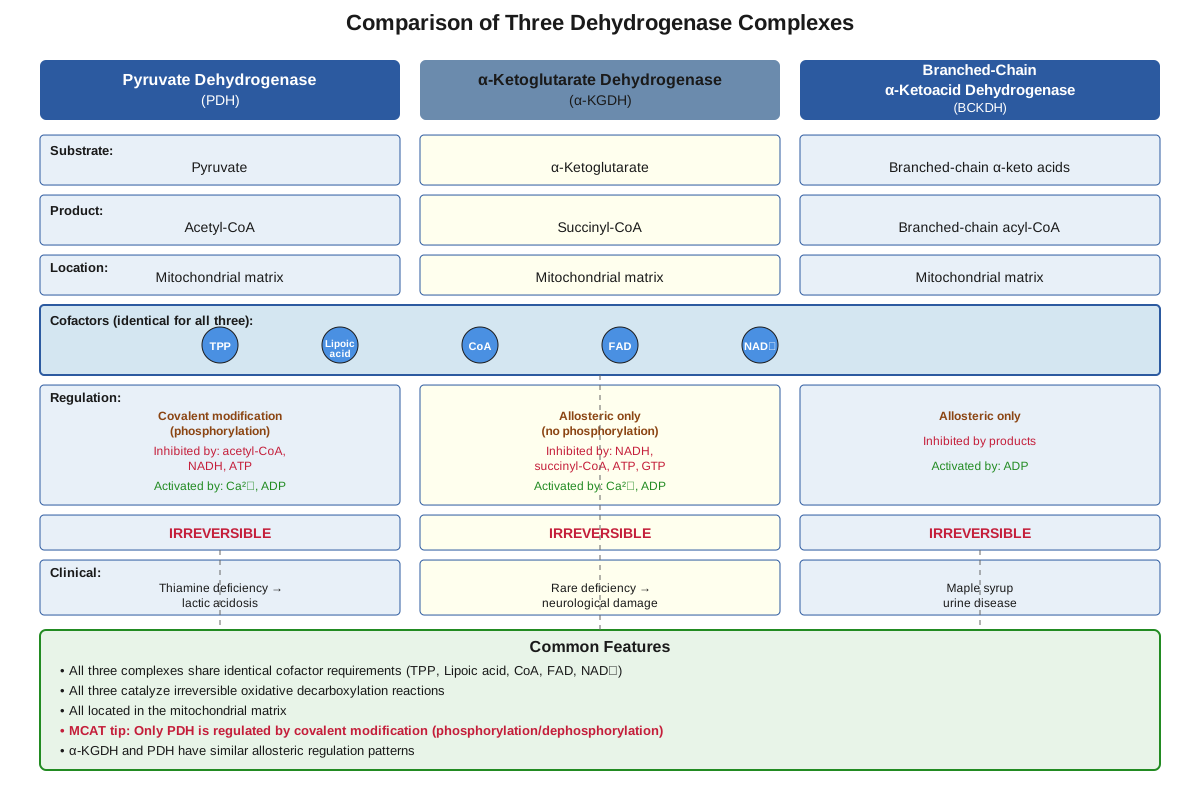
Understanding the similarities and differences between α-ketoglutarate dehydrogenase and pyruvate dehydrogenase complex (PDC) is high-yield for the MCAT:
| Feature | α-Ketoglutarate Dehydrogenase | Pyruvate Dehydrogenase |
|---|---|---|
| Location | Mitochondrial matrix | Mitochondrial matrix |
| Substrate | α-ketoglutarate (5C) | Pyruvate (3C) |
| Product | Succinyl-CoA (4C) | Acetyl-CoA (2C) |
| Cofactors | TPP, Lipoic acid, CoA, FAD, NAD+ | TPP, Lipoic acid, CoA, FAD, NAD+ |
| Regulation | Allosteric only (product inhibition) | Allosteric AND covalent modification (phosphorylation) |
| Metabolic pathway | Citric acid cycle | Links glycolysis to citric acid cycle |
| Reversibility | Irreversible | Irreversible |
The key distinction is that pyruvate dehydrogenase undergoes covalent modification (phosphorylation/dephosphorylation) in addition to allosteric regulation, while α-ketoglutarate dehydrogenase is regulated solely through allosteric mechanisms. This difference reflects their distinct metabolic roles: PDC serves as a critical gateway between glycolysis and the citric acid cycle and requires more stringent regulation.
Connection to Amino Acid Metabolism
α-Ketoglutarate serves as a critical link between the citric acid cycle and amino acid metabolism. Through transamination reactions, α-ketoglutarate can accept amino groups from various amino acids, forming glutamate. This connection means that:
- α-Ketoglutarate dehydrogenase activity affects amino acid catabolism
- Glutamate can be deaminated back to α-ketoglutarate, providing an anaplerotic (cycle-replenishing) mechanism
- The enzyme indirectly participates in nitrogen metabolism and urea cycle function
This integration of carbohydrate and amino acid metabolism through α-ketoglutarate makes the enzyme relevant to questions about metabolic flexibility and nitrogen balance.
Concept Relationships
The concepts within α-ketoglutarate dehydrogenase function are hierarchically organized and interconnected. The enzyme structure (multi-enzyme complex with three components) determines the reaction mechanism (sequential five-step process), which in turn requires specific cofactors (five vitamin-derived molecules). The metabolic position within the citric acid cycle influences the regulatory mechanisms (feedback inhibition by products), which ultimately affects energy production and metabolic integration.
The relationship map flows as follows:
Citric Acid Cycle Context → α-Ketoglutarate Dehydrogenase Complex → Five-Step Reaction Mechanism → Product Formation (Succinyl-CoA, NADH, CO₂) → Energy Production via Electron Transport Chain → Feedback Regulation → Metabolic Control
Connections to prerequisite topics include: the enzyme's position in the citric acid cycle (prerequisite knowledge), its use of NAD+ as an electron acceptor (redox reactions), and its response to allosteric regulators (enzyme kinetics). The enzyme connects forward to topics including electron transport chain (NADH utilization), oxidative phosphorylation (ATP synthesis), amino acid metabolism (α-ketoglutarate as transamination substrate), and metabolic regulation (energy sensing mechanisms).
The parallel relationship with pyruvate dehydrogenase complex demonstrates convergent evolution of enzyme complexes that catalyze similar reactions (oxidative decarboxylation of α-keto acids). Both enzymes share the same cofactor requirements and similar mechanisms, yet differ in their regulatory sophistication, reflecting their distinct metabolic roles.
Quick check — test yourself on Alpha ketoglutarate dehydrogenase so far.
Try Flashcards →High-Yield Facts
⭐ α-Ketoglutarate dehydrogenase catalyzes the irreversible conversion of α-ketoglutarate to succinyl-CoA in the fourth step of the citric acid cycle.
⭐ The enzyme complex requires five cofactors: TPP (B₁), lipoic acid, CoA (B₅), FAD (B₂), and NAD+ (B₃)—remembered by "Tender Loving Care For Nancy."
⭐ The enzyme is inhibited by its products (succinyl-CoA and NADH) and by ATP/GTP, representing classic negative feedback regulation.
⭐ Unlike pyruvate dehydrogenase, α-ketoglutarate dehydrogenase is NOT regulated by covalent modification (phosphorylation), only by allosteric mechanisms.
⭐ The reaction produces one NADH, one CO₂, and one succinyl-CoA (high-energy thioester) per α-ketoglutarate molecule oxidized.
- The enzyme complex consists of three components: E1 (decarboxylase), E2 (transsuccinylase), and E3 (dehydrogenase).
- Thiamine (vitamin B₁) deficiency impairs α-ketoglutarate dehydrogenase function, contributing to lactic acidosis and neurological symptoms.
- The enzyme is activated by calcium ions (Ca²+), linking energy metabolism to cellular signaling, particularly in muscle contraction.
- α-Ketoglutarate dehydrogenase shares the E3 component (dihydrolipoyl dehydrogenase) with pyruvate dehydrogenase and branched-chain α-ketoacid dehydrogenase.
- The reaction is highly exergonic (ΔG°' = -33 kJ/mol), making it essentially irreversible under physiological conditions.
- Decreased α-ketoglutarate dehydrogenase activity is associated with neurodegenerative diseases including Alzheimer's disease.
- The enzyme exhibits substrate channeling, where intermediates are passed directly between active sites without diffusing into solution.
- α-Ketoglutarate serves as a link between the citric acid cycle and amino acid metabolism through transamination reactions.
Common Misconceptions
Misconception: α-Ketoglutarate dehydrogenase and pyruvate dehydrogenase are regulated identically.
Correction: While both enzyme complexes share similar structures and cofactor requirements, pyruvate dehydrogenase is regulated by both allosteric mechanisms AND covalent modification (phosphorylation/dephosphorylation by specific kinases and phosphatases), whereas α-ketoglutarate dehydrogenase is regulated solely through allosteric mechanisms. This distinction is frequently tested on the MCAT.
Misconception: The enzyme produces ATP directly.
Correction: α-Ketoglutarate dehydrogenase does NOT directly produce ATP. It generates NADH (which produces approximately 2.5 ATP when oxidized in the electron transport chain) and succinyl-CoA (which drives GTP/ATP synthesis in the subsequent reaction catalyzed by succinate thiokinase). Students often confuse this with substrate-level phosphorylation.
Misconception: All five cofactors are consumed in the reaction and must be replenished.
Correction: Only CoA and NAD+ are true substrates that are consumed and must be regenerated. TPP, lipoic acid, and FAD are prosthetic groups or tightly bound cofactors that remain associated with the enzyme complex and are regenerated during each catalytic cycle. Understanding this distinction is important for questions about vitamin requirements and cofactor function.
Misconception: The enzyme can operate in reverse to produce α-ketoglutarate from succinyl-CoA.
Correction: The reaction is physiologically irreversible due to its large negative free energy change (ΔG°' = -33 kJ/mol) and the release of CO₂ gas. While succinyl-CoA can be converted back to α-ketoglutarate through alternative pathways, the α-ketoglutarate dehydrogenase reaction itself cannot run in reverse under cellular conditions.
Misconception: Lipoic acid is a vitamin that must be obtained from the diet.
Correction: Unlike the other cofactors required by α-ketoglutarate dehydrogenase, lipoic acid is synthesized endogenously from octanoic acid and is not classified as a vitamin. Only thiamine (B₁), riboflavin (B₂), niacin (B₃), and pantothenic acid (B₅) must be obtained from dietary sources.
Misconception: The enzyme is located in the cytoplasm like glycolytic enzymes.
Correction: α-Ketoglutarate dehydrogenase is located exclusively in the mitochondrial matrix, where the citric acid cycle operates. This compartmentalization is essential for coordinating the cycle with the electron transport chain and maintaining appropriate concentrations of substrates and products.
Misconception: Calcium inhibits the enzyme because high Ca²+ indicates cellular stress.
Correction: Calcium actually ACTIVATES α-ketoglutarate dehydrogenase. This makes physiological sense because Ca²+ signals increased cellular activity (especially muscle contraction), which requires more ATP production. The enzyme responds by increasing its activity to meet the elevated energy demand.
Worked Examples
Example 1: Predicting Metabolic Consequences of Enzyme Inhibition
Question: A researcher develops a specific inhibitor of α-ketoglutarate dehydrogenase and adds it to isolated mitochondria actively oxidizing pyruvate. Which of the following metabolic changes would be expected?
A) Increased NADH production
B) Accumulation of α-ketoglutarate
C) Increased ATP synthesis
D) Decreased CO₂ production
Solution:
Step 1: Identify what α-ketoglutarate dehydrogenase does.
The enzyme converts α-ketoglutarate to succinyl-CoA, producing NADH and CO₂ in the process. It catalyzes the fourth step of the citric acid cycle.
Step 2: Determine the immediate consequence of inhibition.
If the enzyme is inhibited, α-ketoglutarate cannot be converted to succinyl-CoA. This means:
- α-Ketoglutarate will accumulate (substrate builds up)
- Succinyl-CoA production will decrease (product formation blocked)
- NADH production from this step will decrease
- CO₂ production from this step will decrease
Step 3: Consider downstream effects.
With the cycle blocked at this step:
- Subsequent cycle reactions (succinate → fumarate → malate → oxaloacetate) will slow down
- Overall NADH production from the cycle will decrease
- ATP synthesis will decrease (less NADH for electron transport chain)
- CO₂ production will decrease (this step produces one of two CO₂ molecules per cycle)
Step 4: Evaluate each answer choice.
- A) Increased NADH production: INCORRECT—NADH production would decrease
- B) Accumulation of α-ketoglutarate: CORRECT—substrate accumulates when enzyme is blocked
- C) Increased ATP synthesis: INCORRECT—ATP synthesis would decrease
- D) Decreased CO₂ production: Also CORRECT, but if only one answer is allowed, B is the most direct consequence
Answer: B (or D, depending on question format)
Key Concept: When an enzyme is inhibited, its substrate accumulates and its products decrease. Understanding the position of α-ketoglutarate dehydrogenase in the citric acid cycle allows prediction of metabolic consequences.
Example 2: Analyzing Regulatory Mechanisms
Question: A muscle cell transitions from rest to intense contraction. The intracellular concentration of Ca²+ increases 100-fold, ATP decreases by 30%, and ADP increases proportionally. How would these changes affect α-ketoglutarate dehydrogenase activity, and what is the physiological rationale?
Solution:
Step 1: Identify the regulatory factors affecting the enzyme.
From the question:
- Ca²+ increases dramatically (100-fold)
- ATP decreases (30% reduction)
- ADP increases (proportional to ATP decrease)
Step 2: Recall how each factor affects enzyme activity.
- Ca²+ is an ACTIVATOR of α-ketoglutarate dehydrogenase
- ATP is an INHIBITOR (signals high energy status)
- ADP is an ACTIVATOR (signals low energy status)
Step 3: Determine the net effect.
All three changes favor INCREASED enzyme activity:
- Increased Ca²+ → activation
- Decreased ATP → less inhibition
- Increased ADP → activation
The enzyme activity would significantly increase.
Step 4: Explain the physiological rationale.
Muscle contraction requires enormous amounts of ATP. The cell responds to increased energy demand through multiple mechanisms:
- Ca²+ release signals contraction and simultaneously activates energy-producing enzymes
- Decreased ATP/increased ADP ratio indicates energy depletion
- Activating α-ketoglutarate dehydrogenase increases citric acid cycle flux
- Increased cycle activity produces more NADH
- More NADH drives electron transport chain and ATP synthesis
This represents a coordinated metabolic response linking cellular signaling (Ca²+) with energy metabolism.
Answer: α-Ketoglutarate dehydrogenase activity would increase substantially. This makes physiological sense because muscle contraction creates high energy demand, and activating this rate-limiting enzyme in the citric acid cycle helps meet that demand by increasing NADH production and ultimately ATP synthesis.
Key Concept: α-Ketoglutarate dehydrogenase integrates multiple regulatory signals (Ca²+, ATP/ADP ratio) to match energy production with cellular demand. This enzyme exemplifies how metabolic regulation responds to physiological needs.
Exam Strategy
Question Recognition
MCAT questions about α-ketoglutarate dehydrogenase typically contain these trigger words and phrases:
- "Citric acid cycle" or "TCA cycle" or "Krebs cycle"
- "Oxidative decarboxylation"
- "Vitamin B deficiency" (especially thiamine/B₁)
- "Mitochondrial enzyme complex"
- "NADH production"
- "Metabolic regulation" or "allosteric regulation"
- References to succinyl-CoA or α-ketoglutarate
Systematic Approach
When encountering α-ketoglutarate dehydrogenase questions:
- Identify the question type: Is it asking about enzyme mechanism, regulation, cofactors, metabolic position, or clinical consequences?
- Recall the core function: The enzyme converts α-ketoglutarate → succinyl-CoA + NADH + CO₂
- Consider the context:
- If discussing regulation: think about energy status (ATP/ADP, NADH/NAD+)
- If discussing vitamins: remember the five cofactors
- If discussing cycle position: it's step 4, after isocitrate dehydrogenase
- If comparing to PDC: remember α-KGDH lacks covalent modification
- Check for common traps:
- Don't confuse with pyruvate dehydrogenase regulation
- Remember it doesn't directly produce ATP
- Don't forget it's irreversible
Process of Elimination Tips
- If an answer choice suggests the enzyme is reversible: Eliminate it—the reaction is physiologically irreversible
- If an answer choice claims the enzyme is regulated by phosphorylation: Eliminate it—only allosteric regulation occurs
- If an answer choice states the enzyme produces ATP directly: Eliminate it—it produces NADH and succinyl-CoA, which lead to ATP production
- If an answer choice places the enzyme in the cytoplasm: Eliminate it—it's exclusively mitochondrial
- If an answer choice suggests activation by high ATP or NADH: Eliminate it—these are inhibitors, not activators
Time Management
α-Ketoglutarate dehydrogenase questions are typically medium difficulty and should take 60-90 seconds:
- 15-20 seconds: Read and identify question type
- 30-45 seconds: Recall relevant information and analyze
- 15-30 seconds: Eliminate wrong answers and select correct answer
Don't spend excessive time trying to remember every detail. Focus on the high-yield facts: cofactors, regulation, position in cycle, and comparison to pyruvate dehydrogenase.
Memory Techniques
Cofactor Mnemonic: "Tender Loving Care For Nancy"
The five cofactors in order of their use in the reaction:
- Thiamine pyrophosphate (TPP)
- Lipoic acid
- Coenzyme A
- FAD
- NAD+
Alternative mnemonic focusing on vitamins: "The Lead Causes Risky Neuropathy"
- Thiamine (B₁)
- Lipoic acid (not a vitamin—synthesized)
- Coenzyme A from pantothenic acid (B₅)
- Riboflavin (B₂) → FAD
- Niacin (B₃) → NAD+
Regulation Memory Aid: "Products and Power Inhibit"
Remember that α-ketoglutarate dehydrogenase is inhibited by:
- Products: Succinyl-CoA and NADH (product inhibition)
- Power molecules: ATP and GTP (high energy status)
Activated by "Calcium Calls for Action, ADP Demands Production":
- Calcium (Ca²+)
- ADP (low energy status)
Structural Similarity Visualization
Picture three similar enzyme complexes as triplets:
- Pyruvate dehydrogenase (oldest sibling—most regulated, has phosphorylation)
- α-Ketoglutarate dehydrogenase (middle sibling—moderately regulated, allosteric only)
- Branched-chain α-ketoacid dehydrogenase (youngest—similar structure)
All three share the same basic architecture (E1-E2-E3) and cofactors, but differ in regulation sophistication.
Position in Cycle: "I Am Successful"
To remember the sequence around α-ketoglutarate dehydrogenase:
- Isocitrate dehydrogenase (produces α-ketoglutarate)
- Alpha-ketoglutarate dehydrogenase (produces succinyl-CoA)
- Succinate thiokinase (uses succinyl-CoA)
This is steps 3-4-5 of the citric acid cycle.
Summary
α-Ketoglutarate dehydrogenase is a large multi-enzyme complex that catalyzes the fourth, irreversible step of the citric acid cycle, converting α-ketoglutarate to succinyl-CoA while producing NADH and CO₂. The complex requires five cofactors derived from four B vitamins plus lipoic acid, making it vulnerable to multiple nutritional deficiencies. The enzyme is regulated exclusively through allosteric mechanisms—inhibited by its products (succinyl-CoA, NADH) and high-energy signals (ATP, GTP), while activated by calcium and ADP. This regulation allows the enzyme to respond to cellular energy status and coordinate ATP production with demand. Structurally and mechanistically similar to pyruvate dehydrogenase complex, α-ketoglutarate dehydrogenase differs in lacking covalent modification as a regulatory mechanism. Understanding this enzyme requires integrating knowledge of enzyme kinetics, metabolic pathways, cofactor function, and regulatory mechanisms—all high-yield topics for MCAT Biochemistry.
Key Takeaways
- α-Ketoglutarate dehydrogenase catalyzes the irreversible conversion of α-ketoglutarate to succinyl-CoA in step 4 of the citric acid cycle, producing NADH and CO₂
- The enzyme complex requires five cofactors (TPP, lipoic acid, CoA, FAD, NAD+) derived from four B vitamins, remembered by "Tender Loving Care For Nancy"
- Regulation occurs exclusively through allosteric mechanisms: inhibited by products (succinyl-CoA, NADH) and high energy signals (ATP, GTP); activated by Ca²+ and ADP
- Unlike pyruvate dehydrogenase, α-ketoglutarate dehydrogenase is NOT regulated by covalent modification (phosphorylation)—this distinction is frequently tested
- The enzyme links carbohydrate metabolism to amino acid metabolism through α-ketoglutarate's role in transamination reactions
- Thiamine (B₁) deficiency impairs enzyme function, contributing to lactic acidosis and neurological symptoms seen in beriberi and Wernicke-Korsakoff syndrome
- Understanding this enzyme requires integrating concepts of enzyme structure, reaction mechanisms, cofactor requirements, metabolic regulation, and pathway integration
Related Topics
Pyruvate Dehydrogenase Complex: Mastering α-ketoglutarate dehydrogenase provides the foundation for understanding pyruvate dehydrogenase, which shares identical cofactor requirements and similar structure but includes additional regulation through covalent modification. This comparison is high-yield for MCAT questions.
Complete Citric Acid Cycle: α-Ketoglutarate dehydrogenase represents one of eight reactions in the cycle. Understanding this enzyme in detail facilitates learning the complete pathway, including other regulatory enzymes (isocitrate dehydrogenase, citrate synthase) and the cycle's overall energetics.
Electron Transport Chain and Oxidative Phosphorylation: The NADH produced by α-ketoglutarate dehydrogenase feeds directly into Complex I of the electron transport chain. Understanding this connection explains how citric acid cycle activity links to ATP synthesis.
Amino Acid Metabolism: α-Ketoglutarate serves as a key intermediate in transamination reactions, connecting the citric acid cycle to amino acid catabolism and synthesis. This topic builds on understanding α-ketoglutarate's dual role in metabolism.
Vitamin Biochemistry: The enzyme's requirement for four different B vitamins makes it an excellent case study for understanding how vitamin deficiencies affect metabolism, particularly relevant for clinical vignettes on the MCAT.
Practice CTA
Now that you've mastered the core concepts of α-ketoglutarate dehydrogenase, it's time to reinforce your understanding through active practice. Work through the practice questions to test your ability to apply these concepts in MCAT-style scenarios, and use the flashcards to solidify the high-yield facts, particularly the cofactor requirements and regulatory mechanisms. Remember that understanding this enzyme provides insight into broader principles of metabolic regulation and enzyme function that appear throughout the MCAT Biochemistry section. Your investment in mastering this topic will pay dividends when you encounter questions about the citric acid cycle, metabolic regulation, and vitamin biochemistry on test day!
Sign up free to keep reading
Create a free AnvayaPrep account to finish this MCAT guide on Alpha ketoglutarate dehydrogenase — plus flashcards and practice questions.