Overview
Fermentation is a critical metabolic pathway that enables cells to regenerate NAD⁺ in the absence of oxygen, allowing glycolysis to continue producing ATP under anaerobic conditions. This ancient biochemical process represents one of the most fundamental survival mechanisms in biology, employed by organisms ranging from bacteria to human muscle cells. Understanding fermentation is essential for MCAT success because it bridges multiple high-yield topics: cellular respiration, metabolic regulation, enzyme kinetics, and the interplay between aerobic and anaerobic metabolism.
On the MCAT, fermentation biochemistry appears frequently in passages involving exercise physiology, microbial metabolism, biotechnology applications, and comparative metabolism questions. The exam tests not only the mechanistic details of lactic acid and alcoholic fermentation but also the broader conceptual understanding of why cells employ these pathways, how they compare energetically to aerobic respiration, and what physiological consequences arise from their activation. Questions often require students to analyze experimental data, interpret metabolic shifts, or predict outcomes when oxygen availability changes.
The relationship between fermentation and broader metabolism concepts is fundamental to biochemistry mastery. Fermentation directly depends on glycolysis for substrate provision and competes with the citric acid cycle and electron transport chain when oxygen becomes available. This topic connects to redox chemistry, enzyme regulation, metabolic pathway integration, and cellular energy economics—all high-yield areas for the MCAT. Students who thoroughly understand fermentation gain insight into metabolic flexibility, the importance of cofactor regeneration, and the evolutionary adaptations that allow life to persist in diverse environments.
Learning Objectives
- [ ] Define fermentation using accurate biochemistry terminology
- [ ] Explain why fermentation matters for the MCAT
- [ ] Apply fermentation concepts to exam-style questions
- [ ] Identify common mistakes related to fermentation
- [ ] Connect fermentation to related biochemistry concepts
- [ ] Compare and contrast lactic acid fermentation with alcoholic fermentation at the molecular level
- [ ] Calculate ATP yield from fermentation versus aerobic respiration and explain the energetic trade-offs
- [ ] Predict metabolic shifts between fermentation and oxidative phosphorylation based on oxygen availability
- [ ] Analyze experimental data involving fermentation rates and product formation
Prerequisites
- Glycolysis pathway and regulation: Fermentation depends entirely on glycolytic production of pyruvate and NADH, making thorough knowledge of this pathway essential
- Redox reactions and electron carriers: Understanding NAD⁺/NADH interconversion is critical since fermentation's primary purpose is NAD⁺ regeneration
- Basic enzyme kinetics: Fermentation enzymes (lactate dehydrogenase, alcohol dehydrogenase) follow Michaelis-Menten kinetics that may appear in experimental passages
- Cellular respiration overview: Recognizing how fermentation fits into the broader context of ATP production requires familiarity with aerobic alternatives
- pH and buffer systems: Lactic acid production affects cellular pH, connecting fermentation to acid-base chemistry
Why This Topic Matters
Clinical and Real-World Significance
Fermentation has profound clinical relevance that the MCAT frequently exploits. During intense exercise, skeletal muscle cells switch to lactic acid fermentation when oxygen delivery cannot meet ATP demand, leading to the familiar "burn" sensation and temporary muscle fatigue. This physiological response appears in passages about exercise physiology, athletic performance, and metabolic disorders. Certain genetic conditions affecting lactate dehydrogenase or pyruvate metabolism can cause exercise intolerance and elevated blood lactate levels, making fermentation clinically diagnostic.
Beyond human physiology, fermentation drives biotechnology and food production industries. Yeast alcoholic fermentation produces ethanol for beverages and biofuels, while bacterial lactic acid fermentation creates yogurt, cheese, and other fermented foods. The MCAT uses these applications in passages testing biochemistry knowledge within practical contexts. Understanding fermentation also illuminates cancer metabolism—the Warburg effect describes how cancer cells preferentially use glycolysis and fermentation even when oxygen is available, a phenomenon with therapeutic implications.
MCAT Exam Statistics and Question Types
Fermentation appears in approximately 3-5% of MCAT biochemistry questions, with medium frequency but high integration potential. Questions typically fall into several categories:
- Mechanism-based questions: Identifying substrates, products, and enzymes in fermentation pathways
- Comparative metabolism: Contrasting ATP yields, oxygen requirements, and efficiency between fermentation and aerobic respiration
- Experimental analysis: Interpreting graphs showing lactate accumulation, pH changes, or fermentation rates under various conditions
- Physiological application: Analyzing muscle metabolism during exercise or microbial growth in anaerobic environments
Fermentation commonly appears in passages about exercise physiology (30% of fermentation questions), microbiology (25%), biotechnology applications (20%), and metabolic disease (15%). Discrete questions often test the fundamental purpose of fermentation or the specific products of different fermentation types.
Core Concepts
Definition and Purpose of Fermentation
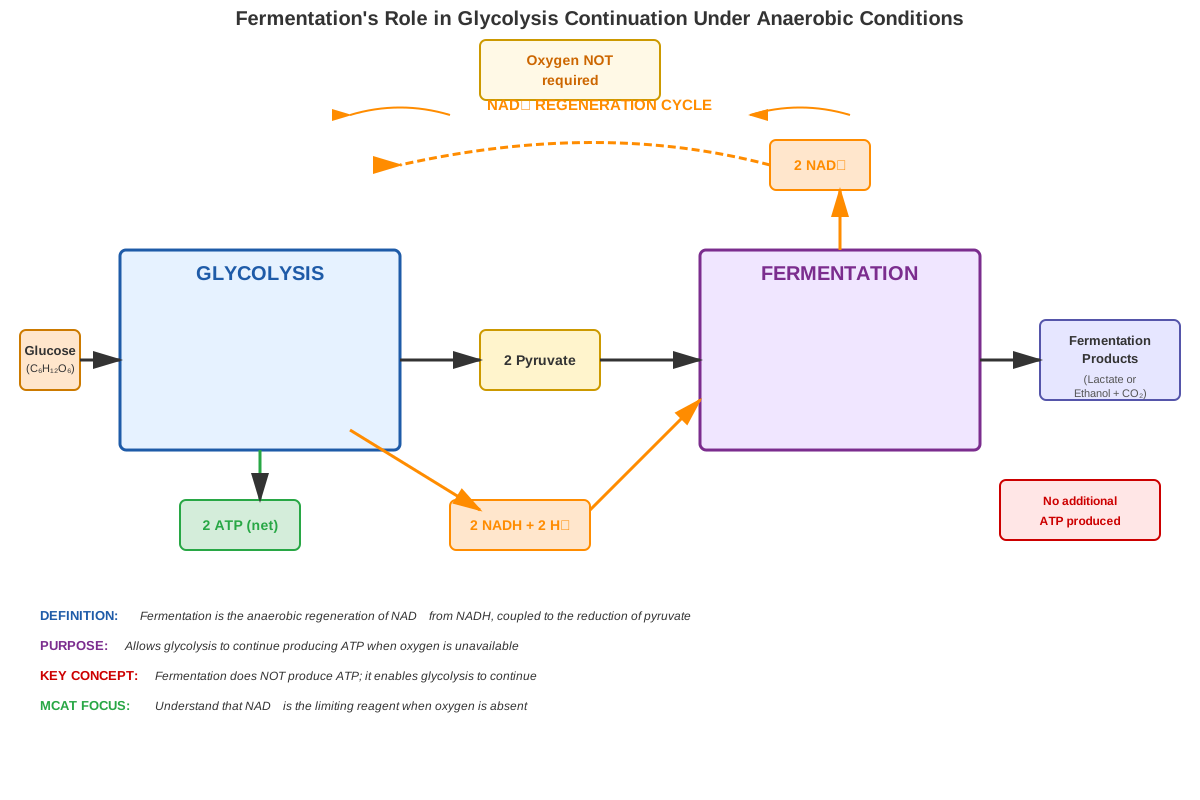
Fermentation is an anaerobic metabolic process in which organic molecules (typically pyruvate) serve as terminal electron acceptors, allowing the regeneration of NAD⁺ from NADH without requiring oxygen or an electron transport chain. This definition captures three essential features: (1) fermentation occurs without oxygen, (2) it regenerates the oxidized electron carrier NAD⁺, and (3) organic molecules accept electrons rather than oxygen or other inorganic acceptors.
The primary purpose of fermentation is not ATP production—glycolysis already accomplished that—but rather NAD⁺ regeneration. Glycolysis requires NAD⁺ as an oxidizing agent in the glyceraldehyde-3-phosphate dehydrogenase reaction. Without NAD⁺ regeneration, glycolysis would halt after consuming the cell's limited NAD⁺ pool, stopping ATP production entirely. Fermentation solves this problem by oxidizing NADH back to NAD⁺, using pyruvate or its derivatives as electron acceptors. This allows glycolysis to continue indefinitely (substrate permitting), producing 2 ATP per glucose even without oxygen.
Lactic Acid Fermentation
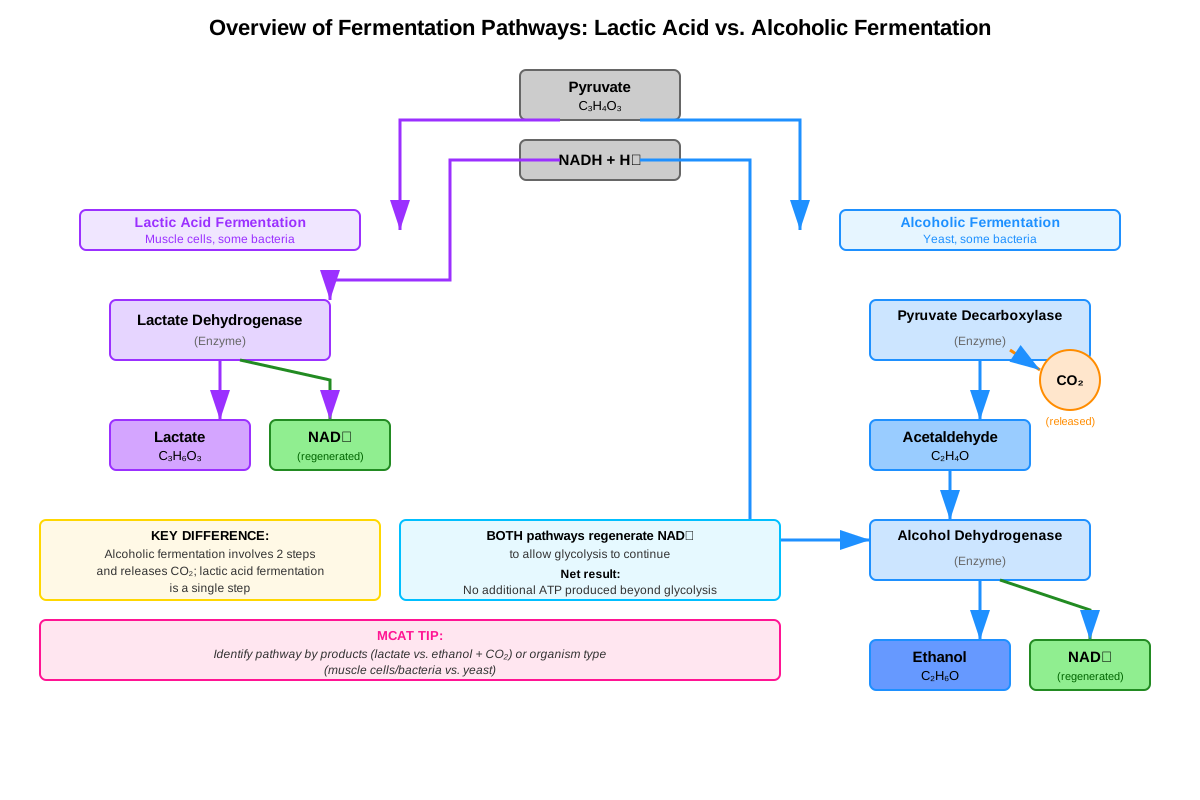
Lactic acid fermentation converts pyruvate directly to lactate (lactic acid) in a single enzymatic step catalyzed by lactate dehydrogenase (LDH). This pathway predominates in mammalian muscle cells during intense exercise and in certain bacteria (Lactobacillus species).
The reaction mechanism:
Pyruvate + NADH + H⁺ → Lactate + NAD⁺This reaction is thermodynamically favorable (ΔG° = -25 kJ/mol), ensuring efficient NAD⁺ regeneration. The enzyme lactate dehydrogenase exists as tissue-specific isozymes (LDH-1 through LDH-5), with different kinetic properties optimized for cardiac muscle, skeletal muscle, or liver function. The MCAT may test recognition that LDH isozymes serve as clinical biomarkers for tissue damage—elevated LDH-1 suggests cardiac injury, while elevated LDH-5 indicates liver or skeletal muscle damage.
Physiological consequences of lactic acid fermentation include:
- Temporary decrease in intracellular pH (lactate is a weak acid with pKa ≈ 3.9)
- Accumulation of lactate in muscle tissue and blood
- Reversibility—lactate can be converted back to pyruvate when oxygen becomes available (Cori cycle)
- No CO₂ production (unlike alcoholic fermentation)
Alcoholic Fermentation
Alcoholic fermentation occurs primarily in yeast and some bacteria, converting pyruvate to ethanol and carbon dioxide through a two-step process:
Step 1: Decarboxylation
Pyruvate → Acetaldehyde + CO₂Catalyzed by pyruvate decarboxylase, this irreversible reaction requires thiamine pyrophosphate (TPP, derived from vitamin B₁) as a cofactor. The release of CO₂ makes this reaction thermodynamically favorable and irreversible.
Step 2: Reduction
Acetaldehyde + NADH + H⁺ → Ethanol + NAD⁺Catalyzed by alcohol dehydrogenase, this step regenerates NAD⁺ by reducing acetaldehyde to ethanol.
The overall stoichiometry:
Glucose → 2 Ethanol + 2 CO₂ + 2 ATP (net)Key distinctions from lactic acid fermentation include CO₂ production (causing bread dough to rise and beer to carbonate), the two-step mechanism, cofactor requirements (TPP), and irreversibility due to CO₂ loss.
Energetics and ATP Yield
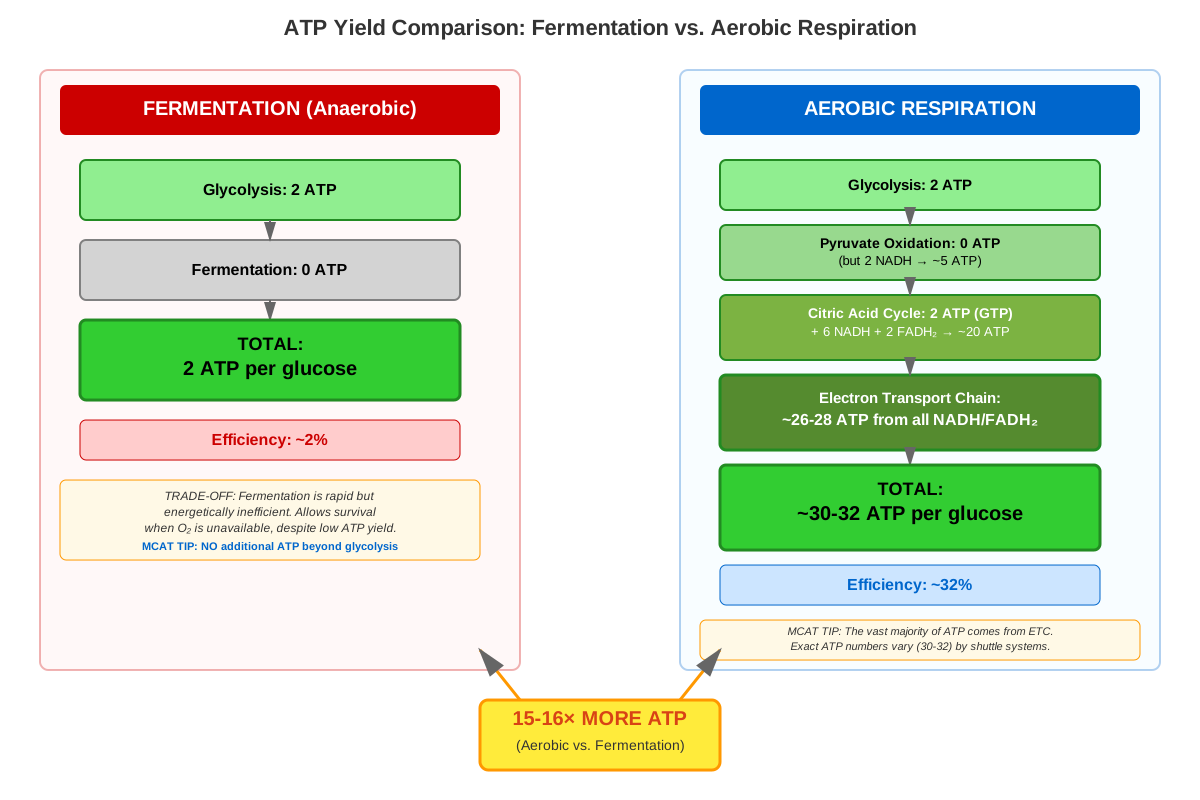
Fermentation produces 2 net ATP per glucose molecule—the same yield as glycolysis alone, because fermentation itself generates no additional ATP. This contrasts dramatically with aerobic respiration, which produces approximately 30-32 ATP per glucose through oxidative phosphorylation.
| Pathway | ATP Yield | Oxygen Required | Final Electron Acceptor | Efficiency |
|---|---|---|---|---|
| Lactic Acid Fermentation | 2 ATP | No | Pyruvate | ~2% |
| Alcoholic Fermentation | 2 ATP | No | Acetaldehyde | ~2% |
| Aerobic Respiration | 30-32 ATP | Yes | Oxygen | ~40% |
The low efficiency of fermentation (only ~2% of glucose's chemical energy captured as ATP) explains why it serves as a temporary or supplementary pathway rather than the primary energy source for most organisms. However, fermentation's advantage lies in speed—it produces ATP rapidly without requiring mitochondria or oxygen, making it valuable during sudden energy demands or in anaerobic environments.
NAD⁺/NADH Balance and Metabolic Regulation
The NAD⁺/NADH ratio serves as a critical metabolic regulator, and fermentation's role in maintaining this balance cannot be overstated. Cells maintain a limited pool of NAD⁺ (typically 0.5-1.0 mM), which must be continuously recycled to sustain glycolysis.
Under aerobic conditions, NADH generated in glycolysis transfers electrons to the electron transport chain, regenerating NAD⁺ while producing ATP. When oxygen becomes limiting, this pathway slows or stops, and NADH accumulates. Rising NADH levels would inhibit glyceraldehyde-3-phosphate dehydrogenase, halting glycolysis and ATP production. Fermentation prevents this crisis by providing an alternative NAD⁺ regeneration route.
The metabolic switch between oxidative phosphorylation and fermentation depends on:
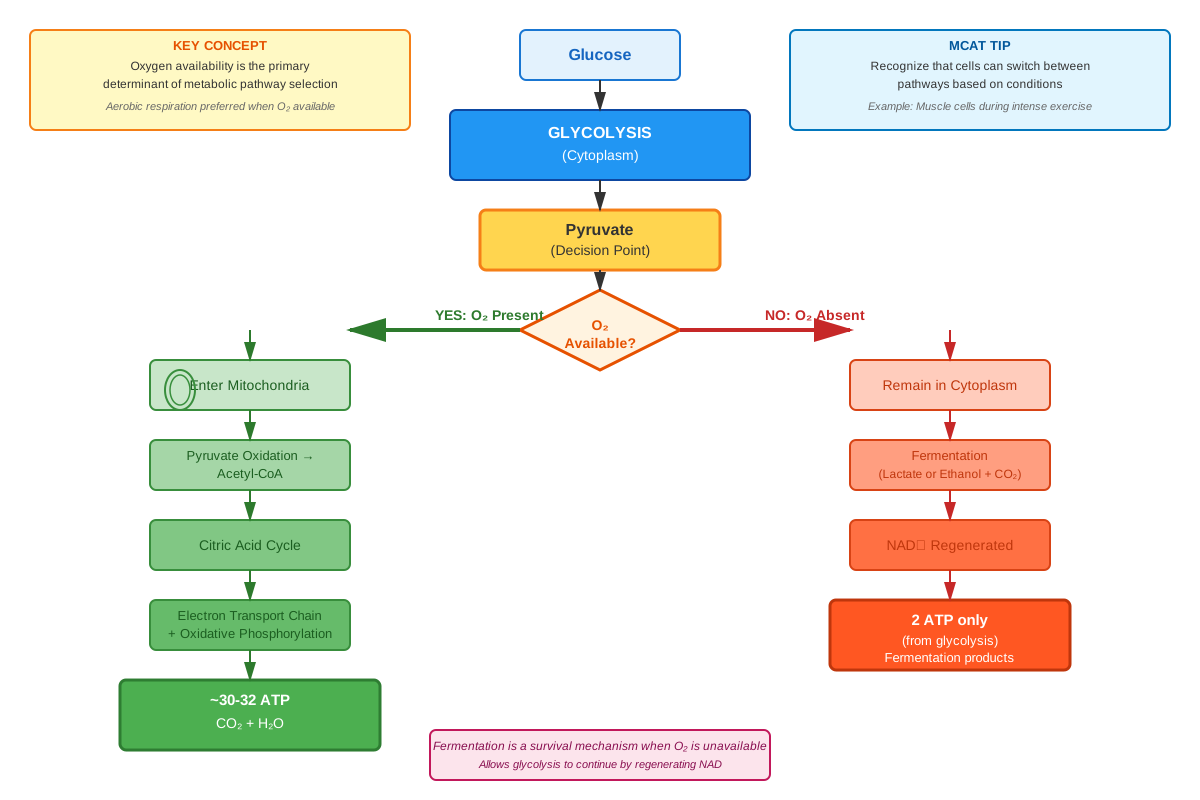
- Oxygen availability: Primary determinant; hypoxia triggers fermentation
- ATP demand: High energy needs may exceed oxidative capacity even with adequate oxygen
- Mitochondrial capacity: Cells with few mitochondria (red blood cells) rely on fermentation
- Enzyme expression: Tissue-specific expression of LDH isozymes or alcohol dehydrogenase
Comparative Metabolism: Fermentation vs. Aerobic Respiration
Understanding when and why cells choose fermentation over aerobic respiration is high-yield for the MCAT:
Advantages of fermentation:
- Rapid ATP production (glycolysis is faster than oxidative phosphorylation)
- No oxygen requirement (enables survival in anaerobic environments)
- No mitochondria needed (allows ATP production in red blood cells, which lack mitochondria)
- Simpler enzymatic machinery
Disadvantages of fermentation:
- Very low ATP yield (2 vs. 30-32 ATP per glucose)
- Accumulation of potentially toxic products (lactate, ethanol)
- Incomplete glucose oxidation (most energy remains in fermentation products)
- Unsustainable as sole energy source for most eukaryotic cells
The MCAT frequently tests understanding that fermentation is a temporary or supplementary pathway, not a replacement for aerobic respiration in organisms with mitochondria.
The Cori Cycle
The Cori cycle connects muscle lactic acid fermentation with liver gluconeogenesis, demonstrating metabolic cooperation between tissues. During intense exercise, muscles produce lactate through fermentation. This lactate enters the bloodstream, travels to the liver, and undergoes conversion back to glucose via gluconeogenesis. The glucose returns to muscles, completing the cycle.
This cycle has important implications:
- Prevents dangerous lactate accumulation
- Recycles carbon skeletons for continued glucose availability
- Requires ATP investment in the liver (gluconeogenesis costs 6 ATP per glucose)
- Explains why blood lactate levels eventually normalize after exercise
Concept Relationships
Fermentation sits at a critical metabolic junction, connecting multiple biochemical pathways and concepts. The relationship map flows as follows:
Glycolysis → produces → Pyruvate + NADH → branches to → Fermentation (anaerobic) OR Aerobic Respiration (aerobic)
When oxygen is absent or limiting, pyruvate enters fermentation pathways rather than the citric acid cycle. This decision point represents one of metabolism's most fundamental regulatory nodes.
Fermentation → regenerates → NAD⁺ → enables → Continued Glycolysis → produces → ATP
This cyclical relationship emphasizes that fermentation's value lies not in direct ATP production but in sustaining glycolysis by maintaining NAD⁺ availability.
Lactic Acid Fermentation → produces → Lactate → enters → Cori Cycle → undergoes → Gluconeogenesis → produces → Glucose
This connection links fermentation to carbohydrate metabolism and demonstrates inter-organ metabolic cooperation.
Alcoholic Fermentation → requires → Thiamine Pyrophosphate (TPP) → connects to → Vitamin B₁ → relates to → Cofactor Chemistry
This relationship bridges fermentation to nutrition and cofactor biochemistry, both testable MCAT topics.
Fermentation → competes with → Oxidative Phosphorylation → both require → Pyruvate → both regenerate → NAD⁺
Understanding this competitive relationship helps predict metabolic shifts based on oxygen availability and energy demands.
The prerequisite knowledge of glycolysis directly enables fermentation understanding—every fermentation substrate (pyruvate, NADH) comes from glycolysis. Similarly, redox chemistry knowledge explains why NAD⁺ regeneration is essential and how electron transfer drives fermentation reactions. These connections make fermentation an integrative topic that reinforces multiple biochemistry concepts simultaneously.
Quick check — test yourself on Fermentation so far.
Try Flashcards →High-Yield Facts
⭐ Fermentation's primary purpose is NAD⁺ regeneration, not ATP production—glycolysis produces the ATP; fermentation merely allows glycolysis to continue.
⭐ Both lactic acid and alcoholic fermentation produce 2 net ATP per glucose, the same yield as glycolysis alone, because fermentation itself generates no ATP.
⭐ Lactic acid fermentation is a single-step reaction (pyruvate → lactate) catalyzed by lactate dehydrogenase, while alcoholic fermentation requires two steps (pyruvate → acetaldehyde → ethanol).
⭐ Alcoholic fermentation produces CO₂; lactic acid fermentation does not—this distinction explains bread rising and beer carbonation.
⭐ Fermentation occurs in the cytoplasm, not mitochondria, allowing cells without mitochondria (red blood cells) to produce ATP.
- Lactate dehydrogenase exists as tissue-specific isozymes (LDH-1 through LDH-5) used clinically to identify tissue damage.
- The Cori cycle converts muscle lactate back to glucose in the liver, preventing lactate accumulation and recycling carbon skeletons.
- Pyruvate decarboxylase in alcoholic fermentation requires thiamine pyrophosphate (TPP, from vitamin B₁) as a cofactor.
- Fermentation is approximately 2% efficient at capturing glucose energy as ATP, compared to ~40% for aerobic respiration.
- The Warburg effect describes cancer cells' preferential use of glycolysis and fermentation even when oxygen is available, a metabolic hallmark of malignancy.
- Obligate anaerobes (some bacteria) use fermentation exclusively and are poisoned by oxygen, while facultative anaerobes switch between fermentation and aerobic respiration.
- Muscle "burn" during intense exercise results from H⁺ accumulation (from ATP hydrolysis and other sources), not lactate itself—lactate was historically misidentified as the cause.
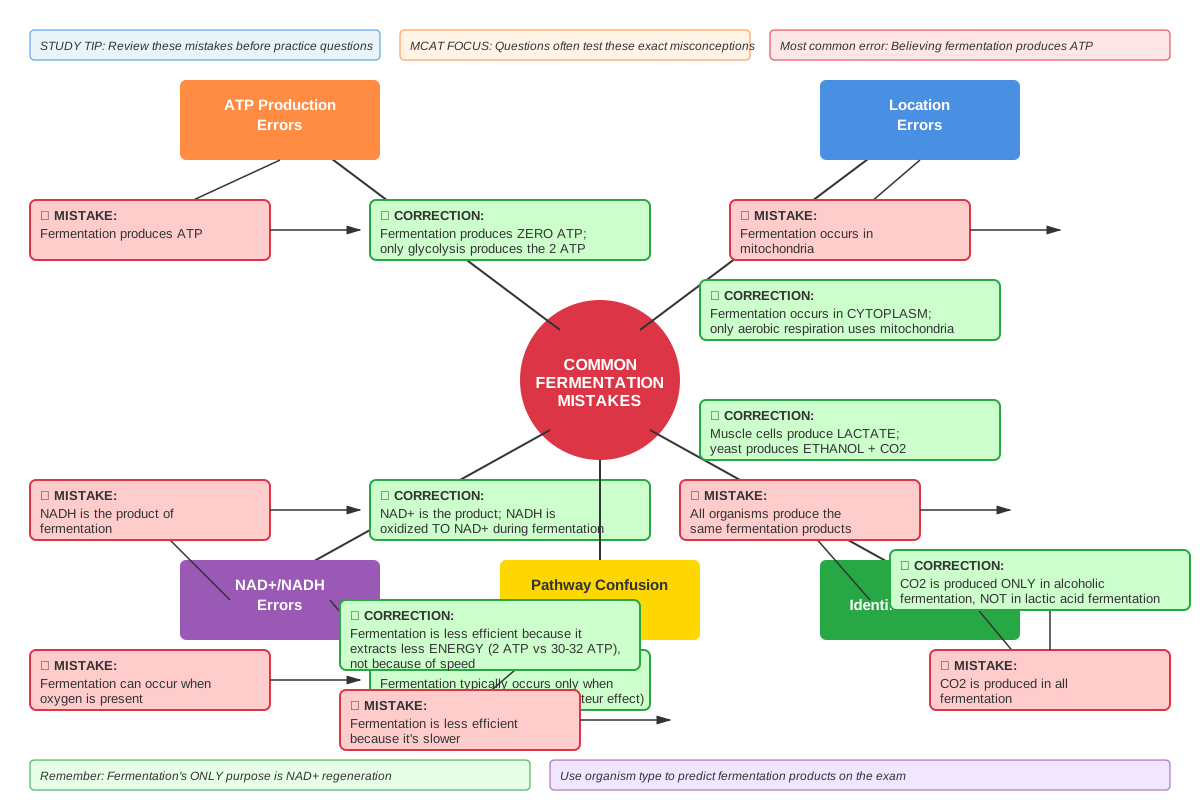
Common Misconceptions
Misconception: Fermentation produces more ATP than glycolysis alone.
Correction: Fermentation produces no additional ATP beyond glycolysis's 2 net ATP. Fermentation's role is NAD⁺ regeneration, which allows glycolysis to continue producing ATP, but the fermentation reactions themselves are not coupled to ATP synthesis.
Misconception: Lactic acid causes muscle soreness after exercise.
Correction: Delayed onset muscle soreness (DOMS) results from microscopic muscle damage and inflammation, not lactate accumulation. Lactate levels return to normal within an hour after exercise, while soreness peaks 24-72 hours later. The "burn" during exercise relates more to H⁺ accumulation than lactate itself.
Misconception: Fermentation only occurs when oxygen is completely absent.
Correction: Fermentation can occur whenever ATP demand exceeds the capacity of oxidative phosphorylation, even if some oxygen is present. During intense exercise, muscle cells may use fermentation despite adequate blood oxygen because mitochondrial ATP production cannot meet the rapid energy demand. This is called "aerobic glycolysis" or the "lactate threshold."
Misconception: Alcoholic fermentation and lactic acid fermentation are interchangeable processes that different organisms choose arbitrarily.
Correction: These pathways differ mechanistically (one-step vs. two-step), in products (lactate vs. ethanol + CO₂), in reversibility (lactate can be reconverted to pyruvate; ethanol pathway is irreversible due to CO₂ loss), and in cofactor requirements (alcoholic fermentation needs TPP). Organisms use the pathway for which they possess the necessary enzymes, determined by evolutionary adaptation to their ecological niche.
Misconception: Fermentation is an inefficient, primitive process that advanced organisms have evolved beyond.
Correction: Fermentation remains essential even in "advanced" organisms like humans. Skeletal muscle relies on lactic acid fermentation during intense activity, and red blood cells use fermentation exclusively due to lacking mitochondria. Fermentation represents a metabolic flexibility that enhances survival, not a primitive limitation.
Misconception: The Cori cycle produces net ATP for the body.
Correction: The Cori cycle is ATP-negative overall. While muscles gain 2 ATP per glucose through glycolysis and fermentation, the liver expends 6 ATP per glucose during gluconeogenesis to regenerate glucose. The cycle's purpose is lactate clearance and glucose redistribution, not net ATP production.
Misconception: NAD⁺ is consumed and depleted during metabolism.
Correction: NAD⁺ is a recyclable cofactor, not a consumed substrate. Cells maintain a constant NAD⁺ pool that cycles between oxidized (NAD⁺) and reduced (NADH) forms. Fermentation doesn't create new NAD⁺; it regenerates NAD⁺ from NADH, maintaining the pool's availability for glycolysis.
Worked Examples
Example 1: Comparative ATP Yield Analysis
Question: A researcher compares ATP production in yeast cells under aerobic and anaerobic conditions. Under aerobic conditions, one glucose molecule yields 32 ATP. When oxygen is removed, the cells switch to alcoholic fermentation. Calculate the percentage decrease in ATP yield per glucose when cells switch from aerobic respiration to fermentation. Explain why cells would use fermentation despite this dramatic efficiency loss.
Solution:
Step 1: Identify ATP yields
- Aerobic respiration: 32 ATP per glucose
- Alcoholic fermentation: 2 ATP per glucose (from glycolysis only)
Step 2: Calculate the decrease
- Absolute decrease: 32 - 2 = 30 ATP
- Percentage decrease: (30/32) × 100% = 93.75%
Step 3: Explain the metabolic logic
Despite losing 93.75% of ATP yield, cells use fermentation because:
- Survival necessity: Without NAD⁺ regeneration, glycolysis stops completely, producing 0 ATP. Fermentation producing 2 ATP is infinitely better than 0 ATP.
- Speed advantage: Glycolysis and fermentation occur rapidly in the cytoplasm without requiring mitochondrial processing. For sudden energy demands, this speed may matter more than efficiency.
- Oxygen independence: When oxygen is unavailable (anaerobic environments, oxygen debt during exercise), fermentation is the only ATP-producing option available.
- Substrate availability: If glucose is abundant, the low efficiency can be partially compensated by processing more glucose molecules.
Connection to learning objectives: This problem applies fermentation concepts to quantitative analysis, demonstrates understanding of energetic trade-offs, and connects to the broader metabolic context—all key MCAT skills.
Example 2: Experimental Data Interpretation
Question: An exercise physiologist measures blood lactate levels in an athlete during a graded exercise test. At rest, blood lactate is 1.0 mM. During moderate exercise (60% VO₂max), lactate remains at 1.2 mM. When intensity increases to 85% VO₂max, lactate rises sharply to 6.5 mM. Explain these observations using your knowledge of fermentation and metabolic regulation.
Solution:
Step 1: Analyze resting and moderate exercise conditions
At rest and moderate exercise intensity, blood lactate remains low (1.0-1.2 mM) because:
- Oxygen delivery meets ATP demand
- Pyruvate enters mitochondria for aerobic respiration
- NADH is reoxidized via the electron transport chain
- Minimal fermentation occurs
- Any lactate produced is cleared by the liver (Cori cycle) at the same rate as production
Step 2: Analyze high-intensity exercise conditions
At 85% VO₂max, lactate increases sharply to 6.5 mM because:
- ATP demand exceeds oxidative phosphorylation capacity
- Even with adequate oxygen, mitochondrial ATP production cannot keep pace
- Muscle cells activate lactic acid fermentation to regenerate NAD⁺ rapidly
- Lactate production rate exceeds liver clearance rate
- This represents crossing the "lactate threshold" or "anaerobic threshold"
Step 3: Explain the metabolic shift
The sharp increase indicates a metabolic transition point where:
- Fast-twitch (Type II) muscle fibers recruit more heavily
- These fibers have fewer mitochondria and higher glycolytic capacity
- The NAD⁺/NADH ratio shifts toward NADH accumulation
- Lactate dehydrogenase activity increases to maintain NAD⁺ availability
- Glycolytic flux increases dramatically to meet energy demands
Step 4: Predict recovery
After exercise cessation:
- Lactate will be cleared via the Cori cycle (liver gluconeogenesis)
- Some lactate will be oxidized directly by cardiac muscle and slow-twitch fibers
- Blood lactate should return to baseline within 30-60 minutes
- This recovery requires oxygen (the "oxygen debt" or EPOC—excess post-exercise oxygen consumption)
Connection to learning objectives: This example demonstrates application of fermentation to physiological scenarios, integration with metabolic regulation, and interpretation of experimental data—all high-yield MCAT skills.
Exam Strategy
Approaching MCAT Fermentation Questions
Step 1: Identify the metabolic context
Determine whether the question involves:
- Exercise physiology (muscle metabolism)
- Microbiology (bacterial or yeast metabolism)
- Comparative metabolism (aerobic vs. anaerobic)
- Experimental data interpretation
Step 2: Recognize trigger words
Watch for these high-yield phrases:
- "Anaerobic conditions" → fermentation is occurring
- "Oxygen debt" or "lactate threshold" → transition to fermentation
- "NAD⁺ regeneration" → fermentation's primary purpose
- "ATP yield" → compare 2 ATP (fermentation) vs. 30-32 ATP (aerobic)
- "Pyruvate fate" → decision point between fermentation and aerobic pathways
Step 3: Apply the fermentation decision tree
Is oxygen available and is oxidative capacity sufficient? - YES → Aerobic respiration (citric acid cycle + ETC) - NO → Fermentation (lactic acid or alcoholic)
Which fermentation type? - Mammalian cells, muscle → Lactic acid fermentation - Yeast, some bacteria → Alcoholic fermentation - Product analysis: CO₂ present → alcoholic; no CO₂ → lactic acid
Step 4: Check for common traps
- Don't confuse fermentation's ATP yield (2) with aerobic respiration's yield (30-32)
- Remember fermentation occurs in cytoplasm, not mitochondria
- Don't attribute muscle soreness to lactate (it's actually from tissue damage)
- Recognize that "aerobic glycolysis" can occur—fermentation despite oxygen presence
Process of Elimination Tips
When evaluating answer choices:
Eliminate answers that suggest:
- Fermentation produces more than 2 ATP per glucose
- Fermentation requires oxygen or mitochondria
- Fermentation occurs in the mitochondrial matrix
- Lactic acid fermentation produces CO₂
- Fermentation is more efficient than aerobic respiration
Favor answers that emphasize:
- NAD⁺ regeneration as fermentation's primary purpose
- The speed advantage of fermentation for rapid ATP needs
- The temporary or supplementary nature of fermentation
- Metabolic flexibility and adaptation to oxygen availability
Time Allocation
For discrete questions on fermentation: 60-90 seconds
- These typically test straightforward facts (products, ATP yield, purpose)
- Quick recall should suffice
For passage-based questions: 90-120 seconds per question
- Allow time to integrate passage information with fermentation knowledge
- Experimental data may require graph interpretation
- Physiological scenarios need application of multiple concepts
Memory Techniques
Mnemonic for Fermentation Purpose
"NAD⁺ Needs Fermentation"
- Emphasizes that NAD⁺ regeneration, not ATP production, is fermentation's primary purpose
- The alliteration makes it memorable
Mnemonic for Fermentation Products
"LACE"
- Lactic acid fermentation → Lactate (no CO₂)
- Alcoholic fermentation → Acetaldehyde intermediate → CO₂ + Ethanol
Visualization Strategy: The NAD⁺ Cycle
Picture NAD⁺ as a shuttle bus:
- Empty bus (NAD⁺) picks up electrons at the glycolysis station
- Full bus (NADH) needs to unload electrons
- Aerobic route: Drives to mitochondria (ETC station), unloads electrons to oxygen
- Anaerobic route: Can't reach mitochondria, unloads electrons to pyruvate at fermentation station
- Empty bus (NAD⁺) returns to glycolysis station to pick up more electrons
This visualization reinforces that NAD⁺ is recycled, not consumed, and that fermentation provides an alternative unloading point when the aerobic route is unavailable.
Acronym for Fermentation Comparison
"LATE" for Lactic Acid vs. Alcoholic comparison:
- Lactic = Lactate dehydrogenase (one enzyme)
- Alcoholic = Acetaldehyde intermediate (two enzymes)
- TPP required for alcoholic (Thiamine PyroPhosphate)
- Ethanol + CO₂ from alcoholic; lactate only from lactic
Number Memory: The 2-30 Rule
"Fermentation gives 2, aerobic gives 30"
- Simple ratio to remember: fermentation is ~15 times less efficient
- Helps quickly eliminate wrong answers about ATP yield
Summary
Fermentation is an anaerobic metabolic process that regenerates NAD⁺ by using organic molecules as terminal electron acceptors, enabling glycolysis to continue producing ATP without oxygen. The two major types—lactic acid fermentation (producing lactate) and alcoholic fermentation (producing ethanol and CO₂)—differ in mechanism, products, and reversibility but share the common purpose of maintaining NAD⁺ availability. Both pathways yield only 2 net ATP per glucose (from glycolysis), representing approximately 2% efficiency compared to aerobic respiration's 30-32 ATP and 40% efficiency. Despite this dramatic energetic disadvantage, fermentation provides critical metabolic flexibility, allowing rapid ATP production during intense exercise, enabling survival in anaerobic environments, and permitting ATP generation in cells lacking mitochondria. The MCAT tests fermentation through mechanism questions, comparative metabolism problems, experimental data interpretation, and physiological applications, particularly in exercise physiology and microbiology contexts. Mastery requires understanding not just the biochemical reactions but also the regulatory logic determining when cells employ fermentation, the physiological consequences of fermentation product accumulation, and the metabolic connections to glycolysis, the Cori cycle, and aerobic respiration.
Key Takeaways
- Fermentation's primary function is NAD⁺ regeneration, not ATP production—this allows glycolysis to continue when oxidative phosphorylation is unavailable or insufficient
- Both fermentation types yield 2 net ATP per glucose (from glycolysis only), making them approximately 15-fold less efficient than aerobic respiration but valuable for speed and oxygen independence
- Lactic acid fermentation (one-step, reversible, no CO₂) predominates in mammalian muscle, while alcoholic fermentation (two-step, irreversible, produces CO₂) occurs in yeast and some bacteria
- Fermentation occurs in the cytoplasm, enabling ATP production in cells without mitochondria (red blood cells) and providing rapid energy during sudden demands
- The Cori cycle connects muscle lactic acid fermentation with liver gluconeogenesis, preventing lactate accumulation while recycling carbon skeletons for continued glucose availability
- Metabolic flexibility between fermentation and aerobic respiration depends on oxygen availability, ATP demand, mitochondrial capacity, and tissue-specific enzyme expression
- MCAT questions emphasize understanding when and why fermentation occurs, comparing energetic yields, interpreting experimental data, and applying concepts to exercise physiology and microbial metabolism scenarios
Related Topics
Glycolysis: The prerequisite pathway providing pyruvate and NADH for fermentation; understanding glycolytic regulation and ATP yield is essential for fermentation mastery
Citric Acid Cycle: The aerobic alternative to fermentation for pyruvate metabolism; comparing these pathways illuminates metabolic decision-making based on oxygen availability
Electron Transport Chain and Oxidative Phosphorylation: The primary NAD⁺ regeneration mechanism under aerobic conditions; understanding why this pathway produces more ATP explains fermentation's energetic disadvantage
Gluconeogenesis and the Cori Cycle: The metabolic pathway converting lactate back to glucose; demonstrates inter-organ cooperation and metabolic recycling
Metabolic Regulation: Broader principles of how cells sense energy status and oxygen availability to switch between metabolic pathways; fermentation exemplifies metabolic flexibility
Enzyme Kinetics and Isozymes: Lactate dehydrogenase isozymes illustrate tissue-specific enzyme optimization and clinical diagnostic applications
Redox Chemistry: Understanding electron transfer, oxidation states, and cofactor function deepens comprehension of why NAD⁺ regeneration is essential
Mastering fermentation provides a foundation for understanding metabolic integration, pathway regulation, and the biochemical adaptations that enable life in diverse conditions—all high-yield concepts for MCAT success.
Practice CTA
Now that you've thoroughly reviewed fermentation, it's time to solidify your understanding through active practice. Attempt the practice questions and flashcards associated with this topic to test your ability to apply these concepts under exam conditions. Focus particularly on questions involving ATP yield calculations, experimental data interpretation, and physiological scenarios—these represent the most common MCAT question types for fermentation. Remember, passive reading creates familiarity, but active problem-solving builds the mastery needed for test day success. Challenge yourself to explain fermentation concepts without referring back to this guide, identify your weak areas, and review those sections targeted. Your investment in deliberate practice now will pay dividends when you encounter fermentation questions on the MCAT. You've got this!
Sign up free to keep reading
Create a free AnvayaPrep account to finish this MCAT guide on Fermentation — plus flashcards and practice questions.