Overview
Glycogenesis is the anabolic metabolic pathway responsible for synthesizing glycogen from glucose monomers, primarily occurring in the liver and skeletal muscle. This process represents a critical component of Metabolism and Biochemistry that the MCAT tests regularly, as it exemplifies how organisms store energy during fed states for later use during fasting or exercise. Understanding Glycogenesis Biochemistry requires mastery of enzyme regulation, hormonal control mechanisms, and the energetic investment required to build this branched polysaccharide storage molecule.
For the Glycogenesis MCAT content, students must recognize that this pathway operates in opposition to glycogenolysis (glycogen breakdown) and integrates with broader carbohydrate metabolism including glycolysis and gluconeogenesis. The MCAT frequently tests glycogenesis within the context of fed versus fasted states, hormonal regulation by insulin and glucagon, and the tissue-specific differences between hepatic and muscle glycogen metabolism. Questions often appear in passage-based formats describing metabolic disorders, exercise physiology, or pharmaceutical interventions affecting glucose homeostasis.
The significance of glycogenesis extends beyond simple glucose storage—it represents a fundamental principle of metabolic regulation where the body converts abundant nutrients into storage forms during times of plenty. This pathway demonstrates key biochemical concepts including ATP investment in biosynthetic pathways, the importance of committed steps with irreversible enzymes, allosteric regulation, and covalent modification of enzymes through phosphorylation. Mastering glycogenesis provides the foundation for understanding metabolic flexibility, energy homeostasis, and the integration of multiple organ systems in maintaining blood glucose levels within physiological ranges.
Learning Objectives
- [ ] Define Glycogenesis using accurate Biochemistry terminology
- [ ] Explain why Glycogenesis matters for the MCAT
- [ ] Apply Glycogenesis to exam-style questions
- [ ] Identify common mistakes related to Glycogenesis
- [ ] Connect Glycogenesis to related Biochemistry concepts
- [ ] Diagram the complete enzymatic pathway of glycogen synthesis including all intermediates
- [ ] Compare and contrast the regulation of glycogenesis in liver versus skeletal muscle tissue
- [ ] Predict the metabolic consequences of enzyme deficiencies in the glycogenesis pathway
- [ ] Analyze how hormonal signals translate into changes in glycogen synthase activity
Prerequisites
- Glucose structure and chemistry: Glycogenesis begins with glucose, requiring understanding of its ring forms and hydroxyl group positions for glycosidic bond formation
- Basic enzyme kinetics and regulation: The pathway involves multiple regulated enzymes with allosteric and covalent modification mechanisms
- ATP structure and energetics: Glycogenesis requires ATP investment, necessitating understanding of high-energy phosphate bonds
- Hormonal signaling basics: Insulin and glucagon regulate this pathway through signal transduction cascades
- Glycolysis fundamentals: Glucose-6-phosphate serves as the starting point, connecting glycolysis to glycogenesis
- Protein phosphorylation: Enzyme activity is controlled through reversible phosphorylation by kinases and phosphatases
Why This Topic Matters
Clinical and Real-World Significance
Glycogenesis plays an essential role in preventing hyperglycemia after meals by removing excess glucose from circulation and storing it for future energy needs. Patients with diabetes mellitus exhibit impaired glycogenesis due to insulin deficiency or resistance, contributing to chronically elevated blood glucose levels. Glycogen storage diseases (GSDs), though rare, demonstrate the critical importance of proper glycogen synthesis—deficiencies in branching enzyme (GSD IV) or other glycogenesis enzymes lead to accumulation of abnormal glycogen structures causing hepatomegaly, hypoglycemia, and muscle weakness. Athletes and exercise physiologists rely on understanding glycogenesis to optimize carbohydrate loading strategies that maximize muscle glycogen stores before endurance events.
MCAT Exam Statistics and Question Types
Glycogenesis appears in approximately 15-20% of metabolism-focused passages on the MCAT Biochemistry section. Questions typically test:
- Discrete questions asking about specific enzymes, their regulation, or tissue differences
- Passage-based questions presenting clinical vignettes about metabolic disorders, diabetes management, or exercise physiology
- Data interpretation involving graphs showing glycogen levels under different hormonal conditions
- Experimental analysis describing research on enzyme mutations or pharmaceutical interventions
The MCAT particularly favors questions that require integration of glycogenesis with hormonal regulation, comparing fed versus fasted states, and understanding the reciprocal regulation between glycogenesis and glycogenolysis. Students must recognize that glycogenesis questions often appear disguised within broader metabolism passages rather than as isolated topics.
Common Exam Passage Contexts
- Diabetes mellitus and insulin therapy effects on glucose storage
- Exercise physiology and muscle glycogen depletion/repletion
- Glycogen storage disease case presentations
- Pharmaceutical development targeting glycogen metabolism
- Comparative physiology examining metabolic differences between tissues
- Hormonal regulation experiments using cell culture or animal models
Core Concepts
Definition and Overview of Glycogenesis
Glycogenesis is the biosynthetic pathway that converts glucose into glycogen, the branched polymer storage form of glucose found primarily in liver and skeletal muscle. This anabolic process occurs predominantly in the fed state when blood glucose levels are elevated, triggered by insulin secretion from pancreatic β-cells. The pathway requires energy investment in the form of ATP and UTP (uridine triphosphate), distinguishing it from simple polymerization reactions. Glycogen serves as a readily mobilizable glucose reserve that can be broken down within minutes to hours, contrasting with fat stores that require longer mobilization times.
The Four Major Steps of Glycogenesis
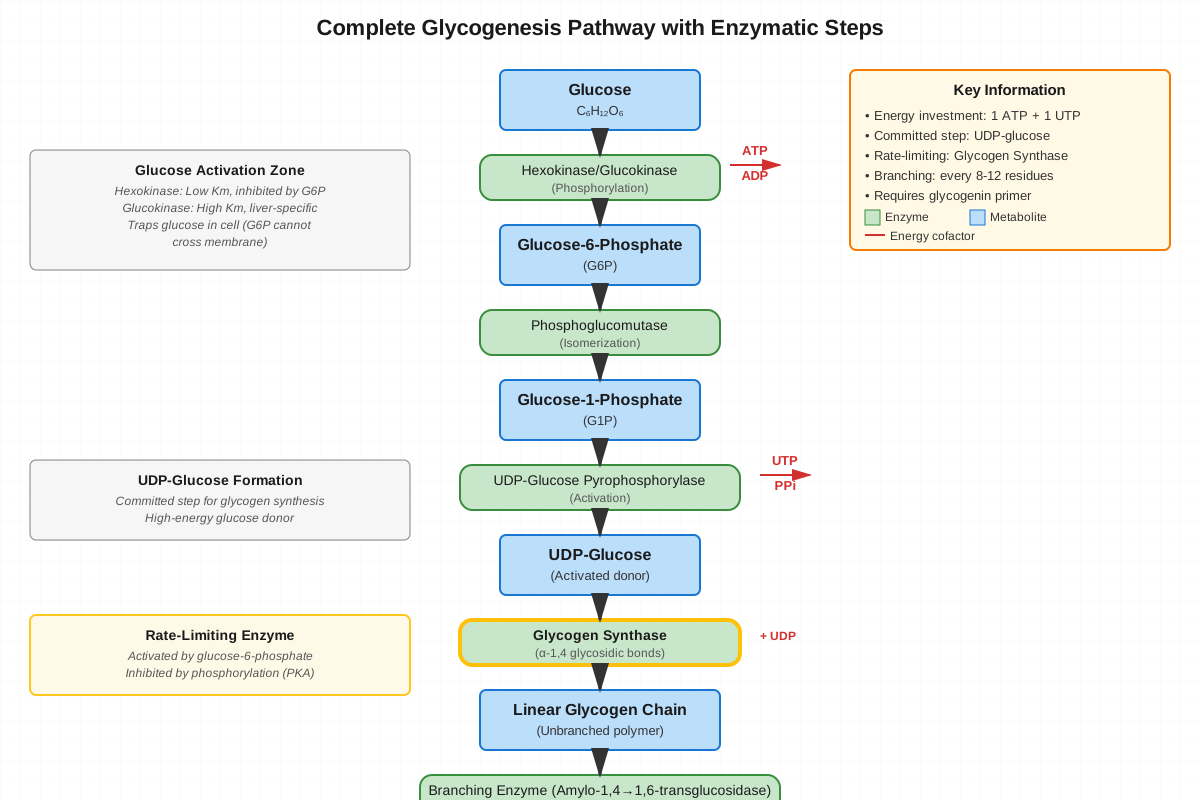
Step 1: Glucose Phosphorylation
The pathway begins with glucose-6-phosphate (G6P) formation, catalyzed by either hexokinase (in muscle) or glucokinase (in liver). This phosphorylation traps glucose inside the cell by adding a negative charge that prevents membrane crossing. While technically part of glycolysis, this step is essential for glycogenesis as G6P serves as the branch point between multiple metabolic pathways.
Glucose + ATP → Glucose-6-phosphate + ADPStep 2: Isomerization to Glucose-1-Phosphate
Phosphoglucomutase catalyzes the reversible conversion of glucose-6-phosphate to glucose-1-phosphate (G1P). This isomerization relocates the phosphate group from the 6-position to the 1-position, preparing the glucose molecule for activation. The enzyme mechanism involves a phosphorylated serine residue that temporarily accepts and donates phosphate groups, with glucose-1,6-bisphosphate serving as an obligatory intermediate.
Glucose-6-phosphate ⇌ Glucose-1-phosphateStep 3: Activation with UDP-Glucose
UDP-glucose pyrophosphorylase (also called glucose-1-phosphate uridylyltransferase) catalyzes the formation of UDP-glucose, the activated form of glucose used in glycogen synthesis. This reaction couples glucose-1-phosphate with UTP (uridine triphosphate), releasing pyrophosphate (PPi). The subsequent hydrolysis of pyrophosphate by pyrophosphatase makes this reaction essentially irreversible, representing the committed step of glycogenesis.
Glucose-1-phosphate + UTP → UDP-glucose + PPi
PPi + H₂O → 2 Pi (ΔG << 0)
The use of UTP rather than ATP distinguishes glycogenesis from many other biosynthetic pathways and represents a high-yield MCAT detail. UDP serves as an excellent leaving group, facilitating the subsequent glycosidic bond formation.
Step 4: Glycogen Chain Elongation and Branching
Glycogen synthase catalyzes the formation of α-1,4-glycosidic bonds, adding glucose residues from UDP-glucose to the non-reducing ends of existing glycogen chains. This enzyme represents the rate-limiting step of glycogenesis and serves as the primary regulatory point. Glycogen synthase requires a primer—either pre-existing glycogen or a protein called glycogenin that auto-glycosylates itself with approximately 8 glucose residues to initiate new glycogen molecules.
(Glucose)n + UDP-glucose → (Glucose)n+1 + UDPAfter glycogen synthase extends chains to approximately 11 residues, the branching enzyme (also called amylo-α-1,4→1,6-transglucosidase) transfers a block of about 7 glucose residues from a chain end to an interior position, creating an α-1,6-glycosidic bond branch point. Branching increases the number of non-reducing ends available for both synthesis and degradation, enhancing the rate of glycogen mobilization when needed. The branched structure also increases glycogen solubility and reduces osmotic effects that would occur with linear polymers.
Regulation of Glycogenesis
Hormonal Control
| Hormone | State | Effect on Glycogen Synthase | Mechanism |
|---|---|---|---|
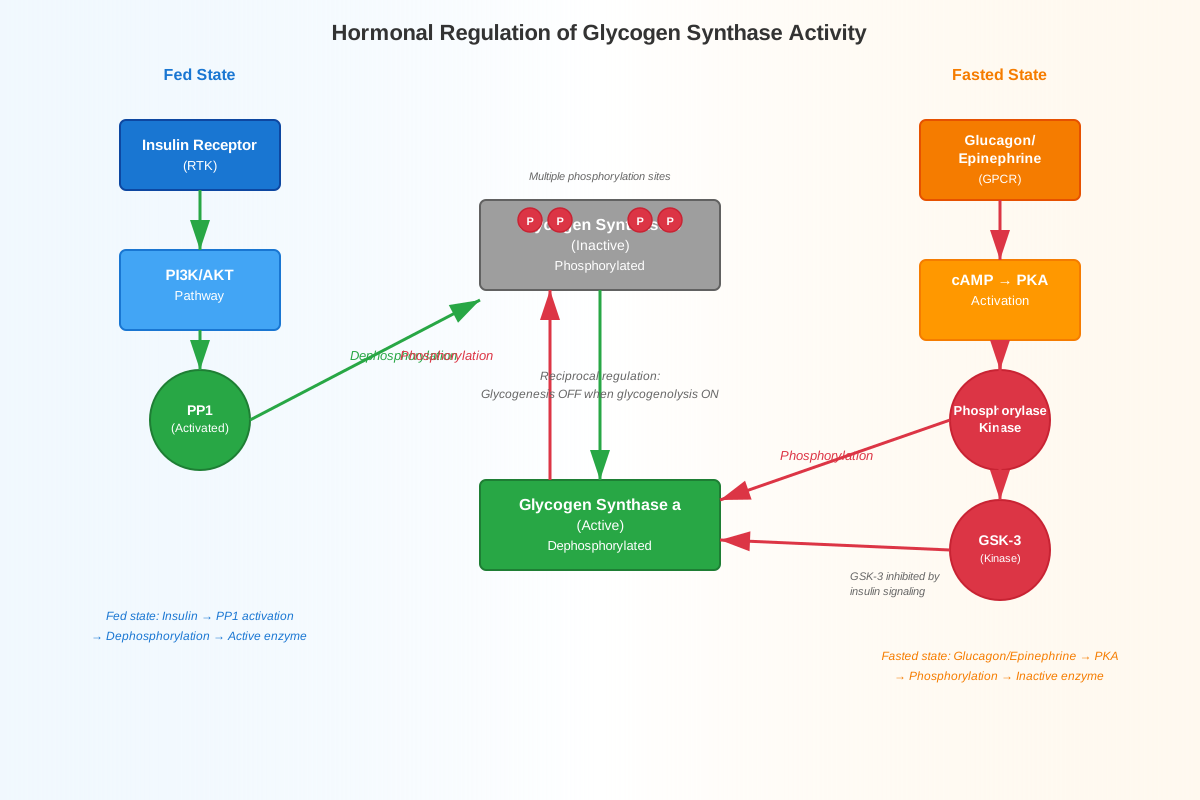
| Insulin | Fed state | Activates | Stimulates protein phosphatase 1 (PP1), which dephosphorylates and activates glycogen synthase |
| Glucagon | Fasted state (liver) | Inactivates | Activates PKA, which phosphorylates and inactivates glycogen synthase |
| Epinephrine | Stress/exercise | Inactivates | Activates PKA (liver and muscle), promoting glycogenolysis over glycogenesis |
Insulin dominates glycogenesis regulation in the fed state. Insulin binding to its receptor triggers a phosphorylation cascade that ultimately activates protein phosphatase 1 (PP1). PP1 dephosphorylates glycogen synthase, converting it from the inactive glycogen synthase b (phosphorylated) to the active glycogen synthase a (dephosphorylated). This represents a critical example of regulation by covalent modification.
Conversely, glucagon (in liver) and epinephrine (in liver and muscle) activate protein kinase A (PKA) through cAMP-dependent pathways. PKA phosphorylates glycogen synthase, inactivating it and simultaneously activating glycogen phosphorylase (the enzyme catalyzing glycogen breakdown). This reciprocal regulation ensures that synthesis and degradation do not occur simultaneously, preventing futile cycling.
Allosteric Regulation
Glucose-6-phosphate serves as a positive allosteric activator of glycogen synthase b (the normally inactive phosphorylated form), partially overriding the inhibitory effect of phosphorylation. This provides a feed-forward mechanism: when glucose is abundant and being phosphorylated to G6P, glycogenesis is promoted even before full hormonal dephosphorylation occurs.
ATP and glucose also provide allosteric activation signals, while AMP and ADP (indicators of low energy status) inhibit glycogen synthase, redirecting glucose toward immediate ATP production through glycolysis rather than storage.
Tissue-Specific Differences
Liver Glycogenesis
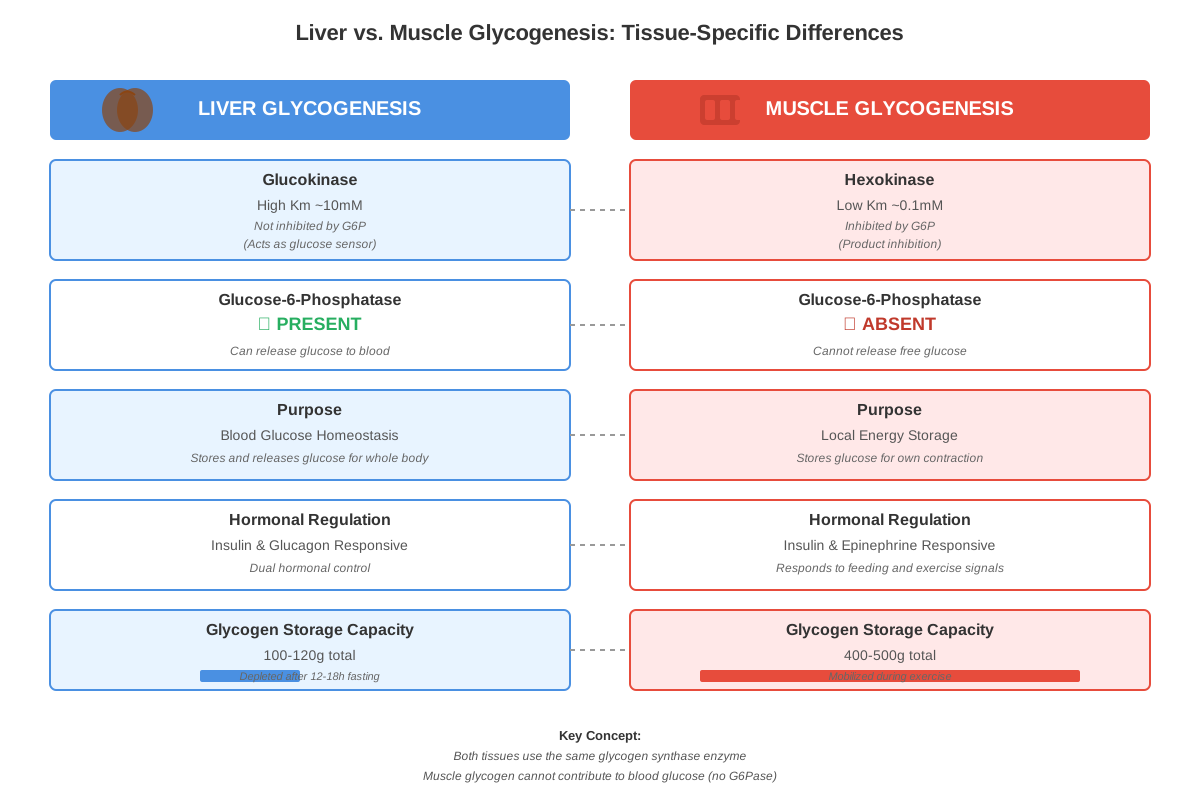
Hepatic glycogen serves primarily to maintain blood glucose homeostasis during fasting periods. The liver can store approximately 100-120 grams of glycogen, representing about 8-10% of liver mass. Importantly, liver cells express glucose-6-phosphatase, enabling them to convert G6P back to free glucose for export to the bloodstream. Liver glycogenesis responds strongly to glucagon during fasting, which inhibits synthesis and promotes breakdown.
Muscle Glycogenesis
Skeletal muscle glycogen serves as a local energy reserve for muscle contraction during exercise. Muscles store approximately 400-500 grams of glycogen total (though concentration is only 1-2% of muscle mass). Critically, muscle lacks glucose-6-phosphatase, meaning muscle glycogen cannot directly contribute to blood glucose—it can only be used locally. Muscle glycogenesis responds to epinephrine during exercise and stress, and to insulin during recovery and feeding.
Energetic Cost of Glycogenesis
Glycogen synthesis requires energy investment:
- 1 ATP per glucose (for initial phosphorylation to G6P)
- 1 UTP per glucose (for UDP-glucose formation)
- Pyrophosphate hydrolysis (equivalent to 1 additional high-energy bond)
Therefore, incorporating one glucose into glycogen costs approximately 2 ATP equivalents. This energy investment is recovered during glycogenolysis, which produces glucose-1-phosphate without requiring ATP input, making glycogen an efficient storage form compared to maintaining high concentrations of free glucose.
Concept Relationships
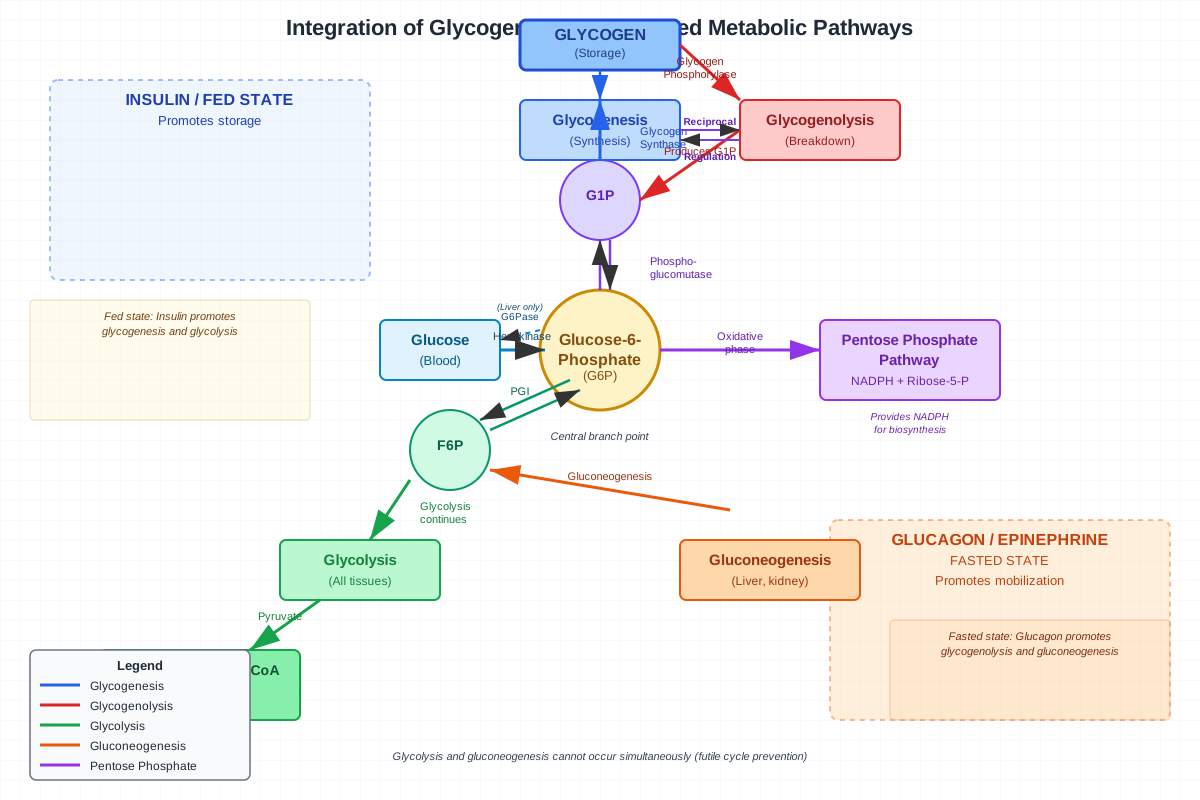
Glycogenesis exists within an interconnected web of metabolic pathways. The pathway begins with glucose-6-phosphate, which serves as a critical branch point connecting glycolysis (energy production), the pentose phosphate pathway (NADPH and ribose production), and glycogenesis (energy storage). When cellular energy status is high (elevated ATP/ADP ratio) and glucose is abundant, metabolic flux favors glycogenesis over glycolysis.
The relationship between glycogenesis and glycogenolysis (glycogen breakdown) exemplifies reciprocal regulation—hormonal signals that activate one pathway simultaneously inhibit the other through coordinated phosphorylation/dephosphorylation of key enzymes. This prevents futile cycling where synthesis and breakdown occur simultaneously, wasting ATP.
Insulin signaling connects glycogenesis to broader anabolic metabolism, simultaneously promoting glucose uptake (via GLUT4 translocation), glycolysis, glycogenesis, and lipogenesis while inhibiting gluconeogenesis and lipolysis. Understanding this coordinated response to feeding is essential for MCAT questions about metabolic integration.
The pathway also connects to gluconeogenesis through glucose-6-phosphate. In liver, the balance between glycogenesis (storing glucose) and gluconeogenesis (making new glucose) depends on hormonal status and substrate availability. During fasting, gluconeogenesis predominates; during feeding, glycogenesis dominates.
Relationship Map:
Glucose → (hexokinase/glucokinase) → G6P → (phosphoglucomutase) → G1P → (UDP-glucose pyrophosphorylase) → UDP-glucose → (glycogen synthase) → Glycogen chains → (branching enzyme) → Branched glycogen
Parallel regulation: Insulin → PP1 activation → Glycogen synthase activation AND Glycogen phosphorylase inactivation
Reciprocal regulation: Glucagon/Epinephrine → PKA activation → Glycogen synthase inactivation AND Glycogen phosphorylase activation
High-Yield Facts
⭐ Glycogen synthase is the rate-limiting enzyme of glycogenesis and the primary regulatory point, controlled by phosphorylation (inactive) and dephosphorylation (active)
⭐ UDP-glucose is the activated glucose donor for glycogen synthesis, not ATP-glucose; this distinguishes glycogenesis from other biosynthetic pathways
⭐ Insulin activates glycogenesis by stimulating protein phosphatase 1 (PP1), which dephosphorylates and activates glycogen synthase
⭐ Branching enzyme creates α-1,6-glycosidic bonds approximately every 8-12 residues, increasing the number of non-reducing ends for faster synthesis and degradation
⭐ Muscle glycogen cannot directly contribute to blood glucose because muscle lacks glucose-6-phosphatase, unlike liver
- The committed step of glycogenesis is UDP-glucose formation, driven irreversible by pyrophosphate hydrolysis
- Glycogen synthase requires a primer (pre-existing glycogen or glycogenin) and cannot initiate synthesis de novo
- Glucose-6-phosphate allosterically activates glycogen synthase b, providing feed-forward regulation when glucose is abundant
- Glycogenesis costs approximately 2 ATP equivalents per glucose residue incorporated (1 ATP + 1 UTP + PPi hydrolysis)
- Phosphoglucomutase catalyzes the reversible interconversion of glucose-6-phosphate and glucose-1-phosphate through a glucose-1,6-bisphosphate intermediate
- Liver glycogen stores (~100-120g) serve systemic glucose homeostasis, while muscle glycogen stores (~400-500g total) serve local energy needs
- Reciprocal regulation ensures glycogenesis and glycogenolysis do not occur simultaneously, preventing ATP-wasting futile cycles
Quick check — test yourself on Glycogenesis so far.
Try Flashcards →Common Misconceptions
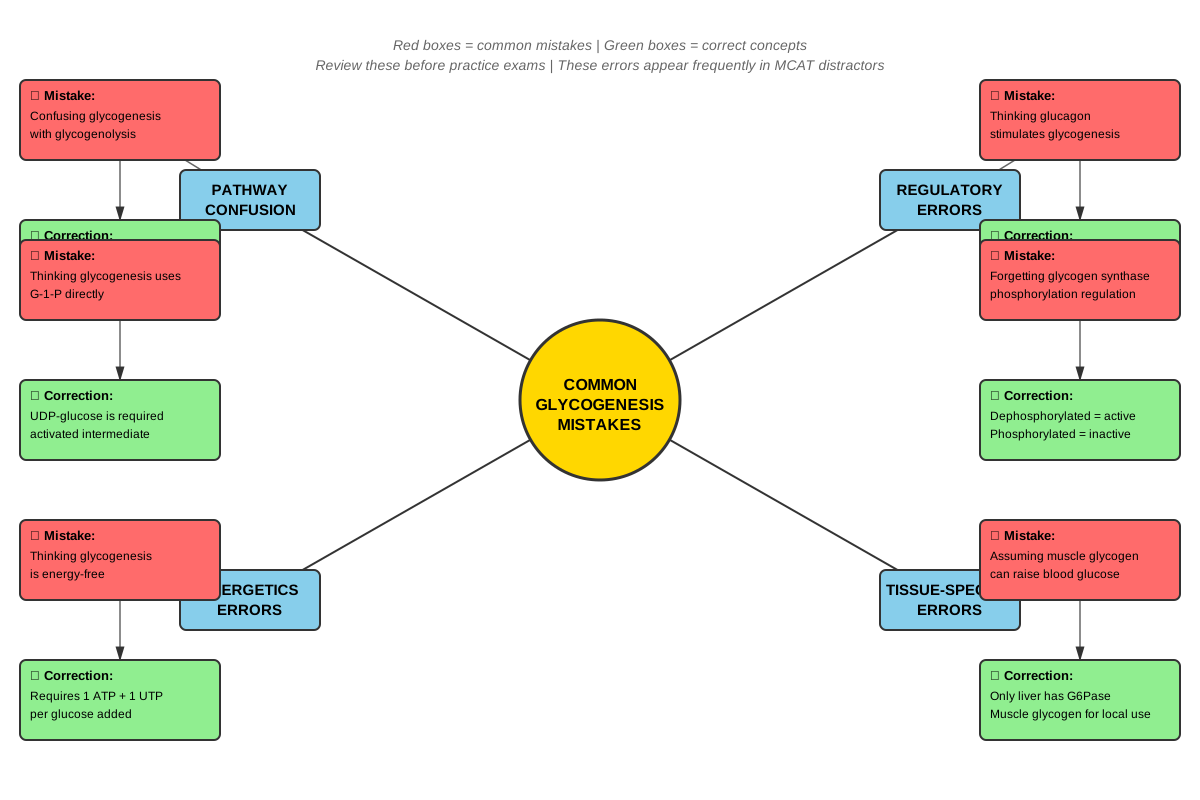
Misconception: Glycogen synthase directly uses glucose or glucose-6-phosphate to build glycogen chains.
Correction: Glycogen synthase specifically uses UDP-glucose as the glucose donor. The glucose must first be converted to G6P, then G1P, then activated to UDP-glucose before incorporation into glycogen. This activation step requires UTP and represents the committed step of the pathway.
Misconception: Insulin directly phosphorylates glycogen synthase to activate it.
Correction: Insulin activates glycogen synthase through dephosphorylation, not phosphorylation. Insulin stimulates protein phosphatase 1 (PP1), which removes phosphate groups from glycogen synthase, converting it from the inactive b form to the active a form. Phosphorylation by PKA inactivates the enzyme.
Misconception: Muscle glycogen can be broken down and released as glucose to maintain blood sugar during fasting.
Correction: Muscle lacks glucose-6-phosphatase, the enzyme required to convert G6P to free glucose. Therefore, muscle glycogen can only be used locally for muscle contraction. Only liver (and kidney) glycogen can contribute directly to blood glucose maintenance.
Misconception: Glycogenesis and glycolysis are the same process or occur simultaneously.
Correction: Glycogenesis is the synthesis of glycogen from glucose (anabolic, requires energy), while glycolysis is the breakdown of glucose to pyruvate for energy production (catabolic, produces ATP). Though both begin with glucose phosphorylation, they serve opposite purposes and are reciprocally regulated—high energy status favors glycogenesis, while low energy status favors glycolysis.
Misconception: Branching enzyme simply adds branches randomly throughout glycogen synthesis.
Correction: Branching enzyme works in coordination with glycogen synthase. After glycogen synthase extends a chain to approximately 11 residues, branching enzyme transfers a block of about 7 residues to create a new branch point via α-1,6-glycosidic bonds. This occurs at specific intervals (every 8-12 residues) to create the characteristic branched structure, not randomly.
Misconception: Glucagon affects glycogenesis in both liver and muscle.
Correction: Glucagon receptors are primarily expressed in liver (and adipose tissue), not skeletal muscle. Muscle glycogen metabolism responds to epinephrine (via β-adrenergic receptors) and insulin, but not significantly to glucagon. This tissue-specific hormone sensitivity reflects the different physiological roles of liver versus muscle glycogen.
Misconception: The energy cost of glycogenesis is fully recovered during glycogenolysis, making it energy-neutral.
Correction: While glycogenolysis produces G1P without requiring ATP (using inorganic phosphate instead), the initial investment of ~2 ATP equivalents per glucose during glycogenesis is not fully recovered. However, the G1P produced enters glycolysis at the G6P stage, bypassing the hexokinase step and saving 1 ATP, making the net cost approximately 1 ATP equivalent per glucose cycle. This is still energetically favorable compared to maintaining high free glucose concentrations.
Worked Examples
Example 1: Hormonal Regulation Integration
Question: A patient with type 1 diabetes mellitus forgets to take insulin after eating a large carbohydrate-rich meal. Compared to a healthy individual who consumed the same meal, what would be the expected status of hepatic glycogen synthase in this patient 2 hours post-meal?
Analysis:
Step 1: Identify the normal fed-state response
- After a carbohydrate meal, blood glucose rises
- Pancreatic β-cells secrete insulin in healthy individuals
- Insulin triggers a signaling cascade that activates protein phosphatase 1 (PP1)
- PP1 dephosphorylates glycogen synthase, converting it from inactive glycogen synthase b to active glycogen synthase a
- This promotes glycogen synthesis, storing excess glucose
Step 2: Consider the diabetic patient without insulin
- Without insulin administration, the patient lacks the hormonal signal to activate PP1
- Glycogen synthase remains predominantly in the phosphorylated, inactive b form
- Even with elevated blood glucose and G6P (which can partially activate glycogen synthase b allosterically), the enzyme activity remains substantially lower than in the insulin-stimulated state
- Additionally, the absence of insulin means glucagon's effects are unopposed, further promoting PKA activity that phosphorylates and inactivates glycogen synthase
Step 3: Compare to healthy individual
- Healthy individual: High insulin → Active PP1 → Dephosphorylated glycogen synthase a → Active glycogenesis
- Diabetic patient without insulin: Low/no insulin → Inactive PP1 → Phosphorylated glycogen synthase b → Minimal glycogenesis
Answer: The diabetic patient's hepatic glycogen synthase would remain predominantly in the inactive, phosphorylated b form, resulting in impaired glycogen synthesis despite elevated blood glucose. This contributes to the persistent hyperglycemia characteristic of uncontrolled diabetes, as glucose cannot be efficiently stored as glycogen.
Key Concepts Demonstrated:
- Insulin's mechanism of activating glycogenesis through PP1
- The phosphorylation state determines glycogen synthase activity
- Clinical relevance of glycogenesis regulation in diabetes
- Integration of hormonal signals with metabolic enzyme activity
Example 2: Energetics and Pathway Analysis
Question: Calculate the net ATP cost of storing one molecule of blood glucose as muscle glycogen and then completely oxidizing it through glycolysis and the citric acid cycle. Compare this to directly oxidizing the glucose without storage.
Analysis:
Step 1: Calculate ATP cost of glycogenesis
- Glucose → G6P: costs 1 ATP (via hexokinase in muscle)
- G6P → G1P: no ATP cost (reversible isomerization)
- G1P + UTP → UDP-glucose + PPi: costs 1 UTP (equivalent to 1 ATP)
- PPi → 2 Pi: hydrolysis makes the reaction irreversible (equivalent to consuming 1 additional high-energy bond)
- UDP-glucose → glycogen: no direct ATP cost
- Total investment: ~2 ATP equivalents
Step 2: Calculate ATP yield from glycogenolysis and complete oxidation
- Glycogen → G1P: no ATP cost (uses inorganic phosphate, not ATP)
- G1P → G6P: no ATP cost (reversible isomerization)
- G6P enters glycolysis, bypassing the hexokinase step
- Glycolysis from G6P → 2 pyruvate: yields 3 ATP (2 from substrate-level phosphorylation + 1 saved by bypassing hexokinase)
- 2 NADH from glycolysis: yields ~5 ATP (via electron transport chain, 2.5 ATP per NADH)
- 2 Pyruvate → 2 Acetyl-CoA: yields 2 NADH → ~5 ATP
- 2 Acetyl-CoA through citric acid cycle: yields 6 NADH (~15 ATP) + 2 FADH₂ (~3 ATP) + 2 GTP (2 ATP)
- Total yield: 3 + 5 + 5 + 15 + 3 + 2 = 33 ATP
Step 3: Calculate net ATP from storage cycle
- Net ATP = 33 ATP (yield) - 2 ATP (storage cost) = 31 ATP net
Step 4: Compare to direct glucose oxidation
- Direct glucose oxidation yields ~32 ATP (standard calculation)
- Storage cycle yields 31 ATP
- Difference: 1 ATP cost for the storage/retrieval cycle
Answer: Storing glucose as glycogen and then oxidizing it yields approximately 31 ATP, compared to 32 ATP from direct oxidation—a net cost of 1 ATP for the storage cycle. This modest energetic cost is worthwhile because glycogen provides a readily mobilizable, osmotically inactive storage form that can be rapidly deployed during exercise or fasting.
Key Concepts Demonstrated:
- Energetic investment required for biosynthetic pathways
- Glycogenolysis bypasses the hexokinase step, partially recovering storage costs
- Integration of glycogenesis with glycolysis and oxidative metabolism
- Quantitative analysis of metabolic pathways
Exam Strategy
Approaching MCAT Questions on Glycogenesis
Step 1: Identify the metabolic state
MCAT questions typically embed glycogenesis within a physiological context. Immediately determine whether the scenario describes:
- Fed state (high insulin, low glucagon) → glycogenesis active
- Fasted state (low insulin, high glucagon) → glycogenesis inactive
- Exercise/stress (high epinephrine) → glycogenesis inactive
- Recovery from exercise (insulin rising) → glycogenesis reactivating
Step 2: Recognize the tissue
Liver and muscle glycogen serve different purposes and respond to different hormones:
- Liver questions often involve blood glucose regulation and glucagon
- Muscle questions often involve exercise, epinephrine, and local energy needs
- Watch for glucose-6-phosphatase mentions—only liver has this enzyme
Step 3: Track the regulatory mechanism
Questions frequently test understanding of enzyme regulation:
- Phosphorylation status: phosphorylated glycogen synthase = inactive
- Hormonal signals: insulin activates (via PP1), glucagon/epinephrine inactivate (via PKA)
- Allosteric regulation: G6P activates, providing feed-forward control
Trigger Words and Phrases
- "Fed state," "after a meal," "carbohydrate loading" → think glycogenesis activation
- "Insulin administration," "insulin receptor activation" → glycogen synthase activation via PP1
- "Fasting," "between meals," "overnight fast" → glycogenesis inhibited
- "Glucagon secretion," "low blood sugar response" → glycogen synthase inactivation (liver only)
- "Exercise," "epinephrine release," "fight-or-flight" → glycogenesis inhibited, glycogenolysis activated
- "UDP-glucose," "activated glucose" → committed step of glycogenesis
- "Branching enzyme," "α-1,6-glycosidic bonds" → glycogen structure and branching
- "Glucose-6-phosphatase deficiency" → Von Gierke disease, affects glycogen mobilization but not synthesis directly
Process-of-Elimination Tips
When evaluating answer choices:
- Eliminate options confusing synthesis with breakdown: If a question asks about glycogen synthesis, eliminate answers describing phosphorylase, debranching enzyme, or glucose release
- Check phosphorylation logic: Eliminate answers stating that phosphorylation activates glycogen synthase (it inactivates it)
- Verify tissue-specific details: Eliminate answers suggesting muscle glycogen directly raises blood glucose or that glucagon affects muscle glycogenesis
- Confirm the activated sugar: Eliminate answers using ATP-glucose or ADP-glucose instead of UDP-glucose (except in bacteria/plants)
- Watch for reciprocal regulation: If an answer suggests glycogenesis and glycogenolysis occur simultaneously under the same conditions, it's likely incorrect
Time Allocation Advice
- Discrete questions (30-45 seconds): Quickly identify the specific concept being tested (enzyme, regulation, tissue difference) and select based on memorized high-yield facts
- Passage-based questions (60-90 seconds): Spend time understanding the experimental setup or clinical scenario, then apply glycogenesis principles to the specific context
- Data interpretation (90-120 seconds): Carefully analyze graphs showing glycogen levels, enzyme activities, or hormonal effects before selecting answers
Exam Tip: MCAT questions rarely test glycogenesis in isolation. Look for connections to diabetes, exercise physiology, glycogen storage diseases, or comparative metabolism between tissues. The integration is what the MCAT tests, not just memorized facts.
Memory Techniques
Mnemonics for Glycogenesis Pathway
"Good People Usually Get Glycogen"
- Glucose (starting point)
- Phosphorylated (to G6P)
- UDP-glucose (activated form)
- Glycogen synthase (elongation)
- Glycogen with branches (final product)
Regulation Mnemonic
"In-PP-Active" for Insulin regulation
- Insulin activates
- PP1 (protein phosphatase 1) is stimulated
- Active glycogen synthase (dephosphorylated form)
"Glue-PKA-Off" for Glucagon regulation
- Gluecagon (and epinephrine)
- PKA is activated
- Off glycogen synthase (phosphorylated, inactive)
Visualization Strategy: The Branching Tree
Visualize glycogen as a tree:
- Trunk = glycogenin core (the primer)
- Main branches = α-1,4-glycosidic bonds (glycogen synthase)
- Branch points = α-1,6-glycosidic bonds (branching enzyme)
- Leaves = non-reducing ends (sites of synthesis and breakdown)
- More branches = more leaves = faster synthesis and mobilization
When insulin "waters" the tree (fed state), it grows (glycogenesis). When glucagon/epinephrine "prunes" the tree (fasted/stress state), leaves are removed (glycogenolysis).
Acronym for Tissue Differences
LIVER vs MUSCLE:
- Liberates glucose (has G6Pase)
- Insulin and glucagon responsive
- Very important for blood glucose
- Exports glucose to blood
- Regulates systemic glucose
- Missing G6Pase (no glucose export)
- Uses glycogen locally only
- Stimulated by insulin and epinephrine
- Contraction energy source
- Lacks glucagon receptors
- Exercise depletes stores
Number Memory Aid
"2-1-4-6-8-12" for glycogenesis numbers:
- 2 ATP equivalents cost per glucose
- 1 committed step (UDP-glucose formation)
- 4 carbon position in α-1,4-glycosidic bonds (main chain)
- 6 carbon position in α-1,6-glycosidic bonds (branches)
- 8 glucose residues on glycogenin primer
- 12 residues between branch points (approximately)
Summary
Glycogenesis represents the anabolic pathway for synthesizing glycogen from glucose, occurring primarily in liver and skeletal muscle during fed states when insulin levels are elevated. The pathway proceeds through four major steps: glucose phosphorylation to G6P, isomerization to G1P, activation to UDP-glucose (the committed step), and incorporation into glycogen chains via glycogen synthase with subsequent branching by branching enzyme. This process requires approximately 2 ATP equivalents per glucose residue and is tightly regulated by hormonal signals—insulin activates glycogenesis through PP1-mediated dephosphorylation of glycogen synthase, while glucagon (liver) and epinephrine (liver and muscle) inhibit it through PKA-mediated phosphorylation. The reciprocal regulation between glycogenesis and glycogenolysis prevents futile cycling and ensures appropriate metabolic responses to feeding, fasting, and exercise. Understanding tissue-specific differences is critical: liver glycogen maintains blood glucose homeostasis and responds to glucagon, while muscle glycogen serves local energy needs, lacks glucose-6-phosphatase, and does not respond to glucagon. For the MCAT, students must integrate glycogenesis with broader metabolic regulation, recognize its role in diabetes and glycogen storage diseases, and apply these concepts to passage-based questions involving hormonal regulation and metabolic integration.
Key Takeaways
- Glycogen synthase is the rate-limiting, highly regulated enzyme that forms α-1,4-glycosidic bonds using UDP-glucose as the activated glucose donor
- Insulin activates glycogenesis by stimulating PP1, which dephosphorylates glycogen synthase; glucagon and epinephrine inhibit it by activating PKA, which phosphorylates the enzyme
- UDP-glucose formation is the committed step, made irreversible by pyrophosphate hydrolysis, distinguishing glycogenesis from other pathways
- Branching enzyme creates α-1,6-glycosidic bonds every 8-12 residues, increasing non-reducing ends for faster synthesis and degradation
- Liver glycogen maintains blood glucose and responds to glucagon, while muscle glycogen serves local energy needs, lacks glucose-6-phosphatase, and does not respond to glucagon
- Reciprocal regulation ensures glycogenesis and glycogenolysis do not occur simultaneously, preventing ATP-wasting futile cycles
- The pathway costs ~2 ATP equivalents per glucose but provides efficient, osmotically inactive storage that can be rapidly mobilized when needed
Related Topics
Glycogenolysis: The breakdown of glycogen to glucose-1-phosphate, catalyzed by glycogen phosphorylase and debranching enzyme. Understanding glycogenesis provides the foundation for learning its reciprocally regulated counterpart, essential for fasting metabolism and exercise physiology.
Glycolysis and Gluconeogenesis: These pathways share glucose-6-phosphate as a common intermediate with glycogenesis. Mastering how G6P is partitioned between energy production, glucose synthesis, and storage is critical for understanding integrated metabolism.
Insulin and Glucagon Signaling: The hormonal regulation of glycogenesis exemplifies broader principles of signal transduction, including receptor tyrosine kinases (insulin) and G-protein coupled receptors (glucagon), with downstream effects on protein phosphorylation.
Glycogen Storage Diseases: Clinical disorders affecting glycogen metabolism, including deficiencies in branching enzyme (GSD IV), glycogen synthase (GSD 0), and other enzymes. These diseases illustrate the physiological importance of proper glycogen synthesis and structure.
Exercise Metabolism: Understanding muscle glycogen synthesis and depletion is essential for questions about athletic performance, carbohydrate loading, and metabolic adaptation to training.
Diabetes Mellitus: Impaired glycogenesis due to insulin deficiency or resistance contributes to hyperglycemia. This topic integrates glycogenesis with clinical pathophysiology frequently tested on the MCAT.
Practice CTA
Now that you've mastered the core concepts of glycogenesis, it's time to solidify your understanding through active practice. Challenge yourself with MCAT-style practice questions that test your ability to apply these concepts in novel contexts—from clinical vignettes about diabetes management to experimental passages examining enzyme regulation. Use flashcards to drill the high-yield facts, especially the regulatory mechanisms and tissue-specific differences that the MCAT loves to test. Remember, understanding glycogenesis isn't just about memorizing enzymes; it's about seeing how this pathway integrates with the broader metabolic landscape. Your ability to quickly identify fed versus fasted states, predict hormonal effects, and analyze experimental data will set you apart on test day. Keep pushing forward—metabolic mastery is within your reach!
Sign up free to keep reading
Create a free AnvayaPrep account to finish this MCAT guide on Glycogenesis — plus flashcards and practice questions.