Overview
Glycogenolysis is the biochemical pathway responsible for breaking down glycogen into glucose-1-phosphate and free glucose, providing a rapid source of energy during periods of fasting, exercise, or stress. This catabolic process occurs primarily in the liver and skeletal muscle, serving distinct physiological roles in each tissue. In the liver, glycogenolysis maintains blood glucose homeostasis by releasing free glucose into circulation, while in muscle tissue, it provides glucose-6-phosphate for local ATP production during contraction. Understanding this pathway is fundamental to grasping how the body maintains energy balance and responds to hormonal signals.
For the MCAT, Glycogenolysis Biochemistry represents a high-yield topic that integrates multiple testable concepts including enzyme regulation, hormonal signaling cascades, and metabolic coordination. The exam frequently tests glycogenolysis within the context of fed versus fasted states, exercise physiology, and endocrine disorders such as diabetes mellitus. Questions may present clinical vignettes involving hypoglycemia, glycogen storage diseases, or the physiological response to epinephrine, requiring students to apply their understanding of the enzymatic steps, regulatory mechanisms, and tissue-specific differences in this pathway.
Glycogenolysis MCAT questions often appear alongside related Metabolism topics, particularly glycogenesis, gluconeogenesis, and glycolysis, making it essential to understand how these pathways interconnect. The reciprocal regulation of glycogenolysis and glycogenesis through hormonal control exemplifies the coordinated nature of metabolic pathways—a recurring theme in Biochemistry that the MCAT tests extensively. Mastering glycogenolysis provides the foundation for understanding broader concepts of metabolic regulation, signal transduction, and the integration of organ systems in maintaining physiological homeostasis.
Learning Objectives
- [ ] Define Glycogenolysis using accurate Biochemistry terminology
- [ ] Explain why Glycogenolysis matters for the MCAT
- [ ] Apply Glycogenolysis to exam-style questions
- [ ] Identify common mistakes related to Glycogenolysis
- [ ] Connect Glycogenolysis to related Biochemistry concepts
- [ ] Diagram the complete enzymatic pathway of glycogenolysis including all intermediates
- [ ] Compare and contrast the regulation of glycogenolysis in liver versus muscle tissue
- [ ] Predict the metabolic consequences of enzyme deficiencies in the glycogenolytic pathway
- [ ] Analyze the hormonal cascade from receptor activation to glycogen breakdown
Prerequisites
- Glycogen structure: Understanding the α-1,4 and α-1,6 glycosidic bonds is essential for comprehending how different enzymes cleave these linkages during glycogenolysis
- Basic enzyme kinetics: Knowledge of enzyme regulation through phosphorylation, allosteric modification, and covalent modification is necessary to understand glycogenolysis control
- Hormonal signaling cascades: Familiarity with G-protein coupled receptors, second messengers (cAMP, Ca²⁺), and protein kinases provides the foundation for understanding hormonal regulation
- Glycolysis pathway: Glycogenolysis feeds into glycolysis through glucose-6-phosphate, making understanding of this downstream pathway important
- Fed versus fasted metabolic states: Recognition of the body's metabolic priorities in different nutritional states contextualizes when and why glycogenolysis occurs
Why This Topic Matters
Clinical and Real-World Significance
Glycogenolysis plays a critical role in maintaining blood glucose levels between meals and during physical activity. Dysregulation of this pathway contributes to metabolic diseases including diabetes mellitus, where impaired hormonal signaling affects glycogen metabolism. Glycogen storage diseases (GSDs), a group of inherited disorders affecting enzymes in glycogen metabolism, demonstrate the clinical importance of this pathway. For example, Von Gierke disease (GSD Type I) involves glucose-6-phosphatase deficiency, preventing the liver from releasing free glucose during glycogenolysis, resulting in severe hypoglycemia and hepatomegaly. McArdle disease (GSD Type V) involves muscle glycogen phosphorylase deficiency, causing exercise intolerance and muscle cramps due to inability to mobilize muscle glycogen stores.
MCAT Exam Statistics and Question Types
Glycogenolysis appears in approximately 3-5% of Biochemistry questions on the MCAT, often integrated with endocrinology, physiology, and metabolic regulation topics. Questions typically fall into several categories: (1) discrete questions testing enzyme function and regulation, (2) passage-based questions presenting clinical vignettes of metabolic disorders or exercise physiology, (3) experimental passages analyzing the effects of hormones or drugs on glycogen metabolism, and (4) questions requiring integration of multiple metabolic pathways. The topic frequently appears in questions testing the distinction between liver and muscle metabolism, hormonal regulation mechanisms, and the coordination of metabolic pathways during different physiological states.
Common Exam Presentation Formats
The MCAT presents glycogenolysis through various contexts: clinical scenarios describing patients with hypoglycemia or glycogen storage diseases; experimental passages investigating enzyme regulation or hormonal effects; physiological vignettes describing the metabolic response to exercise, fasting, or stress; and biochemical passages analyzing enzyme mechanisms or metabolic flux. Questions often require students to predict metabolic outcomes given specific hormonal conditions, identify rate-limiting steps, or explain tissue-specific differences in pathway regulation and function.
Core Concepts
Definition and Overview of Glycogenolysis
Glycogenolysis is the catabolic metabolic pathway that breaks down glycogen, the storage form of glucose in animals, into glucose-1-phosphate and free glucose molecules. This process mobilizes stored carbohydrate reserves to maintain blood glucose homeostasis and provide energy substrates for cellular metabolism. The pathway involves three key enzymes: glycogen phosphorylase, debranching enzyme, and (in liver) glucose-6-phosphatase. Glycogenolysis occurs primarily in hepatocytes and skeletal muscle cells, though the end products and physiological purposes differ between these tissues.
The Enzymatic Steps of Glycogenolysis
Step 1: Phosphorolytic Cleavage by Glycogen Phosphorylase
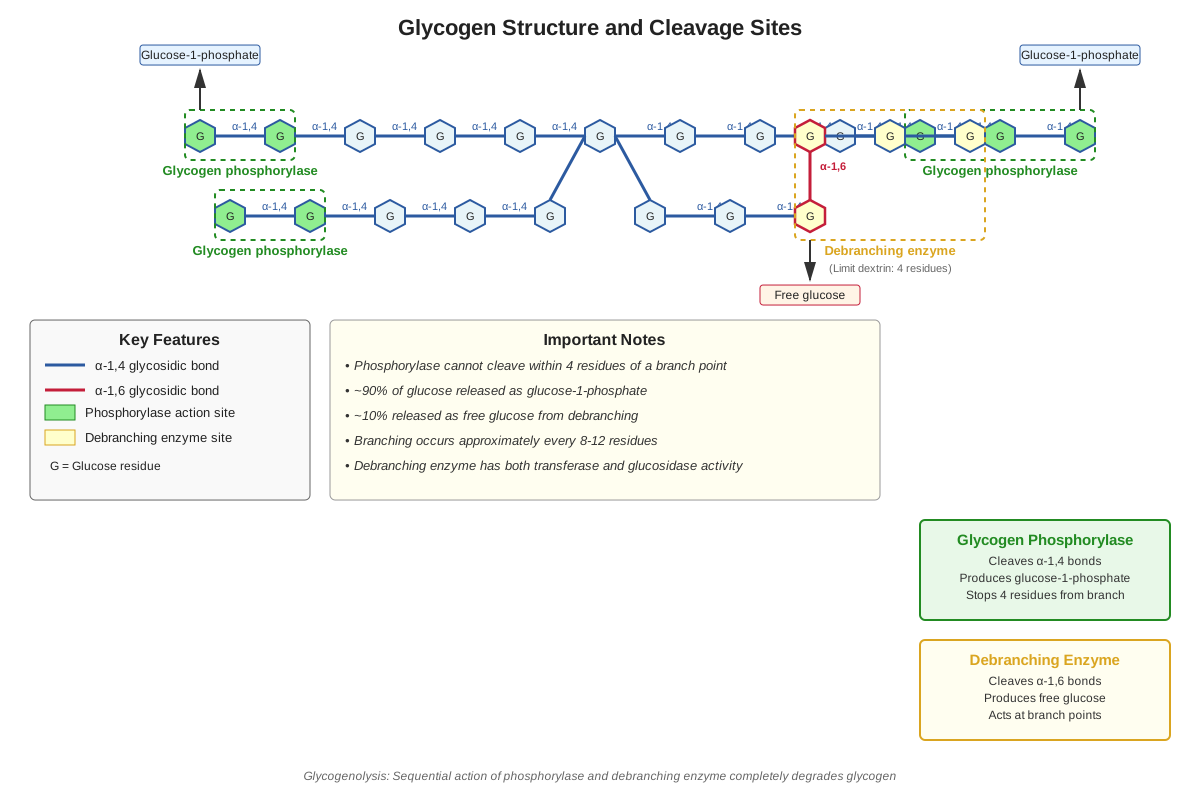
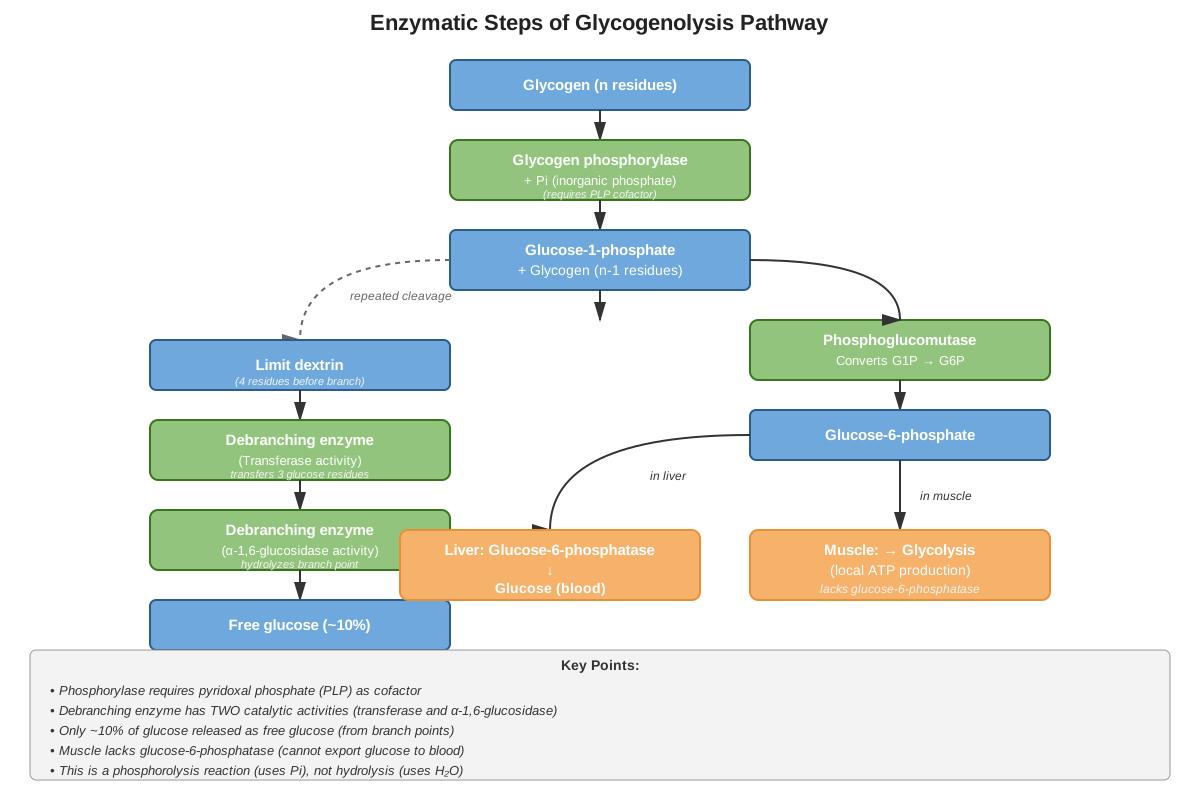
Glycogen phosphorylase catalyzes the rate-limiting step of glycogenolysis, cleaving α-1,4-glycosidic bonds through phosphorolysis (bond cleavage using inorganic phosphate rather than water). This enzyme removes glucose residues sequentially from the non-reducing ends of glycogen branches, producing glucose-1-phosphate (G1P). The reaction is:
Glycogen(n residues) + Pi → Glycogen(n-1 residues) + Glucose-1-phosphateGlycogen phosphorylase cannot cleave bonds within four glucose residues of a branch point (α-1,6 linkage), creating a limit dextrin—a branched structure that requires additional enzymatic processing. The enzyme exists in two forms: phosphorylase a (active, phosphorylated form) and phosphorylase b (less active, dephosphorylated form). Pyridoxal phosphate (vitamin B6 derivative) serves as an essential cofactor.
Step 2: Debranching by Debranching Enzyme
Debranching enzyme (also called α-1,6-glucosidase or glycogen debranching enzyme) possesses two distinct catalytic activities that work sequentially to remove branch points. First, its transferase activity relocates three glucose residues from a four-residue branch to a nearby chain, extending that chain and leaving a single glucose attached by an α-1,6 bond. Second, its α-1,6-glucosidase activity hydrolyzes this remaining α-1,6-glycosidic bond, releasing free glucose (not glucose-1-phosphate). This dual-function enzyme allows glycogen phosphorylase to continue degrading the now-linear glycogen chain.
Step 3: Conversion of Glucose-1-Phosphate to Glucose-6-Phosphate
Phosphoglucomutase catalyzes the reversible isomerization of glucose-1-phosphate to glucose-6-phosphate (G6P). This enzyme requires glucose-1,6-bisphosphate as a cofactor, which becomes phosphorylated and dephosphorylated during the catalytic cycle. The reaction is:
Glucose-1-phosphate ⇌ Glucose-6-phosphateGlucose-6-phosphate represents a critical metabolic branch point that can enter glycolysis for energy production, the pentose phosphate pathway for NADPH and ribose-5-phosphate production, or (in liver and kidney) be converted to free glucose.
Step 4: Dephosphorylation to Free Glucose (Liver and Kidney Only)
In hepatocytes and renal tubular cells, glucose-6-phosphatase (located in the endoplasmic reticulum membrane) hydrolyzes glucose-6-phosphate to produce free glucose that can be exported into the bloodstream:
Glucose-6-phosphate + H₂O → Glucose + PiThis enzyme is absent in muscle and brain tissue, explaining why these tissues cannot contribute directly to blood glucose maintenance through glycogenolysis. Muscle-derived glucose-6-phosphate must be metabolized locally through glycolysis.
Hormonal Regulation of Glycogenolysis
Glucagon Signaling in Liver
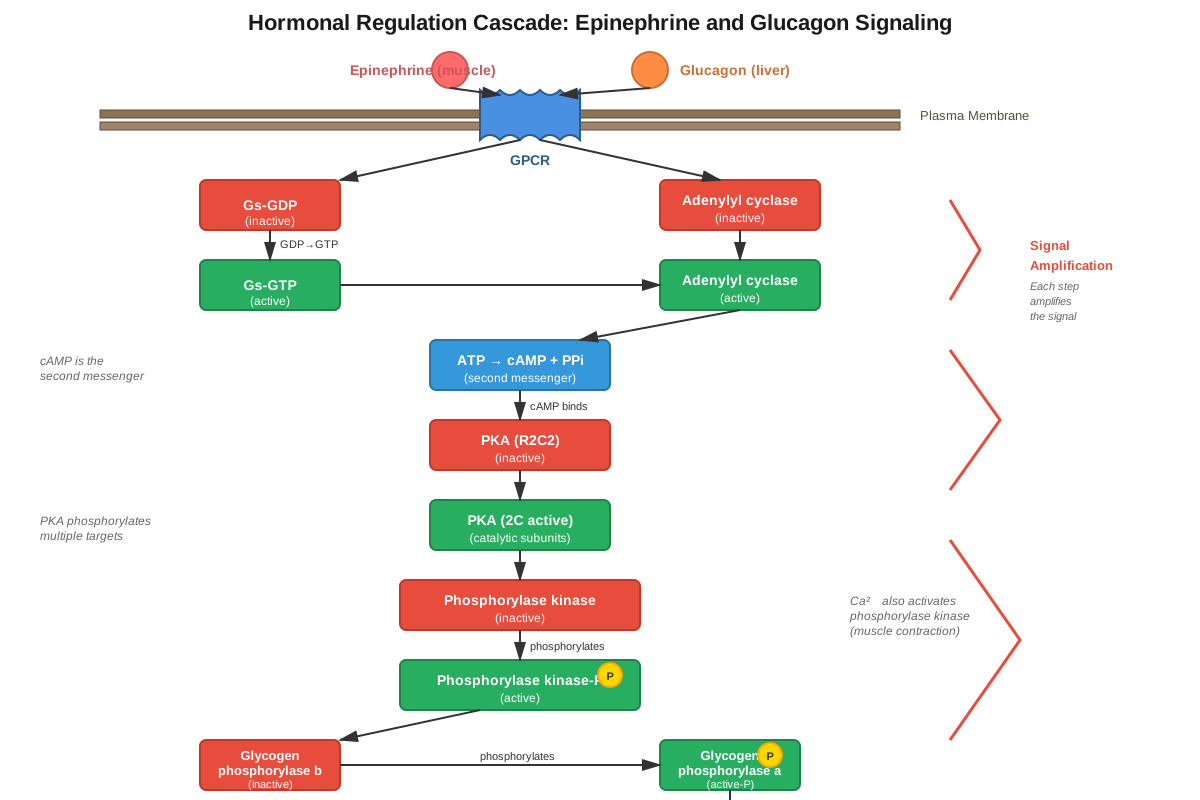
Glucagon, secreted by pancreatic α-cells during fasting or hypoglycemia, activates glycogenolysis in hepatocytes through a cAMP-dependent cascade. Glucagon binds to G-protein coupled receptors (GPCRs) on hepatocyte membranes, activating Gs proteins that stimulate adenylyl cyclase to convert ATP to cyclic AMP (cAMP). Elevated cAMP activates protein kinase A (PKA), which phosphorylates multiple target proteins:
- Phosphorylase kinase (activated by phosphorylation) → phosphorylates glycogen phosphorylase b to phosphorylase a (active form)
- Glycogen synthase (inactivated by phosphorylation) → prevents simultaneous glycogen synthesis
- Phosphoprotein phosphatase inhibitor-1 (activated by phosphorylation) → prevents dephosphorylation of phosphorylase a
This cascade amplifies the initial hormonal signal, with one glucagon molecule ultimately causing the release of thousands of glucose molecules.
Epinephrine Signaling in Muscle and Liver
Epinephrine (adrenaline) activates glycogenolysis in both liver and muscle tissue during the "fight-or-flight" response. In liver, epinephrine acts through β-adrenergic receptors coupled to the same cAMP/PKA cascade as glucagon. In skeletal muscle, epinephrine binds to β₂-adrenergic receptors, also activating the cAMP pathway. Additionally, epinephrine can bind to α₁-adrenergic receptors in liver, triggering a calcium-dependent pathway: activation of phospholipase C produces IP₃ (inositol 1,4,5-trisphosphate), which releases Ca²⁺ from the endoplasmic reticulum. Elevated cytosolic Ca²⁺ activates phosphorylase kinase through its calmodulin subunit, providing an alternative activation mechanism independent of cAMP.
Insulin's Inhibitory Effect
Insulin, released during the fed state, opposes glycogenolysis by activating protein phosphatase 1 (PP1). Insulin signaling through its receptor tyrosine kinase activates a cascade that ultimately dephosphorylates and activates PP1. Active PP1 dephosphorylates:
- Glycogen phosphorylase a → converting it to the less active phosphorylase b
- Phosphorylase kinase → inactivating it
- Glycogen synthase → activating it to promote glycogen synthesis
This coordinated regulation ensures that glycogenolysis is suppressed when glucose is abundant, while glycogenesis is promoted.
Allosteric Regulation
Beyond hormonal control, glycogen phosphorylase responds to allosteric effectors that fine-tune enzyme activity based on cellular energy status:
| Tissue | Activators | Inhibitors | Physiological Significance |
|---|---|---|---|
| Liver | AMP (minor) | Glucose, ATP | Glucose inhibits hepatic phosphorylase when blood glucose is adequate |
| Muscle | AMP, IMP | ATP, G6P | Energy charge regulates muscle glycogenolysis; low ATP/high AMP stimulates breakdown |
In muscle, AMP serves as a sensitive indicator of energy depletion (high ADP is converted to ATP and AMP by adenylate kinase). AMP allosterically activates phosphorylase b even without hormonal phosphorylation, allowing muscle to respond rapidly to increased energy demand during contraction. Conversely, high ATP and glucose-6-phosphate signal adequate energy status and inhibit the enzyme.
Tissue-Specific Differences in Glycogenolysis
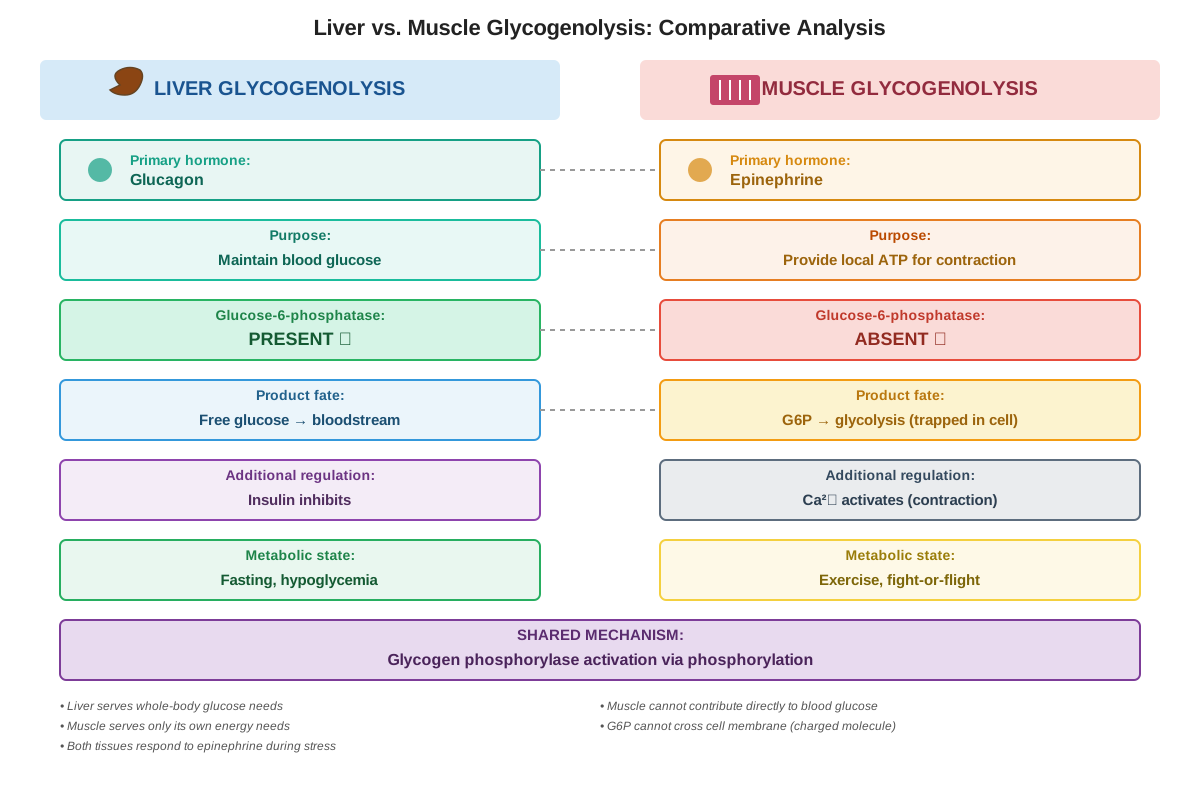
| Feature | Liver | Skeletal Muscle |
|---|---|---|
| Primary purpose | Maintain blood glucose for other tissues | Provide G6P for local ATP production |
| Glucose-6-phosphatase | Present | Absent |
| End product released | Free glucose → bloodstream | G6P → glycolysis (lactate may be released) |
| Hormonal regulation | Glucagon, epinephrine, insulin | Epinephrine, insulin |
| Allosteric regulation | Glucose inhibits phosphorylase | AMP activates phosphorylase |
| Glycogen stores | ~100-120 g (can sustain blood glucose 12-18 hours) | ~400-500 g (not available to other tissues) |
Integration with Other Metabolic Pathways
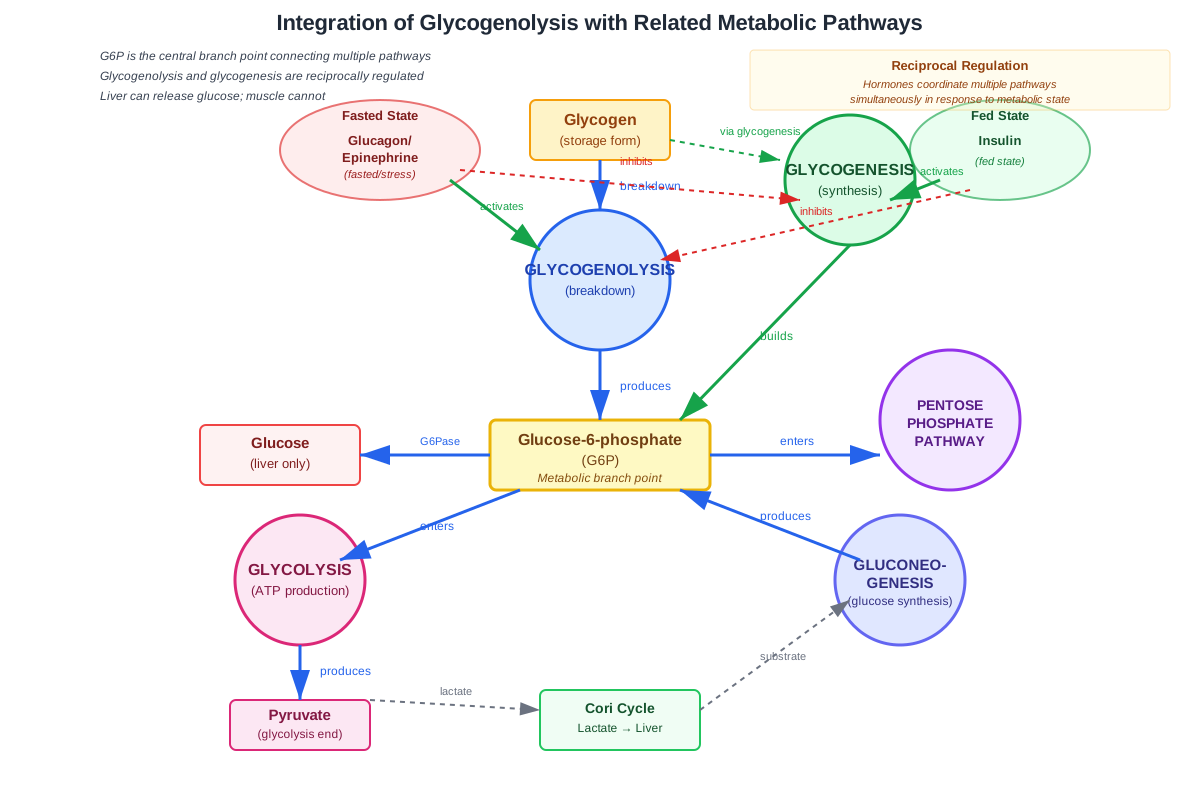
Glycogenolysis connects intimately with multiple metabolic pathways. The glucose-6-phosphate produced can enter glycolysis for ATP production, particularly important in muscle during exercise. In liver during prolonged fasting, when glycogen stores are depleted, gluconeogenesis takes over glucose production, with some enzymes (like glucose-6-phosphatase) shared between pathways. The pentose phosphate pathway can utilize glucose-6-phosphate from glycogenolysis to generate NADPH and ribose-5-phosphate. During intense exercise, muscle glycogenolysis produces lactate through glycolysis, which travels to the liver for conversion back to glucose via the Cori cycle, demonstrating inter-organ metabolic cooperation.
Concept Relationships
Glycogenolysis exists within a tightly integrated metabolic network. The pathway begins with hormonal signals (glucagon, epinephrine) → activating signaling cascades (cAMP/PKA or Ca²⁺/calmodulin) → phosphorylating regulatory enzymes (phosphorylase kinase) → activating glycogen phosphorylase → producing glucose-1-phosphate → converting to glucose-6-phosphate → either entering glycolysis (muscle) or being dephosphorylated to free glucose (liver).
Glycogenolysis demonstrates reciprocal regulation with glycogenesis (glycogen synthesis): the same hormones and signaling molecules that activate glycogenolysis simultaneously inhibit glycogenesis, preventing futile cycling. Both pathways share glucose-6-phosphate as a common intermediate but proceed in opposite directions. The relationship to glycolysis is direct: glucose-6-phosphate from glycogenolysis enters glycolysis at the second step, bypassing the hexokinase reaction and conserving one ATP equivalent.
The connection to gluconeogenesis is complementary: both pathways serve to maintain blood glucose, but glycogenolysis provides rapid, short-term glucose mobilization (minutes to hours), while gluconeogenesis provides sustained glucose production during prolonged fasting (hours to days). The Cori cycle links muscle glycogenolysis to hepatic gluconeogenesis: muscle breaks down glycogen → produces lactate → lactate travels to liver → converted to glucose via gluconeogenesis → glucose returns to muscle.
Understanding these relationships helps predict metabolic responses: during exercise, muscle glycogenolysis increases → produces lactate → lactate goes to liver → hepatic gluconeogenesis increases while hepatic glycogenolysis also increases → maintaining blood glucose for brain and red blood cells. This integrated view is essential for MCAT questions requiring prediction of metabolic states.
High-Yield Facts
⭐ Glycogen phosphorylase catalyzes the rate-limiting step of glycogenolysis, cleaving α-1,4-glycosidic bonds via phosphorolysis to produce glucose-1-phosphate
⭐ Debranching enzyme has two activities: transferase (moves three glucose residues) and α-1,6-glucosidase (hydrolyzes branch points, releasing free glucose)
⭐ Glucose-6-phosphatase is present only in liver and kidney, allowing these tissues to release free glucose into the bloodstream; muscle lacks this enzyme and cannot contribute directly to blood glucose
⭐ Glucagon and epinephrine activate glycogenolysis through cAMP/PKA cascade, while insulin inhibits it by activating protein phosphatase 1
⭐ In muscle, AMP allosterically activates glycogen phosphorylase b, allowing energy-dependent regulation independent of hormonal signals
- Phosphoglucomutase converts glucose-1-phosphate to glucose-6-phosphate, a critical branch point metabolite
- Glycogen phosphorylase requires pyridoxal phosphate (vitamin B6 derivative) as a cofactor
- Approximately 90% of glucose residues are released as glucose-1-phosphate; about 10% are released as free glucose from branch points
- Epinephrine can activate glycogenolysis through two pathways: β-adrenergic (cAMP) and α₁-adrenergic (Ca²⁺)
- Phosphorylase kinase contains a calmodulin subunit, making it responsive to calcium even without phosphorylation
- Liver glycogen stores (100-120 g) can maintain blood glucose for 12-18 hours of fasting
- The amplification cascade means one glucagon molecule can ultimately cause release of thousands of glucose molecules
- Von Gierke disease (glucose-6-phosphatase deficiency) causes severe fasting hypoglycemia and hepatomegaly
- McArdle disease (muscle phosphorylase deficiency) causes exercise intolerance and myoglobinuria
- Cori disease (debranching enzyme deficiency) results in accumulation of abnormal glycogen with short outer branches
Quick check — test yourself on Glycogenolysis so far.
Try Flashcards →Common Misconceptions
Misconception: Glycogenolysis produces only free glucose as its product.
Correction: Glycogenolysis produces primarily glucose-1-phosphate (from phosphorylase action on α-1,4 bonds) and a small amount of free glucose (from debranching enzyme action on α-1,6 bonds). Only in liver and kidney is glucose-1-phosphate ultimately converted to free glucose via glucose-6-phosphatase.
Misconception: Muscle glycogenolysis contributes directly to blood glucose levels.
Correction: Muscle lacks glucose-6-phosphatase and cannot produce free glucose from glucose-6-phosphate. Muscle glycogenolysis serves only local energy needs. Muscle can contribute indirectly to blood glucose through the Cori cycle by releasing lactate, which the liver converts to glucose via gluconeogenesis.
Misconception: Glycogen phosphorylase can completely degrade glycogen to glucose-1-phosphate.
Correction: Glycogen phosphorylase stops four glucose residues away from α-1,6 branch points, creating limit dextrins. Debranching enzyme is absolutely required to remove branch points and allow complete glycogen degradation. Without debranching enzyme, glycogenolysis would be severely limited.
Misconception: Glucagon affects both liver and muscle glycogenolysis.
Correction: Glucagon receptors are present primarily in liver (and kidney), not in skeletal muscle. Muscle glycogenolysis responds to epinephrine (via β₂-adrenergic receptors) and to local energy status (AMP levels), but not to glucagon. This tissue specificity ensures muscle glycogen is reserved for muscle use.
Misconception: Phosphorylation always activates enzymes.
Correction: While phosphorylation activates glycogen phosphorylase and phosphorylase kinase, it inactivates glycogen synthase. This reciprocal regulation by the same signaling cascade (PKA phosphorylates all three enzymes) ensures coordinated control: when glycogenolysis is active, glycogenesis is inactive, preventing futile cycling.
Misconception: Glycogenolysis and glycolysis are the same process.
Correction: Glycogenolysis is the breakdown of glycogen to glucose-1-phosphate/glucose, while glycolysis is the breakdown of glucose to pyruvate. Glycogenolysis can feed into glycolysis (glucose-6-phosphate from glycogenolysis enters glycolysis), but they are distinct pathways with different enzymes, regulation, and purposes.
Misconception: The debranching enzyme only has glucosidase activity.
Correction: Debranching enzyme is a bifunctional enzyme with two distinct catalytic activities on the same polypeptide: transferase activity (moves three glucose residues) and α-1,6-glucosidase activity (hydrolyzes the remaining α-1,6 bond). Both activities are essential for complete glycogen degradation.
Worked Examples
Example 1: Hormonal Regulation During Exercise
Question: A runner begins an intense 400-meter sprint. Describe the biochemical cascade that activates muscle glycogenolysis, including the hormonal signal, second messengers, and enzyme modifications. Explain why this response is physiologically appropriate.
Solution:
Step 1 - Identify the hormonal trigger: During intense exercise, the sympathetic nervous system releases epinephrine from the adrenal medulla. Epinephrine is the primary hormone activating muscle glycogenolysis during exercise.
Step 2 - Receptor binding and signal transduction: Epinephrine binds to β₂-adrenergic receptors on muscle cell membranes. These are G-protein coupled receptors (GPCRs) linked to Gs proteins. Receptor activation causes the Gs protein to activate adenylyl cyclase.
Step 3 - Second messenger production: Activated adenylyl cyclase converts ATP to cyclic AMP (cAMP), which serves as the second messenger. cAMP levels increase rapidly in the muscle cell cytoplasm.
Step 4 - Protein kinase A activation: Elevated cAMP binds to the regulatory subunits of protein kinase A (PKA), causing them to dissociate from the catalytic subunits. The free catalytic subunits are now active.
Step 5 - Phosphorylation cascade: Active PKA phosphorylates phosphorylase kinase, activating it. Activated phosphorylase kinase then phosphorylates glycogen phosphorylase b, converting it to the active phosphorylase a form. Simultaneously, PKA phosphorylates glycogen synthase, inactivating it.
Step 6 - Glycogen breakdown: Active glycogen phosphorylase a cleaves α-1,4-glycosidic bonds in glycogen, producing glucose-1-phosphate. Phosphoglucomutase converts this to glucose-6-phosphate, which enters glycolysis.
Step 7 - Additional allosteric regulation: The intense muscle contraction rapidly depletes ATP, causing ADP and AMP levels to rise. AMP allosterically activates even the phosphorylase b form, providing additional activation beyond the hormonal signal.
Physiological appropriateness: This response is ideal for sprint exercise because: (1) it mobilizes stored energy rapidly without requiring blood glucose uptake, (2) the glucose-6-phosphate produced enters glycolysis immediately for fast ATP production via substrate-level phosphorylation, (3) the cascade amplifies the signal (one epinephrine molecule → thousands of glucose molecules released), and (4) the dual regulation (hormonal + allosteric) ensures robust activation matching the intense energy demand.
Example 2: Clinical Vignette - Glycogen Storage Disease
Question: A 5-year-old boy presents with severe fasting hypoglycemia, hepatomegaly, and elevated blood lactate levels. Genetic testing reveals a mutation in the glucose-6-phosphatase gene. Explain: (a) why this patient experiences fasting hypoglycemia, (b) why hepatomegaly develops, (c) why lactate levels are elevated, and (d) what would happen to this patient's blood glucose response to glucagon administration during fasting.
Solution:
(a) Fasting hypoglycemia mechanism: Glucose-6-phosphatase catalyzes the final step of hepatic glucose production, converting glucose-6-phosphate to free glucose that can be exported from hepatocytes into the bloodstream. This enzyme is essential for both glycogenolysis and gluconeogenesis to contribute to blood glucose. Without functional glucose-6-phosphatase, the liver cannot release free glucose despite having intact glycogenolysis and gluconeogenesis pathways. During fasting, when the liver normally maintains blood glucose through these pathways, this patient cannot release glucose, resulting in severe hypoglycemia. The brain and red blood cells, which depend on blood glucose, are particularly affected.
(b) Hepatomegaly development: Glucose-6-phosphate accumulates in hepatocytes because it cannot be converted to free glucose. This accumulated G6P has two fates: (1) it is converted back to glucose-1-phosphate and then to UDP-glucose, which is incorporated into glycogen, causing excessive glycogen storage, and (2) it enters glycolysis. The massive accumulation of glycogen causes hepatocytes to enlarge, resulting in hepatomegaly (enlarged liver). This is Von Gierke disease (GSD Type I), characterized by excessive hepatic glycogen despite the patient's inability to mobilize it for blood glucose maintenance.
(c) Elevated lactate explanation: The accumulated glucose-6-phosphate in hepatocytes enters glycolysis, producing pyruvate. Under the metabolic conditions in these patients (high NADH/NAD⁺ ratio from increased glycolysis), pyruvate is preferentially converted to lactate by lactate dehydrogenase. The liver, which normally consumes lactate via gluconeogenesis, instead becomes a lactate producer. Additionally, peripheral tissues rely more heavily on glycolysis due to hypoglycemia, further increasing lactate production. The combination of hepatic lactate overproduction and impaired hepatic lactate utilization causes lactic acidosis.
(d) Glucagon response prediction: Administering glucagon during fasting would activate the normal signaling cascade (cAMP/PKA), stimulating both glycogenolysis and gluconeogenesis. However, despite increased activity of these pathways, blood glucose would NOT increase because the final step (glucose-6-phosphatase) is defective. Instead, glucagon administration would worsen the metabolic abnormalities: increased glycogenolysis and gluconeogenesis would produce more glucose-6-phosphate, which cannot be released as glucose. This would lead to increased lactate production and worsening lactic acidosis. This paradoxical response is characteristic of Von Gierke disease and distinguishes it from other causes of hypoglycemia where glucagon administration would raise blood glucose.
Key learning points: This example illustrates (1) the critical role of glucose-6-phosphatase in hepatic glucose output, (2) the tissue-specific nature of glycogenolysis (liver vs. muscle), (3) the integration of glycogenolysis with other pathways (glycolysis, gluconeogenesis), and (4) how enzyme deficiencies cause predictable metabolic consequences based on pathway knowledge.
Exam Strategy
Approaching MCAT Questions on Glycogenolysis
When encountering glycogenolysis questions, first identify the physiological context: Is this a fasting state (glucagon dominant), exercise state (epinephrine in muscle), or fed state (insulin dominant)? This immediately tells you whether glycogenolysis should be active or inactive. Next, determine the tissue: liver questions involve blood glucose maintenance and glucose-6-phosphatase, while muscle questions involve local ATP production without glucose-6-phosphatase.
For mechanism questions, work through the cascade systematically: hormone → receptor → second messenger → protein kinase → target enzyme phosphorylation → metabolic outcome. Don't skip steps—the MCAT often tests intermediate steps in signaling cascades. For enzyme questions, remember that glycogen phosphorylase acts on α-1,4 bonds (producing G1P), while debranching enzyme acts on α-1,6 bonds (producing free glucose).
Trigger Words and Phrases
Watch for these high-yield trigger phrases:
- "Fasting state," "between meals," "overnight fast" → signals glucagon activation of hepatic glycogenolysis
- "Exercise," "muscle contraction," "fight-or-flight" → signals epinephrine activation of muscle glycogenolysis
- "Maintains blood glucose" → indicates liver glycogenolysis, requires glucose-6-phosphatase
- "Phosphorolysis" → specifically refers to glycogen phosphorylase mechanism using inorganic phosphate
- "Limit dextrin" → indicates the need for debranching enzyme
- "Hepatomegaly with fasting hypoglycemia" → classic presentation of Von Gierke disease (glucose-6-phosphatase deficiency)
- "Exercise intolerance with normal fasting glucose" → suggests muscle-specific glycogen storage disease (e.g., McArdle disease)
Process-of-Elimination Tips
When evaluating answer choices:
- Eliminate options that confuse glycogenolysis with glycolysis or gluconeogenesis—these are distinct pathways
- Eliminate answers suggesting muscle glycogenolysis directly raises blood glucose—muscle lacks glucose-6-phosphatase
- Eliminate options that have glucagon affecting muscle—glucagon receptors are hepatic
- Eliminate answers suggesting glycogen phosphorylase can completely degrade glycogen alone—debranching enzyme is required
- For hormonal regulation questions, eliminate answers that don't include the complete cascade (hormone → second messenger → kinase → target enzyme)
Time Allocation Advice
Discrete glycogenolysis questions should take 60-90 seconds: quickly identify the physiological state, recall the relevant regulatory mechanism, and select the answer. Passage-based questions require more time (90-120 seconds per question) because you must integrate passage information with your knowledge. For complex clinical vignettes involving glycogen storage diseases, spend time mapping out the metabolic consequences of the enzyme deficiency before attempting questions—this upfront investment (30-45 seconds) saves time and prevents errors on multiple questions.
Memory Techniques
Mnemonics for Glycogenolysis Enzymes
"Please Don't Panic, Glucose!" for the enzyme sequence:
- Phosphorylase (glycogen phosphorylase - breaks α-1,4 bonds)
- Debranching enzyme (removes branch points)
- Phosphoglucomutase (converts G1P to G6P)
- Glucose-6-phosphatase (produces free glucose - liver only)
Hormonal Regulation Mnemonic
"GELI Breaks, Insulin Makes":
- Glucagon
- Epinephrine
- Low insulin
- Increase glycogenolysis (Breaks glycogen)
- Insulin Makes glycogen (inhibits breakdown, promotes synthesis)
Tissue Differences Memory Aid
"Liver is GENEROUS, Muscle is SELFISH":
- Liver: Has glucose-6-phosphatase, releases free glucose to blood, serves other tissues (generous)
- Muscle: Lacks glucose-6-phosphatase, keeps G6P for own use, cannot share glucose (selfish)
Signaling Cascade Visualization
Visualize the cascade as a waterfall with amplification at each level:
- One hormone molecule (top of waterfall)
- Multiple G-proteins activated (first cascade)
- Many adenylyl cyclase molecules producing cAMP (second cascade)
- Numerous PKA molecules activated (third cascade)
- Many phosphorylase kinase molecules activated (fourth cascade)
- Thousands of phosphorylase molecules activated (fifth cascade)
- Millions of glucose molecules released (bottom of waterfall)
This visualization helps remember both the sequence and the amplification principle.
Debranching Enzyme Memory Trick
"Transfer THREE, then TRIM":
- Debranching enzyme first transfers three glucose residues (transferase activity)
- Then trims the remaining single glucose at the branch point (α-1,6-glucosidase activity)
Summary
Glycogenolysis is the regulated breakdown of glycogen into glucose-1-phosphate and free glucose, serving distinct roles in liver (blood glucose maintenance) and muscle (local ATP production). The pathway involves three key enzymes: glycogen phosphorylase (cleaves α-1,4 bonds via phosphorolysis), debranching enzyme (removes α-1,6 branch points through dual transferase and glucosidase activities), and glucose-6-phosphatase (liver-specific, produces free glucose). Hormonal regulation occurs through glucagon and epinephrine, which activate cAMP/PKA cascades that phosphorylate and activate glycogen phosphorylase while simultaneously inactivating glycogen synthase, ensuring reciprocal control. Muscle glycogenolysis responds additionally to allosteric activation by AMP, reflecting local energy status. The tissue-specific presence of glucose-6-phosphatase determines whether glycogenolysis contributes to blood glucose (liver) or only to local metabolism (muscle). Understanding glycogenolysis requires integrating enzyme mechanisms, hormonal signaling cascades, allosteric regulation, and metabolic coordination—all high-yield concepts for MCAT Biochemistry questions.
Key Takeaways
- Glycogen phosphorylase catalyzes the rate-limiting step, cleaving α-1,4 bonds to produce glucose-1-phosphate; debranching enzyme is essential for removing α-1,6 branch points
- Glucagon (liver) and epinephrine (liver and muscle) activate glycogenolysis through cAMP/PKA cascades, while insulin inhibits it by activating protein phosphatase 1
- Glucose-6-phosphatase is present only in liver and kidney, making these the only tissues capable of releasing free glucose into the bloodstream from glycogenolysis
- Muscle glycogenolysis responds to epinephrine and AMP (allosteric activation), providing glucose-6-phosphate for local glycolysis but not contributing directly to blood glucose
- Reciprocal regulation ensures glycogenolysis and glycogenesis do not occur simultaneously: the same phosphorylation events that activate glycogenolysis inhibit glycogenesis
- Glycogen storage diseases result from enzyme deficiencies in glycogen metabolism, causing predictable metabolic consequences based on the specific enzyme affected
- The signaling cascade provides massive amplification: one hormone molecule ultimately causes release of thousands of glucose molecules through sequential enzyme activation
Related Topics
Glycogenesis: The synthesis of glycogen from glucose, reciprocally regulated with glycogenolysis. Mastering glycogenolysis provides the foundation for understanding how the same regulatory signals coordinate both pathways to prevent futile cycling.
Gluconeogenesis: The synthesis of glucose from non-carbohydrate precursors, which takes over blood glucose maintenance when glycogen stores are depleted. Understanding glycogenolysis helps contextualize when and why gluconeogenesis becomes the dominant glucose-producing pathway.
Glycolysis: The breakdown of glucose to pyruvate, which receives glucose-6-phosphate from glycogenolysis. Understanding the connection between these pathways is essential for questions about muscle metabolism during exercise.
Hormonal regulation of metabolism: The broader topic of how insulin, glucagon, and epinephrine coordinate multiple metabolic pathways. Glycogenolysis serves as an excellent model for understanding hormonal signaling cascades and reciprocal regulation.
Cori Cycle: The metabolic cooperation between muscle and liver involving lactate and glucose. Understanding muscle glycogenolysis (producing lactate) and hepatic gluconeogenesis (consuming lactate) reveals how tissues work together to maintain energy homeostasis.
Glycogen storage diseases: Inherited disorders affecting glycogen metabolism enzymes. Mastering normal glycogenolysis enables prediction of the metabolic consequences of specific enzyme deficiencies.
Practice CTA
Now that you've mastered the core concepts of glycogenolysis, it's time to reinforce your understanding through active practice. Work through the practice questions to apply these concepts to MCAT-style scenarios, and use the flashcards to solidify the high-yield facts and enzyme mechanisms. Remember, understanding the "why" behind glycogenolysis regulation—not just memorizing facts—will enable you to tackle any question the MCAT presents. The integration of hormonal signaling, enzyme regulation, and metabolic coordination you've learned here forms a foundation for understanding all of metabolism. You've got this!
Sign up free to keep reading
Create a free AnvayaPrep account to finish this MCAT guide on Glycogenolysis — plus flashcards and practice questions.