Overview
Phosphofructokinase (PFK) stands as one of the most critical regulatory enzymes in cellular metabolism, serving as the rate-limiting step and primary control point of glycolysis. This enzyme catalyzes the irreversible phosphorylation of fructose-6-phosphate to fructose-1,6-bisphosphate, committing the cell to the glycolytic pathway and determining the overall flux of glucose through this essential energy-producing process. Understanding PFK is fundamental to mastering Metabolism concepts tested on the MCAT, as it represents a paradigm for allosteric regulation, feedback inhibition, and metabolic integration.
For the MCAT, Phosphofructokinase appears frequently in passages and discrete questions that test understanding of metabolic regulation, enzyme kinetics, and cellular energy homeostasis. The enzyme exemplifies how cells coordinate energy production with energy demand through sophisticated regulatory mechanisms involving multiple allosteric effectors. Questions often present scenarios requiring students to predict how changes in cellular conditions—such as ATP levels, pH, or hormonal signals—will affect glycolytic flux through PFK activity modulation.
The significance of Phosphofructokinase Biochemistry extends beyond glycolysis itself, connecting to gluconeogenesis regulation, the Cori cycle, cellular respiration, and metabolic diseases. PFK serves as a molecular switch that integrates signals about cellular energy status, oxygen availability, and hormonal regulation, making it an ideal topic for testing higher-order thinking skills. Mastery of this enzyme's regulation provides a framework for understanding metabolic control principles that apply throughout Biochemistry, including reciprocal regulation, feed-forward activation, and the coordination of anabolic and catabolic pathways.
Learning Objectives
- [ ] Define Phosphofructokinase using accurate Biochemistry terminology
- [ ] Explain why Phosphofructokinase matters for the MCAT
- [ ] Apply Phosphofructokinase to exam-style questions
- [ ] Identify common mistakes related to Phosphofructokinase
- [ ] Connect Phosphofructokinase to related Biochemistry concepts
- [ ] Predict the effects of specific allosteric regulators on PFK activity and glycolytic flux
- [ ] Compare and contrast PFK regulation in different metabolic states (fed vs. fasted, aerobic vs. anaerobic)
- [ ] Analyze experimental data or clinical scenarios involving PFK deficiency or dysregulation
Prerequisites
- Basic enzyme kinetics: Understanding Michaelis-Menten kinetics and allosteric regulation is essential for comprehending how PFK responds to multiple effectors
- Glycolysis pathway: Knowledge of the ten steps of glycolysis provides context for where PFK functions and why its regulation is critical
- ATP structure and energetics: Familiarity with ATP as both a substrate and allosteric regulator is necessary to understand PFK's dual relationship with this molecule
- Cellular respiration overview: Understanding how glycolysis connects to the citric acid cycle and oxidative phosphorylation explains why PFK regulation affects overall energy production
- pH and buffer systems: Knowledge of acid-base chemistry helps explain how pH changes affect PFK activity during anaerobic metabolism
Why This Topic Matters
Clinical and Real-World Significance
Phosphofructokinase deficiency, known as Glycogen Storage Disease Type VII (Tarui disease), demonstrates the clinical importance of this enzyme. Patients with PFK deficiency experience exercise intolerance, muscle cramps, and myoglobinuria because their muscles cannot efficiently produce ATP through glycolysis during intense activity. This condition illustrates how a single enzyme's dysfunction can profoundly impact energy metabolism and quality of life. Additionally, cancer cells often exhibit altered PFK regulation, with increased glycolytic flux even in the presence of oxygen (the Warburg effect), making PFK a potential therapeutic target in oncology.
MCAT Exam Statistics and Question Types
Phosphofructokinase appears in approximately 15-20% of MCAT Biochemistry passages related to metabolism, making it a medium-to-high-yield topic. Questions typically fall into three categories: (1) direct questions about PFK regulation and its allosteric effectors, (2) passage-based questions requiring students to predict metabolic outcomes when PFK activity changes, and (3) experimental analysis questions where students must interpret data showing PFK activity under various conditions. The MCAT frequently tests PFK in the context of exercise physiology, cancer metabolism, or hormonal regulation of metabolism.
Common Exam Passage Contexts
PFK commonly appears in MCAT passages describing: muscle metabolism during exercise (explaining lactate production and fatigue), cancer cell metabolism (discussing aerobic glycolysis and metabolic reprogramming), hormonal regulation of metabolism (examining how insulin and glucagon affect glycolysis), genetic metabolic disorders (presenting case studies of enzyme deficiencies), and comparative biochemistry (contrasting metabolic strategies in different tissues or organisms). Recognizing these contexts helps students quickly identify when PFK knowledge will be tested and what specific regulatory aspects are likely to be emphasized.
Core Concepts
Enzyme Structure and Function
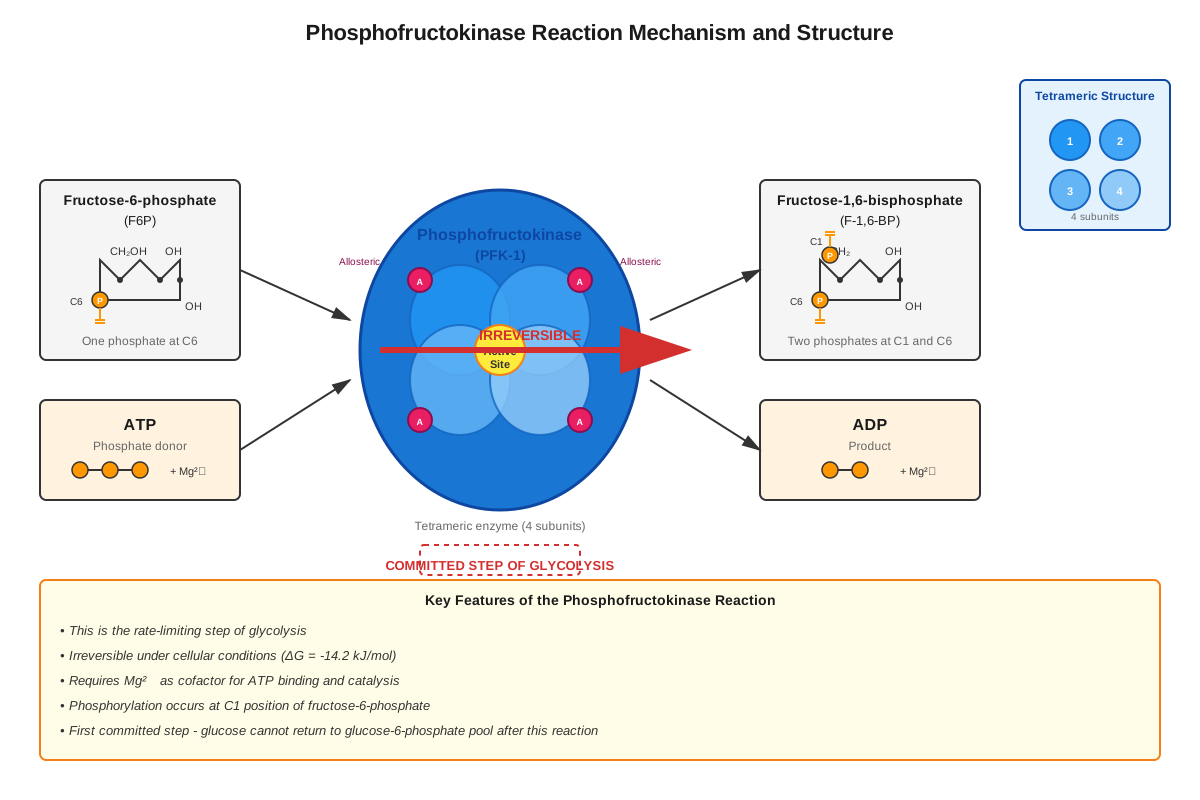
Phosphofructokinase (PFK-1) is a tetrameric enzyme composed of four subunits, each containing both a catalytic site and multiple regulatory sites. The enzyme catalyzes the committed step of glycolysis—the phosphorylation of fructose-6-phosphate (F6P) to fructose-1,6-bisphosphate (F-1,6-BP) using ATP as the phosphate donor. This reaction is thermodynamically irreversible under physiological conditions (ΔG°' = -14.2 kJ/mol), meaning it proceeds in only one direction and serves as a point of no return for glucose molecules entering glycolysis.
The reaction mechanism involves the transfer of the terminal phosphate group from ATP to the C1 hydroxyl group of fructose-6-phosphate. This creates a molecule with phosphate groups at both the C1 and C6 positions, hence the name "bisphosphate." The enzyme exhibits classic Michaelis-Menten kinetics with respect to its substrates but demonstrates complex allosteric behavior in response to cellular metabolites.
Rate-Limiting Step and Metabolic Commitment
PFK catalyzes the rate-limiting step of glycolysis, meaning it is the slowest reaction in the pathway under most conditions and therefore determines the overall rate at which glucose is metabolized. This designation makes PFK the primary control point for regulating glycolytic flux. Once fructose-6-phosphate is phosphorylated to fructose-1,6-bisphosphate, the molecule is committed to glycolysis and cannot easily be diverted to other pathways such as glycogen synthesis or the pentose phosphate pathway.
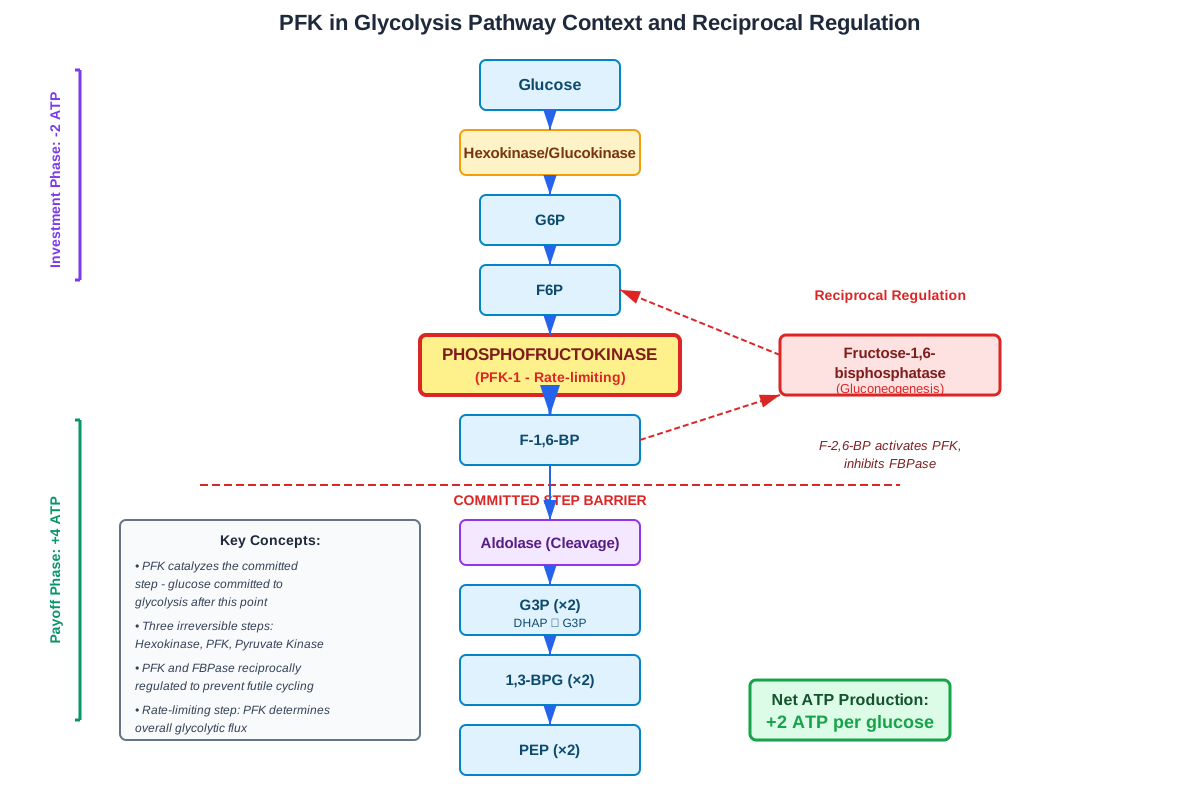
The strategic position of PFK as the committed step allows cells to regulate glucose metabolism efficiently. Before the PFK reaction, glucose-6-phosphate and fructose-6-phosphate can be redirected to alternative pathways. After PFK, the molecule must proceed through glycolysis to pyruvate. This arrangement prevents wasteful cycling of metabolites and ensures that regulatory decisions about glucose utilization are made at an optimal checkpoint.
Allosteric Regulation: Negative Effectors
PFK activity is inhibited by several allosteric regulators that signal energy sufficiency or metabolic conditions unfavorable for glycolysis:
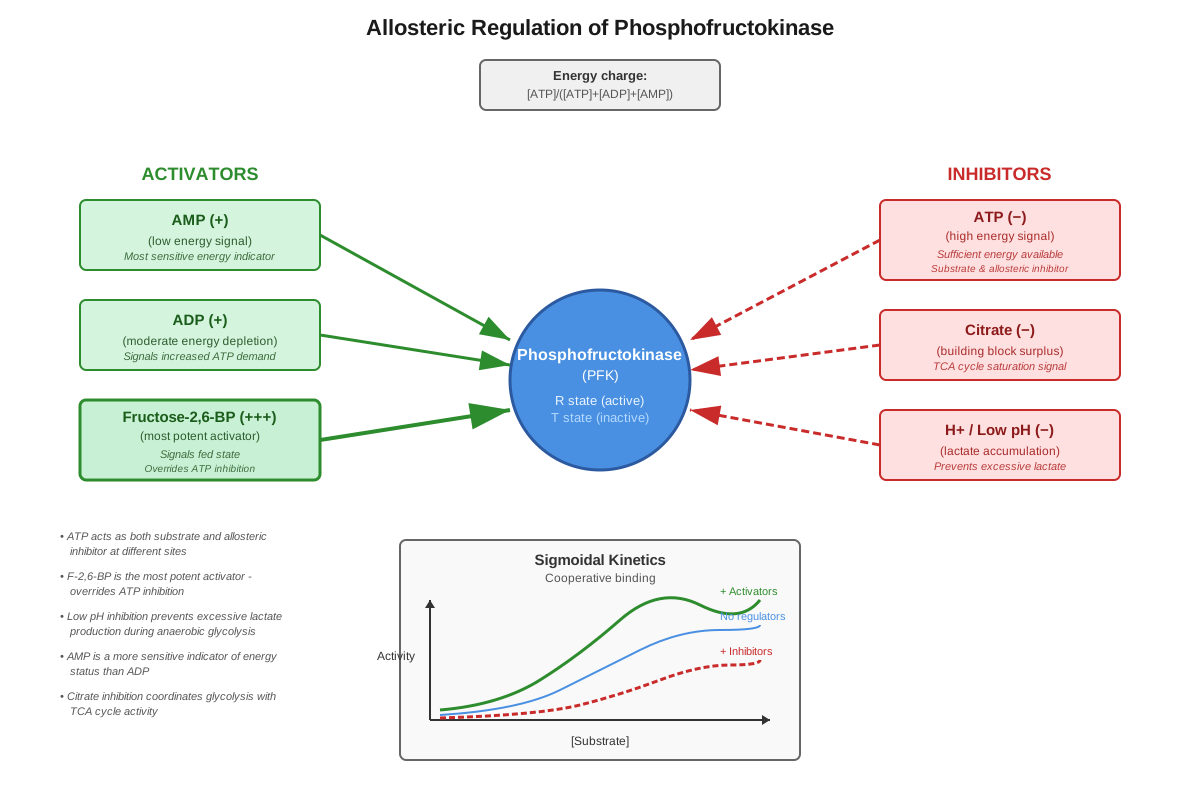
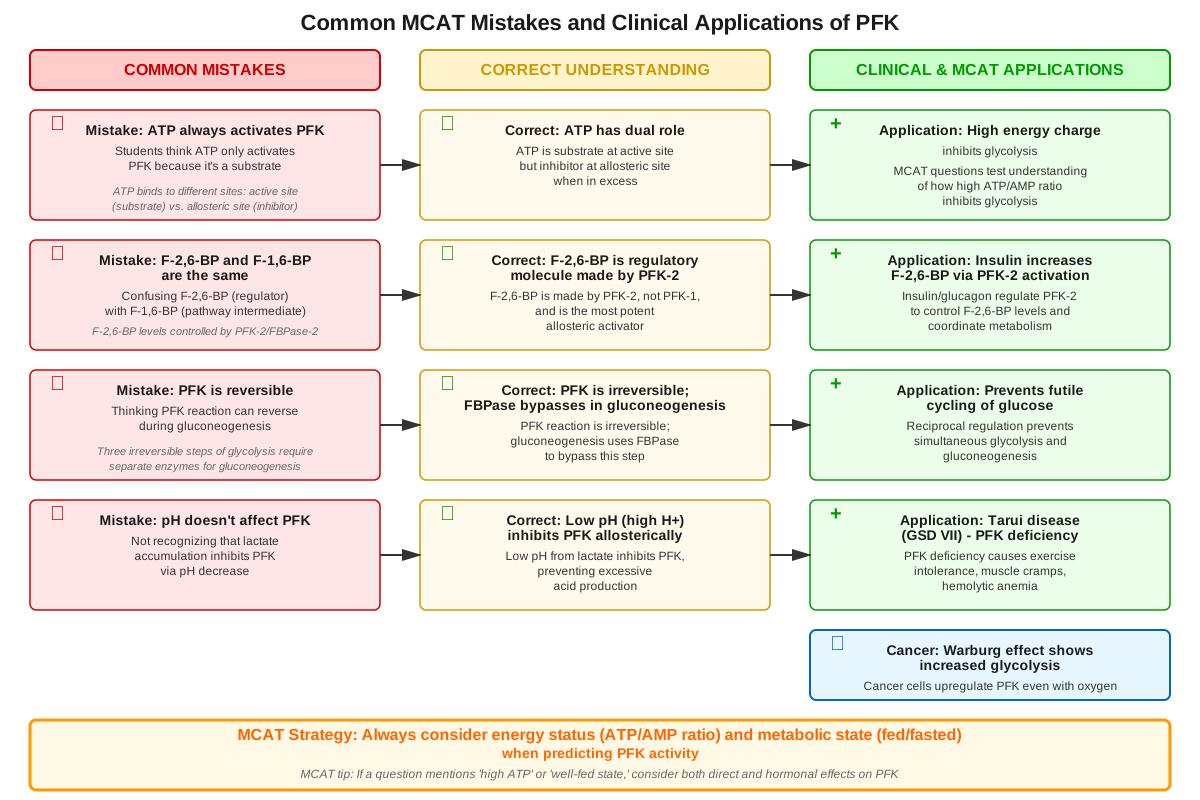
ATP serves as both a substrate and an allosteric inhibitor of PFK. At low concentrations, ATP binds to the active site and participates in the catalytic reaction. However, at high concentrations, ATP binds to a separate allosteric site and inhibits enzyme activity. This negative feedback mechanism ensures that when cellular energy levels are high (indicated by elevated ATP), glycolysis slows down to prevent unnecessary glucose consumption. The inhibitory effect of ATP is enhanced by other negative effectors.
Citrate, an intermediate of the citric acid cycle, also inhibits PFK. Elevated citrate levels indicate that the citric acid cycle is well-supplied with acetyl-CoA and that the cell has sufficient biosynthetic precursors. Citrate accumulation signals that energy production pathways are saturated, making further glycolytic flux unnecessary. This represents feed-forward regulation from downstream metabolic pathways.
H⁺ ions (low pH) inhibit PFK activity, which is particularly important during anaerobic metabolism. When oxygen is limited, pyruvate is converted to lactate, producing H⁺ ions that lower intracellular pH. The resulting inhibition of PFK slows glycolysis, preventing excessive lactate accumulation and dangerous acidosis. This mechanism explains the muscle fatigue experienced during intense exercise when lactate and H⁺ accumulate.
Allosteric Regulation: Positive Effectors
Several molecules activate PFK, signaling energy depletion or conditions favoring increased glycolytic flux:
AMP and ADP are powerful activators of PFK. These molecules accumulate when ATP is being consumed faster than it is produced, signaling energy depletion. AMP is particularly effective because its concentration increases dramatically when ATP levels fall slightly (due to the adenylate kinase reaction: 2 ADP ↔ ATP + AMP). This amplification effect makes AMP an extremely sensitive indicator of energy status. By activating PFK, AMP and ADP accelerate glycolysis to restore ATP levels.
Fructose-2,6-bisphosphate (F-2,6-BP) is the most potent allosteric activator of PFK. This molecule is not a glycolytic intermediate but rather a regulatory molecule whose concentration is controlled by hormonal signals. F-2,6-BP is synthesized by phosphofructokinase-2 (PFK-2), a bifunctional enzyme distinct from PFK-1. When F-2,6-BP binds to PFK-1, it dramatically increases the enzyme's affinity for fructose-6-phosphate and decreases its sensitivity to ATP inhibition. This override mechanism allows hormonal signals (particularly insulin) to stimulate glycolysis even when ATP levels are adequate.
NH₄⁺ ions (ammonium) can activate PFK under certain conditions, particularly in muscle tissue during intense exercise when amino acid catabolism increases. This represents another mechanism linking energy demand to glycolytic activation.
Hormonal Regulation Through Fructose-2,6-Bisphosphate
The concentration of fructose-2,6-bisphosphate is controlled by the bifunctional enzyme PFK-2/FBPase-2, which has both kinase activity (producing F-2,6-BP) and phosphatase activity (degrading F-2,6-BP). The balance between these activities is regulated by phosphorylation:
| Metabolic State | Hormone | PFK-2/FBPase-2 Status | F-2,6-BP Level | PFK-1 Activity | Glycolysis Rate |
|---|---|---|---|---|---|
| Fed state | Insulin | Dephosphorylated | High | Activated | Increased |
| Fasted state | Glucagon | Phosphorylated | Low | Less active | Decreased |
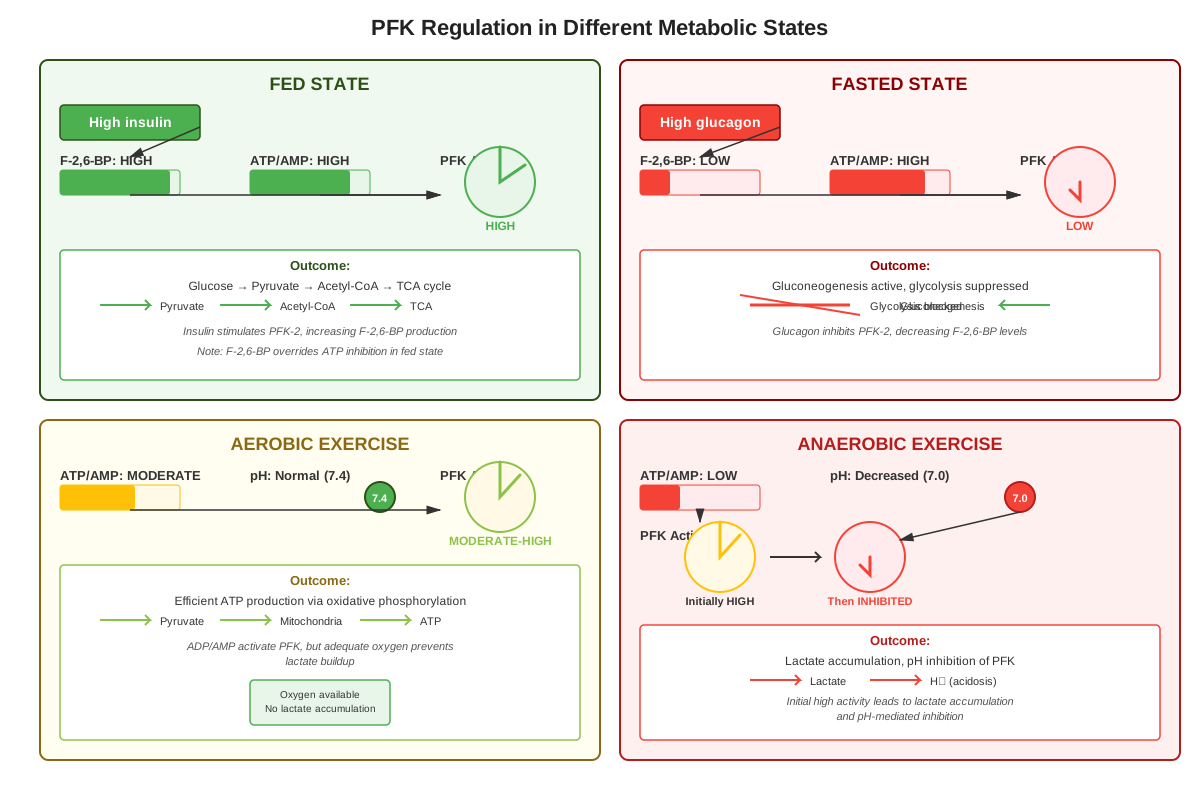
In the fed state, insulin signaling leads to dephosphorylation of PFK-2/FBPase-2, activating its kinase function and increasing F-2,6-BP production. This activates PFK-1, accelerating glycolysis to process incoming glucose. In the fasted state, glucagon signaling causes phosphorylation of PFK-2/FBPase-2, activating its phosphatase function and decreasing F-2,6-BP levels. This reduces PFK-1 activity, slowing glycolysis and allowing gluconeogenesis to proceed (since F-2,6-BP also inhibits fructose-1,6-bisphosphatase, the opposing enzyme in gluconeogenesis).
Tissue-Specific Isoforms
Different tissues express distinct PFK isoforms with varying regulatory properties:
- Muscle PFK (PFK-M): Highly sensitive to AMP activation and ATP inhibition, allowing rapid response to energy demands during contraction
- Liver PFK (PFK-L): More responsive to F-2,6-BP regulation, integrating hormonal signals for whole-body glucose homeostasis
- Platelet PFK (PFK-P): Expressed in platelets and other tissues with intermediate regulatory properties
These isoforms allow tissues to fine-tune glycolytic regulation according to their specific metabolic roles. Muscle prioritizes rapid ATP production during exercise, while liver balances glucose utilization with glucose production for other tissues.
Reciprocal Regulation with Gluconeogenesis
PFK regulation is coordinated with fructose-1,6-bisphosphatase (FBPase-1), the enzyme catalyzing the reverse reaction in gluconeogenesis. These enzymes are reciprocally regulated to prevent futile cycling:
- F-2,6-BP activates PFK-1 and inhibits FBPase-1
- AMP activates PFK-1 and inhibits FBPase-1
- Citrate inhibits PFK-1 and activates FBPase-1
This reciprocal regulation ensures that glycolysis and gluconeogenesis do not operate simultaneously at high rates, which would waste ATP without accomplishing net metabolic work. When conditions favor glycolysis, gluconeogenesis is suppressed, and vice versa.
Concept Relationships
The regulation of Phosphofructokinase integrates multiple metabolic signals into a coordinated response that determines cellular glucose utilization. The enzyme's activity directly controls glycolytic flux, which in turn affects pyruvate production → acetyl-CoA generation → citric acid cycle activity → ATP synthesis through oxidative phosphorylation. This linear pathway represents the forward flow of carbon and energy through cellular respiration.
Feedback loops create regulatory circuits: ATP produced downstream → inhibits PFK → reduces glycolytic flux → decreases ATP production. Conversely, AMP accumulation from ATP consumption → activates PFK → increases glycolytic flux → restores ATP levels. These negative and positive feedback loops maintain energy homeostasis.
Hormonal regulation connects whole-body metabolism to cellular enzyme activity: Insulin release (fed state) → PFK-2 dephosphorylation → increased F-2,6-BP → PFK-1 activation → enhanced glycolysis. Glucagon release (fasted state) → PFK-2 phosphorylation → decreased F-2,6-BP → reduced PFK-1 activity → suppressed glycolysis and enhanced gluconeogenesis.
The relationship between PFK and fructose-1,6-bisphosphatase exemplifies reciprocal regulation: conditions that activate one enzyme simultaneously inhibit the other, preventing futile cycling. This principle extends to other opposing pathways throughout metabolism, making PFK regulation a model for understanding metabolic coordination.
PFK activity also connects to the pentose phosphate pathway (PPP) through substrate availability: when PFK activity is low, glucose-6-phosphate and fructose-6-phosphate accumulate and can be diverted to the PPP for NADPH and ribose-5-phosphate production. This relationship allows cells to balance energy production with biosynthetic needs.
High-Yield Facts
⭐ Phosphofructokinase catalyzes the rate-limiting and committed step of glycolysis, converting fructose-6-phosphate to fructose-1,6-bisphosphate using ATP.
⭐ ATP acts as both substrate and allosteric inhibitor of PFK—high ATP concentrations inhibit the enzyme through negative feedback.
⭐ Fructose-2,6-bisphosphate is the most potent activator of PFK-1 and its concentration is controlled by insulin and glucagon through regulation of the bifunctional enzyme PFK-2/FBPase-2.
⭐ AMP and ADP activate PFK, signaling low energy status and accelerating glycolysis to restore ATP levels.
⭐ Citrate inhibits PFK, providing feedback from the citric acid cycle that energy production pathways are saturated.
- Low pH (high H⁺) inhibits PFK, preventing excessive lactate accumulation during anaerobic metabolism and explaining muscle fatigue.
- PFK and fructose-1,6-bisphosphatase are reciprocally regulated to prevent futile cycling between glycolysis and gluconeogenesis.
- Insulin promotes glycolysis by increasing F-2,6-BP levels through dephosphorylation of PFK-2/FBPase-2.
- Glucagon suppresses glycolysis by decreasing F-2,6-BP levels through phosphorylation of PFK-2/FBPase-2.
- PFK deficiency (Tarui disease) causes exercise intolerance, muscle cramps, and hemolytic anemia due to impaired glycolysis in muscle and red blood cells.
- Different tissues express distinct PFK isoforms (muscle, liver, platelet) with tissue-specific regulatory properties.
- The reaction catalyzed by PFK is thermodynamically irreversible under physiological conditions, making it an ideal control point.
Quick check — test yourself on Phosphofructokinase so far.
Try Flashcards →Common Misconceptions
Misconception: ATP only serves as a substrate for PFK and doesn't regulate the enzyme.
Correction: ATP has a dual role—at low concentrations it serves as a substrate, but at high concentrations it binds to an allosteric site and inhibits PFK activity. This negative feedback prevents unnecessary glucose consumption when energy is abundant.
Misconception: Fructose-2,6-bisphosphate is an intermediate of glycolysis.
Correction: Fructose-2,6-bisphosphate is a regulatory molecule, not a glycolytic intermediate. It is synthesized by a separate enzyme (PFK-2) specifically to regulate PFK-1 activity. The actual glycolytic intermediate is fructose-1,6-bisphosphate (note the different numbering of phosphate positions).
Misconception: PFK is inhibited during exercise because ATP is being produced.
Correction: During exercise, PFK is actually activated because ATP is being consumed faster than it is produced, leading to accumulation of AMP and ADP, which are powerful PFK activators. The ratio of AMP/ATP increases dramatically during exercise, overriding ATP inhibition and accelerating glycolysis.
Misconception: All tissues regulate PFK identically.
Correction: Different tissues express distinct PFK isoforms with tissue-specific regulatory properties. Muscle PFK responds primarily to energy charge (AMP/ATP ratio), while liver PFK is more responsive to hormonal regulation through F-2,6-BP, reflecting their different metabolic roles.
Misconception: Citrate activates PFK because it's a product of glycolysis.
Correction: Citrate inhibits PFK, not activates it. Citrate is not a product of glycolysis but rather an intermediate of the citric acid cycle. Elevated citrate signals that downstream metabolic pathways are saturated with acetyl-CoA, so glycolysis should slow down. This is an example of feed-forward inhibition from a downstream pathway.
Misconception: The PFK reaction is reversible and can be used in gluconeogenesis.
Correction: The PFK reaction is thermodynamically irreversible under physiological conditions. Gluconeogenesis bypasses this step using a different enzyme, fructose-1,6-bisphosphatase, which catalyzes a different reaction (hydrolysis rather than phosphorylation) to reverse the PFK step.
Worked Examples
Example 1: Predicting Metabolic Response to Exercise
Scenario: A student is sprinting at maximum effort for 30 seconds. During this intense anaerobic exercise, several metabolic changes occur in muscle cells. Predict how PFK activity changes and explain the regulatory mechanisms involved.
Analysis:
Step 1: Identify the metabolic state. Intense exercise rapidly consumes ATP through muscle contraction. The rate of ATP consumption exceeds the rate of ATP production through oxidative phosphorylation, creating an energy deficit.
Step 2: Determine changes in allosteric effectors. As ATP is consumed, ADP accumulates. The adenylate kinase reaction (2 ADP ↔ ATP + AMP) converts some ADP to AMP, causing AMP levels to rise dramatically. The AMP/ATP ratio increases significantly.
Step 3: Predict PFK response to energy charge. AMP and ADP are powerful activators of PFK. The increased AMP/ATP ratio strongly activates PFK, overriding any residual ATP inhibition. This accelerates glycolysis to produce ATP rapidly.
Step 4: Consider secondary effects. As glycolysis accelerates under anaerobic conditions, pyruvate is converted to lactate, producing H⁺ ions. The accumulating H⁺ lowers intracellular pH, which begins to inhibit PFK. This creates a self-limiting mechanism that prevents excessive acidosis.
Step 5: Integrate the overall response. Initially, PFK activity increases dramatically due to AMP/ADP activation, accelerating glycolysis to meet energy demands. As lactate and H⁺ accumulate, pH-mediated inhibition begins to slow PFK activity, contributing to muscle fatigue. The balance between AMP activation and H⁺ inhibition determines the sustainable rate of anaerobic glycolysis.
Conclusion: PFK activity initially increases during intense exercise due to elevated AMP/ADP levels, but is eventually limited by decreasing pH from lactate accumulation. This explains both the rapid ATP production during sprinting and the inevitable fatigue as acidosis develops.
Example 2: Hormonal Regulation in Fed vs. Fasted States
Scenario: Compare PFK activity in liver cells under two conditions: (A) 30 minutes after consuming a high-carbohydrate meal, and (B) after 16 hours of fasting. Explain the regulatory mechanisms that account for differences in glycolytic flux.
Analysis:
Condition A (Fed State):
Step 1: Identify hormonal signals. After a carbohydrate meal, blood glucose rises, stimulating insulin secretion from pancreatic β-cells. Insulin is the dominant hormonal signal.
Step 2: Trace insulin's effect on PFK-2/FBPase-2. Insulin activates protein phosphatases that dephosphorylate PFK-2/FBPase-2. In its dephosphorylated state, this bifunctional enzyme acts primarily as a kinase, synthesizing fructose-2,6-bisphosphate (F-2,6-BP).
Step 3: Determine F-2,6-BP's effect on PFK-1. Elevated F-2,6-BP strongly activates PFK-1, increasing its affinity for fructose-6-phosphate and decreasing its sensitivity to ATP inhibition. This dramatically increases PFK activity.
Step 4: Consider substrate availability. High blood glucose leads to increased intracellular glucose-6-phosphate and fructose-6-phosphate, providing abundant substrate for PFK.
Step 5: Assess ATP/AMP ratio. In the fed state, ATP levels are adequate, but the strong activation by F-2,6-BP overrides ATP inhibition.
Condition B (Fasted State):
Step 1: Identify hormonal signals. After 16 hours of fasting, blood glucose is low, suppressing insulin and elevating glucagon secretion from pancreatic α-cells. Glucagon is the dominant signal.
Step 2: Trace glucagon's effect on PFK-2/FBPase-2. Glucagon activates protein kinase A (PKA), which phosphorylates PFK-2/FBPase-2. In its phosphorylated state, this enzyme acts primarily as a phosphatase, degrading F-2,6-BP.
Step 3: Determine the effect of low F-2,6-BP on PFK-1. With minimal F-2,6-BP present, PFK-1 loses its potent activator and becomes more sensitive to ATP inhibition. PFK activity decreases dramatically.
Step 4: Consider reciprocal regulation. Low F-2,6-BP not only reduces PFK-1 activity but also relieves inhibition of fructose-1,6-bisphosphatase, allowing gluconeogenesis to proceed. The liver switches from glucose utilization to glucose production.
Step 5: Assess citrate levels. During fasting, fatty acid oxidation increases, producing acetyl-CoA and citrate. Elevated citrate further inhibits PFK, reinforcing the suppression of glycolysis.
Comparison and Conclusion:
| Parameter | Fed State (A) | Fasted State (B) |
|---|---|---|
| Dominant hormone | Insulin | Glucagon |
| PFK-2/FBPase-2 state | Dephosphorylated (kinase active) | Phosphorylated (phosphatase active) |
| F-2,6-BP level | High | Low |
| PFK-1 activity | High | Low |
| Glycolytic flux | High | Low |
| Gluconeogenesis | Suppressed | Active |
The dramatic difference in PFK activity between fed and fasted states demonstrates how hormonal regulation through F-2,6-BP allows the liver to switch between glucose utilization and glucose production according to whole-body metabolic needs. This reciprocal regulation prevents futile cycling and ensures efficient energy management.
Exam Strategy
Approaching PFK Questions
When encountering MCAT questions about phosphofructokinase, follow this systematic approach:
- Identify the metabolic state: Determine whether the scenario describes fed/fasted, resting/exercise, aerobic/anaerobic, or normal/pathological conditions. This immediately narrows the expected regulatory pattern.
- Map effector molecules to their effects: Create a mental checklist of activators (AMP, ADP, F-2,6-BP, NH₄⁺) and inhibitors (ATP, citrate, H⁺). Determine which effectors would be elevated in the given scenario.
- Consider hormonal context: If the question mentions insulin, glucagon, or fed/fasted states, trace the effect through F-2,6-BP regulation before predicting PFK activity.
- Check for reciprocal regulation: Questions often test whether students understand that PFK and FBPase-1 are reciprocally regulated. If one is active, the other should be suppressed.
Trigger Words and Phrases
Watch for these key phrases that signal PFK-related content:
- "Rate-limiting step" or "committed step": Directly points to PFK as the answer
- "Energy charge" or "ATP/AMP ratio": Indicates questions about PFK's response to energy status
- "Fed state" or "after a meal": Suggests high F-2,6-BP and active PFK
- "Fasting" or "between meals": Suggests low F-2,6-BP and suppressed PFK
- "Intense exercise" or "anaerobic metabolism": Indicates AMP activation and eventual pH inhibition
- "Muscle fatigue" or "lactate accumulation": Points to pH-mediated PFK inhibition
- "Reciprocal regulation" or "futile cycling": Signals questions about PFK and FBPase-1 coordination
Process of Elimination Tips
When using process of elimination on PFK questions:
- Eliminate answers suggesting PFK is active during gluconeogenesis: These pathways are reciprocally regulated and don't operate simultaneously at high rates
- Eliminate answers confusing F-2,6-BP with F-1,6-BP: These are different molecules with different roles
- Eliminate answers suggesting ATP only inhibits or only activates PFK: ATP has a dual role depending on concentration
- Eliminate answers placing PFK regulation in the wrong tissue: Muscle and liver have different regulatory priorities
- Eliminate answers suggesting PFK is reversible: The reaction is thermodynamically irreversible
Time Allocation
For discrete questions about PFK, allocate 60-90 seconds. These typically test straightforward recall of regulatory mechanisms. For passage-based questions, allocate 90-120 seconds per question, as you'll need to integrate passage information with PFK knowledge. If a question requires predicting multiple downstream effects of PFK regulation, budget an additional 30 seconds for systematic reasoning through the metabolic consequences.
Memory Techniques
Mnemonic for PFK Activators
"AMP Fires-up Phosphofructokinase"
- AMP
- Fructose-2,6-bisphosphate
- Phosphorylation (of glucose, the overall goal)
This reminds you that AMP and F-2,6-BP are the two most important activators, and that they promote phosphorylation of fructose-6-phosphate.
Mnemonic for PFK Inhibitors
"ATP Citrate Halts"
- ATP (high concentrations)
- Citrate
- H⁺ (low pH)
These three inhibitors signal that energy is abundant or conditions are unfavorable for glycolysis.
Visualization Strategy: The Traffic Light Model
Visualize PFK as a traffic light controlling glucose flow through glycolysis:
- GREEN LIGHT (Go): High AMP, high F-2,6-BP, low ATP → glycolysis proceeds rapidly
- YELLOW LIGHT (Caution): Moderate ATP, moderate citrate → glycolysis proceeds at moderate rate
- RED LIGHT (Stop): High ATP, high citrate, low pH → glycolysis stops
This simple model helps predict PFK activity in any metabolic scenario by determining which "light" is active.
Acronym for Fed vs. Fasted Regulation
FED = F-2,6-BP Elevated, Dephosphorylated (PFK-2)
FAST = F-2,6-BP Absent, Suppressed (glycolysis), Phosphorylated (PFK-2)
This acronym captures the key regulatory differences between fed and fasted states in a memorable format.
The Seesaw Visualization
Picture PFK-1 and FBPase-1 on opposite ends of a seesaw, with F-2,6-BP as the weight that tips the balance:
- When F-2,6-BP is present (fed state), it sits on the PFK-1 side, tipping the seesaw toward glycolysis
- When F-2,6-BP is absent (fasted state), the seesaw tips toward FBPase-1 and gluconeogenesis
This image reinforces reciprocal regulation and prevents confusion about which pathway is active in different metabolic states.
Summary
Phosphofructokinase represents the rate-limiting and committed step of glycolysis, catalyzing the irreversible phosphorylation of fructose-6-phosphate to fructose-1,6-bisphosphate. As the primary control point for glycolytic flux, PFK integrates multiple metabolic signals through sophisticated allosteric regulation. The enzyme is inhibited by ATP, citrate, and H⁺, which signal energy sufficiency or unfavorable conditions, while it is activated by AMP, ADP, and fructose-2,6-bisphosphate, which signal energy depletion or hormonal stimulation of glucose utilization. The most potent regulator, F-2,6-BP, is controlled by insulin and glucagon through the bifunctional enzyme PFK-2/FBPase-2, allowing hormonal coordination of glycolysis with whole-body metabolic needs. PFK is reciprocally regulated with fructose-1,6-bisphosphatase to prevent futile cycling between glycolysis and gluconeogenesis. Understanding PFK regulation provides a framework for predicting metabolic responses to fed/fasted states, exercise, and pathological conditions, making it essential knowledge for MCAT success in biochemistry and metabolism questions.
Key Takeaways
- Phosphofructokinase catalyzes the rate-limiting, committed, and irreversible step of glycolysis, making it the primary control point for glucose metabolism
- ATP serves dual roles as both substrate and allosteric inhibitor, with high concentrations inhibiting PFK through negative feedback
- Fructose-2,6-bisphosphate is the most potent PFK activator, controlled by insulin and glucagon through regulation of the bifunctional enzyme PFK-2/FBPase-2
- AMP and ADP activate PFK in response to energy depletion, while citrate and H⁺ inhibit it when energy is sufficient or conditions are unfavorable
- PFK and fructose-1,6-bisphosphatase are reciprocally regulated to prevent simultaneous operation of glycolysis and gluconeogenesis
- Tissue-specific isoforms allow different regulatory patterns in muscle (energy-charge responsive) versus liver (hormonally responsive)
- PFK regulation exemplifies metabolic integration, connecting cellular energy status, hormonal signals, and downstream pathway activity into coordinated metabolic responses
Related Topics
Glycolysis Overview: Understanding the complete ten-step pathway provides context for PFK's role and helps predict how changes in PFK activity affect downstream reactions and overall ATP production.
Gluconeogenesis: Mastering the opposing pathway to glycolysis, particularly the role of fructose-1,6-bisphosphatase and its reciprocal regulation with PFK, is essential for understanding whole-body glucose homeostasis.
Citric Acid Cycle: Knowledge of how pyruvate from glycolysis enters the citric acid cycle and how citrate production feeds back to inhibit PFK completes the picture of respiratory metabolism integration.
Hormonal Regulation of Metabolism: Expanding understanding of how insulin and glucagon coordinate multiple metabolic pathways through covalent modification and allosteric regulation builds on PFK regulatory principles.
Enzyme Kinetics and Allosteric Regulation: Deeper study of cooperative binding, allosteric sites, and kinetic models provides the theoretical framework for understanding PFK's complex regulatory behavior.
Metabolic Diseases: Exploring glycogen storage diseases, particularly Tarui disease (PFK deficiency), and cancer metabolism (Warburg effect) demonstrates clinical applications of PFK biochemistry.
Practice CTA
Now that you've mastered the core concepts of phosphofructokinase regulation, it's time to solidify your understanding through active practice. Work through the practice questions to test your ability to apply PFK knowledge to MCAT-style scenarios, and use the flashcards to reinforce high-yield facts and regulatory mechanisms. Remember, understanding PFK regulation provides a template for approaching other metabolic control points—the principles you've learned here will serve you throughout your study of biochemistry and metabolism. Your investment in mastering this topic will pay dividends on test day when you confidently navigate questions about metabolic regulation, energy homeostasis, and pathway integration. Keep pushing forward!
Sign up free to keep reading
Create a free AnvayaPrep account to finish this MCAT guide on Phosphofructokinase — plus flashcards and practice questions.