Overview
Glycolysis represents one of the most fundamental metabolic pathways in Biochemistry, serving as the universal starting point for glucose catabolism across virtually all living organisms. This ancient pathway breaks down one molecule of glucose (a six-carbon sugar) into two molecules of pyruvate (three-carbon compounds), generating ATP and NADH in the process. Understanding glycolysis overview is absolutely essential for MCAT success because it forms the foundation for understanding cellular metabolism, energy production, and the interconnected nature of metabolic pathways that the exam frequently tests.
For the MCAT, glycolysis appears with remarkable consistency across multiple question types—from discrete questions testing enzyme names and regulatory mechanisms to complex passage-based questions integrating glycolysis with cellular respiration, cancer metabolism, or exercise physiology. The pathway's ubiquity in biological systems means it connects to nearly every other topic in metabolism, including gluconeogenesis, the citric acid cycle, oxidative phosphorylation, and fermentation. Questions often require students to trace carbon atoms through the pathway, calculate net ATP production, or predict the effects of enzyme inhibitors on cellular energy status.
The glycolysis overview Biochemistry content tested on the MCAT emphasizes not just memorization of the ten enzymatic steps, but rather a conceptual understanding of the pathway's logic: the investment phase that consumes ATP, the cleavage of the six-carbon intermediate into two three-carbon molecules, and the payoff phase that generates ATP and NADH. This pathway exemplifies key biochemical principles including substrate-level phosphorylation, oxidation-reduction reactions, and allosteric regulation—all high-yield concepts that appear throughout the Biochemistry section of the exam.
Learning Objectives
- [ ] Define Glycolysis overview using accurate Biochemistry terminology
- [ ] Explain why Glycolysis overview matters for the MCAT
- [ ] Apply Glycolysis overview to exam-style questions
- [ ] Identify common mistakes related to Glycolysis overview
- [ ] Connect Glycolysis overview to related Biochemistry concepts
- [ ] Calculate the net ATP and NADH yield from one glucose molecule undergoing glycolysis
- [ ] Distinguish between the investment phase and payoff phase of glycolysis
- [ ] Predict the metabolic consequences of inhibiting key regulatory enzymes in glycolysis
- [ ] Explain the relationship between glycolysis and both aerobic and anaerobic metabolism
Prerequisites
- Basic carbohydrate chemistry: Understanding glucose structure and the difference between aldoses and ketoses is essential for following the molecular transformations in glycolysis
- ATP structure and function: Glycolysis is fundamentally about ATP generation, requiring knowledge of high-energy phosphate bonds and ATP hydrolysis
- Oxidation-reduction reactions: The conversion of NAD+ to NADH represents a key oxidation step that students must recognize and understand
- Enzyme kinetics and regulation: Glycolytic enzymes exhibit various regulatory mechanisms including allosteric control and feedback inhibition
- Cellular compartmentalization: Knowing that glycolysis occurs in the cytoplasm distinguishes it from mitochondrial pathways
Why This Topic Matters
Glycolysis overview MCAT content appears in approximately 15-20% of Biochemistry questions on the exam, making it one of the highest-yield topics in metabolism. The pathway's clinical relevance extends from understanding cancer cell metabolism (Warburg effect) to explaining muscle fatigue during intense exercise (lactate production) to diagnosing genetic enzyme deficiencies that cause hemolytic anemia. Medical schools expect entering students to understand glycolysis because it underlies countless physiological and pathological processes.
On the MCAT, glycolysis appears in multiple question formats. Discrete questions might test specific enzyme names, cofactor requirements, or regulatory mechanisms. Passage-based questions frequently present experimental scenarios involving glycolytic inhibitors, genetic mutations affecting glycolytic enzymes, or comparative metabolism between different cell types. The exam particularly favors questions that integrate glycolysis with other pathways—for example, asking how glycolysis responds when the citric acid cycle is inhibited, or how cancer cells alter glycolytic flux to support rapid proliferation.
Real-world applications make this topic especially relevant for future physicians. Understanding why red blood cells rely exclusively on glycolysis (they lack mitochondria) explains the pathophysiology of glucose-6-phosphate dehydrogenase deficiency. Recognizing that cancer cells upregulate glycolysis even in the presence of oxygen (aerobic glycolysis) has revolutionized cancer treatment strategies. Exercise physiologists use glycolytic principles to explain the transition from aerobic to anaerobic metabolism during high-intensity activity. These clinical connections frequently appear in MCAT passages, requiring students to apply glycolytic principles to novel scenarios.
Core Concepts
Definition and Overview of Glycolysis
Glycolysis (literally "sugar splitting") is the metabolic pathway that converts one molecule of glucose (C₆H₁₂O₆) into two molecules of pyruvate (C₃H₄O₃), generating a net gain of 2 ATP molecules and 2 NADH molecules in the process. This pathway occurs in the cytoplasm of all cells and does not require oxygen, making it the primary energy-generating pathway under both aerobic and anaerobic conditions. The pathway consists of ten enzymatic reactions that can be conceptually divided into two phases: the energy investment phase (steps 1-5) and the energy payoff phase (steps 6-10).
The overall balanced equation for glycolysis is:
Glucose + 2 NAD⁺ + 2 ADP + 2 Pi → 2 Pyruvate + 2 NADH + 2 H⁺ + 2 ATP + 2 H₂OThis equation reveals several critical features: the pathway consumes glucose and produces pyruvate, it oxidizes glucose (removing electrons captured by NAD⁺), and it generates ATP through substrate-level phosphorylation rather than oxidative phosphorylation.
The Two Phases of Glycolysis
Energy Investment Phase (Steps 1-5)
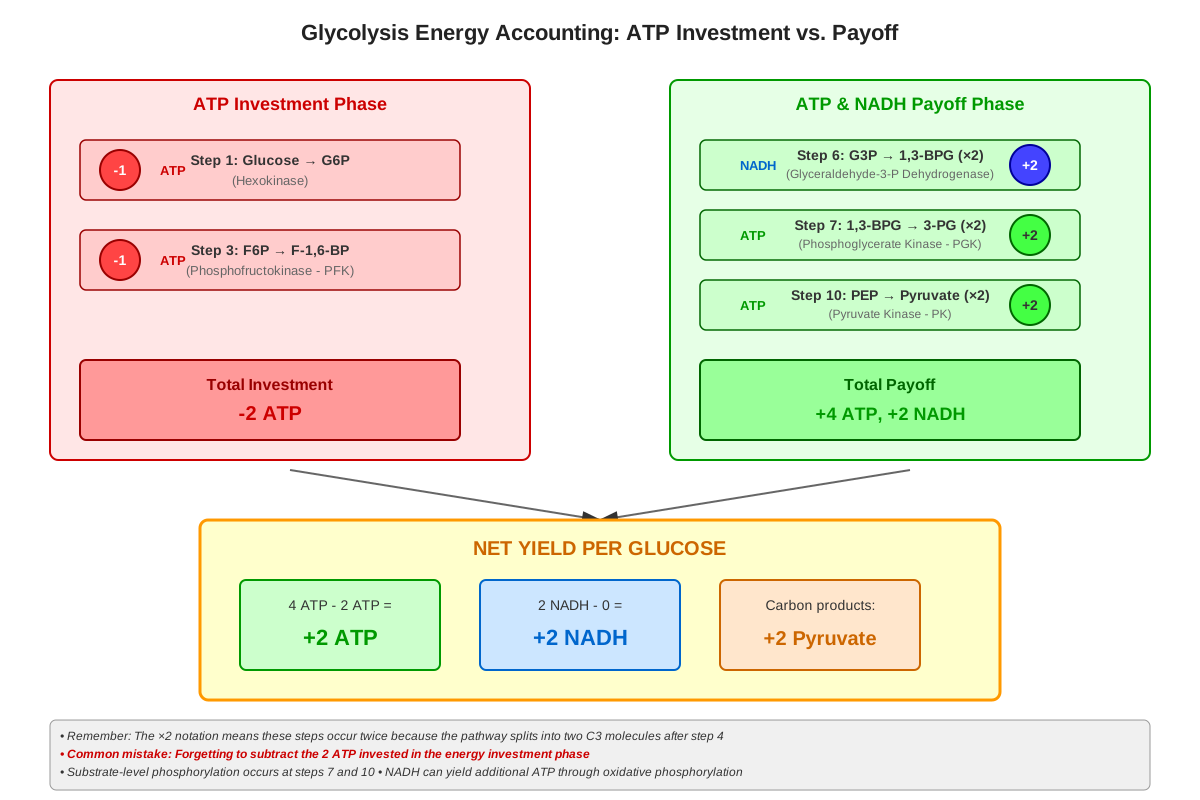
The investment phase consumes 2 ATP molecules to phosphorylate glucose and its derivatives, preparing the molecule for cleavage. This phase accomplishes three critical goals: trapping glucose inside the cell (phosphorylated sugars cannot cross the membrane), destabilizing the glucose molecule to facilitate bond breaking, and creating symmetrical three-carbon intermediates.
The key transformations in this phase include:
- Glucose → Glucose-6-phosphate (hexokinase/glucokinase): First ATP investment, traps glucose in cell
- Glucose-6-phosphate → Fructose-6-phosphate (phosphoglucose isomerase): Isomerization from aldose to ketose
- Fructose-6-phosphate → Fructose-1,6-bisphosphate (phosphofructokinase-1): Second ATP investment, committed step
- Fructose-1,6-bisphosphate → DHAP + G3P (aldolase): Cleavage into two three-carbon molecules
- DHAP → G3P (triose phosphate isomerase): Interconversion to create two identical molecules
After step 5, the pathway has converted one six-carbon glucose into two three-carbon glyceraldehyde-3-phosphate (G3P) molecules, having invested 2 ATP in the process.
Energy Payoff Phase (Steps 6-10)
The payoff phase generates 4 ATP molecules and 2 NADH molecules (remember, each subsequent step occurs twice per glucose molecule since there are now two three-carbon intermediates). This phase features the critical oxidation step and two substrate-level phosphorylation reactions that produce ATP directly.
The key transformations include:
- G3P → 1,3-bisphosphoglycerate (glyceraldehyde-3-phosphate dehydrogenase): Oxidation step producing NADH
- 1,3-bisphosphoglycerate → 3-phosphoglycerate (phosphoglycerate kinase): First ATP generation
- 3-phosphoglycerate → 2-phosphoglycerate (phosphoglycerate mutase): Phosphate group relocation
- 2-phosphoglycerate → Phosphoenolpyruvate (PEP) (enolase): Dehydration creating high-energy intermediate
- PEP → Pyruvate (pyruvate kinase): Second ATP generation
Since steps 6-10 occur twice per glucose molecule, they generate 4 ATP and 2 NADH total, yielding a net gain of 2 ATP (4 produced - 2 invested) and 2 NADH per glucose.
Key Regulatory Enzymes
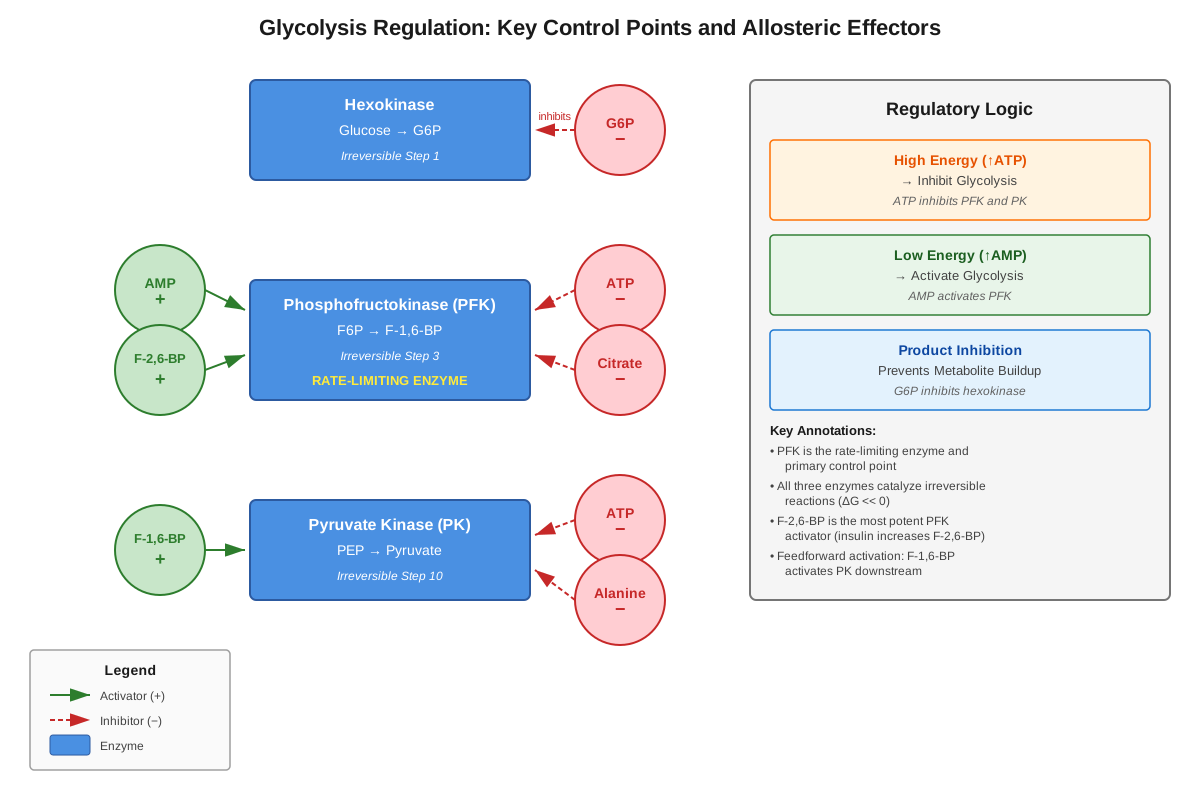
Three irreversible reactions in glycolysis serve as major regulatory points, catalyzed by enzymes subject to allosteric regulation:
| Enzyme | Reaction | Activators | Inhibitors | Significance |
|---|---|---|---|---|
| Hexokinase | Glucose → G6P | None | G6P (product inhibition) | Traps glucose in cell |
| Phosphofructokinase-1 (PFK-1) | F6P → F-1,6-BP | AMP, ADP, F-2,6-BP | ATP, citrate | Committed step, main control point |
| Pyruvate kinase | PEP → Pyruvate | F-1,6-BP (feedforward) | ATP, alanine, acetyl-CoA | Final control point |
Phosphofructokinase-1 (PFK-1) represents the most important regulatory enzyme in glycolysis, catalyzing the committed step—the first irreversible reaction unique to glycolysis. When cellular energy is abundant (high ATP), PFK-1 is inhibited, slowing glycolysis. When energy is needed (high AMP/ADP), PFK-1 is activated, accelerating glucose breakdown. The allosteric activator fructose-2,6-bisphosphate (F-2,6-BP) provides additional regulation, with its concentration controlled by hormonal signals.
Substrate-Level Phosphorylation
Glycolysis generates ATP through substrate-level phosphorylation, a mechanism distinct from oxidative phosphorylation. In substrate-level phosphorylation, a high-energy phosphate group is directly transferred from a substrate molecule to ADP, forming ATP. This occurs at two steps in glycolysis:
- Step 7: 1,3-bisphosphoglycerate transfers its acyl phosphate to ADP (catalyzed by phosphoglycerate kinase)
- Step 10: Phosphoenolpyruvate transfers its phosphate to ADP (catalyzed by pyruvate kinase)
This mechanism allows ATP generation even in the absence of oxygen or functional mitochondria, explaining why glycolysis can sustain life temporarily during hypoxic conditions.
Fate of Pyruvate
The pyruvate produced by glycolysis has multiple possible fates depending on cellular conditions:
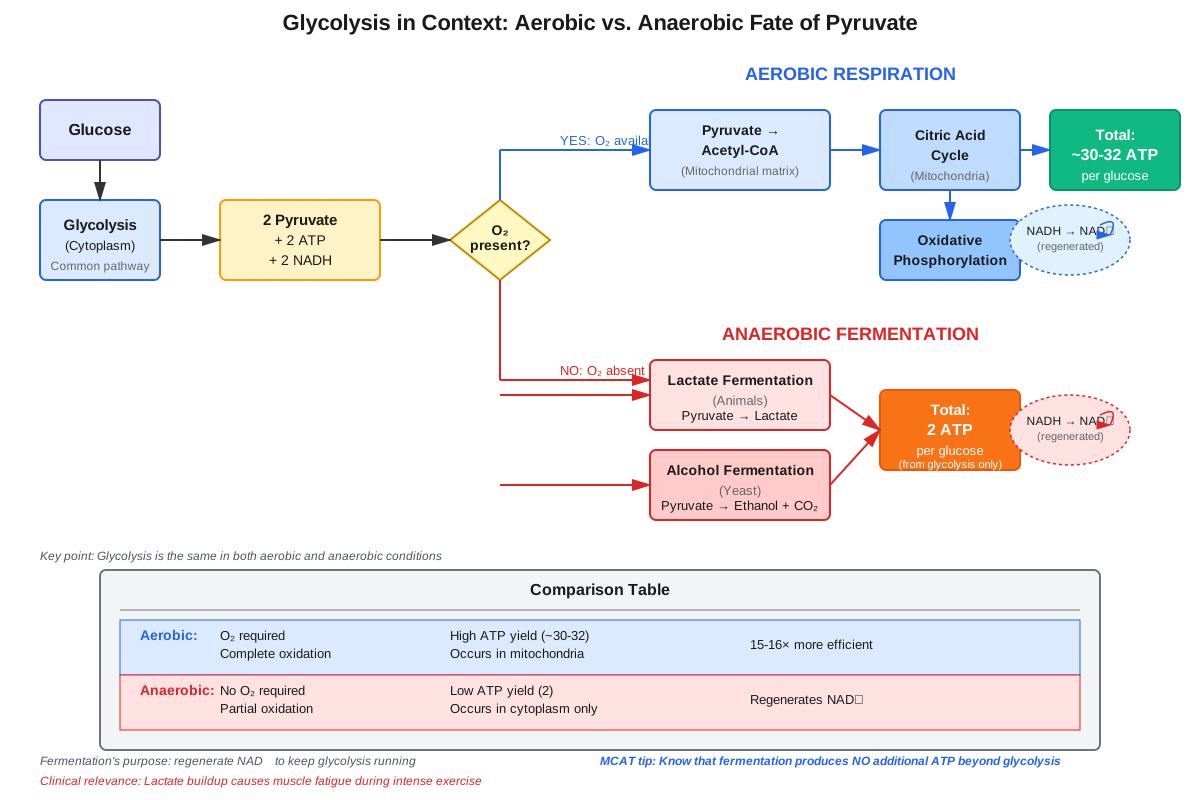
Aerobic conditions (oxygen present): Pyruvate enters mitochondria and is converted to acetyl-CoA by the pyruvate dehydrogenase complex, feeding into the citric acid cycle for complete oxidation.
Anaerobic conditions (oxygen absent): Pyruvate is reduced to lactate (in muscle) or ethanol (in yeast) to regenerate NAD⁺, which is essential for glycolysis to continue. Without NAD⁺ regeneration, step 6 cannot proceed, and glycolysis halts.
Biosynthetic needs: Pyruvate can be converted to alanine (transamination), oxaloacetate (anaplerotic reaction), or used for fatty acid synthesis after conversion to acetyl-CoA.
Energetics and Efficiency
The complete oxidation of glucose to CO₂ and H₂O releases approximately 686 kcal/mol of free energy. Glycolysis captures only about 2% of this energy in the form of ATP (2 ATP × 7.3 kcal/mol ≈ 15 kcal/mol). The remaining energy is preserved in pyruvate molecules, which contain most of glucose's chemical energy. This explains why cells preferentially use aerobic respiration when oxygen is available—the citric acid cycle and oxidative phosphorylation extract the remaining energy, producing approximately 30-32 additional ATP molecules per glucose.
The NADH produced in glycolysis cannot directly enter mitochondria. Instead, shuttle systems (malate-aspartate shuttle or glycerol-3-phosphate shuttle) transfer the reducing equivalents across the mitochondrial membrane, with varying efficiency affecting total ATP yield.
Concept Relationships
Glycolysis serves as the central hub connecting multiple metabolic pathways. The investment phase links directly to glucose homeostasis—the hexokinase reaction traps glucose in cells, while the PFK-1 reaction represents the committed step that determines glycolytic flux. The payoff phase connects to cellular energy status through ATP generation and NAD⁺ consumption.
The relationship flows as: Glucose uptake → Investment phase (ATP consumption) → Cleavage → Payoff phase (ATP and NADH generation) → Pyruvate fate determination. This linear progression branches at pyruvate: under aerobic conditions, pyruvate → acetyl-CoA → citric acid cycle → oxidative phosphorylation; under anaerobic conditions, pyruvate → lactate (or ethanol) → NAD⁺ regeneration → continued glycolysis.
Glycolysis connects to gluconeogenesis as its reverse pathway (though not simply running glycolysis backward—three irreversible steps require different enzymes). It links to the pentose phosphate pathway through glucose-6-phosphate, which can be diverted to produce NADPH and ribose-5-phosphate. The pathway connects to glycogen metabolism since glycogen breakdown produces glucose-6-phosphate that enters glycolysis at step 2, bypassing the first ATP investment.
Regulatory connections include: high ATP inhibits PFK-1 → slows glycolysis → glucose-6-phosphate accumulates → inhibits hexokinase → reduces glucose uptake. Conversely, high AMP activates PFK-1 → accelerates glycolysis → increases ATP production → restores energy balance. This feedback system maintains cellular energy homeostasis.
Quick check — test yourself on Glycolysis overview so far.
Try Flashcards →High-Yield Facts
⭐ Glycolysis occurs in the cytoplasm and does not require oxygen, making it the only ATP-generating pathway available to cells lacking mitochondria (e.g., red blood cells) or under anaerobic conditions.
⭐ Net yield per glucose: 2 ATP, 2 NADH, 2 pyruvate—this is the most commonly tested quantitative fact about glycolysis.
⭐ Phosphofructokinase-1 (PFK-1) catalyzes the committed step and is the primary regulatory enzyme, inhibited by ATP and citrate, activated by AMP and fructose-2,6-bisphosphate.
⭐ Two substrate-level phosphorylation steps generate ATP: at phosphoglycerate kinase (step 7) and pyruvate kinase (step 10), each occurring twice per glucose.
⭐ The only oxidation step in glycolysis occurs at glyceraldehyde-3-phosphate dehydrogenase (step 6), producing NADH that must be regenerated for glycolysis to continue.
- Hexokinase is inhibited by its product glucose-6-phosphate, preventing excessive glucose phosphorylation when downstream pathways are saturated.
- Pyruvate kinase is activated by fructose-1,6-bisphosphate (feedforward activation), ensuring that once the committed step occurs, the pathway proceeds to completion.
- Aldolase cleaves fructose-1,6-bisphosphate into dihydroxyacetone phosphate (DHAP) and glyceraldehyde-3-phosphate (G3P), which are interconverted by triose phosphate isomerase.
- Enolase is inhibited by fluoride, which is why blood samples for glucose testing are collected in tubes containing fluoride to prevent glycolysis from consuming glucose.
- Cancer cells exhibit increased glycolysis even with oxygen present (Warburg effect), upregulating glucose transporters and glycolytic enzymes to support rapid proliferation.
- Glucokinase (liver hexokinase) has a higher Km than hexokinase, allowing the liver to respond proportionally to blood glucose levels rather than being saturated at physiological glucose concentrations.
- The investment phase consumes 2 ATP while the payoff phase generates 4 ATP, resulting in the net gain of 2 ATP per glucose molecule.
Common Misconceptions
Misconception: Glycolysis produces a lot of ATP, making it an efficient energy-generating pathway.
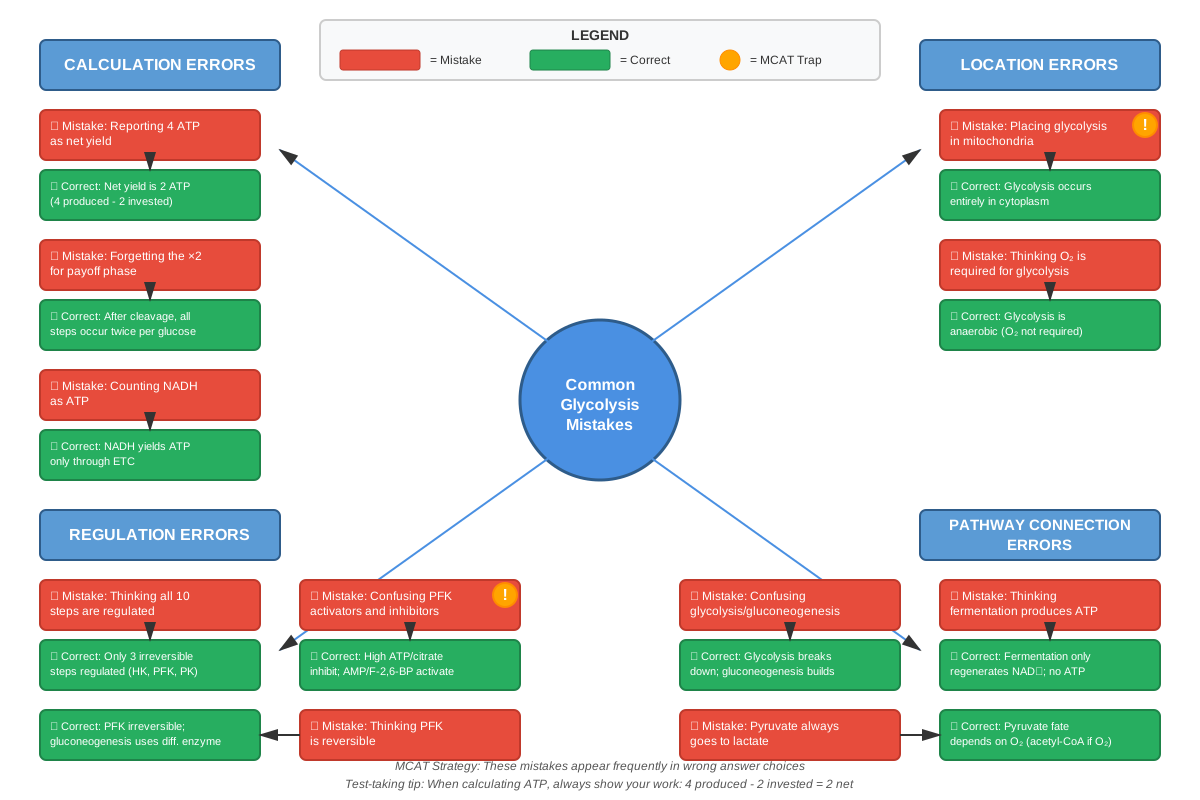
Correction: Glycolysis produces only 2 net ATP per glucose, capturing less than 2% of glucose's total energy. It is rapid but inefficient compared to complete aerobic respiration (30-32 ATP per glucose). Glycolysis is valuable for speed and oxygen-independence, not efficiency.
Misconception: All ten steps of glycolysis are reversible, so gluconeogenesis simply runs glycolysis backward.
Correction: Three steps in glycolysis are irreversible (hexokinase, PFK-1, and pyruvate kinase reactions) due to large negative ΔG values. Gluconeogenesis requires four different enzymes to bypass these irreversible steps, making it a distinct pathway with separate regulation.
Misconception: NADH produced in glycolysis directly enters the electron transport chain to produce ATP.
Correction: Glycolytic NADH is produced in the cytoplasm and cannot directly cross the inner mitochondrial membrane. Shuttle systems (malate-aspartate or glycerol-3-phosphate) transfer the reducing equivalents into mitochondria, with the glycerol-3-phosphate shuttle yielding fewer ATP per NADH than the malate-aspartate shuttle.
Misconception: Lactate production during anaerobic exercise is wasteful and causes muscle soreness.
Correction: Lactate production is essential for regenerating NAD⁺, allowing glycolysis to continue producing ATP when oxygen is insufficient. Lactate is not a waste product—it can be converted back to pyruvate when oxygen becomes available or transported to the liver for gluconeogenesis (Cori cycle). Muscle soreness is caused by inflammation and microtears, not lactate accumulation.
Misconception: The committed step of glycolysis is the first step (hexokinase reaction).
Correction: The committed step is the phosphofructokinase-1 reaction (step 3), not the hexokinase reaction. Glucose-6-phosphate produced by hexokinase can enter multiple pathways (glycolysis, pentose phosphate pathway, glycogen synthesis), but once fructose-1,6-bisphosphate is formed, it is committed to glycolysis.
Misconception: Glycolysis stops completely when oxygen is absent.
Correction: Glycolysis can continue indefinitely without oxygen as long as NAD⁺ is regenerated through fermentation (lactate or ethanol production). The pathway itself is oxygen-independent; oxygen is only required for the citric acid cycle and oxidative phosphorylation that follow glycolysis under aerobic conditions.
Worked Examples
Example 1: Calculating Net ATP Yield with Enzyme Inhibition
Question: A researcher treats cells with an inhibitor that completely blocks pyruvate kinase activity. Starting with one molecule of glucose, how many net ATP molecules will be produced through glycolysis? Assume all other enzymes function normally.
Solution:
Step 1: Identify where ATP is consumed and produced in normal glycolysis.
- Investment phase: 2 ATP consumed (hexokinase and PFK-1)
- Payoff phase: 4 ATP produced (2 from phosphoglycerate kinase, 2 from pyruvate kinase)
- Net normal yield: 4 - 2 = 2 ATP
Step 2: Determine the effect of pyruvate kinase inhibition.
- Pyruvate kinase catalyzes the final step (PEP → pyruvate), producing 1 ATP per three-carbon molecule
- With pyruvate kinase blocked, this step cannot occur
- ATP production from pyruvate kinase: 0 (instead of 2)
Step 3: Calculate the new net ATP yield.
- Investment phase: -2 ATP (unchanged)
- Phosphoglycerate kinase: +2 ATP (still occurs)
- Pyruvate kinase: 0 ATP (blocked)
- Net yield: 2 - 2 = 0 ATP
Answer: Zero net ATP molecules would be produced. The cell would actually experience a net loss of 2 ATP from the investment phase without recovering that investment through the payoff phase. This demonstrates why pyruvate kinase deficiency causes hemolytic anemia—red blood cells cannot generate sufficient ATP to maintain membrane integrity.
Example 2: Predicting Metabolic Consequences of Regulatory Changes
Question: A genetic mutation causes phosphofructokinase-1 to become insensitive to ATP inhibition (it can no longer bind ATP at its allosteric site, but the active site functions normally). Predict three metabolic consequences of this mutation when the cell has abundant ATP.
Solution:
Step 1: Understand normal PFK-1 regulation.
- PFK-1 is normally inhibited by high ATP (negative feedback)
- When ATP is abundant, PFK-1 slows down, reducing glycolytic flux
- This prevents wasteful glucose consumption when energy is sufficient
Step 2: Predict the effect of losing ATP inhibition.
- The mutant PFK-1 cannot sense high ATP levels
- Glycolysis will proceed at high rates even when ATP is abundant
- The committed step will not be properly regulated
Step 3: Identify downstream consequences.
Consequence 1: Excessive glucose consumption and depletion of glucose stores. Without proper feedback inhibition, cells will continue breaking down glucose even when energy needs are met, potentially depleting glycogen stores and reducing blood glucose availability.
Consequence 2: Accumulation of downstream glycolytic intermediates and excess pyruvate production. Unregulated glycolysis will produce pyruvate faster than the citric acid cycle can process it (since the citric acid cycle is also regulated by ATP levels). This could lead to increased lactate production even under aerobic conditions.
Consequence 3: Futile cycling and energy waste. If gluconeogenesis is simultaneously active (as in liver cells), unregulated glycolysis combined with gluconeogenesis would create a futile cycle, consuming ATP without net metabolic benefit. The cell would waste energy converting glucose to pyruvate while simultaneously converting pyruvate back to glucose.
Additional consideration: The mutation might provide a selective advantage to cancer cells, which benefit from increased glycolysis (Warburg effect) to support rapid proliferation, even when oxygen and ATP are available.
Exam Strategy
When approaching glycolysis overview MCAT questions, first identify the question type: quantitative (calculating ATP/NADH yields), regulatory (predicting effects of inhibitors or activators), or integrative (connecting glycolysis to other pathways). For quantitative questions, always account for the fact that steps 6-10 occur twice per glucose molecule—this is the most common source of calculation errors.
Trigger words to watch for include:
- "Anaerobic conditions" → think about NAD⁺ regeneration and lactate/ethanol production
- "Committed step" → phosphofructokinase-1, not hexokinase
- "Substrate-level phosphorylation" → direct ATP generation at phosphoglycerate kinase and pyruvate kinase
- "Red blood cells" → glycolysis only (no mitochondria)
- "High ATP" or "energy-rich state" → inhibition of PFK-1 and pyruvate kinase
- "Warburg effect" or "cancer metabolism" → increased glycolysis despite oxygen availability
For process-of-elimination, remember that glycolysis:
- Does NOT require oxygen (eliminate answers suggesting oxygen dependence)
- Does NOT occur in mitochondria (eliminate answers placing it there)
- Does NOT produce CO₂ (that's the citric acid cycle)
- Does NOT involve the electron transport chain directly
Time allocation: Discrete glycolysis questions should take 45-60 seconds. For passage-based questions, spend 1-2 minutes understanding the experimental setup, then 60-90 seconds per question. If a question requires extensive calculations, flag it and return if time permits—the MCAT rewards efficient time management.
When passages describe novel glycolytic inhibitors or genetic mutations, apply first principles: identify which step is affected, determine whether it's in the investment or payoff phase, predict effects on ATP yield and regulatory feedback, and consider consequences for NAD⁺/NADH balance. The exam frequently tests your ability to apply glycolytic principles to unfamiliar scenarios rather than simply recalling memorized facts.
Memory Techniques
Mnemonic for the 10 enzymes in order:
"Goodness Gracious, Father Franklin Did Go By Picking Pumpkins Patiently"
- Glucokinase/Hexokinase
- Glucose-6-phosphate isomerase (Phosphoglucose isomerase)
- Fructokinase (Phosphofructokinase-1)
- Fructose-1,6-bisphosphate aldolase (Aldolase)
- Dihydroxyacetone phosphate isomerase (Triose phosphate isomerase)
- Glyceraldehyde-3-phosphate dehydrogenase
- Bisphosphoglycerate kinase (Phosphoglycerate kinase)
- Phosphoglycerate mutase
- Phosphopyruvate hydratase (Enolase)
- Pyruvate kinase
Mnemonic for PFK-1 regulation:
"ATP Cuts PFK, AMP Feeds PFK"
- ATP and Citrate inhibit PFK-1
- AMP and F-2,6-BP activate PFK-1
Visualization strategy: Picture glycolysis as a two-act play:
- Act 1 (Investment): The cell "pays" 2 ATP to "break" glucose into two pieces (imagine breaking a stick)
- Act 2 (Payoff): Each piece "pays back" 2 ATP (4 total), plus gives 1 NADH (2 total) as a bonus
Number memory: Remember "2-2-2" for glycolysis:
- 2 ATP invested
- 2 ATP net gain
- 2 NADH produced
- 2 pyruvate produced
Regulatory memory: "When you're tired (high ATP), you rest (inhibit glycolysis). When you're energetic (low ATP/high AMP), you work (activate glycolysis)."
Summary
Glycolysis is the universal, oxygen-independent metabolic pathway that converts one glucose molecule into two pyruvate molecules, generating 2 net ATP and 2 NADH in the cytoplasm. The pathway consists of ten enzymatic steps divided into an energy investment phase (consuming 2 ATP to prepare glucose for cleavage) and an energy payoff phase (generating 4 ATP and 2 NADH through substrate-level phosphorylation and oxidation). Three irreversible reactions serve as regulatory checkpoints, with phosphofructokinase-1 catalyzing the committed step and serving as the primary control point, inhibited by ATP and citrate when energy is abundant, and activated by AMP and fructose-2,6-bisphosphate when energy is needed. Pyruvate's fate depends on oxygen availability: under aerobic conditions, it enters mitochondria for complete oxidation; under anaerobic conditions, it is reduced to lactate or ethanol to regenerate NAD⁺, allowing glycolysis to continue. For the MCAT, students must understand glycolysis quantitatively (calculating yields), mechanistically (identifying key enzymes and regulatory points), and conceptually (connecting to other metabolic pathways and physiological states). This pathway's clinical relevance spans from cancer metabolism to genetic enzyme deficiencies, making it essential knowledge for both exam success and medical practice.
Key Takeaways
- Glycolysis converts one glucose into two pyruvate, yielding 2 net ATP and 2 NADH in the cytoplasm without requiring oxygen
- The pathway divides into an investment phase (steps 1-5, consuming 2 ATP) and a payoff phase (steps 6-10, generating 4 ATP and 2 NADH)
- Phosphofructokinase-1 catalyzes the committed step and serves as the main regulatory point, inhibited by ATP/citrate and activated by AMP/F-2,6-BP
- ATP is generated through substrate-level phosphorylation at two steps: phosphoglycerate kinase and pyruvate kinase (each occurring twice per glucose)
- Under anaerobic conditions, pyruvate is reduced to lactate or ethanol to regenerate NAD⁺, which is essential for glycolysis to continue
- Three irreversible steps (hexokinase, PFK-1, pyruvate kinase) serve as regulatory checkpoints and must be bypassed by different enzymes in gluconeogenesis
- Glycolysis captures only ~2% of glucose's energy; complete oxidation through aerobic respiration yields 30-32 additional ATP per glucose
Related Topics
Gluconeogenesis: The synthesis of glucose from non-carbohydrate precursors, essentially reversing glycolysis but using four different enzymes to bypass the three irreversible steps. Mastering glycolysis provides the foundation for understanding how these pathways are reciprocally regulated.
Citric Acid Cycle: Pyruvate produced by glycolysis is converted to acetyl-CoA, which enters this mitochondrial pathway for complete oxidation. Understanding glycolysis is essential for tracing carbon atoms through cellular respiration.
Oxidative Phosphorylation: The NADH produced in glycolysis ultimately donates electrons to the electron transport chain (via shuttle systems), connecting glycolytic oxidation to the majority of ATP production in aerobic cells.
Fermentation: The anaerobic fate of pyruvate (lactate or ethanol production) directly depends on understanding glycolysis, particularly the need for NAD⁺ regeneration.
Pentose Phosphate Pathway: Branches from glucose-6-phosphate (the first glycolytic intermediate), providing an alternative glucose metabolism pathway that produces NADPH and ribose-5-phosphate.
Glycogen Metabolism: Glycogen breakdown produces glucose-6-phosphate that enters glycolysis at step 2, bypassing the first ATP investment and yielding 3 net ATP per glucose unit.
Practice CTA
Now that you've mastered the core concepts of glycolysis, it's time to solidify your understanding through active practice. Challenge yourself with the practice questions and flashcards designed specifically for this topic—they'll help you identify any remaining knowledge gaps and build the rapid recall essential for MCAT success. Remember, understanding glycolysis isn't just about memorizing ten enzyme names; it's about developing the metabolic intuition that allows you to tackle novel scenarios confidently. The investment you make in truly mastering this foundational pathway will pay dividends throughout your study of metabolism and on test day. You've got this!
Sign up free to keep reading
Create a free AnvayaPrep account to finish this MCAT guide on Glycolysis overview — plus flashcards and practice questions.