Overview
Pyruvate kinase is a critical regulatory enzyme in glycolysis, the central metabolic pathway that converts glucose into pyruvate while generating ATP and NADH. As the final enzyme in the glycolytic pathway, pyruvate kinase catalyzes the irreversible transfer of a phosphate group from phosphoenolpyruvate (PEP) to ADP, producing pyruvate and ATP. This reaction represents one of only two substrate-level phosphorylation steps in glycolysis and serves as a major control point for regulating the entire pathway. Understanding pyruvate kinase Biochemistry is essential for MCAT success because it integrates concepts of enzyme regulation, metabolic control, and energy homeostasis—all high-yield topics that appear frequently in both discrete questions and passage-based items.
For the MCAT, pyruvate kinase represents more than just another enzyme to memorize. It exemplifies the principles of allosteric regulation, feed-forward activation, and feedback inhibition that govern all major metabolic pathways. The enzyme's regulation by multiple effectors (ATP, alanine, acetyl-CoA, and fructose-1,6-bisphosphate) demonstrates how cells coordinate energy production with energy demand. Additionally, pyruvate kinase deficiency—the most common glycolytic enzyme deficiency—provides a clinically relevant context that frequently appears in MCAT passages, connecting biochemical concepts to pathophysiology and requiring students to apply mechanistic understanding to clinical scenarios.
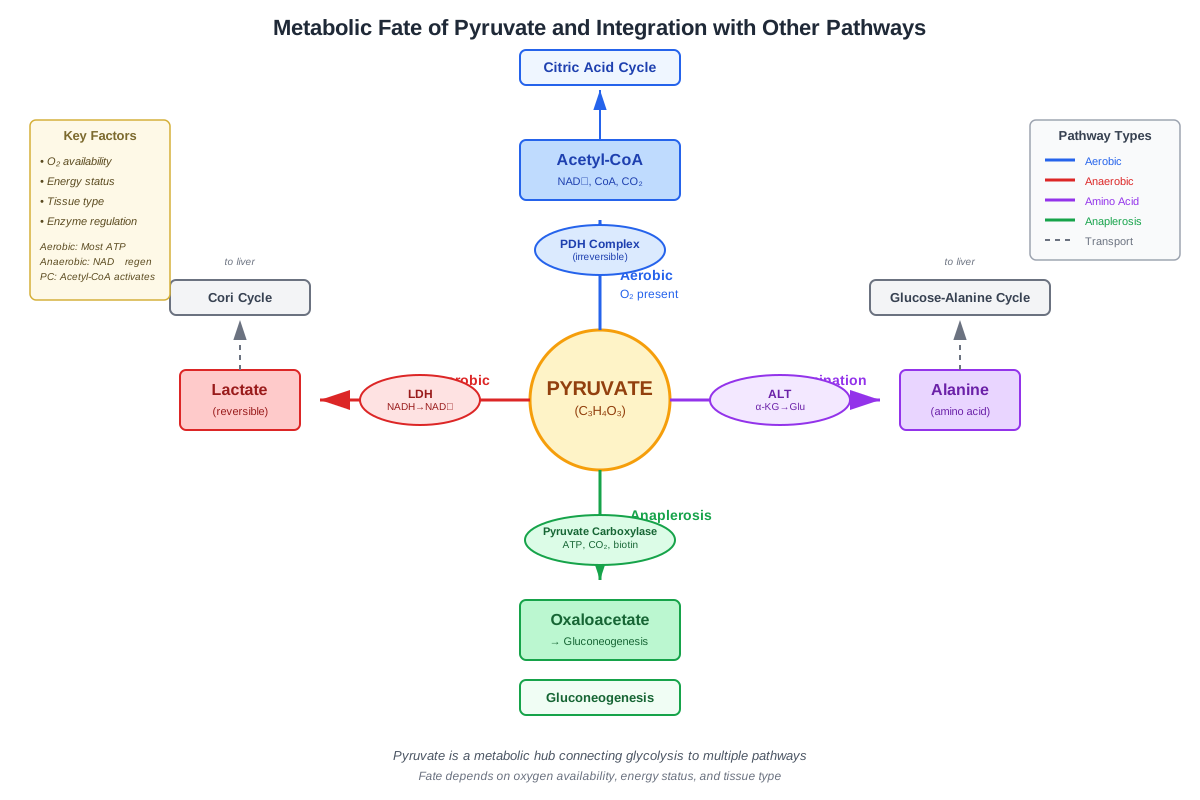
Within the broader context of Metabolism and Biochemistry, pyruvate kinase sits at the intersection of multiple pathways. Its product, pyruvate, serves as a metabolic hub that can be converted to acetyl-CoA for the citric acid cycle, reduced to lactate during anaerobic conditions, or transaminated to alanine for gluconeogenesis. The enzyme's regulation is intimately connected to the fed/fasted state, exercise physiology, and tissue-specific metabolic demands. Mastering pyruvate kinase MCAT concepts enables students to answer questions spanning glycolysis, gluconeogenesis, the Cori cycle, and metabolic integration—making it a cornerstone topic for achieving a competitive score on the Biochemistry section.
Learning Objectives
- [ ] Define pyruvate kinase using accurate Biochemistry terminology
- [ ] Explain why pyruvate kinase matters for the MCAT
- [ ] Apply pyruvate kinase concepts to exam-style questions
- [ ] Identify common mistakes related to pyruvate kinase
- [ ] Connect pyruvate kinase to related Biochemistry concepts
- [ ] Describe the complete mechanism of the pyruvate kinase reaction including cofactor requirements
- [ ] Analyze the allosteric regulation of pyruvate kinase and predict enzyme activity under different metabolic conditions
- [ ] Explain the clinical manifestations of pyruvate kinase deficiency and connect molecular defects to physiological consequences
Prerequisites
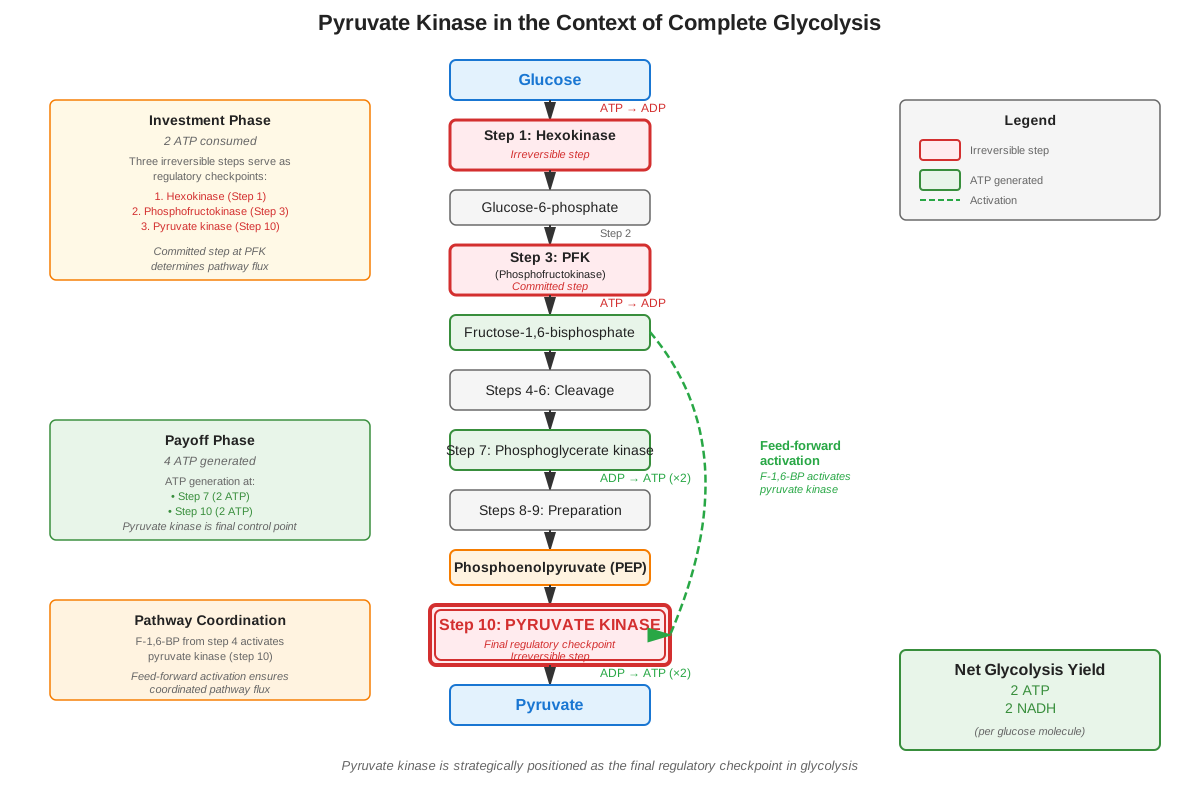
- Glycolysis pathway: Understanding the ten-step conversion of glucose to pyruvate is essential because pyruvate kinase catalyzes the final step
- Enzyme kinetics and regulation: Knowledge of allosteric regulation, competitive inhibition, and Michaelis-Menten kinetics provides the framework for understanding pyruvate kinase control
- ATP structure and energetics: Familiarity with high-energy phosphate bonds explains why the pyruvate kinase reaction is thermodynamically favorable and irreversible
- Basic metabolic regulation: Understanding fed vs. fasted states and hormonal control (insulin, glucagon) contextualizes when and why pyruvate kinase activity changes
- Cofactors and coenzymes: Knowledge of metal ion cofactors (Mg²⁺, K⁺) is necessary to understand the catalytic mechanism
Why This Topic Matters
Clinical Significance
Pyruvate kinase deficiency is the most common inherited enzyme defect of glycolysis, affecting red blood cells' ability to generate ATP. Patients with this autosomal recessive disorder experience chronic hemolytic anemia because erythrocytes, which lack mitochondria and depend entirely on glycolysis for energy, cannot maintain membrane integrity without adequate ATP production. This clinical condition appears frequently in MCAT passages because it elegantly connects molecular biochemistry to cellular physiology and clinical presentation. Understanding how a single enzyme defect cascades into systemic symptoms demonstrates the type of integrative thinking the MCAT rewards.
Beyond genetic deficiencies, pyruvate kinase regulation plays a central role in cancer metabolism. The M2 isoform of pyruvate kinase (PKM2) is preferentially expressed in rapidly dividing cells and tumors. Its unique regulatory properties allow cancer cells to divert glycolytic intermediates into biosynthetic pathways while still maintaining some ATP production—a phenomenon related to the Warburg effect. This connection between basic metabolism and cancer biology represents exactly the type of interdisciplinary application that appears in high-difficulty MCAT passages.
MCAT Exam Statistics
Pyruvate kinase appears in approximately 15-20% of MCAT Biochemistry passages that focus on metabolism. Questions typically test students' ability to predict enzyme activity under different conditions, interpret experimental data showing allosteric regulation, or connect enzyme deficiencies to clinical phenotypes. The topic appears in three main formats: discrete questions testing regulation mechanisms (30%), passage-based questions requiring interpretation of experimental enzyme kinetics (50%), and clinical vignettes connecting deficiency to symptoms (20%). The MCAT particularly favors questions that require students to integrate pyruvate kinase regulation with gluconeogenesis, the Cori cycle, or tissue-specific metabolism—testing whether students understand metabolism as an integrated system rather than isolated pathways.
Core Concepts
Enzyme Structure and Function
Pyruvate kinase is a tetrameric enzyme (composed of four subunits) that catalyzes the final step of glycolysis. The enzyme exists in four tissue-specific isoforms: L (liver), R (red blood cells), M1 (muscle and brain), and M2 (early fetal tissue and most adult tissues). Each isoform exhibits different regulatory properties suited to its tissue's metabolic needs. The L-isoform, for example, is subject to hormonal regulation via phosphorylation, while the M1 isoform is constitutively active to support the constant energy demands of muscle contraction.
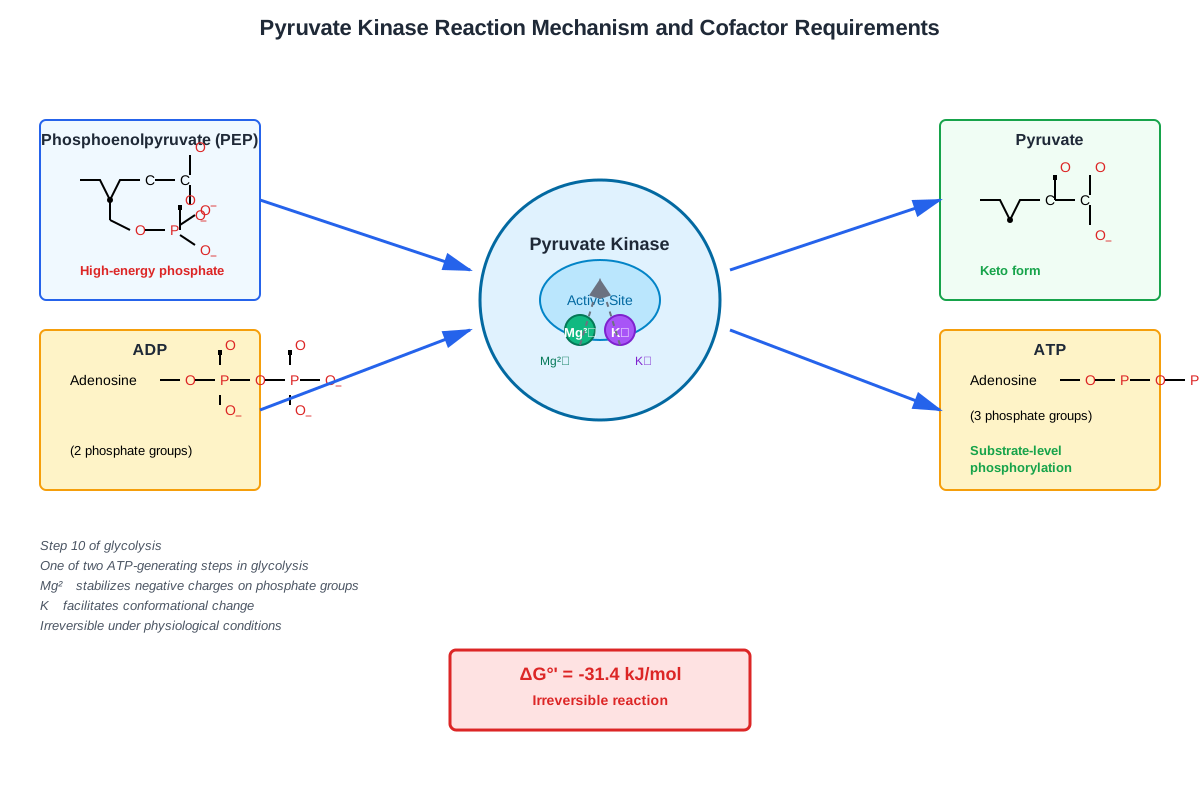
The enzyme requires two cofactors for catalytic activity: Mg²⁺ (magnesium) and K⁺ (potassium). Magnesium coordinates with the phosphate groups of both PEP and ADP, properly orienting them in the active site and stabilizing negative charges during the reaction. Potassium ions are essential for maintaining the enzyme's active conformation. Without adequate K⁺ concentrations, the enzyme cannot achieve its catalytically competent structure, explaining why severe hypokalemia can impair glycolytic flux.
The Pyruvate Kinase Reaction
The reaction catalyzed by pyruvate kinase is:
Phosphoenolpyruvate (PEP) + ADP → Pyruvate + ATP
ΔG°' = -31.4 kJ/mol
This reaction is highly exergonic and physiologically irreversible, making it one of three irreversible steps in glycolysis (along with hexokinase and phosphofructokinase-1). The large negative free energy change results from two factors: (1) the phosphate group on PEP is a very high-energy bond (higher than ATP), and (2) pyruvate can tautomerize from its enol form to the more stable keto form, releasing additional energy. This irreversibility is metabolically significant because it commits the pathway to completion and creates a regulatory checkpoint.
The mechanism proceeds through direct phosphoryl transfer. PEP binds first, followed by ADP, in an ordered sequential mechanism. The phosphate group is transferred directly from C-2 of PEP to ADP without forming a phosphorylated enzyme intermediate. The enolpyruvate product immediately tautomerizes to the keto form, pulling the reaction forward. This substrate-level phosphorylation generates one of the two net ATP molecules produced per glucose in glycolysis.
Allosteric Regulation
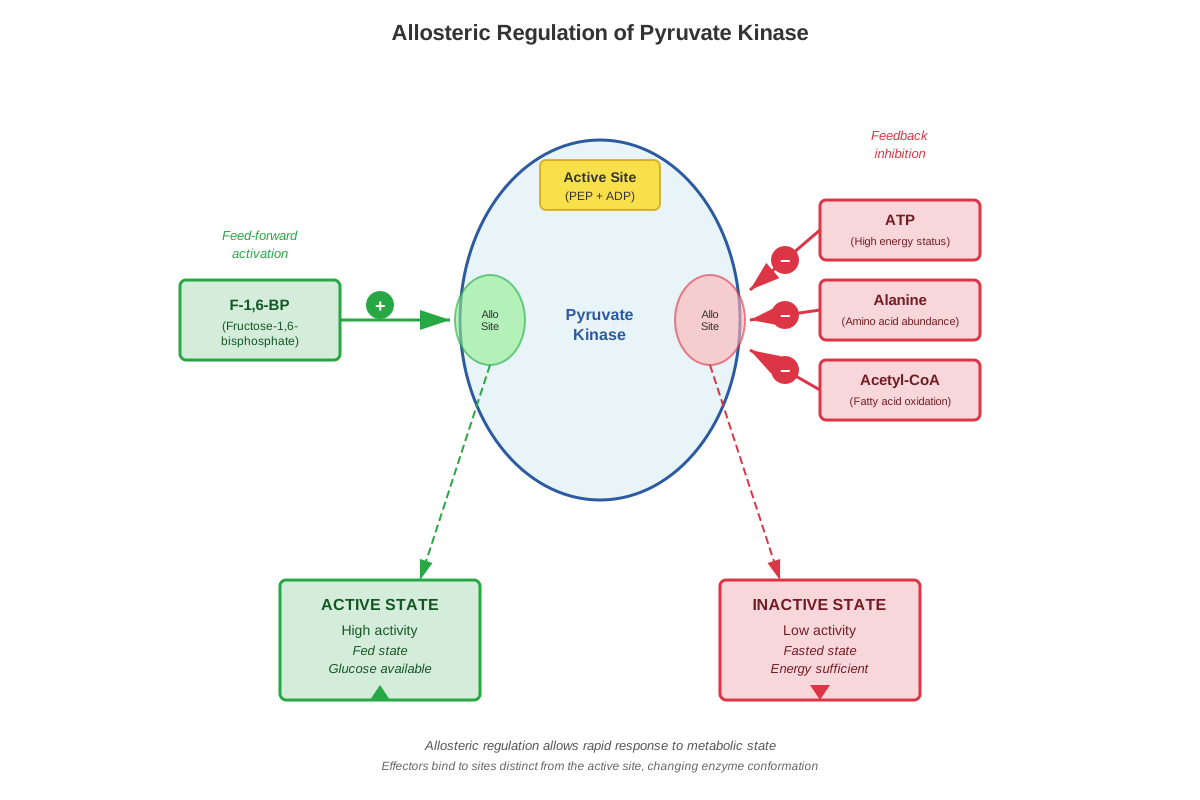
Pyruvate kinase exemplifies sophisticated allosteric regulation, responding to multiple metabolic signals:
| Effector | Type | Effect | Metabolic Signal |
|---|---|---|---|
| Fructose-1,6-bisphosphate (F-1,6-BP) | Positive | Activates | Glycolysis is proceeding; feed-forward activation |
| ATP | Negative | Inhibits | High energy status; slow glycolysis |
| Alanine | Negative | Inhibits | Amino acid abundance; gluconeogenesis substrate available |
| Acetyl-CoA | Negative | Inhibits | Fatty acid oxidation active; alternative fuel available |
Fructose-1,6-bisphosphate (F-1,6-BP) serves as a feed-forward activator—a particularly high-yield concept for the MCAT. When phosphofructokinase-1 (PFK-1) is active and producing F-1,6-BP, this intermediate activates pyruvate kinase downstream, ensuring that the pathway proceeds efficiently to completion. This coordination prevents accumulation of glycolytic intermediates and represents an elegant example of metabolic logic: if the committed step of glycolysis (PFK-1) is active, the final step should also be active.
ATP acts as a negative allosteric regulator, distinct from its role as a substrate. When ATP concentrations are high, the cell has sufficient energy, and glycolysis should slow. ATP binds to an allosteric site (not the active site), inducing a conformational change that reduces the enzyme's affinity for PEP. This feedback inhibition prevents wasteful ATP production when energy is abundant.
Alanine inhibition connects glycolysis to amino acid metabolism and gluconeogenesis. High alanine concentrations signal that amino acids are available for conversion to glucose via gluconeogenesis. Since pyruvate kinase and the gluconeogenic enzyme PEPCK catalyze opposite reactions at this metabolic branch point, inhibiting pyruvate kinase when alanine is abundant prevents a futile cycle and allows gluconeogenesis to proceed.
Covalent Modification (Liver Isoform)
The liver isoform (L-type) of pyruvate kinase undergoes covalent modification via phosphorylation, adding another layer of regulation. During fasting, when glucagon levels rise, a cAMP-dependent protein kinase A (PKA) phosphorylates pyruvate kinase, inactivating it. This makes metabolic sense: during fasting, the liver should perform gluconeogenesis (making glucose) rather than glycolysis (breaking down glucose). Inactivating pyruvate kinase prevents futile cycling between glycolysis and gluconeogenesis.
Conversely, in the fed state, insulin promotes dephosphorylation of pyruvate kinase via phosphoprotein phosphatase, activating the enzyme. This allows the liver to process incoming dietary glucose through glycolysis, generating ATP and pyruvate for biosynthetic pathways. This hormonal regulation is tissue-specific—the muscle isoform (M1) lacks the phosphorylation site and remains constitutively active because muscle must be able to perform glycolysis regardless of hormonal signals to support contraction.
Tissue-Specific Isoforms and Metabolic Context
The existence of four pyruvate kinase isoforms reflects tissue-specific metabolic demands:
L-isoform (Liver): Subject to both allosteric and covalent regulation, allowing the liver to switch between glycolysis and gluconeogenesis based on whole-body metabolic needs. The liver's role as a glucose buffer requires this sophisticated control.
R-isoform (Red Blood Cells): Regulated primarily by allosteric effectors. Since RBCs lack mitochondria and depend entirely on glycolysis for ATP, this isoform must remain responsive to energy status but cannot be shut down completely.
M1-isoform (Muscle and Brain): Constitutively active with minimal regulation. Muscle requires the ability to rapidly activate glycolysis during contraction regardless of whole-body energy status. The brain's constant high energy demand similarly requires uninterrupted glycolysis.
M2-isoform (Fetal tissue and tumors): Exhibits unique regulatory properties including regulation by phosphotyrosine-containing proteins. This isoform can exist in dimeric (less active) or tetrameric (more active) forms, allowing fine-tuned control of glycolytic flux and diversion of intermediates to biosynthetic pathways.
Pyruvate Kinase Deficiency
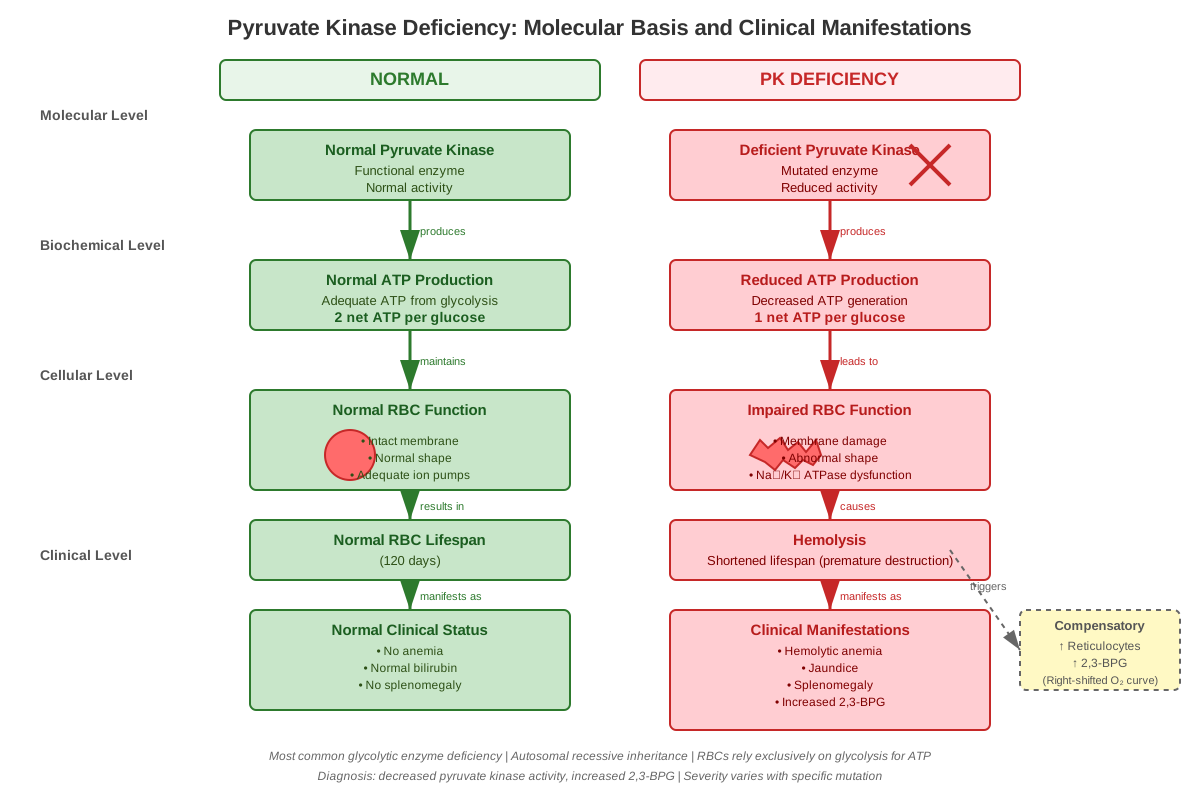
Pyruvate kinase deficiency provides a clinically relevant application of enzyme biochemistry. The deficiency primarily affects red blood cells because they depend exclusively on glycolysis for ATP production. Without adequate pyruvate kinase activity, RBCs cannot generate sufficient ATP to maintain ion gradients and membrane integrity, leading to hemolysis (premature RBC destruction).
Clinical manifestations include:
- Chronic hemolytic anemia: Reduced RBC lifespan (normal: 120 days; deficiency: 20-30 days)
- Elevated 2,3-bisphosphoglycerate (2,3-BPG): Accumulation of glycolytic intermediates upstream of the block
- Jaundice: From increased bilirubin production due to hemolysis
- Splenomegaly: From increased RBC destruction in the spleen
The elevated 2,3-BPG has a compensatory benefit: it decreases hemoglobin's oxygen affinity, facilitating oxygen delivery to tissues despite anemia. This represents an important MCAT concept—how metabolic defects can have both pathological and compensatory consequences.
Concept Relationships
Pyruvate kinase sits at a critical metabolic junction, connecting multiple pathways and regulatory systems. Within glycolysis, pyruvate kinase's activity is coordinated with phosphofructokinase-1 (PFK-1) through feed-forward activation by F-1,6-BP. This relationship ensures that once the committed step (PFK-1) proceeds, the entire pathway flows efficiently to completion: PFK-1 activation → F-1,6-BP production → Pyruvate kinase activation → Pathway completion.
The enzyme's regulation inversely mirrors gluconeogenesis control. When pyruvate kinase is active (fed state, high insulin), the gluconeogenic enzyme PEPCK is inhibited, preventing futile cycling: Fed state → Insulin → Pyruvate kinase active + PEPCK inactive → Net glycolysis. Conversely: Fasted state → Glucagon → Pyruvate kinase inactive + PEPCK active → Net gluconeogenesis.
Pyruvate kinase connects to the Cori cycle through its product, pyruvate. During intense exercise, muscle converts pyruvate to lactate, which travels to the liver for conversion back to glucose via gluconeogenesis. This cycle requires coordinated regulation: Muscle pyruvate kinase (active) → Pyruvate → Lactate → Liver → Glucose (requires liver pyruvate kinase inactive).
The enzyme also links carbohydrate metabolism to amino acid metabolism through alanine. Pyruvate can be transaminated to alanine, which travels to the liver for gluconeogenesis (the glucose-alanine cycle): Muscle pyruvate → Alanine → Liver → Pyruvate → Glucose. High alanine levels inhibit pyruvate kinase, facilitating this reverse flow.
Finally, pyruvate kinase connects glycolysis to the citric acid cycle and oxidative phosphorylation. Its product, pyruvate, enters mitochondria for conversion to acetyl-CoA by pyruvate dehydrogenase: Pyruvate kinase → Pyruvate → Acetyl-CoA → Citric acid cycle → Oxidative phosphorylation. When acetyl-CoA accumulates (indicating active fatty acid oxidation), it allosterically inhibits pyruvate kinase, demonstrating metabolic integration across fuel sources.
Quick check — test yourself on Pyruvate kinase so far.
Try Flashcards →High-Yield Facts
⭐ Pyruvate kinase catalyzes the final, irreversible step of glycolysis, converting PEP + ADP → Pyruvate + ATP with ΔG°' = -31.4 kJ/mol
⭐ Fructose-1,6-bisphosphate is a feed-forward activator of pyruvate kinase, coordinating the committed step (PFK-1) with the final step
⭐ ATP, alanine, and acetyl-CoA are negative allosteric regulators, inhibiting pyruvate kinase when energy or alternative fuels are abundant
⭐ The liver isoform (L-type) is inactivated by phosphorylation via PKA during fasting (glucagon), preventing futile cycling with gluconeogenesis
⭐ Pyruvate kinase requires Mg²⁺ and K⁺ as cofactors for catalytic activity
- Pyruvate kinase deficiency causes chronic hemolytic anemia due to inadequate ATP production in red blood cells
- The M1 isoform (muscle/brain) is constitutively active and not subject to phosphorylation, ensuring constant glycolytic capacity
- The M2 isoform is preferentially expressed in tumors and allows diversion of glycolytic intermediates to biosynthetic pathways
- Elevated 2,3-BPG in pyruvate kinase deficiency decreases hemoglobin oxygen affinity, partially compensating for anemia
- Pyruvate kinase generates one of only two substrate-level phosphorylation events in glycolysis (the other is phosphoglycerate kinase)
- The reaction proceeds through direct phosphoryl transfer without a phosphorylated enzyme intermediate
- Insulin promotes pyruvate kinase dephosphorylation (activation) in liver, favoring glycolysis in the fed state
- The enolpyruvate product immediately tautomerizes to the more stable keto form, contributing to reaction irreversibility
Common Misconceptions
Misconception: Pyruvate kinase is inhibited by pyruvate through negative feedback.
Correction: Pyruvate kinase is NOT inhibited by its product pyruvate. The enzyme is inhibited by ATP, alanine, and acetyl-CoA—molecules that signal abundant energy or alternative fuel sources. This is a common MCAT trap because students expect simple product inhibition.
Misconception: All pyruvate kinase isoforms are regulated by phosphorylation.
Correction: Only the liver (L) isoform is regulated by covalent phosphorylation. The muscle (M1) isoform lacks the phosphorylation site and remains constitutively active. This tissue-specific regulation reflects different metabolic roles—liver switches between glycolysis and gluconeogenesis, while muscle must maintain glycolytic capacity for contraction.
Misconception: Pyruvate kinase deficiency affects all tissues equally.
Correction: Pyruvate kinase deficiency primarily affects red blood cells because they lack mitochondria and depend exclusively on glycolysis for ATP. Other tissues can compensate using oxidative phosphorylation. This explains why the clinical presentation centers on hemolytic anemia rather than multi-organ failure.
Misconception: F-1,6-BP inhibits pyruvate kinase to slow glycolysis when intermediates accumulate.
Correction: F-1,6-BP ACTIVATES pyruvate kinase through feed-forward activation. This ensures that when the committed step (PFK-1) is active and producing F-1,6-BP, the final step also proceeds efficiently. This prevents intermediate accumulation rather than responding to it.
Misconception: The pyruvate kinase reaction is reversible under physiological conditions.
Correction: The pyruvate kinase reaction is physiologically irreversible due to its large negative ΔG°' (-31.4 kJ/mol). Gluconeogenesis bypasses this step using two enzymes (pyruvate carboxylase and PEPCK) with energy input. Students often confuse "reversible" with "can be bypassed."
Misconception: Pyruvate kinase is the rate-limiting enzyme of glycolysis.
Correction: Phosphofructokinase-1 (PFK-1) is the rate-limiting enzyme of glycolysis, not pyruvate kinase. While pyruvate kinase is regulated and irreversible, PFK-1 catalyzes the committed step and is the primary control point. Pyruvate kinase provides additional regulation but does not determine overall pathway flux.
Worked Examples
Example 1: Predicting Enzyme Activity Under Metabolic Conditions
Question: A researcher measures pyruvate kinase activity in liver extracts under four different conditions. Rank the conditions from highest to lowest enzyme activity:
- Condition A: High ATP, low F-1,6-BP, enzyme phosphorylated
- Condition B: Low ATP, high F-1,6-BP, enzyme dephosphorylated
- Condition C: High alanine, high acetyl-CoA, enzyme phosphorylated
- Condition D: Low ATP, high F-1,6-BP, enzyme phosphorylated
Solution:
Step 1: Identify factors affecting activity.
- Positive regulators: F-1,6-BP (activator), dephosphorylated state (active)
- Negative regulators: ATP, alanine, acetyl-CoA (inhibitors), phosphorylated state (inactive)
Step 2: Analyze each condition.
Condition A: Multiple negative signals (high ATP inhibits, phosphorylation inactivates) and low positive signal (low F-1,6-BP). Very low activity.
Condition B: Multiple positive signals (low ATP removes inhibition, high F-1,6-BP activates, dephosphorylated = active). Highest activity.
Condition C: Multiple strong negative signals (alanine inhibits, acetyl-CoA inhibits, phosphorylation inactivates). Lowest activity.
Condition D: Mixed signals (low ATP and high F-1,6-BP favor activity, but phosphorylation inactivates). Phosphorylation is a strong signal, but allosteric activation can partially overcome it. Moderate activity.
Step 3: Rank from highest to lowest.
B > D > A > C
Key Concept: Covalent modification (phosphorylation) generally exerts stronger control than allosteric regulation, but multiple allosteric signals can partially overcome covalent inactivation. The fed state (Condition B) maximally activates liver pyruvate kinase.
Example 2: Clinical Vignette Analysis
Question: A 6-year-old boy presents with fatigue, pallor, and jaundice. Laboratory studies reveal:
- Hemoglobin: 8 g/dL (low)
- Reticulocyte count: 8% (elevated)
- Indirect bilirubin: elevated
- Blood smear: normal RBC morphology
- 2,3-BPG levels: markedly elevated
Enzyme assays reveal decreased pyruvate kinase activity in red blood cells. Explain:
(a) Why the patient has anemia
(b) Why 2,3-BPG is elevated
(c) What compensatory benefit the elevated 2,3-BPG provides
(d) Why other tissues are not affected
Solution:
(a) Mechanism of anemia: Red blood cells lack mitochondria and depend exclusively on glycolysis for ATP production. Pyruvate kinase catalyzes the final ATP-generating step of glycolysis. With deficient enzyme activity, RBCs cannot produce adequate ATP to maintain:
- Na⁺/K⁺-ATPase function (membrane potential)
- Ca²⁺-ATPase function (calcium homeostasis)
- Membrane cytoskeletal integrity
Without sufficient ATP, RBCs undergo premature hemolysis (destruction), reducing their lifespan from 120 days to 20-30 days. The elevated reticulocyte count indicates the bone marrow is attempting to compensate by producing new RBCs rapidly. The indirect (unconjugated) bilirubin elevation results from increased heme breakdown from hemolyzed cells.
(b) Elevated 2,3-BPG mechanism: The pyruvate kinase deficiency creates a metabolic "bottleneck" at the final step of glycolysis. Glycolytic intermediates upstream of the block accumulate, including 1,3-bisphosphoglycerate (1,3-BPG). The enzyme bisphosphoglycerate mutase converts 1,3-BPG to 2,3-BPG. With elevated substrate (1,3-BPG) availability, 2,3-BPG production increases dramatically.
(c) Compensatory benefit: 2,3-BPG binds to the central cavity of deoxyhemoglobin, stabilizing the T (tense) state and decreasing oxygen affinity (rightward shift of the oxygen-hemoglobin dissociation curve). This facilitates oxygen unloading to tissues. Despite having fewer RBCs (anemia), each RBC releases oxygen more readily, partially compensating for reduced oxygen-carrying capacity. This represents an important principle: metabolic defects can have both pathological effects (hemolysis) and compensatory adaptations (enhanced oxygen delivery).
(d) Tissue specificity: Other tissues possess mitochondria and can generate ATP through oxidative phosphorylation, which produces far more ATP per glucose (30-32 ATP) than glycolysis alone (2 ATP). These tissues can compensate for reduced glycolytic ATP production by increasing mitochondrial respiration. Additionally, tissues can utilize alternative fuels (fatty acids, ketone bodies, amino acids) that bypass glycolysis entirely. RBCs lack these compensatory mechanisms, making them uniquely vulnerable to glycolytic enzyme deficiencies.
Key Concept: This example demonstrates how understanding enzyme function, metabolic pathway organization, and tissue-specific metabolism allows prediction of clinical phenotypes from molecular defects—a core MCAT skill.
Exam Strategy
Approaching Pyruvate Kinase Questions
When encountering pyruvate kinase questions on the MCAT, follow this systematic approach:
Step 1: Identify the metabolic context. Determine whether the question describes fed vs. fasted state, exercise vs. rest, or specific tissue types. This immediately narrows expected enzyme activity.
Step 2: Catalog regulatory signals. List all allosteric effectors and covalent modifications mentioned. Remember: F-1,6-BP activates; ATP, alanine, and acetyl-CoA inhibit; phosphorylation inactivates (liver only).
Step 3: Predict net effect. When multiple signals are present, covalent modification typically dominates, but strong allosteric signals can modulate activity. Fed state = active; fasted state = inactive (in liver).
Step 4: Consider tissue specificity. If the question mentions liver, consider both allosteric and phosphorylation control. If muscle or RBCs, focus only on allosteric regulation.
Trigger Words and Phrases
Watch for these high-yield trigger phrases that signal pyruvate kinase involvement:
- "Final step of glycolysis" → Pyruvate kinase
- "Feed-forward activation" → F-1,6-BP activating pyruvate kinase
- "Substrate-level phosphorylation" → Could be pyruvate kinase or phosphoglycerate kinase
- "Hemolytic anemia with normal RBC morphology" → Consider pyruvate kinase deficiency
- "Elevated 2,3-BPG" → Suggests glycolytic enzyme deficiency, often pyruvate kinase
- "Glucagon signaling in liver" → Leads to pyruvate kinase phosphorylation/inactivation
- "Prevents futile cycling" → Reciprocal regulation of pyruvate kinase and PEPCK
Process of Elimination Tips
For regulation questions: Eliminate answers suggesting pyruvate inhibits pyruvate kinase (it doesn't). Eliminate answers suggesting all isoforms are phosphorylated (only liver). Eliminate answers suggesting F-1,6-BP inhibits (it activates).
For clinical questions: If a hemolytic anemia question mentions abnormal RBC morphology (spherocytes, sickle cells), eliminate pyruvate kinase deficiency—it causes normal morphology. If the question describes multi-organ involvement, eliminate isolated pyruvate kinase deficiency—it primarily affects RBCs.
For metabolic integration questions: Eliminate answers suggesting pyruvate kinase is active during gluconeogenesis in liver—these processes are reciprocally regulated. Eliminate answers suggesting muscle pyruvate kinase responds to glucagon—muscle lacks this hormonal control.
Time Allocation
For discrete questions on pyruvate kinase regulation, allocate 60-75 seconds. These typically require recalling regulatory mechanisms and applying them to a scenario. For passage-based questions involving experimental data (enzyme kinetics, inhibition studies), allocate 90-120 seconds to carefully analyze graphs or tables. For clinical vignettes requiring multi-step reasoning from enzyme defect to clinical presentation, allocate 90-110 seconds to work through the mechanistic chain.
Memory Techniques
Mnemonics
"FAAA Stops PK" - The negative regulators of pyruvate kinase:
- Fasting (phosphorylation in liver)
- ATP
- Alanine
- Acetyl-CoA
"Feed Forward with F-1,6-BP" - Remember that Fructose-1,6-bisphosphate provides feed-forward activation (both start with "F").
"PK Makes the Last ATP" - Pyruvate Kinase generates the final ATP in glycolysis (helps distinguish from phosphoglycerate kinase, which makes the first).
"RBC = Really Bad Consequences" - Pyruvate kinase deficiency primarily affects Red Blood Cells, causing Really Bad Consequences (hemolytic anemia).
Visualization Strategy
Visualize pyruvate kinase as a "metabolic gate" at the end of glycolysis. When the gate is open (enzyme active), glycolytic intermediates flow through to pyruvate and ATP production. When closed (enzyme inactive), the pathway backs up, and intermediates are diverted to other pathways.
Picture the fed state as "green light" conditions: insulin signal → dephosphorylation → gate opens → glycolysis proceeds. Picture the fasted state as "red light" conditions: glucagon signal → phosphorylation → gate closes → gluconeogenesis can proceed without futile cycling.
For feed-forward activation, visualize F-1,6-BP as a "messenger" running from PFK-1 (committed step) to pyruvate kinase (final step), shouting "We're committed to glycolysis—finish the job!" This ensures pathway coordination.
Acronym for Isoforms
"LRMM" for the four isoforms:
- Liver (regulated by phosphorylation)
- Red blood cells (allosteric only)
- Muscle (M1, constitutively active)
- M2 (fetal/tumor, unique regulation)
Remember: "Liver Likes Regulation" (L-isoform has the most complex regulation), "Muscle Must Move" (M1 is always active for contraction).
Summary
Pyruvate kinase is the final enzyme of glycolysis, catalyzing the irreversible conversion of phosphoenolpyruvate and ADP to pyruvate and ATP. This highly exergonic reaction (ΔG°' = -31.4 kJ/mol) represents one of two substrate-level phosphorylation steps in glycolysis and serves as a critical regulatory checkpoint. The enzyme requires Mg²⁺ and K⁺ cofactors and exists in four tissue-specific isoforms with distinct regulatory properties. Pyruvate kinase is activated by fructose-1,6-bisphosphate through feed-forward activation, ensuring coordination between the committed step (PFK-1) and pathway completion. The enzyme is inhibited by ATP, alanine, and acetyl-CoA—signals indicating energy abundance or alternative fuel availability. The liver isoform undergoes additional regulation via phosphorylation: glucagon-stimulated phosphorylation inactivates the enzyme during fasting, preventing futile cycling with gluconeogenesis, while insulin-promoted dephosphorylation activates it in the fed state. Pyruvate kinase deficiency, the most common glycolytic enzyme deficiency, causes chronic hemolytic anemia in red blood cells due to inadequate ATP production, with compensatory elevation of 2,3-BPG facilitating oxygen delivery. Understanding pyruvate kinase requires integrating enzyme kinetics, allosteric regulation, covalent modification, metabolic pathway coordination, and clinical applications—making it a high-yield topic for MCAT success.
Key Takeaways
- Pyruvate kinase catalyzes the final, irreversible step of glycolysis (PEP + ADP → Pyruvate + ATP), generating one of two net ATP molecules per glucose
- Feed-forward activation by F-1,6-BP coordinates the committed step (PFK-1) with the final step (pyruvate kinase), ensuring efficient pathway completion
- Negative allosteric regulators (ATP, alanine, acetyl-CoA) inhibit pyruvate kinase when energy is abundant or alternative fuels are available
- The liver isoform is inactivated by phosphorylation during fasting (glucagon/PKA), preventing futile cycling with gluconeogenesis
- Pyruvate kinase deficiency causes chronic hemolytic anemia in RBCs due to inadequate ATP production, with elevated 2,3-BPG providing partial compensation through enhanced oxygen delivery
- Tissue-specific isoforms reflect metabolic demands: liver (L) has complex regulation, muscle (M1) is constitutively active, and RBCs (R) depend exclusively on glycolysis
- The enzyme sits at a metabolic hub, connecting glycolysis to the citric acid cycle, gluconeogenesis, the Cori cycle, and amino acid metabolism
Related Topics
Phosphofructokinase-1 (PFK-1): The rate-limiting enzyme of glycolysis, whose product (F-1,6-BP) activates pyruvate kinase. Understanding PFK-1 regulation deepens comprehension of coordinated glycolytic control.
Gluconeogenesis: The pathway that synthesizes glucose from non-carbohydrate precursors, bypassing pyruvate kinase with pyruvate carboxylase and PEPCK. Mastering reciprocal regulation of glycolysis and gluconeogenesis is essential for metabolic integration questions.
Pyruvate Dehydrogenase Complex: Converts pyruvate (pyruvate kinase's product) to acetyl-CoA, linking glycolysis to the citric acid cycle. Understanding this connection explains how glycolytic regulation affects downstream oxidative metabolism.
Cori Cycle: Describes lactate production in muscle and conversion to glucose in liver, requiring coordinated regulation of muscle pyruvate kinase (active) and liver pyruvate kinase (inactive during gluconeogenesis).
Hemolytic Anemias: Pyruvate kinase deficiency is one of several enzyme deficiencies causing hemolysis. Comparing it to G6PD deficiency and other glycolytic defects builds differential diagnosis skills.
Allosteric Regulation Principles: Pyruvate kinase exemplifies feed-forward activation, feedback inhibition, and covalent modification. These principles apply across metabolic pathways and are high-yield for the MCAT.
Practice CTA
Now that you've mastered the core concepts of pyruvate kinase, it's time to solidify your understanding through active practice. Work through the practice questions to test your ability to apply regulatory principles to novel scenarios, interpret experimental data, and connect molecular defects to clinical presentations. Use the flashcards to reinforce high-yield facts and regulatory mechanisms until you can recall them instantly. Remember: understanding pyruvate kinase isn't just about memorizing one enzyme—it's about mastering the principles of metabolic regulation that appear throughout the MCAT Biochemistry section. Your ability to predict enzyme activity under different conditions and explain clinical consequences of enzyme deficiencies will serve you well across multiple question types. You've got this!
Sign up free to keep reading
Create a free AnvayaPrep account to finish this MCAT guide on Pyruvate kinase — plus flashcards and practice questions.