Overview
Gel electrophoresis biochemistry represents one of the most fundamental laboratory techniques in molecular biology and biochemistry, serving as a cornerstone method for separating, analyzing, and purifying biological macromolecules—particularly nucleic acids (DNA and RNA) and proteins. This technique exploits the physical and chemical properties of charged biomolecules, using an electric field to drive their migration through a porous gel matrix. The rate of migration depends on multiple factors including molecular size, charge, and conformation, making gel electrophoresis an invaluable tool for applications ranging from DNA fingerprinting and genetic diagnostics to protein characterization and quality control in biotechnology research.
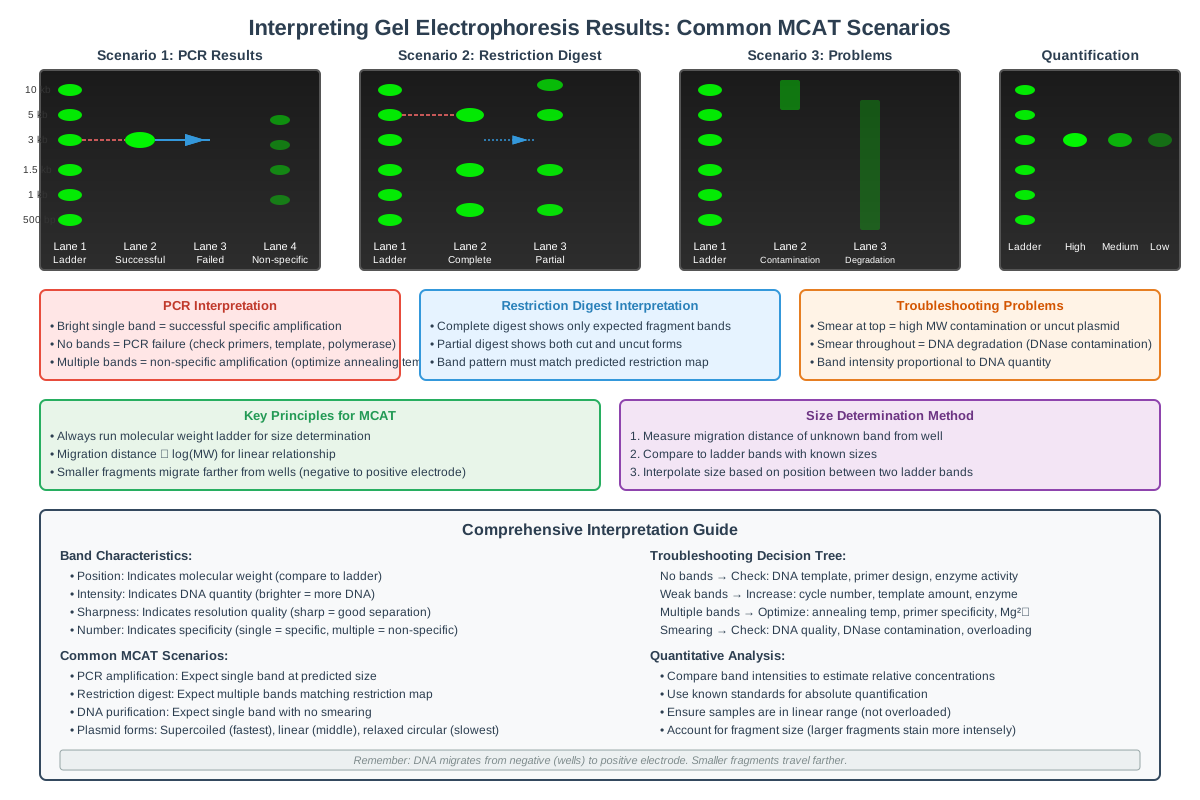
For the MCAT, gel electrophoresis biochemistry is a high-yield topic that appears frequently in both passage-based and discrete questions within the Biochemistry and Biological and Biochemical Foundations of Living Systems sections. The MCAT tests not only the basic principles of how gel electrophoresis works but also requires students to interpret experimental results, analyze gel images, troubleshoot methodological problems, and connect the technique to broader concepts in molecular biology and genetics. Questions often present research scenarios where gel electrophoresis is used to verify PCR products, assess DNA fragment sizes, confirm protein expression, or diagnose genetic disorders, requiring integration of knowledge across multiple biochemistry domains.
Understanding gel electrophoresis biochemistry connects directly to essential MCAT topics including DNA structure and replication, protein structure and function, molecular cloning techniques, and biotechnology applications. The technique serves as a practical application of fundamental principles such as charge-to-mass ratio, molecular sieving, and the relationship between structure and function. Mastery of this topic enables students to approach complex experimental passages with confidence, interpret data presented in gel images, and understand how researchers validate molecular biology experiments—skills that are repeatedly tested on the MCAT and essential for success in medical and research careers.
Learning Objectives
- [ ] Define gel electrophoresis biochemistry using accurate Biochemistry terminology
- [ ] Explain why gel electrophoresis biochemistry matters for the MCAT
- [ ] Apply gel electrophoresis biochemistry to exam-style questions
- [ ] Identify common mistakes related to gel electrophoresis biochemistry
- [ ] Connect gel electrophoresis biochemistry to related Biochemistry concepts
- [ ] Predict the migration pattern of DNA fragments of different sizes in agarose gel electrophoresis
- [ ] Compare and contrast different types of gel electrophoresis (agarose vs. polyacrylamide, native vs. denaturing)
- [ ] Interpret gel electrophoresis results to determine molecular weights, purity, and relative quantities of biomolecules
- [ ] Explain the role of buffers, voltage, and gel concentration in optimizing separation resolution
Prerequisites
- DNA and RNA structure: Understanding nucleic acid composition, phosphodiester bonds, and the negative charge of the phosphate backbone is essential because the migration of nucleic acids in gel electrophoresis depends on their inherent negative charge
- Protein structure and amino acid properties: Knowledge of protein primary through quaternary structure and the variable charges on amino acid side chains is necessary to understand why proteins require different electrophoresis conditions than nucleic acids
- Basic chemistry principles: Familiarity with concepts like charge, electric fields, molecular weight, and solution chemistry provides the foundation for understanding how molecules migrate in response to electrical current
- pH and buffer systems: Understanding how pH affects the ionization state of molecules is critical because charge state determines migration behavior in an electric field
Why This Topic Matters
Clinical and Real-World Significance
Gel electrophoresis serves as a diagnostic workhorse in clinical laboratories worldwide. Physicians use this technique to diagnose genetic disorders such as sickle cell anemia (by detecting abnormal hemoglobin migration patterns), identify infectious diseases through PCR product analysis, establish paternity through DNA fingerprinting, and screen for genetic mutations associated with cancer. In forensic science, gel electrophoresis enables DNA profiling that has revolutionized criminal investigations and exonerated wrongly convicted individuals. The technique also plays a crucial role in quality control for biopharmaceutical manufacturing, ensuring that therapeutic proteins and vaccines meet purity standards before reaching patients.
MCAT Exam Statistics and Question Types
Gel electrophoresis appears in approximately 15-20% of MCAT Biochemistry passages and represents one of the most frequently tested laboratory techniques on the exam. Questions typically fall into several categories: (1) interpretation of gel images showing band patterns and migration distances, (2) experimental design questions asking students to predict outcomes or troubleshoot problems, (3) calculation problems involving migration rates or molecular weight determination, and (4) conceptual questions testing understanding of the underlying physical principles. The AAMC particularly favors questions that integrate gel electrophoresis with other techniques like PCR, restriction enzyme digestion, or Southern/Northern blotting.
Common Exam Passage Contexts
MCAT passages frequently present gel electrophoresis in research scenarios investigating gene expression, DNA cloning experiments, protein purification protocols, or genetic disease diagnosis. A typical passage might describe researchers using restriction enzymes to cut plasmid DNA, then running the products on an agarose gel to confirm successful cloning. Another common format presents clinical vignettes where gel electrophoresis helps diagnose a genetic condition, requiring students to interpret patient samples compared to controls. Passages may also present troubleshooting scenarios where gel results are unexpected, testing whether students can identify methodological errors or propose alternative explanations for anomalous data.
Core Concepts
Fundamental Principles of Gel Electrophoresis
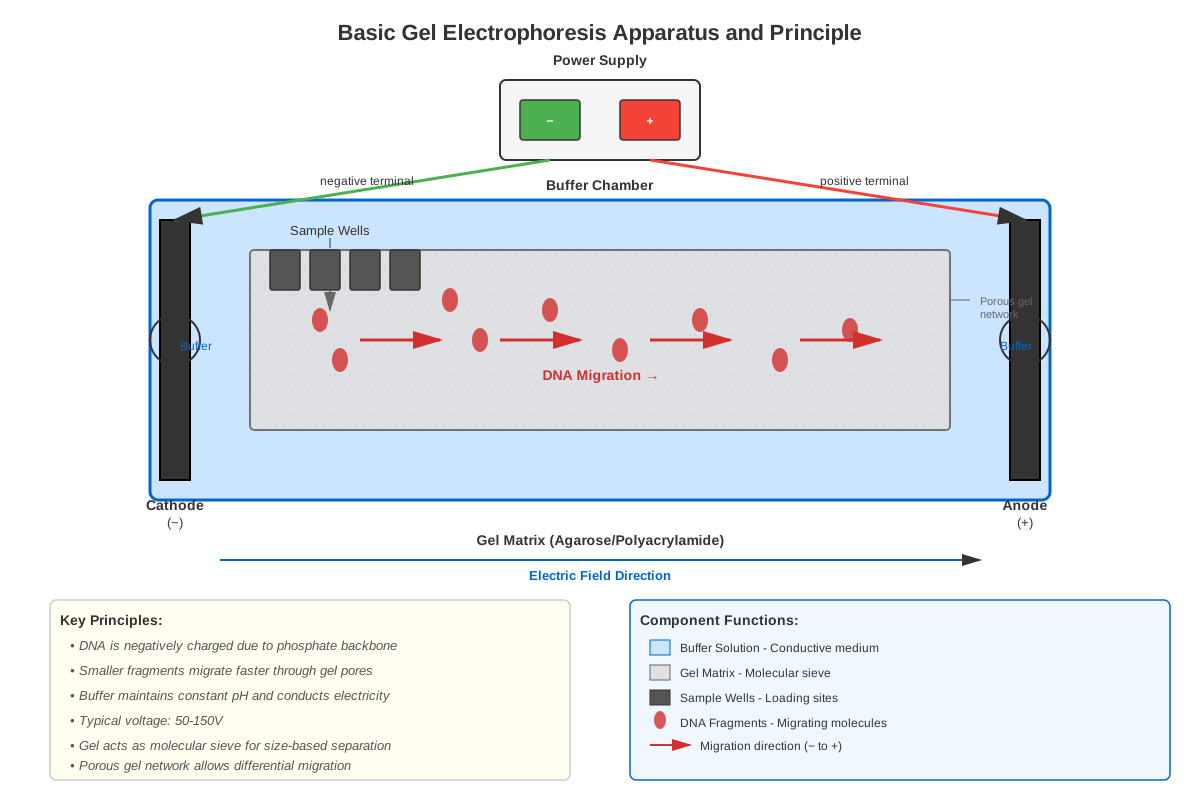
Gel electrophoresis is a separation technique that uses an electric field to drive charged molecules through a porous gel matrix. The technique exploits the principle that charged particles migrate toward the electrode of opposite charge when placed in an electric field. For nucleic acids (DNA and RNA), the sugar-phosphate backbone contains negatively charged phosphate groups at physiological pH, causing these molecules to migrate toward the positive electrode (anode) when voltage is applied. The gel matrix acts as a molecular sieve, with smaller molecules navigating through the pores more easily than larger molecules, resulting in size-based separation.
The migration rate of molecules during gel electrophoresis biochemistry depends on several key factors:
- Molecular size: Smaller molecules migrate faster through the gel matrix
- Molecular charge: Greater net charge results in stronger attraction to the opposite electrode
- Gel pore size: Determined by gel concentration; smaller pores provide better resolution for small molecules
- Applied voltage: Higher voltage increases migration speed but may cause band distortion or excessive heat
- Molecular shape: Compact molecules migrate faster than extended or supercoiled forms
Types of Gel Matrices
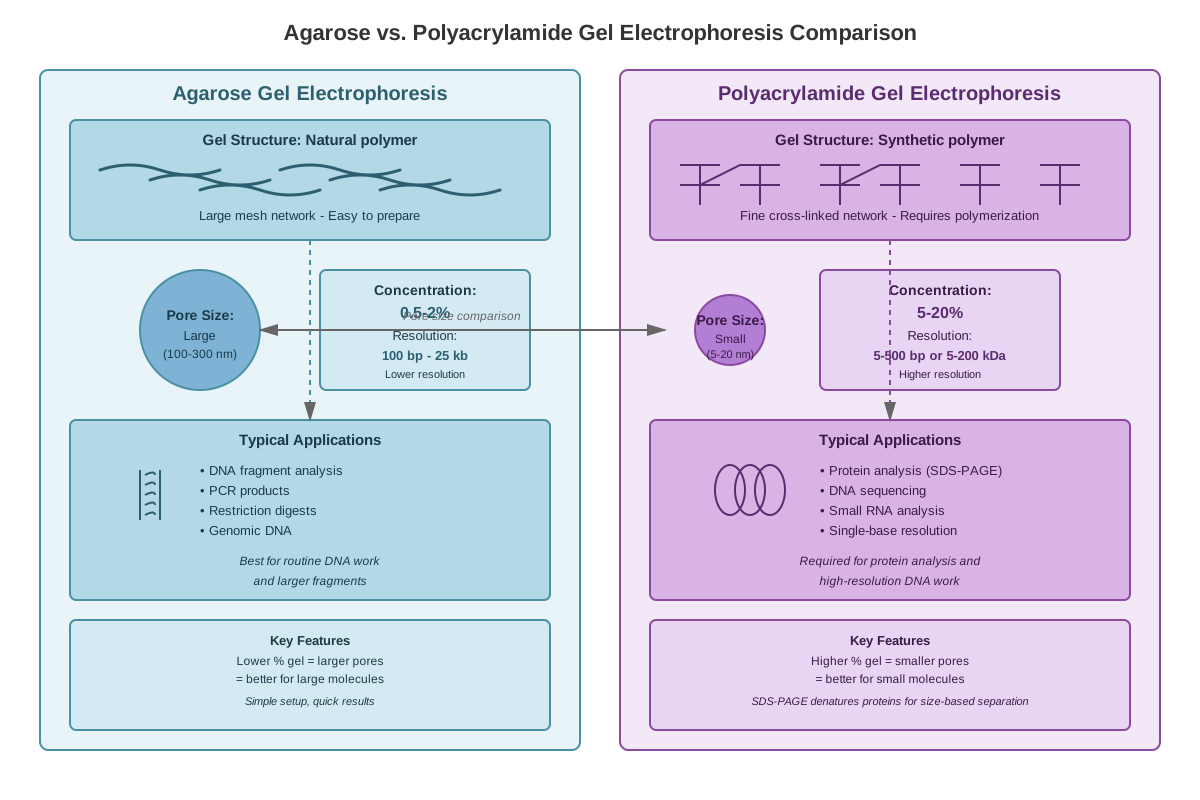
| Gel Type | Composition | Optimal Use | Pore Size | Resolution Range |
|---|---|---|---|---|
| Agarose | Polysaccharide from seaweed | DNA and large RNA fragments | Large (0.1-0.3 μm) | 100 bp to 25 kb |
| Polyacrylamide | Synthetic polymer (acrylamide + bis-acrylamide) | Small DNA, RNA, and proteins | Small (5-20 nm) | 5 bp to 500 bp; 5-200 kDa proteins |
Agarose gel electrophoresis is the workhorse technique for separating DNA fragments in molecular biology laboratories. Agarose concentration typically ranges from 0.5% to 2%, with lower concentrations creating larger pores suitable for separating large DNA fragments, while higher concentrations provide better resolution for smaller fragments. The relationship between gel concentration and separation range is inverse: as agarose percentage increases, the optimal separation range shifts toward smaller molecules.
Polyacrylamide gel electrophoresis (PAGE) offers superior resolution for small nucleic acids and proteins due to its smaller, more uniform pore size. The gel is formed through polymerization of acrylamide monomers cross-linked by bis-acrylamide, with the ratio of these components determining pore size. PAGE is essential for applications requiring single-nucleotide resolution, such as DNA sequencing or analyzing small RNA species.
Native vs. Denaturing Gel Electrophoresis
The choice between native and denaturing conditions profoundly affects separation outcomes and the information obtained:
Native gel electrophoresis maintains the natural three-dimensional structure of biomolecules during separation. For proteins, this means preserving quaternary structure and biological activity, allowing separation based on both size and charge. Native gels are useful for studying protein-protein interactions, enzyme activity, or DNA-protein complexes. However, the variable charge-to-mass ratios of different proteins make molecular weight determination challenging in native conditions.
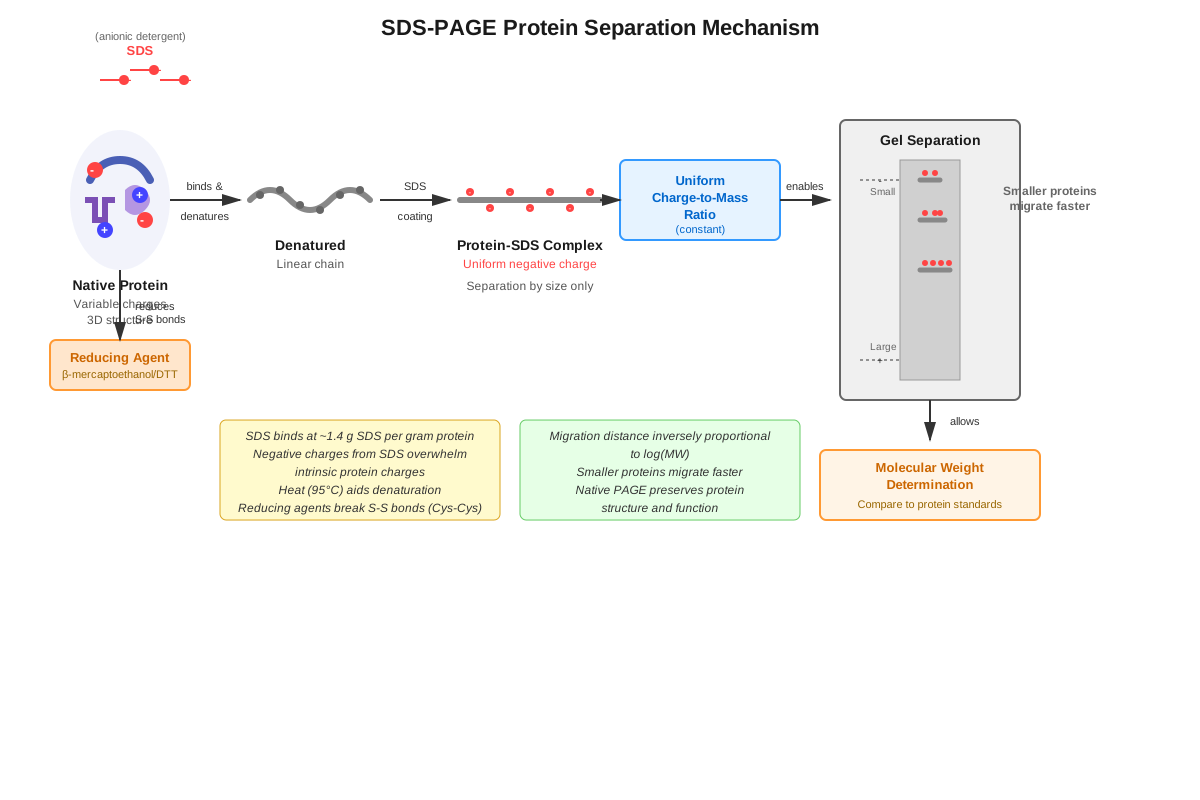
Denaturing gel electrophoresis disrupts secondary, tertiary, and quaternary structure, causing molecules to adopt extended conformations. For DNA, denaturing conditions (using formaldehyde or urea) eliminate secondary structure effects, ensuring separation is based purely on length. For proteins, SDS-PAGE (sodium dodecyl sulfate polyacrylamide gel electrophoresis) represents the most common denaturing technique. SDS is an anionic detergent that binds to proteins at a constant ratio (approximately 1.4 g SDS per gram of protein), coating them with negative charges and overwhelming their intrinsic charge. This creates a uniform charge-to-mass ratio, allowing separation based solely on molecular weight. Reducing agents like β-mercaptoethanol or DTT are often added to break disulfide bonds, ensuring complete denaturation.
DNA Gel Electrophoresis Mechanics
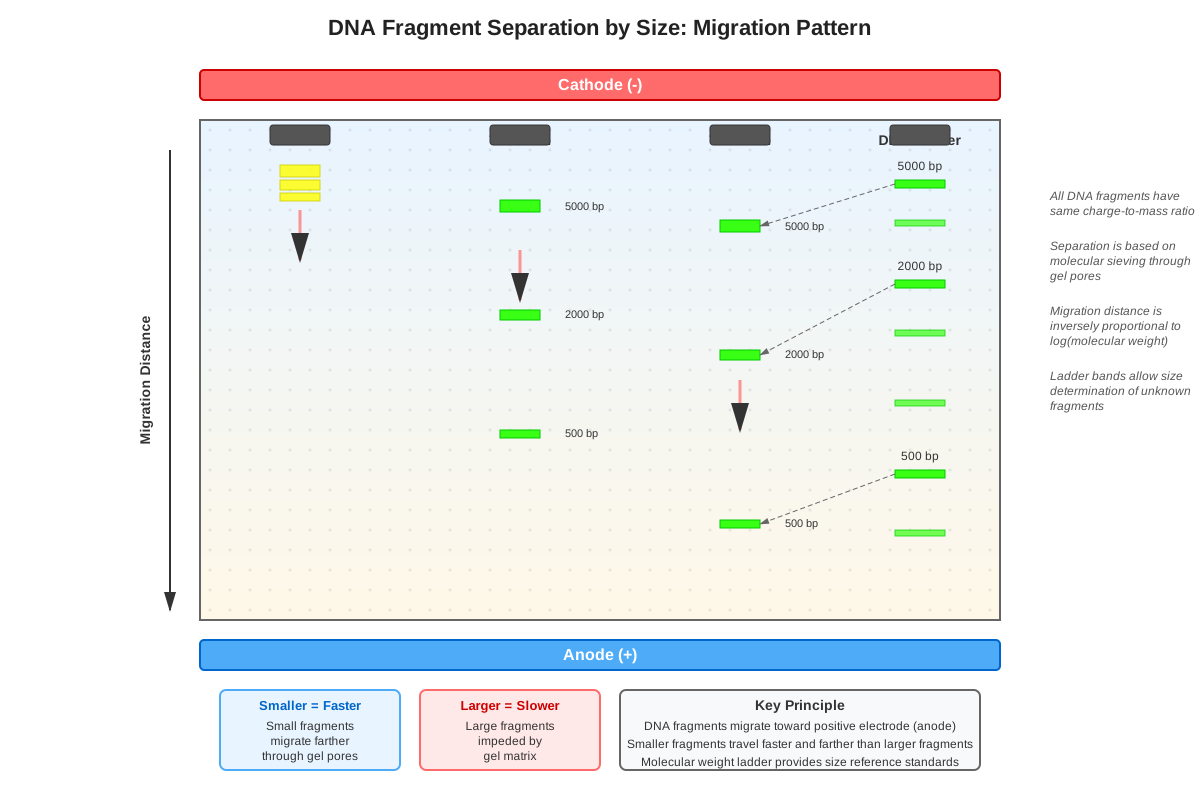
When DNA samples are loaded into wells at one end of an agarose gel and voltage is applied, the negatively charged DNA molecules migrate toward the positive electrode. The phosphate backbone of DNA provides a consistent negative charge regardless of sequence, meaning the charge-to-mass ratio is essentially constant for all linear DNA molecules. This uniformity makes DNA separation remarkably predictable: migration distance is inversely proportional to the logarithm of molecular weight.
The separation process follows these steps:
- Sample preparation: DNA samples are mixed with loading dye containing glycerol (for density, ensuring samples sink into wells) and tracking dyes (bromophenol blue and xylene cyanol) that migrate at known rates
- Loading: Samples are carefully pipetted into wells formed in the gel
- Electrophoresis: Voltage is applied (typically 1-10 V/cm), and DNA migrates for 30 minutes to several hours depending on separation needs
- Visualization: After electrophoresis, DNA is stained with fluorescent dyes (ethidium bromide or safer alternatives like SYBR Green) that intercalate between base pairs, allowing visualization under UV light
Molecular Weight Determination
A critical application of gel electrophoresis biochemistry is determining the molecular weight of unknown DNA fragments or proteins. This requires running a molecular weight ladder (also called a marker or standard) alongside experimental samples. The ladder contains fragments or proteins of known sizes that create a reference pattern.
To determine an unknown molecular weight:
- Measure the migration distance of each ladder band from the well
- Plot migration distance (y-axis) versus log₁₀(molecular weight) (x-axis)
- This creates a standard curve (typically linear over a defined range)
- Measure the migration distance of the unknown band
- Use the standard curve to interpolate the molecular weight
The semi-logarithmic relationship between migration distance and molecular weight is a high-yield concept for the MCAT, as questions frequently present gel images and ask students to estimate fragment sizes or identify which band corresponds to a specific molecular weight.
Protein Gel Electrophoresis (SDS-PAGE)
SDS-PAGE is the gold standard for analyzing protein mixtures and determining protein molecular weights. The technique involves several key components:
Discontinuous buffer system: Most SDS-PAGE uses a stacking gel (lower pH, larger pores) above a resolving gel (higher pH, smaller pores). This two-gel system concentrates proteins into tight bands before they enter the resolving gel, dramatically improving resolution.
Molecular weight markers: Pre-stained protein ladders allow real-time monitoring of electrophoresis progress and provide reference points for determining unknown protein sizes.
Visualization methods: After electrophoresis, proteins are visualized using Coomassie Blue staining (detects ~100 ng protein per band) or silver staining (detects ~1 ng per band). Western blotting can follow SDS-PAGE to identify specific proteins using antibodies.
Isoelectric Focusing
Isoelectric focusing (IEF) represents a specialized electrophoresis technique that separates proteins based on their isoelectric point (pI)—the pH at which a protein has no net charge. The gel contains a pH gradient, and when voltage is applied, proteins migrate until reaching the pH equal to their pI, where they stop moving. IEF provides extremely high resolution and is often combined with SDS-PAGE in two-dimensional gel electrophoresis for comprehensive protein analysis.
Buffer Systems and Running Conditions
The buffer system maintains stable pH and provides ions to conduct current during electrophoresis. Common buffers include:
- TAE (Tris-Acetate-EDTA): Lower buffering capacity, used for routine DNA analysis
- TBE (Tris-Borate-EDTA): Higher buffering capacity, better for long runs or high-resolution work
- Tris-Glycine: Standard buffer for SDS-PAGE
The applied voltage must be optimized: too low results in excessive run times and band diffusion, while too high generates excessive heat (Joule heating) that can melt agarose gels, denature proteins, or cause "smiling" effects where bands curve upward at the edges.
Concept Relationships
The concepts within gel electrophoresis biochemistry form an interconnected network where understanding one principle enhances comprehension of others. The fundamental relationship begins with molecular charge → determines direction of migration → while molecular size → determines migration rate through the gel matrix. The gel pore size (controlled by gel concentration) → acts as a molecular sieve → creating size-based separation. For DNA, the constant charge-to-mass ratio → ensures predictable separation → enabling molecular weight determination through comparison with standards.
The choice between native versus denaturing conditions → affects whether separation reflects intrinsic charge and size or size alone → which determines what information can be extracted from results. For proteins specifically, SDS binding → creates uniform charge-to-mass ratio → enabling molecular weight determination similar to DNA analysis.
Gel electrophoresis connects to prerequisite topics through multiple pathways: DNA structure → provides the negative phosphate backbone → that enables electrophoretic migration. Protein structure → determines intrinsic charge distribution → affecting native gel migration patterns. Understanding pH and buffers → explains how ionization state → influences net charge → affecting migration behavior.
The technique also connects forward to advanced biotechnology applications: gel electrophoresis → verifies PCR products → confirming successful amplification. Restriction enzyme digestion → produces DNA fragments → separated by gel electrophoresis → enabling restriction mapping. Protein purification → uses SDS-PAGE → to assess purity and identity → of isolated proteins.
High-Yield Facts
⭐ DNA migrates toward the positive electrode (anode) because the phosphate backbone carries a negative charge at physiological pH
⭐ Smaller DNA fragments migrate faster and farther through the gel than larger fragments, creating an inverse relationship between size and migration distance
⭐ The relationship between migration distance and molecular weight is semi-logarithmic: plotting migration distance versus log(MW) produces a linear standard curve
⭐ Agarose gel electrophoresis is used for DNA fragments ranging from 100 bp to 25 kb, while polyacrylamide gels provide better resolution for smaller fragments (5-500 bp) and proteins
⭐ SDS-PAGE separates proteins based solely on molecular weight because SDS binding creates a uniform negative charge-to-mass ratio, overwhelming intrinsic protein charge
- Lower agarose concentrations (0.5-0.7%) are used for separating large DNA fragments, while higher concentrations (1.5-2%) provide better resolution for small fragments
- Ethidium bromide intercalates between DNA base pairs and fluoresces under UV light, allowing visualization of DNA bands after electrophoresis
- Loading dye contains glycerol or sucrose for density (so samples sink into wells) and tracking dyes (bromophenol blue, xylene cyanol) that migrate at predictable rates
- Native PAGE separates proteins based on both charge and size, preserving protein structure and activity, while denaturing conditions (SDS-PAGE) separate based on size alone
- The isoelectric point (pI) is the pH at which a protein has no net charge and will not migrate in an electric field
- Supercoiled DNA migrates faster than linear DNA of the same molecular weight because its compact structure navigates through gel pores more easily
- Two-dimensional gel electrophoresis combines isoelectric focusing (first dimension, separates by pI) with SDS-PAGE (second dimension, separates by MW) for comprehensive protein analysis
Quick check — test yourself on Gel electrophoresis biochemistry so far.
Try Flashcards →Common Misconceptions
Misconception: DNA migrates toward the negative electrode because it contains negatively charged phosphate groups.
Correction: DNA migrates toward the positive electrode (anode) because opposite charges attract. The negatively charged phosphate backbone is attracted to the positive electrode, not repelled by the negative electrode.
Misconception: Larger DNA fragments migrate farther through the gel because they have more negative charge.
Correction: While larger DNA fragments do have more total negative charge, they migrate shorter distances because their greater size makes it more difficult to navigate through the gel pores. The molecular sieving effect of the gel matrix dominates over charge considerations for DNA, where charge-to-mass ratio is constant.
Misconception: All proteins migrate toward the positive electrode in native PAGE.
Correction: In native PAGE, protein migration direction depends on the protein's net charge at the buffer pH. Proteins with net negative charge migrate toward the anode (positive electrode), while proteins with net positive charge migrate toward the cathode (negative electrode). Only in SDS-PAGE, where SDS overwhelms intrinsic charge, do all proteins migrate toward the anode.
Misconception: Higher voltage always improves gel electrophoresis results by speeding up the process.
Correction: While higher voltage does increase migration speed, excessive voltage generates heat through Joule heating, which can melt agarose gels, cause band distortion ("smiling"), denature proteins prematurely, or create uneven migration patterns. Optimal voltage balances reasonable run time with resolution quality.
Misconception: The concentration of agarose doesn't significantly affect separation quality as long as the gel is solid enough to handle.
Correction: Agarose concentration critically determines pore size and therefore the optimal separation range. Low concentrations (0.5-0.7%) create large pores suitable for separating large DNA fragments (5-25 kb), while high concentrations (1.5-2%) create small pores that provide better resolution for small fragments (100-500 bp). Using inappropriate gel concentration can result in poor separation or bands running off the gel.
Misconception: Ethidium bromide staining intensity directly reflects the amount of DNA in each band.
Correction: While ethidium bromide fluorescence intensity generally correlates with DNA quantity, the relationship is not perfectly linear, especially at high DNA concentrations where saturation occurs. Additionally, ethidium bromide intercalation efficiency can vary slightly with DNA sequence composition (GC vs. AT content), making precise quantification challenging without proper standards and controls.
Misconception: SDS-PAGE can be used to determine whether a protein is functional or active.
Correction: SDS-PAGE uses denaturing conditions that destroy protein tertiary and quaternary structure, eliminating biological activity. To assess protein function or activity, native PAGE or other non-denaturing techniques must be used. SDS-PAGE provides information about molecular weight and purity but not about functional properties.
Worked Examples
Example 1: Interpreting an Agarose Gel and Determining Fragment Sizes
Scenario: A researcher performs PCR amplification of three different genes and runs the products on a 1% agarose gel alongside a DNA ladder. The ladder contains bands at 100, 200, 300, 500, 750, 1000, 1500, 2000, 3000, and 5000 base pairs. After electrophoresis, the gel shows:
- Ladder bands at measured distances from the well: 100 bp (9.0 cm), 500 bp (6.5 cm), 1000 bp (5.0 cm), 2000 bp (3.5 cm), 5000 bp (1.5 cm)
- Sample A: single band at 4.0 cm
- Sample B: single band at 7.0 cm
- Sample C: two bands at 5.0 cm and 3.0 cm
Question: Determine the approximate sizes of the PCR products in each sample.
Solution:
Step 1: Create a standard curve using the ladder data. Plot migration distance (y-axis) versus log₁₀(molecular weight) (x-axis):
| MW (bp) | log₁₀(MW) | Distance (cm) |
|---|---|---|
| 100 | 2.00 | 9.0 |
| 500 | 2.70 | 6.5 |
| 1000 | 3.00 | 5.0 |
| 2000 | 3.30 | 3.5 |
| 5000 | 3.70 | 1.5 |
Step 2: Recognize that the relationship is approximately linear. Calculate the slope:
Between 1000 bp (5.0 cm) and 2000 bp (3.5 cm):
Slope = (3.5 - 5.0) / (3.30 - 3.00) = -1.5 / 0.30 = -5.0 cm per log unit
Step 3: Determine sizes for each sample:
Sample A (4.0 cm): This falls between 1000 bp (5.0 cm) and 2000 bp (3.5 cm).
Using interpolation: 4.0 cm is 1.0 cm less than the 1000 bp band.
Change in log(MW) = 1.0 cm / 5.0 cm per log unit = 0.20 log units
log₁₀(MW) = 3.00 + 0.20 = 3.20
MW = 10^3.20 ≈ 1585 bp (approximately 1500-1600 bp)
Sample B (7.0 cm): This falls between 500 bp (6.5 cm) and 100 bp (9.0 cm).
7.0 cm is 0.5 cm less than the 500 bp band.
Change in log(MW) = -0.5 cm / 5.0 cm per log unit = -0.10 log units
log₁₀(MW) = 2.70 - 0.10 = 2.60
MW = 10^2.60 ≈ 398 bp (approximately 400 bp)
Sample C: Two bands at 5.0 cm and 3.0 cm
- 5.0 cm band = 1000 bp (matches ladder exactly)
- 3.0 cm band falls between 2000 bp (3.5 cm) and 5000 bp (1.5 cm)
Change from 2000 bp band = 0.5 cm toward larger fragments
Change in log(MW) = 0.5 / 5.0 = 0.10 log units
log₁₀(MW) = 3.30 + 0.10 = 3.40
MW = 10^3.40 ≈ 2512 bp (approximately 2500 bp)
Interpretation: Sample A contains a single PCR product of ~1600 bp. Sample B contains a single product of ~400 bp. Sample C shows two products, suggesting either non-specific amplification, alternative splicing variants, or incomplete digestion if this followed a restriction enzyme treatment. The presence of two bands would warrant further investigation.
Example 2: Troubleshooting SDS-PAGE Results
Scenario: A graduate student purifies a recombinant protein expected to have a molecular weight of 45 kDa. After running SDS-PAGE with a protein ladder (10, 15, 25, 35, 50, 70, 100, 130 kDa), the student observes:
- Expected single band at 45 kDa is absent
- Instead, two bands appear: one at approximately 90 kDa and another at approximately 22 kDa
- The protein ladder shows normal, evenly spaced bands
Question: Propose two possible explanations for these unexpected results and suggest experiments to test each hypothesis.
Solution:
Analysis: The observation of bands at approximately 90 kDa (2× expected) and 22 kDa (~0.5× expected) suggests structural issues rather than contamination with unrelated proteins.
Hypothesis 1: Incomplete denaturation due to insufficient reducing agent
Explanation: The 45 kDa protein may normally exist as a homodimer (two identical 45 kDa subunits) held together by disulfide bonds. If the reducing agent (β-mercaptoethanol or DTT) was omitted, expired, or used at insufficient concentration, the disulfide bonds would remain intact, and the dimer (90 kDa) would migrate as a single unit. The 22 kDa band might represent a proteolytic fragment or degradation product.
Test: Repeat SDS-PAGE with fresh reducing agent at proper concentration (typically 5% β-mercaptoethanol or 100 mM DTT) and ensure samples are boiled for 5-10 minutes before loading. If this hypothesis is correct, the 90 kDa band should disappear and a strong 45 kDa band should appear.
Hypothesis 2: Proteolytic degradation during purification
Explanation: The protein may have been partially cleaved by proteases during purification, generating a stable fragment of approximately 22 kDa. The 90 kDa band could represent a dimer of the full-length protein (if it naturally dimerizes even under denaturing conditions through very strong hydrophobic interactions) or could be an unrelated contaminant protein.
Test: Repeat the purification with protease inhibitors (PMSF, EDTA, or a protease inhibitor cocktail) added to all buffers. Perform the purification at 4°C to minimize protease activity. If proteolysis is the cause, the 22 kDa band should diminish or disappear, and a stronger 45 kDa band should appear. Additionally, perform Western blotting with an antibody against the recombinant protein to confirm whether the 22 kDa and 90 kDa bands contain epitopes from the target protein.
Additional consideration: The student should also verify that the sample was properly prepared with SDS loading buffer and heated adequately. Insufficient SDS or inadequate heating can result in incomplete denaturation, causing proteins to migrate anomalously.
MCAT Connection: This example illustrates how the MCAT tests not just memorization but also experimental reasoning and troubleshooting skills. Questions may present unexpected results and ask students to identify the most likely explanation or propose appropriate follow-up experiments.
Exam Strategy
Approaching Gel Electrophoresis Questions
When encountering gel electrophoresis questions on the MCAT, follow this systematic approach:
- Identify the molecule type: Determine whether the passage discusses DNA, RNA, or proteins, as this affects interpretation
- Note the gel type and conditions: Agarose vs. polyacrylamide, native vs. denaturing conditions fundamentally change what the gel reveals
- Locate the wells and electrode orientation: Wells are typically at the top, with migration toward the bottom (positive electrode for DNA/RNA and SDS-coated proteins)
- Identify the ladder/standard: Find the molecular weight markers and use them as reference points
- Compare band positions: Assess whether experimental bands migrate faster (smaller) or slower (larger) than specific ladder bands
Trigger Words and Phrases
Watch for these high-yield terms that signal specific concepts:
- "Migrates faster/farther" → smaller molecular weight (for DNA) or greater charge-to-mass ratio (for native proteins)
- "Denaturing conditions" → structure is disrupted; separation based on size alone
- "Native conditions" → structure preserved; separation based on both size and charge
- "Reducing conditions" → disulfide bonds broken; subunits separated
- "Non-reducing conditions" → disulfide bonds intact; multimeric proteins stay together
- "Smearing" → degradation, overloading, or poor gel quality
- "Multiple bands" → possible contamination, alternative forms, or incomplete digestion
Process of Elimination Tips
When analyzing answer choices:
- Eliminate options that reverse the charge-migration relationship: DNA always migrates toward the positive electrode; answers suggesting otherwise are incorrect
- Eliminate options that confuse size with charge: For DNA and SDS-coated proteins, size is the primary determinant of migration, not total charge
- Eliminate options that ignore the logarithmic relationship: Migration distance is proportional to log(MW), not MW directly
- Watch for options that confuse native and denaturing conditions: SDS-PAGE cannot assess protein activity; native PAGE cannot accurately determine molecular weight
Time Allocation
For gel electrophoresis questions:
- Discrete questions: 60-90 seconds—quickly identify the concept being tested and apply the relevant principle
- Passage-based questions with gel images: 90-120 seconds—take time to carefully examine the gel, identify the ladder, and compare band positions before evaluating answer choices
- Calculation questions: 120-150 seconds—set up the standard curve relationship and perform interpolation carefully
Exam Tip: If a passage presents a gel image, spend 30-45 seconds analyzing it before reading the questions. Note the ladder positions, identify any unusual patterns, and mentally estimate the sizes of key bands. This upfront investment saves time when answering multiple questions about the same gel.
Memory Techniques
Mnemonics
"DNA Runs to Red": DNA (negatively charged) migrates toward the Red (positive) electrode. Remember that in standard electrical notation, red represents positive.
"Small Sprints, Large Lags": Small molecules sprint through the gel quickly, while large molecules lag behind, moving slowly.
"SDS Makes Size Supreme": SDS-PAGE makes Size the Supreme (only) factor in protein separation by creating uniform charge.
"PAGES for Proteins And Genes Extra Small": Polyacrylamide Gel Electrophoresis (PAGE) is used for Proteins And Genes (DNA/RNA) that are Extra Small, requiring high resolution.
Visualization Strategy
Visualize the gel as a "molecular obstacle course" where molecules race toward the finish line (positive electrode). Smaller molecules are like agile runners who can weave through obstacles quickly, while larger molecules are like runners carrying heavy backpacks who must navigate more carefully and slowly. The gel pores are the obstacles—smaller pores make the course more challenging, providing better separation between runners of similar size.
Acronym for Factors Affecting Migration
"SCAVV" - The five factors affecting electrophoretic migration:
- Size (molecular weight)
- Charge (net charge on the molecule)
- Applied voltage
- Viscosity (gel concentration/pore size)
- Voltage (electric field strength)
Remembering Gel Concentrations
"Low for Large, High for Tiny": Low agarose concentrations (0.5-0.7%) for Large DNA fragments; High concentrations (1.5-2%) for Tiny fragments.
Summary
Gel electrophoresis biochemistry represents a foundational laboratory technique that separates charged biomolecules based on their migration through a gel matrix under an electric field. For the MCAT, students must understand that DNA and RNA migrate toward the positive electrode due to their negatively charged phosphate backbone, with smaller fragments moving faster and farther than larger ones, creating an inverse relationship between size and migration distance. The choice of gel matrix—agarose for DNA fragments (100 bp to 25 kb) or polyacrylamide for smaller molecules and proteins—determines resolution and optimal separation range. SDS-PAGE denatures proteins and coats them with uniform negative charge, enabling size-based separation and molecular weight determination analogous to DNA analysis. Native gel electrophoresis preserves molecular structure, separating based on both charge and size, while denaturing conditions eliminate structural effects. Success on MCAT questions requires the ability to interpret gel images, use molecular weight standards to estimate unknown sizes through semi-logarithmic relationships, troubleshoot experimental problems, and connect gel electrophoresis to broader biotechnology applications including PCR verification, restriction mapping, and protein characterization.
Key Takeaways
- Gel electrophoresis separates charged biomolecules by size using an electric field, with DNA/RNA migrating toward the positive electrode due to their negatively charged phosphate backbone
- Smaller molecules migrate faster and farther through the gel matrix than larger molecules, creating an inverse relationship between molecular weight and migration distance
- The relationship between migration distance and molecular weight is semi-logarithmic, enabling molecular weight determination through comparison with standards
- Agarose gels separate DNA fragments (100 bp-25 kb), while polyacrylamide gels provide higher resolution for small DNA/RNA and proteins (5-500 bp; 5-200 kDa)
- SDS-PAGE creates uniform charge-to-mass ratios by coating proteins with SDS, enabling size-based separation regardless of intrinsic protein charge
- Native gel electrophoresis preserves molecular structure and separates based on both charge and size, while denaturing conditions eliminate structural effects and separate based on size alone
- MCAT questions frequently test gel interpretation skills, requiring students to estimate molecular weights, troubleshoot experimental problems, and connect results to broader experimental contexts
Related Topics
PCR (Polymerase Chain Reaction): Gel electrophoresis is the standard method for verifying PCR amplification success and determining product size. Mastering gel electrophoresis enables understanding of how researchers confirm that PCR generated the expected amplicon.
Restriction Enzyme Analysis: Restriction enzymes cut DNA at specific sequences, generating fragments that are separated and analyzed by gel electrophoresis. Understanding both techniques together is essential for restriction mapping and molecular cloning questions.
Western Blotting: This technique combines SDS-PAGE with antibody-based detection to identify specific proteins in complex mixtures. Gel electrophoresis provides the separation step that makes Western blotting possible.
DNA Sequencing: Traditional Sanger sequencing uses polyacrylamide gel electrophoresis to separate DNA fragments differing by a single nucleotide, enabling sequence determination. Understanding gel electrophoresis principles is foundational to comprehending sequencing methodology.
Protein Purification: SDS-PAGE serves as the primary quality control method throughout protein purification, allowing researchers to assess purity, identify the target protein, and detect contaminants at each purification step.
Southern and Northern Blotting: These techniques use gel electrophoresis to separate DNA (Southern) or RNA (Northern) before transferring to membranes for probe-based detection, extending the analytical power of basic gel electrophoresis.
Practice CTA
Now that you've mastered the core concepts of gel electrophoresis biochemistry, it's time to reinforce your understanding through active practice. Challenge yourself with the practice questions and flashcards designed specifically for this topic. Focus especially on interpreting gel images, calculating molecular weights from migration data, and troubleshooting experimental scenarios—these are the high-yield question types you'll encounter on test day. Remember, the MCAT rewards not just knowledge but the ability to apply that knowledge to novel experimental contexts. Each practice question you work through builds the pattern recognition and analytical skills that will help you excel on exam day. You've built a strong foundation—now strengthen it through deliberate practice!
Sign up free to keep reading
Create a free AnvayaPrep account to finish this MCAT guide on Gel electrophoresis biochemistry — plus flashcards and practice questions.