Overview
Polymerase Chain Reaction (PCR) biochemistry represents one of the most revolutionary molecular biology techniques tested on the MCAT. This powerful method enables exponential amplification of specific DNA sequences from minute starting quantities, making it indispensable in research, diagnostics, forensics, and clinical medicine. Understanding PCR requires integration of multiple biochemical principles including DNA structure, enzyme kinetics, thermodynamics, and molecular recognition—all high-yield topics within the Biochemistry section of the MCAT. The technique's elegance lies in its simplicity: using temperature cycling and a heat-stable DNA polymerase, PCR can generate millions of copies of a target sequence in just hours.
For MCAT success, mastery of PCR biochemistry extends beyond memorizing the three basic steps. Test-makers frequently embed PCR within experimental passages in the Nucleic Acids and Biotechnology unit, requiring students to analyze primer design, troubleshoot failed reactions, interpret gel electrophoresis results, or predict how modifications to reaction conditions affect amplification. Questions may integrate PCR with topics like gene expression, mutation analysis, or evolutionary biology, making this a truly interdisciplinary concept. The MCAT particularly favors questions that test understanding of why PCR works at the molecular level rather than simple recall of procedural steps.
The biochemical principles underlying PCR connect directly to fundamental concepts in molecular biology and genetics. DNA replication mechanisms, hydrogen bonding specificity, enzyme structure-function relationships, and thermodynamic principles all converge in this single technique. Additionally, PCR serves as the foundation for understanding more advanced molecular techniques like quantitative PCR (qPCR), reverse transcription PCR (RT-PCR), and DNA sequencing methods—topics that may appear in MCAT passages even if not explicitly tested. A solid grasp of PCR biochemistry MCAT concepts provides the framework for analyzing any molecular biology experiment presented on test day.
Learning Objectives
- [ ] Define PCR biochemistry using accurate Biochemistry terminology
- [ ] Explain why PCR biochemistry matters for the MCAT
- [ ] Apply PCR biochemistry to exam-style questions
- [ ] Identify common mistakes related to PCR biochemistry
- [ ] Connect PCR biochemistry to related Biochemistry concepts
- [ ] Analyze primer design principles and predict the effects of primer modifications on PCR specificity and efficiency
- [ ] Evaluate experimental PCR data and troubleshoot failed or suboptimal amplification reactions
- [ ] Compare and contrast PCR with in vivo DNA replication mechanisms, identifying key similarities and differences
Prerequisites
- DNA structure and base pairing rules: Understanding Watson-Crick base pairing (A-T, G-C) and antiparallel strand orientation is essential for comprehending primer annealing and DNA synthesis directionality
- DNA replication fundamentals: Knowledge of semiconservative replication, 5' to 3' synthesis direction, and the role of DNA polymerase provides the mechanistic foundation for PCR
- Enzyme kinetics and temperature effects: Familiarity with how temperature affects enzyme activity, protein denaturation, and reaction rates explains the temperature cycling strategy
- Complementary base pairing thermodynamics: Understanding hydrogen bonding strength and melting temperature (Tm) concepts is crucial for primer design and annealing temperature selection
- Basic molecular biology techniques: Exposure to gel electrophoresis and DNA visualization methods helps interpret PCR results
Why This Topic Matters
PCR biochemistry has transformed medicine and biological research since its invention in 1983, earning Kary Mullis the Nobel Prize. Clinically, PCR enables rapid pathogen detection (including COVID-19 testing), genetic disease diagnosis, cancer mutation profiling, and paternity testing. In forensics, PCR amplifies DNA from minute crime scene samples. In research, it facilitates gene cloning, mutagenesis studies, and evolutionary analyses. The MCAT recognizes PCR's central role in modern biology by testing it frequently across multiple contexts.
Statistically, PCR appears in approximately 15-20% of MCAT Biochemistry passages, often integrated with experimental design questions. The exam tests PCR through several question formats: interpreting gel electrophoresis results showing PCR products, analyzing primer sequences to predict amplicon size, troubleshooting experimental failures, or evaluating modifications to standard protocols. Discrete questions may test mechanistic understanding, such as why Taq polymerase is essential or how primer length affects specificity. Passage-based questions typically embed PCR within larger experimental contexts—for example, using PCR to amplify a gene before cloning, detecting mutations, or quantifying gene expression.
Common MCAT passage scenarios include: (1) researchers using PCR to amplify a gene segment for sequencing, requiring students to calculate expected product size from primer positions; (2) diagnostic applications where PCR detects pathogen DNA, testing understanding of specificity and sensitivity; (3) evolutionary studies using PCR to compare homologous genes across species; (4) troubleshooting scenarios where students must identify why PCR failed (wrong annealing temperature, poor primer design, insufficient cycles). Understanding PCR biochemistry at a mechanistic level—not just memorizing steps—enables confident navigation of these diverse question types.
Core Concepts
The PCR Reaction: Fundamental Principles
Polymerase Chain Reaction (PCR) is an in vitro method for exponentially amplifying specific DNA sequences through repeated cycles of temperature-dependent reactions. Unlike cellular DNA replication, PCR occurs entirely in a test tube and requires only a few key components: template DNA containing the target sequence, two primers (short oligonucleotides complementary to sequences flanking the target), deoxynucleotide triphosphates (dNTPs) as building blocks, a heat-stable DNA polymerase enzyme, and an appropriate buffer solution with magnesium ions (Mg²⁺) as cofactors.
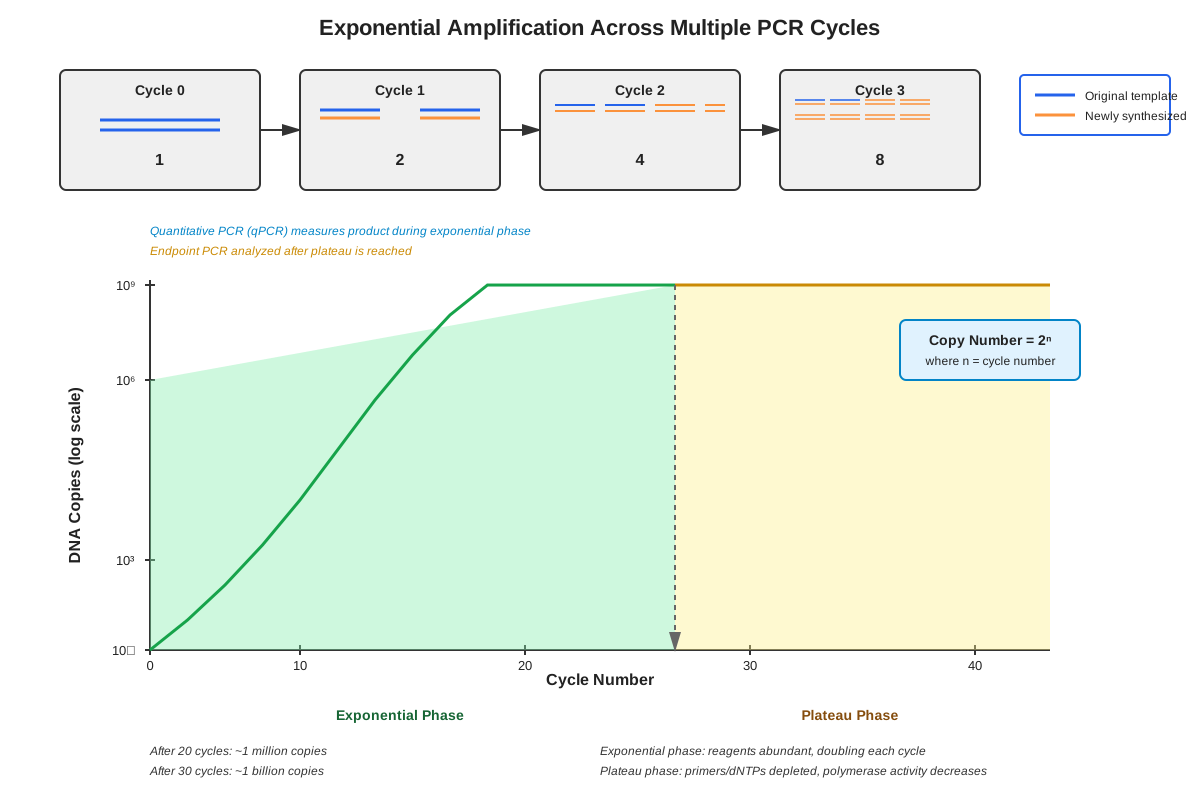
The revolutionary aspect of PCR is its use of thermal cycling—repeated heating and cooling that drives three distinct biochemical reactions in each cycle. Because the amount of product doubles with each cycle (theoretically), 30 cycles can generate over one billion copies (2³⁰ ≈ 10⁹) from a single template molecule. This exponential amplification makes PCR extraordinarily sensitive, capable of detecting single DNA molecules in a sample.
The Three Steps of Each PCR Cycle
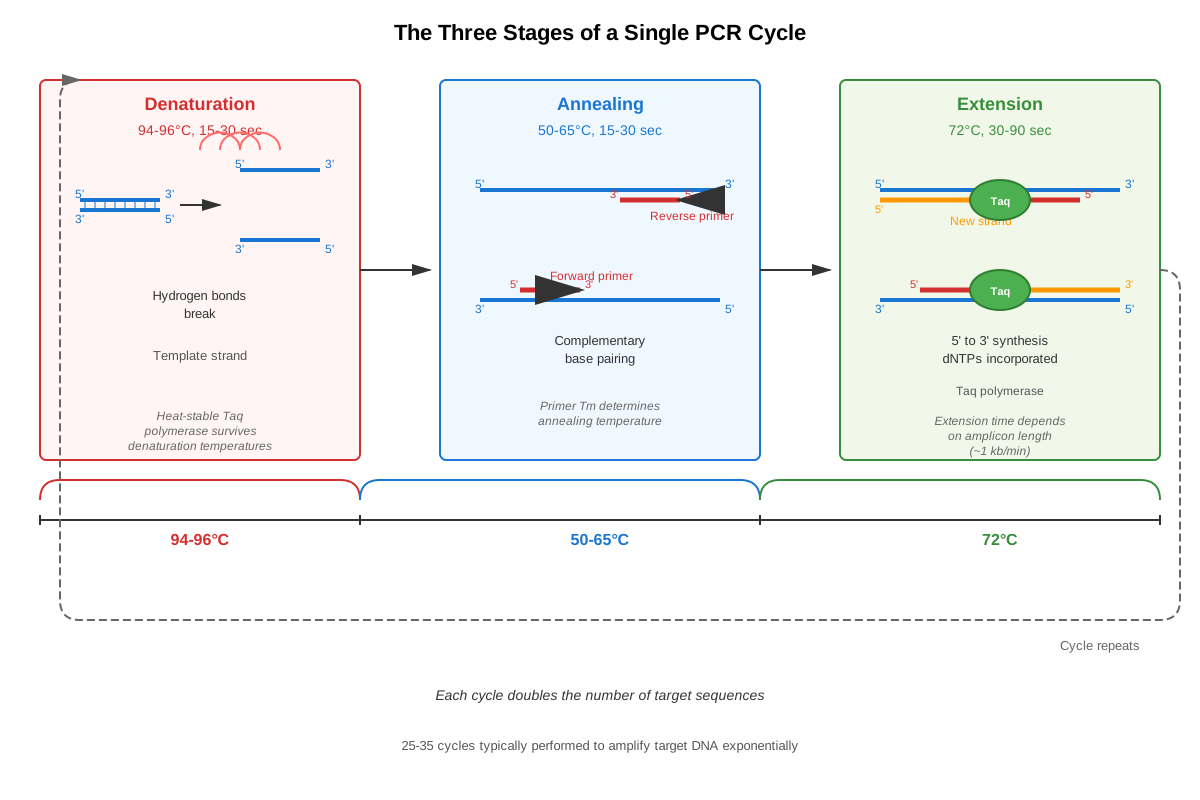
Each PCR cycle consists of three temperature-dependent steps that exploit DNA's biochemical properties:
- Denaturation (94-98°C): High temperature disrupts hydrogen bonds between complementary base pairs, separating double-stranded DNA into single strands. This step typically lasts 15-30 seconds. The elevated temperature provides sufficient thermal energy to overcome the hydrogen bonding and base stacking interactions stabilizing the double helix. Complete denaturation is critical—incomplete strand separation prevents primer access to template sequences.
- Annealing (50-65°C): Temperature is lowered to allow primers to bind (hybridize) to their complementary sequences on the single-stranded template DNA. The annealing temperature is carefully selected based on primer melting temperature (Tm)—typically 3-5°C below the primer Tm. At this temperature, primers form stable hydrogen bonds with their target sequences while non-specific interactions remain unstable. This step usually lasts 20-40 seconds. Primer concentration greatly exceeds template concentration, ensuring primers bind to template before complementary template strands can reanneal to each other.
- Extension/Elongation (72°C): At the optimal temperature for Taq polymerase activity, the enzyme synthesizes new DNA strands by adding dNTPs complementary to the template sequence, extending from the 3' end of each primer. Extension proceeds in the 5' to 3' direction at approximately 1000 nucleotides per minute. Duration depends on expected product length (typically 1 minute per 1000 base pairs). The polymerase adds nucleotides through formation of phosphodiester bonds, releasing pyrophosphate (PPi) with each addition.
Taq Polymerase: The Essential Enzyme
Taq polymerase, isolated from the thermophilic bacterium Thermus aquaticus, revolutionized PCR by remaining active despite repeated heating to 95°C. This thermostability eliminates the need to add fresh enzyme after each denaturation step—a requirement that made early PCR impractical. Taq polymerase functions optimally at 72-80°C and possesses several key properties:
- 5' to 3' polymerase activity: Synthesizes DNA in the standard direction, requiring a 3'-OH group on the primer for initiation
- No 3' to 5' exonuclease activity: Unlike many replicative polymerases, Taq lacks proofreading capability, resulting in an error rate of approximately 1 mistake per 10,000 nucleotides
- 5' to 3' exonuclease activity: Can remove nucleotides ahead of the synthesis point, useful in some PCR variants
- Magnesium dependence: Requires Mg²⁺ ions as cofactors for catalytic activity
For applications requiring higher fidelity, proofreading polymerases (like Pfu polymerase) with 3' to 5' exonuclease activity can be used, though they're more expensive and slower.
Primer Design: Molecular Recognition Principles
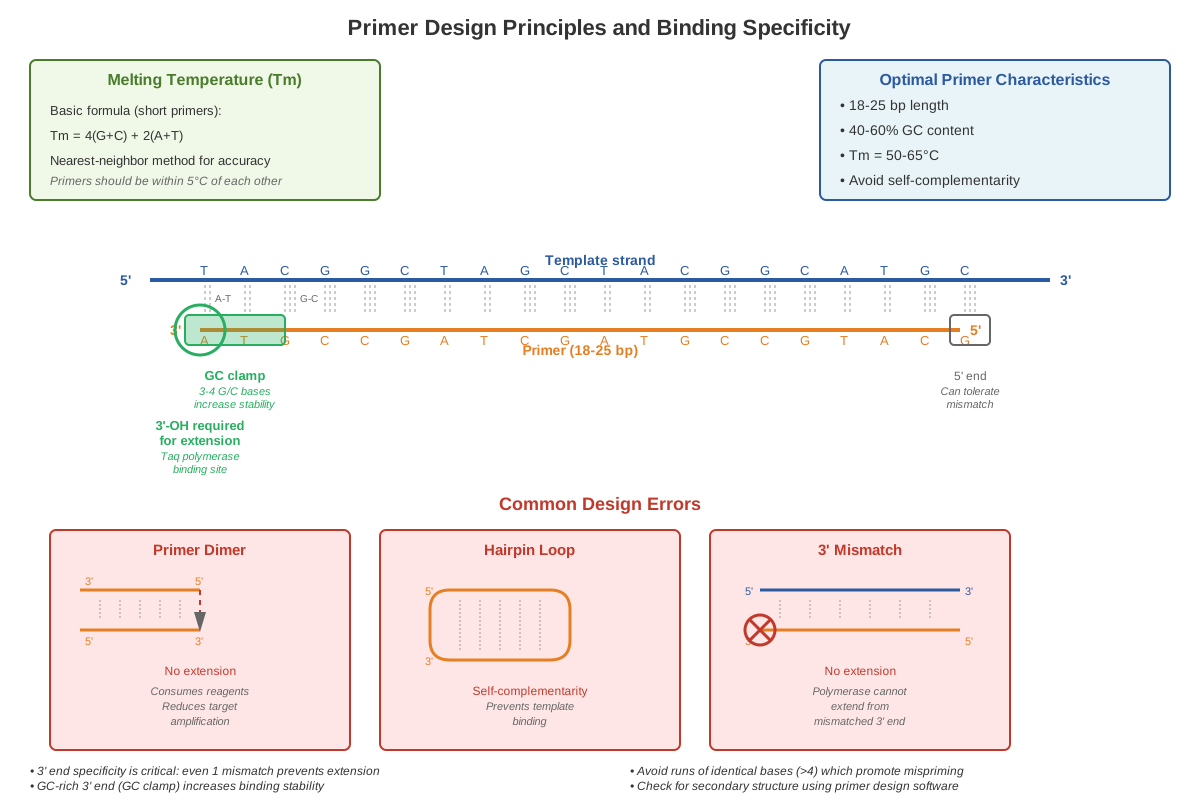
Primers are synthetic single-stranded DNA oligonucleotides (typically 18-25 nucleotides long) that define the boundaries of the amplified region. Proper primer design is crucial for PCR success and follows specific biochemical principles:
Key Design Criteria:
| Parameter | Optimal Range | Biochemical Rationale |
|---|---|---|
| Length | 18-25 nucleotides | Longer primers increase specificity (4²⁰ = 1 trillion possible sequences); shorter primers may bind non-specifically |
| GC content | 40-60% | Balanced stability; too high causes strong secondary structure; too low reduces binding strength |
| Melting temperature (Tm) | 55-65°C | Both primers should have similar Tm (within 5°C) for consistent annealing |
| 3' end stability | G or C in last 5 bases | Strong 3' binding ensures stable polymerase initiation |
| Self-complementarity | Minimal | Prevents primer-dimer formation (primers binding to each other) |
| Hairpin structures | Avoid | Intramolecular base pairing prevents template binding |
The melting temperature can be estimated using simplified formulas:
- For primers <14 nt: Tm = 4(G+C) + 2(A+T)
- For primers 14-70 nt: Tm = 64.9 + 41(G+C-16.4)/(A+T+G+C)
Primers must be complementary to opposite strands of the template, with their 3' ends pointing toward each other to enable synthesis of the region between them. The distance between primer binding sites determines the amplicon (PCR product) size.
Exponential Amplification Kinetics
PCR amplification follows distinct kinetic phases:
Exponential Phase: In early cycles (typically cycles 1-30), product doubles each cycle because template is not limiting. The theoretical yield after n cycles is 2ⁿ × (initial template molecules). However, actual efficiency is typically 80-90% per cycle due to incomplete denaturation, suboptimal annealing, or insufficient extension time.
Linear Phase: As cycles continue (30-35), reagents (dNTPs, primers) become depleted, and product accumulation slows. Amplification becomes linear rather than exponential.
Plateau Phase: Beyond 35-40 cycles, reaction components are exhausted, polymerase activity decreases, and product-product reannealing competes with primer annealing. No significant additional product forms.
Understanding these phases explains why PCR typically uses 25-35 cycles—sufficient for exponential amplification without wasting time in the plateau phase.
PCR Specificity and Fidelity
Specificity refers to PCR's ability to amplify only the intended target sequence. Several factors influence specificity:
- Primer design: Longer, more complex primers increase specificity by reducing probability of complementary sequences elsewhere in the genome
- Annealing temperature: Higher temperatures increase stringency, reducing non-specific primer binding
- Magnesium concentration: Lower Mg²⁺ increases specificity but may reduce yield
- Primer concentration: Lower concentrations reduce non-specific amplification
Fidelity refers to accuracy of DNA synthesis. Taq polymerase's error rate (~10⁻⁴ per nucleotide) means a 1000 bp product will contain approximately 0.1 errors per molecule. For applications requiring high accuracy (cloning, sequencing), proofreading polymerases reduce error rates to ~10⁻⁶.
PCR Variations and Applications
While standard PCR amplifies DNA, several variants extend its utility:
- Reverse Transcription PCR (RT-PCR): Uses reverse transcriptase to convert RNA to complementary DNA (cDNA) before PCR amplification, enabling RNA detection and gene expression analysis
- Quantitative PCR (qPCR/Real-Time PCR): Monitors product accumulation during amplification using fluorescent reporters, allowing quantification of initial template amount
- Nested PCR: Uses two primer sets in successive reactions to increase specificity
- Multiplex PCR: Amplifies multiple targets simultaneously using multiple primer pairs
Concept Relationships
The biochemical concepts within PCR form an integrated system where each component depends on others. DNA structure and base pairing → enables primer design and annealing specificity → which determines amplification specificity. Thermodynamics of hydrogen bonding → governs melting temperature calculations → which informs annealing temperature selection → affecting primer binding efficiency and specificity. Enzyme thermostability → permits repeated thermal cycling → enabling exponential amplification → producing detectable quantities from minimal starting material.
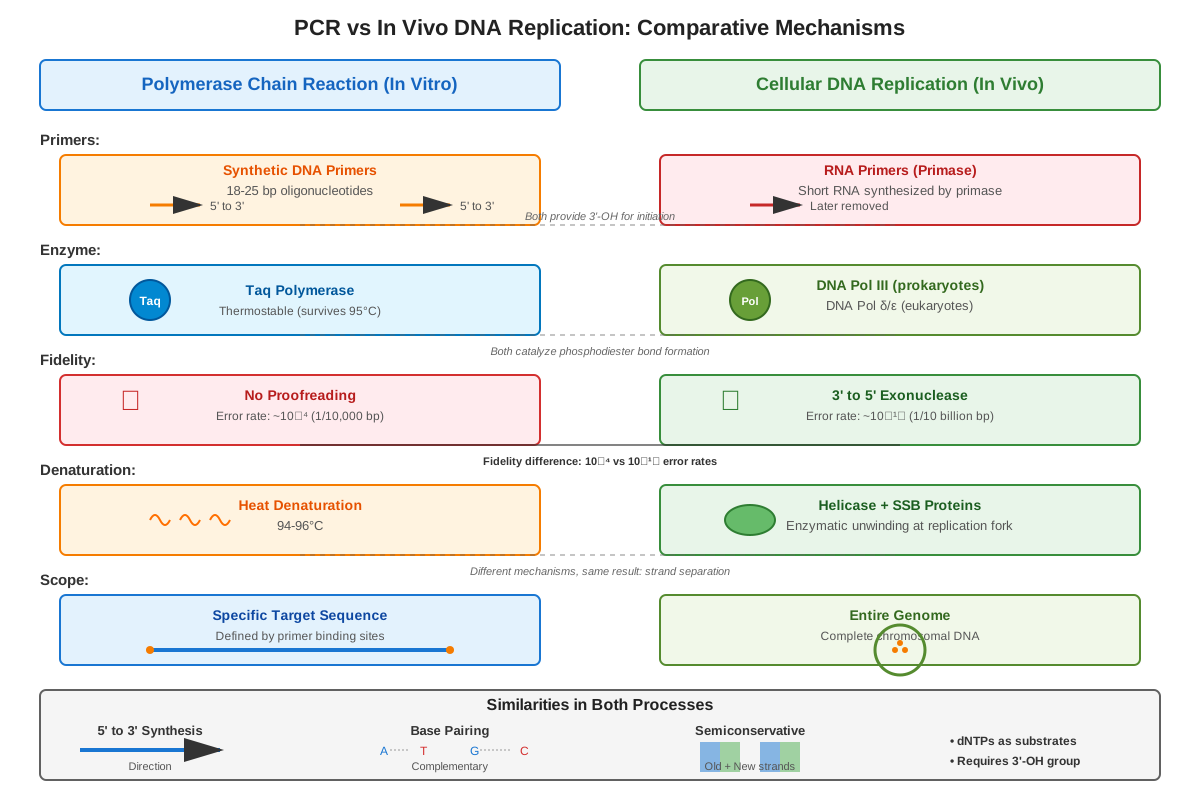
PCR connects to prerequisite knowledge of DNA replication by mimicking key aspects: both use DNA polymerase for 5' to 3' synthesis, require primers with 3'-OH groups, and synthesize complementary strands. However, PCR differs fundamentally: it uses heat for denaturation (not helicase), employs synthetic primers (not primase-generated RNA primers), and lacks proofreading in standard applications (unlike replicative polymerases).
The technique bridges to downstream applications: PCR products → serve as substrates for gel electrophoresis (size analysis) → or DNA sequencing (sequence determination) → or cloning (gene insertion into vectors). Understanding PCR enables comprehension of molecular diagnostics (pathogen detection), genetic testing (mutation identification), and forensic analysis (DNA fingerprinting)—all potential MCAT passage topics.
Within the broader Nucleic Acids and Biotechnology unit, PCR represents a foundational technique that students must understand before tackling more complex methods like gene cloning, DNA sequencing, Southern blotting, or CRISPR gene editing. The molecular recognition principles in primer design also connect to antibody-antigen interactions and enzyme-substrate specificity—recurring themes in MCAT Biochemistry.
Quick check — test yourself on PCR biochemistry so far.
Try Flashcards →High-Yield Facts
⭐ PCR requires five essential components: template DNA, two primers, dNTPs, heat-stable DNA polymerase (Taq), and buffer with Mg²⁺ cofactor
⭐ The three steps of each PCR cycle occur at distinct temperatures: denaturation (94-98°C), annealing (50-65°C), and extension (72°C)
⭐ Taq polymerase from Thermus aquaticus is thermostable, remaining active after repeated heating to 95°C, which is essential for automated thermal cycling
⭐ PCR amplification is exponential: theoretically doubling product each cycle, so 30 cycles produce 2³⁰ (approximately 1 billion) copies
⭐ Primers must be complementary to opposite strands with 3' ends pointing toward each other; the distance between primer binding sites determines amplicon size
- Annealing temperature is typically 3-5°C below primer melting temperature (Tm) to ensure stable primer-template binding while preventing non-specific interactions
- Taq polymerase lacks 3' to 5' exonuclease activity (no proofreading), resulting in error rate of ~1 per 10,000 nucleotides
- Primer length of 18-25 nucleotides balances specificity and binding efficiency; longer primers increase specificity but may reduce efficiency
- GC content of 40-60% in primers provides optimal stability without excessive secondary structure formation
- Primer dimers form when primers are complementary to each other, competing with template amplification and reducing yield
- Magnesium ions (Mg²⁺) are essential cofactors for polymerase activity; concentration affects both specificity and efficiency
- PCR typically uses 25-35 cycles; more cycles risk plateau phase where reagent depletion limits further amplification
- RT-PCR (reverse transcription PCR) amplifies RNA by first converting it to cDNA using reverse transcriptase, enabling RNA virus detection and gene expression analysis
Common Misconceptions
Misconception: PCR can amplify RNA directly.
Correction: Standard PCR only amplifies DNA. To amplify RNA, reverse transcription PCR (RT-PCR) must first convert RNA to complementary DNA (cDNA) using reverse transcriptase enzyme before PCR amplification proceeds.
Misconception: Primers bind to the same DNA strand.
Correction: The two primers must bind to opposite (complementary) strands of the template DNA, with their 3' ends oriented toward each other. This configuration allows DNA polymerase to synthesize toward the opposite primer, amplifying the region between them.
Misconception: Higher annealing temperature always improves PCR.
Correction: While higher annealing temperatures increase specificity by reducing non-specific primer binding, temperatures too far above the primer Tm prevent stable primer-template binding, eliminating amplification entirely. Optimal annealing temperature is typically 3-5°C below primer Tm.
Misconception: PCR amplification continues indefinitely with more cycles.
Correction: PCR follows exponential, linear, and plateau phases. After 35-40 cycles, reagent depletion (dNTPs, primers), polymerase degradation, and product-product reannealing cause amplification to plateau. Additional cycles waste time without increasing yield significantly.
Misconception: Taq polymerase is identical to human DNA polymerase.
Correction: Taq polymerase differs critically from human replicative polymerases: it's thermostable (survives 95°C), lacks 3' to 5' exonuclease proofreading activity (higher error rate), and functions optimally at 72°C rather than 37°C. These differences make it suitable for PCR but unsuitable for accurate cellular replication.
Misconception: Longer primers always increase PCR specificity.
Correction: While longer primers generally increase specificity (more unique sequence), excessively long primers (>30 nt) may form secondary structures (hairpins), have high Tm requiring impractical annealing temperatures, and increase cost. The optimal range of 18-25 nucleotides balances specificity, efficiency, and practical considerations.
Misconception: PCR products are always the expected size.
Correction: Non-specific amplification, primer dimers, or amplification of unintended homologous sequences can produce unexpected product sizes. Gel electrophoresis revealing multiple bands or wrong-sized products indicates specificity problems requiring optimization of annealing temperature, primer design, or Mg²⁺ concentration.
Worked Examples
Example 1: Calculating Amplicon Size and Theoretical Yield
Question: A researcher designs primers to amplify a segment of the human β-globin gene. The forward primer binds to the template strand at position 500, and the reverse primer binds to the complementary strand at position 1200. After 28 PCR cycles starting with 100 template molecules, what is the expected amplicon size and theoretical number of product molecules?
Solution:
Step 1: Determine amplicon size
The amplicon includes all nucleotides between the primer binding sites, including the primer sequences themselves. Since primers bind to opposite strands with 3' ends pointing toward each other:
- Amplicon size = 1200 - 500 + 1 = 701 base pairs
(The "+1" accounts for inclusive counting of both endpoint positions)
Step 2: Calculate theoretical yield
PCR amplification is exponential: Final amount = Initial amount × 2ⁿ (where n = number of cycles)
- Starting molecules = 100
- Number of cycles = 28
- Theoretical yield = 100 × 2²⁸
- 2²⁸ = 268,435,456
- Final molecules = 100 × 268,435,456 = 26,843,545,600 molecules (approximately 2.68 × 10¹⁰)
Step 3: Consider practical efficiency
Actual PCR efficiency is typically 80-90% per cycle, not 100%. With 85% efficiency:
- Actual yield = 100 × (1.85)²⁸ ≈ 1.4 × 10⁹ molecules
This demonstrates why theoretical calculations overestimate actual yields.
Key Concepts Applied: Understanding that amplicon size is determined by primer positions, exponential amplification kinetics, and the difference between theoretical and actual PCR efficiency.
Example 2: Troubleshooting Failed PCR
Question: A student attempts to amplify a 500 bp fragment but observes no bands on the agarose gel after electrophoresis. The primers have Tm values of 58°C and 60°C, and the annealing temperature used was 68°C. The denaturation temperature was 95°C, and extension was performed at 72°C for 30 seconds. What is the most likely problem, and how should the protocol be modified?
Solution:
Step 1: Analyze each PCR parameter
Denaturation (95°C): Appropriate—sufficient to denature DNA without excessive polymerase degradation.
Annealing (68°C): PROBLEM IDENTIFIED—This temperature is 8-10°C above the primer Tm values (58-60°C). At 68°C, primers cannot form stable hydrogen bonds with template DNA because thermal energy disrupts the primer-template duplex faster than it forms.
Extension (72°C, 30 seconds): Appropriate temperature for Taq polymerase, and 30 seconds is sufficient for a 500 bp product (Taq synthesizes ~1000 bp/min).
Step 2: Identify the primary problem
The annealing temperature is too high. Optimal annealing temperature should be 3-5°C below primer Tm:
- For primers with Tm = 58-60°C
- Optimal annealing = 53-57°C
Step 3: Recommend solution
Modification: Reduce annealing temperature to 55°C (midpoint of optimal range). This allows stable primer-template binding while maintaining reasonable specificity.
Step 4: Consider alternative problems
If lowering annealing temperature doesn't resolve the issue, other possibilities include:
- Insufficient Mg²⁺ concentration (required cofactor for polymerase)
- Degraded or absent template DNA
- Primer design problems (self-complementarity, hairpins)
- Insufficient number of cycles
- Inactive or absent Taq polymerase
Key Concepts Applied: Relationship between primer Tm and annealing temperature, understanding temperature requirements for each PCR step, systematic troubleshooting approach, and recognition that annealing temperature is the most commonly misoptimized parameter.
Exam Strategy
When approaching PCR biochemistry MCAT questions, employ these strategic approaches:
Trigger Words to Recognize:
- "Amplify," "primers," "thermal cycling," "Taq polymerase" → PCR question
- "Annealing temperature," "melting temperature (Tm)" → primer binding thermodynamics
- "Exponential amplification," "number of cycles" → quantitative calculation
- "Non-specific products," "primer dimers" → specificity/optimization problem
- "RNA template" → requires RT-PCR, not standard PCR
Question Analysis Framework:
- Identify what's being asked: Product size calculation? Troubleshooting? Primer design evaluation? Mechanism explanation?
- Extract key information: Note primer sequences/positions, temperatures used, number of cycles, and any unusual results mentioned
- Apply relevant principles: Match the question type to the appropriate biochemical concept (thermodynamics for annealing, kinetics for amplification, molecular recognition for specificity)
Process of Elimination Tips:
- For primer design questions: Eliminate options with extreme GC content (<30% or >70%), very short length (<15 nt), or obvious self-complementarity
- For temperature questions: Eliminate annealing temperatures above primer Tm or below 45°C; eliminate denaturation temperatures below 90°C
- For troubleshooting questions: Eliminate explanations that contradict basic PCR requirements (e.g., "primers bind to same strand")
- For mechanism questions: Eliminate answers suggesting PCR requires helicase, ligase, or primase—these are cellular replication enzymes not used in PCR
Time Allocation:
- Discrete questions (30-45 seconds): Quickly identify the concept being tested and apply the relevant principle
- Passage-based questions (60-90 seconds): Integrate passage information with PCR knowledge; don't assume standard conditions—passages often describe modified protocols
- Calculation questions (90-120 seconds): Set up the problem systematically; for amplicon size, draw a simple diagram showing primer positions; for yield calculations, remember the 2ⁿ formula
Common Question Patterns:
- Experimental design: "Which modification would increase PCR specificity?" → Higher annealing temperature, longer primers, lower Mg²⁺
- Result interpretation: "The gel shows three bands instead of one. What explains this?" → Non-specific amplification or primer dimers
- Comparative analysis: "How does PCR differ from cellular DNA replication?" → Focus on heat denaturation vs. helicase, synthetic primers vs. RNA primers, thermostable polymerase vs. standard polymerase
Exam Tip: When passages describe PCR experiments, pay special attention to any deviations from standard protocols—these deviations are usually the focus of questions. If a passage mentions an unusual annealing temperature, modified primers, or alternative polymerase, expect questions testing understanding of why these modifications were made and their effects.
Memory Techniques
Mnemonic for PCR Steps (DAE):
Denaturation (Denature = Destroy hydrogen bonds)
Annealing (Anneal = Attach primers)
Extension (Extend = Elongate new strands)
Temperature Memory Device (9-5-7):
- 95°C = Denaturation (think "95 is HOT enough to break bonds")
- 55°C = Annealing (middle temperature, "5" in the middle)
- 72°C = Extension (Taq's lucky number is "72")
Primer Design Checklist (LEGS):
- Length: 18-25 nucleotides
- Ends: G or C at 3' end for stability
- GC content: 40-60%
- Self-complementarity: avoid (no primer dimers)
Taq Polymerase Properties (THERM):
- Thermostable (survives 95°C)
- Heat-loving (from Thermus aquaticus)
- Error-prone (no proofreading)
- Requires Mg²⁺
- Makes DNA 5' to 3'
Visualization Strategy for Amplicon Size:
Draw a simple horizontal line representing the template DNA. Mark the two primer binding sites with arrows pointing toward each other (representing 3' ends). The distance between the arrows is the amplicon. This visual prevents the common error of thinking primers bind to the same strand.
Exponential Growth Memory:
Remember "30 cycles = billion copies" (2³⁰ ≈ 10⁹). This benchmark helps estimate yields: 20 cycles ≈ million copies, 40 cycles ≈ trillion copies.
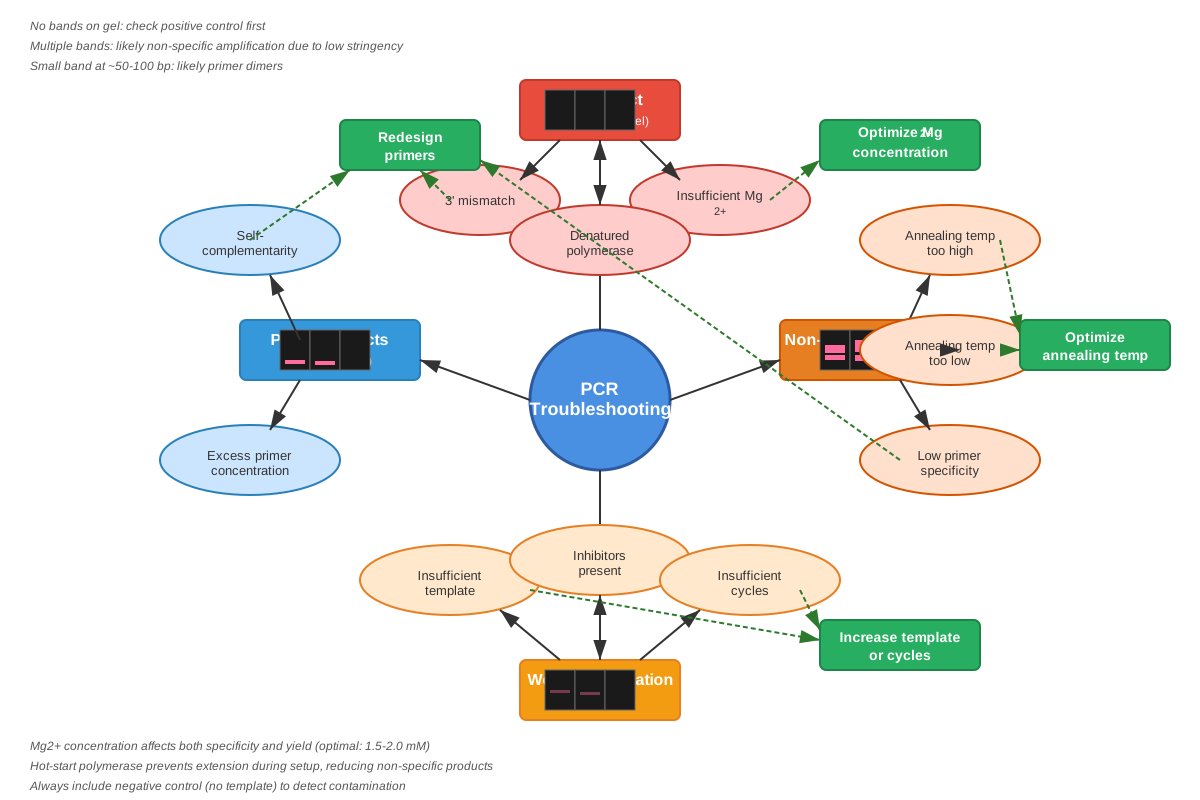
Troubleshooting Flowchart (Mental Map):
No product → Check: Annealing temp too high? → Template present? → Polymerase active? → Sufficient cycles?
Multiple products → Check: Annealing temp too low? → Primers non-specific? → Mg²⁺ too high?
Summary
PCR biochemistry represents a cornerstone technique in molecular biology that leverages fundamental biochemical principles to achieve exponential DNA amplification. The technique requires five essential components—template DNA, two sequence-specific primers, dNTPs, thermostable Taq polymerase, and buffered solution with Mg²⁺—and proceeds through repeated cycles of three temperature-dependent steps: denaturation at 94-98°C to separate DNA strands, annealing at 50-65°C to allow primer binding, and extension at 72°C for polymerase-mediated synthesis. Success depends on proper primer design (18-25 nt length, 40-60% GC content, Tm-appropriate annealing temperature) and understanding the exponential kinetics that enable billion-fold amplification in 30 cycles. For MCAT success, students must master not just the procedural steps but the underlying biochemical rationale: why Taq polymerase's thermostability is essential, how primer Tm relates to annealing temperature selection, why primers must bind opposite strands, and how to troubleshoot common problems like non-specific amplification or primer dimers. This mechanistic understanding enables confident analysis of experimental passages and accurate prediction of how protocol modifications affect outcomes.
Key Takeaways
- PCR amplifies specific DNA sequences exponentially through repeated thermal cycling of denaturation (95°C), annealing (55°C), and extension (72°C) steps, theoretically doubling product each cycle
- Taq polymerase's thermostability (surviving 95°C denaturation) is absolutely essential for PCR, eliminating the need to add fresh enzyme after each cycle
- Primers are sequence-specific oligonucleotides (18-25 nt) that bind to opposite DNA strands with 3' ends pointing toward each other; their binding positions determine amplicon size
- Annealing temperature must be 3-5°C below primer Tm to ensure stable primer-template binding while maintaining specificity; this is the most commonly optimized parameter
- PCR specificity depends on primer design quality (length, GC content, lack of self-complementarity), annealing temperature stringency, and Mg²⁺ concentration
- Standard PCR amplifies only DNA; RNA amplification requires reverse transcription PCR (RT-PCR) to first synthesize cDNA
- Troubleshooting PCR failures requires systematic evaluation of temperatures, primer design, reagent quality, and cycle number—with annealing temperature being the most frequent culprit
Related Topics
Gel Electrophoresis: PCR products are typically analyzed by agarose gel electrophoresis, which separates DNA fragments by size. Understanding how to interpret gel results (band position, intensity, number) is essential for evaluating PCR success and is frequently tested alongside PCR in MCAT passages.
DNA Sequencing Methods: Modern sequencing techniques (Sanger sequencing, next-generation sequencing) often use PCR to amplify target regions before sequence determination. Mastering PCR provides the foundation for understanding these more complex methodologies.
Quantitative PCR (qPCR): This advanced PCR variant monitors product accumulation in real-time using fluorescent reporters, enabling quantification of initial template amount. Understanding standard PCR is prerequisite to comprehending qPCR's applications in gene expression analysis and viral load determination.
Reverse Transcription and Gene Expression: RT-PCR connects PCR to RNA biology and gene expression analysis. Understanding how reverse transcriptase converts RNA to cDNA before PCR amplification is crucial for interpreting experiments measuring mRNA levels.
Molecular Cloning: PCR products are frequently inserted into plasmid vectors for cloning. Understanding PCR enables comprehension of how genes are amplified, modified (adding restriction sites via primer design), and prepared for insertion into vectors.
DNA Replication Mechanisms: Comparing PCR to cellular DNA replication deepens understanding of both processes. Recognizing similarities (5' to 3' synthesis, primer requirement) and differences (heat vs. helicase, thermostable vs. standard polymerase) strengthens mechanistic reasoning.
Practice CTA
Now that you've mastered the biochemical principles underlying PCR, it's time to solidify your understanding through active practice. Attempt the practice questions and flashcards associated with this topic, focusing on applying these concepts to experimental scenarios and troubleshooting problems—exactly as they appear on the MCAT. Pay special attention to questions requiring primer design analysis, amplicon size calculations, and interpretation of unexpected results. Remember: understanding why PCR works at the molecular level, not just memorizing the three steps, is what separates high scorers from average performers. Your investment in mastering this high-yield topic will pay dividends across multiple MCAT passages. You've got this!
Sign up free to keep reading
Create a free AnvayaPrep account to finish this MCAT guide on PCR biochemistry — plus flashcards and practice questions.