Overview
Cyclins and CDKs (cyclin-dependent kinases) represent one of the most elegant regulatory systems in Cell Biology, orchestrating the precise timing and coordination of cell division. These proteins function as the molecular "gatekeepers" of the cell cycle, ensuring that cells progress through each phase—G1, S, G2, and M—only when appropriate conditions are met. Understanding this regulatory machinery is fundamental to grasping how multicellular organisms maintain tissue homeostasis, prevent uncontrolled proliferation, and respond to developmental signals.
For the MCAT, cyclins and CDKs appear frequently in passages involving cancer biology, cell signaling, developmental biology, and molecular genetics. The exam tests not only the basic mechanism of cyclin-CDK complexes but also their regulation through phosphorylation, degradation pathways, and checkpoint control. Questions often integrate this topic with tumor suppressors (p53, Rb), oncogenes, and signal transduction cascades, making it a high-yield connector topic that bridges multiple areas of Biology.
The cyclin-CDK system exemplifies several broader biological principles tested on the MCAT: protein-protein interactions, post-translational modifications, negative feedback loops, and the relationship between structure and function. Mastery of this topic provides a foundation for understanding how cells make irreversible decisions, how cancer develops when regulatory mechanisms fail, and how therapeutic interventions can target specific phases of the cell cycle. This knowledge integrates seamlessly with concepts in biochemistry (enzyme regulation, phosphorylation cascades), molecular biology (gene expression control), and physiology (tissue regeneration and growth).
Learning Objectives
- [ ] Define Cyclins and CDKs using accurate Biology terminology
- [ ] Explain why Cyclins and CDKs matters for the MCAT
- [ ] Apply Cyclins and CDKs to exam-style questions
- [ ] Identify common mistakes related to Cyclins and CDKs
- [ ] Connect Cyclins and CDKs to related Biology concepts
- [ ] Describe the mechanism by which cyclin-CDK complexes regulate cell cycle progression
- [ ] Explain the role of checkpoints and how they utilize cyclin-CDK activity
- [ ] Analyze how dysregulation of cyclin-CDK systems contributes to cancer development
- [ ] Predict the effects of specific mutations in cyclins, CDKs, or their regulatory proteins
Prerequisites
- Basic cell cycle phases (G1, S, G2, M, G0): Understanding the sequence and purpose of each phase is essential because cyclins and CDKs control transitions between these stages
- Protein kinase function: CDKs are kinases that phosphorylate target proteins, so familiarity with phosphorylation as a regulatory mechanism is necessary
- Gene expression and protein synthesis: Cyclins are synthesized and degraded in a timed manner, requiring knowledge of transcriptional and translational control
- Basic enzyme regulation: Understanding how enzymes can be activated or inhibited through conformational changes and regulatory subunits
- Tumor suppressors and oncogenes (basic concepts): Cyclins and CDKs connect directly to cancer biology through their interactions with p53 and Rb proteins
Why This Topic Matters
Clinical and Real-World Significance
Dysregulation of the cyclin-CDK system is implicated in virtually all human cancers. When cells lose proper control over cell cycle progression, they can divide uncontrollably, ignore growth-inhibitory signals, and evade apoptosis. Many modern cancer therapeutics specifically target CDKs—CDK4/6 inhibitors like palbociclib are FDA-approved treatments for certain breast cancers. Understanding cyclins and CDKs provides insight into how chemotherapy drugs work (many target rapidly dividing cells at specific cell cycle phases), why cancer cells develop resistance, and how combination therapies are designed.
Beyond cancer, cyclin-CDK regulation is crucial in development, tissue regeneration, and aging. Neurons exit the cell cycle permanently (entering G0), while intestinal epithelial cells divide continuously. Stem cell biology relies heavily on understanding how cells decide whether to divide, differentiate, or remain quiescent—decisions fundamentally controlled by cyclin-CDK activity.
MCAT Exam Statistics
Cyclins and CDKs appear in approximately 3-5% of MCAT Biology passages, typically in the context of:
- Cancer biology passages describing mutations in cell cycle regulators
- Experimental passages showing Western blots or flow cytometry data tracking cyclin levels
- Signal transduction passages connecting growth factors to cell cycle entry
- Genetics passages involving inheritance patterns of cancer predisposition genes
Questions range from straightforward recall (identifying which cyclin is active in G1) to complex application (predicting the effect of a novel CDK inhibitor on cells with mutant p53). The topic frequently appears as discrete questions testing checkpoint knowledge or as part of longer passages requiring integration with other concepts.
Common Exam Appearances
The MCAT often presents this topic through:
- Graphs showing cyclin concentration changes throughout the cell cycle
- Experimental manipulations (overexpression, knockout, or inhibition of specific cyclins/CDKs)
- Clinical vignettes describing cancer patients with specific mutations
- Comparison of normal versus cancer cell cycle regulation
- Questions about drug mechanisms targeting the cell cycle
Core Concepts
Definition and Basic Structure
Cyclins are a family of regulatory proteins characterized by their cyclical synthesis and degradation during the cell cycle. Their concentration oscillates predictably, rising during specific phases and falling rapidly through ubiquitin-mediated proteolysis. Cyclins lack enzymatic activity themselves but function as regulatory subunits that activate their partner kinases.
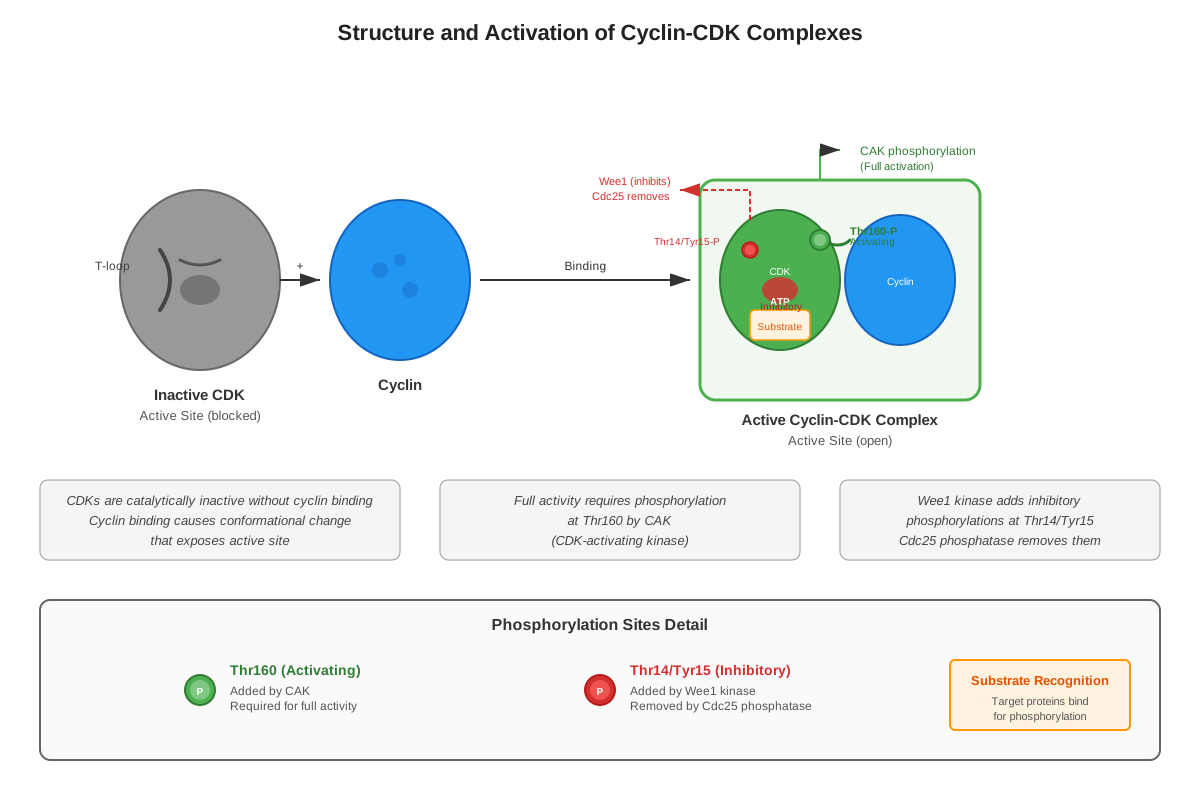
Cyclin-dependent kinases (CDKs) are a family of serine/threonine protein kinases that remain present throughout the cell cycle but are catalytically inactive without their cyclin partners. CDKs contain an active site that can phosphorylate target proteins, but this active site is blocked when the CDK is alone. The binding of a cyclin induces a conformational change in the CDK that opens the active site and enables substrate phosphorylation.
The cyclin-CDK complex represents the functional unit that drives cell cycle progression. When a cyclin binds to its CDK partner, it not only activates the kinase but also determines substrate specificity—different cyclin-CDK combinations phosphorylate different target proteins, thereby controlling distinct cell cycle transitions.
Major Cyclin-CDK Complexes and Their Functions
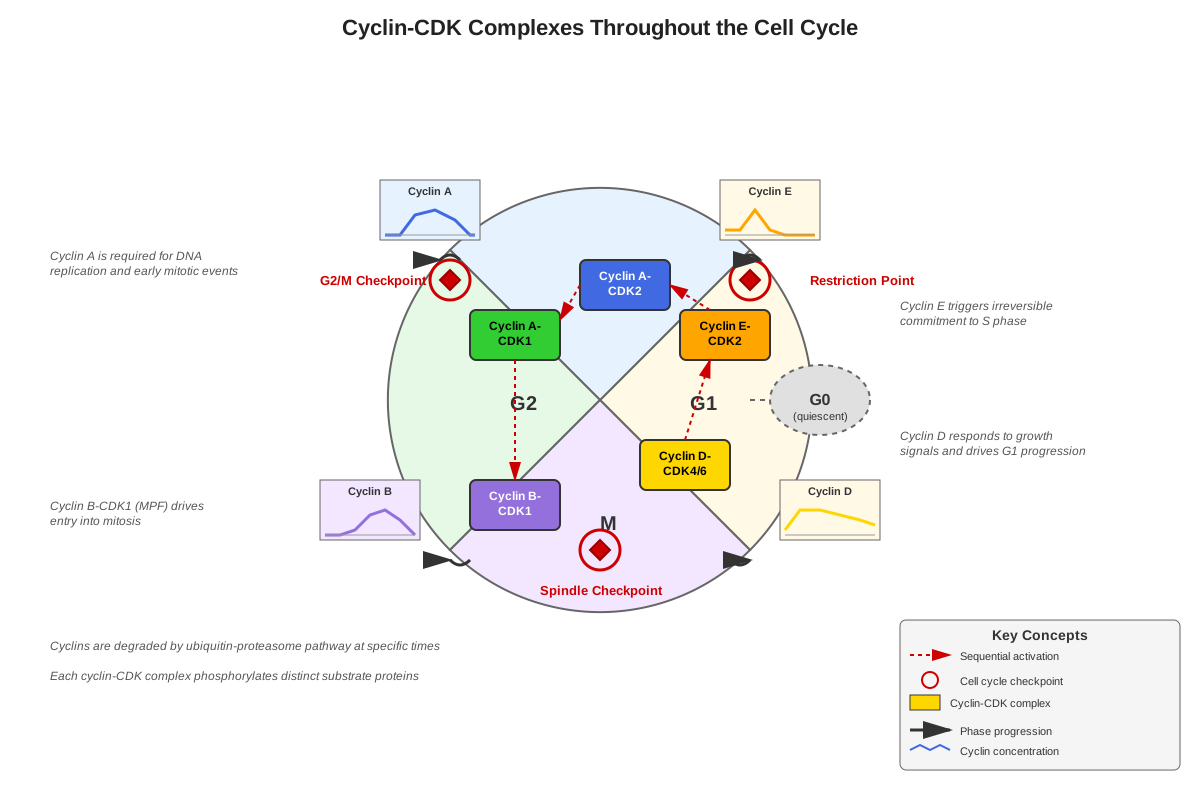
| Cell Cycle Phase | Primary Cyclin | Primary CDK | Key Function |
|---|---|---|---|
| G1 (early) | Cyclin D | CDK4, CDK6 | Respond to growth signals; phosphorylate Rb protein |
| G1/S transition | Cyclin E | CDK2 | Commit cell to DNA replication; further Rb phosphorylation |
| S phase | Cyclin A | CDK2 | Promote DNA replication; prevent re-replication |
| G2/M transition | Cyclin A, Cyclin B | CDK1 (Cdc2) | Prepare for mitosis; initiate early mitotic events |
| M phase | Cyclin B | CDK1 (Cdc2) | Drive mitotic progression; chromosome condensation |
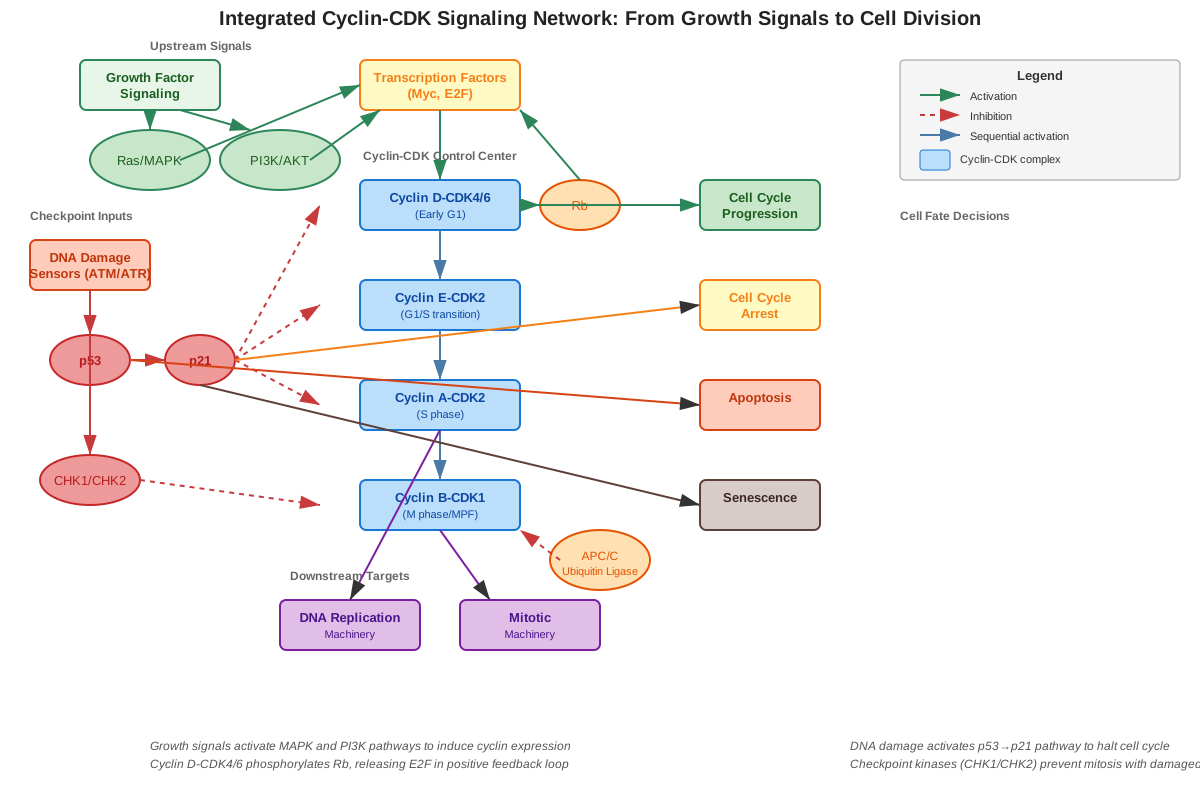
Cyclin D-CDK4/6 complexes are the first to respond to extracellular growth signals. When growth factors bind to cell surface receptors, they activate signaling cascades that increase cyclin D transcription. Cyclin D-CDK4/6 complexes phosphorylate the retinoblastoma protein (Rb), partially inactivating it. Rb normally binds and inhibits E2F transcription factors; phosphorylation releases E2F, which then activates genes required for S phase entry, including cyclin E.
Cyclin E-CDK2 complexes appear at the G1/S boundary and represent the "point of no return" for cell cycle commitment. Once cyclin E-CDK2 is active, the cell is committed to completing the entire cell cycle. This complex further phosphorylates Rb (hyperphosphorylation), fully releasing E2F and creating a positive feedback loop. Cyclin E-CDK2 also phosphorylates proteins involved in centrosome duplication and origin of replication licensing.
Cyclin A-CDK2 complexes dominate S phase, promoting DNA synthesis and preventing re-replication of already-replicated DNA segments. Cyclin A-CDK2 phosphorylates proteins that prevent new origin firing, ensuring each chromosomal region replicates exactly once per cell cycle.
Cyclin B-CDK1 (also called M-phase promoting factor or MPF) is the master regulator of mitosis. This complex phosphorylates numerous substrates including nuclear lamins (causing nuclear envelope breakdown), condensins (promoting chromosome condensation), and microtubule-associated proteins (reorganizing the cytoskeleton for spindle formation). The activity of cyclin B-CDK1 must be tightly controlled because premature activation causes catastrophic mitotic entry before DNA replication completes.
Regulation of Cyclin-CDK Activity
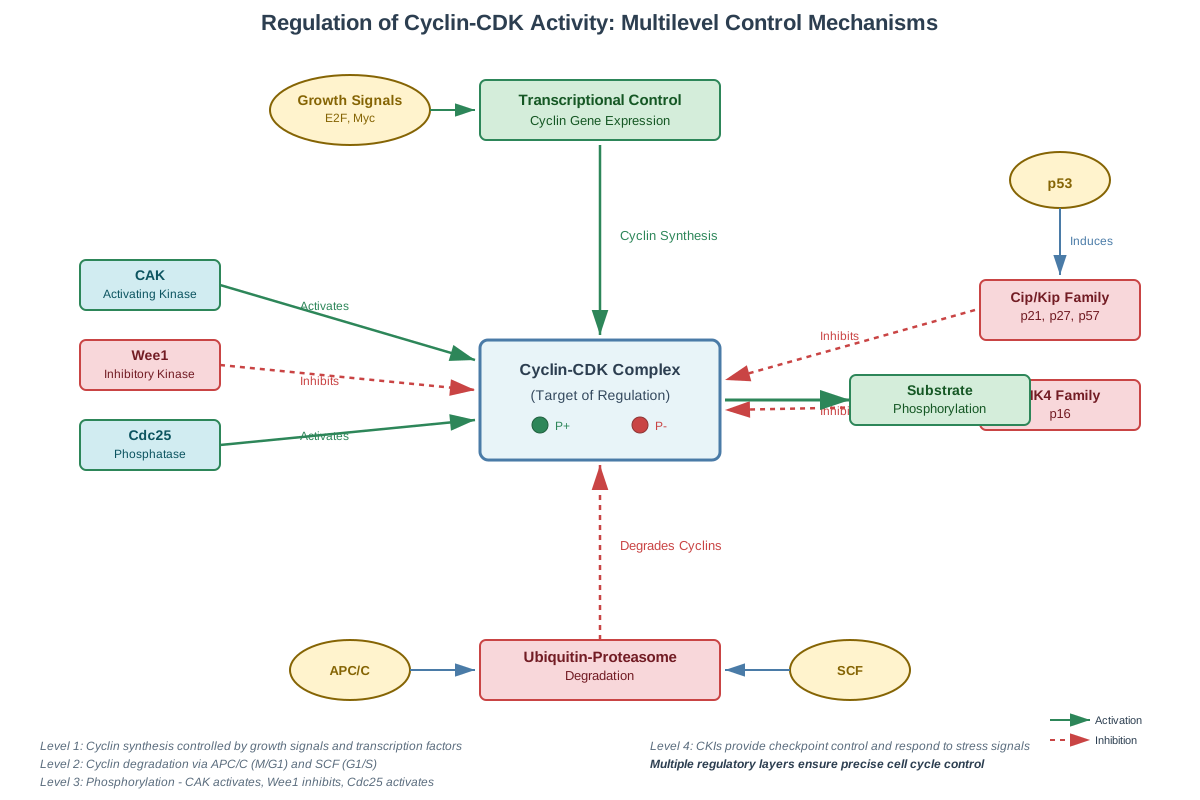
The cyclin-CDK system is regulated at multiple levels, creating a robust control mechanism:
1. Cyclin synthesis and degradation: Cyclin levels are controlled transcriptionally (growth signals induce cyclin D expression) and post-translationally. Cyclins contain destruction boxes recognized by E3 ubiquitin ligases. The anaphase-promoting complex (APC/C) ubiquitinates cyclin B during mitosis, targeting it for proteasomal degradation and allowing mitotic exit. This irreversible destruction ensures unidirectional cell cycle progression.
2. CDK inhibitors (CKIs): Two families of proteins directly inhibit cyclin-CDK complexes:
- INK4 family (p16, p15, p18, p19): Specifically inhibit CDK4 and CDK6 by binding to the CDK alone, preventing cyclin D binding
- CIP/KIP family (p21, p27, p57): Broadly inhibit cyclin-CDK complexes, particularly cyclin E-CDK2 and cyclin A-CDK2
The tumor suppressor p53 induces p21 expression in response to DNA damage, halting cell cycle progression at the G1/S checkpoint. Loss of p53 function (common in cancer) eliminates this brake, allowing cells with damaged DNA to replicate.
3. Phosphorylation and dephosphorylation: CDKs themselves are regulated by phosphorylation at multiple sites. Activating phosphorylation by CDK-activating kinase (CAK) on a threonine residue in the activation loop is required for full activity. Inhibitory phosphorylation by Wee1 kinase on tyrosine and threonine residues near the active site keeps CDK1 inactive until the appropriate time. The phosphatase Cdc25 removes these inhibitory phosphates, triggering rapid CDK1 activation at the G2/M transition.
4. Subcellular localization: Some regulation occurs through compartmentalization. Cyclin B-CDK1 accumulates in the cytoplasm during G2 but must enter the nucleus to trigger mitosis. Phosphorylation events control nuclear import, adding another layer of temporal control.
Cell Cycle Checkpoints
Checkpoints are surveillance mechanisms that monitor cell cycle progression and halt advancement if conditions are not appropriate. Cyclin-CDK activity is both monitored by and regulated through checkpoints:
G1/S checkpoint (Restriction point): This checkpoint assesses whether the cell has adequate nutrients, growth signals, and proper size, and whether DNA is undamaged. The Rb-E2F pathway is central here. In unfavorable conditions, Rb remains hypophosphorylated and bound to E2F, preventing cyclin E expression and blocking S phase entry. DNA damage activates p53, which induces p21, inhibiting cyclin E-CDK2 and halting progression.
G2/M checkpoint: This checkpoint ensures DNA replication is complete and DNA is undamaged before mitosis begins. Unreplicated or damaged DNA activates checkpoint kinases (Chk1, Chk2) that phosphorylate and inactivate Cdc25, preventing it from activating CDK1. Simultaneously, Wee1 remains active, maintaining inhibitory phosphorylation on CDK1. Only when all DNA is properly replicated and undamaged does Cdc25 become active, removing inhibitory phosphates and allowing cyclin B-CDK1 to trigger mitosis.
Spindle assembly checkpoint (Metaphase checkpoint): This checkpoint prevents anaphase until all chromosomes are properly attached to spindle microtubules. Unattached kinetochores generate a "wait" signal that inhibits APC/C. Once all chromosomes are properly attached, APC/C becomes active, ubiquitinating securin (releasing separase to cleave cohesin) and cyclin B (inactivating CDK1 to allow mitotic exit).
Connection to Cancer Biology
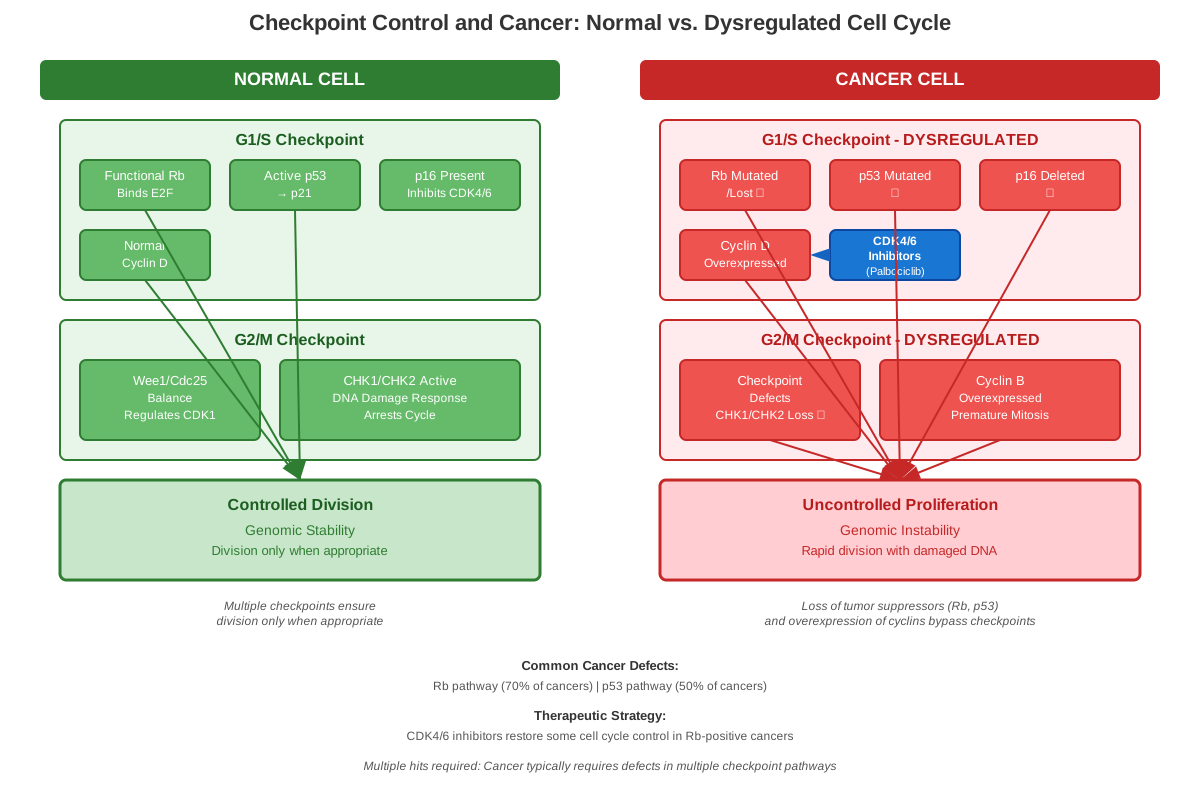
Cancer fundamentally represents a disease of cell cycle dysregulation. Multiple mechanisms can lead to inappropriate cyclin-CDK activity:
Cyclin overexpression: Many cancers overexpress cyclin D or cyclin E, driving excessive proliferation even without growth signals. Chromosomal translocations can place cyclin genes under control of strong promoters, or gene amplification can increase cyclin gene copy number.
CDK inhibitor loss: Deletion or silencing of p16 (INK4a) is extremely common in cancer, removing a brake on CDK4/6. Loss of p21 function (often through p53 mutation) eliminates the G1/S checkpoint response to DNA damage.
Rb pathway disruption: Since Rb is the key target of G1 cyclin-CDK complexes, its loss (through mutation or viral oncoproteins like HPV E7) mimics constitutive cyclin-CDK activity. Cells with non-functional Rb cannot properly arrest in G1, even in the absence of growth signals.
Checkpoint defects: Mutations in checkpoint proteins (ATM, ATR, Chk1, Chk2) allow cells to progress through the cell cycle despite DNA damage or replication stress, accumulating mutations that drive cancer progression.
Concept Relationships
The cyclin-CDK system sits at the nexus of multiple biological processes, integrating signals and coordinating cellular responses:
Growth factor signaling → Cyclin D expression → CDK4/6 activation → Rb phosphorylation → E2F release → Cyclin E expression: This cascade connects extracellular signals to cell cycle entry, demonstrating how cyclins and CDKs transduce growth signals into proliferative responses.
DNA damage → p53 activation → p21 expression → Cyclin-CDK inhibition → Cell cycle arrest: This pathway shows how checkpoint mechanisms utilize CDK inhibitors to halt progression, connecting DNA repair systems to cell cycle control.
Cyclin synthesis → Cyclin-CDK complex formation → Substrate phosphorylation → Cell cycle progression → Cyclin degradation → CDK inactivation: This cycle illustrates the oscillatory nature of cyclin-CDK activity, where the system contains built-in mechanisms for its own inactivation.
Checkpoint activation → Wee1 activation + Cdc25 inhibition → CDK1 remains phosphorylated (inactive) → Cell cycle arrest: This demonstrates how checkpoints work through opposing kinases and phosphatases to control CDK activity.
The cyclin-CDK system also connects to:
- Apoptosis pathways: Cells that cannot properly regulate the cell cycle may trigger programmed cell death
- Differentiation: Terminal differentiation often requires permanent cell cycle exit, involving cyclin-CDK downregulation
- Senescence: Irreversible cell cycle arrest involves sustained CDK inhibitor expression
- Metabolism: Cell cycle progression requires metabolic changes coordinated with cyclin-CDK activity
High-Yield Facts
⭐ Cyclins are synthesized and degraded in a cyclical manner; CDKs are constitutively present but inactive without their cyclin partners
⭐ Cyclin D-CDK4/6 phosphorylates Rb protein, releasing E2F transcription factors that activate S phase genes
⭐ The G1/S checkpoint (restriction point) is the primary point where growth signals determine whether a cell will divide
⭐ p21 is a CDK inhibitor induced by p53 in response to DNA damage, causing G1 arrest
⭐ Cyclin B-CDK1 (MPF) is the master regulator of mitosis, triggering nuclear envelope breakdown, chromosome condensation, and spindle formation
- Cyclin E-CDK2 activity at the G1/S boundary represents the "point of no return" for cell cycle commitment
- The anaphase-promoting complex (APC/C) ubiquitinates cyclin B, leading to its degradation and mitotic exit
- Wee1 kinase phosphorylates and inhibits CDK1; Cdc25 phosphatase removes these inhibitory phosphates to activate CDK1
- p16 (INK4a) specifically inhibits CDK4 and CDK6, and its loss is common in cancer
- Different cyclin-CDK complexes have different substrate specificities, allowing phase-specific phosphorylation events
- Cyclin destruction is irreversible, ensuring unidirectional cell cycle progression
- The spindle assembly checkpoint prevents anaphase until all chromosomes are properly attached to the mitotic spindle
- Overexpression of cyclin D or cyclin E can drive oncogenic transformation
- Rb must be hyperphosphorylated by multiple cyclin-CDK complexes to fully release E2F
- CDK1 (also called Cdc2) can partner with both cyclin A and cyclin B, functioning in both S phase and M phase
Quick check — test yourself on Cyclins and CDKs so far.
Try Flashcards →Common Misconceptions
Misconception: CDKs are only present when cyclins are present.
Correction: CDKs are constitutively expressed throughout the cell cycle but remain catalytically inactive until they bind their cyclin partners. It is the cyclins that oscillate in concentration, not the CDKs. This distinction is crucial—regulation occurs primarily through cyclin availability, not CDK availability.
Misconception: All cyclin-CDK complexes do the same thing; they just appear at different times.
Correction: Different cyclin-CDK complexes have distinct substrate specificities and functions. Cyclin D-CDK4/6 primarily phosphorylates Rb, cyclin E-CDK2 promotes S phase entry, cyclin A-CDK2 regulates DNA replication, and cyclin B-CDK1 drives mitotic events. The specific cyclin determines which proteins the complex will phosphorylate.
Misconception: Phosphorylation always activates CDKs.
Correction: CDKs are regulated by both activating and inhibitory phosphorylation. Phosphorylation by CAK on the activation loop activates CDKs, but phosphorylation by Wee1 on tyrosine residues near the active site inhibits CDKs. The balance between kinases (Wee1) and phosphatases (Cdc25) determines CDK activity state.
Misconception: Once a cyclin-CDK complex forms, the cell automatically progresses through that phase.
Correction: Cyclin-CDK complex formation is necessary but not sufficient for cell cycle progression. Checkpoints can still halt progression even when cyclin-CDK complexes are present. For example, DNA damage can activate checkpoint kinases that inhibit Cdc25, preventing CDK1 activation despite the presence of cyclin B-CDK1 complexes.
Misconception: p53 directly inhibits cyclin-CDK complexes.
Correction: p53 is a transcription factor that induces expression of the CDK inhibitor p21; it does not directly bind to or inhibit cyclin-CDK complexes. This indirect mechanism is important because it explains why p53 mutations (which are very common in cancer) lead to loss of cell cycle control—without functional p53, p21 is not induced in response to DNA damage.
Misconception: Cyclin degradation is a slow, gradual process that allows the cell to slowly transition between phases.
Correction: Cyclin degradation via the ubiquitin-proteasome system is rapid and switch-like, creating sharp transitions between cell cycle phases. This abrupt degradation ensures unidirectional progression and prevents cells from oscillating between phases. The irreversibility of cyclin destruction is a key feature of cell cycle control.
Misconception: Cancer cells have mutations that make their CDKs hyperactive enzymes.
Correction: While some cancers have CDK mutations, most cell cycle dysregulation in cancer occurs through altered regulation of CDKs rather than mutations in the CDKs themselves. Common mechanisms include cyclin overexpression, loss of CDK inhibitors (p16, p21), or Rb pathway disruption. The CDK enzymes themselves are usually structurally normal.
Worked Examples
Example 1: Experimental Analysis of Cyclin-CDK Function
Question: Researchers create a cell line with a non-degradable mutant cyclin B (lacking the destruction box). They synchronize cells at the G1/S boundary and release them to progress through the cell cycle. What phenotype would you predict, and why?
Step 1 - Identify the normal function: Cyclin B-CDK1 drives mitotic entry and progression. Normally, cyclin B is degraded by APC/C during late mitosis, which inactivates CDK1 and allows mitotic exit and cytokinesis.
Step 2 - Predict the effect of the mutation: A non-degradable cyclin B cannot be ubiquitinated and degraded. This means cyclin B-CDK1 will remain active even after the cell should have exited mitosis.
Step 3 - Consider downstream consequences: Persistent CDK1 activity will maintain cells in a mitotic state. The cells will likely:
- Enter mitosis normally (cyclin B accumulates and activates CDK1)
- Progress through early and mid-mitosis normally
- Fail to exit mitosis properly because CDK1 remains active
- Potentially undergo mitotic catastrophe or arrest in a mitosis-like state
Step 4 - Formulate the answer: The cells would enter mitosis but fail to complete cytokinesis and return to interphase. They would likely arrest with condensed chromosomes, fragmented nuclear envelopes, and mitotic spindles. Over time, these cells might die through mitotic catastrophe or become aneuploid if they eventually escape mitosis without proper division.
Key concept tested: Understanding that cyclin degradation is essential for cell cycle progression, not just cyclin-CDK complex formation. This connects to the principle that cell cycle transitions must be irreversible and unidirectional.
Example 2: Clinical Application to Cancer Biology
Question: A patient's tumor cells are found to have a homozygous deletion of the p16 gene and overexpression of cyclin D. The patient is being considered for treatment with a CDK4/6 inhibitor. Based on this molecular profile, would you expect the tumor to be sensitive or resistant to this therapy? Explain your reasoning.
Step 1 - Analyze the molecular alterations:
- p16 deletion: p16 normally inhibits CDK4 and CDK6. Loss of p16 removes this inhibition, allowing constitutive CDK4/6 activity.
- Cyclin D overexpression: Excess cyclin D drives formation of more cyclin D-CDK4/6 complexes, promoting Rb phosphorylation and cell cycle progression.
Step 2 - Consider the mechanism of CDK4/6 inhibitors: These drugs directly bind to and inhibit the catalytic activity of CDK4 and CDK6, preventing them from phosphorylating Rb regardless of cyclin D levels or p16 status.
Step 3 - Evaluate the therapeutic context: The tumor is "addicted" to CDK4/6 activity—it has lost its natural brake (p16) and has an overactive accelerator (cyclin D). This suggests the tumor is highly dependent on CDK4/6 signaling for proliferation.
Step 4 - Predict drug sensitivity: The tumor would likely be SENSITIVE to CDK4/6 inhibitors because:
- The tumor relies heavily on CDK4/6 activity (evidenced by loss of its inhibitor and overexpression of its activating partner)
- The drug directly inhibits the kinase activity, bypassing the regulatory defects
- The tumor has not developed alternative pathways to bypass the G1/S checkpoint (if it had Rb mutations, it would be resistant)
Step 5 - Consider potential resistance mechanisms: The tumor would be resistant if it also had Rb mutations or deletions, because CDK4/6 inhibitors work by preventing Rb phosphorylation. If Rb is absent or non-functional, inhibiting CDK4/6 would not restore cell cycle control.
Answer: The tumor would likely be sensitive to CDK4/6 inhibitors because it is dependent on CDK4/6 activity for proliferation (loss of p16 and cyclin D overexpression indicate this dependency). However, the treatment would only be effective if Rb protein is functional, as CDK4/6 inhibitors work by preventing Rb phosphorylation.
Key concepts tested: Understanding the pathway (growth signals → cyclin D-CDK4/6 → Rb phosphorylation → E2F release → proliferation), recognizing how different mutations affect this pathway, and applying this knowledge to predict therapeutic responses. This integrates cyclins and CDKs with cancer biology and clinical medicine.
Exam Strategy
Approaching MCAT Questions on Cyclins and CDKs
1. Identify the cell cycle phase: Many questions provide clues about which phase is relevant. Look for keywords:
- "Growth factor stimulation" or "serum addition" → G1 phase, cyclin D-CDK4/6
- "DNA replication" or "S phase" → Cyclin E-CDK2 or cyclin A-CDK2
- "Mitosis," "chromosome condensation," or "spindle formation" → Cyclin B-CDK1
- "Checkpoint" → Identify which checkpoint (G1/S, G2/M, or spindle assembly)
2. Trace the pathway: Cell cycle regulation questions often require you to follow a cascade:
- Start with the stimulus (growth factor, DNA damage, etc.)
- Identify which cyclin-CDK complex is affected
- Determine the downstream target (usually Rb or mitotic substrates)
- Predict the cellular outcome
3. Watch for regulatory mechanisms: Questions frequently test understanding of how cyclin-CDK activity is controlled:
- "Phosphorylation" → Could be activating (CAK) or inhibitory (Wee1)
- "Degradation" or "ubiquitination" → APC/C targeting cyclins
- "Inhibitor" → Could be p16 (specific for CDK4/6) or p21/p27 (broad)
- "Checkpoint activation" → Usually involves CDK inhibition
4. Cancer biology integration: If the passage mentions cancer, mutations, or tumors:
- Look for disruptions in the Rb pathway (cyclin overexpression, p16 loss, Rb mutation)
- Consider p53-p21 pathway disruption
- Think about which checkpoint might be defective
- Evaluate whether proposed therapies target the right component
Trigger Words and Phrases
- "Restriction point" → G1/S checkpoint, Rb-E2F pathway, cyclin D-CDK4/6
- "Point of no return" → Cyclin E-CDK2 activation at G1/S boundary
- "MPF" or "M-phase promoting factor" → Cyclin B-CDK1
- "Hyperphosphorylation" → Usually refers to Rb being phosphorylated by multiple cyclin-CDK complexes
- "Destruction box" → Cyclin degradation signal recognized by APC/C
- "Tumor suppressor" → Often p53 (induces p21) or Rb (inhibited by cyclin-CDK)
- "Oncogene" → Could be cyclin D or cyclin E when overexpressed
- "G0 phase" or "quiescence" → Cells with low cyclin-CDK activity, often high p27
Process of Elimination Tips
When evaluating answer choices:
- Eliminate answers that confuse CDKs with cyclins: If an answer says "CDK levels oscillate during the cell cycle," it's wrong—cyclins oscillate, CDKs don't.
- Eliminate answers that reverse cause and effect: For example, "E2F activation causes Rb phosphorylation" is backward—Rb phosphorylation releases E2F.
- Watch for answers that ignore checkpoints: If a question describes DNA damage and an answer suggests the cell immediately enters mitosis, it's likely wrong because checkpoints should halt progression.
- Be suspicious of answers suggesting all cyclin-CDK complexes are identical: Different complexes have different functions and substrates.
- Eliminate answers that describe cyclin degradation as slow or gradual: Cyclin degradation is rapid and switch-like.
Time Allocation
For discrete questions on cyclins and CDKs: 60-90 seconds is appropriate. These questions usually test straightforward recall or simple application.
For passage-based questions: Spend 2-3 minutes on the passage initially, identifying:
- Which cell cycle phase or checkpoint is being studied
- What experimental manipulation was performed
- What the data show about cyclin or CDK activity
Then allocate 60-90 seconds per question, referring back to the passage as needed. Questions requiring integration of passage information with outside knowledge may take up to 2 minutes.
Memory Techniques
Mnemonic for Cyclin-CDK Pairs
"Don't Ever Argue About Babies"
- Don't → Cyclin D-CDK4/6 (G1)
- Ever → Cyclin E-CDK2 (G1/S transition)
- Argue → Cyclin A-CDK2 (S phase)
- About → Cyclin A-CDK1 (G2)
- Babies → Cyclin B-CDK1 (M phase)
Mnemonic for CDK Inhibitor Families
"I Can't Keep Progressing"
- INK4 → Inhibits CDK4 (and CDK6)
- CIP/KIP → Inhibits Cyclin-CDK2 complexes, Keeps cells from progressing
Visualization Strategy for Rb-E2F Pathway
Visualize Rb as a "lock" on E2F (a "door" to S phase):
- Locked state: Rb bound to E2F, door closed, no S phase genes expressed
- Unlocking: Cyclin D-CDK4/6 phosphorylates Rb (adds one "key turn")
- Fully unlocked: Cyclin E-CDK2 hyperphosphorylates Rb (multiple "key turns"), door swings open
- Open door: E2F free to activate S phase genes, cell committed to division
Acronym for Checkpoint Functions
"DNA Damage Stops Cells"
- DNA damage → Activates p53
- Damage response → p53 induces p21
- Stops → p21 inhibits cyclin-CDK
- Cells → Cell cycle arrest at G1/S
Remembering Wee1 vs. Cdc25
Wee1 makes CDK1 "wee" (small/inactive) by adding inhibitory phosphates
Cdc25 is the "go" signal (think "25 = quarter past the hour = time to go") that removes inhibitory phosphates
Summary
Cyclins and CDKs form the core regulatory machinery controlling cell cycle progression through G1, S, G2, and M phases. CDKs are constitutively present serine/threonine kinases that remain inactive until bound by their cyclin partners, which are synthesized and degraded in a phase-specific manner. Different cyclin-CDK complexes regulate distinct cell cycle transitions: cyclin D-CDK4/6 responds to growth signals and initiates Rb phosphorylation in G1; cyclin E-CDK2 commits cells to division at the G1/S boundary; cyclin A-CDK2 promotes DNA replication in S phase; and cyclin B-CDK1 drives mitotic entry and progression. The system is regulated through multiple mechanisms including cyclin synthesis and degradation (via APC/C-mediated ubiquitination), CDK inhibitors (INK4 and CIP/KIP families), and phosphorylation/dephosphorylation by regulatory kinases (Wee1, CAK) and phosphatases (Cdc25). Cell cycle checkpoints utilize these regulatory mechanisms to ensure proper progression, with the G1/S checkpoint monitoring growth signals and DNA integrity through the Rb-E2F and p53-p21 pathways. Dysregulation of cyclin-CDK systems through cyclin overexpression, CDK inhibitor loss, or checkpoint defects is a hallmark of cancer, making this system a target for therapeutic intervention and a high-yield topic for MCAT preparation.
Key Takeaways
- Cyclins oscillate in concentration and activate their constitutively present CDK partners, with different cyclin-CDK complexes controlling specific cell cycle transitions
- Cyclin D-CDK4/6 phosphorylates Rb protein, releasing E2F transcription factors that activate S phase genes, representing the key mechanism linking growth signals to cell cycle entry
- Cyclin B-CDK1 (MPF) is the master regulator of mitosis, and its activity is controlled by both cyclin availability and phosphorylation state (inhibited by Wee1, activated by Cdc25)
- CDK inhibitors (p16, p21, p27) provide critical negative regulation, with p21 induced by p53 in response to DNA damage to halt cell cycle progression
- Cyclin degradation via APC/C-mediated ubiquitination is rapid and irreversible, ensuring unidirectional cell cycle progression and proper phase transitions
- Dysregulation of the cyclin-CDK system through overexpression, inhibitor loss, or Rb pathway disruption is a fundamental mechanism of cancer development
- Cell cycle checkpoints integrate multiple signals to control cyclin-CDK activity, preventing progression when conditions are unfavorable or DNA is damaged
Related Topics
p53 and DNA Damage Response: Understanding how p53 functions as a transcription factor to induce p21 and other genes in response to cellular stress deepens comprehension of checkpoint control and connects to cancer biology.
Retinoblastoma (Rb) Protein and E2F Transcription Factors: Detailed study of the Rb-E2F pathway reveals how cyclin-CDK complexes control the G1/S transition and why Rb is classified as a tumor suppressor.
Ubiquitin-Proteasome System: Learning about ubiquitination mechanisms, E3 ligases, and proteasomal degradation provides context for understanding how cyclin destruction drives cell cycle progression.
Apoptosis and Programmed Cell Death: Cells with irreparable DNA damage or cell cycle defects often undergo apoptosis, connecting cell cycle control to cell death pathways and cancer biology.
Cancer Biology and Oncogenes/Tumor Suppressors: Comprehensive study of how mutations in cell cycle regulators contribute to transformation, and how cancer therapies target these pathways.
Signal Transduction and Growth Factor Signaling: Understanding how extracellular signals (growth factors, mitogens) are transduced to induce cyclin D expression connects cell cycle control to broader signaling networks.
Meiosis and Specialized Cell Cycles: Comparing mitotic cell cycle regulation to meiotic regulation reveals both conserved mechanisms and specialized adaptations in germ cell development.
Practice CTA
Now that you've mastered the core concepts of cyclins and CDKs, it's time to reinforce your understanding through active practice. Work through the practice questions to test your ability to apply these concepts in exam-style scenarios, and use the flashcards to solidify your recall of high-yield facts. Remember, understanding the cyclin-CDK system provides a foundation for multiple MCAT topics including cancer biology, cell signaling, and molecular genetics—making this time investment highly valuable for your exam preparation. Focus especially on tracing pathways (growth factor → cyclin D → Rb phosphorylation → E2F release) and predicting outcomes of experimental manipulations, as these are the most common question types. You've got this!
Sign up free to keep reading
Create a free AnvayaPrep account to finish this MCAT guide on Cyclins and CDKs — plus flashcards and practice questions.