Overview
Facilitated diffusion is a fundamental membrane transport mechanism that enables specific molecules to cross the lipid bilayer with the assistance of membrane proteins, without requiring cellular energy. Unlike simple diffusion, which allows only small, nonpolar molecules to pass freely through the phospholipid bilayer, facilitated diffusion employs specialized protein channels and carrier proteins to transport larger, polar, or charged molecules down their concentration gradients. This passive transport process is essential for maintaining cellular homeostasis and enabling cells to acquire necessary nutrients while removing waste products.
Understanding facilitated diffusion is critical for MCAT success because it represents a bridge concept connecting membrane structure, protein function, thermodynamics, and cellular physiology. The MCAT frequently tests this topic through passage-based questions that require students to distinguish between different transport mechanisms, predict the direction of molecular movement, and analyze experimental data involving membrane permeability. Questions often present scenarios involving glucose transport, ion channel function, or genetic mutations affecting transport proteins, requiring students to apply their understanding of concentration gradients, protein specificity, and the energetics of passive transport.
Within the broader context of Cell Biology, facilitated diffusion connects directly to membrane structure and function, cellular energetics, signal transduction, and homeostasis. It contrasts with active transport mechanisms that require ATP and complements simple diffusion as part of the comprehensive system cells use to regulate their internal environment. Mastery of this topic enables students to understand more complex physiological processes including neuronal signaling, glucose homeostasis, kidney function, and drug transport across biological membranes—all high-yield topics for the Biology section of the MCAT.
Learning Objectives
- [ ] Define facilitated diffusion using accurate Biology terminology
- [ ] Explain why facilitated diffusion matters for the MCAT
- [ ] Apply facilitated diffusion to exam-style questions
- [ ] Identify common mistakes related to facilitated diffusion
- [ ] Connect facilitated diffusion to related Biology concepts
- [ ] Distinguish between channel proteins and carrier proteins in facilitated diffusion
- [ ] Predict the direction and rate of facilitated diffusion based on concentration gradients and protein saturation
- [ ] Analyze experimental data to identify facilitated diffusion versus other transport mechanisms
- [ ] Explain the role of protein conformational changes in carrier-mediated transport
Prerequisites
- Membrane structure and composition: Understanding the phospholipid bilayer's selective permeability is essential because facilitated diffusion specifically addresses how cells overcome the barrier properties of the lipid bilayer for polar and charged molecules.
- Concentration gradients and electrochemical gradients: Facilitated diffusion is driven by these gradients, so students must understand how concentration differences create potential energy that drives passive transport.
- Basic thermodynamics (entropy, free energy): Recognizing that facilitated diffusion is thermodynamically favorable (negative ΔG) and increases system entropy helps distinguish it from active transport.
- Protein structure and function: Transport proteins undergo conformational changes and exhibit specificity based on their three-dimensional structure, making protein biochemistry foundational to understanding facilitated diffusion mechanisms.
- Simple diffusion: Facilitated diffusion builds upon simple diffusion principles while adding the requirement for protein mediators, so understanding the baseline passive transport mechanism is necessary.
Why This Topic Matters
Clinical and Real-World Significance
Facilitated diffusion is fundamental to human physiology and numerous disease states. Glucose transport into cells via GLUT transporters exemplifies facilitated diffusion's clinical importance—diabetes mellitus involves dysregulation of glucose transport, and understanding the mechanism helps explain both the disease pathophysiology and treatment strategies. Cystic fibrosis results from mutations in the CFTR chloride channel, demonstrating how defective facilitated diffusion causes severe disease. Neurological function depends entirely on ion channels that use facilitated diffusion to generate action potentials and synaptic transmission. Drug design frequently targets transport proteins involved in facilitated diffusion, making this concept relevant to pharmacology and therapeutics.
MCAT Exam Statistics
Facilitated diffusion appears in approximately 3-5% of MCAT Biology questions, with particularly high representation in passage-based questions within the Biological and Biochemical Foundations of Living Systems section. The topic frequently appears integrated with other concepts rather than in isolation—expect questions combining facilitated diffusion with enzyme kinetics (Michaelis-Menten), cellular respiration (glucose transport), neurobiology (ion channels), or experimental design (measuring transport rates). The MCAT particularly favors questions requiring students to interpret graphs showing saturation kinetics, distinguish between transport mechanisms based on experimental data, or predict the effects of protein mutations on transport function.
Common Exam Presentation Formats
MCAT passages typically present facilitated diffusion through experimental scenarios measuring uptake rates of radioactive tracers, comparing transport in the presence or absence of specific inhibitors, or describing genetic mutations affecting transport proteins. Discrete questions often require distinguishing facilitated diffusion from active transport or simple diffusion based on energy requirements, saturation kinetics, or specificity. Pseudo-discrete questions may present clinical vignettes involving glucose metabolism, neuronal signaling, or kidney function that require understanding facilitated diffusion to answer correctly.
Core Concepts
Definition and Fundamental Characteristics
Facilitated diffusion is a type of passive transport that uses integral membrane proteins to move specific molecules across biological membranes down their concentration or electrochemical gradient without consuming cellular energy (ATP). This process exhibits three defining characteristics that distinguish it from other transport mechanisms: (1) it requires specific transport proteins embedded in the membrane, (2) it moves substances down their gradients (thermodynamically favorable, ΔG < 0), and (3) it does not require direct energy input from ATP hydrolysis or other high-energy molecules.
The term "facilitated" indicates that membrane proteins facilitate or assist the movement of molecules that cannot easily cross the lipid bilayer independently. These molecules typically include polar compounds (glucose, amino acids), charged ions (Na⁺, K⁺, Cl⁻, Ca²⁺), and larger molecules that would diffuse too slowly through the membrane to meet cellular needs. The facilitated diffusion process increases the rate of transport compared to simple diffusion through the lipid bilayer while maintaining the passive, gradient-driven nature of the movement.
Transport Proteins: Channel Proteins vs. Carrier Proteins
Facilitated diffusion employs two distinct classes of membrane proteins, each with unique structural and functional properties:
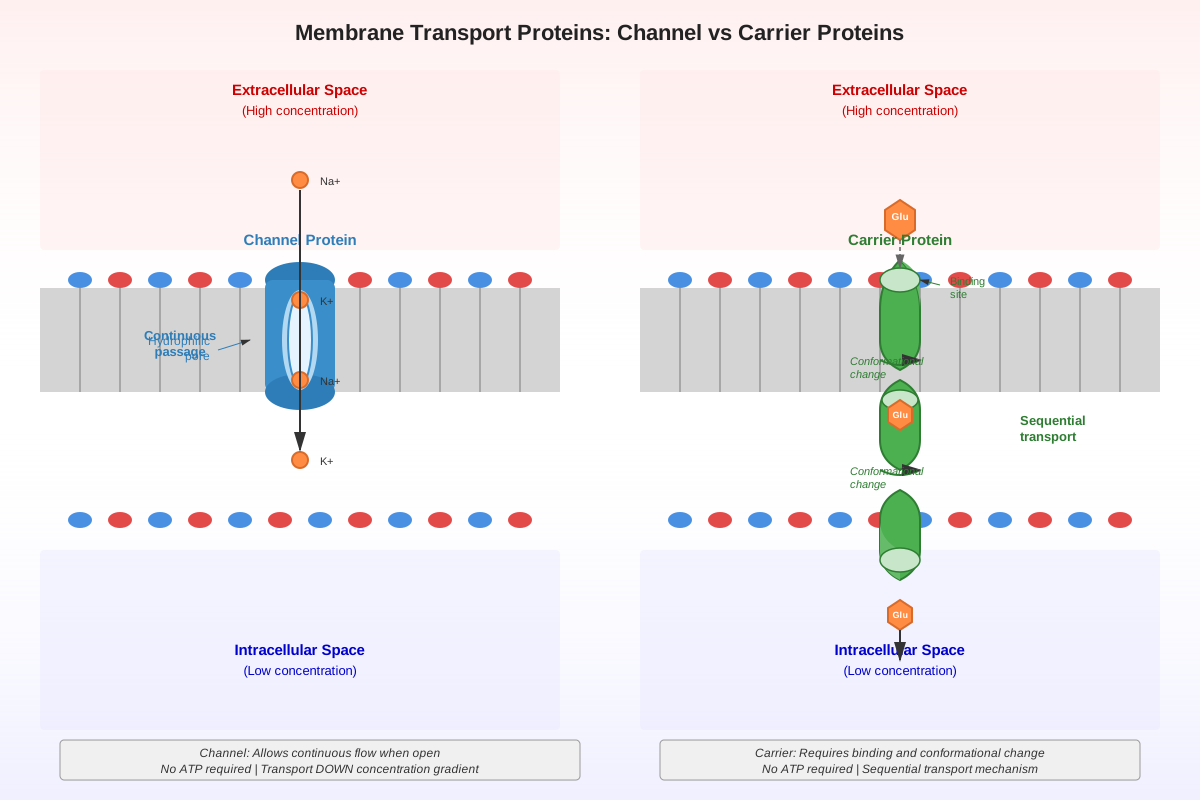
Channel proteins form hydrophilic pores through the membrane that allow specific molecules or ions to pass through when the channel is open. These proteins exist in open or closed conformations (gating), and when open, they permit extremely rapid transport—up to 10⁷ ions per second. Ion channels demonstrate high selectivity based on size, charge, and hydration shell properties. Channel proteins include:
- Voltage-gated channels: Open or close in response to changes in membrane potential (critical for action potentials)
- Ligand-gated channels: Open when specific molecules bind (neurotransmitter receptors)
- Mechanically-gated channels: Respond to physical deformation (touch, pressure, stretch)
- Leak channels: Remain constitutively open, establishing resting membrane potential
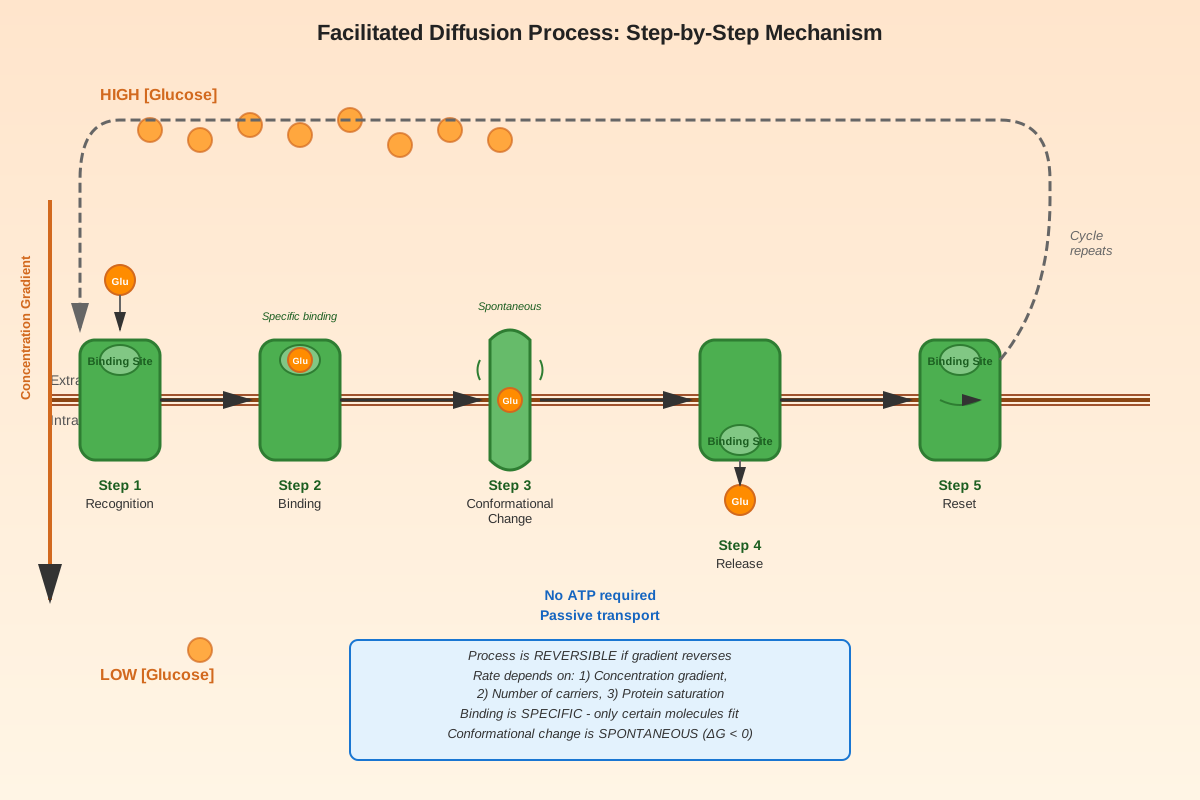
Carrier proteins (also called permeases or transporters) bind specific substrates and undergo conformational changes to transport molecules across the membrane. This mechanism is slower than channel-mediated transport (10²-10⁴ molecules per second) because each transport cycle requires protein conformational changes. The process follows these steps:
- Substrate binds to specific binding site on one side of membrane
- Protein undergoes conformational change
- Substrate is released on opposite side of membrane
- Protein returns to original conformation
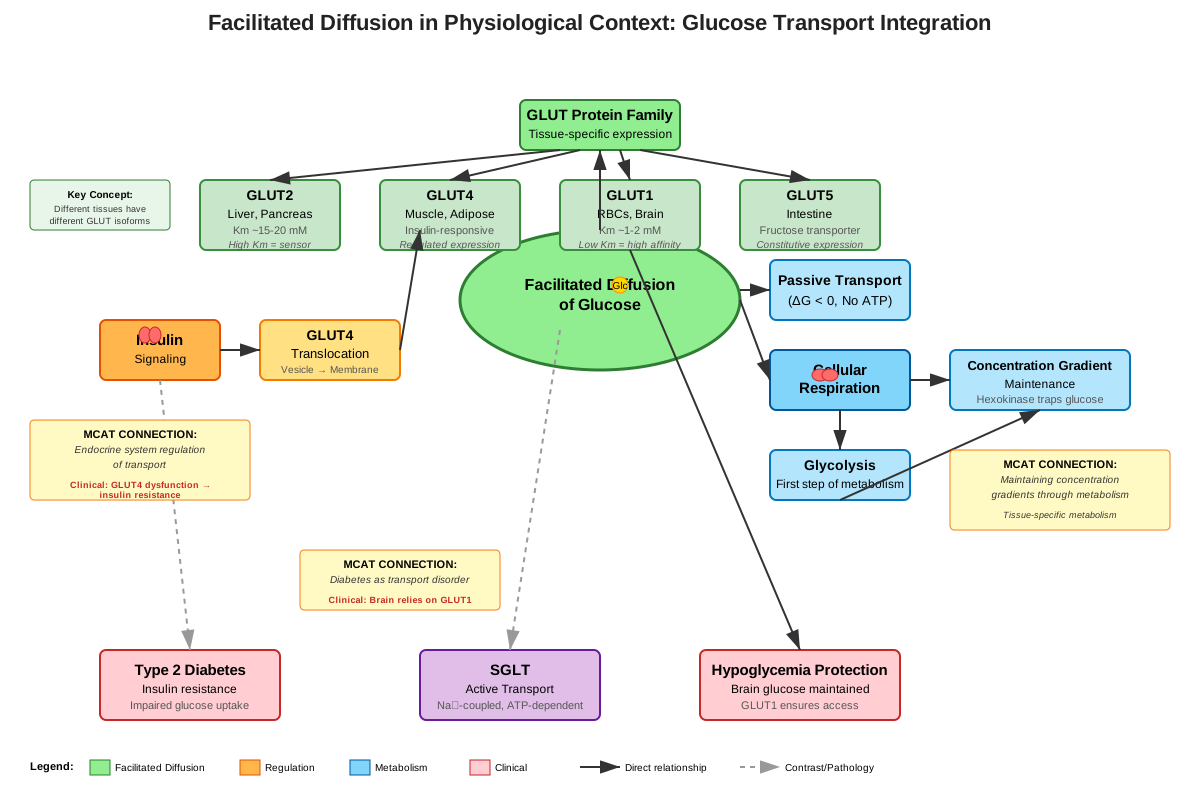
Carrier proteins include the GLUT family (glucose transporters), amino acid transporters, and nucleoside transporters. The glucose transporter GLUT1, found in erythrocytes and brain endothelial cells, exemplifies carrier-mediated facilitated diffusion.
| Feature | Channel Proteins | Carrier Proteins |
|---|---|---|
| Transport rate | Very fast (10⁷/sec) | Moderate (10²-10⁴/sec) |
| Mechanism | Pore formation | Conformational change |
| Substrate interaction | Brief, minimal binding | Specific binding required |
| Saturation | Rarely saturated | Exhibits saturation kinetics |
| Gating | Often regulated (open/closed) | Always "active" when present |
| Examples | Na⁺ channels, K⁺ channels, aquaporins | GLUT transporters, amino acid carriers |
Kinetics of Facilitated Diffusion
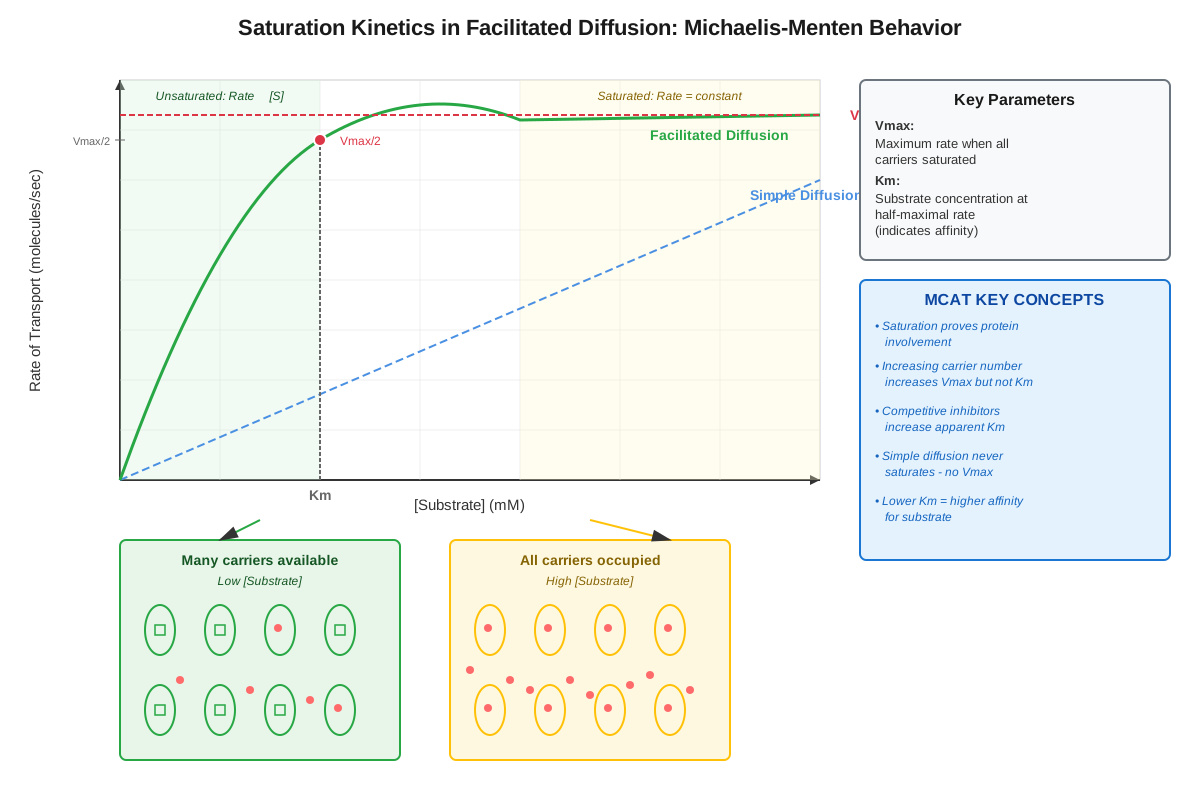
Unlike simple diffusion, which shows a linear relationship between concentration gradient and transport rate, facilitated diffusion exhibits saturation kinetics similar to enzyme-substrate interactions. As substrate concentration increases, transport rate increases until all available transport proteins are occupied, at which point the rate plateaus at Vmax (maximum velocity). This behavior reflects the limited number of transport proteins in the membrane and the time required for each transport cycle.
The kinetics can be described using parameters analogous to Michaelis-Menten enzyme kinetics:
- Vmax: Maximum transport rate when all carriers are saturated
- Km: Substrate concentration at which transport rate equals ½ Vmax (indicates transporter affinity)
- Transport rate = (Vmax × [Substrate]) / (Km + [Substrate])
A lower Km indicates higher affinity between substrate and transporter. Different GLUT isoforms exhibit different Km values for glucose, allowing tissues to respond appropriately to varying blood glucose concentrations. GLUT1 (brain, erythrocytes) has low Km (~1-2 mM), ensuring glucose uptake even at low concentrations, while GLUT2 (liver, pancreatic β-cells) has high Km (~15-20 mM), functioning as a glucose sensor.
Specificity and Selectivity
Transport proteins involved in facilitated diffusion demonstrate remarkable specificity for their substrates, determined by the three-dimensional structure of the binding site or channel pore. This specificity arises from:
- Size exclusion: Channel diameter or binding pocket dimensions restrict which molecules can pass
- Charge interactions: Electrostatic forces attract or repel ions based on charged amino acid residues
- Hydrogen bonding: Specific hydrogen bond donors and acceptors recognize substrate functional groups
- Hydrophobic interactions: Nonpolar regions of binding sites interact with hydrophobic substrate portions
For example, glucose transporters distinguish between D-glucose and L-glucose stereoisomers, and even between glucose and structurally similar sugars like galactose (though with different affinities). Ion channels achieve selectivity through selectivity filters—narrow regions where specific ions are recognized based on size and charge density. The potassium channel selectivity filter is only 12 Å long but achieves 10,000:1 selectivity for K⁺ over Na⁺ despite Na⁺ being smaller.
Regulation of Facilitated Diffusion
Although facilitated diffusion itself does not require energy, cells regulate this process through several mechanisms:
Protein expression: Cells increase or decrease the number of transport proteins in the membrane through transcriptional regulation, protein synthesis, and degradation. Insulin stimulates glucose uptake by triggering translocation of GLUT4 transporters from intracellular vesicles to the plasma membrane.
Gating mechanisms: Channel proteins open or close in response to specific signals:
- Voltage changes (voltage-gated channels)
- Ligand binding (ligand-gated channels)
- Mechanical stimuli (mechanosensitive channels)
- Phosphorylation state (modulated by kinases and phosphatases)
Competitive inhibition: Molecules structurally similar to the natural substrate can compete for binding sites, reducing transport rate. This principle underlies some drug mechanisms and toxins.
Allosteric regulation: Binding of regulatory molecules at sites distinct from the substrate binding site can alter transporter conformation and activity.
Thermodynamic Considerations
Facilitated diffusion is thermodynamically favorable because it increases system entropy by allowing molecules to move from regions of high concentration to low concentration. The free energy change (ΔG) for facilitated diffusion is negative:
ΔG = RT ln([C₂]/[C₁]) + zFΔΨWhere:
- R = gas constant
- T = absolute temperature
- [C₂]/[C₁] = concentration ratio
- z = ion charge
- F = Faraday constant
- ΔΨ = membrane potential
For uncharged molecules, only the concentration gradient matters. For ions, both concentration gradient and electrical gradient (membrane potential) determine the electrochemical gradient. Facilitated diffusion continues until equilibrium is reached (ΔG = 0) or until opposed by another force.
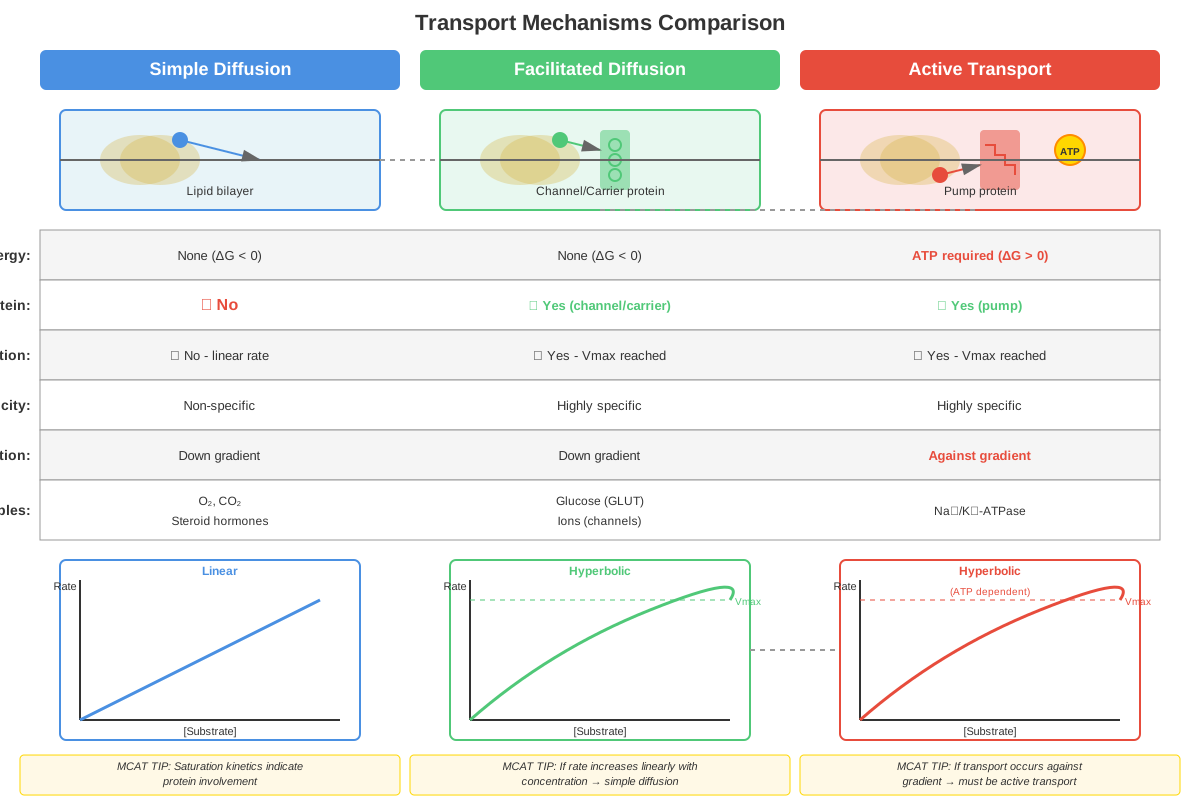
The key distinction from active transport is that facilitated diffusion cannot move substances against their electrochemical gradient—it can only accelerate movement that would occur spontaneously (though very slowly) through simple diffusion.
Concept Relationships
Facilitated diffusion occupies a central position in the network of membrane transport concepts. It builds directly upon membrane structure, specifically the selective permeability of the phospholipid bilayer, which creates the need for protein-mediated transport of polar and charged molecules. The lipid bilayer's hydrophobic core acts as a barrier → necessitating transport proteins → enabling facilitated diffusion.
Within the topic itself, the relationship flows: concentration gradients provide the driving force → transport proteins (channels or carriers) provide the pathway → substrate specificity determines which molecules are transported → saturation kinetics describes the rate limitations → regulation mechanisms control when and how much transport occurs.
Facilitated diffusion connects forward to active transport through comparison and contrast—both use membrane proteins and exhibit specificity and saturation, but active transport requires energy to move substances against gradients. Understanding facilitated diffusion is prerequisite to comprehending secondary active transport (cotransport), which couples facilitated diffusion of one substance down its gradient to active transport of another against its gradient.
The concept links to cellular energetics because facilitated diffusion represents an energy-efficient strategy—cells invest energy in synthesizing transport proteins but not in each transport event, unlike active transport's continuous ATP consumption. This connects to metabolism through glucose transport via GLUT proteins, which represents the rate-limiting step for glucose utilization in many cell types.
In neurobiology, facilitated diffusion through ion channels generates action potentials and synaptic transmission. The concept extends to signal transduction through ligand-gated channels that convert chemical signals to electrical signals. Understanding facilitated diffusion enables comprehension of osmosis and tonicity, as water movement through aquaporins (channel proteins) represents facilitated diffusion of water.
The relationship map: Membrane structure → Selective permeability → Need for facilitated diffusion → Channel and carrier proteins → Substrate specificity and saturation kinetics → Regulation mechanisms → Integration with active transport → Physiological processes (glucose metabolism, neuronal signaling, kidney function).
High-Yield Facts
⭐ Facilitated diffusion is passive transport that requires membrane proteins but not ATP—it moves substances down their concentration or electrochemical gradients.
⭐ Facilitated diffusion exhibits saturation kinetics with Vmax and Km values, unlike simple diffusion which shows linear kinetics.
⭐ Channel proteins transport much faster (10⁷ molecules/sec) than carrier proteins (10²-10⁴ molecules/sec) due to different mechanisms.
⭐ GLUT transporters use facilitated diffusion to transport glucose into cells—different isoforms (GLUT1-5) have different Km values and tissue distributions.
⭐ Ion channels demonstrate high selectivity despite allowing rapid transport—K⁺ channels select K⁺ over Na⁺ by 10,000:1 ratio.
- Facilitated diffusion continues until equilibrium is reached (equal concentrations on both sides for uncharged molecules).
- Carrier proteins undergo conformational changes during each transport cycle, limiting their maximum rate.
- Aquaporins are channel proteins that facilitate water movement across membranes, increasing water permeability 10-100 fold.
- Competitive inhibitors can block facilitated diffusion by occupying the substrate binding site without being transported.
- Insulin increases glucose uptake by stimulating GLUT4 translocation to the plasma membrane, not by providing energy for transport.
- The rate of facilitated diffusion depends on: (1) concentration gradient magnitude, (2) number of transport proteins, (3) affinity of transporter for substrate.
- Voltage-gated sodium channels are responsible for the depolarization phase of action potentials through facilitated diffusion of Na⁺ down its electrochemical gradient.
- Facilitated diffusion can transport molecules in either direction depending on which side has higher concentration.
- Mutations in transport proteins can cause disease—cystic fibrosis results from defective CFTR chloride channel.
- Temperature affects facilitated diffusion rate by influencing protein conformational changes and molecular kinetic energy.
Quick check — test yourself on Facilitated diffusion so far.
Try Flashcards →Common Misconceptions
Misconception: Facilitated diffusion requires ATP because it involves proteins.
Correction: While facilitated diffusion requires membrane proteins, it does not require ATP or any other direct energy input. The concentration gradient provides the energy (thermodynamically favorable, ΔG < 0). Cells do expend energy synthesizing the transport proteins, but each individual transport event is passive. This distinguishes facilitated diffusion from active transport, which requires ATP hydrolysis or another energy source for each transport cycle.
Misconception: Facilitated diffusion can move substances against their concentration gradient if enough transport proteins are present.
Correction: No amount of transport proteins can enable facilitated diffusion to move substances against their gradient because this would be thermodynamically unfavorable (ΔG > 0). Facilitated diffusion only accelerates movement that is already thermodynamically favorable. Moving substances against gradients requires active transport mechanisms that couple transport to energy-releasing reactions like ATP hydrolysis.
Misconception: All transport proteins work the same way—they just form pores for molecules to pass through.
Correction: Transport proteins function through two distinct mechanisms. Channel proteins form pores allowing rapid passage when open, while carrier proteins bind substrates and undergo conformational changes to transport them across. These mechanisms result in different transport rates, with channels being much faster. Understanding this distinction is critical for predicting transport kinetics and regulation.
Misconception: Facilitated diffusion shows linear kinetics like simple diffusion—doubling the concentration gradient always doubles the transport rate.
Correction: Facilitated diffusion exhibits saturation kinetics because transport proteins can become fully occupied. At low substrate concentrations, transport rate increases proportionally with concentration, but as proteins become saturated, the rate plateaus at Vmax. This saturation behavior is a key distinguishing feature from simple diffusion and reflects the limited number of transport proteins available.
Misconception: Glucose enters all cells through the same glucose transporter.
Correction: Different tissues express different GLUT isoforms (GLUT1-5 and others) with distinct Km values, regulation mechanisms, and tissue distributions. GLUT1 (brain, erythrocytes) has low Km for constant glucose supply; GLUT2 (liver, pancreas) has high Km for glucose sensing; GLUT4 (muscle, adipose) is insulin-regulated. This diversity allows tissues to respond appropriately to physiological conditions.
Misconception: If a molecule can undergo facilitated diffusion, it cannot also undergo simple diffusion.
Correction: Many molecules can cross membranes through both simple diffusion and facilitated diffusion simultaneously, though at different rates. For example, water crosses membranes through both simple diffusion through the lipid bilayer and facilitated diffusion through aquaporins. The presence of transport proteins simply provides an additional, faster pathway. The relative contribution of each pathway depends on the molecule's properties and the number of transport proteins present.
Misconception: Facilitated diffusion stops when concentrations are equal on both sides of the membrane.
Correction: While net transport stops at equilibrium, individual molecules continue moving in both directions at equal rates. The transport proteins remain active, but bidirectional movement results in no net change in concentration. For ions, equilibrium occurs when the electrochemical gradient (not just concentration gradient) equals zero, which may occur at unequal concentrations if membrane potential is present.
Worked Examples
Example 1: Distinguishing Transport Mechanisms from Experimental Data
Question: Researchers measure the uptake of substance X into cells under various conditions and obtain the following results:
- Uptake rate increases with external concentration but plateaus at high concentrations
- Uptake occurs down the concentration gradient (high to low)
- Uptake is not affected by metabolic inhibitors that block ATP production
- Uptake is blocked by substance Y, which has a similar structure to substance X
- Different cell types show different maximum uptake rates despite identical concentration gradients
What type of transport mechanism is responsible for substance X uptake? Explain your reasoning.
Solution:
Step 1: Analyze the energy requirement. The uptake occurs down the concentration gradient and is unaffected by ATP depletion, indicating passive transport rather than active transport. This eliminates primary active transport and secondary active transport as possibilities.
Step 2: Evaluate the kinetics. The saturation behavior (plateaus at high concentrations) indicates involvement of transport proteins with limited capacity. Simple diffusion shows linear kinetics without saturation, so this must be protein-mediated transport.
Step 3: Consider specificity. Substance Y blocks uptake through competitive inhibition, indicating specific binding sites on transport proteins. This confirms protein-mediated transport with substrate specificity.
Step 4: Explain variable maximum rates. Different cell types showing different Vmax values despite identical gradients indicates varying numbers of transport proteins in different cell membranes, consistent with regulated expression of transport proteins.
Conclusion: Substance X enters cells through facilitated diffusion. All five observations are consistent with this mechanism: (1) saturation kinetics indicate limited transport proteins, (2) gradient-driven movement confirms passive transport, (3) ATP-independence confirms no direct energy requirement, (4) competitive inhibition demonstrates protein specificity, and (5) variable Vmax reflects different protein expression levels. This is a classic MCAT-style question requiring integration of multiple characteristics to identify the transport mechanism.
Connection to learning objectives: This example demonstrates how to apply facilitated diffusion concepts to experimental data (Learning Objective 3) and distinguishes facilitated diffusion from other transport mechanisms based on multiple criteria.
Example 2: Predicting Transport Direction and Rate
Question: A cell maintains internal glucose concentration of 1 mM and is placed in a solution containing 5 mM glucose. The cell expresses GLUT1 transporters with Km = 1.5 mM for glucose.
(A) In which direction will net glucose transport occur?
(B) If the external glucose concentration is increased to 10 mM, will the transport rate double? Explain.
(C) If a mutation reduces the number of GLUT1 transporters by 50%, how will this affect Km and Vmax?
Solution:
(A) Direction of transport:
Facilitated diffusion moves substances down their concentration gradient. External glucose (5 mM) > internal glucose (1 mM), so the concentration gradient favors inward transport. Net glucose movement will be from outside to inside the cell until concentrations equilibrate.
Key principle: Facilitated diffusion is passive—direction is always determined by the gradient, never by the transport protein itself.
(B) Effect of doubling external concentration:
The transport rate will NOT double. Using the transport equation:
At 5 mM external: Rate₁ = (Vmax × 5)/(1.5 + 5) = Vmax × 5/6.5 = 0.77 Vmax
At 10 mM external: Rate₂ = (Vmax × 10)/(1.5 + 10) = Vmax × 10/11.5 = 0.87 Vmax
The rate increases from 0.77 Vmax to 0.87 Vmax (only 13% increase, not 100% doubling). This occurs because at 5 mM (already >3× the Km), the transporters are substantially saturated. Doubling concentration when already near saturation produces minimal rate increase.
Key principle: Saturation kinetics means the relationship between concentration and rate is hyperbolic, not linear. The effect of concentration changes depends on whether you're operating below, near, or above Km.
(C) Effect of reducing transporter number:
- Vmax will decrease by 50%: Vmax depends on the total number of transport proteins. Halving the number of transporters halves the maximum possible transport rate.
- Km will remain unchanged: Km reflects the affinity of each individual transporter for glucose, which is determined by protein structure. Changing the number of transporters doesn't change how tightly each one binds glucose.
Key principle: Vmax is a capacity measure (how many transporters), while Km is an affinity measure (how well each transporter binds substrate). Mutations or conditions affecting protein number change Vmax; mutations affecting binding site structure change Km.
Connection to learning objectives: This example requires applying facilitated diffusion principles to predict transport behavior (Learning Objective 3), understanding saturation kinetics, and distinguishing between Vmax and Km parameters—all high-yield for MCAT questions.
Exam Strategy
Approaching MCAT Questions on Facilitated Diffusion
Step 1: Identify the transport mechanism by looking for key characteristics:
- Energy requirement (ATP mentioned or metabolic inhibitors used?)
- Direction relative to gradient (with or against?)
- Kinetics (linear or saturation?)
- Protein involvement (mentioned or implied?)
- Specificity (competitive inhibition or structural analogs?)
Step 2: Eliminate answer choices systematically:
- If ATP is required → eliminate facilitated diffusion
- If movement is against gradient → eliminate all passive transport
- If kinetics are linear without saturation → eliminate facilitated diffusion
- If no protein involvement → eliminate facilitated diffusion
Step 3: Watch for trigger words and phrases:
- "Down the concentration gradient" → passive transport (simple or facilitated diffusion)
- "Saturation kinetics" or "Vmax" or "Km" → facilitated diffusion or active transport
- "Channel protein" or "carrier protein" → facilitated diffusion or active transport
- "No ATP required" or "metabolic inhibitor has no effect" → passive transport
- "Competitive inhibition" → protein-mediated (facilitated diffusion or active transport)
- "GLUT transporter" or "ion channel" → facilitated diffusion
Step 4: For calculation questions, identify what's given and what's asked:
- Km and Vmax problems: Use the transport equation or recognize saturation behavior
- Gradient problems: Determine direction based on concentration or electrochemical gradient
- Rate comparison problems: Consider both gradient magnitude and degree of saturation
Common Question Formats
Format 1: Mechanism identification from experimental data
Strategy: Create a checklist of characteristics (energy, direction, kinetics, specificity) and match to the mechanism. Facilitated diffusion must show: passive (no ATP), down gradient, saturation kinetics, protein-mediated, specific.
Format 2: Comparing transport mechanisms
Strategy: Use a comparison table approach. Know the distinguishing features: simple diffusion (no protein, linear), facilitated diffusion (protein, saturation, passive), active transport (protein, saturation, requires energy, can go against gradient).
Format 3: Predicting effects of mutations or drugs
Strategy: Determine whether the change affects protein number (changes Vmax), protein structure/affinity (changes Km), or gradient (changes driving force). Channel blockers eliminate transport; competitive inhibitors increase apparent Km.
Format 4: Clinical vignettes requiring transport knowledge
Strategy: Identify the physiological process, determine which molecules need transport, recall the specific transporters involved. Common scenarios: glucose metabolism (GLUT), neuronal signaling (ion channels), kidney function (various transporters).
Time Allocation
For discrete questions on facilitated diffusion: 60-90 seconds. These typically require recalling definitions or applying one concept.
For passage-based questions: 90-120 seconds per question. Budget time to refer back to passage data, graphs, or experimental conditions. Don't spend excessive time on calculations—MCAT math is designed to be simple if you understand the concept.
Process of Elimination Tips
- If a question asks about glucose transport and an answer choice mentions ATP → eliminate it (GLUT transporters use facilitated diffusion)
- If experimental data shows linear kinetics → eliminate facilitated diffusion as the answer
- If the question states "against the concentration gradient" → eliminate facilitated diffusion
- If an answer choice confuses channel and carrier mechanisms → likely incorrect (MCAT rewards precision)
- If comparing rates and an answer ignores saturation effects → eliminate it
Memory Techniques
Mnemonics
"PADS" for facilitated diffusion characteristics:
- Protein-mediated
- Along (down) gradient
- Does not require ATP
- Saturation kinetics
"GLUT Goes Low to High" - GLUT transporters move glucose from Low concentration to High concentration inside the cell when blood glucose is elevated (down the gradient into cells).
"Channels are FAST, Carriers CHANGE":
- Channels are FAST (10⁷/sec)
- Carriers CHANGE conformation (slower, 10²-10⁴/sec)
"VKC" for saturation kinetics parameters:
- Vmax = maximum velocity (capacity)
- Km = concentration at half-max (affinity)
- Curve = hyperbolic (not linear)
Visualization Strategies
Mental image for carrier proteins: Visualize a revolving door that can only fit one person at a time. The person (substrate) enters one side, the door rotates (conformational change), and the person exits on the other side. The door must complete its rotation before accepting another person, explaining why carriers are slower than channels.
Mental image for channel proteins: Visualize a gated tunnel through a mountain. When the gate opens, many cars (molecules) can pass through rapidly in single file. The tunnel has specific dimensions that only allow certain vehicles (selectivity), and traffic flows from the crowded side to the less crowded side (down gradient).
Graph visualization: Always picture the saturation curve—hyperbolic, approaching Vmax asymptotically. Compare mentally to the linear simple diffusion line. This visual distinction helps identify facilitated diffusion in experimental data.
Acronyms
GLUT transporters: Remember "Glucose Loves Using Transport" - emphasizes that glucose primarily enters cells via these facilitated diffusion transporters, not simple diffusion.
For distinguishing passive vs. active: "ACTIVE = Against gradient, Consumes TTP (ATP), Involves Very Energetic processes"
Summary
Facilitated diffusion represents a critical membrane transport mechanism that bridges simple diffusion and active transport, enabling cells to efficiently move polar and charged molecules across the lipid bilayer without energy expenditure. This passive transport process requires specific membrane proteins—either channel proteins that form selective pores or carrier proteins that undergo conformational changes—to transport substrates down their concentration or electrochemical gradients. Unlike simple diffusion, facilitated diffusion exhibits saturation kinetics with characteristic Vmax and Km values, reflecting the limited number of transport proteins and their specific binding interactions with substrates. The process demonstrates remarkable specificity, with different transporters recognizing distinct substrates based on size, charge, and molecular structure. Regulation occurs through protein expression levels, gating mechanisms for channels, and competitive inhibition rather than through energy input. Understanding facilitated diffusion is essential for MCAT success because it appears frequently in passage-based questions requiring students to interpret experimental data, distinguish between transport mechanisms, and apply concepts to physiological scenarios including glucose metabolism, neuronal signaling, and kidney function. Mastery requires recognizing the defining characteristics—protein-mediated, passive, saturable, and specific—and applying these principles to predict transport direction, rate, and regulation under various conditions.
Key Takeaways
- Facilitated diffusion is passive transport requiring membrane proteins but not ATP—it moves substances down gradients using channels or carriers, distinguishing it from both simple diffusion (no protein) and active transport (requires energy).
- Saturation kinetics with Vmax and Km values differentiate facilitated diffusion from simple diffusion's linear kinetics, reflecting limited transport protein availability and specific substrate binding.
- Channel proteins transport much faster than carrier proteins due to different mechanisms—channels form pores for rapid passage while carriers undergo slower conformational changes.
- GLUT transporters exemplify carrier-mediated facilitated diffusion with different isoforms showing tissue-specific expression and varying Km values that match physiological needs.
- Specificity arises from protein structure enabling selective transport based on size, charge, and molecular interactions, with some transporters achieving remarkable selectivity ratios.
- Regulation occurs through protein expression, gating mechanisms, and competitive inhibition rather than energy input, allowing cells to control transport without continuous ATP expenditure.
- MCAT questions test facilitated diffusion through experimental data interpretation, mechanism comparison, and physiological applications—success requires recognizing characteristic features and applying kinetic principles.
Related Topics
Active Transport (Primary and Secondary): Understanding facilitated diffusion provides the foundation for comprehending active transport mechanisms that move substances against gradients using ATP (primary) or coupling to gradient-driven transport (secondary). The comparison between passive and active transport is high-yield for MCAT.
Membrane Potential and Action Potentials: Ion channels mediating facilitated diffusion of Na⁺, K⁺, and Ca²⁺ generate and propagate action potentials. Mastering facilitated diffusion enables understanding of neuronal signaling, a frequently tested topic.
Enzyme Kinetics (Michaelis-Menten): The mathematical similarity between facilitated diffusion kinetics and enzyme kinetics allows application of similar analytical approaches. Understanding Vmax, Km, and saturation curves transfers between these topics.
Osmosis and Tonicity: Water movement through aquaporin channels represents facilitated diffusion of water. Understanding this connection clarifies osmotic phenomena and cell volume regulation.
Glucose Metabolism and Insulin Signaling: GLUT4 regulation by insulin represents integration of facilitated diffusion with endocrine signaling and metabolism, connecting multiple MCAT topics.
Kidney Physiology: Renal tubular reabsorption and secretion involve numerous facilitated diffusion transporters, making this concept essential for understanding kidney function questions.
Practice CTA
Now that you've mastered the core concepts of facilitated diffusion, it's time to solidify your understanding through active practice. Challenge yourself with MCAT-style practice questions that require you to apply these principles to experimental scenarios, interpret transport kinetics data, and distinguish between different membrane transport mechanisms. Use flashcards to reinforce high-yield facts, especially the characteristics distinguishing facilitated diffusion from other transport types, the properties of different GLUT isoforms, and the kinetic parameters Vmax and Km. Remember that understanding facilitated diffusion opens the door to mastering related topics including active transport, neuronal signaling, and metabolic regulation—all critical for MCAT success. Your investment in thoroughly learning this foundational concept will pay dividends across multiple Biology passages and questions. You've got this!
Sign up free to keep reading
Create a free AnvayaPrep account to finish this MCAT guide on Facilitated diffusion — plus flashcards and practice questions.