Overview
The G1 phase (Gap 1 phase) represents the first major growth period in the eukaryotic cell cycle, occurring immediately after mitosis and before DNA synthesis. During this critical interval, cells increase in size, synthesize proteins and enzymes necessary for DNA replication, and make the pivotal decision whether to continue dividing, enter a quiescent state, or differentiate. Understanding the G1 phase is fundamental to Cell Biology and represents a high-yield topic for the MCAT, as it integrates molecular biology, cellular regulation, and cancer biology—all frequently tested domains.
For the MCAT, the G1 phase serves as a conceptual gateway to understanding cell cycle regulation, checkpoint control mechanisms, and the molecular basis of uncontrolled cell division in cancer. Questions frequently test students' ability to distinguish between different cell cycle phases, identify the consequences of checkpoint failures, and predict cellular responses to growth signals or DNA damage. The phase's regulatory mechanisms, particularly the G1/S checkpoint (restriction point), appear regularly in both discrete questions and passage-based scenarios involving cancer therapeutics, growth factor signaling, and tumor suppressor function.
The G1 phase connects intimately with broader Biology concepts including gene expression, signal transduction, metabolic regulation, and cellular differentiation. Mastery of this topic enables students to understand how cells integrate external signals with internal metabolic states to coordinate growth and division—a principle that underlies developmental biology, immunology, and pathophysiology questions throughout the MCAT Biology section.
Learning Objectives
- [ ] Define G1 phase using accurate Biology terminology
- [ ] Explain why G1 phase matters for the MCAT
- [ ] Apply G1 phase to exam-style questions
- [ ] Identify common mistakes related to G1 phase
- [ ] Connect G1 phase to related Biology concepts
- [ ] Describe the molecular mechanisms controlling G1 phase progression and the G1/S checkpoint
- [ ] Compare and contrast G1 phase with G0 phase and other cell cycle stages
- [ ] Analyze how disruption of G1 phase regulation contributes to cancer development
- [ ] Predict cellular responses to various growth signals and stress conditions during G1
Prerequisites
- Basic cell cycle overview: Understanding the four main phases (G1, S, G2, M) provides the framework for appreciating G1's specific role
- DNA structure and replication fundamentals: Knowledge of DNA organization is necessary to understand why cells must prepare for S phase
- Protein synthesis (transcription and translation): G1 involves extensive protein production, requiring familiarity with gene expression
- Enzyme function and regulation: Many G1 processes involve enzymatic activity and allosteric control
- Basic cancer biology concepts: Understanding normal vs. abnormal cell division contextualizes G1 checkpoint importance
- Signal transduction basics: Growth factor signaling drives G1 progression, necessitating familiarity with receptor-mediated pathways
Why This Topic Matters
Clinical and Real-World Significance
The G1 phase represents the primary control point where cells decide their fate—whether to divide, rest, or differentiate. This decision-making process is fundamental to normal tissue homeostasis, wound healing, immune responses, and embryonic development. Dysregulation of G1 phase control mechanisms underlies virtually all human cancers, making this topic clinically relevant to oncology, pharmacology, and therapeutic development. Cancer treatments including CDK inhibitors specifically target G1 phase regulatory proteins, and understanding G1 mechanisms explains why certain tumors respond to particular therapies while others develop resistance.
MCAT Exam Statistics and Frequency
G1 phase content appears in approximately 3-5% of MCAT Biology questions, with higher representation in passage-based scenarios involving experimental data about cell cycle regulation. The topic frequently appears integrated with questions about:
- Tumor suppressor genes (p53, Rb) and their mechanisms
- Growth factor signaling pathways
- Experimental techniques for measuring cell cycle distribution
- Cancer biology and therapeutic interventions
- Cellular responses to DNA damage or nutrient deprivation
Common Exam Presentation Formats
MCAT passages commonly present G1 phase concepts through:
- Experimental research passages describing flow cytometry data showing cell cycle distribution
- Cancer biology scenarios involving mutations in checkpoint proteins
- Pharmacology passages testing novel CDK inhibitors or growth factor antagonists
- Developmental biology contexts explaining how cells exit the cell cycle to differentiate
- Discrete questions requiring identification of phase-specific characteristics or checkpoint functions
Core Concepts
Definition and Temporal Position
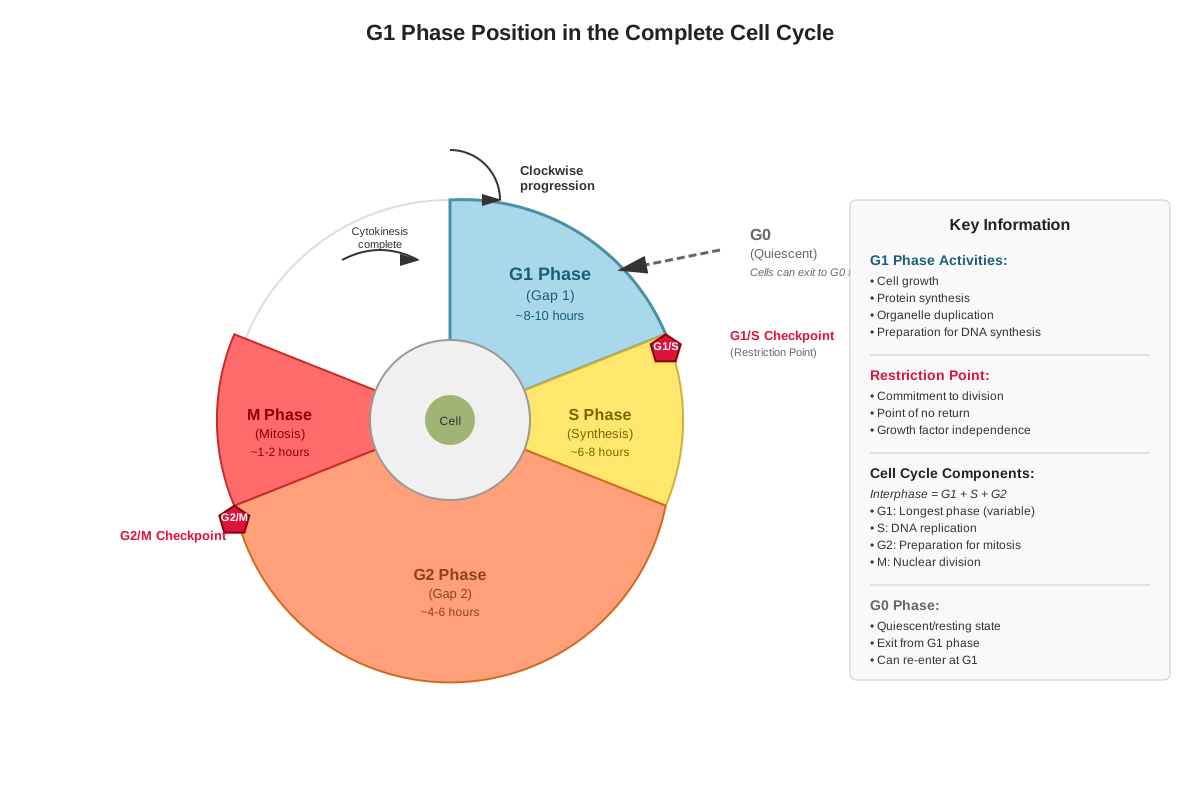
The G1 phase (Gap 1 phase) is the first of two gap phases in the eukaryotic cell cycle, positioned between the completion of mitosis (M phase) and the initiation of DNA synthesis (S phase). The term "gap" is somewhat misleading, as G1 is far from inactive—it represents a period of intense metabolic activity, cellular growth, and preparation for DNA replication. During G1, cells typically increase their volume by approximately 50-100%, accumulate the molecular machinery required for chromosome duplication, and assess whether conditions are favorable for continued division.
The duration of G1 varies dramatically among cell types and physiological conditions, ranging from less than one hour in rapidly dividing embryonic cells to days, months, or even years in slowly dividing or quiescent adult cells. This variability makes G1 the most flexible phase of the cell cycle and the primary determinant of overall cell cycle length.
Molecular Events During G1
G1 phase is characterized by several critical molecular processes that prepare the cell for DNA replication:
- Cellular growth and volume increase: Cells synthesize ribosomes, mitochondria, and other organelles to support increased metabolic demands
- Protein synthesis: Production of enzymes required for DNA synthesis, including DNA polymerases, helicases, primases, and nucleotide biosynthetic enzymes
- Metabolic preparation: Accumulation of nucleotide precursors (dNTPs) and energy reserves (ATP, GTP)
- Centrosome duplication: Begins in late G1, ensuring proper spindle formation in subsequent mitosis
- Transcriptional activation: Expression of S-phase genes under control of E2F transcription factors
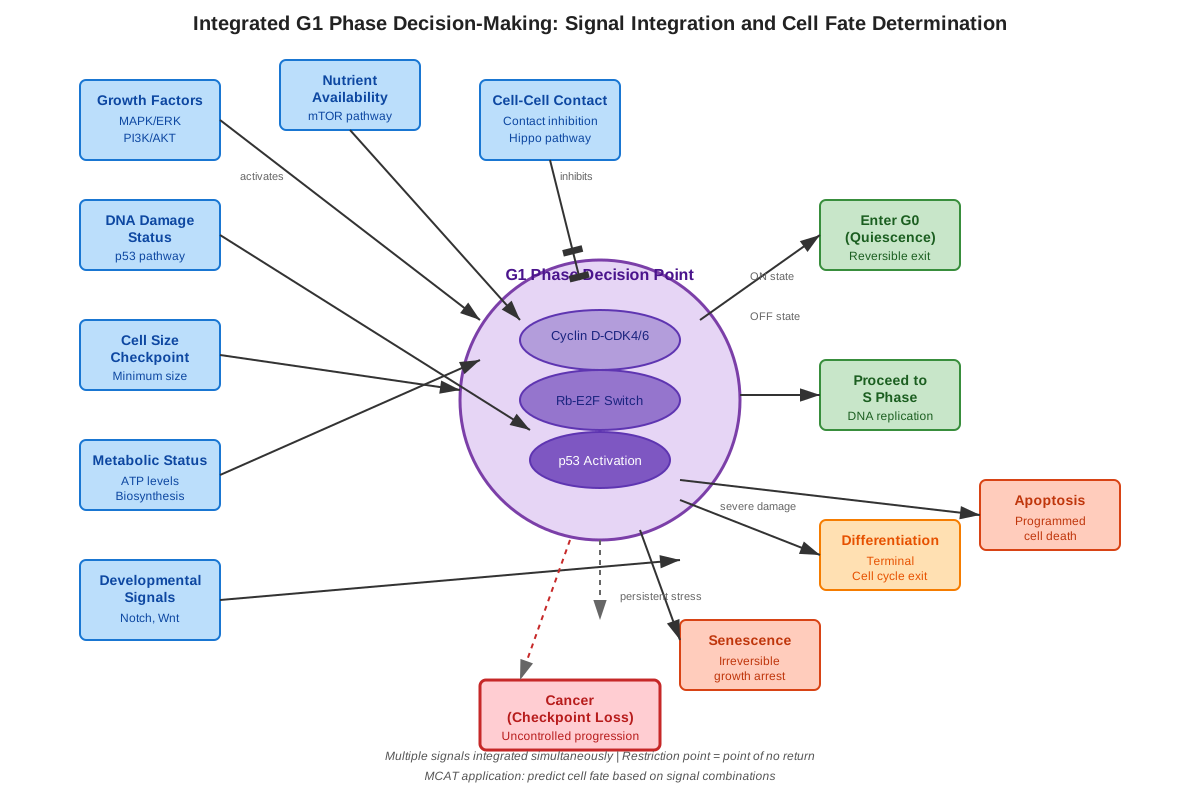
The cell monitors nutrient availability, growth factor presence, cell size, and DNA integrity throughout G1. Only when all conditions are favorable does the cell commit to DNA replication and division.
The G1/S Checkpoint (Restriction Point)
The G1/S checkpoint, also called the restriction point in mammalian cells or "Start" in yeast, represents the most critical regulatory decision point in the cell cycle. This checkpoint occurs in late G1 and determines whether cells will:
- Progress into S phase and commit to division
- Enter G0 (quiescent state) and temporarily exit the cell cycle
- Undergo differentiation and permanently exit the cell cycle
- Initiate apoptosis if conditions are unfavorable
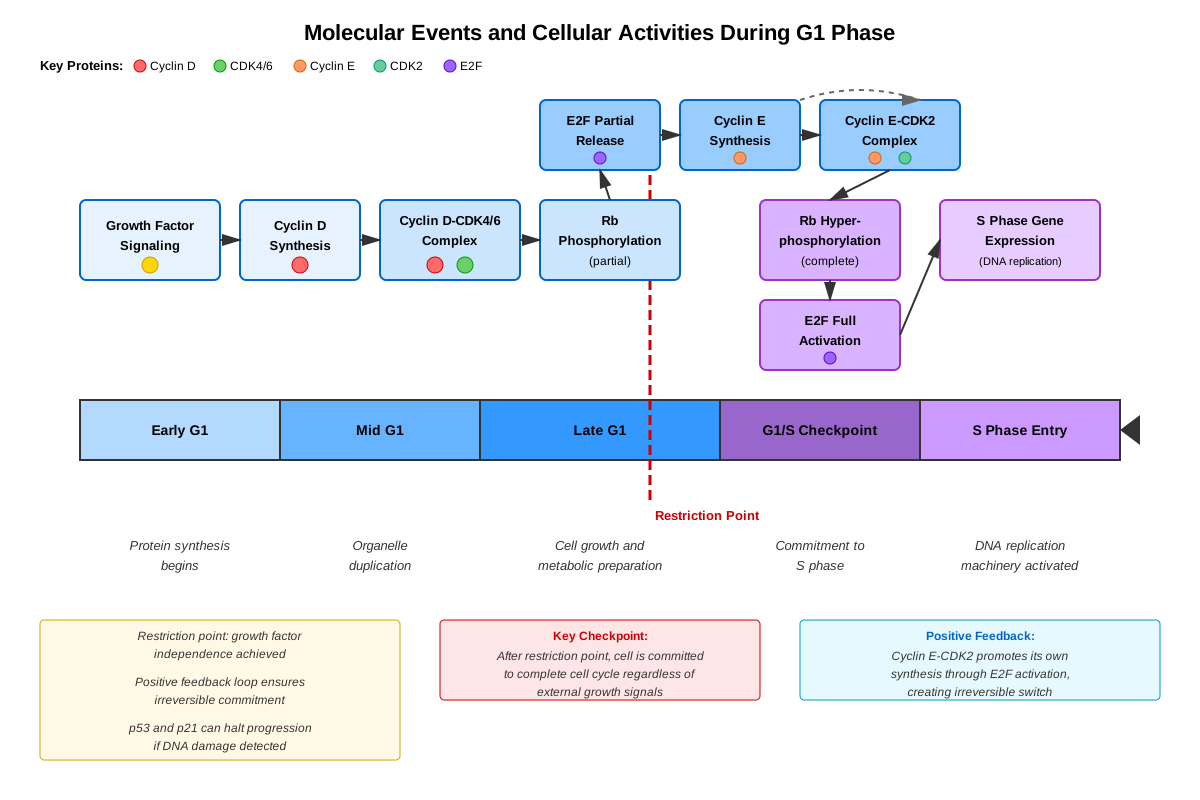
The molecular basis of the G1/S checkpoint centers on the retinoblastoma protein (Rb) and its regulation by cyclin-dependent kinases (CDKs):
| Checkpoint Status | Rb Phosphorylation | E2F Activity | Cell Cycle Outcome |
|---|---|---|---|
| Before restriction point | Hypophosphorylated | Inactive (bound to Rb) | G1 arrest possible |
| After restriction point | Hyperphosphorylated | Active (released from Rb) | Committed to S phase |
Cyclin-CDK Complexes in G1
Cell cycle progression through G1 is driven by sequential activation of cyclin-dependent kinase (CDK) complexes:
Early G1: Cyclin D-CDK4/6 complexes
- Activated by growth factor signaling (mitogenic signals)
- Begin phosphorylating Rb protein
- Sensitive to anti-mitogenic signals and can be inhibited
Late G1: Cyclin E-CDK2 complexes
- Complete Rb hyperphosphorylation
- Activate E2F transcription factors
- Commit cell to S phase entry
- Relatively insensitive to external signals
This sequential activation creates a molecular "switch" that becomes increasingly difficult to reverse as cells progress through G1, culminating in irreversible commitment at the restriction point.
Regulation by CDK Inhibitors (CKIs)
CDK inhibitor proteins (CKIs) provide negative regulation of G1 progression and fall into two families:
INK4 family (p16, p15, p18, p19):
- Specifically inhibit cyclin D-CDK4/6 complexes
- Prevent early G1 progression
- p16 is frequently inactivated in cancers
CIP/KIP family (p21, p27, p57):
- Broadly inhibit cyclin-CDK complexes
- p21 is activated by p53 in response to DNA damage
- p27 responds to anti-mitogenic signals and contact inhibition
The p53-p21 DNA Damage Response
The tumor suppressor protein p53 serves as the "guardian of the genome" by halting G1 progression when DNA damage is detected:
- DNA damage sensors (ATM/ATR kinases) detect lesions
- p53 protein is stabilized and activated through phosphorylation
- p53 induces transcription of p21 (CKI)
- p21 inhibits cyclin-CDK complexes, arresting cells in G1
- Cell attempts DNA repair; if successful, p53 levels decrease and cycle resumes
- If repair fails, p53 triggers apoptosis
This checkpoint prevents replication of damaged DNA, which would lead to mutations and potentially cancer. Loss of p53 function (occurring in >50% of human cancers) allows cells with damaged DNA to progress through G1 and replicate errors.
G0 Phase vs. G1 Phase
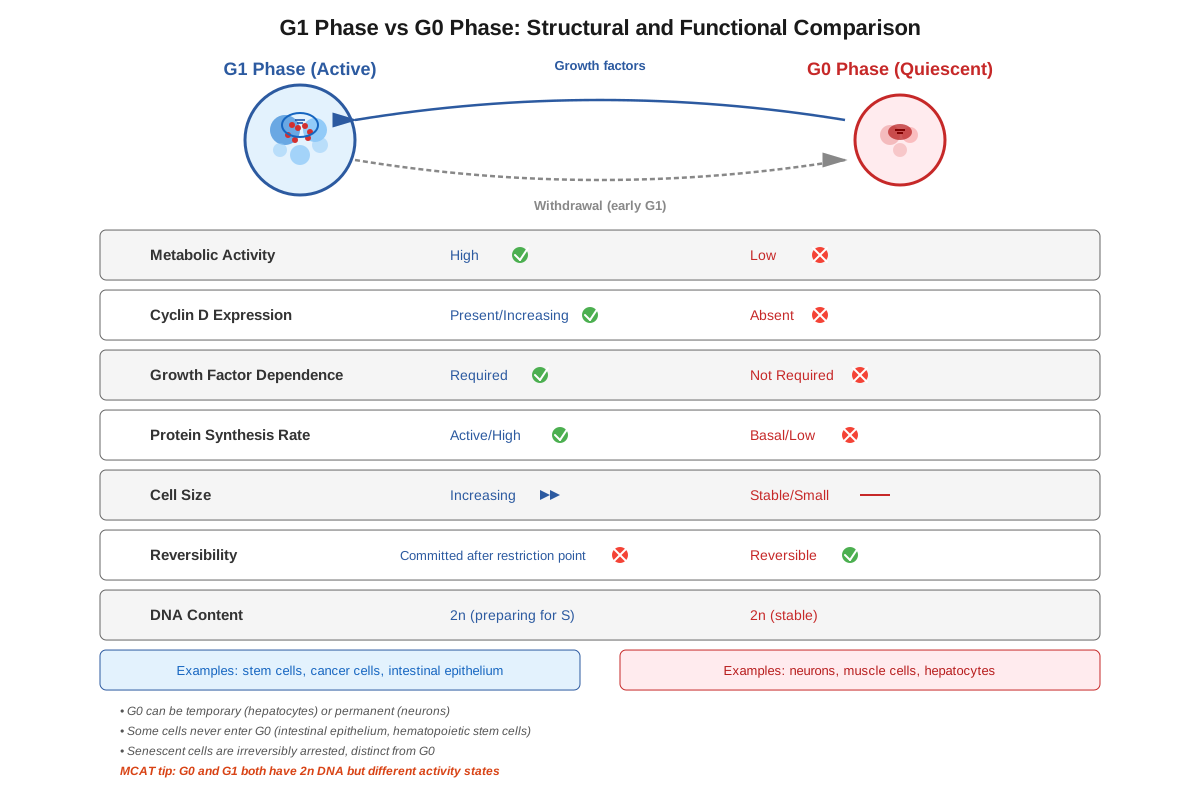
While G1 phase represents active preparation for division, G0 phase (G-zero) describes a quiescent state where cells have exited the cell cycle:
| Feature | G1 Phase | G0 Phase |
|---|---|---|
| Metabolic activity | High, preparing for S phase | Variable, often reduced |
| Commitment to division | Progressing toward commitment | Not committed; reversible |
| Duration | Hours to days | Days to lifetime |
| Protein synthesis | High, especially S-phase proteins | Reduced or specialized |
| Response to growth factors | Actively responding | May be unresponsive |
| Examples | Proliferating stem cells, cancer cells | Neurons, quiescent lymphocytes, hepatocytes |
Some cells in G0 can re-enter G1 upon appropriate stimulation (reversible quiescence), while others are terminally differentiated and permanently unable to divide.
Growth Factor Signaling and G1 Progression
External growth factors and mitogens drive G1 progression through signal transduction pathways:
Typical signaling cascade:
- Growth factor binds receptor tyrosine kinase (RTK)
- Activation of RAS-RAF-MEK-ERK pathway
- ERK phosphorylates transcription factors
- Increased cyclin D expression
- Cyclin D-CDK4/6 activation
- Rb phosphorylation and G1 progression
Oncogenic mutations in these pathways (e.g., constitutively active RAS) cause inappropriate G1 progression independent of growth factor availability, contributing to cancer development.
Concept Relationships
The G1 phase serves as a central hub connecting multiple biological concepts. Cell cycle regulation begins with G1 checkpoint control, which determines whether cells progress to S phase (DNA replication). The decision to pass the G1/S checkpoint depends on integration of signal transduction pathways (growth factor signaling) with DNA damage response mechanisms (p53 pathway).
Cyclin-CDK complexes drive G1 progression → phosphorylate Rb protein → release E2F transcription factors → activate S-phase gene expression → commit to DNA replication. This linear pathway is modulated by CDK inhibitors (p21, p27, p16), which respond to stress signals and anti-mitogenic factors.
The G1 phase connects to cancer biology through multiple mechanisms: loss of tumor suppressors (p53, Rb) removes checkpoint control, while activation of oncogenes (cyclin D, CDK4, RAS) drives inappropriate G1 progression. Understanding G1 regulation explains therapeutic strategies including CDK inhibitors and growth factor receptor antagonists.
G1 also links to cellular differentiation: cells must exit G1 and enter G0 to undergo terminal differentiation. This connection explains why highly differentiated cells (neurons, cardiac myocytes) cannot regenerate after injury—they have permanently exited the cell cycle.
The relationship extends to metabolism: G1 progression requires sufficient nutrients, energy (ATP), and biosynthetic capacity to support cellular growth and DNA replication. This connects G1 to metabolic regulation and explains why nutrient deprivation arrests cells in G1.
Quick check — test yourself on G1 phase so far.
Try Flashcards →High-Yield Facts
⭐ The G1/S checkpoint (restriction point) is the primary decision point determining whether cells commit to division or exit the cell cycle
⭐ Rb protein in its hypophosphorylated state binds and inactivates E2F transcription factors, preventing S-phase gene expression and blocking cell cycle progression
⭐ Cyclin D-CDK4/6 complexes (early G1) and cyclin E-CDK2 complexes (late G1) sequentially phosphorylate Rb, releasing E2F and committing cells to S phase
⭐ p53 activation in response to DNA damage induces p21 expression, which inhibits cyclin-CDK complexes and arrests cells in G1 to allow DNA repair
⭐ Loss of p53 or Rb function (common in cancers) eliminates G1 checkpoint control, allowing cells with damaged DNA to replicate
- G1 is the most variable phase of the cell cycle in duration, ranging from less than one hour to years depending on cell type and conditions
- G0 (quiescent state) represents reversible or permanent cell cycle exit from G1, characteristic of non-dividing differentiated cells
- CDK inhibitors fall into two families: INK4 (p16, p15, p18, p19) specifically inhibit cyclin D-CDK4/6, while CIP/KIP (p21, p27, p57) broadly inhibit cyclin-CDK complexes
- Growth factor signaling through RAS-RAF-MEK-ERK pathway induces cyclin D expression, driving G1 progression
- Cells must reach a critical size during G1 before passing the restriction point, ensuring daughter cells are appropriately sized
- Centrosome duplication begins in late G1, ensuring proper spindle formation for subsequent mitosis
- Contact inhibition arrests normal cells in G1 through p27 upregulation; cancer cells lose this growth control mechanism
Common Misconceptions
Misconception: G1 is an inactive "gap" period where cells are simply waiting to enter S phase.
Correction: G1 is a period of intense metabolic activity involving cellular growth, organelle synthesis, protein production, and critical checkpoint decisions. The term "gap" refers only to the absence of DNA replication, not to cellular inactivity.
Misconception: All cells in G1 will eventually progress to S phase.
Correction: Many cells exit G1 to enter G0 (quiescent state) and may remain there temporarily or permanently. The G1/S checkpoint specifically determines whether cells commit to division or exit the cycle. Most cells in the adult human body are in G0, not actively cycling.
Misconception: The G1/S checkpoint and the G1 phase are the same thing.
Correction: The G1/S checkpoint (restriction point) is a specific regulatory decision point occurring in late G1, not the entire phase. G1 encompasses all events from the end of mitosis until the start of S phase, while the checkpoint is the molecular "gate" that must be passed to commit to DNA replication.
Misconception: Rb protein promotes cell cycle progression when phosphorylated.
Correction: Rb protein in its hypophosphorylated (less phosphorylated) state inhibits cell cycle progression by binding E2F. When Rb becomes hyperphosphorylated by cyclin-CDK complexes, it releases E2F, which then promotes progression. The phosphorylation inactivates Rb's inhibitory function rather than activating a promoting function.
Misconception: p53 directly stops the cell cycle.
Correction: p53 is a transcription factor that induces expression of p21, a CDK inhibitor. It is p21 that directly inhibits cyclin-CDK complexes to arrest the cell cycle. p53 acts indirectly through transcriptional regulation of downstream effectors.
Misconception: Cancer cells lack G1 phase entirely.
Correction: Cancer cells still progress through G1 phase, but they have dysregulated checkpoint control that allows them to bypass normal growth restrictions. They may have shortened G1 duration and impaired checkpoint function, but they do not skip the phase entirely.
Misconception: Once a cell passes the restriction point, it can still respond to anti-mitogenic signals and stop dividing.
Correction: The restriction point represents a point of no return—once cells pass this checkpoint in late G1, they are committed to completing the cell cycle regardless of external signals. This irreversibility distinguishes events before and after the restriction point.
Worked Examples
Example 1: Experimental Analysis of Cell Cycle Distribution
Question: Researchers treat cultured cells with a novel compound and use flow cytometry to measure DNA content. They observe that 70% of cells have 2n DNA content (diploid), 5% have 4n DNA content, and 25% have intermediate DNA content between 2n and 4n. Based on this data, in which phase are most cells arrested?
Step 1 - Interpret DNA content measurements:
- 2n DNA content = G1 or G0 phase (before DNA replication)
- Intermediate between 2n and 4n = S phase (actively replicating DNA)
- 4n DNA content = G2 or M phase (after DNA replication, before division)
Step 2 - Analyze the distribution:
The majority (70%) of cells have 2n DNA content, indicating they are in G1/G0. The small percentage in S phase (25%) and G2/M phase (5%) suggests cells are accumulating in G1 rather than progressing through the cycle normally.
Step 3 - Consider mechanism:
A G1 arrest could result from:
- Activation of p53-p21 pathway (DNA damage response)
- Inhibition of cyclin D-CDK4/6 or cyclin E-CDK2
- Upregulation of CDK inhibitors (p16, p27)
- Blocking growth factor signaling
Answer: Most cells are arrested in G1 phase. The compound likely interferes with G1 progression mechanisms, preventing cells from passing the G1/S checkpoint and entering S phase. This pattern is consistent with CDK inhibitors, growth factor antagonists, or DNA damage-inducing agents.
Connection to learning objectives: This example demonstrates application of G1 phase knowledge to experimental data interpretation, a common MCAT passage format. It requires understanding that G1 cells have 2n DNA content and that checkpoint arrest prevents S-phase entry.
Example 2: Cancer Biology and Checkpoint Dysfunction
Question: A patient's tumor cells are found to have a homozygous deletion of the gene encoding p16 (INK4a). Which of the following best explains how this mutation contributes to uncontrolled cell proliferation?
A) Loss of p16 prevents Rb phosphorylation, causing constitutive cell cycle arrest
B) Loss of p16 allows unregulated cyclin D-CDK4/6 activity, leading to inappropriate Rb phosphorylation and G1/S progression
C) Loss of p16 directly activates E2F transcription factors independent of Rb status
D) Loss of p16 prevents p53 activation in response to DNA damage
Step 1 - Recall p16 function:
p16 is an INK4 family CDK inhibitor that specifically inhibits cyclin D-CDK4/6 complexes in early G1.
Step 2 - Trace the pathway:
Normal pathway: p16 inhibits cyclin D-CDK4/6 → prevents Rb phosphorylation → Rb remains bound to E2F → blocks S-phase gene expression → prevents inappropriate G1/S progression
With p16 loss: No inhibition of cyclin D-CDK4/6 → unregulated Rb phosphorylation → E2F release → constitutive S-phase gene expression → uncontrolled G1/S progression
Step 3 - Evaluate answer choices:
- A is incorrect: Loss of p16 increases (not prevents) Rb phosphorylation
- B is correct: Accurately describes the mechanism
- C is incorrect: p16 acts through Rb, not directly on E2F
- D is incorrect: p16 does not regulate p53; p21 (not p16) is the p53-responsive CKI
Answer: B - Loss of p16 removes inhibition of cyclin D-CDK4/6, allowing these complexes to constitutively phosphorylate Rb. Hyperphosphorylated Rb releases E2F transcription factors, which activate S-phase genes and drive inappropriate cell cycle progression even in the absence of proper growth signals.
Connection to learning objectives: This example integrates G1 phase regulation with cancer biology, demonstrating how checkpoint protein loss leads to malignancy. It requires understanding the sequential molecular events controlling the G1/S transition and the specific roles of different regulatory proteins.
Exam Strategy
Approaching MCAT Questions on G1 Phase
For discrete questions:
- Identify whether the question asks about timing (when in cell cycle), mechanism (how regulation works), or consequences (what happens when regulation fails)
- Draw a quick mental map: Growth factors → cyclin D-CDK4/6 → Rb phosphorylation → E2F release → S-phase genes
- Remember that G1 is characterized by 2n DNA content, cellular growth, and checkpoint decision-making
For passage-based questions:
- Identify experimental manipulations affecting G1 (CDK inhibitors, growth factor withdrawal, DNA damage, checkpoint protein mutations)
- Predict outcomes based on mechanism: blocking early G1 (cyclin D-CDK4/6) vs. late G1 (cyclin E-CDK2) has different reversibility
- Connect molecular changes to cellular phenotypes (arrest, apoptosis, uncontrolled proliferation)
Trigger Words and Phrases
Watch for these high-yield terms that signal G1 content:
- "Restriction point" or "G1/S checkpoint" → Think Rb-E2F regulation
- "Contact inhibition" → Normal cells arrest in G1; cancer cells lose this control
- "Quiescent" or "G0" → Cells have exited G1 without dividing
- "Growth factor withdrawal" → Cells arrest in early G1 before restriction point
- "DNA damage" → p53-p21 pathway arrests cells in G1
- "Tumor suppressor" → Often refers to p53 or Rb, both G1 checkpoint regulators
- "CDK inhibitor" → Blocks G1 progression; therapeutic target in cancer
Process-of-Elimination Tips
When evaluating answer choices:
- Eliminate options confusing G1 with S phase (DNA replication occurs in S, not G1)
- Eliminate options suggesting G1 cells have 4n DNA content (they have 2n)
- Eliminate options reversing the Rb-E2F relationship (hypophosphorylated Rb inhibits E2F)
- Eliminate options suggesting checkpoint passage is reversible (restriction point is a commitment)
- Eliminate options confusing p53 with direct cell cycle arrest (p53 acts through p21)
Time allocation:
- Discrete G1 questions: 60-90 seconds (straightforward recall or one-step reasoning)
- Passage questions with experimental data: 90-120 seconds (requires data interpretation plus concept application)
- Complex multi-step mechanism questions: 120-150 seconds (trace through pathway systematically)
Memory Techniques
Mnemonic for G1 Checkpoint Pathway
"Grown Dogs Rarely Eat Food"
- Growth factors activate
- D-type cyclins (cyclin D-CDK4/6)
- Rb gets phosphorylated
- E2F is released
- Forward to S phase
Visualization Strategy for Rb Function
Picture Rb as a "lock" on E2F (the "door" to S phase):
- Hypophosphorylated Rb = locked door, E2F cannot activate genes
- Phosphorylation by CDKs = adding keys to the lock
- Hyperphosphorylated Rb = lock opens, E2F released, door to S phase opens
Acronym for CDK Inhibitor Families
"I Can't Progress"
- INK4 family (p16, p15, p18, p19) - specifically inhibit cyclin D-CDK4/6
- CIP/KIP family (p21, p27, p57) - broadly inhibit cyclin-CDK complexes
- Prevents progression through G1
Memory Aid for G1 vs. G0
"G1 = Go forward, G0 = Go nowhere"
- G1 cells are actively preparing to divide (going forward)
- G0 cells have exited the cycle (going nowhere, at least temporarily)
Sequence Memory for p53 Response
"Damage Stops Cells Repairing Problems"
- Damage detected (ATM/ATR)
- Stabilize p53
- Create p21 (transcription)
- Restrict CDKs (inhibition)
- Pause in G1 (arrest)
Summary
The G1 phase represents the critical first gap period of the cell cycle, during which cells grow, synthesize proteins necessary for DNA replication, and make the fundamental decision whether to commit to division. This phase is characterized by 2n DNA content, intense metabolic activity, and progressive activation of cyclin-CDK complexes that drive cells toward the G1/S checkpoint. The restriction point in late G1 serves as the primary regulatory gate, controlled by the Rb-E2F pathway: cyclin D-CDK4/6 and cyclin E-CDK2 sequentially phosphorylate Rb protein, releasing E2F transcription factors that activate S-phase genes and commit cells to DNA replication. Negative regulation through CDK inhibitors (p16, p21, p27) and the p53-mediated DNA damage response ensures that only cells with adequate size, nutrients, growth signals, and intact DNA progress through G1. Dysregulation of G1 checkpoint control through loss of tumor suppressors (p53, Rb) or activation of oncogenes (cyclin D, CDK4) underlies cancer development, making this phase a critical target for therapeutic intervention. Understanding G1 phase regulation integrates molecular biology, signal transduction, and cancer biology—all high-yield topics for MCAT success.
Key Takeaways
- G1 phase is the first gap period between mitosis and S phase, characterized by cellular growth, protein synthesis, and checkpoint decision-making with 2n DNA content
- The G1/S checkpoint (restriction point) is the primary cell cycle control point where Rb-E2F regulation determines commitment to division
- Sequential activation of cyclin D-CDK4/6 (early G1) and cyclin E-CDK2 (late G1) drives Rb hyperphosphorylation, E2F release, and S-phase entry
- CDK inhibitors (p16, p21, p27) provide negative regulation; p53-induced p21 arrests cells in G1 in response to DNA damage
- Loss of G1 checkpoint control through p53 or Rb inactivation is a hallmark of cancer, allowing inappropriate cell cycle progression
- G0 represents quiescent cell cycle exit from G1, either reversible (resting cells) or permanent (terminally differentiated cells)
- Growth factor signaling through RAS-ERK pathway induces cyclin D expression, linking external signals to G1 progression
Related Topics
S Phase (DNA Synthesis Phase): Following successful G1/S checkpoint passage, cells enter S phase where DNA replication occurs. Understanding G1 regulation provides the foundation for comprehending how cells prepare for and commit to chromosome duplication.
Cell Cycle Checkpoints (G2/M and Spindle Assembly): While G1/S is the primary checkpoint, G2/M and spindle assembly checkpoints provide additional quality control. Mastering G1 checkpoint mechanisms enables understanding of checkpoint logic throughout the cell cycle.
p53 and Tumor Suppressor Genes: The p53 pathway extends beyond G1 arrest to include apoptosis, senescence, and DNA repair coordination. Deep knowledge of p53's role in G1 provides foundation for understanding its broader tumor suppressor functions.
Oncogenes and Cancer Biology: Many oncogenes (RAS, MYC, cyclin D) and tumor suppressors (Rb, p53, p16) directly regulate G1 progression. G1 phase mastery is essential for understanding cancer molecular biology.
Signal Transduction Pathways: Growth factor receptor signaling (RTK-RAS-RAF-MEK-ERK) drives G1 progression. Understanding G1 regulation connects to broader signal transduction concepts tested on the MCAT.
Apoptosis and Programmed Cell Death: When G1 checkpoint arrest fails to resolve DNA damage, p53 triggers apoptosis. G1 phase knowledge connects to understanding how cells choose between arrest, repair, and death.
Practice CTA
Now that you have mastered the core concepts of G1 phase regulation, checkpoint control, and clinical significance, reinforce your understanding by attempting practice questions and flashcards focused on this topic. Challenge yourself with passage-based questions involving experimental manipulations of cell cycle regulators, cancer biology scenarios requiring mechanistic reasoning, and discrete questions testing your ability to distinguish between cell cycle phases and regulatory proteins. Active retrieval through practice is essential for converting this knowledge into the rapid, accurate reasoning required for MCAT success. You have built a strong foundation—now apply it to achieve mastery!
Sign up free to keep reading
Create a free AnvayaPrep account to finish this MCAT guide on G1 phase — plus flashcards and practice questions.