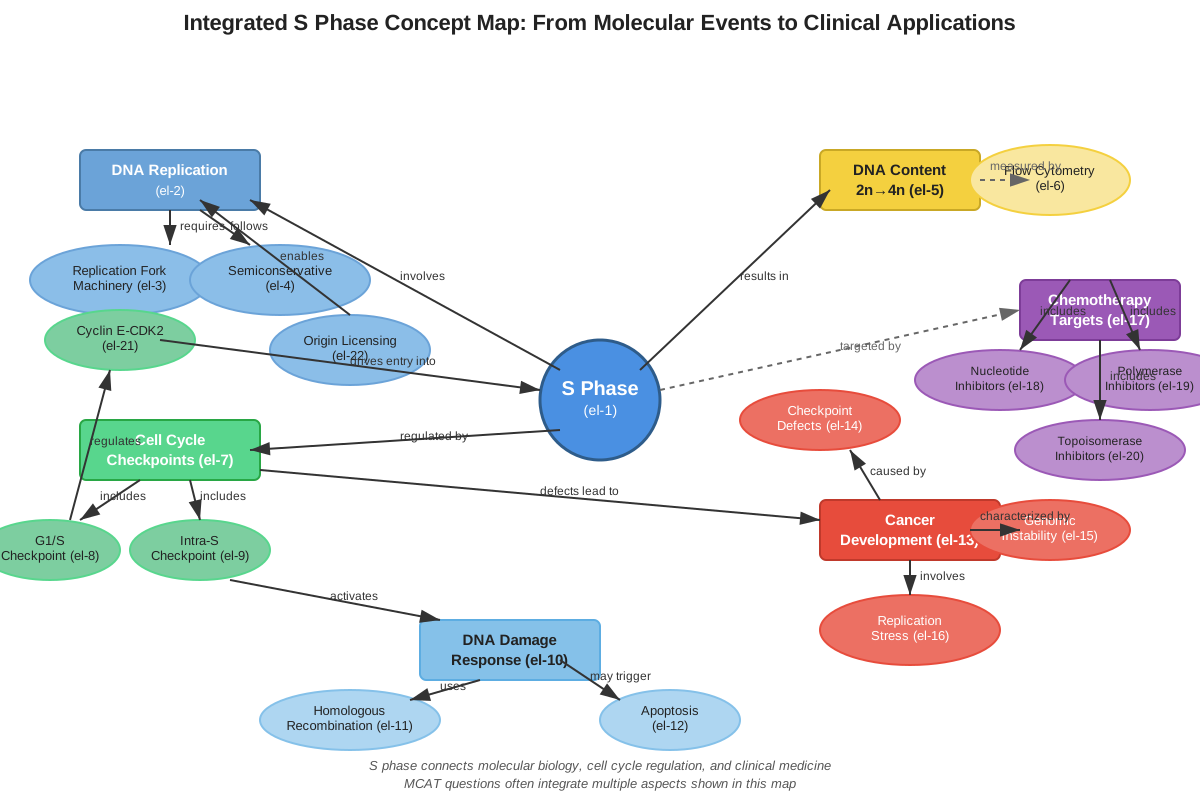
Overview
The S phase (synthesis phase) represents a critical period in the cell cycle during which DNA replication occurs, resulting in the duplication of the entire genome. This phase sits between the G1 and G2 phases of interphase and is fundamental to ensuring that each daughter cell receives a complete and accurate copy of genetic information during cell division. Understanding S phase Biology requires mastery of DNA replication mechanisms, checkpoint controls, and the molecular machinery that coordinates this highly regulated process.
For the MCAT, S phase appears frequently in questions testing Cell Biology concepts, particularly those involving the cell cycle, cancer biology, and molecular genetics. The MCAT expects students to understand not only what happens during S phase but also how errors in this phase contribute to disease states, how the cell monitors replication fidelity, and how various drugs and treatments target rapidly dividing cells. Questions may present experimental scenarios involving cell cycle analysis, flow cytometry data, or clinical vignettes about chemotherapeutic agents that specifically target S phase processes.
The S phase MCAT content connects to broader themes in Biology including DNA structure and replication, cell cycle regulation, cancer biology, and cellular responses to DNA damage. Mastery of S phase provides the foundation for understanding how cells maintain genomic integrity, how mutations arise and are corrected, and how disruptions in normal cell cycle progression lead to pathological conditions. This topic integrates molecular biology, genetics, and cellular physiology, making it a high-yield area for integrated MCAT questions that test multiple concepts simultaneously.
Learning Objectives
- [ ] Define S phase using accurate Biology terminology
- [ ] Explain why S phase matters for the MCAT
- [ ] Apply S phase to exam-style questions
- [ ] Identify common mistakes related to S phase
- [ ] Connect S phase to related Biology concepts
- [ ] Describe the molecular events and key proteins involved in DNA replication during S phase
- [ ] Analyze how S phase checkpoints prevent errors in DNA replication
- [ ] Predict the consequences of S phase dysregulation in normal and cancerous cells
- [ ] Interpret experimental data from cell cycle analysis techniques such as flow cytometry
Prerequisites
- DNA structure and organization: Understanding the double helix, complementary base pairing, and chromatin structure is essential because S phase involves replicating this entire structure
- Cell cycle overview: Knowledge of G1, S, G2, and M phases provides context for where S phase fits in the complete division cycle
- Basic enzyme function: Familiarity with how enzymes catalyze reactions helps in understanding DNA polymerases and other replication machinery
- Semiconservative replication: The fundamental principle that each new DNA molecule contains one original and one newly synthesized strand underlies all S phase processes
- Checkpoint concepts: General understanding of cellular quality control mechanisms provides framework for S phase-specific checkpoints
Why This Topic Matters
Clinical and Real-World Significance: S phase is the target of numerous cancer chemotherapy drugs because rapidly dividing cancer cells spend more time in S phase than normal cells. Agents like 5-fluorouracil, methotrexate, and hydroxyurea specifically interfere with DNA synthesis, making S phase knowledge essential for understanding oncology treatments. Additionally, genetic diseases involving DNA replication machinery (such as certain progeria syndromes) and the cellular response to radiation therapy all depend on S phase mechanisms. Understanding S phase also explains why certain tissues (bone marrow, intestinal epithelium, hair follicles) are particularly sensitive to chemotherapy—these tissues have high rates of cell division and thus many cells in S phase.
Exam Statistics and Frequency: S phase appears in approximately 3-5% of MCAT Biology questions, either as the primary focus or as part of integrated cell cycle questions. The topic most commonly appears in passages involving experimental cell biology (flow cytometry, cell synchronization experiments), cancer biology scenarios, or questions about DNA damage and repair. Discrete questions often test the relationship between DNA content and cell cycle phase, or ask students to predict the effects of drugs that target specific phases.
Common Exam Presentations: MCAT passages may present flow cytometry histograms showing DNA content distributions and ask students to identify which cells are in S phase (those with intermediate DNA content between 2N and 4N). Questions might describe experimental treatments that arrest cells in S phase or ask about the temporal sequence of events during replication. Clinical vignettes may present chemotherapy scenarios requiring students to explain why certain drugs specifically affect S phase cells. Integrated questions often combine S phase with topics like mutations, cancer, or cellular stress responses.
Core Concepts
Definition and Duration of S Phase
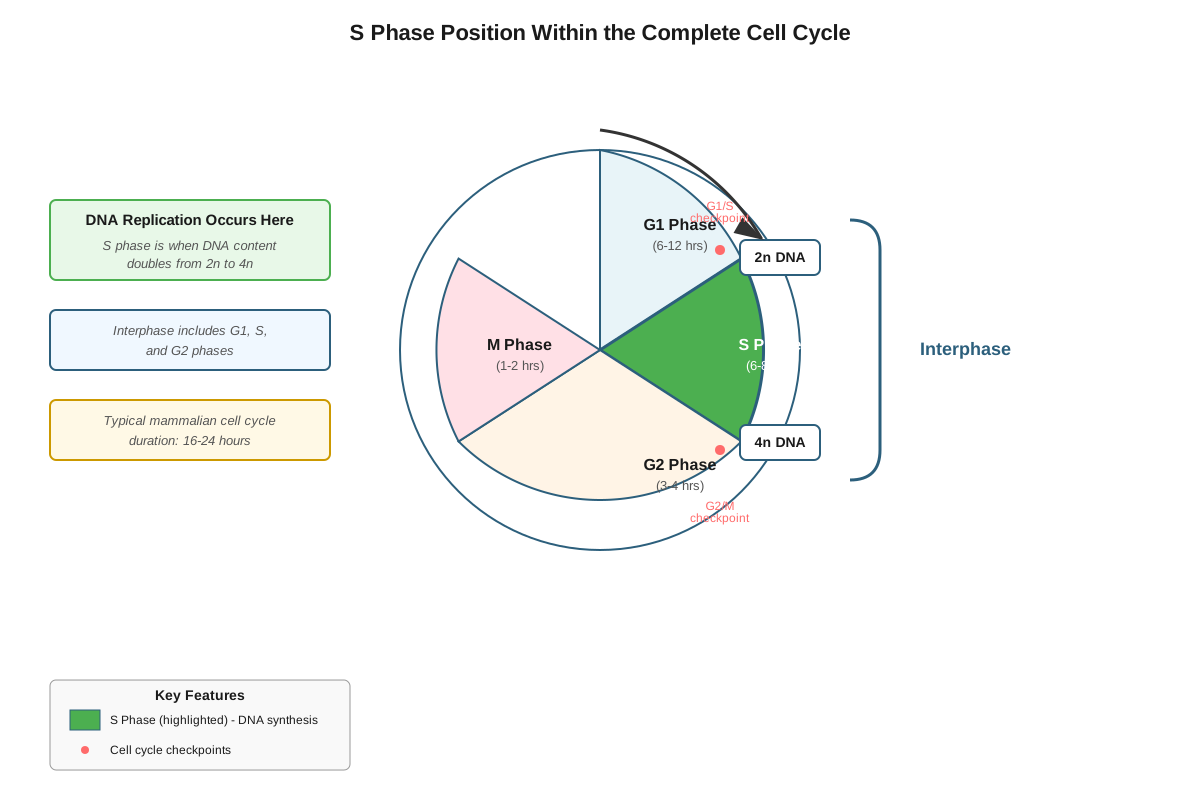
S phase (synthesis phase) is the portion of interphase during which DNA replication occurs, resulting in the duplication of all chromosomes in the nucleus. During this phase, the cell's DNA content increases from 2N (diploid) to 4N (tetraploid), though the chromosome number remains constant at 2N because sister chromatids remain joined at the centromere. The duration of S phase varies by cell type but typically lasts 6-8 hours in mammalian cells, representing approximately one-third to one-half of the total interphase duration.
The cell enters S phase only after passing the G1/S checkpoint (also called the restriction point or Start checkpoint), which ensures that conditions are favorable for DNA replication and that the cell has reached adequate size with sufficient resources. Once S phase begins, the cell is committed to completing the entire cell cycle through mitosis. The transition into S phase is marked by the activation of S-phase cyclin-CDK complexes (primarily cyclin E-CDK2 and cyclin A-CDK2), which phosphorylate target proteins necessary for initiating replication.
Molecular Mechanisms of DNA Replication in S Phase
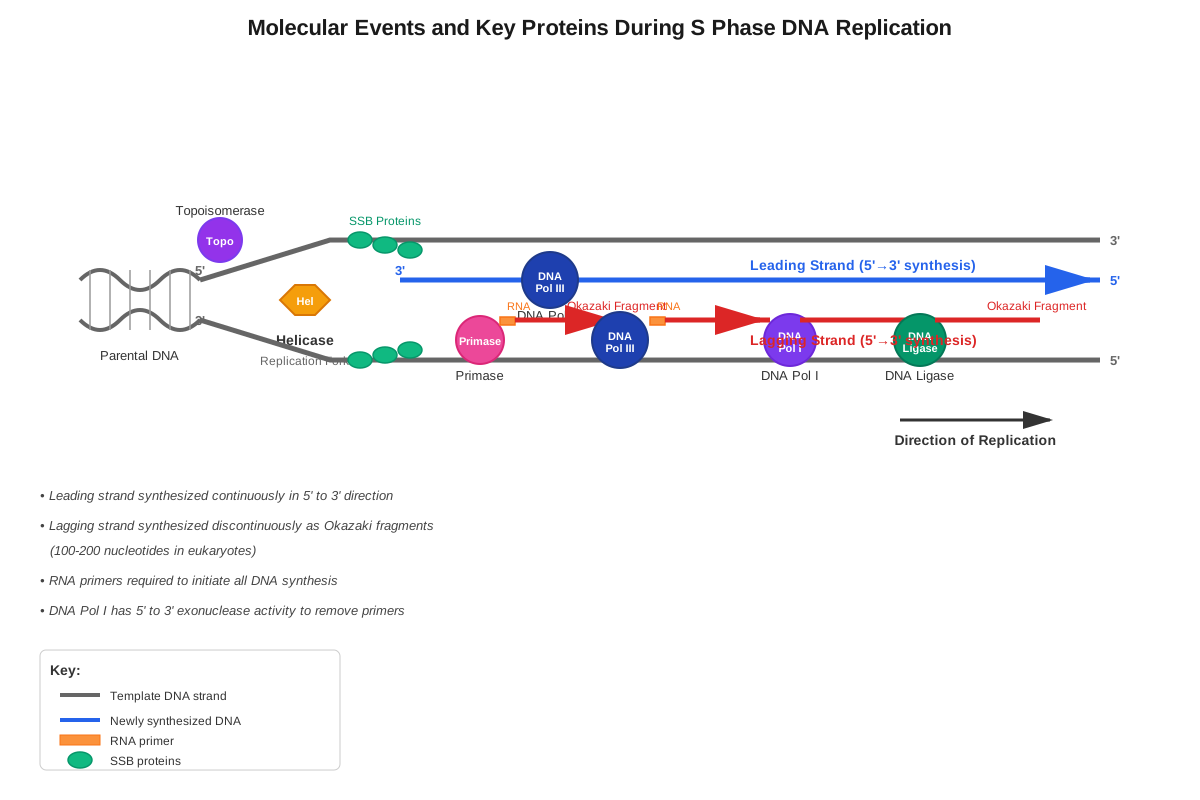
DNA replication during S phase follows the semiconservative model, where each strand of the parental DNA molecule serves as a template for synthesizing a new complementary strand. The process begins at multiple origins of replication distributed throughout the genome—mammalian cells have thousands of these origins to ensure the entire genome can be replicated within the S phase timeframe.
The key molecular players include:
- Origin Recognition Complex (ORC): Binds to origins of replication throughout the cell cycle
- MCM2-7 complex (minichromosome maintenance proteins): Loaded onto DNA during G1 phase; acts as the replicative helicase that unwinds DNA during S phase
- DNA polymerase α-primase: Synthesizes short RNA primers needed to initiate DNA synthesis
- DNA polymerase δ and ε: The main replicative polymerases that synthesize new DNA strands with high fidelity
- PCNA (proliferating cell nuclear antigen): A sliding clamp that tethers DNA polymerase to the template
- RPA (replication protein A): Single-strand DNA binding protein that prevents reannealing
- DNA ligase: Seals nicks between Okazaki fragments on the lagging strand
- Topoisomerases: Relieve tension created by unwinding the double helix
The replication process creates a replication fork that moves bidirectionally from each origin. The leading strand is synthesized continuously in the 5' to 3' direction, while the lagging strand is synthesized discontinuously as short Okazaki fragments (approximately 100-200 nucleotides in eukaryotes).
Replication Licensing and the Prevention of Re-replication
A critical feature of S phase regulation is ensuring that each chromosomal region is replicated exactly once—no more, no less. This is accomplished through a process called replication licensing. During G1 phase, the MCM2-7 helicase complex is loaded onto chromatin at origins of replication by licensing factors (CDC6 and CDT1), creating a "licensed" origin ready for replication.
When S phase begins, CDK activity triggers the firing of licensed origins, but simultaneously prevents new licensing from occurring. This is achieved through multiple mechanisms:
- CDK-mediated phosphorylation of CDC6 and CDT1 targets them for degradation
- Geminin protein accumulates during S/G2 and directly inhibits CDT1
- MCM2-7 export from the nucleus after origin firing prevents re-licensing
These redundant mechanisms ensure genomic stability by preventing re-replication, which would lead to gene amplification and chromosomal abnormalities. Cancer cells often have defects in these licensing controls, contributing to genomic instability.
S Phase Checkpoints and Quality Control
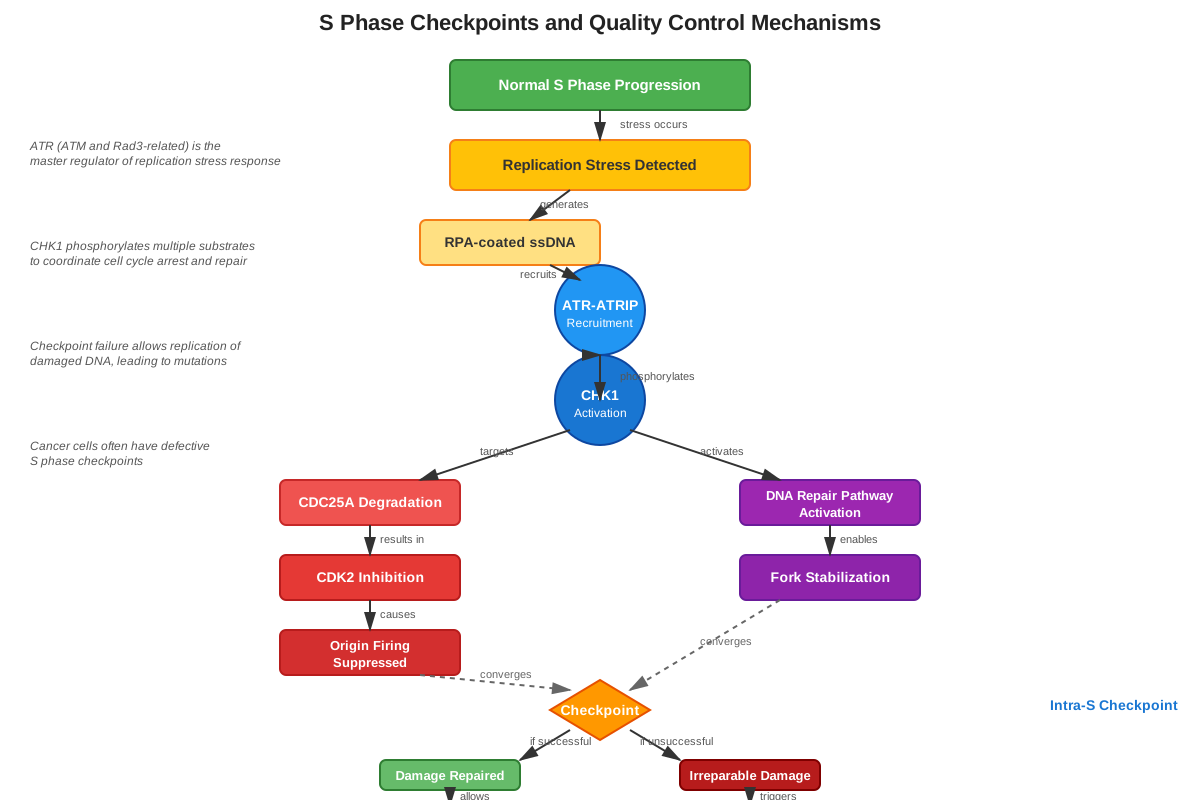
The intra-S checkpoint (also called the S phase checkpoint or replication checkpoint) monitors DNA replication and responds to replication stress or DNA damage during S phase. This checkpoint serves several functions:
Detection mechanisms:
- ATR (ATM and Rad3-related) kinase: The primary sensor of replication stress; activated by RPA-coated single-stranded DNA at stalled replication forks
- ATM (ataxia telangiectasia mutated) kinase: Responds to double-strand breaks that may occur during replication
Checkpoint responses:
- Slowing of S phase progression: Reduces the rate of origin firing to prevent overwhelming the repair machinery
- Stabilization of stalled replication forks: Prevents fork collapse and maintains the replication machinery at sites of damage
- Activation of DNA repair pathways: Recruits repair proteins to sites of damage
- Cell cycle arrest: In cases of severe damage, prevents progression to G2/M until repairs are complete
- Apoptosis: If damage is irreparable, triggers programmed cell death
The checkpoint effectors include CHK1 and CHK2 kinases, which phosphorylate downstream targets including p53, CDC25 phosphatases, and various DNA repair proteins. This checkpoint is crucial for maintaining genomic integrity and preventing the transmission of mutations to daughter cells.
Chromatin Dynamics During S Phase
DNA replication requires not only copying the DNA sequence but also replicating the chromatin structure, including histones and their modifications. During S phase, histone synthesis increases dramatically to provide sufficient histones for packaging newly replicated DNA. The cell must coordinate:
- Parental histone distribution: Old histones are distributed to both daughter strands, carrying epigenetic information
- New histone deposition: Newly synthesized histones are incorporated into chromatin behind the replication fork
- Chromatin maturation: Histone modifications are re-established to maintain epigenetic patterns
Chromatin assembly factors like CAF-1 (chromatin assembly factor 1) work with PCNA at replication forks to deposit new histones onto replicated DNA. This process is essential for maintaining cellular identity through cell divisions, as epigenetic marks help determine which genes are active in different cell types.
Heterochromatin Replication Timing
Not all genomic regions replicate simultaneously during S phase. Euchromatin (gene-rich, transcriptionally active regions) generally replicates early in S phase, while heterochromatin (gene-poor, transcriptionally silent regions) replicates late. This replication timing is highly regulated and correlates with:
- Gene expression patterns
- Chromatin accessibility
- Nuclear organization (early-replicating regions are typically in the nuclear interior)
- Evolutionary conservation
The mechanisms controlling replication timing involve the temporal activation of different origins of replication throughout S phase. Early origins fire at the beginning of S phase, while late origins remain dormant until later. This temporal program is established during G1 phase and is maintained through epigenetic mechanisms.
S Phase and Cancer
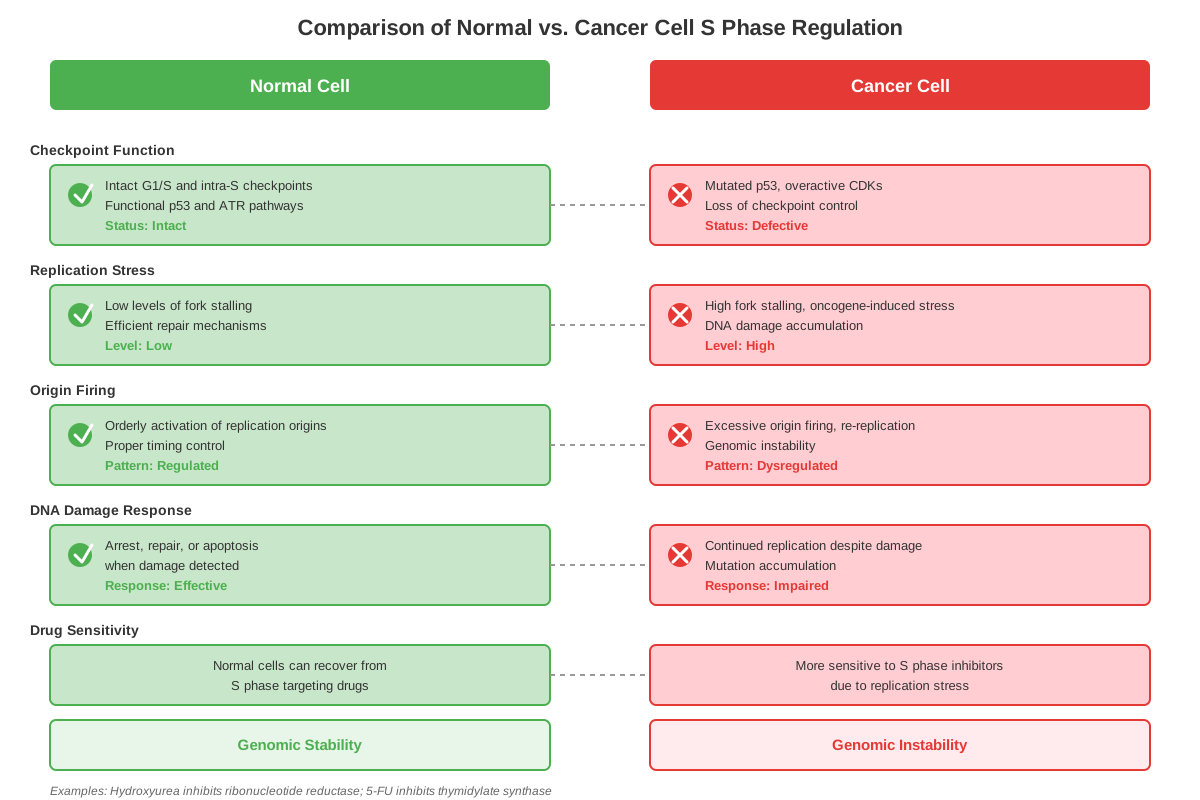
Dysregulation of S phase control is a hallmark of cancer cells. Common alterations include:
| Alteration | Consequence | Example |
|---|---|---|
| Loss of checkpoint function | Continued replication despite DNA damage | p53 mutations (>50% of cancers) |
| Overexpression of S phase cyclins | Premature or uncontrolled S phase entry | Cyclin E overexpression in breast cancer |
| Defective licensing control | Re-replication and gene amplification | Geminin loss in various cancers |
| Increased origin firing | Replication stress and genomic instability | Oncogene-induced replication stress |
| Impaired fork stabilization | Chromosome breaks and rearrangements | BRCA1/2 mutations |
These defects contribute to the genomic instability characteristic of cancer cells and also create vulnerabilities that can be exploited therapeutically. Many chemotherapy drugs specifically target S phase processes, taking advantage of the fact that cancer cells divide more frequently than most normal cells.
Concept Relationships
S phase exists within the larger framework of the cell cycle, specifically as the middle portion of interphase (G1 → S → G2 → M). The cell's decision to enter S phase is controlled by G1/S checkpoint mechanisms, which integrate signals about cell size, nutrient availability, growth factors, and DNA integrity. Once the checkpoint is passed, cyclin-CDK complexes drive the transition into S phase by phosphorylating proteins involved in replication initiation.
Within S phase itself, replication licensing (established in G1) → origin firing (beginning of S) → replication fork progression → checkpoint surveillance (throughout S) → completion of replication (end of S) represents the temporal sequence. The intra-S checkpoint operates in parallel with replication, constantly monitoring for problems and modulating the process accordingly.
S phase connects forward to G2 phase and mitosis, as the duplicated chromosomes created during S phase must be properly segregated during M phase. Errors in S phase (incomplete replication, DNA damage, re-replication) can trigger G2/M checkpoint arrest, preventing cells with damaged or incompletely replicated DNA from entering mitosis.
The molecular mechanisms of S phase link to DNA repair pathways (which fix errors made during replication), chromatin biology (which maintains epigenetic information through cell divisions), and cancer biology (as S phase dysregulation is a common feature of malignancy). Understanding S phase also requires knowledge of enzyme kinetics and regulation (for DNA polymerases and checkpoint kinases) and signal transduction (for checkpoint pathways).
High-Yield Facts
⭐ S phase is the portion of interphase when DNA replication occurs, increasing DNA content from 2N to 4N while chromosome number remains 2N
⭐ The intra-S checkpoint (mediated primarily by ATR kinase) detects replication stress and DNA damage, slowing S phase progression and stabilizing stalled replication forks
⭐ Replication licensing ensures each chromosomal region replicates exactly once per cell cycle; licensing occurs in G1, while CDK activity during S phase prevents re-licensing
⭐ Euchromatin (gene-rich regions) replicates early in S phase, while heterochromatin (gene-poor regions) replicates late
⭐ Many chemotherapy drugs specifically target S phase processes (e.g., 5-fluorouracil, methotrexate, hydroxyurea) because cancer cells spend more time in S phase than normal cells
- DNA polymerase δ synthesizes the lagging strand while DNA polymerase ε synthesizes the leading strand in eukaryotes
- PCNA (proliferating cell nuclear antigen) serves as a sliding clamp that tethers DNA polymerase to the template and also recruits other replication and repair factors
- The MCM2-7 complex functions as the replicative helicase that unwinds DNA at replication forks during S phase
- Cyclin A-CDK2 is the primary cyclin-CDK complex active during S phase, while cyclin E-CDK2 drives the G1/S transition
- Geminin protein accumulates during S and G2 phases to prevent re-licensing of replication origins by inhibiting CDT1
- Flow cytometry can distinguish cells in S phase by their intermediate DNA content (between 2N and 4N)
- Hydroxyurea arrests cells in S phase by inhibiting ribonucleotide reductase, depleting dNTP pools needed for DNA synthesis
- The duration of S phase (typically 6-8 hours in mammalian cells) is relatively constant compared to G1, which varies greatly depending on cell type and conditions
Quick check — test yourself on S phase so far.
Try Flashcards →Common Misconceptions
Misconception: S phase is when chromosomes condense and become visible.
Correction: Chromosome condensation occurs during prophase of mitosis (M phase), not during S phase. During S phase, DNA exists as loosely packed chromatin, not condensed chromosomes. The confusion arises because students sometimes conflate "DNA synthesis" with "chromosome formation," but chromosomes as visible structures only appear during mitosis.
Misconception: After S phase, the cell has twice as many chromosomes.
Correction: After S phase, the cell has the same number of chromosomes (2N in diploid cells) but twice as much DNA (4N). Each chromosome now consists of two sister chromatids joined at the centromere. The chromosome number only changes during meiosis I (reduction division) or after mitosis is complete (when sister chromatids separate and are counted as individual chromosomes in daughter cells).
Misconception: All DNA in the cell replicates simultaneously during S phase.
Correction: DNA replication occurs in a temporally regulated manner throughout S phase. Early-replicating regions (typically euchromatin) replicate at the beginning of S phase, while late-replicating regions (typically heterochromatin) replicate toward the end. This replication timing is highly regulated and correlates with gene expression patterns and chromatin structure.
Misconception: S phase checkpoints only detect DNA damage.
Correction: The intra-S checkpoint responds to both DNA damage and replication stress (problems with the replication process itself, such as stalled forks, nucleotide depletion, or conflicts between replication and transcription). Replication stress can occur even without exogenous DNA damage and is particularly common in cancer cells with oncogene activation.
Misconception: Cells can skip S phase if they don't need to divide.
Correction: Cells that don't need to divide exit the cell cycle into G0 (quiescence), not by skipping S phase. A cell cannot proceed through mitosis without completing S phase because it would lack sufficient DNA to distribute to daughter cells. The decision to divide or not is made at the G1/S checkpoint; once past this point, the cell is committed to completing S, G2, and M phases.
Misconception: DNA polymerase can initiate DNA synthesis de novo.
Correction: DNA polymerases cannot start synthesis from scratch; they require a primer with a 3'-OH group to extend. During S phase, primase (part of the DNA polymerase α-primase complex) synthesizes short RNA primers that provide the 3'-OH needed for DNA polymerase to begin synthesis. This is why Okazaki fragments on the lagging strand each begin with an RNA primer that must later be removed and replaced with DNA.
Misconception: S phase drugs kill cancer cells immediately.
Correction: S phase-specific chemotherapy drugs typically don't kill cells immediately. Instead, they interfere with DNA replication, causing replication fork stalling, DNA damage, or nucleotide depletion. This triggers checkpoint activation, which may lead to cell cycle arrest and eventually apoptosis, but this process takes time. Additionally, these drugs only affect cells that are actively in S phase, so multiple treatment cycles are needed to catch different populations of cancer cells as they enter S phase.
Worked Examples
Example 1: Flow Cytometry Analysis
Question: Researchers use flow cytometry to analyze a population of cultured cells. The histogram shows DNA content on the x-axis and cell number on the y-axis. Three peaks are visible: a large peak at 2N DNA content, a smaller peak at 4N DNA content, and a region of intermediate values between them. After treating cells with hydroxyurea for 12 hours, the 2N peak disappears, the intermediate region becomes much larger, and the 4N peak becomes very small. Explain these results.
Solution:
Step 1: Interpret the initial histogram
- The 2N peak represents cells in G1 phase (diploid DNA content)
- The 4N peak represents cells in G2/M phase (replicated DNA, not yet divided)
- The intermediate region represents cells in S phase (actively replicating DNA, so DNA content is between 2N and 4N)
Step 2: Understand the drug mechanism
Hydroxyurea inhibits ribonucleotide reductase, the enzyme that converts ribonucleotides to deoxyribonucleotides (dNTPs). Without sufficient dNTPs, DNA synthesis cannot proceed, causing S phase arrest.
Step 3: Predict the effects
- Cells in G1 at the time of treatment will enter S phase (because they've already passed the G1/S checkpoint) but will stall once dNTP pools are depleted
- Cells already in S phase will stall immediately
- Cells in G2/M will complete mitosis and enter G1, then proceed into S phase where they will stall
Step 4: Explain the observed results
After 12 hours:
- The 2N peak disappears because G1 cells have entered S phase and stalled there
- The intermediate region (S phase) becomes much larger as cells accumulate in S phase
- The 4N peak becomes very small because G2/M cells completed division and their daughter cells entered S phase where they stalled
Key concept: This example demonstrates that flow cytometry can distinguish cell cycle phases based on DNA content, and that S phase-specific drugs cause accumulation of cells with intermediate DNA content. This is a common experimental approach in cell biology research and a high-yield MCAT topic.
Example 2: Cancer Therapy Rationale
Question: A patient with rapidly growing colon cancer is treated with 5-fluorouracil (5-FU), a drug that inhibits thymidylate synthase, blocking the synthesis of thymine nucleotides. The oncologist explains that this drug specifically targets rapidly dividing cells. However, the patient experiences side effects including hair loss, mouth sores, and decreased blood cell counts. Explain: (a) Why 5-FU preferentially affects cancer cells, (b) Why these specific side effects occur, and (c) What this reveals about S phase in different cell populations.
Solution:
Part (a): Why 5-FU preferentially affects cancer cells
Cancer cells divide much more frequently than most normal cells, meaning a higher proportion of cancer cells are in S phase at any given time. Since 5-FU blocks thymine synthesis, it specifically affects cells attempting to replicate DNA during S phase. The "growth fraction" (proportion of cells actively cycling) is much higher in tumors than in most normal tissues.
Mathematical reasoning: If 30% of cancer cells are in S phase at any time versus 1% of normal cells, the cancer cells are 30 times more likely to be affected by an S phase-specific drug during a given treatment window.
Part (b): Why these specific side effects occur
The side effects reflect damage to normal tissues with high cell turnover rates:
- Hair loss: Hair follicle cells divide rapidly to produce growing hair; S phase-specific drugs damage these dividing cells
- Mouth sores: The epithelial lining of the mouth turns over every 7-14 days, requiring constant cell division
- Decreased blood counts: Bone marrow stem cells continuously divide to replace blood cells (RBCs live ~120 days, WBCs hours to days, platelets ~10 days)
These tissues are collateral damage because, although they divide less frequently than cancer cells, they still have relatively high growth fractions compared to tissues like muscle or neurons.
Part (c): What this reveals about S phase in different cell populations
This scenario demonstrates several key principles:
- S phase frequency correlates with tissue turnover rate: Tissues that must constantly replace cells have more cells in S phase
- Therapeutic window: The difference in S phase frequency between cancer and normal cells creates a therapeutic window, but it's not absolute
- Cell cycle kinetics matter: The effectiveness and toxicity of S phase-specific drugs depend on the proportion of cells in S phase in different tissues
- Selectivity is relative, not absolute: S phase-specific drugs don't exclusively target cancer cells; they target all rapidly dividing cells, but cancer cells are affected disproportionately
Key concept: This example integrates S phase biology with pharmacology and clinical medicine, demonstrating why understanding cell cycle phases is essential for medical practice. It also illustrates that the MCAT expects students to apply basic science knowledge to clinical scenarios.
Exam Strategy
Approaching S Phase Questions:
When encountering S phase questions on the MCAT, first identify what aspect is being tested: (1) basic definition and timing, (2) molecular mechanisms, (3) checkpoints and regulation, or (4) clinical applications. Most questions will integrate S phase with other concepts, so look for connections to DNA replication, cell cycle regulation, or cancer biology.
Trigger Words and Phrases:
- "DNA synthesis" or "DNA replication" → immediately think S phase
- "Intermediate DNA content" or "between 2N and 4N" → cells in S phase
- "Hydroxyurea," "5-fluorouracil," or "methotrexate" → S phase-specific drugs
- "Replication stress" or "stalled replication fork" → intra-S checkpoint
- "Licensing" or "re-replication" → S phase entry control
- "Flow cytometry" or "DNA content analysis" → likely testing ability to identify S phase cells
- "Rapidly dividing cells" in a cancer context → high proportion in S phase
Process of Elimination Tips:
- DNA content questions: Remember that S phase cells have DNA content between 2N and 4N. Eliminate answers suggesting 2N (G1) or 4N (G2/M) if the question describes intermediate values.
- Checkpoint questions: If a question asks about responses to replication problems during S phase, eliminate answers involving p53 alone (p53 is important but acts downstream of ATR/ATM) or answers suggesting immediate apoptosis (checkpoint activation first attempts to repair damage).
- Drug mechanism questions: For S phase-specific drugs, eliminate answers suggesting they affect all cells equally or that they work by preventing mitosis (that's M phase-specific drugs like taxanes or vinca alkaloids).
- Timing questions: If asked about the sequence of events, remember: licensing (G1) → origin firing (early S) → replication fork progression (throughout S) → completion (late S). Eliminate answers that place licensing during S phase itself.
Time Allocation:
S phase questions are typically medium difficulty and should take 60-90 seconds for discrete questions, or proportionally longer for passage-based questions. Don't get bogged down in excessive molecular detail unless the question specifically asks for it. Focus on the functional significance and relationships between concepts. If a question seems to require detailed knowledge of specific proteins beyond the major players (DNA polymerases, MCM2-7, PCNA, ATR), consider whether you're overthinking it—the MCAT typically tests principles rather than exhaustive molecular details.
Common Question Formats:
- Experimental interpretation (flow cytometry, cell synchronization)
- Drug mechanism and selectivity
- Comparison of normal vs. cancer cell cycle kinetics
- Checkpoint activation and consequences
- Relationship between DNA content and cell cycle phase
Memory Techniques
Mnemonic for S Phase Key Features - "DRILLS":
- DNA replication occurs
- Replication licensing prevents re-replication
- Intermediate DNA content (2N to 4N)
- Licensing established in G1, firing in S
- Late and early replication timing
- Synthesis of histones increases
Mnemonic for Major S Phase Proteins - "My Polymerase Can Really Perform":
- MCM2-7 (helicase)
- Polymerase δ and ε (main replicative polymerases)
- CDK2 (with cyclin A/E, drives S phase)
- RPA (single-strand binding protein)
- PCNA (sliding clamp)
Visualization Strategy for DNA Content:
Picture a histogram with three regions:
- Left peak (2N): A crowd of cells waiting at the "G1 gate"
- Middle slope (2N-4N): Cells climbing a hill labeled "S phase" - they're at various heights (DNA contents) as they climb
- Right peak (4N): Cells at the "G2/M summit" ready to divide
When drugs arrest cells in S phase, visualize the middle slope becoming crowded with stuck climbers, while the peaks shrink.
Acronym for Checkpoint Response - "SSARA":
- Slow S phase progression
- Stabilize stalled forks
- Activate repair pathways
- Restrict cell cycle progression
- Apoptosis if irreparable
Memory Hook for Replication Timing:
"Early birds get the Euchromatin" - Euchromatin (gene-rich, active) replicates early in S phase
"Heterochromatin Hangs back" - Heterochromatin (gene-poor, silent) replicates late in S phase
Conceptual Anchor:
Think of S phase as a "copy machine phase" - the cell is making photocopies of its entire instruction manual (genome). Just as you'd want quality control on a copy machine (checking for paper jams, toner levels, copy accuracy), the cell has checkpoints monitoring replication. And just as a busy office uses the copy machine more than a quiet one, rapidly dividing cells (cancer, bone marrow, intestinal epithelium) spend more time in this "copying" phase.
Summary
S phase is the critical period of interphase during which DNA replication occurs, increasing cellular DNA content from 2N to 4N while maintaining chromosome number at 2N. This phase is tightly regulated through licensing mechanisms that ensure each chromosomal region replicates exactly once, checkpoint systems that monitor replication fidelity and respond to replication stress, and temporal programs that coordinate early and late replication of different genomic regions. The molecular machinery of S phase includes DNA polymerases δ and ε, the MCM2-7 helicase complex, PCNA, and numerous accessory factors that work together at replication forks. The intra-S checkpoint, mediated primarily by ATR kinase, detects problems during replication and coordinates responses including fork stabilization, repair pathway activation, and cell cycle arrest. Dysregulation of S phase control is a hallmark of cancer, making S phase processes important targets for chemotherapy. Understanding S phase requires integrating knowledge of DNA replication mechanisms, cell cycle regulation, checkpoint control, and clinical applications, making it a high-yield topic for MCAT preparation that frequently appears in both discrete questions and integrated passages.
Key Takeaways
- S phase is defined by DNA replication, increasing DNA content from 2N to 4N while chromosome number remains constant at 2N
- Replication licensing (established in G1, prevented during S/G2) ensures each chromosomal region replicates exactly once per cell cycle
- The intra-S checkpoint (ATR-mediated) monitors replication and responds to replication stress by slowing S phase, stabilizing forks, and activating repair
- Euchromatin replicates early in S phase while heterochromatin replicates late, reflecting differences in chromatin structure and gene activity
- S phase-specific chemotherapy drugs (5-FU, methotrexate, hydroxyurea) preferentially affect rapidly dividing cancer cells but also damage normal tissues with high turnover rates
- Flow cytometry distinguishes S phase cells by their intermediate DNA content between 2N and 4N
- Dysregulation of S phase control (checkpoint loss, licensing defects, excessive origin firing) contributes to genomic instability in cancer
Related Topics
G1/S Checkpoint (Restriction Point): The decision point where cells commit to entering S phase; understanding this checkpoint is essential for comprehending how cells regulate entry into S phase and how cancer cells bypass normal growth controls.
DNA Repair Mechanisms: Various repair pathways (base excision repair, nucleotide excision repair, mismatch repair, homologous recombination) fix errors that occur during S phase; mastering these pathways explains how cells maintain genomic integrity.
Cell Cycle Regulation: The broader context of cyclins, CDKs, and checkpoint controls throughout G1, S, G2, and M phases; S phase cannot be fully understood without this framework.
Cancer Biology: Oncogenes and tumor suppressors often affect S phase entry and progression; understanding S phase enables deeper comprehension of how cancer cells acquire uncontrolled proliferation.
Mitosis: The M phase that follows S phase; understanding how replicated chromosomes (created in S phase) are segregated during mitosis completes the cell division picture.
DNA Structure and Replication: The molecular details of DNA polymerases, replication forks, and semiconservative replication provide the mechanistic foundation for understanding S phase.
Apoptosis: The programmed cell death pathway often triggered when S phase checkpoints detect irreparable damage; understanding this connection explains how checkpoint dysfunction contributes to cancer.
Practice CTA
Now that you've mastered the core concepts of S phase, it's time to reinforce your understanding through active practice. Attempt the practice questions and flashcards associated with this topic to test your ability to apply these concepts in exam-style scenarios. Focus particularly on integrating S phase knowledge with related topics like cell cycle regulation, DNA replication, and cancer biology—this integration is exactly what the MCAT tests. Remember, understanding S phase isn't just about memorizing facts; it's about building a conceptual framework that allows you to reason through novel scenarios. Each practice question you work through strengthens your ability to think like a scientist and physician, which is the ultimate goal of MCAT preparation. You've got this!
Sign up free to keep reading
Create a free AnvayaPrep account to finish this MCAT guide on S phase — plus flashcards and practice questions.