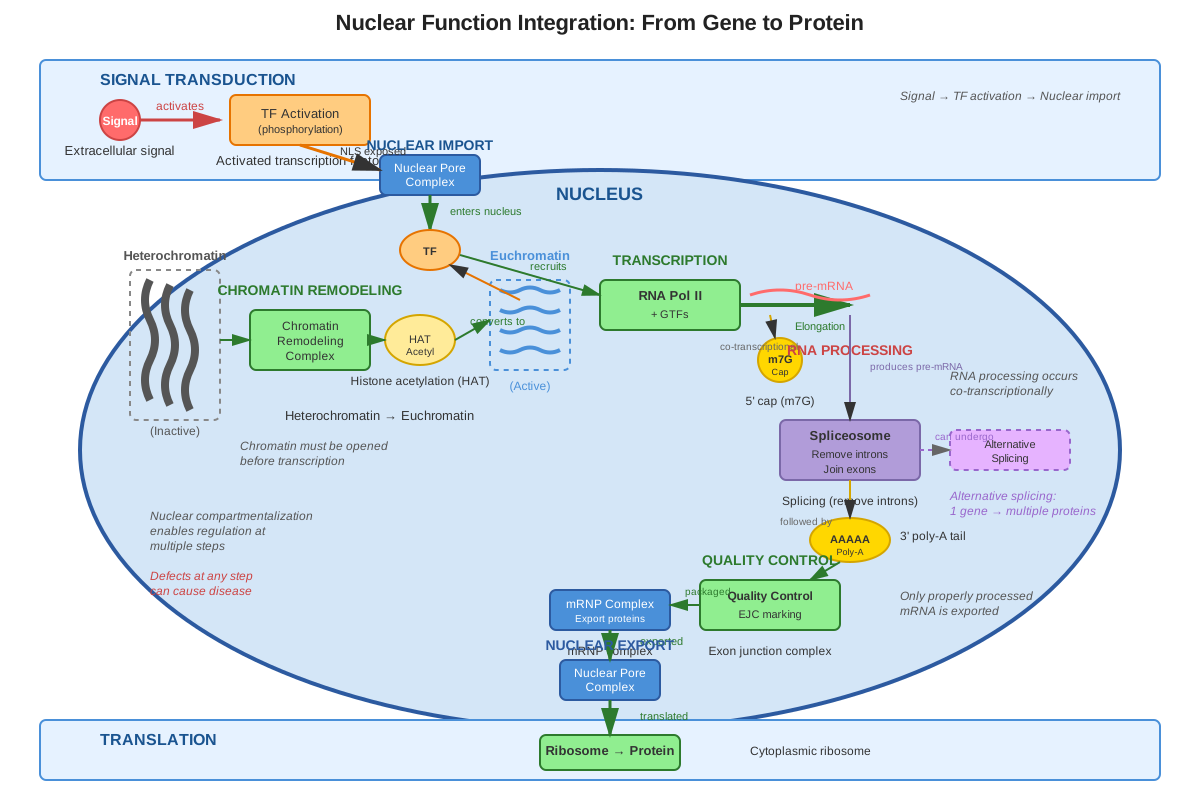
Overview
The nucleus is the defining organelle of eukaryotic cells, serving as the command center that houses, protects, and regulates access to the cell's genetic material. This membrane-bound structure contains the vast majority of cellular DNA organized into chromosomes, along with the molecular machinery necessary for DNA replication, transcription, and RNA processing. Understanding nuclear structure and function is fundamental to Cell Biology and represents a cornerstone concept for the MCAT, as it connects to virtually every major biological process tested on the exam—from gene expression and cell division to cancer biology and genetic disorders.
For MCAT preparation, the nucleus represents more than just an isolated organelle; it serves as the conceptual hub linking molecular biology, genetics, and cellular physiology. Questions involving the nucleus frequently appear in both passage-based and discrete formats, testing not only structural knowledge but also functional understanding of how nuclear processes regulate cellular behavior. The Nucleus MCAT content spans multiple disciplines tested on the exam, including the biological and biochemical foundations of living systems, making it a medium-to-high yield topic that warrants thorough understanding.
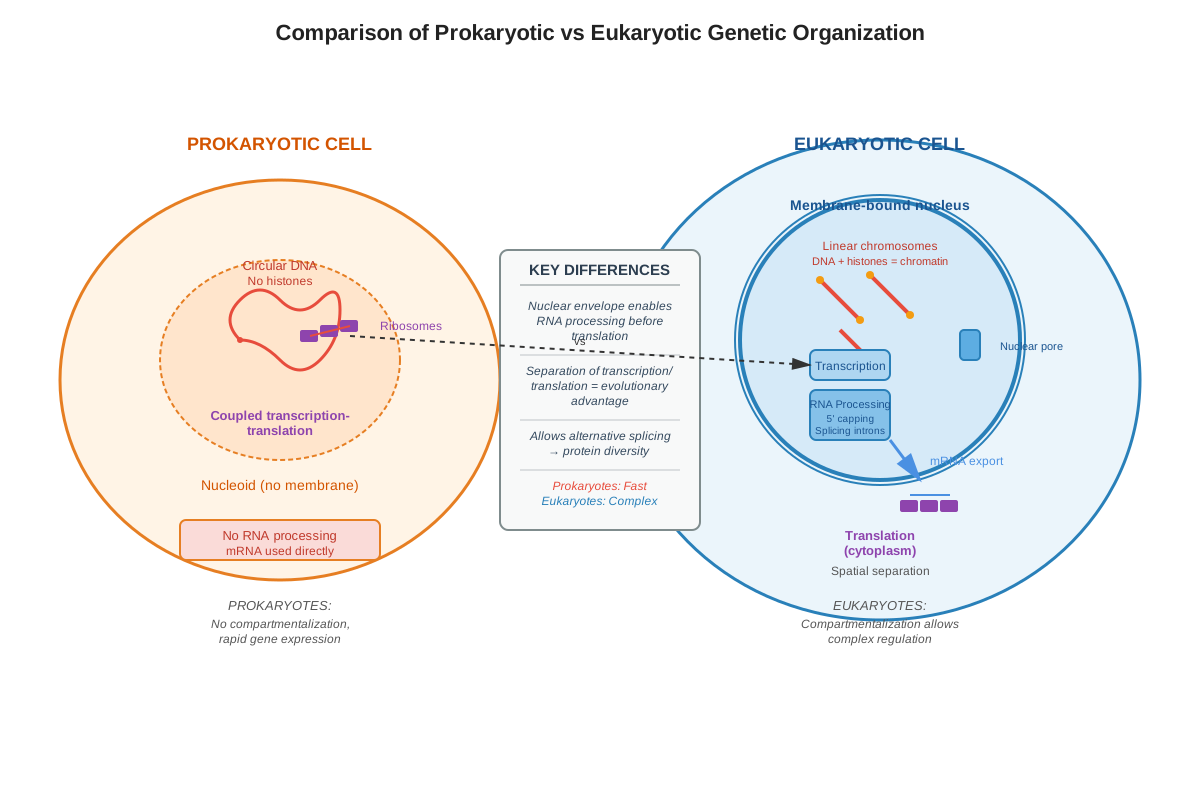
The nucleus exemplifies the principle of compartmentalization in Biology—the evolutionary advantage of separating transcription from translation, allowing for sophisticated gene regulation through RNA processing. This spatial separation between DNA storage (nucleus) and protein synthesis (cytoplasm) enables eukaryotic cells to achieve complexity far beyond prokaryotic organisms. Mastering nuclear biology provides the foundation for understanding cell cycle regulation, signal transduction pathways that terminate in the nucleus, epigenetics, and the molecular basis of numerous diseases, all of which are testable concepts on the MCAT.
Learning Objectives
- [ ] Define Nucleus using accurate Biology terminology
- [ ] Explain why Nucleus matters for the MCAT
- [ ] Apply Nucleus to exam-style questions
- [ ] Identify common mistakes related to Nucleus
- [ ] Connect Nucleus to related Biology concepts
- [ ] Describe the structure and function of each nuclear component (nuclear envelope, nucleolus, chromatin, nuclear pores)
- [ ] Explain the mechanisms of nucleocytoplasmic transport and its regulation
- [ ] Analyze how nuclear structure relates to gene expression and cell cycle control
Prerequisites
- Basic cell structure: Understanding the distinction between prokaryotic and eukaryotic cells is essential, as the nucleus is the defining feature of eukaryotes
- DNA structure: Knowledge of DNA double helix, base pairing, and chromatin organization provides context for how genetic material is packaged within the nucleus
- Central Dogma: Familiarity with DNA → RNA → protein flow is necessary to understand the nucleus as the site of transcription and RNA processing
- Membrane structure: Understanding phospholipid bilayers and membrane proteins helps explain the nuclear envelope's selective permeability
- Basic protein structure: Knowledge of protein domains and targeting sequences is relevant for understanding nuclear import/export mechanisms
Why This Topic Matters
Clinical and Real-World Significance
Nuclear dysfunction underlies numerous human diseases, making this topic clinically relevant for future physicians. Cancer frequently involves mutations in genes encoding nuclear proteins that regulate cell division, such as p53 (the "guardian of the genome") which normally resides in the nucleus and controls cell cycle checkpoints. Laminopathies—diseases caused by mutations in nuclear envelope proteins called lamins—result in conditions ranging from muscular dystrophy to premature aging syndromes like Hutchinson-Gilford progeria. Understanding nuclear structure also explains how viruses like HIV exploit nuclear import machinery to integrate their genetic material into host chromosomes, and how certain toxins and drugs target nuclear processes to exert their effects.
MCAT Exam Statistics and Question Types
The nucleus appears in approximately 5-8% of MCAT Biology questions, with representation across multiple question formats. Passage-based questions often present experimental scenarios involving nuclear transport, gene expression regulation, or cell cycle control, requiring students to interpret data about nuclear processes. Discrete questions frequently test structural knowledge, asking students to identify nuclear components or predict the consequences of nuclear dysfunction. The topic integrates seamlessly with biochemistry content, particularly in questions about transcription factors, chromatin remodeling, and signal transduction pathways that culminate in nuclear events.
Common Exam Contexts
MCAT passages commonly present the nucleus in several contexts: (1) experimental manipulation of nuclear import/export to study protein localization; (2) cancer biology passages discussing mutations affecting nuclear proteins involved in cell cycle regulation; (3) developmental biology scenarios exploring how nuclear organization changes during differentiation; (4) molecular biology experiments involving chromatin structure and gene expression; and (5) comparative biology questions contrasting prokaryotic and eukaryotic gene regulation. Recognition of these patterns helps students quickly orient themselves when encountering nucleus-related content.
Core Concepts
Nuclear Envelope Structure
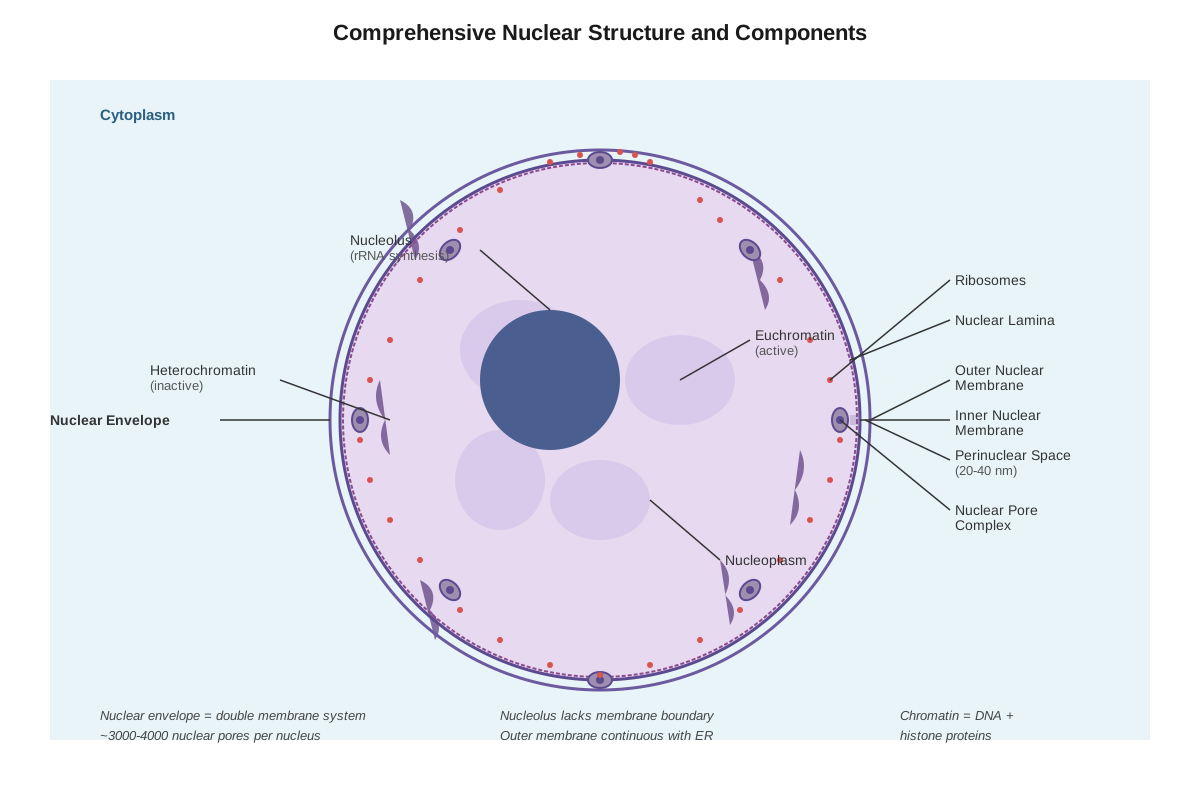
The nuclear envelope consists of two concentric phospholipid bilayers—the inner nuclear membrane (INM) and outer nuclear membrane (ONM)—separated by a 20-40 nm perinuclear space. This double-membrane system distinguishes the nucleus from other organelles and creates a selective barrier between the nucleoplasm and cytoplasm. The ONM is continuous with the endoplasmic reticulum (ER), making the perinuclear space contiguous with the ER lumen. This structural continuity explains why ribosomes often stud the ONM, giving it a rough appearance similar to rough ER.
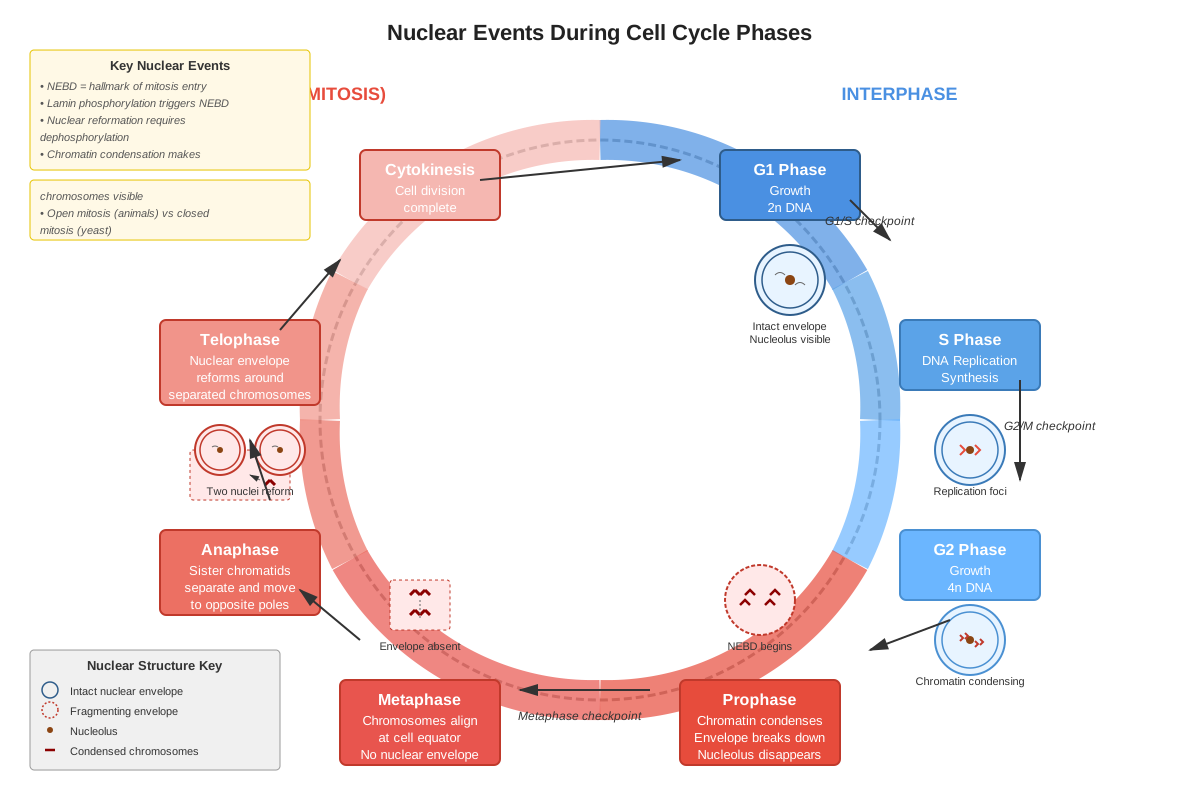
The INM contains unique integral membrane proteins, including lamins and lamin-associated proteins, that provide structural support and anchor chromatin to the nuclear periphery. Lamins are intermediate filament proteins that form a meshwork called the nuclear lamina, which lines the inner surface of the nuclear envelope. This lamina maintains nuclear shape, provides mechanical stability, and plays crucial roles in chromatin organization, DNA replication, and cell division. During mitosis in most animal cells, the nuclear envelope disassembles as lamins are phosphorylated, allowing chromosomes to interact with spindle microtubules.
Nuclear Pore Complexes
Nuclear pore complexes (NPCs) are massive protein assemblies (~125 MDa, composed of ~30 different proteins called nucleoporins) that perforate the nuclear envelope at sites where the INM and ONM fuse. Each mammalian nucleus contains 3,000-4,000 NPCs, creating channels approximately 9 nm in diameter for passive diffusion and up to 39 nm for active transport. These structures exhibit octagonal symmetry and consist of three main components: the cytoplasmic filaments, the central channel, and the nuclear basket.
NPCs regulate all molecular traffic between nucleus and cytoplasm, functioning as selective gates that permit free diffusion of small molecules (< 40 kDa) while requiring active, signal-mediated transport for larger molecules. The selectivity barrier within the NPC channel is formed by nucleoporins containing phenylalanine-glycine (FG) repeats, which create a hydrophobic meshwork that excludes large molecules lacking proper transport signals. This selective permeability is fundamental to eukaryotic cell function, as it allows the cell to regulate which proteins enter the nucleus (transcription factors, histones, DNA/RNA polymerases) and which RNA molecules exit to the cytoplasm (mRNA, tRNA, ribosomal subunits).
Nucleocytoplasmic Transport Mechanisms
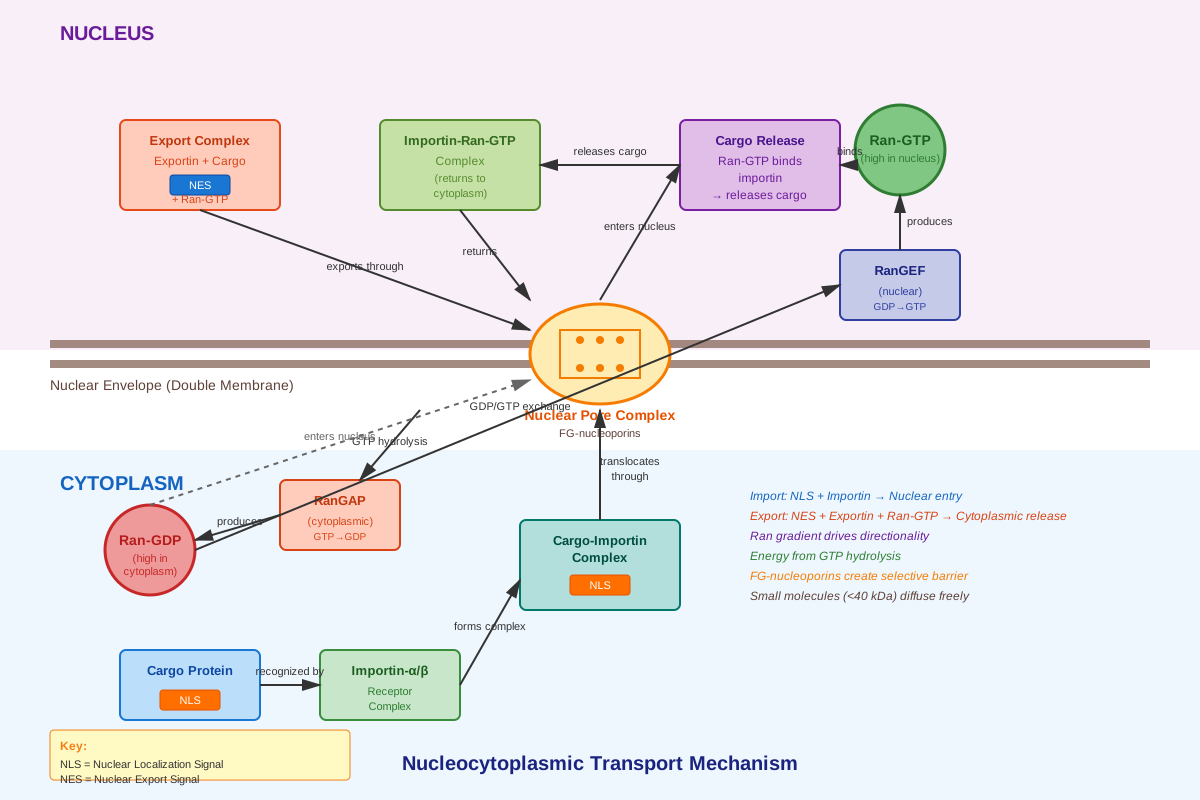
Active transport through NPCs requires specific targeting sequences and transport receptors. Nuclear localization signals (NLS) are short amino acid sequences (typically rich in basic residues like lysine and arginine) that tag proteins for import into the nucleus. The classical NLS, exemplified by the SV40 large T-antigen sequence (PKKKRKV), is recognized by importin proteins (also called karyopherins). The import process follows these steps:
- Cargo protein with NLS binds to importin-α, which then binds to importin-β
- The importin-cargo complex docks at the NPC cytoplasmic filaments
- The complex translocates through the NPC channel via interactions between importin-β and FG-nucleoporins
- Inside the nucleus, Ran-GTP binds to importin-β, causing cargo release
- Importin-β-Ran-GTP complex returns to cytoplasm, where Ran-GTP is hydrolyzed to Ran-GDP
- Ran-GDP is reimported to the nucleus and recharged to Ran-GTP by RCC1 (Ran guanine exchange factor)
Nuclear export signals (NES) direct proteins and RNA out of the nucleus, typically recognized by exportin proteins. The Ran-GTP gradient (high in nucleus, low in cytoplasm) provides the directionality for both import and export, making it the key energy source for nucleocytoplasmic transport. This gradient is maintained by the asymmetric distribution of Ran regulatory proteins: RCC1 (the GEF) is nuclear, while Ran-GAP (the GTPase-activating protein) is cytoplasmic.
Nucleolus Structure and Function
The nucleolus is a distinct, non-membrane-bound substructure within the nucleus where ribosomal RNA (rRNA) synthesis and ribosome assembly occur. It forms around clusters of genes encoding rRNA (called nucleolar organizing regions or NORs) located on specific chromosomes. The nucleolus exhibits three distinct regions visible by electron microscopy: the fibrillar center (containing rDNA and RNA polymerase I), the dense fibrillar component (site of early rRNA processing), and the granular component (site of late ribosome assembly).
The nucleolus is highly dynamic, disassembling during mitosis when transcription ceases and reassembling in daughter cells around active NORs. Its size correlates with cellular protein synthesis rates—rapidly dividing cells and cells producing large amounts of protein (like plasma cells synthesizing antibodies) have prominent nucleoli. Beyond ribosome biogenesis, the nucleolus participates in other cellular processes including cell cycle regulation, stress responses, and assembly of various ribonucleoprotein complexes.
Chromatin Organization
Chromatin is the complex of DNA and proteins (primarily histones) that comprises chromosomes. This organization serves multiple functions: compacting the approximately 2 meters of human DNA into a nucleus only 10 μm in diameter, protecting DNA from damage, and regulating gene expression through accessibility control. Chromatin exists in two main forms:
| Chromatin Type | Structure | Transcriptional Activity | Location | Staining |
|---|---|---|---|---|
| Euchromatin | Loosely packed, open conformation | Transcriptionally active | Interior of nucleus | Light staining |
| Heterochromatin | Densely packed, condensed | Transcriptionally silent | Nuclear periphery, around nucleolus | Dark staining |
The fundamental unit of chromatin is the nucleosome, consisting of 147 base pairs of DNA wrapped 1.65 turns around an octamer of histone proteins (two copies each of H2A, H2B, H3, and H4). Nucleosomes are connected by linker DNA (20-80 bp) associated with histone H1, creating a "beads-on-a-string" structure that represents the 10-nm chromatin fiber. Further compaction produces the 30-nm fiber and higher-order structures, ultimately forming the maximally condensed metaphase chromosomes visible during cell division.
Chromatin organization is dynamic and regulated by chromatin remodeling complexes and histone modifications (acetylation, methylation, phosphorylation, ubiquitination). These modifications constitute the "histone code" that influences gene expression without changing DNA sequence—the basis of epigenetics. Histone acetylation generally promotes transcription by neutralizing positive charges on lysine residues, reducing histone-DNA interactions and opening chromatin structure. Conversely, histone deacetylation typically represses transcription by promoting chromatin condensation.
Nuclear Matrix and Compartmentalization
The nuclear matrix (or nucleoskeleton) is a fibrillar network that provides structural organization to the nucleus and anchors functional domains. While more controversial than other nuclear structures, evidence supports the existence of a protein scaffold that organizes chromatin into loops and localizes nuclear processes to specific regions. This organization creates functional compartments within the nucleus, including:
- Chromosome territories: Each chromosome occupies a distinct region of the nuclear space, with gene-rich chromosomes typically located toward the interior
- Nuclear speckles: Enriched in splicing factors and involved in pre-mRNA processing
- Cajal bodies: Sites of snRNP (small nuclear ribonucleoprotein) assembly and modification
- PML bodies: Involved in DNA damage response, apoptosis, and antiviral defense
This compartmentalization allows the nucleus to coordinate complex processes efficiently without membrane barriers, using protein-protein interactions and phase separation to create distinct functional domains.
Concept Relationships
The nucleus serves as the central integrator of cellular information flow, connecting multiple biological concepts in a hierarchical network. At the most fundamental level, nuclear envelope structure → enables → selective compartmentalization, which → allows → separation of transcription and translation. This separation → creates opportunities for → RNA processing (splicing, capping, polyadenylation), which → increases → proteomic diversity through alternative splicing.
Nuclear pore complexes → regulate → nucleocytoplasmic transport, which → controls → gene expression by determining which transcription factors access DNA and which mRNAs reach ribosomes. The Ran-GTP gradient → powers → directional transport, connecting nuclear function to cellular energy metabolism and GTPase signaling pathways.
Chromatin organization → determines → gene accessibility, which → regulates → transcription initiation. This connects the nucleus to epigenetics, development, and differentiation, as chromatin modifications can be inherited through cell divisions, creating cellular memory. Heterochromatin formation → silences → repetitive DNA elements and → maintains → chromosome stability, linking nuclear organization to genome integrity.
The nucleolus → produces → ribosomal subunits, which → exit through → nuclear pores and → enable → protein synthesis in the cytoplasm, connecting nuclear function to the entire proteome. Nuclear lamina → provides → structural support and → organizes → chromatin domains, while also → regulates → cell cycle progression through its phosphorylation-dependent disassembly during mitosis.
These relationships extend to prerequisite concepts: understanding membrane structure enables comprehension of the nuclear envelope's selective permeability; knowledge of DNA structure is essential for understanding chromatin organization; and familiarity with the central dogma provides context for why the nucleus exists as a distinct compartment in eukaryotes.
High-Yield Facts
⭐ The nuclear envelope consists of two phospholipid bilayers with the outer membrane continuous with the endoplasmic reticulum
⭐ Nuclear pore complexes allow passive diffusion of molecules < 40 kDa but require active transport for larger molecules
⭐ Nuclear localization signals (NLS) are typically rich in basic amino acids (lysine and arginine) and direct proteins to the nucleus
⭐ The Ran-GTP gradient (high in nucleus, low in cytoplasm) provides directionality for nucleocytoplasmic transport
⭐ The nucleolus is the site of ribosomal RNA synthesis and ribosome assembly, forming around nucleolar organizing regions (NORs)
- The nuclear lamina is composed of lamin intermediate filaments that provide structural support and organize chromatin
- Euchromatin is transcriptionally active and loosely packed, while heterochromatin is transcriptionally silent and densely packed
- Importins recognize NLS sequences and mediate nuclear import, while exportins recognize NES sequences and mediate nuclear export
- The nucleosome consists of 147 bp of DNA wrapped around a histone octamer (two copies each of H2A, H2B, H3, and H4)
- Nuclear envelope breakdown during mitosis is triggered by phosphorylation of lamins and nuclear pore proteins
- Histone acetylation generally promotes transcription by reducing positive charges and loosening DNA-histone interactions
- The nucleus lacks membrane-bound compartments but contains distinct functional domains like nuclear speckles and Cajal bodies
Quick check — test yourself on Nucleus so far.
Try Flashcards →Common Misconceptions
Misconception: The nucleus is completely isolated from the cytoplasm by the nuclear envelope.
Correction: The nuclear envelope contains thousands of nuclear pore complexes that create continuity between nucleoplasm and cytoplasm, allowing constant bidirectional molecular traffic. Small molecules diffuse freely, while larger molecules undergo regulated transport.
Misconception: All nuclear proteins contain nuclear localization signals.
Correction: Some nuclear proteins lack NLS sequences and enter the nucleus by "piggy-backing" on other proteins that do contain NLS sequences, or they are small enough (< 40 kDa) to diffuse passively through nuclear pores. Additionally, some proteins shuttle between nucleus and cytoplasm and may contain both NLS and NES sequences.
Misconception: The nucleolus is surrounded by a membrane like other organelles.
Correction: The nucleolus is a non-membrane-bound structure formed by liquid-liquid phase separation around actively transcribed ribosomal RNA genes. It represents a distinct biochemical environment created by protein-protein and protein-RNA interactions, not by a lipid barrier.
Misconception: Heterochromatin is permanently condensed and never transcribed.
Correction: While heterochromatin is generally transcriptionally silent, chromatin states are dynamic and reversible. Facultative heterochromatin can be converted to euchromatin in response to developmental or environmental signals, allowing previously silenced genes to be expressed. Only constitutive heterochromatin (at centromeres and telomeres) remains permanently condensed.
Misconception: Nuclear transport requires ATP hydrolysis directly at the nuclear pore.
Correction: Nuclear transport is powered by the Ran-GTP gradient, not direct ATP hydrolysis at the pore. ATP is consumed indirectly to maintain the Ran gradient through the action of Ran-GAP (in cytoplasm) and the recharging of Ran-GDP to Ran-GTP by RCC1 (in nucleus), but the actual translocation through the pore is driven by GTP hydrolysis.
Misconception: The nuclear envelope remains intact throughout the entire cell cycle.
Correction: In most animal cells, the nuclear envelope completely disassembles during mitosis (open mitosis), with nuclear membrane fragments absorbed into the ER and nuclear pore complexes disassembling. The envelope reforms around segregated chromosomes during telophase. Some organisms (like yeast) undergo closed mitosis where the nuclear envelope remains intact.
Misconception: All eukaryotic cells have a single nucleus.
Correction: While most eukaryotic cells are mononucleate, important exceptions exist: mature mammalian red blood cells lack nuclei entirely (enucleated), skeletal muscle cells are multinucleate (syncytia formed by cell fusion), and osteoclasts are multinucleate cells formed by macrophage fusion. Some cells like hepatocytes may be binucleate.
Worked Examples
Example 1: Nuclear Transport Mechanism
Question: A researcher creates a fusion protein consisting of green fluorescent protein (GFP, 27 kDa) attached to a large cytoplasmic protein (85 kDa). When expressed in cells, the fusion protein remains exclusively in the cytoplasm. When a nuclear localization signal (NLS) is added to the fusion protein, it accumulates in the nucleus. The researcher then treats cells with a drug that prevents GTP hydrolysis. What effect would this drug have on the localization of the NLS-containing fusion protein?
Analysis: This question tests understanding of nuclear import mechanisms and the role of the Ran-GTP gradient.
Step 1: Identify the key facts:
- The fusion protein (112 kDa total) is too large for passive diffusion through nuclear pores (cutoff ~40 kDa)
- Without NLS, the protein cannot enter the nucleus (remains cytoplasmic)
- With NLS, the protein enters the nucleus via active transport
- The drug prevents GTP hydrolysis
Step 2: Recall the nuclear import mechanism:
- Importins recognize NLS and bind cargo in the cytoplasm
- The importin-cargo complex translocates through the NPC
- In the nucleus, Ran-GTP binds importin-β, releasing the cargo
- Importin-β-Ran-GTP returns to cytoplasm where Ran-GTP is hydrolyzed to Ran-GDP
- Ran-GDP is reimported and recharged to Ran-GTP in the nucleus
Step 3: Predict the effect of preventing GTP hydrolysis:
- If GTP cannot be hydrolyzed, Ran-GTP will accumulate in the cytoplasm
- Cytoplasmic Ran-GTP will bind to importin-β prematurely (before it enters the nucleus)
- This will prevent importin-β from binding cargo proteins with NLS
- The Ran-GTP gradient (high nucleus, low cytoplasm) will be disrupted
Answer: The NLS-containing fusion protein would accumulate in the cytoplasm rather than the nucleus. Preventing GTP hydrolysis disrupts the Ran-GTP gradient by allowing Ran-GTP to accumulate in the cytoplasm, where it binds importin-β and prevents cargo loading. This demonstrates that the Ran-GTP gradient is essential for directional nuclear transport, not just the presence of an NLS.
Key Concept Connection: This example illustrates how nuclear transport depends on the Ran-GTP cycle and connects to broader concepts of GTPase signaling and energy-dependent cellular processes.
Example 2: Chromatin Organization and Gene Expression
Question: A developmental biology study examines chromatin structure at a specific gene locus during cell differentiation. In undifferentiated stem cells, the region shows high levels of histone H3 lysine 4 trimethylation (H3K4me3) and histone acetylation, and the gene is actively transcribed. As cells differentiate into a specialized cell type, the same region shows increased histone H3 lysine 9 trimethylation (H3K9me3), decreased acetylation, and the gene becomes silenced. Additionally, the region relocates from the nuclear interior to the nuclear periphery. Explain the molecular basis for these observations and their functional significance.
Analysis: This question integrates chromatin modifications, nuclear organization, and gene regulation.
Step 1: Interpret the chromatin modifications in stem cells:
- H3K4me3 is associated with active promoters and transcription initiation
- Histone acetylation neutralizes positive charges, loosening DNA-histone interactions
- These modifications create an open chromatin structure (euchromatin)
- The gene is accessible to transcription factors and RNA polymerase II
Step 2: Interpret the changes during differentiation:
- H3K9me3 is a hallmark of heterochromatin and transcriptional silencing
- Decreased acetylation increases positive charges, strengthening DNA-histone interactions
- These modifications create condensed chromatin structure (heterochromatin)
- The gene becomes inaccessible to transcriptional machinery
Step 3: Explain the nuclear relocalization:
- Heterochromatin typically localizes to the nuclear periphery (near the nuclear lamina) and around the nucleolus
- This relocalization physically sequesters the silenced gene from transcriptional machinery concentrated in the nuclear interior
- The nuclear lamina contains proteins that interact with heterochromatin and help maintain silencing
Step 4: Functional significance:
- This represents facultative heterochromatin formation—a reversible silencing mechanism
- During differentiation, cells permanently silence genes not needed for their specialized function
- The combination of histone modifications and nuclear relocalization creates stable, heritable gene silencing
- This epigenetic mechanism allows cells with identical DNA sequences to have different gene expression patterns
Answer: The observations demonstrate the conversion of euchromatin to facultative heterochromatin during differentiation. The shift from activating marks (H3K4me3, acetylation) to repressive marks (H3K9me3, deacetylation) changes chromatin structure from open to condensed, making the gene inaccessible to transcription factors. Relocalization to the nuclear periphery provides an additional layer of silencing by physically separating the gene from transcriptional machinery. This multi-layered silencing mechanism ensures stable, long-term repression of genes inappropriate for the differentiated cell type, illustrating how nuclear organization and chromatin modifications work together to regulate gene expression during development.
Key Concept Connection: This example connects chromatin structure, histone modifications, nuclear organization, gene expression, and development—all high-yield topics that frequently appear together in MCAT passages.
Exam Strategy
Approaching Nucleus Questions
When encountering nucleus-related questions on the MCAT, first identify whether the question focuses on structure, function, or regulation. Structure questions typically ask about components and their relationships (nuclear envelope, pores, nucleolus, chromatin). Function questions explore processes (transport, transcription, ribosome assembly). Regulation questions examine how nuclear processes are controlled (chromatin modifications, transport signals, cell cycle-dependent changes).
Trigger Words and Phrases
Watch for these key phrases that signal nucleus-related content:
- "Nuclear localization signal" or "NLS" → indicates nuclear import mechanism
- "Transcription factor" → must enter nucleus to function; consider transport mechanisms
- "Chromatin remodeling" or "histone modification" → relates to gene expression regulation
- "Ribosomal RNA" or "rRNA synthesis" → points to nucleolus function
- "Nuclear envelope breakdown" → indicates mitosis or cell cycle context
- "Euchromatin vs. heterochromatin" → signals gene expression or chromosome structure question
- "Ran-GTP" or "importin/exportin" → focuses on transport mechanism details
Process-of-Elimination Strategies
For questions about nuclear transport, eliminate answers suggesting:
- ATP is directly hydrolyzed at the nuclear pore (it's GTP hydrolysis via Ran)
- Large proteins can freely diffuse through nuclear pores (they require active transport)
- Nuclear import is irreversible (proteins can shuttle between compartments)
For chromatin questions, eliminate answers suggesting:
- Heterochromatin is always constitutive and permanent (facultative heterochromatin is reversible)
- Histone acetylation represses transcription (it generally activates transcription)
- All DNA is equally accessible at all times (chromatin structure regulates accessibility)
For nuclear envelope questions, eliminate answers suggesting:
- The nuclear envelope is a single membrane (it's a double membrane)
- The nuclear envelope is completely impermeable (nuclear pores allow selective transport)
- The nuclear envelope remains intact during all cell cycle phases (it breaks down during mitosis in most animal cells)
Time Allocation
For discrete questions on nuclear structure or function, spend 30-45 seconds identifying the key concept being tested and selecting the answer. For passage-based questions, allocate 1-2 minutes to understand the experimental setup or clinical scenario, then 45-60 seconds per question. If a question requires detailed analysis of nuclear transport mechanisms or chromatin modifications, allow up to 90 seconds but move on if you're uncertain—these questions often have clues in other passage questions.
Exam Tip: When passages describe experimental manipulations of nuclear processes, pay close attention to controls and what specifically was altered. MCAT passages often test your ability to predict outcomes when one component of a complex system is disrupted.
Memory Techniques
Mnemonic for Nuclear Pore Transport
"RING Ran In, GAP Gets Away"
- RCC1 (Ran guanine exchange factor) is In the Nucleus, Generates Ran-GTP
- Ran-GAP (GTPase-activating protein) is in cytoplasm, Gets rid of GTP (converts to GDP)
This helps remember the asymmetric distribution of Ran regulatory proteins that creates the Ran-GTP gradient essential for directional transport.
Acronym for Nuclear Components
"PENCIL" for major nuclear structures:
- Pores (nuclear pore complexes)
- Envelope (double membrane)
- Nucleolus (ribosome factory)
- Chromatin (DNA-protein complex)
- Inner membrane (with lamina)
- Lamina (structural support)
Visualization Strategy for Chromatin States
Picture chromatin as a "beaded necklace" (nucleosomes on DNA):
- Loose necklace = euchromatin = genes "accessible" = active transcription
- Tight ball = heterochromatin = genes "hidden" = silenced
Add color coding: bright/light = euchromatin (active), dark = heterochromatin (inactive), matching how they appear in microscopy.
Mnemonic for Histone Modifications
"Acetyl Activates, Methyl is Mixed"
- Acetylation generally activates transcription (neutralizes positive charges)
- Methylation effects are mixed (depends on which residue: H3K4me3 activates, H3K9me3 represses)
Memory Aid for NLS Characteristics
"Basic Boys Like Nuclei"
- Basic amino acids (lysine and arginine)
- Bind to importins
- Localize proteins to nucleus
- NLS sequences are typically short (4-8 amino acids)
Summary
The nucleus is the membrane-bound organelle that defines eukaryotic cells, serving as the repository and regulatory center for genetic information. Its double-membrane nuclear envelope, perforated by nuclear pore complexes, creates a selective barrier that separates transcription from translation and enables sophisticated gene regulation through RNA processing. Nuclear pore complexes regulate bidirectional transport, allowing passive diffusion of small molecules while requiring signal-mediated active transport for larger molecules, powered by the Ran-GTP gradient. The nucleolus, a non-membrane-bound substructure, specializes in ribosomal RNA synthesis and ribosome assembly. Chromatin organization—ranging from loosely packed euchromatin to densely condensed heterochromatin—regulates gene accessibility and expression through histone modifications and higher-order structures. The nuclear lamina provides structural support and organizes chromatin domains while playing crucial roles in cell division. Understanding nuclear structure and function is essential for MCAT success, as it connects to gene expression, cell cycle regulation, signal transduction, development, and disease mechanisms. Mastery of nuclear biology requires integrating structural knowledge with functional understanding of how nuclear processes are regulated and how they coordinate with cytoplasmic events to control cellular behavior.
Key Takeaways
- The nuclear envelope is a double membrane system with the outer membrane continuous with the ER, perforated by nuclear pore complexes that regulate selective transport between nucleus and cytoplasm
- Nuclear import requires nuclear localization signals (NLS) recognized by importins, while the Ran-GTP gradient (high in nucleus, low in cytoplasm) provides directionality for both import and export
- The nucleolus is the site of ribosomal RNA synthesis and ribosome assembly, forming around nucleolar organizing regions without a surrounding membrane
- Chromatin exists as transcriptionally active euchromatin (loosely packed) or transcriptionally silent heterochromatin (densely packed), with organization regulated by histone modifications
- The nuclear lamina, composed of lamin intermediate filaments, provides structural support, organizes chromatin, and disassembles during mitosis to allow nuclear envelope breakdown
- Nuclear organization creates functional compartments without membrane barriers, using protein-protein interactions to localize specific processes to distinct nuclear domains
- Understanding nuclear structure and function connects to multiple high-yield MCAT topics including gene expression, cell cycle regulation, signal transduction, development, and cancer biology
Related Topics
Transcription and RNA Processing: The nucleus is the site where transcription occurs and where pre-mRNA undergoes processing (5' capping, 3' polyadenylation, splicing). Mastering nuclear structure provides the foundation for understanding how these processes are spatially organized and regulated.
Cell Cycle and Mitosis: Nuclear envelope breakdown and reformation are key events in mitosis, while nuclear proteins like cyclins and cyclin-dependent kinases regulate cell cycle progression. Understanding nuclear dynamics during cell division builds on nuclear structure knowledge.
Signal Transduction: Many signaling pathways culminate in the nucleus, where transcription factors activated by cytoplasmic signals must be imported to regulate gene expression. Nuclear transport mechanisms are essential for understanding how cells respond to external stimuli.
Epigenetics and Gene Regulation: Chromatin modifications, DNA methylation, and nuclear organization constitute epigenetic mechanisms that regulate gene expression without changing DNA sequence. This topic extends chromatin structure concepts to inheritance and development.
Molecular Biology Techniques: Understanding nuclear structure is essential for interpreting experiments involving nuclear fractionation, chromatin immunoprecipitation (ChIP), fluorescence microscopy of nuclear proteins, and other techniques commonly presented in MCAT passages.
Practice CTA
Now that you've mastered the core concepts of nuclear structure and function, it's time to reinforce your understanding through active practice. Work through the practice questions and flashcards associated with this topic, focusing on applying your knowledge to MCAT-style scenarios rather than simple recall. Pay special attention to questions that integrate nuclear concepts with other topics like gene expression, cell signaling, and cell cycle regulation—these integrated questions most closely mirror actual MCAT content. Remember that understanding the nucleus provides a foundation for numerous other high-yield topics, so investing time in thorough mastery now will pay dividends throughout your MCAT preparation. You've built a strong conceptual framework—now strengthen it through deliberate practice!
Sign up free to keep reading
Create a free AnvayaPrep account to finish this MCAT guide on Nucleus — plus flashcards and practice questions.