Overview
Plasmids are small, circular, double-stranded DNA molecules that exist independently of chromosomal DNA in bacteria and some eukaryotic organisms. These extrachromosomal genetic elements replicate autonomously and typically carry genes that provide selective advantages to their host cells, such as antibiotic resistance, virulence factors, or metabolic capabilities. Understanding plasmids is fundamental to microbiology and molecular biology, as they serve as critical tools in genetic engineering, biotechnology, and medical research while also playing significant roles in bacterial evolution and horizontal gene transfer.
For the MCAT, plasmids represent a high-yield topic that bridges multiple disciplines including molecular biology, genetics, and microbiology. The exam frequently tests students' understanding of plasmid structure, replication mechanisms, and their role in bacterial transformation and genetic recombination. Questions may appear in passage-based formats describing laboratory techniques involving plasmid vectors, or as discrete questions testing fundamental knowledge of bacterial genetics. Mastery of plasmid biology enables students to tackle complex scenarios involving cloning experiments, antibiotic resistance mechanisms, and evolutionary adaptations in bacterial populations.
The study of plasmids biology connects directly to broader concepts in molecular biology including DNA replication, gene expression, protein synthesis, and evolutionary mechanisms. Plasmids exemplify how genetic information can be transferred horizontally between organisms rather than solely through vertical inheritance, fundamentally altering our understanding of bacterial adaptation and the spread of antibiotic resistance in clinical settings. This topic also provides essential background for understanding recombinant DNA technology, CRISPR systems, and modern biotechnology applications that appear regularly in MCAT passages.
Learning Objectives
- [ ] Define plasmids using accurate biology terminology and distinguish them from chromosomal DNA
- [ ] Explain why plasmids matter for the MCAT, including their appearance in passages and discrete questions
- [ ] Apply plasmids concepts to exam-style questions involving bacterial genetics and molecular biology techniques
- [ ] Identify common mistakes related to plasmids, including confusion about replication and gene transfer mechanisms
- [ ] Connect plasmids to related biology concepts including transformation, conjugation, and recombinant DNA technology
- [ ] Describe the structural features of plasmids and explain how these features enable their use as cloning vectors
- [ ] Analyze the role of plasmids in antibiotic resistance and horizontal gene transfer
- [ ] Evaluate experimental scenarios involving plasmid-based genetic engineering and predict outcomes
Prerequisites
- DNA structure and replication: Understanding double-stranded DNA structure, base pairing, and semiconservative replication is essential for comprehending plasmid replication mechanisms
- Bacterial cell structure: Knowledge of prokaryotic cell organization, including the nucleoid region and cytoplasm, provides context for where plasmids exist within cells
- Gene expression basics: Familiarity with transcription and translation enables understanding of how plasmid-encoded genes produce functional proteins
- Basic genetics terminology: Understanding terms like genotype, phenotype, and alleles facilitates discussion of plasmid-mediated trait inheritance
- Enzyme function: Knowledge of restriction enzymes, DNA ligase, and DNA polymerase is necessary for understanding plasmid manipulation in molecular biology
Why This Topic Matters
Clinical and Real-World Significance
Plasmids represent one of the most pressing concerns in modern medicine due to their role in spreading antibiotic resistance among bacterial populations. When bacteria acquire plasmids carrying resistance genes, they can survive antibiotic treatment and transfer these plasmids to other bacteria through horizontal gene transfer mechanisms. This phenomenon has led to the emergence of multidrug-resistant "superbugs" like methicillin-resistant Staphylococcus aureus (MRSA) and carbapenem-resistant Enterobacteriaceae (CRE), which pose significant challenges to healthcare systems worldwide. Understanding plasmid biology is crucial for developing strategies to combat antibiotic resistance and for rational antibiotic stewardship.
Beyond clinical medicine, plasmids serve as indispensable tools in biotechnology and pharmaceutical production. Recombinant insulin, human growth hormone, and numerous vaccines are produced using bacteria or yeast transformed with engineered plasmids. Gene therapy approaches, CRISPR-based genome editing, and synthetic biology all rely heavily on plasmid vectors to introduce new genetic material into target cells. The biotechnology industry's $500+ billion global market fundamentally depends on plasmid technology.
MCAT Exam Relevance
Plasmids appear in approximately 3-5% of MCAT biology questions, with particular frequency in passages describing experimental techniques or bacterial genetics scenarios. The exam commonly presents plasmids in the following contexts:
- Passage-based questions: Experimental descriptions of cloning procedures, transformation efficiency studies, or antibiotic selection protocols
- Discrete questions: Testing fundamental knowledge of plasmid characteristics, replication independence, or horizontal gene transfer
- Data interpretation: Analyzing restriction maps, gel electrophoresis results showing plasmid DNA, or bacterial growth curves in selective media
- Application scenarios: Predicting outcomes of genetic engineering experiments or explaining antibiotic resistance patterns
Questions typically assess whether students can distinguish plasmids from chromosomal DNA, understand their role in bacterial transformation, and apply this knowledge to interpret experimental results. The MCAT particularly favors questions that integrate plasmid biology with laboratory techniques like restriction enzyme digestion, gel electrophoresis, and bacterial selection methods.
Core Concepts
Definition and Basic Structure
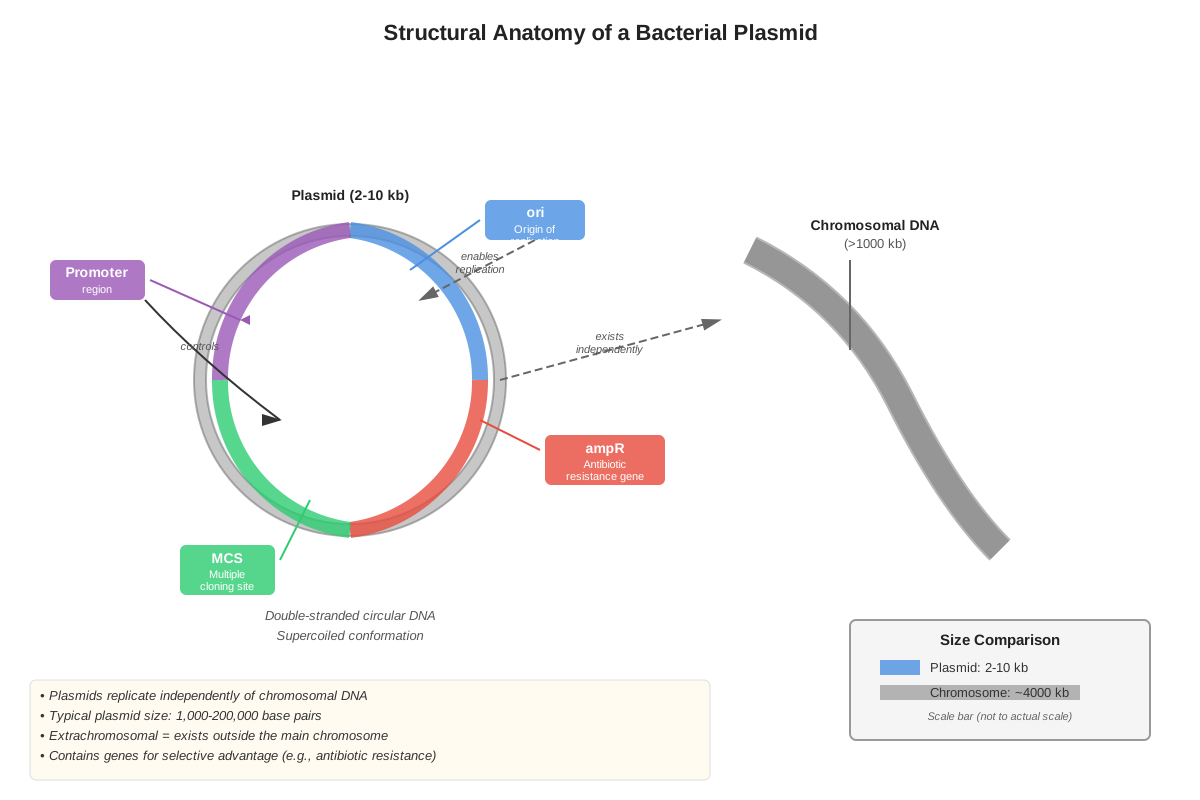
Plasmids are extrachromosomal, circular, double-stranded DNA molecules found primarily in bacteria, though they also occur in some archaea and eukaryotic organisms like yeast. Unlike chromosomal DNA, plasmids exist as separate genetic entities within the cell and replicate independently of the host chromosome. Most plasmids range from 1,000 to 200,000 base pairs in length, significantly smaller than bacterial chromosomes which typically contain millions of base pairs.
The circular structure of plasmids results from covalently closed DNA strands with no free ends, forming a closed loop. This topology provides stability against exonuclease degradation and facilitates autonomous replication. Plasmids exist in a supercoiled state within cells, where the DNA helix is twisted upon itself, creating a compact structure that fits efficiently within the bacterial cytoplasm. When isolated and treated with enzymes that nick one strand, plasmids relax into an open circular form, a property exploited in laboratory techniques to assess plasmid integrity.
Key Structural Features
Plasmids contain several essential genetic elements that enable their replication and maintenance:
| Feature | Function | MCAT Relevance |
|---|---|---|
| Origin of replication (ori) | Sequence where DNA replication initiates | Determines copy number and host range |
| Selectable marker genes | Genes conferring antibiotic resistance or metabolic capabilities | Used to identify transformed cells |
| Multiple cloning site (MCS) | Region with multiple unique restriction sites | Allows insertion of foreign DNA |
| Promoter sequences | Regulate transcription of plasmid genes | Control expression of cloned genes |
| Regulatory elements | Control replication and gene expression | Determine plasmid copy number |
The origin of replication is the most critical feature, as it contains the DNA sequence recognized by replication machinery. Different origins determine how many copies of the plasmid exist per cell (copy number), ranging from low copy number (1-2 per cell) to high copy number (hundreds per cell). High copy number plasmids are preferred for biotechnology applications because they produce more of the desired gene product.
Plasmid Classification and Types
Plasmids are classified based on the functions they encode:
Fertility (F) plasmids: Contain genes for conjugation, enabling transfer of genetic material between bacteria through a structure called a pilus. The F plasmid in E. coli is the classic example, converting F- (recipient) cells into F+ (donor) cells capable of transferring the plasmid to other bacteria.
Resistance (R) plasmids: Carry genes conferring resistance to antibiotics, heavy metals, or other toxic substances. These plasmids often contain multiple resistance genes, creating multidrug-resistant bacteria. R plasmids typically spread rapidly through bacterial populations via horizontal gene transfer, making them clinically significant.
Virulence plasmids: Encode factors that increase bacterial pathogenicity, such as toxins, adhesion molecules, or immune evasion mechanisms. For example, the Ti plasmid in Agrobacterium tumefaciens causes crown gall disease in plants.
Metabolic plasmids: Provide genes for specialized metabolic pathways, allowing bacteria to utilize unusual nutrients or degrade environmental pollutants. These plasmids enable bacterial adaptation to diverse ecological niches.
Col plasmids: Produce colicins (bacteriocins) that kill other bacteria, providing a competitive advantage in mixed bacterial populations.
Plasmid Replication
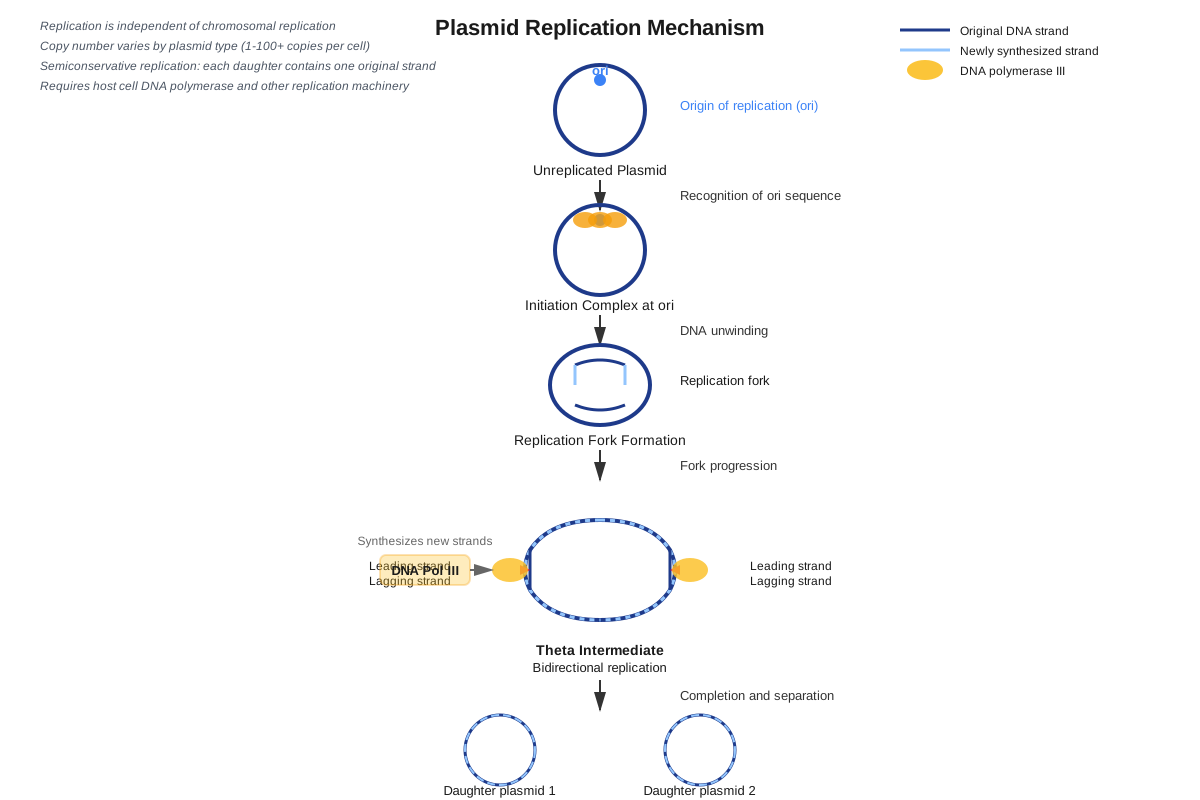
Plasmids replicate autonomously using the host cell's replication machinery but following their own replication schedule. The process begins at the origin of replication, where specific initiator proteins recognize and bind to ori sequences. Unlike chromosomal replication, which is tightly regulated to occur once per cell cycle, plasmid replication can occur multiple times, explaining why high copy number plasmids accumulate many copies per cell.
Two main replication mechanisms exist:
- Theta (θ) replication: Similar to chromosomal replication, where replication forks proceed bidirectionally or unidirectionally around the circular plasmid, creating a structure resembling the Greek letter theta when visualized by electron microscopy.
- Rolling circle replication: One strand is nicked, and the 3' end serves as a primer for DNA synthesis. As new DNA is synthesized, the old strand is displaced and eventually circularized to form a new plasmid molecule.
The copy number of a plasmid is determined by the strength of its origin of replication and regulatory mechanisms that control replication initiation. High copy number plasmids (50-700 copies per cell) have strong, frequently activated origins, while low copy number plasmids (1-2 copies per cell) have tightly regulated origins that initiate replication infrequently.
Horizontal Gene Transfer and Plasmids
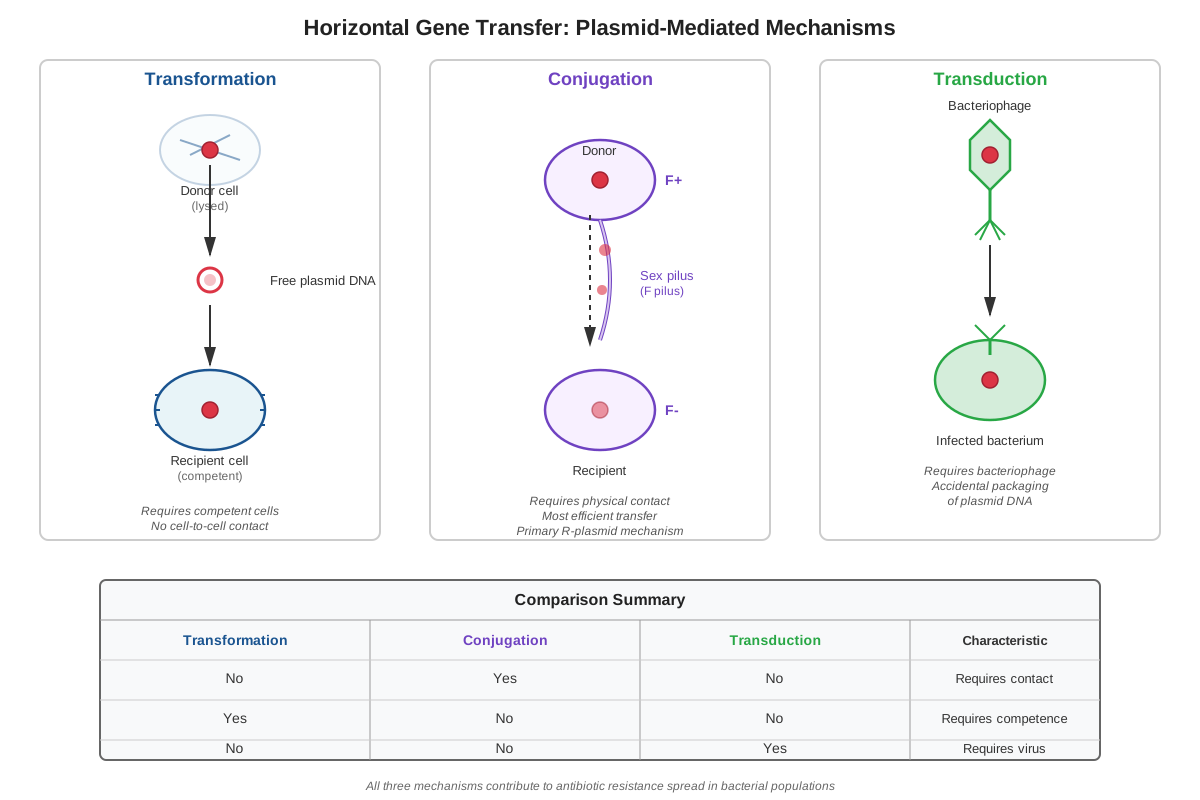
Plasmids are primary vehicles for horizontal gene transfer (HGT), the movement of genetic material between organisms outside of traditional parent-to-offspring inheritance. Three mechanisms facilitate plasmid transfer:
Transformation: Uptake of naked plasmid DNA from the environment by competent bacterial cells. Competence can occur naturally in some species or be induced artificially in the laboratory through chemical treatment (calcium chloride) or electroporation. This process is fundamental to molecular cloning and genetic engineering.
Conjugation: Direct transfer of plasmids between bacterial cells through a conjugative pilus. The donor cell (F+) extends a pilus to contact a recipient cell (F-), forming a conjugation bridge through which plasmid DNA passes. Conjugation can transfer plasmids between different bacterial species, contributing to rapid spread of antibiotic resistance.
Transduction: Transfer of plasmid DNA via bacteriophages (viruses that infect bacteria). While less common for plasmids than chromosomal DNA, some phages can package plasmid DNA and transfer it to new host cells during infection.
Plasmids as Cloning Vectors
In molecular biology and biotechnology, plasmids serve as cloning vectors—vehicles for introducing foreign DNA into host cells. Engineered plasmids used for cloning contain several key features:
- Multiple cloning site (MCS): A short DNA sequence containing recognition sites for numerous restriction enzymes, allowing researchers to insert foreign DNA at specific locations
- Selectable markers: Typically antibiotic resistance genes (e.g., ampicillin resistance, amp^R) that enable selection of successfully transformed cells
- Reporter genes: Such as lacZ (β-galactosidase) or green fluorescent protein (GFP) that provide visual confirmation of successful cloning
- Strong promoters: Like the T7 or lac promoter, that drive high-level expression of inserted genes
The cloning process involves:
- Cutting both the plasmid vector and foreign DNA with the same restriction enzyme(s)
- Mixing the cut DNA fragments, allowing complementary sticky ends to base pair
- Using DNA ligase to seal the phosphodiester bonds, creating recombinant plasmids
- Transforming the recombinant plasmids into bacterial cells
- Selecting transformed cells using antibiotic selection
- Screening for cells containing the desired insert
Plasmid Incompatibility
Plasmid incompatibility refers to the inability of two plasmids with similar replication mechanisms to coexist stably in the same cell. Plasmids are grouped into incompatibility groups based on their replication and partitioning systems. Two plasmids from the same incompatibility group compete for the same replication machinery and partition systems, resulting in loss of one plasmid over successive cell divisions. This concept is important for understanding which plasmids can be maintained together in engineered bacterial strains and for predicting plasmid stability in natural populations.
Concept Relationships
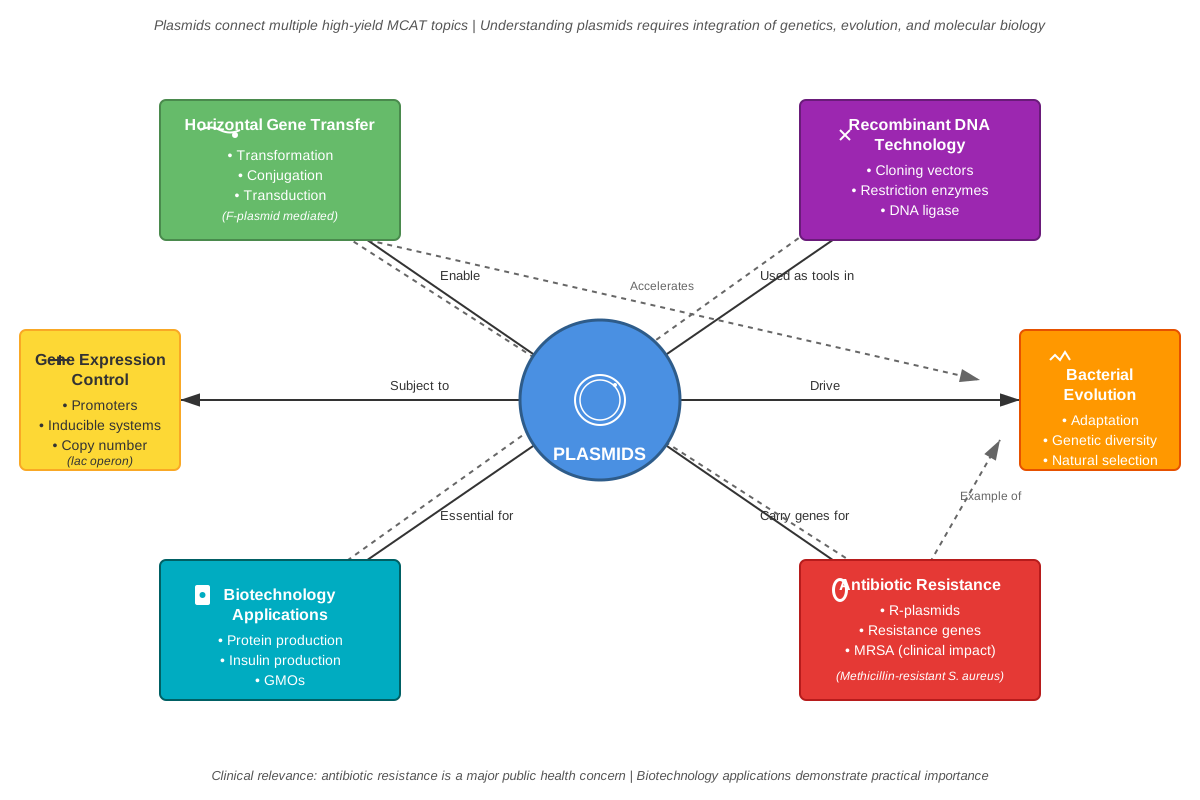
The study of plasmids integrates multiple biological concepts into a cohesive framework. At the molecular level, plasmid structure (circular, double-stranded DNA) → determines → replication mechanisms (theta or rolling circle) → which influences → copy number (low or high) → affecting → gene expression levels of plasmid-encoded traits.
Plasmids connect to bacterial genetics through horizontal gene transfer: transformation (uptake of environmental DNA) ← facilitated by → plasmids → enabling → conjugation (cell-to-cell transfer) → resulting in → rapid spread of traits like antibiotic resistance across bacterial populations.
In biotechnology applications, the relationship flows: restriction enzymes → cut → plasmid vectors and foreign DNA → combined by → DNA ligase → creating → recombinant plasmids → introduced via → transformation → into → host cells → selected using → antibiotic markers → producing → desired gene products.
The clinical significance emerges from: antibiotic use → creates → selective pressure → favoring → bacteria with R plasmids → which spread via → horizontal gene transfer → leading to → antibiotic resistance → causing → treatment failures and → increased mortality.
Understanding plasmids also requires connecting to prerequisite knowledge: DNA structure provides the foundation for understanding plasmid topology, DNA replication mechanisms explain autonomous plasmid replication, and gene expression principles clarify how plasmid-encoded genes produce phenotypic changes in host cells.
Quick check — test yourself on Plasmids so far.
Try Flashcards →High-Yield Facts
⭐ Plasmids are extrachromosomal, circular, double-stranded DNA molecules that replicate independently of chromosomal DNA
⭐ Plasmids typically carry genes for antibiotic resistance, virulence factors, or metabolic capabilities that provide selective advantages
⭐ The origin of replication (ori) is essential for autonomous plasmid replication and determines copy number
⭐ Horizontal gene transfer via transformation, conjugation, or transduction enables plasmid spread between bacteria, including different species
⭐ Selectable markers (usually antibiotic resistance genes) allow identification of successfully transformed cells in cloning experiments
- Plasmids range from 1,000 to 200,000 base pairs, much smaller than bacterial chromosomes (millions of base pairs)
- High copy number plasmids (50-700 per cell) are preferred for biotechnology applications due to increased gene product yield
- F (fertility) plasmids enable conjugation by encoding pilus formation and DNA transfer machinery
- R (resistance) plasmids often carry multiple antibiotic resistance genes, creating multidrug-resistant bacteria
- The multiple cloning site (MCS) contains unique restriction enzyme recognition sites for inserting foreign DNA
- Plasmid incompatibility prevents two plasmids with similar replication systems from stably coexisting in the same cell
- Supercoiled plasmids are the native form in cells; relaxed circular forms result from single-strand nicks
- Competent cells have increased membrane permeability allowing plasmid DNA uptake during transformation
- Rolling circle replication produces single-stranded DNA intermediates that are subsequently converted to double-stranded plasmids
- Conjugation can transfer plasmids between different bacterial species, facilitating rapid evolution and adaptation
Common Misconceptions
Misconception: Plasmids are required for bacterial survival and reproduction.
Correction: Plasmids are dispensable genetic elements; bacteria can survive and reproduce without them. However, plasmids often carry genes that provide selective advantages under specific environmental conditions (e.g., antibiotic resistance when antibiotics are present).
Misconception: Plasmids and bacterial chromosomes replicate simultaneously and at the same rate.
Correction: Plasmids replicate independently of chromosomal DNA, following their own replication schedule. High copy number plasmids replicate multiple times per cell cycle, while chromosomal DNA replicates exactly once per cell division.
Misconception: All bacteria contain plasmids.
Correction: Not all bacteria harbor plasmids. Plasmid presence varies among bacterial species and even among strains of the same species. Some bacteria naturally lack plasmids, while others may contain multiple different plasmids simultaneously.
Misconception: Plasmids can only transfer between closely related bacterial species.
Correction: Conjugative plasmids can transfer between distantly related bacterial species, even across genus boundaries. This broad host range capability contributes to rapid spread of antibiotic resistance across diverse bacterial populations.
Misconception: Antibiotic resistance genes on plasmids are always expressed at high levels.
Correction: Expression of plasmid-encoded genes depends on promoter strength, regulatory elements, and copy number. Some resistance genes are constitutively expressed at low levels, while others are inducible and only expressed when the antibiotic is present.
Misconception: Transformation efficiency is the same for all plasmids and all bacterial species.
Correction: Transformation efficiency varies dramatically based on plasmid size (smaller plasmids transform more efficiently), bacterial species (some are naturally competent while others require artificial competence induction), and the transformation method used (chemical vs. electroporation).
Misconception: Inserting foreign DNA into a plasmid always disrupts an essential plasmid function.
Correction: Properly designed cloning vectors have multiple cloning sites positioned within non-essential regions (often within reporter genes like lacZ) so that insertion of foreign DNA doesn't disrupt plasmid replication or selection markers.
Worked Examples
Example 1: Analyzing a Cloning Experiment
Scenario: A researcher wants to clone a human insulin gene into E. coli for protein production. She uses a plasmid vector containing an ampicillin resistance gene (amp^R) and a lacZ gene (encoding β-galactosidase) with a multiple cloning site in the middle of lacZ. After cutting both the plasmid and insulin gene with EcoRI, ligating them together, and transforming E. coli, she plates the bacteria on agar containing ampicillin and X-gal (a substrate that turns blue when cleaved by β-galactosidase). Predict the appearance of colonies containing: (A) no plasmid, (B) recircularized plasmid without insert, and (C) recombinant plasmid with insulin gene insert.
Solution:
Step 1: Analyze the selection system
- Ampicillin in the medium kills bacteria without the amp^R gene
- X-gal produces blue color when cleaved by functional β-galactosidase
- Insertion into lacZ disrupts β-galactosidase function
Step 2: Predict outcomes for each scenario
(A) No plasmid: These bacteria lack amp^R and cannot survive on ampicillin-containing medium. Result: No colonies grow
(B) Recircularized plasmid without insert: These bacteria have intact amp^R (survive on ampicillin) and intact lacZ (produce functional β-galactosidase). Result: Blue colonies
(C) Recombinant plasmid with insulin gene: These bacteria have intact amp^R (survive on ampicillin) but disrupted lacZ (non-functional β-galactosidase due to insulin gene insertion). Result: White colonies
Step 3: Identify desired colonies
The researcher should select white colonies for further analysis, as these likely contain the recombinant plasmid with the insulin gene insert. This blue-white screening technique is a classic method for identifying successful cloning events.
MCAT Connection: This example integrates plasmid structure, selectable markers, reporter genes, and molecular cloning techniques—all high-yield topics. Understanding the logic of selection and screening systems is crucial for interpreting experimental passages.
Example 2: Antibiotic Resistance Spread
Scenario: A hospital reports an outbreak of urinary tract infections caused by E. coli resistant to multiple antibiotics. Epidemiological investigation reveals that the resistance genes are located on a conjugative R plasmid. Initially, only 5% of E. coli isolates carried the plasmid, but within three months, 60% of isolates were resistant. Explain the mechanism of this rapid spread and why it occurred faster than would be expected from vertical gene transfer alone.
Solution:
Step 1: Identify the mechanism
The R plasmid is conjugative, meaning it carries genes for pilus formation and DNA transfer machinery. This enables horizontal gene transfer through conjugation.
Step 2: Compare horizontal vs. vertical transfer
- Vertical transfer: Resistance would spread only when resistant bacteria reproduce, passing plasmids to daughter cells. Population growth follows exponential kinetics but is limited by generation time (~20 minutes for E. coli under optimal conditions, much longer in vivo).
- Horizontal transfer: Conjugation allows direct plasmid transfer from resistant to susceptible bacteria without requiring cell division. A single resistant bacterium can transfer the plasmid to multiple recipients.
Step 3: Explain rapid spread
The rapid increase from 5% to 60% resistant bacteria in three months occurred because:
- Conjugation is efficient: Each F+ (donor) cell can transfer the plasmid to multiple F- (recipient) cells
- Selective pressure: Antibiotic use in the hospital creates strong selection favoring resistant bacteria
- Exponential spread: Each newly resistant bacterium becomes a potential donor, creating exponential growth in the resistant population
- Broad host range: Conjugative plasmids can transfer between different E. coli strains and potentially other bacterial species
Step 4: Clinical implications
This scenario illustrates why antibiotic stewardship is critical. Overuse of antibiotics creates selective pressure that, combined with horizontal gene transfer, leads to rapid emergence of multidrug-resistant bacteria.
MCAT Connection: This example demonstrates the clinical relevance of plasmid biology and tests understanding of horizontal gene transfer mechanisms, selection pressure, and population genetics—all topics that appear in MCAT passages about antibiotic resistance and bacterial evolution.
Exam Strategy
Approaching MCAT Questions on Plasmids
When encountering plasmid-related questions, follow this systematic approach:
1. Identify the question type:
- Conceptual: Testing fundamental knowledge (definition, characteristics, functions)
- Experimental: Describing cloning procedures or transformation experiments
- Application: Requiring prediction of outcomes or interpretation of results
- Data analysis: Presenting restriction maps, gel electrophoresis, or growth curves
2. Watch for trigger words and phrases:
- "Extrachromosomal" or "autonomous replication" → indicates plasmids, not chromosomal DNA
- "Selectable marker" or "antibiotic selection" → relates to identifying transformed cells
- "Conjugation," "transformation," or "horizontal gene transfer" → mechanisms of plasmid spread
- "Restriction enzyme," "ligase," or "recombinant DNA" → cloning procedures
- "Copy number" → relates to plasmid abundance per cell
- "Competent cells" → bacteria capable of taking up plasmid DNA
3. Common question formats:
Passage-based: Read carefully for experimental details. Identify the plasmid features mentioned (selectable markers, restriction sites, promoters) and understand their purpose in the experiment. Pay attention to controls—what would happen without the plasmid or with an empty vector?
Discrete questions: Often test whether you can distinguish plasmids from chromosomal DNA or understand basic mechanisms. Eliminate answers that confuse plasmids with other genetic elements (transposons, viruses, chromosomes).
4. Process of elimination strategies:
- Eliminate answers suggesting plasmids are essential for bacterial survival (they're not)
- Eliminate answers confusing plasmid replication with chromosomal replication timing
- Eliminate answers suggesting plasmids are linear (they're circular, except in rare cases)
- Eliminate answers that ignore the independence of plasmid replication
5. Time allocation:
- Discrete questions: 60-90 seconds
- Passage-based questions: 90-120 seconds per question after reading the passage
- If a question requires analyzing a restriction map or gel image, allocate extra time for careful interpretation
Red Flags in Answer Choices
Be suspicious of answers that:
- State plasmids replicate only during cell division (they replicate independently)
- Claim all bacteria contain plasmids (many don't)
- Suggest plasmids cannot transfer between different species (conjugative plasmids can)
- Confuse transformation (DNA uptake) with transduction (phage-mediated transfer)
- Ignore the role of selectable markers in identifying transformed cells
Memory Techniques
Mnemonics
PLASMID - Key features to remember:
- Plasmid = circular
- Little (smaller than chromosomes)
- Autonomous replication
- Selectable markers
- Multiple copies possible
- Independent of chromosome
- DNA transfer vehicle
TRANSFORM - Steps in bacterial transformation:
- Treat cells (make competent)
- Recombinant plasmid prepared
- Add plasmid to cells
- Nucleate uptake (heat shock or electroporation)
- Select with antibiotics
- Find colonies
- Obtain clones
- Recover plasmid
- Make protein
F-R-V-M-C - Types of plasmids:
- Fertility (conjugation)
- Resistance (antibiotics)
- Virulence (pathogenicity)
- Metabolic (special pathways)
- Colicinogenic (bacteriocins)
Visualization Strategies
Plasmid Structure: Visualize a plasmid as a circular racetrack with different "stations":
- Ori station: Where replication starts (like the starting line)
- Marker station: Antibiotic resistance gene (like a checkpoint)
- MCS station: Multiple cloning site (like a pit stop where new parts are added)
- Promoter station: Where transcription begins (like a launch pad)
Conjugation Process: Picture two bacteria holding hands through a hollow tube (pilus). One bacterium (donor) copies its plasmid and pushes the copy through the tube to the other bacterium (recipient), like passing a note through a straw.
Transformation: Imagine bacteria as houses with locked doors. Making cells "competent" is like installing a mail slot that allows DNA letters (plasmids) to be delivered inside. Heat shock or electroporation is like ringing the doorbell to make sure the mail gets through.
Acronyms
ORI-COPY for plasmid replication:
- Origin of replication
- Replication independent
- Initiator proteins bind
- Circular DNA
- Occurs multiple times
- Produces many copies
- Yields high or low copy number
Summary
Plasmids are extrachromosomal, circular, double-stranded DNA molecules that replicate autonomously within bacterial cells, carrying genes that provide selective advantages such as antibiotic resistance, virulence factors, or metabolic capabilities. These genetic elements range from 1,000 to 200,000 base pairs and exist in varying copy numbers depending on their origin of replication strength. Plasmids serve as primary vehicles for horizontal gene transfer through transformation, conjugation, and transduction, enabling rapid spread of traits across bacterial populations and even between different species. This capability makes plasmids clinically significant in the spread of antibiotic resistance and biotechnologically valuable as cloning vectors for genetic engineering. Essential plasmid features include the origin of replication (ori), selectable marker genes, and in engineered vectors, multiple cloning sites for inserting foreign DNA. Understanding plasmid structure, replication mechanisms, and transfer processes is crucial for interpreting MCAT passages involving bacterial genetics, molecular cloning experiments, and antibiotic resistance scenarios. Mastery of plasmid biology requires integrating knowledge of DNA structure, replication, gene expression, and bacterial genetics into a cohesive framework applicable to both experimental and clinical contexts.
Key Takeaways
- Plasmids are circular, extrachromosomal DNA molecules that replicate independently of bacterial chromosomes and carry genes providing selective advantages
- The origin of replication (ori) is essential for autonomous plasmid replication and determines whether plasmids exist in high or low copy numbers per cell
- Horizontal gene transfer via transformation, conjugation, and transduction enables rapid plasmid spread between bacteria, driving antibiotic resistance emergence
- Selectable markers (typically antibiotic resistance genes) and multiple cloning sites make plasmids invaluable as cloning vectors in molecular biology
- Plasmids are dispensable for bacterial survival but provide significant advantages under selective pressure, such as antibiotic exposure
- Understanding plasmid biology is essential for interpreting MCAT passages on bacterial genetics, cloning experiments, and antibiotic resistance mechanisms
- Conjugative plasmids can transfer between different bacterial species, facilitating rapid evolution and adaptation across diverse microbial communities
Related Topics
Bacterial Transformation and Competence: Explores the mechanisms by which bacteria take up environmental DNA, including natural competence and artificial methods (chemical treatment, electroporation). Mastering plasmids provides the foundation for understanding how foreign DNA enters cells.
Restriction Enzymes and DNA Ligase: Details the molecular tools used to cut and join DNA molecules in cloning procedures. Understanding plasmids as cloning vectors requires knowledge of how these enzymes create and seal recombinant DNA molecules.
Gene Expression and Regulation: Examines how genes on plasmids are transcribed and translated, including promoter function, regulatory elements, and factors affecting protein production levels. This builds on plasmid biology to explain how inserted genes produce desired proteins.
Horizontal Gene Transfer Mechanisms: Comprehensive study of transformation, conjugation, and transduction as mechanisms for genetic exchange between bacteria. Plasmids serve as primary examples of mobile genetic elements in these processes.
Antibiotic Resistance Mechanisms: Investigates how bacteria resist antibiotics through enzymatic degradation, target modification, efflux pumps, and reduced permeability. Plasmids carrying resistance genes exemplify how these mechanisms spread rapidly through populations.
Recombinant DNA Technology: Covers the broader field of genetic engineering, including cloning strategies, expression systems, and biotechnology applications. Plasmids are fundamental tools in virtually all recombinant DNA techniques.
Practice CTA
Now that you've mastered the core concepts of plasmid biology, it's time to solidify your understanding through active practice. Challenge yourself with MCAT-style practice questions that test your ability to apply these concepts in experimental scenarios, interpret data from cloning experiments, and analyze antibiotic resistance patterns. Work through the flashcards to reinforce high-yield facts and ensure rapid recall during the exam. Remember, understanding plasmids opens doors to comprehending broader topics in molecular biology, bacterial genetics, and biotechnology—all frequently tested on the MCAT. Your investment in mastering this topic will pay dividends not only on test day but throughout your medical career as you encounter antibiotic resistance, genetic engineering, and molecular diagnostics. Stay focused, practice deliberately, and watch your confidence grow!
Sign up free to keep reading
Create a free AnvayaPrep account to finish this MCAT guide on Plasmids — plus flashcards and practice questions.