Overview
Histone modification represents one of the most critical epigenetic mechanisms that regulate gene expression without altering the underlying DNA sequence. In the context of Molecular Biology and Genetics, histone modifications serve as a dynamic regulatory layer that controls chromatin structure, determining whether genes are accessible for transcription or remain silenced. These chemical modifications—including acetylation, methylation, phosphorylation, and ubiquitination—occur on specific amino acid residues of histone proteins, particularly on the N-terminal tails that protrude from the nucleosome core. Understanding histone modification Biology is essential for comprehending how cells differentiate, respond to environmental signals, and maintain cellular identity across generations.
For the MCAT, histone modification appears regularly in passages dealing with gene regulation, cancer biology, development, and cellular differentiation. The exam frequently tests students' ability to predict how specific modifications affect gene expression, interpret experimental data involving chromatin immunoprecipitation (ChIP), and connect histone modifications to broader concepts like transcriptional regulation and cell signaling. Questions may present scenarios involving drugs that target histone-modifying enzymes (such as HDAC inhibitors used in cancer therapy) or ask students to analyze how environmental factors influence epigenetic marks.
The significance of histone modification extends beyond isolated molecular events—it connects fundamentally to DNA replication, transcription factor binding, DNA repair mechanisms, and inheritance patterns. This topic bridges structural biochemistry (understanding nucleosome architecture) with functional genetics (explaining phenotypic variation without genetic mutation). Mastery of histone modification enables students to tackle complex MCAT passages that integrate multiple biological systems, particularly those exploring how identical genomes produce diverse cell types or how environmental exposures create lasting biological changes.
Learning Objectives
- [ ] Define histone modification using accurate Biology terminology
- [ ] Explain why histone modification matters for the MCAT
- [ ] Apply histone modification to exam-style questions
- [ ] Identify common mistakes related to histone modification
- [ ] Connect histone modification to related Biology concepts
- [ ] Distinguish between different types of histone modifications and their functional consequences
- [ ] Predict the effect of specific histone modifications on chromatin structure and gene expression
- [ ] Analyze experimental scenarios involving histone-modifying enzymes and their inhibitors
- [ ] Integrate histone modification concepts with transcriptional regulation, development, and disease processes
Prerequisites
- Chromatin structure and nucleosome organization: Understanding that DNA wraps around histone octamers is essential for visualizing where modifications occur and how they affect DNA accessibility
- Basic protein structure and amino acids: Recognizing that histones are proteins with specific amino acid residues (lysine, arginine, serine) that serve as modification sites
- Gene expression and transcription: Familiarity with transcription factors, RNA polymerase, and the general process of gene activation/repression provides context for why histone modifications matter functionally
- Chemical functional groups: Knowledge of acetyl groups, methyl groups, and phosphate groups helps understand the chemical nature of modifications
- Enzyme function: Understanding that enzymes catalyze the addition and removal of chemical groups is necessary for comprehending the dynamic nature of histone modifications
Why This Topic Matters
Clinical and Real-World Significance
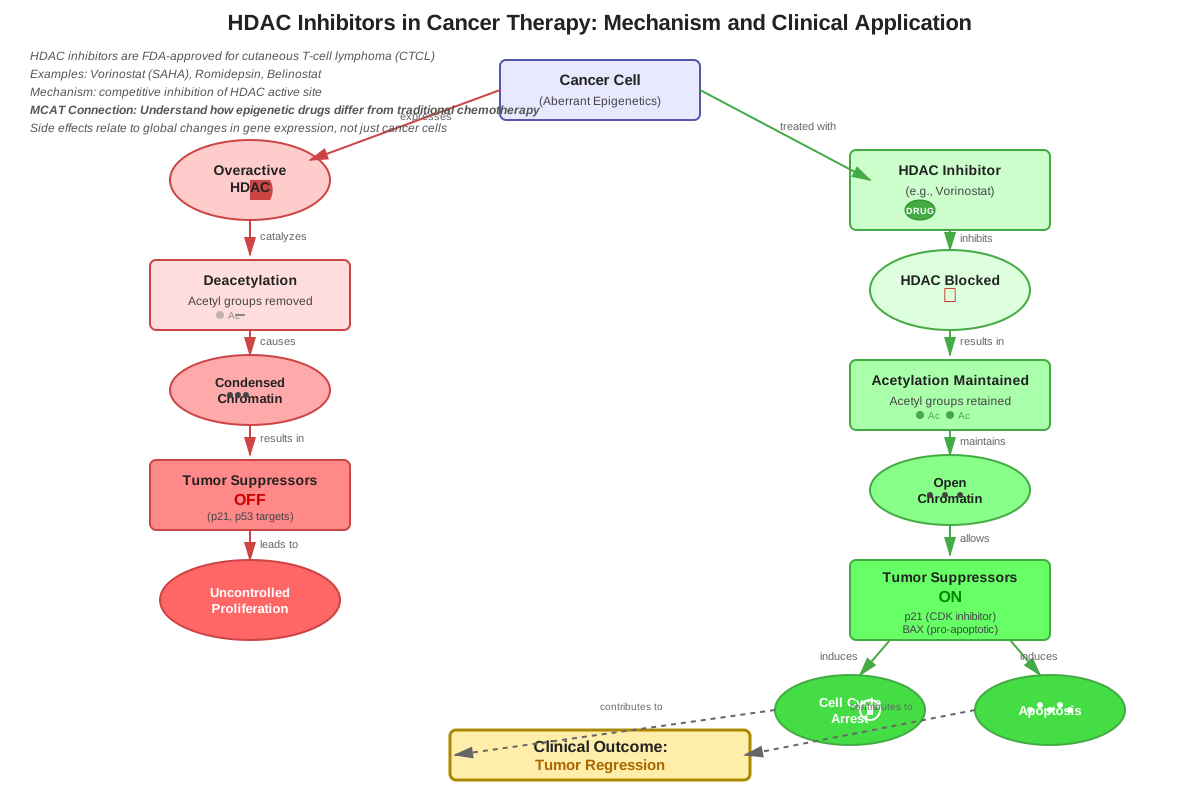
Histone modifications play crucial roles in human health and disease. Cancer cells frequently exhibit aberrant histone modification patterns, with global loss of acetylation and altered methylation contributing to oncogene activation and tumor suppressor silencing. HDAC (histone deacetylase) inhibitors represent an important class of cancer therapeutics currently used to treat cutaneous T-cell lymphoma and under investigation for numerous other malignancies. Developmental disorders, including Rubinstein-Taybi syndrome (caused by mutations in histone acetyltransferases), demonstrate how disrupted histone modification machinery produces severe phenotypic consequences. Environmental exposures—from nutrition to toxins—can alter histone modification patterns, potentially affecting disease susceptibility across generations through epigenetic inheritance.
MCAT Exam Statistics and Question Types
Histone modification appears in approximately 3-5% of MCAT Biology questions, most commonly within passages rather than discrete questions. The topic typically appears in:
- Research-based passages presenting experimental manipulations of histone-modifying enzymes with data interpretation requirements
- Disease mechanism passages exploring cancer, developmental abnormalities, or cellular differentiation
- Comparative biology passages examining how epigenetic mechanisms differ across organisms or developmental stages
- Biochemistry integration passages connecting signal transduction pathways to chromatin remodeling
Questions frequently require students to predict outcomes (if enzyme X is inhibited, what happens to gene Y?), interpret figures showing ChIP-seq data or Western blots for modified histones, or explain mechanistic connections between histone modifications and phenotypic changes.
Common Exam Passage Contexts
MCAT passages featuring histone modification often present:
- Experimental treatments with HDAC inhibitors or histone methyltransferase inhibitors
- Developmental biology scenarios explaining cell fate determination
- Cancer biology passages describing how tumor cells evade normal gene regulation
- Stem cell differentiation experiments showing chromatin state changes
- Environmental epigenetics studies linking exposures to gene expression changes
Core Concepts
Chromatin Structure and Histone Proteins
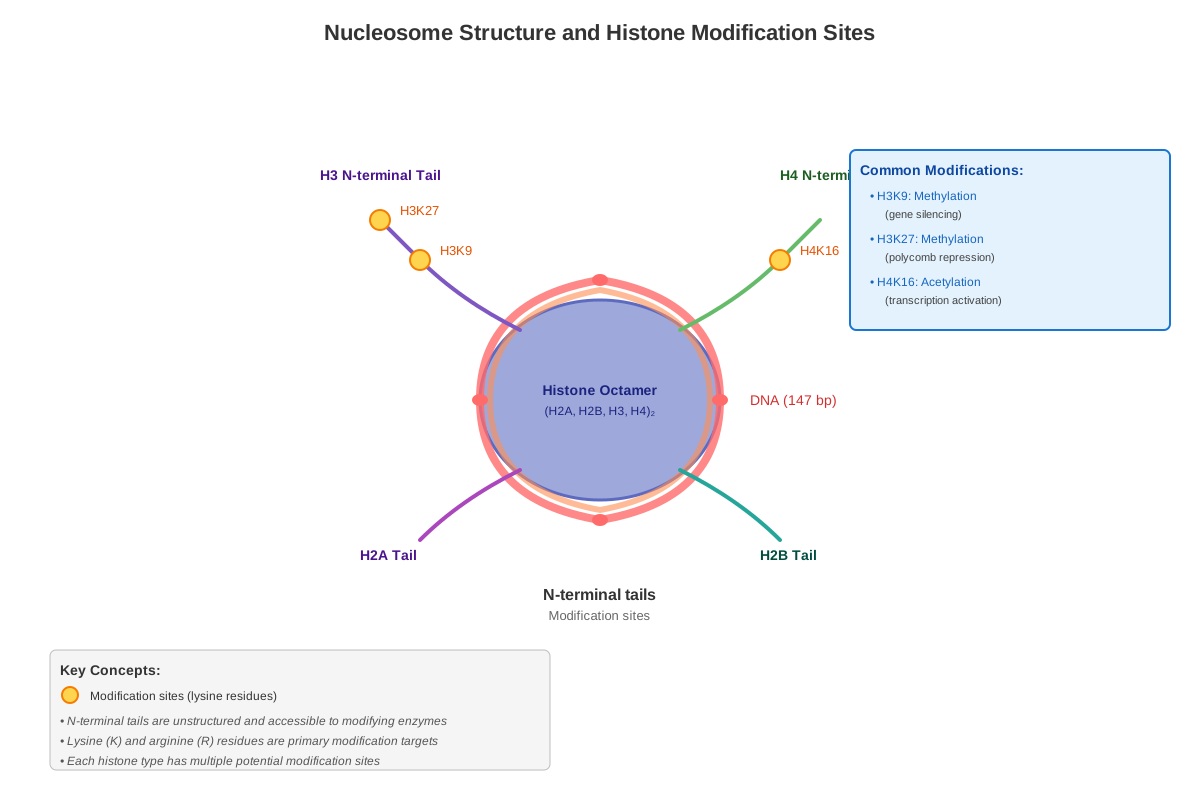
Chromatin consists of DNA wrapped around histone proteins, forming repeating units called nucleosomes. Each nucleosome contains approximately 147 base pairs of DNA wound 1.65 turns around a histone octamer composed of two copies each of histones H2A, H2B, H3, and H4. A fifth histone, H1, binds to linker DNA between nucleosomes, further compacting the chromatin structure. The N-terminal tails of core histones extend outward from the nucleosome core, providing accessible sites for post-translational modifications.
Chromatin exists in two primary states: euchromatin (loosely packed, transcriptionally active) and heterochromatin (tightly packed, transcriptionally silent). Histone modifications serve as molecular switches that regulate transitions between these states, directly influencing whether transcriptional machinery can access DNA sequences.
Types of Histone Modifications
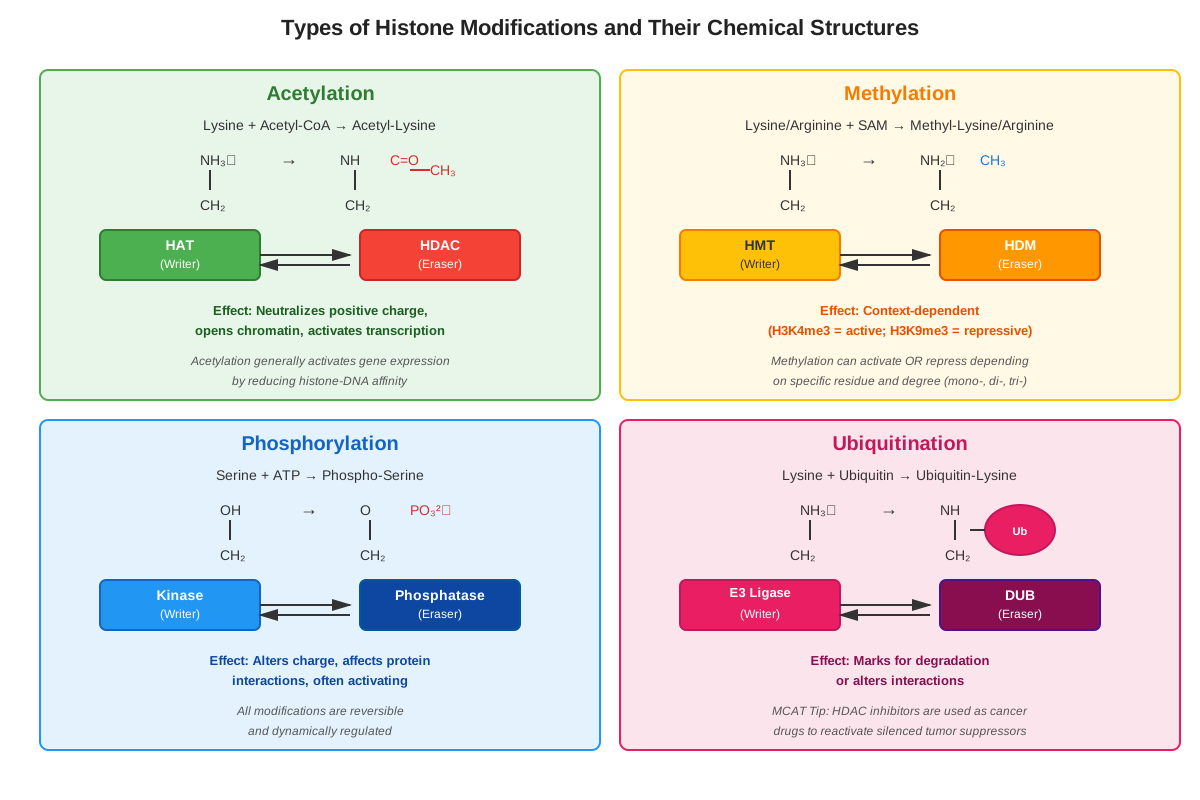
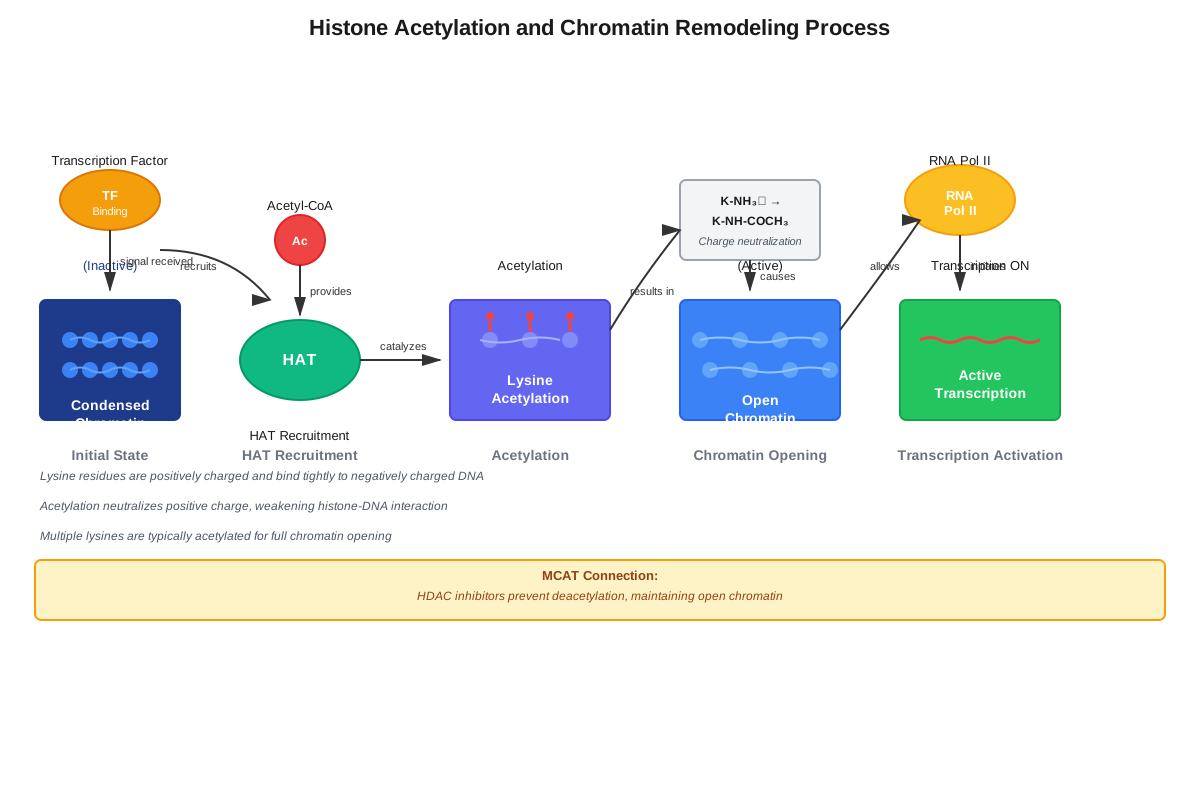
Histone acetylation involves the addition of acetyl groups (COCH₃) to lysine residues on histone tails, catalyzed by histone acetyltransferases (HATs). Acetylation neutralizes the positive charge of lysine residues, weakening the electrostatic attraction between negatively charged DNA and positively charged histones. This loosening of DNA-histone interactions promotes chromatin opening and generally correlates with transcriptional activation. The reverse reaction, catalyzed by histone deacetylases (HDACs), removes acetyl groups, restoring positive charges and promoting chromatin compaction and transcriptional repression.
Histone methylation adds methyl groups (CH₃) to lysine or arginine residues through histone methyltransferases (HMTs). Unlike acetylation, methylation does not alter charge and can have diverse functional outcomes depending on which residue is modified and the degree of methylation (mono-, di-, or tri-methylation). For example:
| Modification | Location | Effect | Associated State |
|---|---|---|---|
| H3K4me3 | Histone H3, lysine 4, tri-methylated | Transcriptional activation | Active promoters |
| H3K9me3 | Histone H3, lysine 9, tri-methylated | Transcriptional repression | Heterochromatin |
| H3K27me3 | Histone H3, lysine 27, tri-methylated | Transcriptional repression | Polycomb-silenced genes |
| H3K36me3 | Histone H3, lysine 36, tri-methylated | Transcriptional elongation | Gene bodies |
Histone demethylases remove methyl groups, providing dynamic regulation of methylation patterns.
Histone phosphorylation adds phosphate groups to serine, threonine, or tyrosine residues, introducing negative charges. This modification plays important roles in DNA damage response, chromosome condensation during mitosis, and transcriptional regulation. Kinases add phosphate groups, while phosphatases remove them.
Histone ubiquitination attaches ubiquitin proteins (76 amino acids) to lysine residues, creating bulky modifications that can either activate or repress transcription depending on context. H2B ubiquitination generally associates with active transcription, while H2A ubiquitination often correlates with gene silencing.
The Histone Code Hypothesis
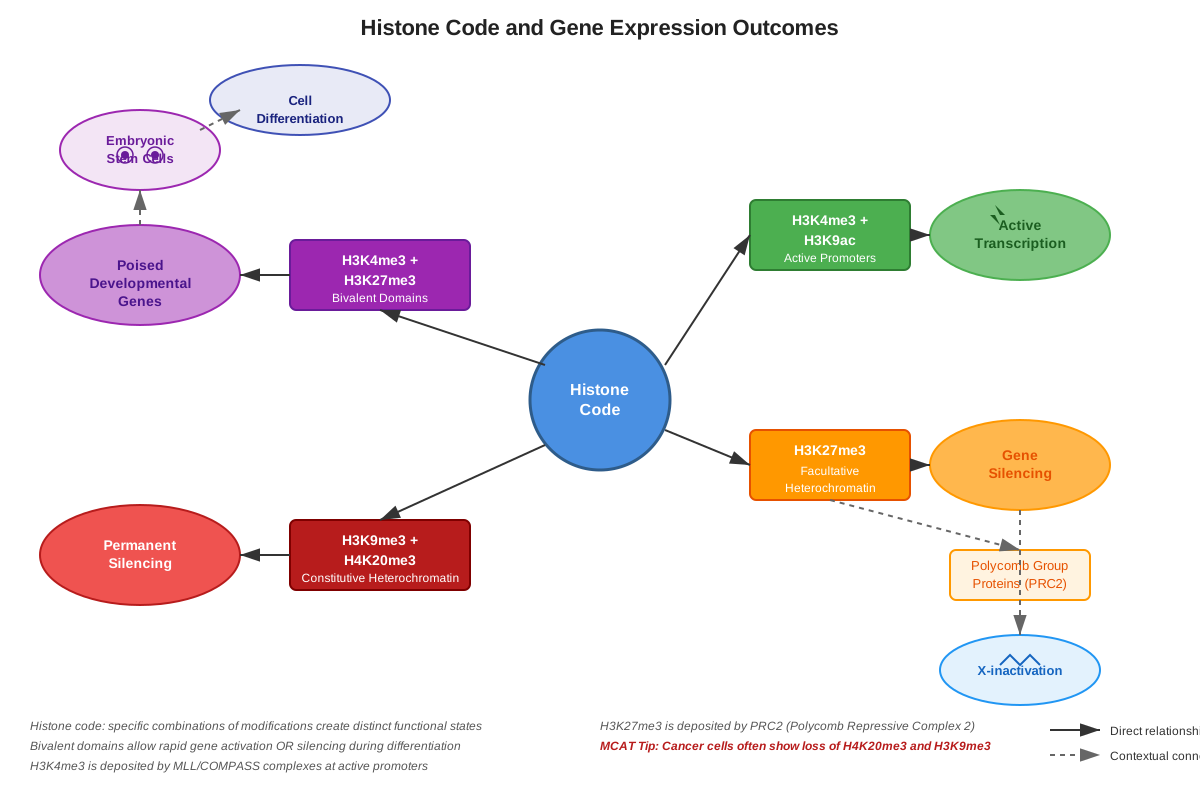
The histone code hypothesis proposes that specific combinations of histone modifications create a "code" that recruits particular proteins to chromatin, determining functional outcomes. Modified histone tails serve as binding platforms for reader proteins containing specialized domains:
- Bromodomains recognize and bind acetylated lysines
- Chromodomains recognize and bind methylated lysines
- PHD fingers recognize various methylation states
- Tudor domains bind methylated arginines and lysines
These reader proteins often possess additional enzymatic activities or recruit other chromatin-modifying complexes, creating cascades of chromatin remodeling. For example, H3K4me3 recruits chromatin remodeling complexes and transcription factors that promote gene activation, while H3K9me3 recruits heterochromatin protein 1 (HP1), which promotes chromatin compaction and gene silencing.
Writers, Readers, and Erasers
The dynamic regulation of histone modifications involves three classes of proteins:
- Writers: Enzymes that add modifications (HATs, HMTs, kinases, ubiquitin ligases)
- Readers: Proteins that recognize and bind specific modifications (bromodomain-containing proteins, chromodomain-containing proteins)
- Erasers: Enzymes that remove modifications (HDACs, histone demethylases, phosphatases, deubiquitinases)
This writer-reader-eraser framework emphasizes the reversible and dynamic nature of histone modifications. Unlike DNA mutations, histone modifications can be rapidly added or removed in response to developmental signals, environmental changes, or cellular stress, providing flexible gene regulation mechanisms.
Histone Modifications in Gene Regulation
Histone modifications regulate gene expression through multiple mechanisms:
Chromatin accessibility: Acetylation and certain methylation marks promote open chromatin, allowing transcription factors and RNA polymerase II to access promoters and enhancers. Conversely, deacetylation and repressive methylation marks compact chromatin, physically blocking transcriptional machinery.
Recruitment of regulatory complexes: Modified histones serve as landing platforms for multi-protein complexes. Active marks like H3K4me3 recruit transcriptional activators, while repressive marks like H3K27me3 recruit Polycomb repressive complexes that maintain gene silencing.
Transcriptional elongation: Modifications within gene bodies, such as H3K36me3, regulate RNA polymerase II processivity and prevent spurious transcription initiation from cryptic promoters within genes.
Boundary formation: Specific modification patterns create boundaries between active and silent chromatin domains, preventing inappropriate spreading of chromatin states.
Histone Modifications in Development and Differentiation
During development, histone modification patterns undergo dramatic reorganization. Pluripotent stem cells exhibit unique chromatin states, including bivalent domains where both activating (H3K4me3) and repressive (H3K27me3) marks coexist at developmental gene promoters. This poised state allows rapid activation or stable silencing upon differentiation signals.
As cells differentiate, lineage-specific genes acquire active histone marks and become transcribed, while genes for alternative cell fates acquire repressive marks and become stably silenced. These epigenetic changes contribute to cellular memory, ensuring differentiated cells maintain their identity through cell divisions.
Histone Modifications and Disease
Aberrant histone modification patterns contribute to numerous diseases:
Cancer: Tumor cells often exhibit global hypoacetylation and altered methylation patterns. Mutations in histone-modifying enzymes (such as EZH2, a H3K27 methyltransferase) occur frequently in cancer. HDAC inhibitors represent targeted therapies that restore normal acetylation patterns and reactivate tumor suppressor genes.
Developmental disorders: Mutations affecting histone-modifying enzymes cause syndromes like Kabuki syndrome (mutations in KMT2D, a H3K4 methyltransferase) and Rubinstein-Taybi syndrome (mutations in CBP, a histone acetyltransferase).
Neurological disorders: Altered histone modifications contribute to neurodegenerative diseases, addiction, and cognitive disorders, as neuronal gene expression depends heavily on dynamic chromatin regulation.
Concept Relationships
Histone modification connects intimately with multiple biological processes, creating an integrated regulatory network. Chromatin structure provides the physical substrate for modifications → histone-modifying enzymes add or remove chemical groups → modified histones recruit reader proteins → reader proteins alter chromatin accessibility and recruit transcriptional machinery → gene expression changes produce phenotypic outcomes.
This topic links directly to transcriptional regulation, as histone modifications determine whether transcription factors can access DNA binding sites. It connects to signal transduction pathways, since extracellular signals often trigger cascades that activate histone-modifying enzymes, translating environmental information into chromatin changes. The relationship extends to DNA replication, as histone modifications must be maintained or reset during S phase to preserve cellular identity.
Histone modification relates to DNA methylation (another epigenetic mechanism), with these two systems often working cooperatively—DNA methylation can recruit histone-modifying enzymes, and certain histone modifications can influence DNA methylation patterns. The connection to cell cycle regulation appears in how phosphorylation of histone H3 at serine 10 correlates with chromosome condensation during mitosis.
Understanding histone modification enables comprehension of cellular differentiation (how identical genomes produce diverse cell types), cancer biology (how normal gene regulation becomes disrupted), and inheritance (how some histone modifications can be transmitted through cell divisions or even across generations).
Quick check — test yourself on Histone modification so far.
Try Flashcards →High-Yield Facts
⭐ Histone acetylation generally activates transcription by neutralizing positive charges on lysine residues, weakening DNA-histone interactions and opening chromatin structure
⭐ Histone deacetylases (HDACs) remove acetyl groups and promote transcriptional repression; HDAC inhibitors are used as cancer therapeutics
⭐ H3K4me3 (histone H3 lysine 4 tri-methylation) marks active promoters and is associated with transcriptional activation
⭐ H3K9me3 and H3K27me3 are repressive marks associated with heterochromatin formation and gene silencing
⭐ Histone modifications are reversible and dynamic, unlike DNA sequence mutations, allowing rapid responses to cellular signals
- Bromodomains are protein modules that specifically recognize and bind acetylated lysine residues on histone tails
- The histone code hypothesis proposes that combinations of modifications create binding platforms for specific regulatory proteins
- Bivalent domains (containing both H3K4me3 and H3K27me3) mark developmental genes in embryonic stem cells, keeping them poised for rapid activation or silencing
- Histone modifications can influence DNA repair by recruiting repair machinery to damaged sites
- Writers (HATs, HMTs), readers (bromodomain proteins, chromodomain proteins), and erasers (HDACs, demethylases) constitute the three functional classes of histone modification regulators
Common Misconceptions
Misconception: All histone methylation has the same effect on gene expression.
Correction: Histone methylation effects depend critically on which residue is modified and the degree of methylation. H3K4me3 activates transcription, while H3K9me3 and H3K27me3 repress transcription. The same modification type (methylation) produces opposite outcomes based on location.
Misconception: Histone modifications directly change the DNA sequence.
Correction: Histone modifications are epigenetic changes—they alter gene expression without changing the underlying DNA sequence. The genetic code remains unchanged; only the accessibility and regulatory state of genes are modified.
Misconception: Acetylation and methylation both work by changing histone charge.
Correction: Acetylation neutralizes positive charges on lysine residues, affecting electrostatic DNA-histone interactions. Methylation does not change charge but instead creates binding sites for reader proteins with specific recognition domains. The mechanisms differ fundamentally.
Misconception: Histone modifications are permanent marks that cannot be reversed.
Correction: Histone modifications are highly dynamic and reversible. Eraser enzymes (HDACs, demethylases, phosphatases) actively remove modifications, allowing rapid chromatin state transitions in response to cellular signals. This reversibility distinguishes histone modifications from DNA mutations.
Misconception: HDAC inhibitors increase histone deacetylation.
Correction: HDAC inhibitors block histone deacetylase activity, preventing removal of acetyl groups. This results in increased histone acetylation, more open chromatin, and enhanced gene expression. The naming can be confusing—inhibiting the deacetylase increases acetylation.
Misconception: All cells in an organism have identical histone modification patterns.
Correction: Different cell types exhibit distinct histone modification landscapes that reflect their unique gene expression programs. Liver cells, neurons, and muscle cells have different patterns of active and repressive marks corresponding to their specialized functions, despite sharing identical DNA sequences.
Worked Examples
Example 1: Predicting Effects of HDAC Inhibitor Treatment
Question: Researchers treat cancer cells with an HDAC inhibitor and observe reactivation of a tumor suppressor gene that was previously silenced. Explain the molecular mechanism by which HDAC inhibition leads to gene reactivation.
Solution:
Step 1: Identify what HDACs normally do.
HDACs (histone deacetylases) remove acetyl groups from lysine residues on histone tails. This removal restores positive charges to lysines, strengthening electrostatic interactions between positively charged histones and negatively charged DNA phosphate backbones.
Step 2: Determine the effect of HDAC inhibition.
When HDACs are inhibited, acetyl groups remain on histone lysines. The acetylated lysines retain their neutralized charge state, weakening DNA-histone interactions.
Step 3: Connect to chromatin structure.
Weakened DNA-histone interactions result in a more open, relaxed chromatin structure (euchromatin). This increased accessibility allows transcription factors and RNA polymerase II to access the previously silenced tumor suppressor gene promoter.
Step 4: Explain gene reactivation.
With the promoter now accessible, transcriptional machinery can bind and initiate transcription, reactivating the tumor suppressor gene. The gene product can then perform its normal function of regulating cell growth and preventing uncontrolled proliferation.
Key concept: This example demonstrates how histone modifications regulate chromatin accessibility and how pharmacological manipulation of histone-modifying enzymes can alter gene expression patterns in disease contexts—a high-yield MCAT concept connecting molecular mechanisms to therapeutic applications.
Example 2: Interpreting Chromatin Immunoprecipitation (ChIP) Data
Question: Researchers perform ChIP experiments using antibodies against H3K4me3 and H3K27me3 at a developmental gene promoter in embryonic stem cells. They detect both modifications at the same promoter region. In differentiated cells, only H3K27me3 is detected. What does this pattern indicate about the gene's regulatory state in each cell type?
Solution:
Step 1: Interpret the embryonic stem cell data.
The presence of both H3K4me3 (an activating mark) and H3K27me3 (a repressive mark) at the same promoter indicates a bivalent domain. This chromatin state is characteristic of developmental genes in pluripotent stem cells.
Step 2: Explain the functional significance of bivalent domains.
Bivalent domains keep developmental genes in a "poised" state—not actively transcribed but ready for rapid activation upon appropriate differentiation signals. The H3K4me3 mark maintains the promoter in an accessible state, while H3K27me3 (deposited by Polycomb repressive complexes) prevents premature activation.
Step 3: Interpret the differentiated cell data.
In differentiated cells, only H3K27me3 remains, indicating the gene has been stably silenced. The loss of H3K4me3 and retention of H3K27me3 suggests this developmental gene is not needed in this particular differentiated cell type and has been permanently repressed.
Step 4: Connect to biological function.
This pattern explains how stem cells maintain developmental flexibility (bivalent domains allow rapid response to differentiation signals) while differentiated cells maintain stable cellular identity (loss of activating marks and retention of repressive marks ensure lineage-inappropriate genes remain silenced).
Key concept: This example integrates histone modification patterns with developmental biology, demonstrating how to interpret experimental data and connect molecular chromatin states to cellular phenotypes—a common MCAT passage scenario.
Exam Strategy
Approaching MCAT Questions on Histone Modification
When encountering histone modification questions, follow this systematic approach:
- Identify the modification type (acetylation, methylation, phosphorylation, ubiquitination)
- Determine the specific residue if provided (H3K4, H3K9, H3K27, etc.)
- Predict the general effect (activation vs. repression)
- Consider the enzyme involved (writer, reader, or eraser)
- Connect to chromatin structure (open vs. closed)
- Link to gene expression outcome (increased vs. decreased transcription)
Trigger Words and Phrases
Watch for these high-yield terms that signal histone modification content:
- "Epigenetic regulation" → Think histone modifications and DNA methylation
- "Chromatin remodeling" → Consider histone modifications changing chromatin accessibility
- "HDAC inhibitor" → Increased acetylation → open chromatin → gene activation
- "Transcriptional repression without DNA mutation" → Histone modifications or DNA methylation
- "Bivalent domain" → Embryonic stem cells, developmental genes, both active and repressive marks
- "Heterochromatin formation" → Repressive histone modifications like H3K9me3
- "Bromodomain protein" → Recognizes acetylated lysines
Process-of-Elimination Tips
When evaluating answer choices:
Eliminate options that:
- Confuse acetylation effects with methylation effects
- Suggest histone modifications change DNA sequence
- Claim all methylation has identical effects regardless of residue location
- State histone modifications are irreversible
- Confuse HDAC inhibitors with HDAC activators
Favor options that:
- Correctly link acetylation to transcriptional activation
- Distinguish between different methylation marks (H3K4me3 vs. H3K9me3)
- Emphasize the reversible, dynamic nature of modifications
- Connect modifications to chromatin accessibility
- Integrate histone modifications with transcription factor binding
Time Allocation
For discrete questions on histone modification (rare): 60-90 seconds
For passage-based questions:
- First pass reading passage: 3-4 minutes
- Per question: 90-120 seconds
- Prioritize questions asking about direct effects of modifications before complex multi-step reasoning questions
Memory Techniques
Mnemonics
"HATs Put Acetyl, HDACs Take Away"
- HATs (Histone Acetyltransferases) add acetyl groups → activation
- HDACs (Histone Deacetylases) remove acetyl groups → repression
"Acetylation Activates, Deacetylation Dampens"
- Both start with 'A' for acetylation/activates
- Both start with 'D' for deacetylation/dampens
"K4 is For (transcription), K9 is Not Fine, K27 is Not in Heaven"
- H3K4me3 → transcriptional activation
- H3K9me3 → transcriptional repression
- H3K27me3 → transcriptional repression
Visualization Strategy
Picture a nucleosome as a spool with DNA wrapped around it. Imagine histone tails as flexible strings extending outward. When acetyl groups (visualize as small red balls) attach to the tails, they push the DNA away from the histone core, creating gaps where transcription factors (visualize as green triangles) can slip in. When acetyl groups are removed, the DNA wraps tightly again, blocking access.
For methylation, visualize different colored flags: blue flags on H3K4 signal "open for business" (transcription), while black flags on H3K9 and H3K27 signal "closed" (repression).
Acronym: WRE Framework
Writers - Readers - Erasers
This framework organizes all histone modification proteins into functional categories, helping recall that modifications are:
- Added by writers (HATs, HMTs)
- Recognized by readers (bromodomain proteins, chromodomain proteins)
- Removed by erasers (HDACs, demethylases)
Summary
Histone modification represents a crucial epigenetic mechanism that regulates gene expression by altering chromatin structure without changing DNA sequences. Core histone proteins (H2A, H2B, H3, H4) undergo post-translational modifications—primarily acetylation, methylation, phosphorylation, and ubiquitination—on their N-terminal tails. Acetylation, catalyzed by HATs, neutralizes positive charges and promotes open chromatin and transcriptional activation, while HDACs reverse this process, promoting chromatin compaction and gene repression. Methylation effects depend on the specific residue modified: H3K4me3 activates transcription, while H3K9me3 and H3K27me3 repress transcription. The histone code hypothesis proposes that combinations of modifications recruit specific reader proteins that determine functional outcomes. Writer enzymes add modifications, reader proteins recognize them, and eraser enzymes remove them, creating a dynamic regulatory system. For the MCAT, students must understand how specific modifications affect chromatin accessibility and gene expression, interpret experimental manipulations of histone-modifying enzymes, and connect histone modifications to development, differentiation, and disease processes including cancer.
Key Takeaways
- Histone acetylation neutralizes positive charges, opens chromatin, and activates transcription; HDACs reverse this effect and are therapeutic targets in cancer
- Different histone methylation marks have opposite effects: H3K4me3 activates genes, while H3K9me3 and H3K27me3 repress genes
- Histone modifications are reversible and dynamic, allowing rapid gene expression changes without altering DNA sequence
- The writer-reader-eraser framework organizes histone modification regulators: enzymes add modifications (writers), proteins recognize modifications (readers), and enzymes remove modifications (erasers)
- Bivalent domains (containing both activating and repressive marks) keep developmental genes poised in embryonic stem cells for rapid activation or silencing upon differentiation
- Histone modifications regulate chromatin accessibility, determining whether transcription factors and RNA polymerase can access DNA
- Aberrant histone modification patterns contribute to cancer, developmental disorders, and other diseases, making histone-modifying enzymes important therapeutic targets
Related Topics
DNA Methylation: Another major epigenetic modification that works cooperatively with histone modifications to regulate gene expression; understanding both mechanisms provides comprehensive knowledge of epigenetic regulation
Transcriptional Regulation: Histone modifications directly influence transcription factor binding and RNA polymerase activity; mastering histone modifications enhances understanding of gene expression control
Cell Differentiation and Development: Histone modification patterns change dramatically during development; this topic builds on histone modification knowledge to explain how cells acquire specialized identities
Cancer Biology: Many cancers exhibit aberrant histone modification patterns; understanding histone modifications enables comprehension of oncogenesis and targeted therapies
Signal Transduction: Extracellular signals often trigger cascades that activate histone-modifying enzymes; connecting these topics explains how cells translate environmental information into gene expression changes
Chromatin Remodeling Complexes: ATP-dependent complexes that physically reposition nucleosomes often work in conjunction with histone modifications; together these mechanisms provide comprehensive chromatin regulation
Practice CTA
Now that you've mastered the core concepts of histone modification, it's time to reinforce your understanding through active practice. Attempt the practice questions to test your ability to apply these concepts to MCAT-style scenarios, and use the flashcards to solidify high-yield facts for rapid recall on test day. Remember, histone modification frequently appears in complex passages that integrate multiple biological systems—the more you practice interpreting experimental data and predicting outcomes, the more confident you'll become. Your understanding of this dynamic regulatory mechanism will serve as a foundation for tackling advanced topics in genetics, development, and disease. Keep pushing forward—mastery comes through deliberate practice!
Sign up free to keep reading
Create a free AnvayaPrep account to finish this MCAT guide on Histone modification — plus flashcards and practice questions.