Overview
The Northern blot is a fundamental molecular biology technique used to detect and analyze specific RNA sequences within a complex mixture of RNA molecules. Named as a playful reference to the Southern blot (which detects DNA), the Northern blot enables researchers and clinicians to determine whether a particular gene is being transcribed, measure the abundance of specific mRNA transcripts, and assess the size of RNA molecules. This technique has been instrumental in gene expression studies, developmental biology research, and clinical diagnostics for decades.
For the MCAT, understanding the Northern blot is essential because it represents a cornerstone technique in Molecular Biology and Genetics that tests your ability to interpret experimental design, analyze data from molecular techniques, and understand gene expression regulation. The MCAT frequently presents passages describing laboratory experiments where researchers use various blotting techniques to investigate biological questions. Questions may ask you to predict experimental outcomes, interpret gel electrophoresis results, or distinguish between different molecular biology techniques based on their applications and mechanisms.
The Northern blot connects to broader Biology concepts including transcription, gene expression regulation, RNA processing, and experimental methodology. It serves as a bridge between theoretical knowledge of molecular processes and practical laboratory applications. Understanding this technique requires integration of knowledge about nucleic acid structure, complementary base pairing, RNA stability, and the central dogma of molecular biology. Mastery of the Northern blot also facilitates understanding of related techniques like Southern blots (DNA detection), Western blots (protein detection), and modern alternatives such as RT-PCR and RNA sequencing.
Learning Objectives
- [ ] Define Northern blot using accurate Biology terminology
- [ ] Explain why Northern blot matters for the MCAT
- [ ] Apply Northern blot to exam-style questions
- [ ] Identify common mistakes related to Northern blot
- [ ] Connect Northern blot to related Biology concepts
- [ ] Describe the step-by-step procedure of performing a Northern blot
- [ ] Compare and contrast Northern blot with other blotting techniques (Southern, Western)
- [ ] Interpret Northern blot results and predict experimental outcomes based on gene expression patterns
- [ ] Analyze how experimental variables affect Northern blot results
Prerequisites
- RNA structure and function: Understanding RNA types (mRNA, rRNA, tRNA) is essential because Northern blots specifically detect RNA molecules
- Transcription and gene expression: Knowledge of how genes are transcribed into RNA is necessary to interpret what Northern blot results indicate about cellular activity
- Complementary base pairing: The detection mechanism relies on Watson-Crick base pairing between probe and target sequences
- Gel electrophoresis principles: Northern blots use electrophoresis to separate RNA by size before detection
- Central dogma of molecular biology: Understanding DNA → RNA → protein flow contextualizes where Northern blots fit in studying gene expression
Why This Topic Matters
Clinical and Research Significance
Northern blots have played crucial roles in medical research and diagnostics. They have been used to study gene expression changes in cancer cells, identify viral infections by detecting viral RNA, monitor gene therapy effectiveness, and investigate developmental biology questions. While newer techniques like quantitative RT-PCR have largely replaced Northern blots in routine laboratory work, understanding this technique remains fundamental to interpreting scientific literature and understanding the evolution of molecular diagnostic methods. The principles underlying Northern blots—specific nucleic acid detection through hybridization—remain central to modern molecular diagnostics.
MCAT Examination Context
On the MCAT, Northern blot questions appear with moderate frequency in both passage-based and discrete questions within the Biological and Biochemical Foundations of Living Systems section. Approximately 2-4% of molecular biology questions involve blotting techniques. The MCAT tests Northern blots in several ways:
- Experimental design passages: Students must identify which technique (Northern, Southern, or Western blot) would best answer a specific research question
- Data interpretation: Questions present Northern blot images and ask students to draw conclusions about gene expression patterns
- Comparison questions: Students must distinguish between different molecular techniques based on their targets and applications
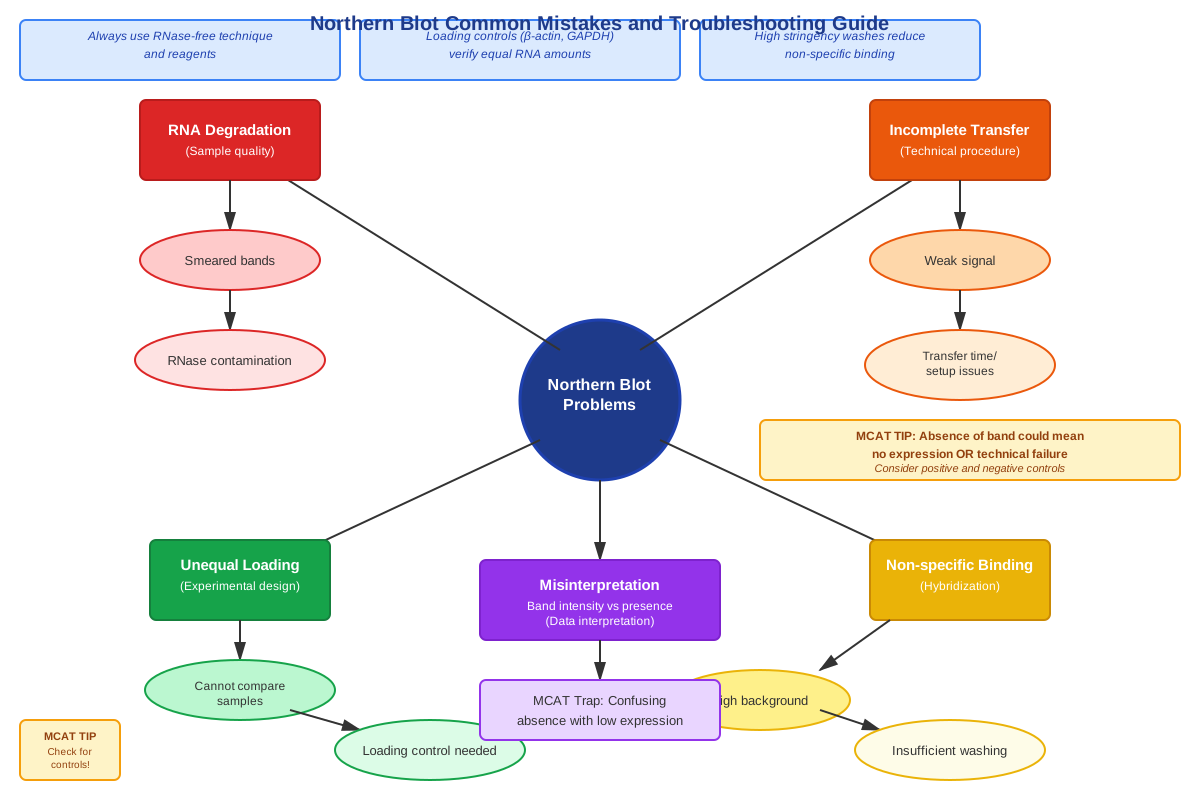
- Troubleshooting scenarios: Questions may describe unexpected results and ask students to identify potential experimental errors
The MCAT particularly favors questions that integrate Northern blot knowledge with gene regulation, cancer biology, development, and comparative physiology. Understanding this technique demonstrates mastery of both theoretical molecular biology and practical experimental reasoning—both highly valued on the exam.
Core Concepts
Definition and Purpose of Northern Blot
A Northern blot is a laboratory technique used to detect specific RNA sequences in a sample by separating RNA molecules by size through gel electrophoresis, transferring them to a membrane, and then probing with a labeled complementary nucleic acid sequence. The technique specifically analyzes RNA, distinguishing it from Southern blots (DNA analysis) and Western blots (protein analysis). The name "Northern" was coined as a humorous geographical reference to Edwin Southern, who developed the Southern blot for DNA detection.
The primary purposes of Northern blotting include: determining whether a specific gene is being transcribed in particular cells or tissues, measuring relative abundance of specific mRNA transcripts, identifying the size of RNA molecules (which can reveal alternative splicing patterns or RNA processing), and comparing gene expression levels across different experimental conditions, developmental stages, or disease states.
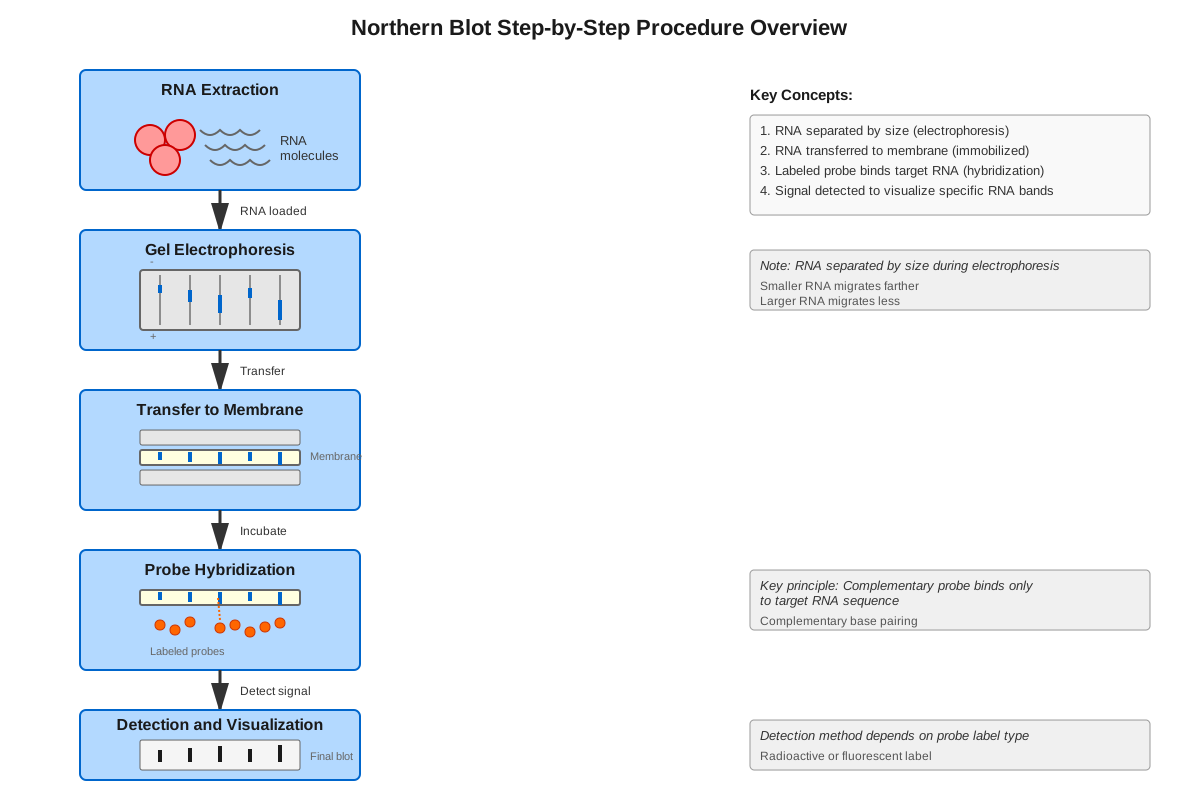
Step-by-Step Northern Blot Procedure
The Northern blot procedure consists of several critical sequential steps:
- RNA Extraction and Preparation: Total RNA is extracted from cells or tissues using methods that preserve RNA integrity and prevent degradation by ubiquitous RNases (RNA-degrading enzymes). The sample typically contains all RNA types: mRNA, rRNA, and tRNA. Special precautions include using RNase-free equipment, working quickly, and often adding RNase inhibitors.
- Gel Electrophoresis: RNA samples are loaded into wells of an agarose gel containing denaturing agents (such as formaldehyde) that prevent secondary structure formation. When electric current is applied, RNA molecules migrate through the gel matrix, with smaller molecules moving faster and farther than larger ones. This separates RNA by size, creating distinct bands for different RNA species.
- Transfer (Blotting): After electrophoresis, the separated RNA molecules are transferred from the gel to a solid support membrane (typically nylon or nitrocellulose). This transfer can occur through capillary action, vacuum, or electroblotting. The membrane creates a permanent, accessible replica of the gel pattern that can be probed multiple times.
- Membrane Fixation: RNA is permanently attached to the membrane through UV crosslinking or heat treatment, preventing it from washing away during subsequent steps.
- Probe Preparation: A labeled probe complementary to the target RNA sequence is prepared. The probe can be DNA or RNA and is labeled with radioactive isotopes (³²P), fluorescent dyes, or chemiluminescent markers. The probe sequence must be complementary to the target RNA for specific hybridization.
- Hybridization: The membrane is incubated with the labeled probe under conditions that promote specific base pairing between the probe and target RNA sequences. Temperature, salt concentration, and incubation time are carefully controlled to optimize specific binding while minimizing non-specific interactions.
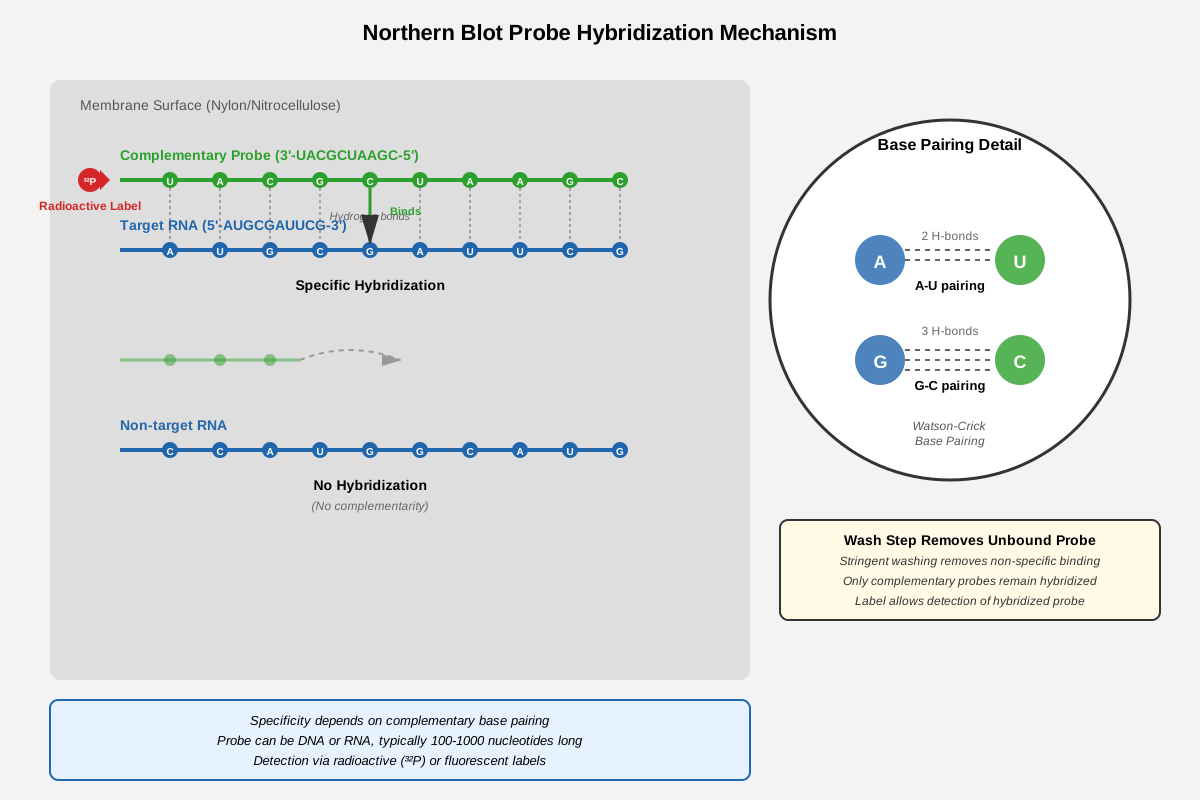
- Washing: Excess unbound probe is removed through washing steps with varying stringency (temperature and salt concentration). High-stringency washes remove non-specifically bound probe, ensuring only perfectly matched probe-target hybrids remain.
- Detection and Visualization: The location and intensity of probe binding are detected through autoradiography (for radioactive probes), fluorescence imaging, or chemiluminescence. The resulting image shows bands corresponding to the target RNA, with band intensity reflecting RNA abundance and band position indicating RNA size.
Molecular Basis of Detection
The detection mechanism in Northern blot Biology relies on complementary base pairing between the probe and target RNA sequences. This follows Watson-Crick base pairing rules: adenine pairs with uracil (in RNA) and guanine pairs with cytosine. The specificity of this interaction allows detection of one particular RNA sequence among thousands of different RNA molecules in a sample.
The probe must be designed with sufficient length (typically 100-1000 nucleotides) to ensure specific binding while maintaining the ability to hybridize efficiently. Shorter probes may bind non-specifically to partially complementary sequences, while extremely long probes may have difficulty accessing target sequences or may form secondary structures that interfere with hybridization.
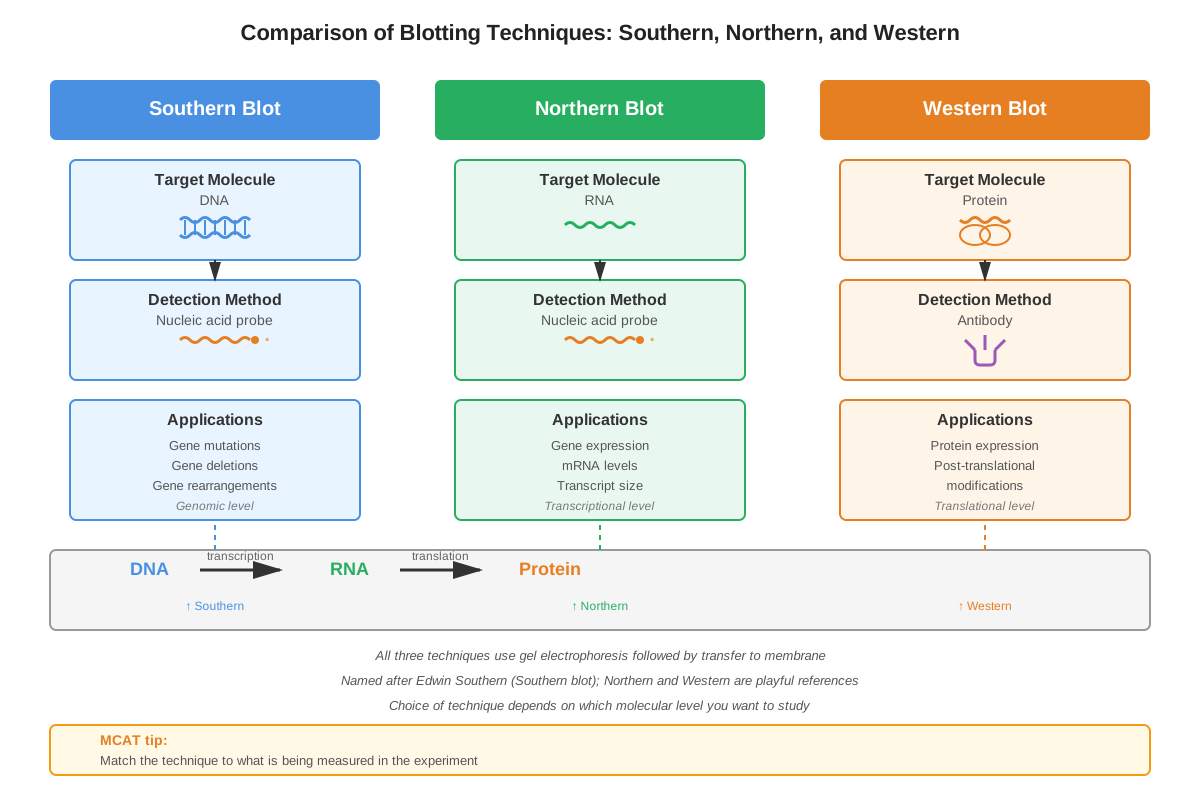
Comparison of Blotting Techniques
Understanding how Northern blots relate to other blotting techniques is crucial for Northern blot MCAT questions:
| Technique | Target Molecule | Primary Application | Key Distinguishing Feature |
|---|---|---|---|
| Southern blot | DNA | Detect specific DNA sequences, gene mapping, restriction fragment analysis | Analyzes genomic DNA or DNA fragments |
| Northern blot | RNA | Measure gene expression, detect mRNA transcripts, analyze RNA size | Analyzes transcription products |
| Western blot | Protein | Detect specific proteins, measure protein expression | Analyzes translation products; uses antibodies instead of nucleic acid probes |
This comparison is frequently tested on the MCAT, as it requires understanding the central dogma and recognizing which technique addresses which level of gene expression.
Interpreting Northern Blot Results
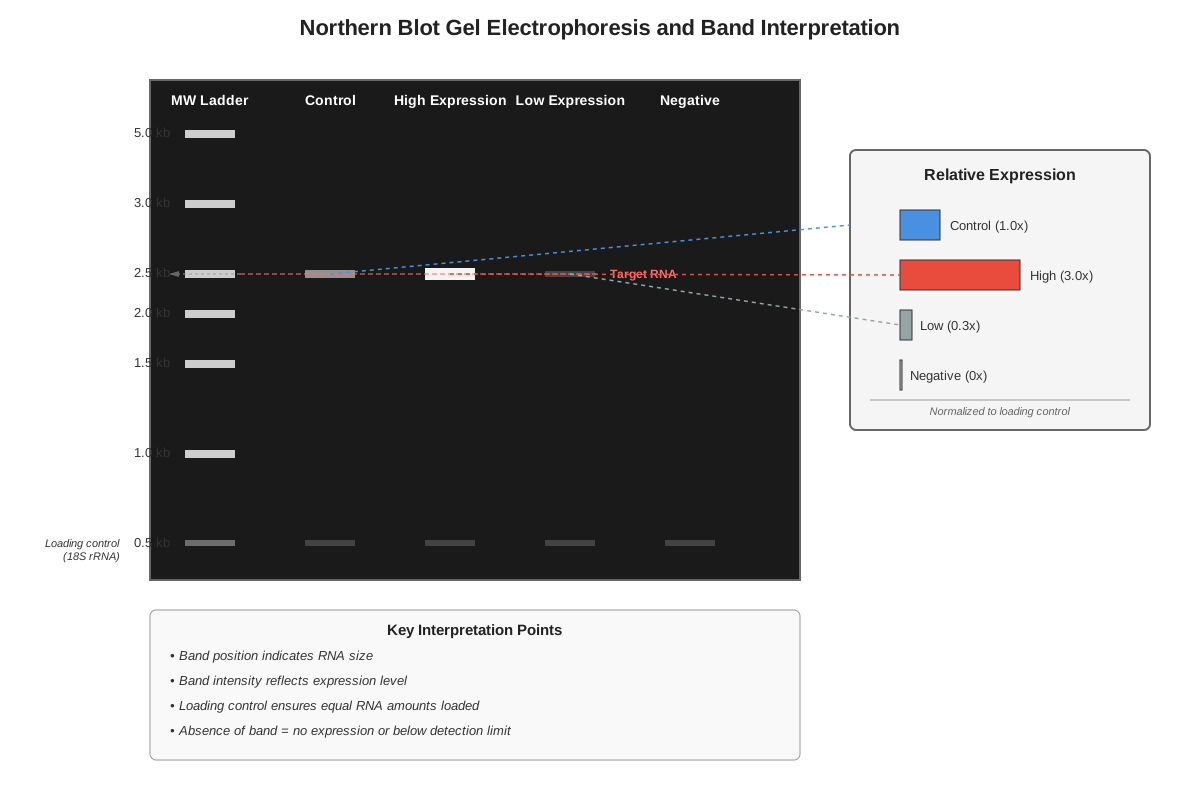
Northern blot results appear as bands on a membrane image. Key interpretive principles include:
- Band presence/absence: A band indicates the target RNA is present; absence suggests the gene is not being transcribed or RNA levels are below detection threshold
- Band intensity: Darker or more intense bands indicate higher RNA abundance, reflecting greater gene expression
- Band position: Position relative to size markers indicates RNA length; multiple bands may indicate alternative splicing, RNA processing variants, or degradation
- Band number: A single band suggests one predominant transcript; multiple bands may indicate alternative transcripts, partial degradation, or cross-hybridization with related sequences
Controls and Experimental Design
Proper Northern blot experiments require appropriate controls:
- Positive control: A sample known to express the target RNA confirms the technique is working
- Negative control: A sample lacking the target RNA confirms probe specificity
- Loading control: Probing for a constitutively expressed "housekeeping" gene (like β-actin or GAPDH) ensures equal RNA loading across samples, allowing valid comparisons of target RNA levels
- Size markers: RNA ladders with known sizes allow determination of target RNA length
Concept Relationships
The Northern blot integrates multiple molecular biology concepts into a unified experimental technique. At its foundation, transcription produces the RNA molecules that Northern blots detect, making this technique a direct measure of gene expression at the RNA level. The complementary base pairing between probe and target RNA represents the same molecular recognition principle that underlies DNA replication and transcription itself.
The technique connects to gel electrophoresis principles, where molecules separate based on size and charge. Since RNA molecules are uniformly negatively charged, separation occurs primarily by size, with the gel matrix acting as a molecular sieve. This connects to broader concepts of molecular movement through porous media and the relationship between molecular weight and mobility.
Northern blots also relate to RNA processing and stability. The size and abundance of detected RNA reflect not only transcription rates but also RNA processing (splicing, polyadenylation), stability, and degradation. Observing multiple bands for a single gene might indicate alternative splicing, connecting Northern blot interpretation to concepts of gene regulation and protein diversity.
The relationship map flows as follows:
Gene → Transcription → RNA transcript → Gel electrophoresis separation → Membrane transfer → Probe hybridization (via complementary base pairing) → Detection → Gene expression analysis
This technique also connects forward to modern molecular biology methods. Understanding Northern blots provides the conceptual foundation for RT-PCR (reverse transcription polymerase chain reaction), microarrays, and RNA sequencing—all of which detect and quantify RNA but with different sensitivities, throughputs, and applications.
High-Yield Facts
⭐ Northern blots specifically detect RNA molecules, distinguishing them from Southern blots (DNA) and Western blots (proteins)
⭐ The technique measures gene expression at the transcriptional level, providing information about whether genes are being actively transcribed
⭐ Band intensity correlates with RNA abundance, allowing semi-quantitative comparison of gene expression levels between samples
⭐ Band position indicates RNA size, which can reveal alternative splicing patterns or RNA processing variations
⭐ The detection mechanism relies on complementary base pairing between a labeled probe and target RNA sequences
- Northern blots require denaturing conditions during electrophoresis to prevent RNA secondary structure formation
- RNase contamination is a major concern because these enzymes rapidly degrade RNA samples
- Loading controls (housekeeping genes) are essential for normalizing results and ensuring equal sample loading
- The technique can detect mRNA, rRNA, tRNA, or other RNA species depending on probe design
- Multiple bands for a single gene may indicate alternative splicing, RNA degradation, or cross-hybridization with related sequences
- Northern blots are less sensitive than RT-PCR but provide size information that PCR does not
- The name "Northern" blot was a geographical joke referencing Edwin Southern's name
Quick check — test yourself on Northern blot so far.
Try Flashcards →Common Misconceptions
Misconception: Northern blots detect DNA sequences in the genome.
Correction: Northern blots specifically detect RNA molecules, not DNA. Southern blots detect DNA. This distinction is crucial because Northern blots measure gene expression (transcription), while Southern blots analyze genomic DNA structure and organization.
Misconception: A darker band always means more of that gene is present in the genome.
Correction: Band intensity reflects RNA abundance, not gene copy number. A darker band indicates higher gene expression (more transcription), not more copies of the gene. Cells can have the same genome but express genes at vastly different levels depending on cell type, developmental stage, or environmental conditions.
Misconception: Northern blots can detect proteins if you use the right probe.
Correction: Northern blots only detect nucleic acids (RNA) through complementary base pairing with nucleic acid probes. Proteins cannot base pair with nucleic acid probes. Western blots use antibodies to detect proteins, representing a fundamentally different detection mechanism.
Misconception: The absence of a band definitively proves a gene is not being transcribed.
Correction: Absence of a band may indicate low expression below the detection threshold rather than complete absence of transcription. Northern blots have limited sensitivity compared to techniques like RT-PCR. A gene might be transcribed at low levels that Northern blots cannot detect.
Misconception: All RNA molecules in a sample will appear as bands on a Northern blot.
Correction: Only RNA sequences complementary to the probe will be detected. A Northern blot is highly specific—you only see what you probe for. To detect different RNA species, you must use different probes or strip and re-probe the membrane.
Misconception: Northern blots and Southern blots use the same procedure and differ only in name.
Correction: While the general principle is similar (electrophoresis, transfer, probe hybridization), Northern blots require special handling to prevent RNA degradation, use denaturing gels to disrupt RNA secondary structure, and employ different transfer and hybridization conditions optimized for RNA rather than DNA.
Worked Examples
Example 1: Experimental Design and Interpretation
Scenario: Researchers are studying the expression of Gene X in liver and muscle tissue from mice. They perform a Northern blot using RNA extracted from both tissues and probe for Gene X mRNA. The results show a strong band at approximately 2.5 kb in liver samples but no detectable band in muscle samples. A loading control probe for β-actin shows equal intensity bands in both samples.
Question: What can you conclude from these results, and what additional experiment might provide more information?
Solution:
Step 1: Analyze what each result indicates.
- Strong band in liver at 2.5 kb: Gene X is actively transcribed in liver tissue, producing an mRNA transcript of approximately 2,500 nucleotides
- No band in muscle: Gene X is either not transcribed in muscle or transcribed at levels below Northern blot detection threshold
- Equal β-actin bands: RNA loading was equal between samples, so differences in Gene X signal reflect true biological differences, not technical variation
Step 2: Draw appropriate conclusions.
Gene X shows tissue-specific expression, being expressed in liver but not detectably expressed in muscle. This suggests Gene X may encode a liver-specific protein involved in hepatic functions (such as metabolism, detoxification, or protein synthesis). The 2.5 kb size provides information about the transcript length, which could be compared to predicted size based on gene structure.
Step 3: Consider limitations and additional experiments.
Northern blots have limited sensitivity. The absence of a muscle band doesn't definitively prove Gene X is completely absent—it might be expressed at very low levels. To investigate further, researchers could:
- Perform RT-PCR, which is more sensitive and could detect low-level expression
- Use longer exposure times or more sensitive detection methods
- Examine additional tissues to map Gene X expression pattern more completely
- Perform Western blots to determine if any Gene X protein is present in muscle despite undetectable mRNA
Connection to learning objectives: This example demonstrates applying Northern blot principles to interpret experimental results, connecting gene expression patterns to tissue-specific functions, and recognizing the technique's limitations.
Example 2: Troubleshooting and Comparison
Scenario: A student wants to determine whether a particular transcription factor increases expression of Gene Y in cultured cells. She treats one set of cells with the transcription factor and leaves another set untreated. She then needs to choose an appropriate technique to measure Gene Y expression.
Question: Should she use a Northern blot, Southern blot, or Western blot? Justify your answer and describe what results would support her hypothesis.
Solution:
Step 1: Identify what needs to be measured.
The question asks about gene expression changes in response to a transcription factor. Transcription factors regulate transcription, affecting mRNA levels. Therefore, the student needs to measure mRNA abundance.
Step 2: Evaluate each technique:
- Southern blot: Detects DNA sequences. This would show whether the Gene Y gene is present in the genome but would not reveal expression changes. Inappropriate for this question.
- Northern blot: Detects RNA (mRNA). This directly measures transcription products and would show whether Gene Y mRNA levels increase with transcription factor treatment. Appropriate choice.
- Western blot: Detects proteins. This would show whether Gene Y protein levels change but wouldn't directly measure transcription. While useful, it measures a downstream consequence rather than transcription itself.
Step 3: Determine the best choice and expected results.
The Northern blot is the most appropriate technique because it directly measures mRNA levels, which reflect transcriptional activity. The student should extract RNA from both treated and untreated cells, perform Northern blot analysis with a Gene Y-specific probe, and include a loading control.
Expected results supporting the hypothesis:
- Treated cells: Strong band for Gene Y mRNA
- Untreated cells: Weak or absent band for Gene Y mRNA
- Both samples: Equal intensity loading control bands
The increased band intensity in treated cells would indicate the transcription factor increases Gene Y transcription. The student should quantify band intensities and normalize to the loading control to make valid comparisons.
Alternative consideration: While Northern blot is appropriate, RT-PCR would be more sensitive and quantitative. However, if the question specifically asks about blotting techniques or if the student needs size information (to detect alternative splicing), Northern blot would be preferred.
Connection to learning objectives: This example demonstrates distinguishing between blotting techniques based on their targets, applying Northern blot to experimental design, and predicting experimental outcomes based on biological principles.
Exam Strategy
Approaching Northern Blot Questions
When encountering Northern blot MCAT questions, follow this systematic approach:
- Identify the question type: Is it asking you to choose a technique, interpret results, or troubleshoot an experiment?
- Confirm the target molecule: If the question involves RNA or gene expression at the transcriptional level, Northern blot is relevant. If it mentions DNA or genomic analysis, consider Southern blot. If it discusses proteins, think Western blot.
- Look for key trigger words: "mRNA levels," "transcription," "gene expression," "RNA abundance," "transcript size"—these all point toward Northern blot applications.
- Consider the experimental context: Northern blots are used for comparing expression between tissues, developmental stages, treatment conditions, or disease states.
Trigger Words and Phrases
Watch for these high-yield phrases that signal Northern blot relevance:
- "Measure mRNA levels"
- "Determine whether a gene is transcribed"
- "Compare gene expression between tissues"
- "Analyze transcript size"
- "Detect alternative splicing"
- "RNA abundance"
- "Transcriptional regulation"
Conversely, these phrases suggest other techniques:
- "Genomic DNA," "restriction fragments," "gene mapping" → Southern blot
- "Protein levels," "antibody," "translation" → Western blot
- "Amplify," "PCR," "primers" → RT-PCR or PCR
Process of Elimination Strategy
When choosing between blotting techniques:
- Eliminate based on target molecule: If the question asks about DNA, eliminate Northern and Western blots immediately. If it asks about protein, eliminate Northern and Southern blots.
- Consider information provided: Northern blots provide both abundance and size information. If a question asks only about presence/absence or quantity, RT-PCR might be mentioned as an alternative. If size information is important, Northern blot is preferred.
- Evaluate sensitivity requirements: If the question mentions "low abundance" or "rare transcripts," recognize that Northern blots may lack sufficient sensitivity, and RT-PCR might be better.
Time Allocation
For passage-based questions involving Northern blots:
- Spend 30-45 seconds identifying the experimental setup and what's being measured
- Spend 30-45 seconds analyzing any figures or data presented
- Spend 60-90 seconds per associated question
For discrete questions:
- Spend 60-90 seconds total, focusing on identifying the target molecule and matching it to the appropriate technique
Exam Tip: If a passage describes multiple blotting techniques, create a quick mental table comparing what each detects. This prevents confusion when questions ask you to distinguish between them.
Memory Techniques
The "Directional Blots" Mnemonic
Remember the three main blotting techniques using geographical directions and their targets:
"Southern DNA, Northern RNA, Western Protein"
- Southern = DNA (both have curves in their letters)
- Northern = RNA (both contain "N")
- Western = Protein (W has three points, P has one point—think "points to protein")
The "Expression Ladder" Visualization
Visualize gene expression as a ladder:
- Bottom rung (DNA): Southern blot - the genetic blueprint
- Middle rung (RNA): Northern blot - the transcribed message
- Top rung (Protein): Western blot - the functional product
This reinforces that Northern blots measure the intermediate step between gene and protein.
The "PROBE" Acronym for Northern Blot Steps
Prepare RNA (extract and preserve)
Run gel electrophoresis
Overlap transfer to membrane
Bind probe through hybridization
Expose and detect signal
Size and Intensity Memory Aid
"Position = Size, Darkness = Amount"
- Where the band is (position) tells you RNA size
- How dark the band is (intensity) tells you RNA amount
This simple phrase prevents confusion between these two distinct pieces of information.
The "RNA Requires Care" Reminder
RNA = Rapidly Nuclease Attacked
This reminds you that RNA is unstable and requires special handling to prevent degradation—a common point in experimental design questions.
Summary
The Northern blot is a fundamental molecular biology technique that detects and analyzes specific RNA sequences, providing crucial information about gene expression at the transcriptional level. The procedure involves extracting RNA, separating molecules by size through gel electrophoresis, transferring RNA to a membrane, hybridizing with a labeled complementary probe, and detecting bound probe to visualize target RNA. Results reveal both RNA abundance (through band intensity) and size (through band position), enabling researchers to compare gene expression across different conditions, tissues, or developmental stages. For the MCAT, understanding Northern blots requires distinguishing them from Southern blots (DNA detection) and Western blots (protein detection), interpreting experimental results, and recognizing appropriate applications in research scenarios. The technique exemplifies core molecular biology principles including complementary base pairing, gene expression regulation, and experimental design. While modern techniques like RT-PCR have largely superseded Northern blots in routine use, the conceptual foundation remains essential for understanding molecular diagnostics and interpreting scientific literature, making it a medium-yield but important topic for MCAT preparation.
Key Takeaways
- Northern blots specifically detect RNA molecules and measure gene expression at the transcriptional level, distinguishing them from Southern blots (DNA) and Western blots (proteins)
- The technique provides two key pieces of information: RNA abundance (band intensity) and RNA size (band position), enabling comprehensive analysis of gene expression
- Detection relies on complementary base pairing between a labeled probe and target RNA sequences, requiring careful probe design and hybridization conditions
- Proper controls are essential: loading controls ensure equal sample amounts, positive controls confirm technique functionality, and negative controls verify probe specificity
- Band interpretation requires understanding: presence/absence indicates transcription status, intensity reflects expression level, position indicates size, and multiple bands may suggest alternative splicing or degradation
- MCAT questions typically test: technique selection based on experimental goals, result interpretation, comparison with other blotting methods, and troubleshooting experimental problems
- The technique connects to broader concepts: transcription, gene regulation, RNA processing, complementary base pairing, and the central dogma of molecular biology
Related Topics
Southern Blot: Detects specific DNA sequences in genomic DNA samples; understanding Northern blots facilitates learning Southern blots since they share similar methodology but target different nucleic acids. Mastery of both enables comprehensive understanding of nucleic acid detection techniques.
Western Blot: Detects specific proteins using antibodies; completing the trio of blotting techniques provides a full picture of analyzing gene expression from DNA through RNA to protein. Understanding all three demonstrates mastery of the central dogma's experimental applications.
RT-PCR and qRT-PCR: Modern alternatives to Northern blots for RNA detection with greater sensitivity and quantitative precision; understanding Northern blots provides the conceptual foundation for these more advanced techniques.
Gel Electrophoresis: The separation technique underlying Northern blots; deeper understanding of electrophoresis principles enhances ability to interpret Northern blot results and troubleshoot experimental problems.
Gene Expression Regulation: Northern blots are tools for studying transcriptional regulation; connecting the technique to regulatory mechanisms (transcription factors, enhancers, silencers) provides biological context for experimental applications.
RNA Processing and Splicing: Alternative splicing patterns can be detected through Northern blots showing multiple bands; understanding RNA processing explains why single genes may produce multiple transcript sizes.
Practice CTA
Now that you've mastered the Northern blot technique, reinforce your understanding by attempting practice questions and flashcards focused on this topic. Challenge yourself with passage-based questions that require you to interpret experimental results, distinguish between blotting techniques, and apply your knowledge to novel scenarios. The more you practice applying these concepts to MCAT-style questions, the more confident and efficient you'll become on test day. Remember: understanding the principles is just the first step—applying them under timed conditions is what leads to top scores. You've built a strong foundation; now strengthen it through deliberate practice!
Sign up free to keep reading
Create a free AnvayaPrep account to finish this MCAT guide on Northern blot — plus flashcards and practice questions.