Overview
The Southern blot is a foundational molecular biology technique used to detect specific DNA sequences within a complex mixture of DNA fragments. Named after its inventor, Edwin Southern, this method combines gel electrophoresis, DNA transfer, and hybridization with labeled probes to identify target sequences. For the MCAT, understanding Southern blot is essential because it represents a cornerstone technique in Molecular Biology and Genetics, illustrating fundamental principles of DNA structure, complementary base pairing, and molecular detection methods that underpin modern genetic research and diagnostics.
The Southern blot MCAT questions typically assess students' ability to interpret experimental data, understand the step-by-step methodology, and distinguish this technique from related blotting methods (Northern and Western blots). This topic bridges multiple high-yield concepts including DNA structure, restriction enzymes, gel electrophoresis, and nucleic acid hybridization. Mastery of Southern blot demonstrates comprehension of how molecular biologists manipulate and analyze genetic material, a skill set frequently tested in passage-based questions involving experimental design and data interpretation.
From a broader Biology perspective, Southern blot connects to genetic screening, evolutionary studies, forensic analysis, and disease diagnosis. The technique's ability to detect specific gene sequences, identify mutations, determine gene copy number, and analyze restriction fragment length polymorphisms (RFLPs) makes it a powerful tool that exemplifies the relationship between molecular techniques and their biological applications. Understanding this method provides insight into how scientists translate theoretical knowledge of DNA into practical laboratory applications that have revolutionized medicine and research.
Learning Objectives
- [ ] Define Southern blot using accurate Biology terminology
- [ ] Explain why Southern blot matters for the MCAT
- [ ] Apply Southern blot to exam-style questions
- [ ] Identify common mistakes related to Southern blot
- [ ] Connect Southern blot to related Biology concepts
- [ ] Describe the complete step-by-step procedure of Southern blot analysis
- [ ] Compare and contrast Southern blot with Northern and Western blot techniques
- [ ] Interpret Southern blot results from experimental data and gel images
- [ ] Explain the molecular basis for probe-target hybridization specificity
Prerequisites
- DNA structure and complementary base pairing: Essential for understanding how probes hybridize specifically to target sequences through Watson-Crick base pairing
- Restriction endonucleases: Required knowledge since Southern blot begins with DNA digestion using restriction enzymes that recognize specific sequences
- Gel electrophoresis principles: Necessary to comprehend how DNA fragments separate by size through an agarose gel matrix under electric current
- Basic molecular biology laboratory techniques: Foundational understanding of DNA extraction, manipulation, and visualization methods
- Nucleic acid chemistry: Important for understanding denaturation, renaturation, and the chemical basis of DNA-DNA hybridization
Why This Topic Matters
Southern blot has profound clinical and research significance. In medical diagnostics, it has been used to detect genetic disorders such as sickle cell anemia, identify viral infections (including HIV), and diagnose certain cancers by detecting oncogene amplifications or chromosomal rearrangements. Though newer techniques like PCR and next-generation sequencing have supplemented Southern blot in many applications, understanding this method remains crucial because it established the conceptual framework for all subsequent nucleic acid detection technologies.
For the MCAT, Southern blot appears with moderate frequency, typically in passage-based questions within the Molecular Biology and Genetics section. Exam statistics suggest that 2-4% of biology questions involve blotting techniques, with Southern blot being the most commonly tested variant. Questions often present experimental scenarios where students must interpret gel images, identify which technique would best answer a research question, or troubleshoot experimental problems. The MCAT particularly favors questions that require distinguishing between Southern, Northern, and Western blots, or that ask students to predict band patterns based on restriction maps.
Common MCAT passage contexts include: genetic linkage analysis using RFLPs, detection of gene deletions or insertions, verification of transgene integration in genetically modified organisms, and forensic DNA fingerprinting scenarios. Questions may present autoradiographs or chemiluminescent images and ask students to interpret band positions, intensities, or patterns. Understanding Southern blot also enables students to tackle questions about experimental controls, probe design, and the molecular basis of hybridization specificity—all high-yield topics that extend beyond this single technique.
Core Concepts
Definition and Principle
Southern blot is a molecular biology technique that detects specific DNA sequences within a complex DNA sample by combining size-based separation, membrane transfer, and sequence-specific hybridization. The fundamental principle relies on complementary base pairing: a labeled single-stranded DNA or RNA probe will hybridize only to its complementary target sequence, allowing visualization of specific DNA fragments among thousands of others.
The technique exploits three key molecular properties: (1) DNA fragments of different sizes can be separated by electrophoresis, (2) DNA can be denatured into single strands and transferred to a solid support while maintaining spatial arrangement, and (3) complementary nucleic acid sequences will specifically anneal under appropriate conditions. This combination of physical separation and molecular recognition makes Southern blot both powerful and specific.
Step-by-Step Methodology
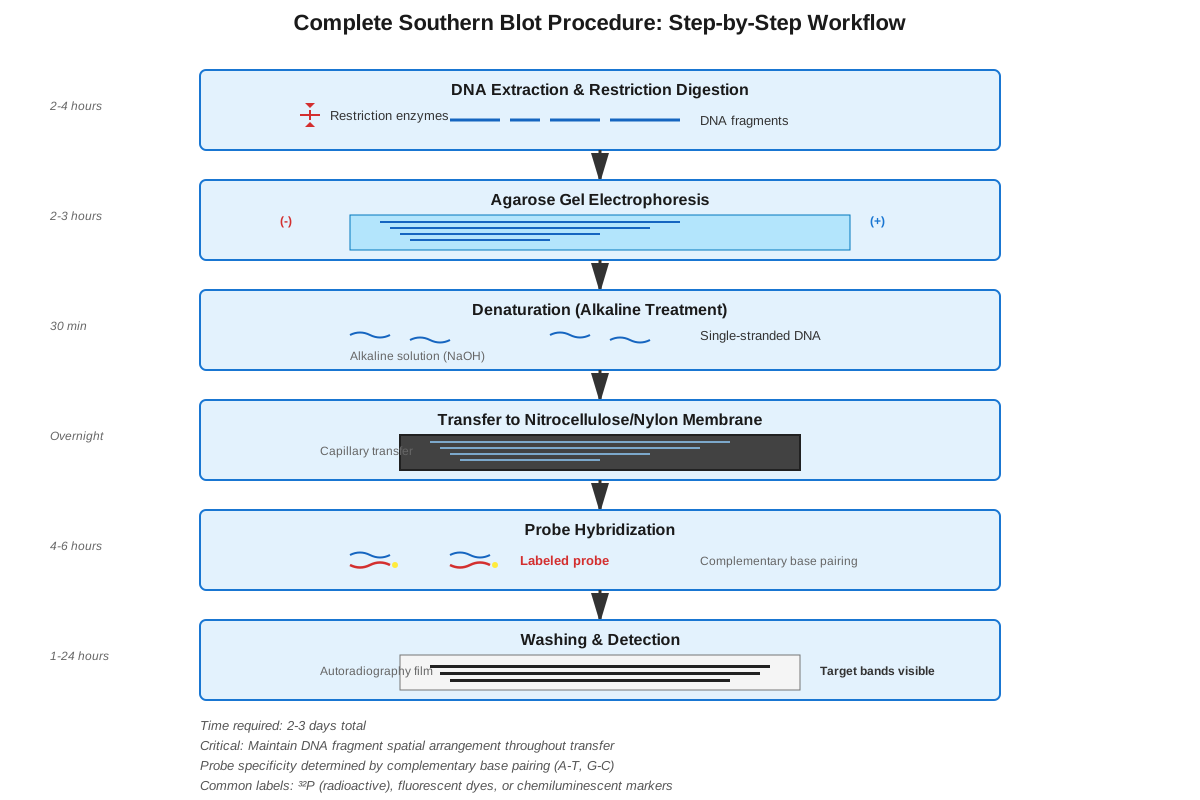
The Southern blot Biology procedure consists of several sequential steps, each critical for successful detection:
- DNA Extraction and Purification: Genomic DNA is isolated from cells or tissues using standard extraction protocols that remove proteins, RNA, and other contaminants.
- Restriction Enzyme Digestion: The purified DNA is incubated with one or more restriction endonucleases that cut DNA at specific recognition sequences, generating fragments of defined sizes. The choice of enzyme(s) depends on the target sequence location and the desired fragment pattern.
- Gel Electrophoresis: Digested DNA fragments are loaded into wells of an agarose gel and subjected to an electric field. DNA, being negatively charged due to phosphate groups, migrates toward the positive electrode. Smaller fragments move faster and farther than larger ones, achieving size-based separation. A DNA ladder (molecular weight markers) runs alongside samples for size reference.
- Gel Treatment and Denaturation: After electrophoresis, the gel undergoes several treatments. First, it may be photographed under UV light (if ethidium bromide or similar dye was included) to document total DNA. The gel is then soaked in alkaline solution (typically NaOH) to denature double-stranded DNA into single strands, which is essential for subsequent probe hybridization.
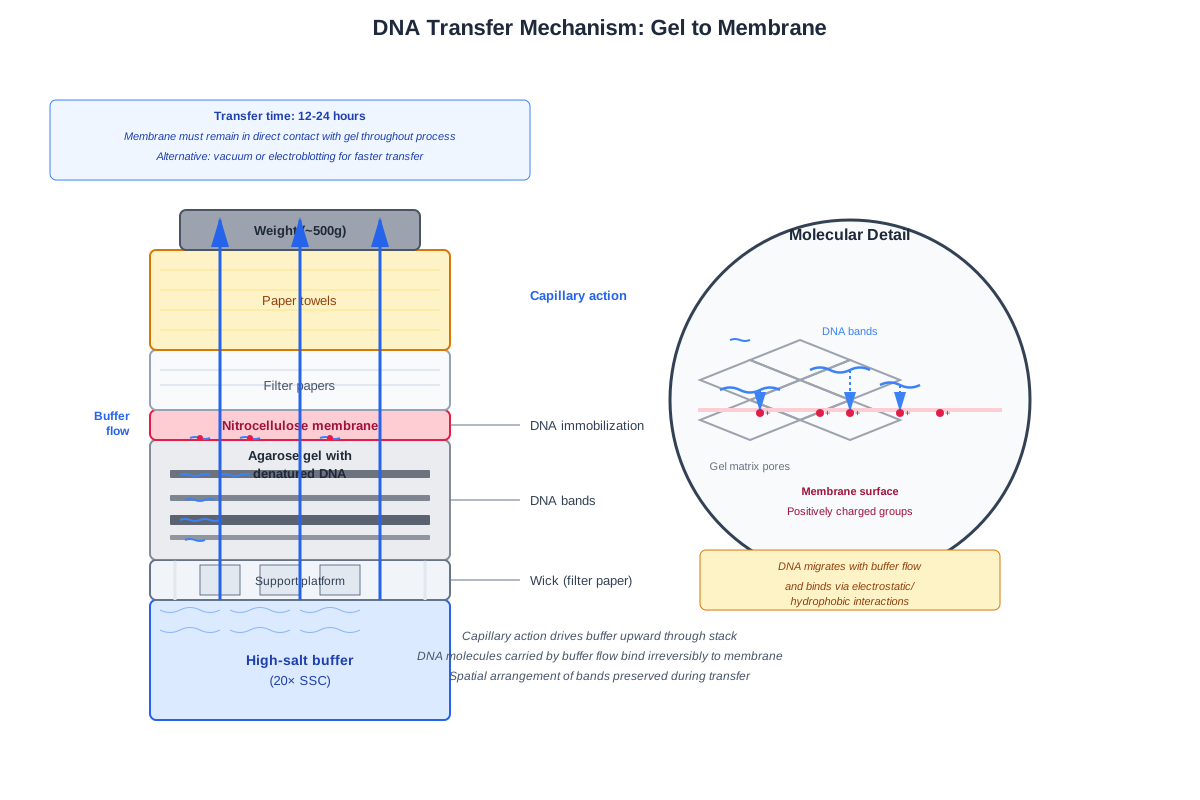
- Transfer (Blotting): Denatured DNA is transferred from the gel to a solid support membrane, traditionally nitrocellulose or nylon membrane. This transfer occurs through capillary action, vacuum, or electroblotting. The membrane is placed on top of the gel, and buffer flows through the gel, carrying DNA fragments onto the membrane where they bind irreversibly. The spatial arrangement of fragments is preserved during transfer.
- Membrane Fixation: DNA is permanently attached to the membrane through UV crosslinking or baking, preventing it from washing away during subsequent steps.
- Prehybridization: The membrane is incubated in a blocking solution containing non-specific DNA (like salmon sperm DNA) and proteins to prevent non-specific probe binding to the membrane itself.
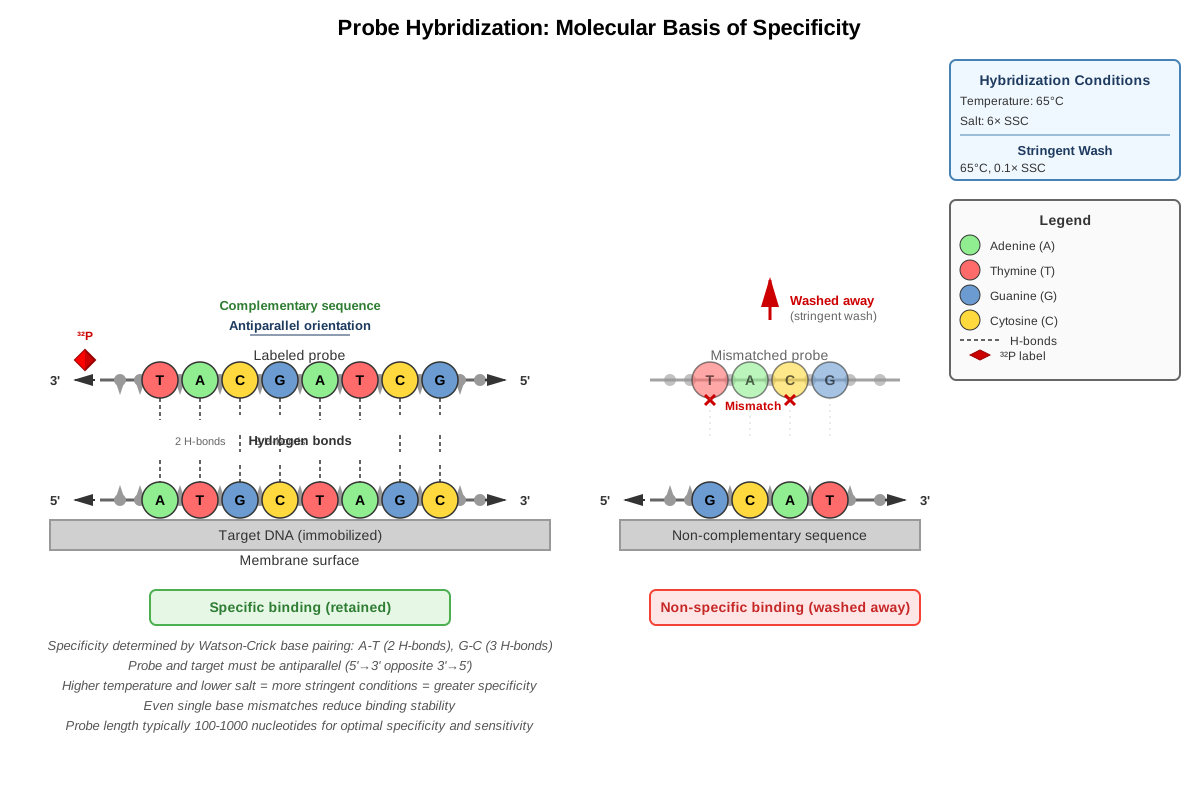
- Probe Hybridization: A labeled probe—a single-stranded DNA or RNA sequence complementary to the target—is added to the membrane in hybridization buffer. The probe anneals specifically to its complementary sequence through Watson-Crick base pairing. Hybridization conditions (temperature, salt concentration) are optimized for specificity.
- Washing: Excess and non-specifically bound probe is removed through a series of washes with decreasing salt concentration and/or increasing temperature. Stringency of washing determines specificity—high stringency removes all but perfectly matched hybrids.
- Detection: The location of probe-target hybrids is visualized. Detection method depends on probe labeling:
- Radioactive probes (³²P-labeled): Detected by exposing the membrane to X-ray film (autoradiography) or phosphorimager screens
- Non-radioactive probes (digoxigenin, biotin): Detected through chemiluminescent or colorimetric reactions with enzyme-conjugated antibodies
Probe Design and Labeling
The probe is the heart of Southern blot specificity. Probes are typically 100-1000 nucleotides long and must be complementary to the target sequence. Longer probes provide stronger signals but may have reduced specificity. Probe labeling methods include:
| Labeling Method | Mechanism | Advantages | Disadvantages |
|---|---|---|---|
| Radioactive (³²P) | Phosphate incorporation | High sensitivity, quantitative | Safety concerns, short half-life, disposal issues |
| Digoxigenin (DIG) | Hapten incorporation | Non-radioactive, stable | Slightly less sensitive |
| Biotin | Hapten incorporation | Non-radioactive, versatile | Potential background from endogenous biotin |
| Fluorescent | Direct fluorophore attachment | Real-time detection possible | Lower sensitivity, photobleaching |
Interpretation of Results
Southern blot results appear as bands on the membrane at positions corresponding to DNA fragments containing the target sequence. Key interpretive principles include:
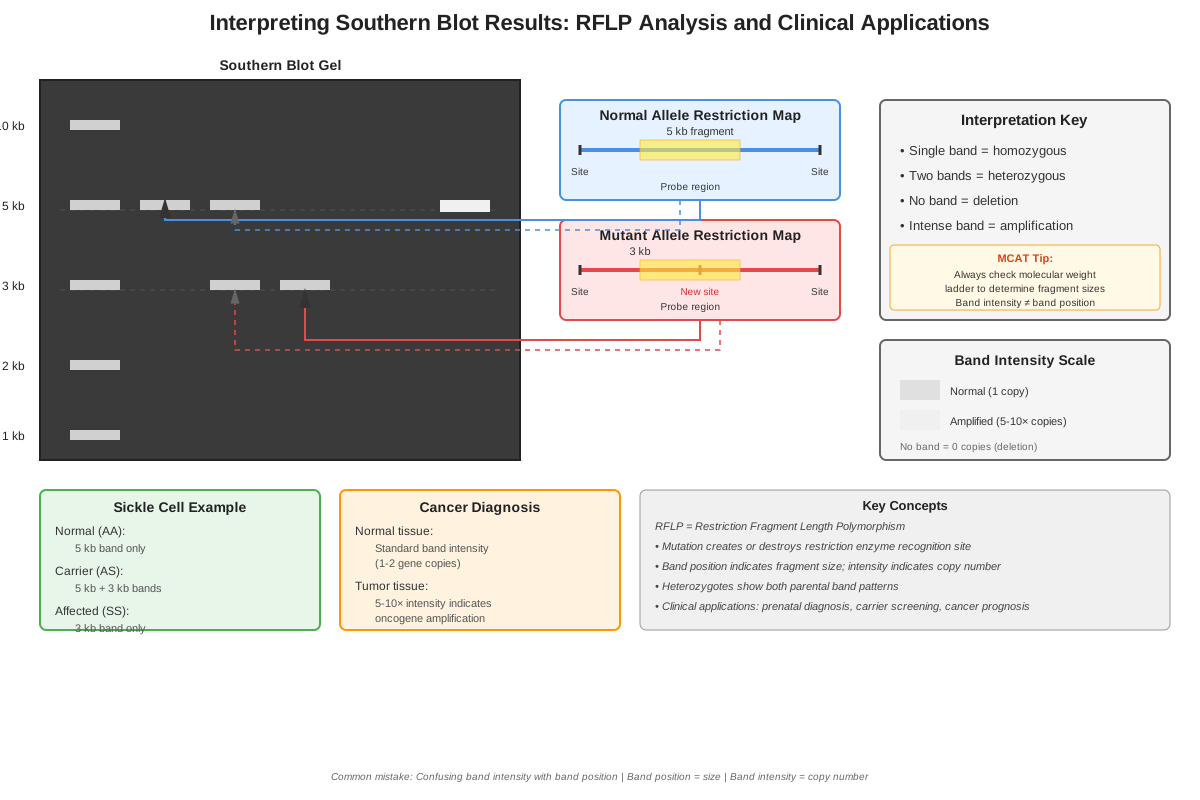
- Band position: Indicates fragment size (compared to molecular weight markers)
- Band intensity: Reflects amount of target DNA (gene copy number, hybridization efficiency)
- Band number: Reveals how many restriction fragments contain the target sequence
- Band pattern: Can indicate mutations, deletions, insertions, or polymorphisms
For example, if a restriction site within the target sequence is mutated, the enzyme cannot cut there, producing a larger fragment and shifting the band to a higher position (slower migration). This principle underlies RFLP analysis (Restriction Fragment Length Polymorphism), used in genetic mapping and paternity testing.
Comparison with Related Techniques
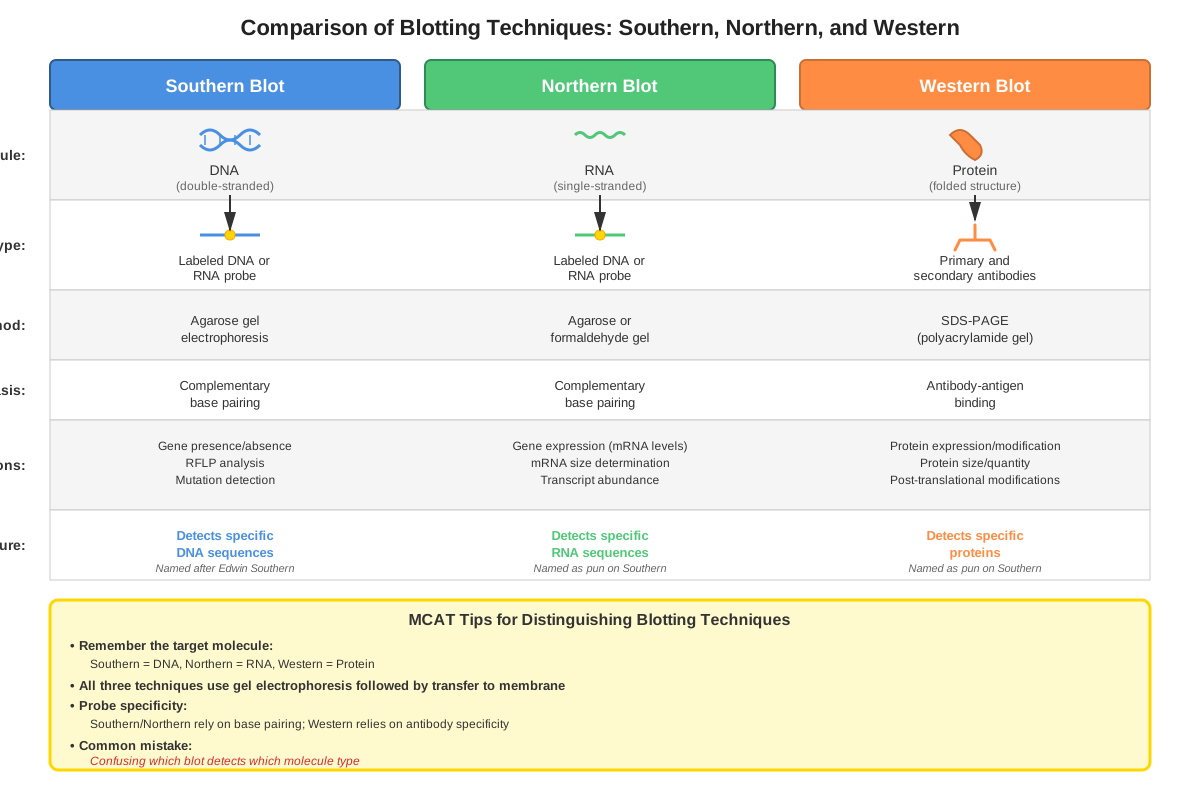
Understanding how Southern blot differs from related techniques is high-yield for the MCAT:
| Technique | Target Molecule | Sample Preparation | Primary Application |
|---|---|---|---|
| Southern blot | DNA | Restriction digestion, gel electrophoresis | Gene detection, RFLP analysis, gene copy number |
| Northern blot | RNA | No digestion needed, denaturing gel | Gene expression analysis, mRNA detection |
| Western blot | Protein | SDS-PAGE for separation | Protein detection, antibody-based |
MCAT Exam Tip: Remember the mnemonic "SNoW DRoP" - Southern = DNA, Northern = RNA, Western = Protein. This helps distinguish which molecule each technique detects.
Applications and Variations
Southern blot MCAT questions may reference various applications:
- Genetic disease diagnosis: Detecting gene deletions, expansions (trinucleotide repeats), or mutations
- Forensic analysis: DNA fingerprinting using variable number tandem repeats (VNTRs)
- Evolutionary studies: Comparing gene sequences across species
- Transgenic verification: Confirming gene insertion in GMOs
- Viral detection: Identifying integrated viral DNA in host genomes
- Gene mapping: Determining physical locations of genes on chromosomes
Concept Relationships
The Southern blot technique integrates multiple molecular biology concepts into a cohesive analytical method. At its foundation lies DNA structure, specifically the antiparallel double helix with complementary base pairing (A-T, G-C), which enables the specific probe-target hybridization that gives Southern blot its selectivity. This complementarity principle connects directly to DNA replication and transcription mechanisms studied elsewhere in molecular biology.
Restriction endonucleases serve as the entry point for Southern blot analysis, cutting genomic DNA into manageable fragments. Understanding restriction enzyme specificity (recognizing palindromic sequences, creating sticky or blunt ends) is prerequisite knowledge that becomes applied knowledge in Southern blot. The resulting fragment pattern creates a molecular "fingerprint" unique to each DNA sample, connecting to concepts of genetic variation and polymorphisms.
Gel electrophoresis provides the physical separation mechanism, applying principles of molecular charge, size, and matrix interactions. This technique connects to broader concepts of molecular separation methods and protein analysis (when considering SDS-PAGE for Western blots). The relationship between fragment size and migration distance follows logarithmic principles that students should understand for data interpretation.
The hybridization step connects to thermodynamics and molecular interactions. Probe-target annealing depends on temperature (related to DNA melting temperature, Tm), salt concentration (affecting electrostatic interactions), and sequence complementarity. These factors relate to PCR primer design and DNA denaturation/renaturation kinetics, creating conceptual bridges to other molecular techniques.
Relationship map: DNA extraction → Restriction digestion → Gel electrophoresis (size separation) → Denaturation (single strands) → Transfer (spatial preservation) → Hybridization (sequence recognition) → Detection (visualization) → Interpretation (biological meaning)
This linear workflow connects to parallel techniques: Northern blot (substituting RNA for DNA), Western blot (substituting proteins and using antibodies instead of nucleic acid probes), and modern alternatives like PCR and DNA sequencing that address similar questions with different methodologies.
High-Yield Facts
⭐ Southern blot specifically detects DNA sequences, distinguishing it from Northern blot (RNA) and Western blot (protein)
⭐ The technique requires DNA denaturation to single strands before probe hybridization can occur through complementary base pairing
⭐ Smaller DNA fragments migrate farther through the gel during electrophoresis due to less resistance through the agarose matrix
⭐ Probe specificity depends on complementary base pairing, with stringency controlled by temperature and salt concentration during washing
⭐ Band position indicates fragment size, while band intensity reflects the amount of target DNA present
- The membrane transfer step preserves the spatial arrangement of DNA fragments from the gel
- Restriction fragment length polymorphisms (RFLPs) result from sequence variations that create or eliminate restriction sites
- Multiple bands may appear if the target sequence is present in several restriction fragments
- Controls should include positive (known target-containing sample) and negative (no target) samples
- The technique can detect single-copy genes in complex genomes, demonstrating high sensitivity
- Radioactive probes (³²P) provide higher sensitivity than most non-radioactive alternatives
- Southern blot can determine gene copy number by comparing band intensities to standards
- The technique was historically used for DNA fingerprinting before PCR-based methods became standard
- Probe length affects both sensitivity (longer = stronger signal) and specificity (shorter = more specific)
- Failed detection may result from incomplete denaturation, probe degradation, or insufficient transfer efficiency
Quick check — test yourself on Southern blot so far.
Try Flashcards →Common Misconceptions
Misconception: Southern blot can detect RNA molecules if the appropriate probe is used.
Correction: Southern blot specifically detects DNA. The technique requires DNA denaturation and uses conditions optimized for DNA-DNA or DNA-RNA hybridization with DNA targets. RNA detection requires Northern blot, which uses different gel conditions (denaturing formaldehyde gels) and handling procedures because RNA is more labile than DNA.
Misconception: Larger DNA fragments appear as bands closer to the wells (starting point) because they are heavier.
Correction: While larger fragments do migrate less distance and thus appear closer to wells, this is not due to "weight" but rather to greater resistance as they navigate through the agarose gel matrix. DNA migration depends on charge-to-mass ratio and molecular sieving effects, not gravitational weight.
Misconception: The probe must be DNA; RNA probes cannot be used in Southern blot.
Correction: Both DNA and RNA probes can be used in Southern blot. RNA probes (riboprobes) actually form more stable hybrids with DNA targets than DNA probes do, due to the greater stability of RNA-DNA hybrids compared to DNA-DNA hybrids. The target must be DNA, but the probe can be either.
Misconception: A single band always indicates a single copy of the target gene in the genome.
Correction: A single band indicates that only one restriction fragment contains the target sequence under the specific digestion conditions used. A single-copy gene could produce multiple bands if restriction sites flank or occur within the target sequence, creating multiple fragments that all hybridize to the probe. Conversely, multiple gene copies on different chromosomes might produce a single band if they all generate same-sized fragments.
Misconception: Southern blot directly visualizes double-stranded DNA on the membrane.
Correction: The DNA on the membrane is single-stranded (denatured) to allow probe hybridization. The visualization step detects probe-target hybrids, not the original DNA directly. The probe provides the label (radioactive or chemical) that enables detection.
Misconception: Higher temperature during hybridization always improves results.
Correction: Temperature must be optimized for each probe-target pair. Too high a temperature (above the Tm of the hybrid) prevents stable hybridization, while too low a temperature allows non-specific binding. Optimal hybridization typically occurs 5-10°C below the Tm of the probe-target duplex, balancing specificity and efficiency.
Misconception: Southern blot and PCR provide identical information about DNA sequences.
Correction: While both detect specific DNA sequences, they provide different information. Southern blot reveals fragment sizes, gene copy number, and structural variations (deletions, insertions, rearrangements) in their genomic context. PCR amplifies specific sequences and is more sensitive but provides less information about genomic organization and cannot easily determine copy number without quantitative modifications.
Worked Examples
Example 1: Interpreting a Southern Blot for Genetic Disease Diagnosis
Scenario: A genetic counselor uses Southern blot to diagnose a suspected case of sickle cell anemia. Genomic DNA from the patient, both parents, and a healthy control is digested with MstII restriction enzyme, which recognizes the sequence CCTNAGG (where N = any nucleotide). The normal β-globin gene contains an MstII site that is eliminated by the sickle cell mutation (GAG→GTG). The probe hybridizes to a region spanning this site.
Results:
- Healthy control: Single band at 1.1 kb
- Father: Two bands at 1.1 kb and 1.4 kb
- Mother: Two bands at 1.1 kb and 1.4 kb
- Patient: Single band at 1.4 kb
Analysis:
Step 1: Understand the molecular basis. The sickle cell mutation (A→T substitution) changes the MstII recognition sequence, preventing enzyme cutting at that site. When the enzyme cannot cut, the resulting fragment is larger (1.4 kb instead of 1.1 kb).
Step 2: Interpret each pattern:
- Healthy control (1.1 kb only): Homozygous normal (both alleles have intact MstII site)
- Father (1.1 kb + 1.4 kb): Heterozygous carrier (one normal allele producing 1.1 kb, one mutant allele producing 1.4 kb)
- Mother (1.1 kb + 1.4 kb): Heterozygous carrier (same as father)
- Patient (1.4 kb only): Homozygous mutant (both alleles lack the MstII site due to mutation)
Step 3: Draw conclusions. The patient has sickle cell disease (homozygous for the mutation), having inherited one mutant allele from each carrier parent. This demonstrates autosomal recessive inheritance. The Southern blot successfully detected the mutation through RFLP analysis.
Connection to learning objectives: This example demonstrates application of Southern blot to exam-style questions, interpretation of band patterns, and connection to genetic inheritance concepts.
Example 2: Troubleshooting a Failed Southern Blot Experiment
Scenario: A researcher attempts to detect a transgene in genetically modified mice. The experimental design includes:
- Positive control: Plasmid DNA containing the transgene
- Negative control: Wild-type mouse DNA
- Test samples: DNA from three potentially transgenic mice
After completing the Southern blot, the autoradiograph shows no bands in any lane, including the positive control.
Systematic Troubleshooting:
Step 1: Consider the detection system. Since even the positive control shows no signal, the problem likely occurs in the later steps (hybridization or detection) rather than sample preparation.
Step 2: Evaluate probe-related issues:
- Probe labeling: Was the probe successfully labeled? Check specific activity of radioactive probe or confirm chemical labeling efficiency
- Probe degradation: Radioactive probes decay (³²P half-life = 14 days); old probes lose activity
- Probe denaturation: Probe must be denatured to single strands before adding to membrane
Step 3: Assess hybridization conditions:
- Temperature too high: If hybridization temperature exceeded the Tm, stable hybrids couldn't form
- Insufficient time: Hybridization typically requires 4-16 hours for adequate probe-target annealing
- Buffer problems: Incorrect salt concentration affects hybridization efficiency
Step 4: Check transfer efficiency:
- Incomplete transfer: DNA may not have transferred from gel to membrane (can be verified by staining the gel post-transfer)
- DNA degradation: If DNA was degraded before or during transfer, no intact target sequences remain
Step 5: Examine detection:
- Exposure time: Autoradiograph may need longer exposure
- Film problems: Expired or improperly stored film won't detect signal
- Membrane orientation: Membrane may have been placed backwards during exposure
Most likely causes given that positive control failed: probe labeling failure, probe degradation, or detection system malfunction.
Solution approach: First verify probe labeling efficiency. If probe is properly labeled, check transfer efficiency by staining the post-transfer gel. Ensure hybridization temperature is appropriate (typically 42-65°C depending on probe type). Verify detection system functionality with a known positive membrane.
Connection to learning objectives: This example addresses common mistakes, applies troubleshooting logic to experimental scenarios, and demonstrates understanding of each procedural step's importance.
Exam Strategy
When approaching Southern blot MCAT questions, employ a systematic strategy that maximizes accuracy and efficiency:
Trigger words to recognize: Watch for phrases like "DNA detection," "restriction fragment analysis," "gene copy number," "RFLP," "genomic DNA," and "hybridization probe." These signal that Southern blot is relevant. Distinguish from "gene expression" or "mRNA levels" (Northern blot) and "protein detection" or "antibody" (Western blot).
Question type identification: Southern blot questions typically fall into three categories:
- Technique selection: "Which method would best detect..." → Identify whether the target is DNA, RNA, or protein
- Data interpretation: Presenting gel images or band patterns → Analyze fragment sizes, intensities, and patterns
- Experimental design: "To determine if..." → Evaluate whether Southern blot provides the needed information
Systematic approach for gel interpretation questions:
- Identify the molecular weight markers and establish the size scale
- Note the number of bands in each lane (indicates number of fragments containing target)
- Compare band positions between samples (indicates size differences)
- Assess band intensities (indicates relative amounts of target DNA)
- Consider what restriction enzyme was used and how mutations might affect cutting patterns
Process of elimination strategies:
- Eliminate Northern blot if the question mentions DNA (not RNA)
- Eliminate Western blot if no mention of proteins or antibodies
- Eliminate PCR if the question requires information about fragment sizes or genomic organization
- Eliminate DNA sequencing if the question asks about gene copy number or large-scale rearrangements
Time management: Southern blot questions with gel images require careful analysis but shouldn't consume excessive time. Spend 60-90 seconds analyzing the image, identifying key patterns, then 30-45 seconds per answer choice evaluation. If a question requires complex restriction map analysis, consider flagging it and returning if time permits.
Common question formats:
- "The band at position X most likely represents..." → Compare to size markers, consider restriction pattern
- "The absence of a band in lane Y indicates..." → Think about what would prevent detection (no target, failed transfer, probe issues)
- "Compared to the control, the patient sample shows..." → Identify differences in pattern, position, or intensity
Red flag answer choices: Be suspicious of answers that confuse Southern with Northern/Western blots, that claim Southern blot can detect protein modifications, or that suggest Southern blot provides sequence information (it detects presence/absence and size, not sequence).
Memory Techniques
SNoW DRoP Mnemonic:
- Southern = DNA
- Northern = RNA
- Western = Protein
This classic mnemonic helps distinguish the three blotting techniques by their target molecules.
Southern Blot Steps Mnemonic - "Every Dog Gets Treats During Puppy Homework Detection":
- Extraction (DNA isolation)
- Digestion (restriction enzymes)
- Gel (electrophoresis)
- Treatment (denaturation)
- Deposition (transfer to membrane)
- Prehybridization (blocking)
- Hybridization (probe binding)
- Detection (visualization)
Visualization Strategy for Gel Patterns: Picture DNA fragments as runners in a race through a forest (agarose matrix). Smaller runners (fragments) navigate between trees more easily and reach the finish line (bottom of gel) faster. Larger runners get stuck and remain near the starting line (wells). This mental image helps remember that smaller = farther migration.
RFLP Memory Aid - "Restriction Fragments Like Polymorphisms": When you see RFLP, remember it reveals polymorphisms (variations) through restriction fragment patterns. If a mutation creates or destroys a restriction site, fragment sizes change, creating different patterns between individuals.
Probe Specificity Concept: Think of the probe as a "molecular detective" with a photograph (complementary sequence) searching through a crowd (all DNA fragments) to find its exact match. Only perfect complementarity (or near-perfect under low stringency) allows the detective to identify its target.
Temperature and Stringency Relationship: "High Temperature = High Standards" → Higher washing temperature increases stringency, requiring more perfect matches between probe and target. Lower temperature is more forgiving, allowing some mismatches.
Summary
Southern blot is a fundamental molecular biology technique that detects specific DNA sequences through a multi-step process combining restriction digestion, gel electrophoresis, membrane transfer, and probe hybridization. The technique exploits complementary base pairing to achieve sequence-specific detection, with DNA fragments separated by size through electrophoresis, transferred to a solid membrane while preserving spatial arrangement, and visualized using labeled probes that hybridize only to their complementary targets. For the MCAT, students must understand the complete methodology, distinguish Southern blot from Northern (RNA) and Western (protein) blots, interpret gel patterns showing band positions and intensities, and apply this knowledge to genetic analysis scenarios including disease diagnosis, RFLP analysis, and gene copy number determination. The technique's ability to reveal genomic organization, detect mutations through altered restriction patterns, and identify specific sequences within complex DNA mixtures makes it a powerful analytical tool that bridges molecular biology theory with practical applications in medicine, forensics, and research.
Key Takeaways
- Southern blot specifically detects DNA (not RNA or protein), using complementary base pairing between a labeled probe and target sequence
- The technique follows a defined sequence: DNA extraction → restriction digestion → gel electrophoresis → denaturation → membrane transfer → probe hybridization → detection
- Smaller DNA fragments migrate farther during electrophoresis, with band position indicating fragment size and intensity reflecting target amount
- RFLP analysis uses Southern blot to detect sequence variations that create or eliminate restriction sites, producing different fragment patterns
- Distinguish blotting techniques: Southern (DNA), Northern (RNA), Western (protein) using the SNoW DRoP mnemonic
- Probe specificity depends on complementarity and stringency, with temperature and salt concentration controlling hybridization selectivity
- Multiple bands can result from a single-copy gene if multiple restriction fragments contain the target sequence, or from gene duplications producing same-sized fragments
Related Topics
Northern Blot: Parallel technique for detecting specific RNA sequences, essential for analyzing gene expression patterns and mRNA abundance. Mastering Southern blot provides the conceptual framework for understanding Northern blot, with key differences being the target molecule and gel conditions.
Western Blot: Protein detection method using antibodies instead of nucleic acid probes, critical for analyzing protein expression, modifications, and interactions. Understanding the blotting principle from Southern blot facilitates learning Western blot methodology.
Polymerase Chain Reaction (PCR): Modern DNA amplification technique that has largely replaced Southern blot for many applications. Comparing PCR and Southern blot helps understand when each technique is most appropriate.
Restriction Fragment Length Polymorphism (RFLP) Analysis: Genetic mapping technique that relies on Southern blot detection of polymorphic restriction sites, connecting molecular techniques to population genetics and evolutionary biology.
DNA Sequencing: Provides complete sequence information rather than just presence/absence detection, representing the next level of molecular analysis beyond Southern blot.
Gel Electrophoresis Theory: Deeper understanding of separation principles, including factors affecting migration rates and resolution, enhances interpretation of Southern blot results.
Practice CTA
Now that you've mastered the core concepts of Southern blot, it's time to solidify your understanding through active practice. Challenge yourself with MCAT-style passage-based questions that require you to interpret gel images, design experiments, and troubleshoot protocols. Work through the practice questions focusing on distinguishing Southern from other blotting techniques and analyzing restriction fragment patterns. Use the flashcards to reinforce high-yield facts, especially the step-by-step procedure and common applications. Remember, the MCAT rewards not just memorization but the ability to apply concepts to novel scenarios—practice questions are where you develop this critical skill. Your investment in understanding Southern blot will pay dividends not only on test day but throughout your medical career as you encounter genetic testing and molecular diagnostics. You've got this!
Sign up free to keep reading
Create a free AnvayaPrep account to finish this MCAT guide on Southern blot — plus flashcards and practice questions.