Overview
Okazaki fragments are short segments of DNA synthesized discontinuously on the lagging strand during DNA replication. Named after Japanese molecular biologists Reiji and Tsuneko Okazaki who discovered them in the 1960s, these fragments represent a fundamental solution to a biochemical challenge: DNA polymerase can only synthesize DNA in the 5' to 3' direction, yet the two strands of the double helix run antiparallel. This directional constraint means that while one strand (the leading strand) can be synthesized continuously, the other strand (the lagging strand) must be synthesized in short, discontinuous segments that are later joined together. Understanding Okazaki fragments is essential for comprehending the complete mechanism of DNA replication, a process fundamental to cell division, growth, and the transmission of genetic information.
For the MCAT, Okazaki fragments represent a medium-yield topic that frequently appears in passages and discrete questions within the Molecular Biology and Genetics section of Biology. The MCAT tests not only the basic definition and formation of these fragments but also the enzymatic machinery involved, the energetics of the process, and the consequences of errors in lagging strand synthesis. Questions often integrate Okazaki fragments with broader topics such as cell cycle regulation, mutation mechanisms, and biotechnology applications like PCR (polymerase chain reaction). A solid understanding of this topic demonstrates mastery of molecular mechanisms and the ability to apply biochemical principles to novel scenarios.
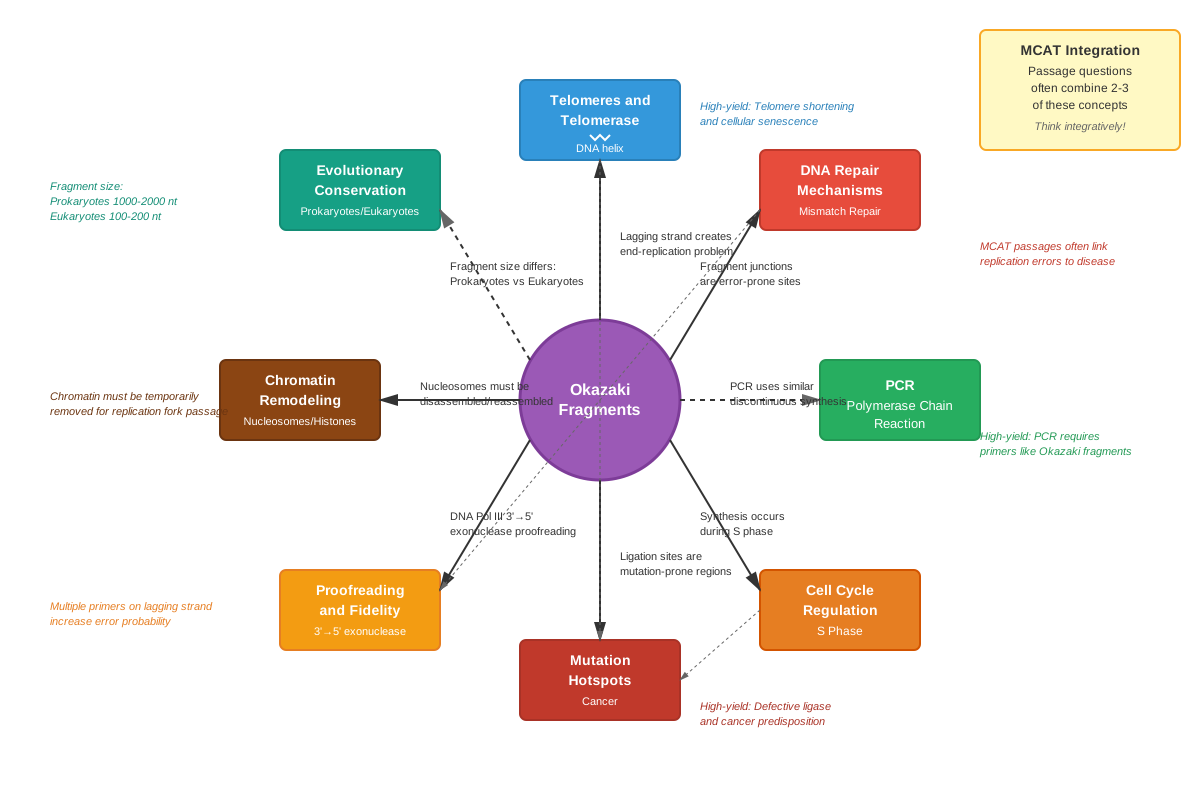
The significance of Okazaki fragments extends beyond isolated memorization—they connect to numerous high-yield Biology concepts including enzyme specificity, the structure-function relationship of nucleic acids, energy requirements for biosynthesis, and the fidelity mechanisms that maintain genomic integrity. This topic serves as a gateway to understanding more complex processes such as telomere maintenance, DNA repair pathways, and the molecular basis of cancer development when replication errors accumulate.
Learning Objectives
- [ ] Define Okazaki fragments using accurate Biology terminology
- [ ] Explain why Okazaki fragments matter for the MCAT
- [ ] Apply Okazaki fragments to exam-style questions
- [ ] Identify common mistakes related to Okazaki fragments
- [ ] Connect Okazaki fragments to related Biology concepts
- [ ] Describe the complete enzymatic machinery required for Okazaki fragment synthesis and processing
- [ ] Compare and contrast leading strand synthesis with lagging strand synthesis at the molecular level
- [ ] Predict the consequences of defects in enzymes involved in Okazaki fragment processing
Prerequisites
- DNA structure and antiparallel orientation: Understanding that DNA strands run in opposite directions (one 5'→3', the other 3'→5') is essential because this antiparallel nature creates the need for discontinuous synthesis on the lagging strand
- DNA polymerase directionality: Knowledge that DNA polymerase can only add nucleotides to the 3'-OH group of a growing strand explains why the lagging strand cannot be synthesized continuously
- Semiconservative replication: Familiarity with the concept that each new DNA molecule contains one original and one newly synthesized strand provides context for understanding where Okazaki fragments fit in the overall replication process
- Basic enzyme function: Understanding enzyme specificity, active sites, and cofactor requirements enables comprehension of the multiple enzymes involved in Okazaki fragment processing
- Nucleotide structure: Knowledge of the 5' phosphate and 3' hydroxyl groups on nucleotides is necessary to understand the chemistry of phosphodiester bond formation
Why This Topic Matters
Clinical and Real-World Significance
Defects in the enzymes that process Okazaki fragments have profound clinical consequences. Mutations in DNA ligase I, the enzyme responsible for joining Okazaki fragments, cause a rare immunodeficiency syndrome characterized by increased sensitivity to sunlight and elevated cancer risk. Understanding Okazaki fragment processing is also crucial for comprehending how chemotherapeutic agents and radiation therapy work—many cancer treatments target rapidly dividing cells by interfering with DNA replication, including lagging strand synthesis. Additionally, the principles governing Okazaki fragment formation underpin biotechnology techniques such as DNA sequencing and PCR, making this knowledge relevant for understanding modern diagnostic and research methodologies.
MCAT Exam Statistics and Question Types
Okazaki fragments appear in approximately 3-5% of Biology questions on the MCAT, with particular frequency in passage-based questions that describe experimental manipulations of DNA replication. The topic most commonly appears in:
- Passage-based questions presenting research on replication fidelity, mutation rates, or novel replication inhibitors
- Discrete questions testing knowledge of the enzymes involved in lagging strand synthesis
- Pseudo-discrete questions within passages that require application of replication mechanics to interpret experimental results
- Data interpretation questions showing replication fork progression or fragment size analysis
Questions typically test at the application and analysis levels rather than simple recall, requiring students to predict outcomes of enzyme deficiencies, interpret experimental data about replication rates, or explain why certain mutations affect lagging strand synthesis more than leading strand synthesis.
Common Exam Passage Contexts
The MCAT frequently embeds Okazaki fragment concepts within passages about:
- Experimental studies using temperature-sensitive mutants of replication enzymes
- Cancer biology passages discussing replication stress and genomic instability
- Biotechnology passages explaining DNA sequencing methodologies
- Evolutionary biology passages comparing prokaryotic and eukaryotic replication mechanisms
- Pharmacology passages describing drugs that target DNA synthesis
Core Concepts
Definition and Basic Structure
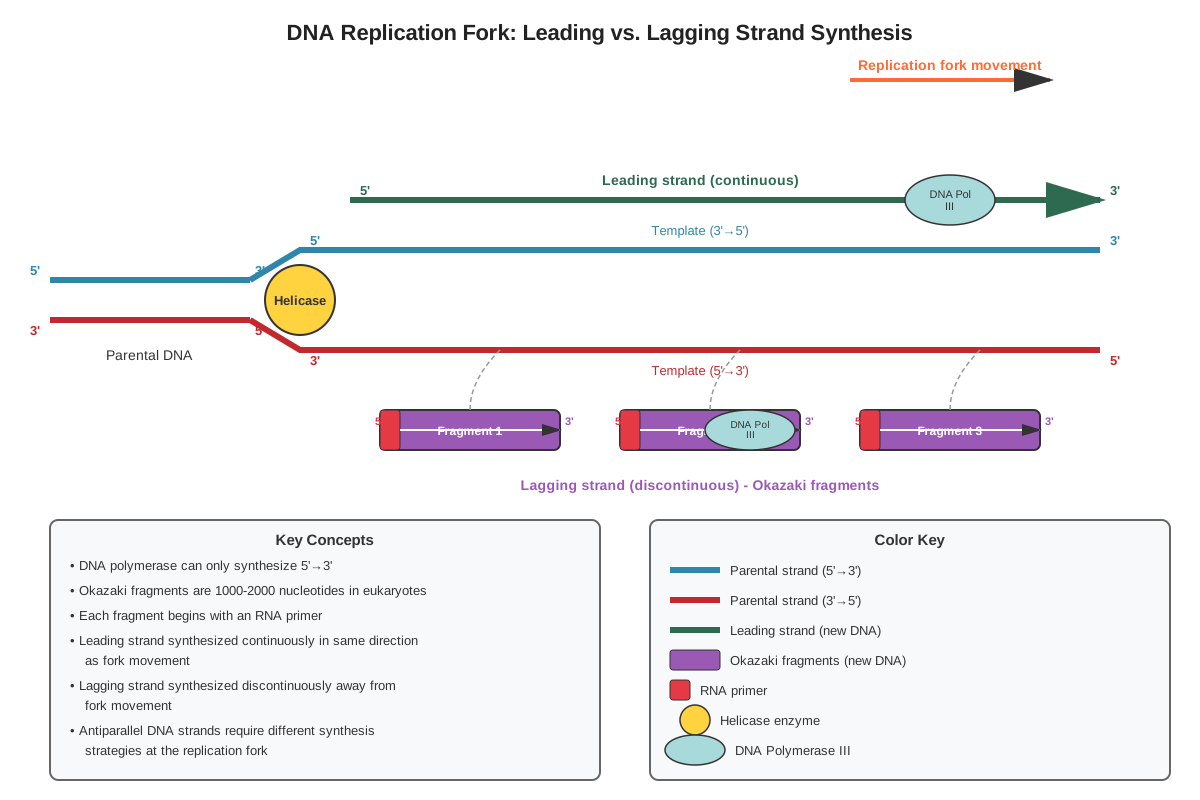
Okazaki fragments are short sequences of DNA nucleotides (approximately 1,000-2,000 nucleotides in prokaryotes and 100-200 nucleotides in eukaryotes) that are synthesized discontinuously on the lagging strand during DNA replication. Each fragment begins with a short RNA primer (approximately 10 nucleotides long) synthesized by the enzyme primase, followed by DNA nucleotides added by DNA polymerase. The fragments are synthesized in the 5' to 3' direction, but because they are on the lagging strand template (which runs 3' to 5' relative to the direction of replication fork movement), they are made in the opposite direction to the overall fork progression.
The existence of these fragments solves a fundamental biochemical problem: DNA polymerase cannot initiate synthesis de novo and can only extend existing 3'-OH groups. Additionally, DNA polymerase can only synthesize in the 5' to 3' direction. On the leading strand, continuous synthesis is possible because the template strand is oriented 3' to 5' in the direction of fork movement. However, on the lagging strand, the template runs 5' to 3' in the direction of fork movement, necessitating the discontinuous, "backward" synthesis of Okazaki fragments.
The Replication Fork and Strand Asymmetry
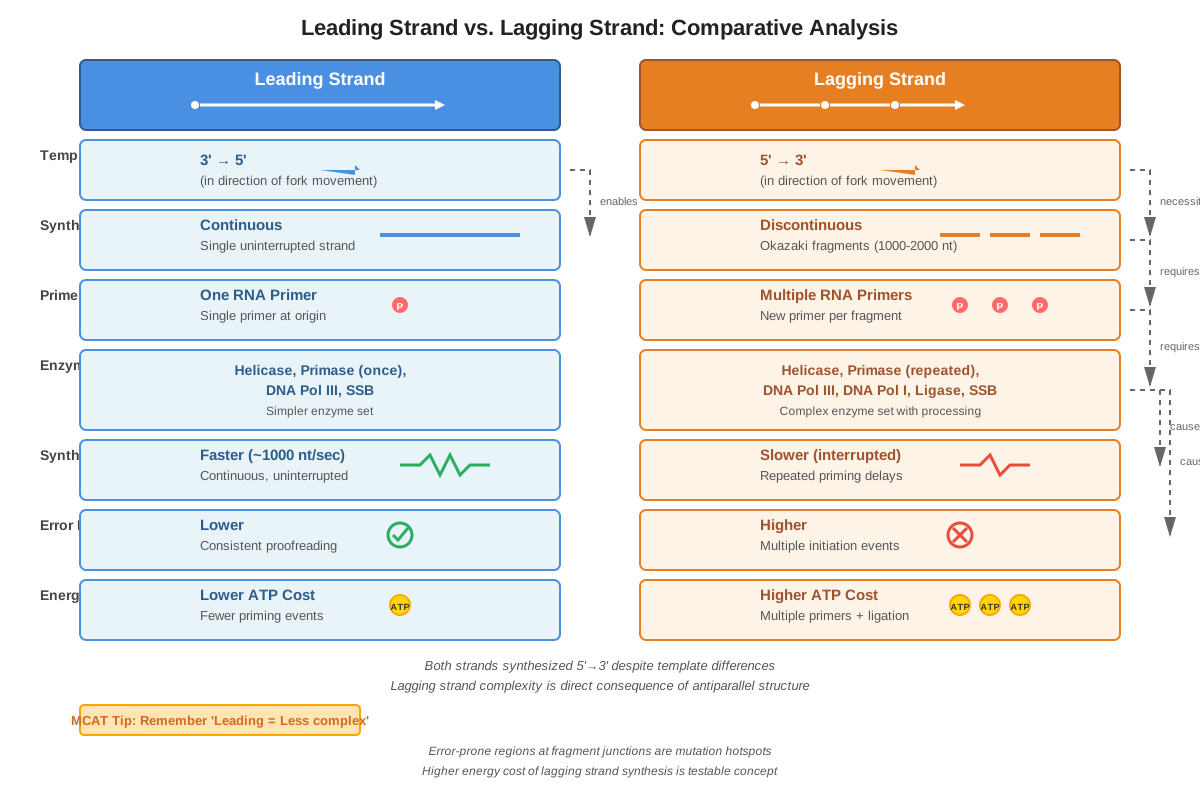
At the replication fork, the point where the DNA double helix unwinds to allow replication, two distinct modes of synthesis occur simultaneously. The leading strand is synthesized continuously in the same direction as the replication fork moves. In contrast, the lagging strand is synthesized discontinuously through repeated cycles of Okazaki fragment formation. This asymmetry arises directly from the antiparallel nature of DNA and the unidirectional activity of DNA polymerase.
| Feature | Leading Strand | Lagging Strand |
|---|---|---|
| Synthesis pattern | Continuous | Discontinuous |
| Number of primers needed | One per replication origin | Multiple (one per Okazaki fragment) |
| Direction relative to fork | Same direction | Opposite direction |
| Primary polymerase (prokaryotes) | DNA Pol III | DNA Pol III |
| Fragment length | N/A | 1,000-2,000 nt (prokaryotes), 100-200 nt (eukaryotes) |
| Processing complexity | Lower | Higher (requires primer removal and ligation) |
Enzymatic Machinery for Okazaki Fragment Synthesis
The formation and processing of Okazaki fragments requires a coordinated series of enzymatic activities:
- Helicase unwinds the DNA double helix at the replication fork, creating single-stranded DNA templates
- Single-strand binding proteins (SSB) stabilize the unwound DNA and prevent premature reannealing
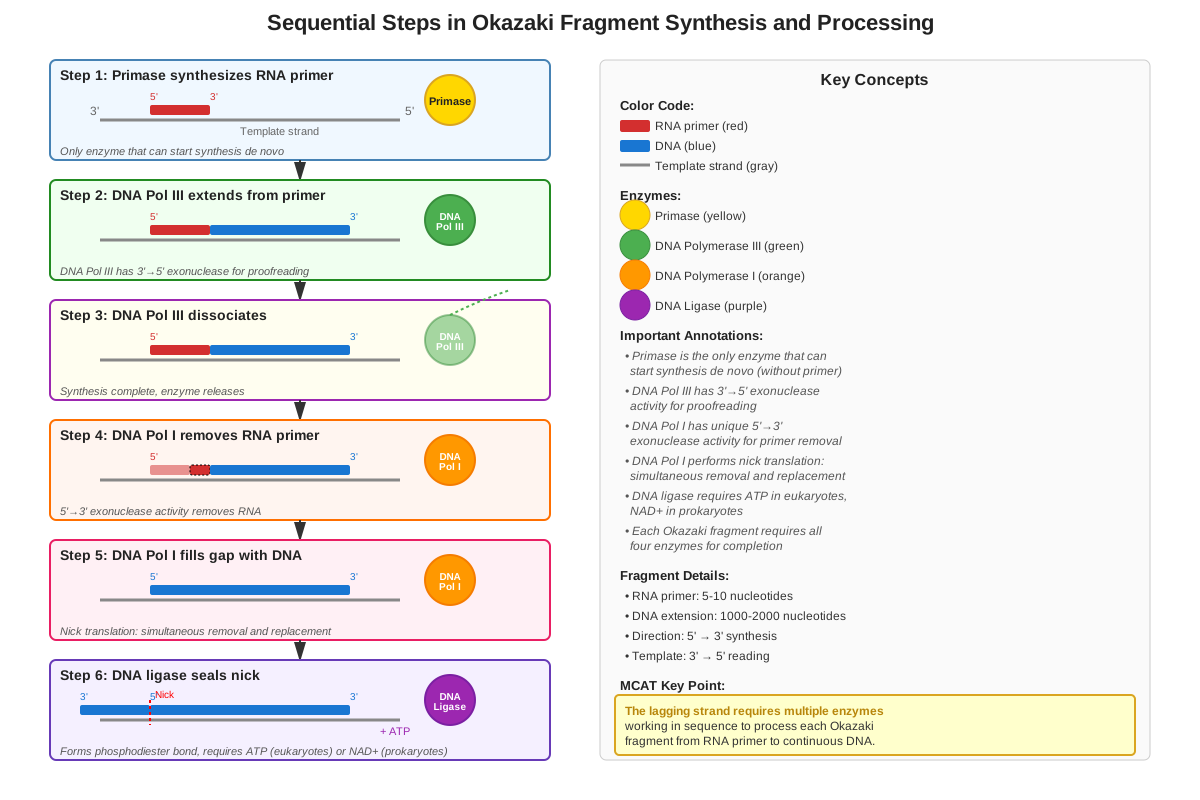
- Primase (part of the primosome complex) synthesizes short RNA primers complementary to the lagging strand template
- DNA polymerase III (in prokaryotes) or DNA polymerase δ (in eukaryotes) extends the RNA primer by adding DNA nucleotides in the 5' to 3' direction
- DNA polymerase I (in prokaryotes) or DNA polymerase δ (in eukaryotes) removes the RNA primer through its 5' to 3' exonuclease activity and fills in the gap with DNA nucleotides
- DNA ligase catalyzes the formation of a phosphodiester bond between adjacent Okazaki fragments, sealing the nick in the sugar-phosphate backbone
The Okazaki Fragment Cycle
The synthesis of each Okazaki fragment follows a repeating cycle:
- Primer synthesis: As the replication fork progresses and exposes new single-stranded lagging strand template, primase synthesizes a new RNA primer approximately every 1,000-2,000 nucleotides (prokaryotes) or 100-200 nucleotides (eukaryotes)
- DNA elongation: DNA polymerase III (prokaryotes) or DNA polymerase δ (eukaryotes) binds to the 3'-OH of the RNA primer and synthesizes DNA until it encounters the 5' end of the previously synthesized Okazaki fragment
- Primer removal: DNA polymerase I (prokaryotes) uses its 5' to 3' exonuclease activity to remove the RNA primer nucleotides while simultaneously filling in the gap with DNA nucleotides through its polymerase activity—a process called nick translation
- Ligation: DNA ligase seals the final phosphodiester bond between the 3'-OH of the newly synthesized DNA and the 5'-phosphate of the previous Okazaki fragment, creating a continuous DNA strand
Energy Requirements
The synthesis and processing of Okazaki fragments is energetically expensive. Each nucleotide addition requires the hydrolysis of a nucleoside triphosphate (dNTP), releasing pyrophosphate (PPi) which is subsequently hydrolyzed to provide thermodynamic favorability. Additionally, DNA ligase requires energy to form the phosphodiester bond between fragments. In prokaryotes, DNA ligase uses NAD+ as a cofactor, while in eukaryotes, it uses ATP. This energy requirement represents a significant cellular investment, highlighting the importance of accurate DNA replication.
Prokaryotic vs. Eukaryotic Differences
While the fundamental mechanism of Okazaki fragment formation is conserved across domains of life, important differences exist:
Prokaryotic Okazaki fragments:
- Longer (1,000-2,000 nucleotides)
- Processed primarily by DNA polymerase I
- DNA ligase uses NAD+ as cofactor
- Simpler chromatin structure allows faster processing
Eukaryotic Okazaki fragments:
- Shorter (100-200 nucleotides)
- Processed by DNA polymerase δ and FEN1 (flap endonuclease 1)
- DNA ligase uses ATP as cofactor
- Chromatin remodeling required for access
- More complex regulation involving PCNA (proliferating cell nuclear antigen)
The shorter length of eukaryotic Okazaki fragments likely reflects the presence of nucleosomes, which create physical barriers that limit the processivity of the replication machinery.
Fidelity and Proofreading
The accuracy of Okazaki fragment synthesis is maintained through multiple mechanisms. DNA polymerases possess 3' to 5' exonuclease activity that allows them to remove incorrectly paired nucleotides immediately after incorporation—a process called proofreading. This activity reduces the error rate from approximately 1 in 10^5 to 1 in 10^7. Additionally, mismatch repair systems scan newly synthesized DNA and correct errors that escape proofreading. The lagging strand synthesis is particularly vulnerable to errors because of the multiple initiation events and the complexity of primer removal, making these quality control mechanisms essential for maintaining genomic integrity.
Concept Relationships
The formation of Okazaki fragments is intimately connected to multiple aspects of Molecular Biology and Genetics. The antiparallel structure of DNA → necessitates → asymmetric replication at the fork → which produces → continuous leading strand synthesis and discontinuous lagging strand synthesis (Okazaki fragments). The unidirectional activity of DNA polymerase → requires → RNA primers for initiation → which must be → removed and replaced during Okazaki fragment processing.
Okazaki fragments connect to cell cycle regulation because the rate of fragment synthesis and processing influences the speed of S phase progression. Defects in fragment processing → lead to → replication fork stalling → which activates → checkpoint pathways that halt cell cycle progression. This relationship is clinically relevant in cancer biology, where rapidly dividing cells are particularly vulnerable to replication stress.
The topic also connects to mutation and DNA repair. Errors in Okazaki fragment synthesis or processing → can create → single-strand breaks or mismatched base pairs → which if unrepaired → become → permanent mutations after subsequent rounds of replication. Understanding this pathway helps explain why deficiencies in ligase or polymerase proofreading activity increase mutation rates and cancer susceptibility.
Furthermore, Okazaki fragments relate to biotechnology applications. PCR mimics aspects of lagging strand synthesis, using primers and thermostable polymerases to amplify DNA. DNA sequencing technologies, particularly Sanger sequencing, exploit the mechanism of DNA polymerase extension from primers. Understanding the natural process of Okazaki fragment formation provides insight into how these techniques work and their limitations.
Quick check — test yourself on Okazaki fragments so far.
Try Flashcards →High-Yield Facts
⭐ Okazaki fragments are synthesized in the 5' to 3' direction on the lagging strand template, which runs 3' to 5' relative to the direction of replication fork movement
⭐ Each Okazaki fragment begins with an RNA primer synthesized by primase, which is later removed and replaced with DNA
⭐ Prokaryotic Okazaki fragments are approximately 1,000-2,000 nucleotides long, while eukaryotic fragments are only 100-200 nucleotides long
⭐ DNA ligase seals the phosphodiester bond between adjacent Okazaki fragments, using NAD+ in prokaryotes and ATP in eukaryotes
⭐ DNA polymerase I (prokaryotes) removes RNA primers through 5' to 3' exonuclease activity while simultaneously filling gaps with DNA
- The lagging strand requires multiple primers (one per Okazaki fragment), while the leading strand requires only one primer per replication origin
- Single-strand binding proteins (SSB) prevent premature reannealing of template strands during Okazaki fragment synthesis
- The shorter length of eukaryotic Okazaki fragments is attributed to nucleosome barriers that limit polymerase processivity
- Defects in DNA ligase I cause immunodeficiency and increased cancer risk in humans
- The 3' to 5' exonuclease activity of DNA polymerase provides proofreading capability, reducing error rates during Okazaki fragment synthesis
Common Misconceptions
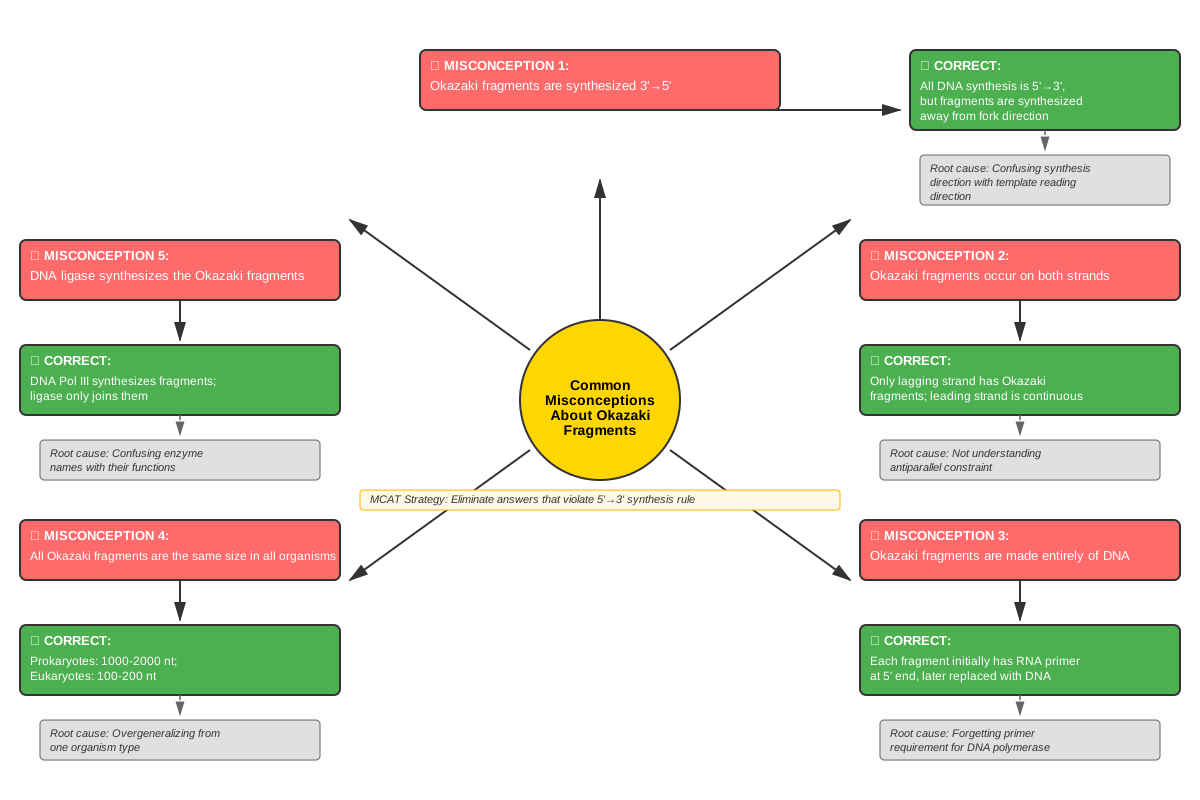
Misconception: Okazaki fragments are synthesized in the 3' to 5' direction because the lagging strand template runs 5' to 3' in the direction of fork movement.
Correction: Okazaki fragments are always synthesized in the 5' to 3' direction, like all DNA synthesis. The confusion arises because these fragments are made in the opposite direction to the overall fork movement, but the chemistry of nucleotide addition always proceeds 5' to 3'.
Misconception: The leading strand and lagging strand use different DNA polymerases with fundamentally different mechanisms.
Correction: In prokaryotes, DNA polymerase III synthesizes both strands. In eukaryotes, DNA polymerase ε typically synthesizes the leading strand while DNA polymerase δ synthesizes the lagging strand, but both use the same basic mechanism of 5' to 3' synthesis. The asymmetry comes from the template orientation, not the polymerase mechanism.
Misconception: RNA primers are a mistake or imperfection in the replication process.
Correction: RNA primers are an essential feature of DNA replication. DNA polymerase cannot initiate synthesis de novo and requires a 3'-OH group to extend. Primase, which can initiate RNA synthesis without a primer, solves this problem. The RNA is intentionally removed afterward because DNA is more stable for long-term genetic storage.
Misconception: Okazaki fragments exist as separate pieces in the final replicated DNA.
Correction: After processing, Okazaki fragments are covalently joined by DNA ligase, creating a continuous DNA strand indistinguishable from the leading strand. The fragments are only transiently separate during the replication process.
Misconception: The lagging strand is synthesized more slowly than the leading strand because of the discontinuous synthesis.
Correction: Despite the complexity of lagging strand synthesis, both strands are replicated at approximately the same rate. The replication machinery is highly coordinated, with the lagging strand polymerase "looping out" the template to maintain pace with the leading strand polymerase in a structure called the replisome.
Misconception: All organisms have Okazaki fragments of the same length.
Correction: Okazaki fragment length varies significantly between prokaryotes (1,000-2,000 nt) and eukaryotes (100-200 nt), primarily due to differences in chromatin structure and the presence of nucleosomes in eukaryotes.
Worked Examples
Example 1: Enzyme Deficiency Analysis
Question: A researcher creates a bacterial strain with a temperature-sensitive mutation in DNA ligase. At the permissive temperature (30°C), the bacteria grow normally. At the restrictive temperature (42°C), DNA replication continues but the cells accumulate single-strand breaks in their DNA. Which of the following best explains this observation?
A) The leading strand cannot be synthesized at 42°C
B) RNA primers cannot be removed at 42°C
C) Okazaki fragments cannot be joined at 42°C
D) DNA polymerase III cannot function at 42°C
Worked Solution:
Step 1: Identify what DNA ligase does. DNA ligase catalyzes the formation of phosphodiester bonds between adjacent nucleotides, specifically sealing nicks in the DNA backbone.
Step 2: Determine where DNA ligase is essential. DNA ligase is required to join Okazaki fragments on the lagging strand after RNA primers have been removed and replaced with DNA.
Step 3: Analyze what happens when ligase is defective. Without functional ligase, Okazaki fragments remain unjoined, creating single-strand breaks (nicks) in the lagging strand. The leading strand, which is synthesized continuously, would not be affected.
Step 4: Evaluate the answer choices:
- A is incorrect because leading strand synthesis doesn't require ligase
- B is incorrect because primer removal is performed by DNA polymerase I's exonuclease activity, not ligase
- C is correct because ligase specifically joins Okazaki fragments
- D is incorrect because the question states replication continues, indicating polymerase III is functional
Answer: C
Connection to learning objectives: This example demonstrates application of Okazaki fragment knowledge to predict experimental outcomes and identifies the specific role of DNA ligase in fragment processing.
Example 2: Comparative Analysis
Question: A molecular biology student isolates newly synthesized DNA from both E. coli (prokaryote) and human cells (eukaryote) during S phase. The DNA is immediately analyzed before complete processing. The student observes that the human DNA sample contains approximately 10 times more RNA-DNA junctions than the E. coli sample, despite similar amounts of total DNA synthesis. Which of the following best explains this observation?
A) Human cells use more RNA primers because they have more replication origins
B) Eukaryotic Okazaki fragments are shorter, requiring more primers per unit length of DNA
C) Human DNA polymerase is less processive than bacterial DNA polymerase
D) Eukaryotic cells replicate both strands discontinuously
Worked Solution:
Step 1: Understand what RNA-DNA junctions represent. Each RNA-DNA junction marks the beginning of an Okazaki fragment, where an RNA primer transitions to DNA synthesis.
Step 2: Recall the key difference in Okazaki fragment length. Prokaryotic fragments are 1,000-2,000 nucleotides, while eukaryotic fragments are only 100-200 nucleotides.
Step 3: Calculate the relationship. If eukaryotic fragments are approximately 10 times shorter, then synthesizing the same length of lagging strand would require approximately 10 times more fragments, and therefore 10 times more primers (RNA-DNA junctions).
Step 4: Evaluate answer choices:
- A is incorrect because while eukaryotes do have more origins, this would affect total DNA synthesis amount, not the ratio of RNA-DNA junctions per unit of DNA synthesized
- B is correct because shorter fragments require more primers per unit length
- C is partially true but doesn't directly explain the 10-fold difference in RNA-DNA junctions
- D is incorrect because only the lagging strand is synthesized discontinuously in both cell types
Answer: B
Connection to learning objectives: This example requires comparing prokaryotic and eukaryotic Okazaki fragments and applying quantitative reasoning to predict experimental observations.
Exam Strategy
Approaching MCAT Questions on Okazaki Fragments
When encountering questions about Okazaki fragments on the MCAT, follow this systematic approach:
- Identify the strand: Determine whether the question is asking about the leading strand (continuous) or lagging strand (discontinuous). Many wrong answers exploit confusion between these two strands.
- Track the directionality: Always remember that DNA synthesis proceeds 5' to 3', regardless of which strand is being synthesized. Draw a quick diagram if needed to visualize the replication fork.
- Consider the enzyme: Identify which enzyme is relevant to the question—primase, DNA polymerase, ligase, or helicase. Each has a specific role in the Okazaki fragment cycle.
- Think temporally: Okazaki fragment processing occurs in a specific sequence (primer synthesis → DNA extension → primer removal → ligation). Questions often test whether you understand this temporal order.
Trigger Words and Phrases
Watch for these key phrases that signal Okazaki fragment content:
- "Lagging strand" or "discontinuous synthesis" → immediately think Okazaki fragments
- "RNA-DNA hybrid" or "RNA primer" → indicates the beginning of an Okazaki fragment
- "Nick" or "single-strand break" → suggests a problem with ligase or incomplete fragment joining
- "5' to 3' exonuclease" → refers to primer removal by DNA polymerase I
- "Processivity" → relates to how many nucleotides a polymerase adds before dissociating, relevant to fragment length
- "Temperature-sensitive mutant" → often used in experimental passages to test understanding of specific enzyme functions
Process-of-Elimination Tips
When using process of elimination:
- Eliminate answers that violate directionality: Any answer suggesting 3' to 5' DNA synthesis is incorrect
- Eliminate answers that confuse leading and lagging strands: If the question is about continuous synthesis, it's not about Okazaki fragments
- Eliminate answers that misattribute enzyme functions: DNA ligase doesn't remove primers; DNA polymerase doesn't join fragments
- Watch for absolute language: Answers using "always," "never," or "only" are often incorrect because biological systems have exceptions
Time Allocation
For discrete questions on Okazaki fragments, allocate 60-90 seconds. For passage-based questions, spend 30-45 seconds per question after reading the passage. If a question requires drawing a diagram to visualize the replication fork, it's worth the 10-15 seconds—this often prevents careless errors.
Memory Techniques
Mnemonic for Okazaki Fragment Processing Steps
"Please Don't Panic, Ligase"
- Primase synthesizes primer
- DNA polymerase extends
- Polymerase I removes primer (using exonuclease)
- Ligase seals the fragments
Visualization Strategy
Imagine the replication fork as a zipper opening. The leading strand is like the smooth side of the zipper moving continuously. The lagging strand is like someone sewing patches onto fabric in reverse—they have to keep starting new patches (Okazaki fragments) and then sewing them together (ligation) as the zipper opens.
Acronym for Key Enzymes
"HSPPL" (pronounced "his-pull") for the enzyme sequence:
- Helicase (unwinds)
- SSB proteins (stabilize)
- Primase (makes primer)
- Polymerase (extends)
- Ligase (joins)
Length Memory Aid
"Prokaryotes are Proud of their Thousand-nucleotide fragments; Eukaryotes are Embarrassed by their Hundred-nucleotide fragments"
The alliteration helps remember that prokaryotic fragments are longer (thousands) while eukaryotic fragments are shorter (hundreds).
Directionality Reminder
Hold your hands in front of you with fingers pointing toward each other (representing antiparallel strands). Your right hand represents the leading strand—it can move smoothly forward. Your left hand represents the lagging strand—it has to keep jumping back to start new fragments, even though each fragment is still made in the same direction (toward your body, representing 5' to 3').
Summary
Okazaki fragments are short DNA segments synthesized discontinuously on the lagging strand during DNA replication, representing the cell's solution to the challenge posed by DNA polymerase's unidirectional activity and the antiparallel nature of DNA. Each fragment begins with an RNA primer synthesized by primase, is extended by DNA polymerase, and is later processed through primer removal and ligation to create a continuous strand. The fragments are approximately 1,000-2,000 nucleotides in prokaryotes and 100-200 nucleotides in eukaryotes, with this difference attributed to chromatin structure. The enzymatic machinery involved includes helicase, SSB proteins, primase, DNA polymerase III (or δ in eukaryotes), DNA polymerase I, and DNA ligase. Understanding Okazaki fragments is essential for the MCAT because it integrates concepts of enzyme specificity, DNA structure, energy requirements, and mutation mechanisms, and frequently appears in passage-based questions requiring application of replication principles to experimental scenarios.
Key Takeaways
- Okazaki fragments are synthesized discontinuously on the lagging strand in the 5' to 3' direction, with each fragment initiated by an RNA primer
- Prokaryotic Okazaki fragments (1,000-2,000 nt) are approximately 10 times longer than eukaryotic fragments (100-200 nt) due to differences in chromatin structure
- The complete processing of Okazaki fragments requires coordinated action of multiple enzymes: primase, DNA polymerase, and DNA ligase
- DNA ligase is essential for joining adjacent Okazaki fragments and uses different cofactors in prokaryotes (NAD+) versus eukaryotes (ATP)
- Defects in Okazaki fragment processing lead to single-strand breaks, replication fork stalling, and increased mutation rates
- The lagging strand requires multiple primers (one per fragment), while the leading strand requires only one primer per replication origin
- Understanding Okazaki fragments is crucial for interpreting MCAT passages about DNA replication, mutation mechanisms, and biotechnology applications
Related Topics
DNA Repair Mechanisms: Mastering Okazaki fragments provides foundation for understanding mismatch repair, base excision repair, and nucleotide excision repair, all of which must recognize and correct errors that occur during lagging strand synthesis.
Telomeres and Telomerase: The end-replication problem, where the final Okazaki fragment cannot be completed at chromosome ends, directly leads to telomere shortening and the need for telomerase in immortalized cells.
Cell Cycle Checkpoints: Replication stress from incomplete Okazaki fragment processing activates S-phase and G2/M checkpoints, connecting this molecular process to cell cycle regulation.
PCR and DNA Sequencing: Both techniques exploit principles of primer-dependent DNA synthesis similar to Okazaki fragment formation, making this knowledge applicable to understanding biotechnology.
Cancer Biology: Defects in replication fidelity, including errors in Okazaki fragment processing, contribute to the genomic instability characteristic of cancer cells.
Practice CTA
Now that you've mastered the core concepts of Okazaki fragments, it's time to reinforce your understanding through active practice. Challenge yourself with MCAT-style practice questions that test your ability to apply these concepts in novel scenarios, interpret experimental data, and integrate this knowledge with other Molecular Biology and Genetics topics. Use flashcards to drill the high-yield facts, enzyme functions, and key differences between prokaryotic and eukaryotic systems. Remember: understanding the mechanism of Okazaki fragment formation and processing demonstrates true mastery of DNA replication—a fundamental process that appears throughout the Biology section of the MCAT. Your investment in thoroughly learning this topic will pay dividends not only in answering direct questions about replication but also in understanding passages about mutation, cancer, biotechnology, and evolution. You've got this!
Sign up free to keep reading
Create a free AnvayaPrep account to finish this MCAT guide on Okazaki fragments — plus flashcards and practice questions.