Overview
Promoters are critical regulatory DNA sequences that serve as binding sites for RNA polymerase and transcription factors, initiating the process of gene transcription. In the context of Molecular Biology and Genetics, understanding promoters is fundamental to comprehending how cells control gene expression—a process that determines which proteins are synthesized, when they are made, and in what quantities. For the MCAT, promoters represent a high-yield topic that bridges molecular biology, genetics, and cellular regulation, appearing frequently in both passage-based and discrete questions.
The significance of promoters extends beyond simple transcription initiation. These sequences represent the primary control point for gene expression, allowing cells to respond to developmental signals, environmental changes, and metabolic demands. Promoters Biology encompasses the structural features of these sequences, their recognition by transcription machinery, and the regulatory mechanisms that modulate their activity. MCAT questions often test the ability to predict how mutations in promoter regions affect gene expression, interpret experimental data involving promoter activity, or analyze the consequences of altered transcription factor binding.
Understanding promoters provides the foundation for grasping more complex regulatory mechanisms including enhancers, silencers, and epigenetic modifications. This topic connects directly to protein synthesis, gene regulation, cellular differentiation, and even disease mechanisms such as cancer, where promoter dysregulation can lead to inappropriate gene expression. Mastery of Promoters MCAT content requires not only memorizing structural features but also developing the ability to apply this knowledge to experimental scenarios and clinical contexts commonly presented in exam passages.
Learning Objectives
- [ ] Define Promoters using accurate Biology terminology
- [ ] Explain why Promoters matters for the MCAT
- [ ] Apply Promoters to exam-style questions
- [ ] Identify common mistakes related to Promoters
- [ ] Connect Promoters to related Biology concepts
- [ ] Compare and contrast prokaryotic and eukaryotic promoter structures and functions
- [ ] Analyze experimental data to determine the effects of promoter mutations on gene expression
- [ ] Predict the consequences of transcription factor binding or absence on promoter activity
Prerequisites
- DNA structure and organization: Understanding the double helix, base pairing, and directionality (5' to 3') is essential for recognizing how promoters are positioned relative to genes
- Central Dogma (DNA → RNA → Protein): Promoters function at the transcription step, so comprehension of this flow is necessary
- Basic transcription process: Familiarity with RNA polymerase function and the general steps of transcription provides context for promoter function
- Gene structure: Knowledge of coding sequences, introns, exons, and regulatory regions helps locate promoters within the genome
- Protein-DNA interactions: Understanding how proteins recognize and bind specific DNA sequences underlies transcription factor function at promoters
Why This Topic Matters
Clinical and Real-World Significance
Promoter function has profound implications for human health and disease. Mutations in promoter regions can cause genetic disorders by reducing or eliminating gene expression without affecting the coding sequence itself. For example, β-thalassemia can result from promoter mutations that decrease β-globin production. Cancer frequently involves promoter dysregulation, where oncogenes become overexpressed due to chromosomal translocations that place them under control of highly active promoters, or tumor suppressor genes become silenced through promoter methylation. Understanding promoters is also crucial for biotechnology applications, including the design of expression vectors for recombinant protein production and gene therapy approaches.
MCAT Exam Statistics and Question Types
Promoters appear in approximately 15-20% of MCAT Biology passages, particularly those involving molecular biology experiments, gene regulation, or genetic disorders. Questions typically fall into three categories: (1) interpretation of experimental data showing promoter activity under different conditions, (2) prediction of gene expression changes following promoter mutations or transcription factor alterations, and (3) comparison of prokaryotic versus eukaryotic transcriptional regulation. The topic frequently appears in passages describing reporter gene assays, where promoter activity is measured using easily detectable proteins like luciferase or β-galactosidase.
Common Exam Passage Contexts
MCAT passages featuring promoters often present research scenarios investigating gene regulation mechanisms, such as studies examining how hormones or signaling molecules affect transcription factor binding to specific promoters. Other common contexts include evolutionary comparisons of promoter sequences across species, analysis of tissue-specific gene expression patterns, or investigation of how environmental factors (temperature, nutrients, stress) influence promoter activity. Clinical vignettes may describe patients with genetic disorders caused by promoter mutations, requiring students to predict the molecular consequences and phenotypic outcomes.
Core Concepts
Definition and Basic Structure of Promoters
A promoter is a regulatory DNA sequence located upstream (toward the 5' end) of a gene's transcription start site that serves as the binding platform for RNA polymerase and associated transcription factors to initiate transcription. Promoters do not encode proteins themselves; rather, they control when, where, and how much of a gene product is made. The promoter region typically spans 50-1000 base pairs upstream of the transcription start site, though the exact size varies between prokaryotes and eukaryotes.
The fundamental function of promoters involves two key activities: (1) recruiting RNA polymerase to the correct location on the DNA, and (2) positioning the polymerase to begin transcription at the appropriate start site. This recruitment and positioning requires specific DNA sequences that are recognized by transcription machinery. The strength or efficiency of a promoter—how frequently transcription is initiated—depends on how well these sequences match consensus sequences and how many regulatory proteins can bind to enhance or inhibit polymerase recruitment.
Prokaryotic Promoters
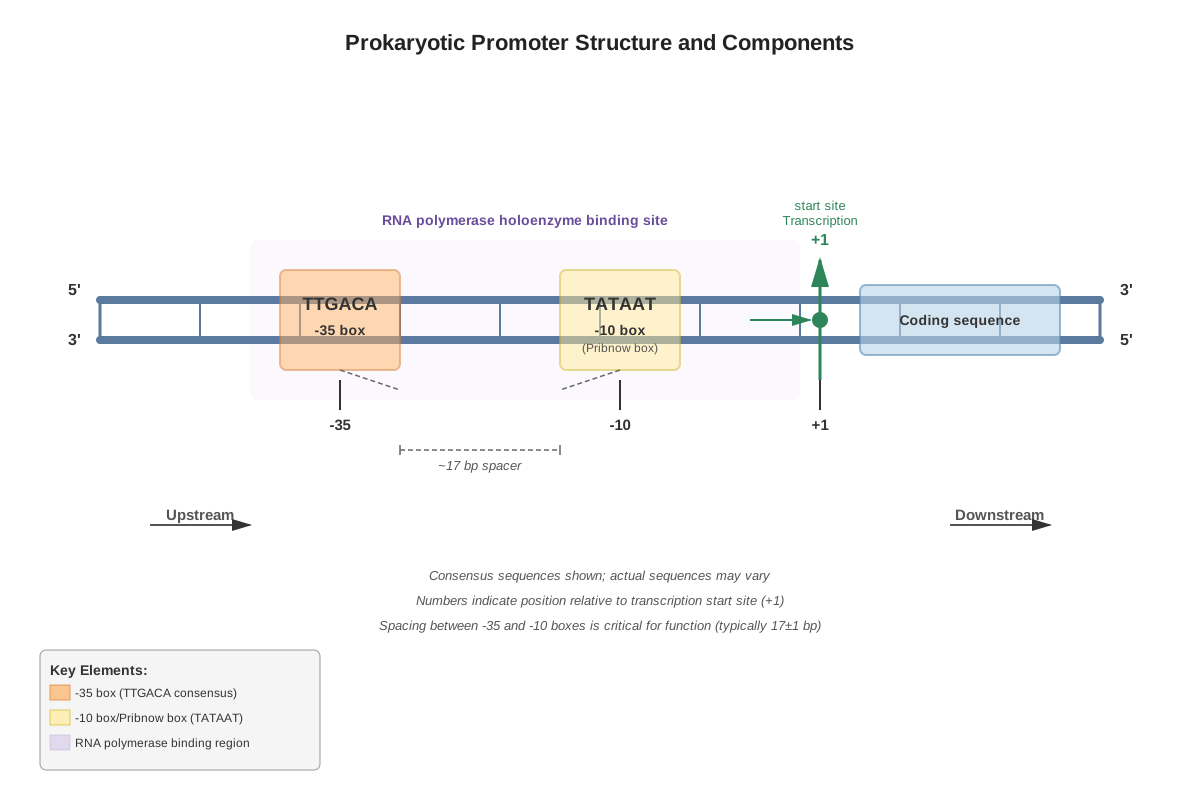
Prokaryotic promoters, found in bacteria like E. coli, have a relatively simple structure with two highly conserved sequence elements. The -10 box (also called the Pribnow box) has the consensus sequence TATAAT and is located approximately 10 base pairs upstream of the transcription start site. The -35 box has the consensus sequence TTGACA and is positioned about 35 base pairs upstream. These positions are named relative to the transcription start site, which is designated as +1.
The bacterial RNA polymerase holoenzyme, consisting of the core enzyme plus a sigma factor (σ), recognizes and binds to these promoter elements. The sigma factor is the subunit responsible for promoter recognition—it directly contacts the -10 and -35 boxes, allowing the holoenzyme to bind specifically to promoter regions rather than randomly to DNA. Different sigma factors recognize different promoter sequences, allowing bacteria to coordinately regulate sets of genes in response to environmental conditions (heat shock, nitrogen starvation, etc.).
The spacing between the -10 and -35 boxes is critical for promoter function. Optimal spacing is 17 base pairs; deviations from this distance reduce promoter efficiency because the sigma factor cannot simultaneously contact both elements. Strong promoters have sequences that closely match the consensus sequences and optimal spacing, resulting in frequent transcription initiation. Weak promoters deviate from consensus sequences, leading to less frequent RNA polymerase binding and lower transcription rates.
Eukaryotic Promoters
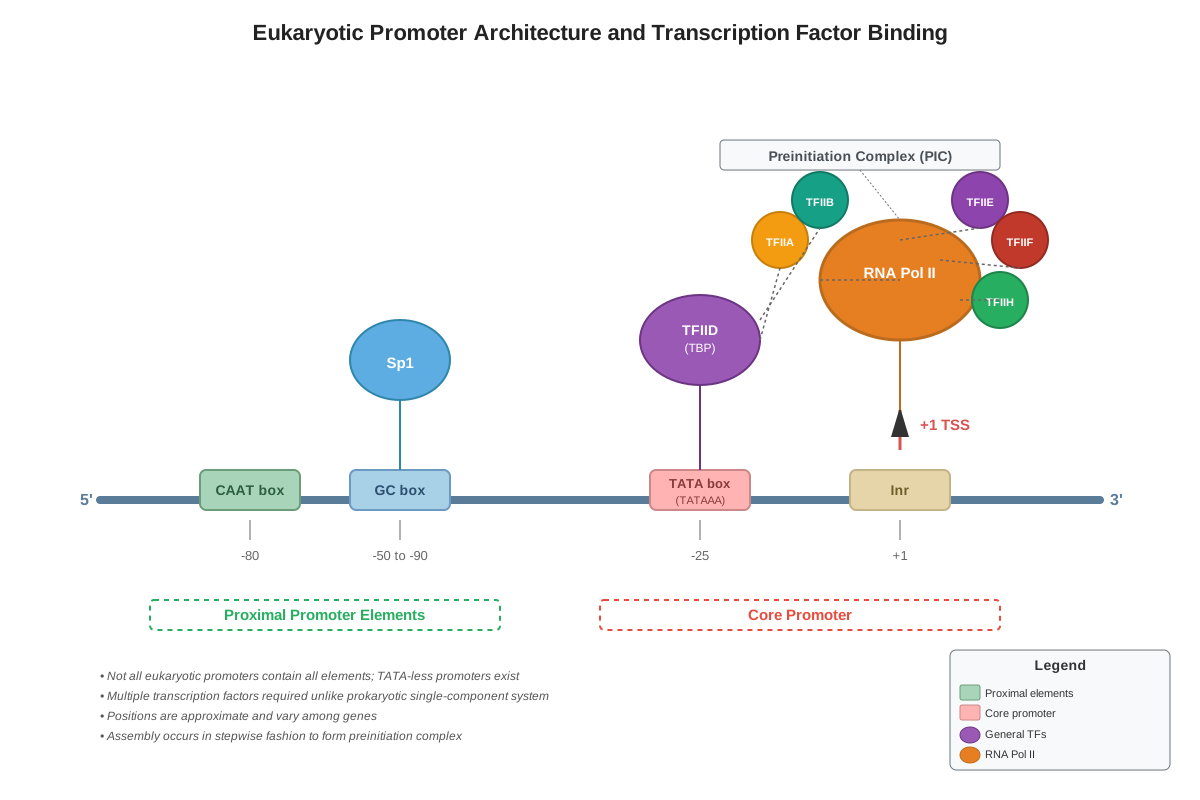
Eukaryotic promoters are considerably more complex than their prokaryotic counterparts, reflecting the greater regulatory sophistication required in multicellular organisms. The core promoter is the minimal DNA sequence required for accurate transcription initiation and typically includes several elements within approximately 50 base pairs of the transcription start site.
The TATA box, with consensus sequence TATAAA, is located approximately 25-30 base pairs upstream of the transcription start site in many eukaryotic genes. This element is recognized by the TATA-binding protein (TBP), a component of the transcription factor TFIID. Not all eukaryotic promoters contain a TATA box; TATA-less promoters often contain alternative elements like the Initiator (Inr) sequence at the transcription start site or the downstream promoter element (DPE) located 28-32 base pairs downstream of the start site.
Other core promoter elements include the CAAT box (consensus sequence GGCCAATCT) typically found 75-80 base pairs upstream, and the GC box (consensus sequence GGGCGG) which can appear in multiple copies at various positions. These elements are binding sites for general transcription factors that help recruit and position RNA polymerase II, the enzyme responsible for transcribing protein-coding genes in eukaryotes.
Transcription Factor Binding and Initiation Complex Assembly
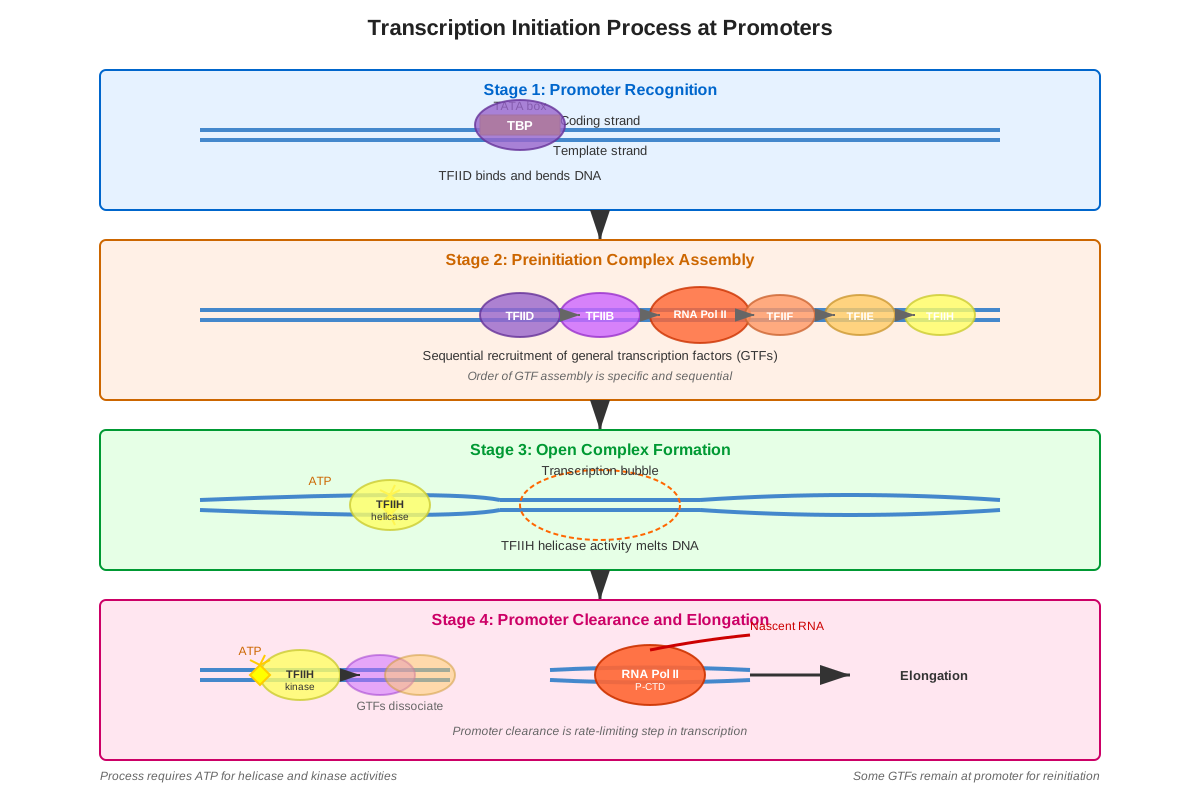
Eukaryotic transcription initiation requires the sequential assembly of a large protein complex at the promoter. This process begins when general transcription factors (GTFs) recognize and bind to core promoter elements. TFIID, containing TBP, binds first to the TATA box, causing a dramatic bend in the DNA. This binding nucleates the assembly of additional factors: TFIIA and TFIIB bind next, followed by RNA polymerase II (which arrives as a complex with TFIIF), and finally TFIIE and TFIIH.
This complete assembly, called the preinitiation complex (PIC), positions RNA polymerase II at the transcription start site. TFIIH has helicase activity that unwinds the DNA double helix, creating the transcription bubble necessary for RNA synthesis to begin. TFIIH also has kinase activity that phosphorylates the C-terminal domain (CTD) of RNA polymerase II, triggering the transition from initiation to elongation as the polymerase leaves the promoter and begins synthesizing RNA.
The requirement for multiple general transcription factors and the stepwise assembly process provides numerous points for regulation. Regulatory transcription factors (also called specific transcription factors) bind to DNA sequences outside the core promoter—including enhancers, silencers, and proximal promoter elements—and interact with the general transcription machinery to increase or decrease transcription initiation frequency.
Promoter Strength and Regulation
Promoter strength refers to the frequency of transcription initiation events and is determined by multiple factors. Sequence similarity to consensus elements is crucial—promoters with sequences closely matching the TATA box consensus or -10/-35 box consensus recruit transcription machinery more efficiently. The presence and number of binding sites for activating transcription factors also influences strength; promoters with multiple binding sites for activators are generally stronger than those with few or none.
Constitutive promoters drive continuous gene expression at relatively constant levels, typically for housekeeping genes required for basic cellular functions. These promoters usually have strong core elements and few regulatory binding sites, resulting in consistent transcription factor recruitment. Regulated promoters, in contrast, contain multiple binding sites for transcription factors that respond to cellular signals, allowing gene expression to be turned on or off or modulated in response to developmental cues, hormones, or environmental conditions.
The concept of basal transcription refers to the low level of transcription that occurs from a core promoter with only general transcription factors present, without regulatory transcription factors. Activator proteins binding to their recognition sequences near the promoter increase transcription above basal levels, while repressor proteins decrease it below basal levels or prevent transcription entirely.
Comparison of Prokaryotic and Eukaryotic Promoters
| Feature | Prokaryotic Promoters | Eukaryotic Promoters |
|---|---|---|
| Key sequences | -10 box (TATAAT), -35 box (TTGACA) | TATA box (TATAAA), CAAT box, GC box, Inr |
| RNA polymerase | Single RNA polymerase with sigma factors | Three RNA polymerases (Pol I, II, III); Pol II for mRNA |
| Transcription factors | Sigma factor for recognition | Multiple general transcription factors (TFIIA, TFIIB, etc.) |
| Complexity | Relatively simple, direct recognition | Complex, requires preinitiation complex assembly |
| Location relative to gene | Immediately upstream | Can be far upstream; enhancers can be distant |
| Regulation | Often through operons; repressors/activators | Individual gene regulation; chromatin remodeling |
| Consensus sequences | Highly conserved | More variable; alternative promoter elements |
Experimental Analysis of Promoters
Promoter function is commonly studied using reporter gene assays. In these experiments, a promoter sequence is cloned upstream of a gene encoding an easily measurable protein (reporter), such as luciferase (produces light), β-galactosidase (produces colored product), or green fluorescent protein (GFP). The construct is introduced into cells, and reporter protein activity is measured as an indicator of promoter strength. Comparing reporter activity from wild-type versus mutant promoters reveals which sequences are critical for function.
Deletion analysis systematically removes portions of the promoter sequence to identify essential elements. Progressive deletions from the 5' end (far upstream) moving toward the transcription start site show which regions contain regulatory elements—when a deletion causes loss of reporter activity, the deleted region likely contained an important binding site. Site-directed mutagenesis introduces specific sequence changes to test the importance of individual nucleotides or motifs.
Electrophoretic mobility shift assays (EMSA) or gel shift assays detect protein-DNA interactions by mixing purified proteins or nuclear extracts with labeled DNA fragments containing promoter sequences. When proteins bind to the DNA, the complex migrates more slowly through a gel than unbound DNA, creating a "shift" in the band position. This technique identifies which proteins bind to specific promoter regions and can reveal how mutations affect binding affinity.
Concept Relationships
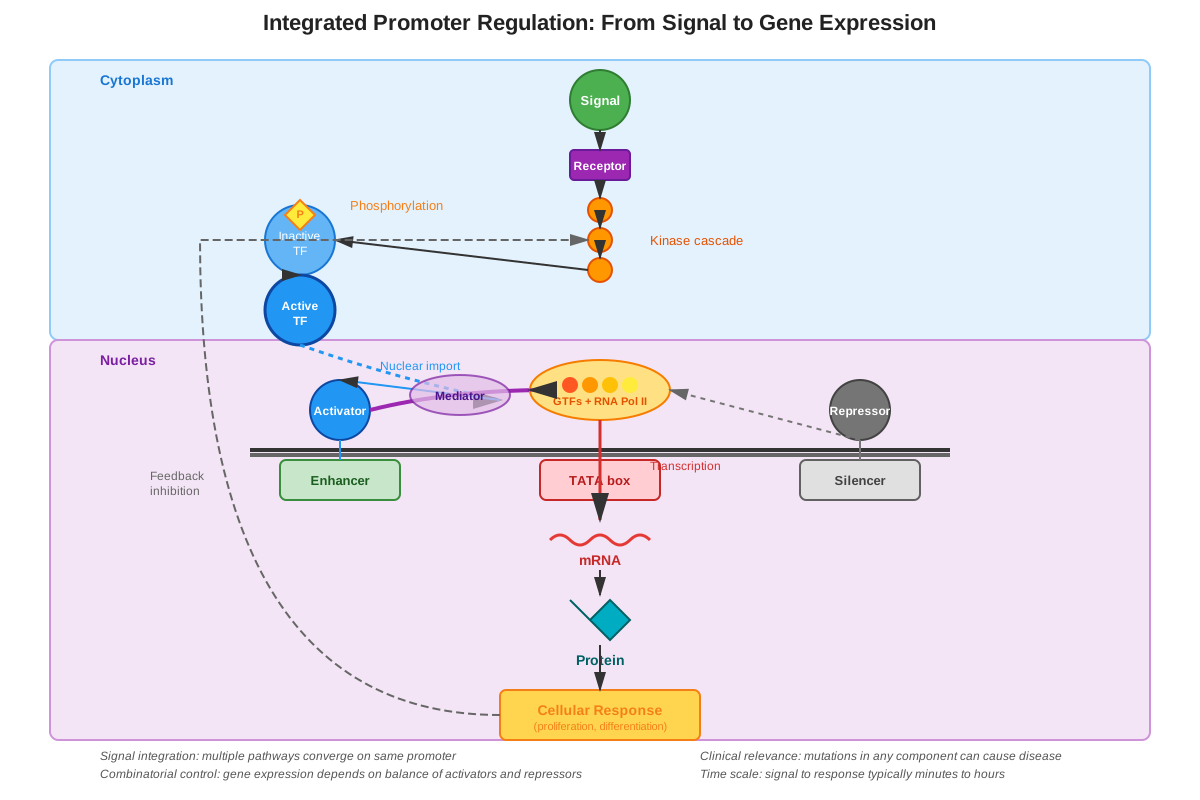
The concepts within promoter biology form an interconnected network centered on the theme of transcriptional control. At the foundation, promoter structure (consensus sequences and their positions) determines transcription factor binding, which in turn controls RNA polymerase recruitment. This recruitment leads to preinitiation complex assembly in eukaryotes, ultimately resulting in transcription initiation and determining gene expression levels.
The relationship flows as: Promoter sequence → Transcription factor recognition → Polymerase recruitment → Transcription initiation → mRNA production → Protein synthesis. Variations in promoter strength create a spectrum from constitutive to highly regulated expression, with regulatory elements (enhancers, silencers) modulating this basic promoter activity.
Promoters connect to prerequisite knowledge of DNA structure (providing the physical substrate for protein-DNA interactions) and transcription (the process promoters initiate). They link forward to more advanced topics including gene regulation (how cells control which genes are expressed), cell differentiation (tissue-specific promoters drive specialized gene expression programs), signal transduction (signaling pathways often culminate in transcription factor activation that affects promoter activity), and epigenetics (DNA methylation and histone modifications alter promoter accessibility).
The prokaryotic-eukaryotic comparison reveals evolutionary relationships: the simpler bacterial system provides the basic principle of sequence-specific polymerase recruitment, while the eukaryotic system elaborates this with additional complexity that enables the sophisticated regulation required in multicellular organisms. Understanding this evolutionary progression helps predict how promoters function in different organisms and explains why certain regulatory mechanisms exist.
High-Yield Facts
⭐ Promoters are located upstream (5' direction) of the transcription start site and are not transcribed themselves
⭐ The prokaryotic -10 box (TATAAT) and -35 box (TTGACA) are recognized by the sigma factor of RNA polymerase
⭐ The eukaryotic TATA box (TATAAA) is located approximately 25-30 base pairs upstream of the transcription start site and is recognized by TATA-binding protein (TBP)
⭐ Promoter strength is determined by how closely sequences match consensus sequences and the presence of transcription factor binding sites
⭐ Eukaryotic transcription initiation requires assembly of a preinitiation complex containing RNA polymerase II and multiple general transcription factors (TFIIA, TFIIB, TFIID, TFIIE, TFIIF, TFIIH)
- Mutations in promoter regions can reduce or eliminate gene expression without affecting the protein-coding sequence
- Different sigma factors in bacteria allow recognition of different promoter sequences, enabling coordinated gene regulation
- Not all eukaryotic promoters contain a TATA box; alternative elements include Initiator (Inr) and downstream promoter element (DPE)
- The spacing between prokaryotic -10 and -35 boxes (optimal: 17 bp) is critical for promoter function
- Constitutive promoters drive continuous expression, while regulated promoters respond to cellular signals
- Reporter gene assays measure promoter activity by linking promoter sequences to easily detectable proteins
- Basal transcription is the low-level transcription occurring with only general transcription factors, without regulatory factors
Quick check — test yourself on Promoters so far.
Try Flashcards →Common Misconceptions
Misconception: Promoters are transcribed into RNA along with the gene they regulate.
Correction: Promoters are regulatory DNA sequences that are NOT transcribed. They serve as binding platforms for transcription machinery upstream of the transcription start site. Only the sequence downstream of the start site (+1 position) is transcribed into RNA.
Misconception: All promoters have the same strength and produce equal amounts of mRNA.
Correction: Promoter strength varies widely depending on how closely sequences match consensus elements and the number of transcription factor binding sites present. Strong promoters initiate transcription frequently, producing high mRNA levels, while weak promoters initiate rarely, producing low mRNA levels.
Misconception: The TATA box is required for all eukaryotic gene transcription.
Correction: While the TATA box is common, many eukaryotic promoters lack this element and instead use alternative core promoter elements like the Initiator (Inr) sequence or downstream promoter element (DPE). TATA-less promoters are particularly common in housekeeping genes.
Misconception: Prokaryotic and eukaryotic promoters function identically and are interchangeable.
Correction: Prokaryotic and eukaryotic promoters have fundamentally different structures and recognition mechanisms. Prokaryotic promoters are recognized by sigma factors, while eukaryotic promoters require multiple general transcription factors. A bacterial promoter will not function in eukaryotic cells, and vice versa, without the appropriate transcription machinery.
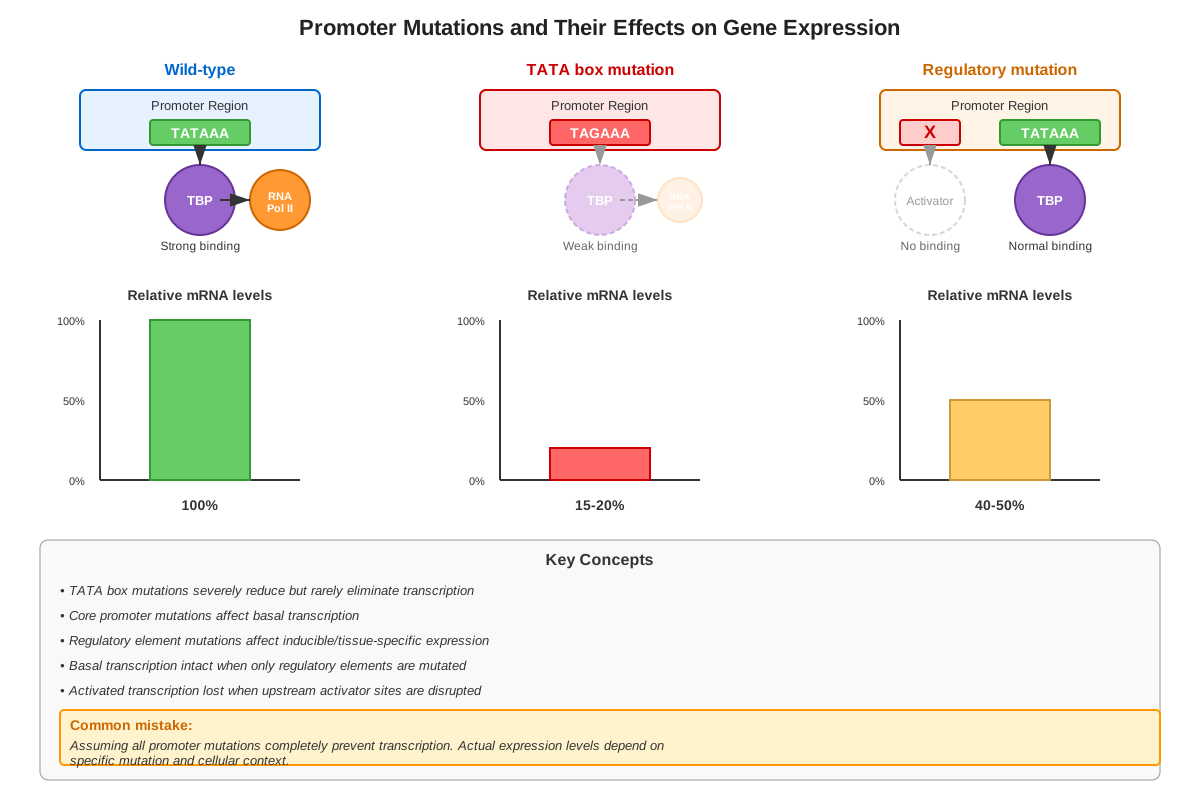
Misconception: A mutation in a promoter will always completely prevent gene expression.
Correction: The effect of a promoter mutation depends on its location and nature. Mutations in critical consensus sequences (like the TATA box or -10 box) may severely reduce or eliminate transcription, but mutations in less critical regions might only moderately decrease promoter activity. Some mutations might even increase promoter strength if they create better matches to consensus sequences or new transcription factor binding sites.
Misconception: Enhancers and promoters are the same thing.
Correction: Promoters and enhancers are distinct regulatory elements. Promoters are located immediately upstream of genes and are required for transcription initiation—they determine where RNA polymerase binds and begins transcription. Enhancers are regulatory sequences that can be located far from the gene (thousands of base pairs away, upstream or downstream) and increase transcription frequency by binding transcription factors that interact with the promoter complex, but enhancers cannot initiate transcription on their own.
Worked Examples
Example 1: Analyzing a Promoter Mutation Experiment
Scenario: Researchers studying the human β-globin gene create several mutant versions of its promoter and measure mRNA production using reporter gene assays. The wild-type promoter produces 100 units of reporter activity. Results for mutants are:
- Mutant A (TATA box changed from TATAAA to GATAAA): 15 units
- Mutant B (CAAT box deleted): 45 units
- Mutant C (sequence 500 bp upstream deleted): 30 units
- Mutant D (transcription start site changed): 5 units
Question: Rank the importance of these elements for promoter function and explain the molecular basis for each result.
Solution:
First, identify what each mutation affects:
- Mutant A: Core promoter element (TATA box) altered
- Mutant B: Proximal promoter element removed
- Mutant C: Likely regulatory element (enhancer or additional transcription factor binding site) removed
- Mutant D: Transcription start site altered
Ranking by importance (based on remaining activity):
- Transcription start site (Mutant D: 5% activity) - Most critical
- TATA box (Mutant A: 15% activity) - Essential core element
- Upstream regulatory element (Mutant C: 30% activity) - Important for full activity
- CAAT box (Mutant B: 45% activity) - Contributes but not essential
Molecular explanations:
Mutant D shows the most severe effect because changing the transcription start site disrupts where RNA polymerase II begins synthesis. Even if the polymerase is recruited to the promoter, it cannot initiate properly, resulting in minimal functional mRNA production.
Mutant A demonstrates that the TATA box is critical for efficient TBP binding and preinitiation complex assembly. The single nucleotide change (T→G) disrupts the consensus sequence, reducing TBP affinity. However, some transcription still occurs (15%) because other core promoter elements (like the CAAT box) can partially compensate, and TATA-independent initiation mechanisms may contribute.
Mutant C reveals that the upstream region contains regulatory elements (likely an enhancer or binding sites for activating transcription factors) that significantly boost transcription above basal levels. Removing this region reduces activity to 30%, but transcription still occurs because the core promoter elements remain intact.
Mutant B shows the CAAT box contributes to promoter strength but is not absolutely required. The CAAT box binds transcription factors that help recruit general transcription factors, but its absence can be partially compensated by other elements, maintaining 45% activity.
MCAT Application: This type of question tests the ability to interpret experimental data, understand the relative importance of promoter elements, and explain molecular mechanisms. The key is recognizing that core promoter elements (TATA box, start site) are more critical than auxiliary elements, but multiple elements work together to achieve full promoter activity.
Example 2: Comparing Prokaryotic and Eukaryotic Regulation
Scenario: A research team isolates a bacterial gene involved in lactose metabolism and its promoter region. They attempt to express this gene in human cells by inserting the bacterial gene with its native promoter into the human genome. Despite successful integration, no mRNA is produced from the bacterial gene.
Question: Explain why the bacterial promoter does not function in human cells and describe what modifications would be necessary to achieve expression.
Solution:
The bacterial promoter fails to function in human cells due to fundamental differences in transcription machinery and promoter recognition:
Structural incompatibility: The bacterial promoter contains -10 and -35 boxes recognized by bacterial sigma factors. Human cells lack sigma factors entirely—they use RNA polymerase II with multiple general transcription factors (TFIIA, TFIIB, TFIID, etc.) that recognize different consensus sequences (TATA box, CAAT box, GC box). The human transcription machinery cannot recognize or bind to the bacterial promoter elements.
Polymerase differences: Bacteria use a single RNA polymerase for all genes, while eukaryotes use three different RNA polymerases. Protein-coding genes require RNA polymerase II, which has a completely different structure and promoter recognition mechanism than bacterial RNA polymerase.
Transcription factor requirements: Bacterial transcription can initiate with just RNA polymerase and a sigma factor binding to the promoter. Eukaryotic transcription requires assembly of a large preinitiation complex with at least six general transcription factors before RNA polymerase II can begin synthesis. The bacterial promoter lacks the binding sites for these factors.
Necessary modifications for expression:
- Replace the bacterial promoter with a eukaryotic promoter: Use a human promoter (such as the CMV promoter, commonly used in expression vectors) that contains appropriate elements (TATA box, CAAT box, etc.) recognized by human transcription factors.
- Add a polyadenylation signal: Eukaryotic mRNAs require a poly(A) tail added post-transcriptionally. The bacterial gene lacks the necessary polyadenylation signal sequence, so this must be added downstream of the coding sequence.
- Consider codon usage: While not directly related to the promoter, bacterial and human cells have different codon preferences. For optimal expression, the bacterial coding sequence might need to be codon-optimized for human cells.
- Remove introns if present in the eukaryotic promoter construct: Bacteria lack splicing machinery, so if using a eukaryotic expression system, ensure the construct is designed appropriately.
MCAT Application: This question tests understanding of the fundamental differences between prokaryotic and eukaryotic transcription systems, the specificity of promoter-polymerase interactions, and the practical implications of these differences. It requires integrating knowledge of promoter structure, transcription factor requirements, and the incompatibility of regulatory elements across domains of life.
Exam Strategy
Approaching MCAT Questions on Promoters
When encountering promoter-related questions, first identify whether the question involves prokaryotic or eukaryotic systems—this immediately narrows down which promoter elements and transcription factors are relevant. Look for key terms like "bacteria," "E. coli," or "sigma factor" (indicating prokaryotic) versus "human," "mammalian," "TATA box," or "RNA polymerase II" (indicating eukaryotic).
For experimental passage questions, focus on the relationship between promoter modifications and observed outcomes. Ask: What was changed (sequence, transcription factor availability, regulatory element)? What was measured (mRNA levels, protein production, reporter activity)? What does the change in measurement tell us about the function of the modified element? Remember that decreased activity after deletion or mutation indicates the element was important for normal function.
Trigger Words and Phrases
Watch for these high-yield terms that signal promoter-related content:
- "Upstream of the gene" or "5' to the coding sequence" → indicates promoter location
- "Transcription initiation" or "RNA polymerase binding" → core promoter function
- "Consensus sequence" → refers to optimal promoter element sequences
- "Reporter gene assay" or "luciferase activity" → experimental measurement of promoter strength
- "Basal transcription" → minimal transcription without regulatory factors
- "Constitutive expression" → continuous transcription from strong promoter
- "Tissue-specific" or "inducible" → regulated promoter activity
Process of Elimination Tips
When evaluating answer choices about promoter function:
- Eliminate answers that confuse promoters with other regulatory elements: Promoters are NOT enhancers (which can be far from genes), NOT operators (which are prokaryotic repressor binding sites), and NOT the coding sequence itself.
- Eliminate answers that place promoters in the wrong location: Promoters are always upstream (5') of the transcription start site, never downstream or within the coding sequence.
- Eliminate answers that assign the wrong function: Promoters recruit transcription machinery and determine transcription start sites—they do NOT encode proteins, do NOT directly bind ribosomes, and do NOT function in translation.
- For prokaryotic questions, eliminate answers mentioning eukaryotic-specific elements: Bacteria don't have TATA boxes, general transcription factors (TFIID, etc.), or RNA polymerase II.
- For eukaryotic questions, eliminate answers mentioning prokaryotic-specific elements: Eukaryotes don't use sigma factors or have -10/-35 boxes.
Time Allocation Advice
Promoter questions typically require 60-90 seconds for discrete questions and 90-120 seconds for passage-based questions. Allocate time as follows:
- 15-20 seconds: Read and identify the system (prokaryotic vs. eukaryotic) and question type (definition, prediction, experimental interpretation)
- 30-45 seconds: Analyze the specific scenario, mutation, or experimental setup
- 20-30 seconds: Evaluate answer choices using process of elimination
- 10-15 seconds: Verify your answer makes biological sense
For complex experimental passages with multiple promoter-related questions, spend 3-4 minutes initially understanding the experimental design, then 60-90 seconds per question. Don't get bogged down in minor details—focus on the big picture of how promoter changes affect transcription.
Memory Techniques
Mnemonics for Key Sequences
"TATA box Tells TBP To Bind" - Reminds you that the TATA box is recognized by TBP (TATA-binding protein), the first step in eukaryotic preinitiation complex assembly.
"Ten and Thirty-five, Sigma's Alive" - Helps remember that the -10 and -35 boxes are the key prokaryotic promoter elements recognized by sigma factor.
"CAAT and GC, Upstream They'll Be" - Reminds you that CAAT box and GC box are eukaryotic promoter elements located upstream of the TATA box.
Acronym for General Transcription Factors
"All Busy Doctors Eat Food In Hospitals" represents the order of general transcription factor assembly:
- A = TFIIA
- B = TFIIB
- D = TFIID (binds first to TATA box)
- E = TFIIE
- F = TFIIF (comes with RNA polymerase II)
- I = (not a factor, but represents "Initiation")
- H = TFIIH (has helicase and kinase activity)
Note: TFIID actually binds first, then A and B, then F with Pol II, then E and H, but this mnemonic helps remember all six factors.
Visualization Strategy
The "Landing Pad" Analogy: Visualize the promoter as an airport landing pad. The consensus sequences (TATA box, -10/-35 boxes) are like runway lights that guide the plane (RNA polymerase) to the correct landing spot (transcription start site). Transcription factors are like ground crew that must be in position before the plane can land. Strong promoters have bright, clear lights (perfect consensus sequences), while weak promoters have dim lights (poor consensus matches), making landing less frequent.
The "Assembly Line" Visualization: For eukaryotic transcription initiation, picture an assembly line where workers (general transcription factors) must arrive in sequence to build a machine (preinitiation complex). TFIID arrives first and sets the foundation, others add components, and finally the machine (RNA polymerase II) is activated and begins working (transcription).
Summary
Promoters are essential regulatory DNA sequences located upstream of genes that serve as binding platforms for RNA polymerase and transcription factors, controlling when and how much transcription occurs. Prokaryotic promoters feature -10 and -35 boxes recognized by sigma factors, while eukaryotic promoters contain elements like the TATA box, CAAT box, and GC box recognized by multiple general transcription factors. The strength of a promoter depends on how closely its sequences match consensus elements and the presence of transcription factor binding sites. Eukaryotic transcription requires assembly of a preinitiation complex containing RNA polymerase II and at least six general transcription factors, providing multiple points for regulation. Understanding promoter structure and function is crucial for predicting how mutations affect gene expression, interpreting experimental data from reporter assays, and comprehending the molecular basis of gene regulation. For the MCAT, mastery of promoters requires distinguishing prokaryotic from eukaryotic systems, recognizing key consensus sequences, and applying this knowledge to experimental scenarios and clinical contexts involving altered gene expression.
Key Takeaways
- Promoters are upstream regulatory DNA sequences that recruit RNA polymerase and determine transcription start sites, but are not themselves transcribed
- Prokaryotic promoters contain -10 (TATAAT) and -35 (TTGACA) boxes recognized by sigma factors, while eukaryotic promoters contain TATA boxes (TATAAA) and other elements recognized by general transcription factors
- Promoter strength varies based on consensus sequence matches and transcription factor binding sites, creating a spectrum from weak to strong constitutive to highly regulated expression
- Eukaryotic transcription initiation requires sequential assembly of a preinitiation complex with RNA polymerase II and multiple general transcription factors (TFIIA, B, D, E, F, H)
- Mutations in promoter regions can reduce or eliminate gene expression without affecting the protein-coding sequence, causing genetic disorders
- Experimental analysis of promoters uses reporter gene assays, deletion analysis, and site-directed mutagenesis to identify critical regulatory elements
- Understanding the fundamental differences between prokaryotic and eukaryotic promoters is essential for predicting gene expression outcomes and interpreting MCAT passages
Related Topics
Enhancers and Silencers: Regulatory DNA sequences that can be located far from promoters and modulate transcription frequency by binding transcription factors that interact with promoter-bound complexes. Mastering promoters provides the foundation for understanding how these distant elements influence gene expression.
Transcription Factors: Proteins that bind to specific DNA sequences in promoters and regulatory regions to control transcription. Understanding promoter structure is essential for comprehending where and how transcription factors exert their effects.
Operons: Prokaryotic gene organization where multiple genes are transcribed from a single promoter, allowing coordinated regulation. The lac operon and trp operon build directly on promoter concepts.
Epigenetic Regulation: DNA methylation and histone modifications that alter promoter accessibility without changing DNA sequence. Promoter methylation is a key mechanism for long-term gene silencing.
Gene Expression and Cell Differentiation: Tissue-specific promoters drive specialized gene expression programs that define cell types. Understanding promoters is crucial for comprehending how cells with identical genomes produce different proteins.
RNA Polymerase Structure and Function: Detailed study of the enzymes that bind to promoters and synthesize RNA, including the mechanisms of initiation, elongation, and termination.
Practice CTA
Now that you've mastered the core concepts of promoters, it's time to solidify your understanding through active practice. Work through MCAT-style practice questions focusing on promoter function, experimental interpretation, and prokaryotic-eukaryotic comparisons. Use flashcards to memorize key consensus sequences, transcription factor functions, and the distinctions between promoter types. The more you apply this knowledge to varied question formats, the more confident and efficient you'll become at recognizing promoter-related content on test day. Remember: understanding promoters unlocks comprehension of gene regulation, a high-yield topic that appears throughout the MCAT Biology section. Your investment in mastering this foundational concept will pay dividends across multiple question types and passages!
Sign up free to keep reading
Create a free AnvayaPrep account to finish this MCAT guide on Promoters — plus flashcards and practice questions.