Overview
RNA polymerase is a critical enzyme complex that catalyzes the synthesis of RNA from a DNA template during the process of transcription. This molecular machine represents one of the most fundamental mechanisms in molecular biology, serving as the bridge between genetic information stored in DNA and the functional molecules (mRNA, tRNA, rRNA) that drive cellular processes. Understanding RNA polymerase is essential for comprehending gene expression, regulation, and the central dogma of molecular biology.
For the MCAT, RNA polymerase appears frequently in both passage-based and discrete questions within the Biological and Biochemical Foundations of Living Systems section. Questions may test knowledge of transcription initiation, elongation, and termination; differences between prokaryotic and eukaryotic RNA polymerases; the role of transcription factors; and how mutations or drugs affecting RNA polymerase impact cellular function. The topic integrates seamlessly with genetics, cell biology, and biochemistry, making it a high-yield area that connects to numerous other testable concepts.
The significance of RNA polymerase extends beyond basic transcription mechanics. It connects to gene regulation (promoters, enhancers, silencers), biotechnology applications (RNA-based therapeutics), disease mechanisms (cancer, viral infections), and evolutionary biology (differences between domains of life). Mastering this topic provides the foundation for understanding how cells control gene expression in response to developmental signals, environmental changes, and pathological conditions—all themes that appear regularly in MCAT passages.
Learning Objectives
- [ ] Define RNA polymerase using accurate Biology terminology
- [ ] Explain why RNA polymerase matters for the MCAT
- [ ] Apply RNA polymerase to exam-style questions
- [ ] Identify common mistakes related to RNA polymerase
- [ ] Connect RNA polymerase to related Biology concepts
- [ ] Compare and contrast prokaryotic and eukaryotic RNA polymerases structurally and functionally
- [ ] Describe the complete mechanism of transcription initiation, elongation, and termination
- [ ] Analyze how transcription factors and regulatory elements control RNA polymerase activity
- [ ] Predict the effects of mutations or inhibitors on RNA polymerase function and cellular outcomes
Prerequisites
- DNA structure and base pairing: RNA polymerase reads DNA templates using complementary base pairing rules (A-U, G-C in RNA)
- Central dogma of molecular biology: Transcription by RNA polymerase represents the DNA → RNA step
- Enzyme kinetics and catalysis: Understanding how enzymes function helps explain RNA polymerase mechanism
- Prokaryotic vs. eukaryotic cell organization: Structural differences affect where and how transcription occurs
- Basic genetics terminology: Genes, promoters, and coding/non-coding regions are essential for understanding transcription regulation
Why This Topic Matters
Clinical and Real-World Significance
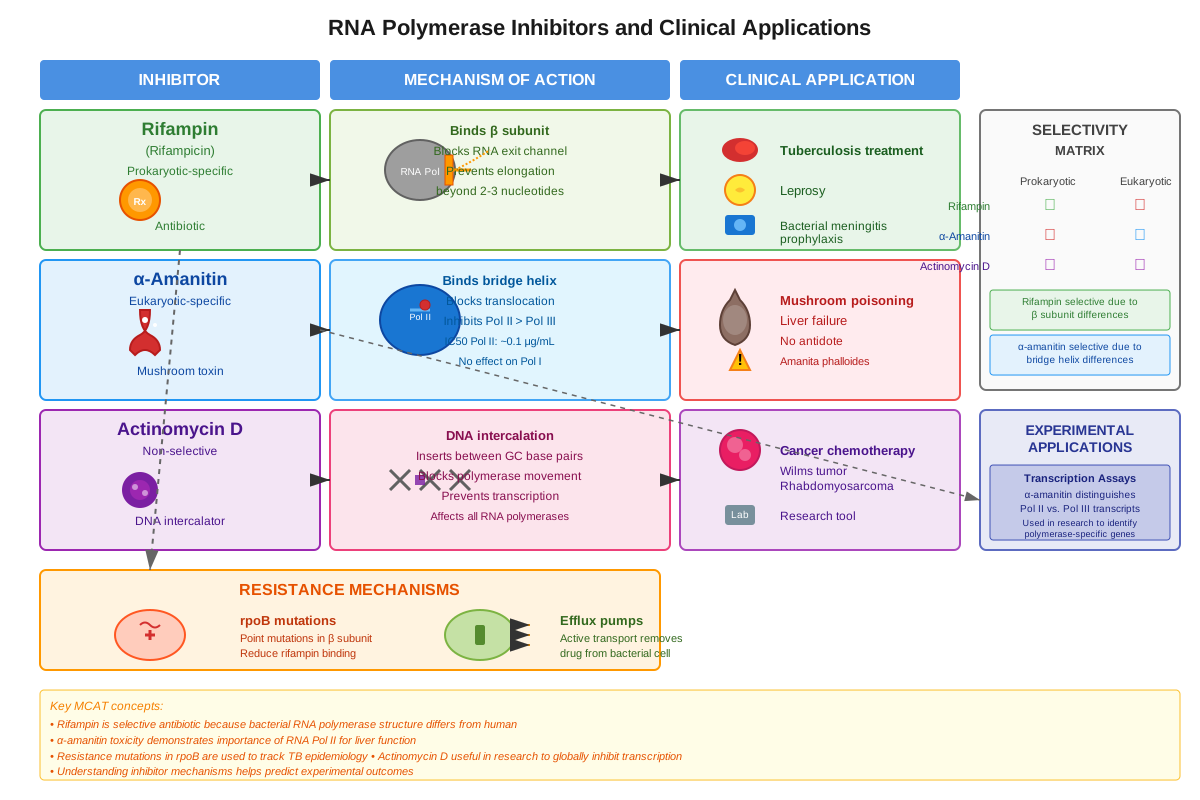
RNA polymerase dysfunction underlies numerous human diseases. Mutations in genes encoding RNA polymerase subunits cause developmental disorders and immunodeficiencies. Many antibiotics (rifampin, rifampicin) specifically target bacterial RNA polymerase, exploiting structural differences from human enzymes. Cancer cells often show dysregulated RNA polymerase activity, with oncogenes driving excessive transcription. The mushroom toxin α-amanitin fatally inhibits eukaryotic RNA polymerase II, causing liver failure. Understanding RNA polymerase mechanisms enables rational drug design and explains therapeutic interventions.
MCAT Exam Statistics
RNA polymerase appears in approximately 8-12% of Biological and Biochemical Foundations questions, either as the primary focus or as part of broader gene expression passages. Questions typically fall into three categories: (1) mechanism-based questions testing transcription steps, (2) comparative questions contrasting prokaryotic and eukaryotic systems, and (3) experimental analysis questions requiring interpretation of transcription assays or mutations. The topic frequently appears in passages discussing gene regulation, biotechnology, or disease mechanisms.
Common Exam Contexts
MCAT passages featuring RNA polymerase often present experimental scenarios: researchers studying transcription factor binding, analyzing RNA polymerase mutations in model organisms, developing new antibiotics targeting bacterial transcription, or investigating how environmental signals alter gene expression. Questions may ask students to interpret gel electrophoresis results showing RNA products, predict effects of promoter mutations, or explain why certain drugs selectively inhibit bacterial but not human RNA polymerase. Understanding both the molecular details and broader regulatory context is essential for success.
Core Concepts
Definition and Basic Function
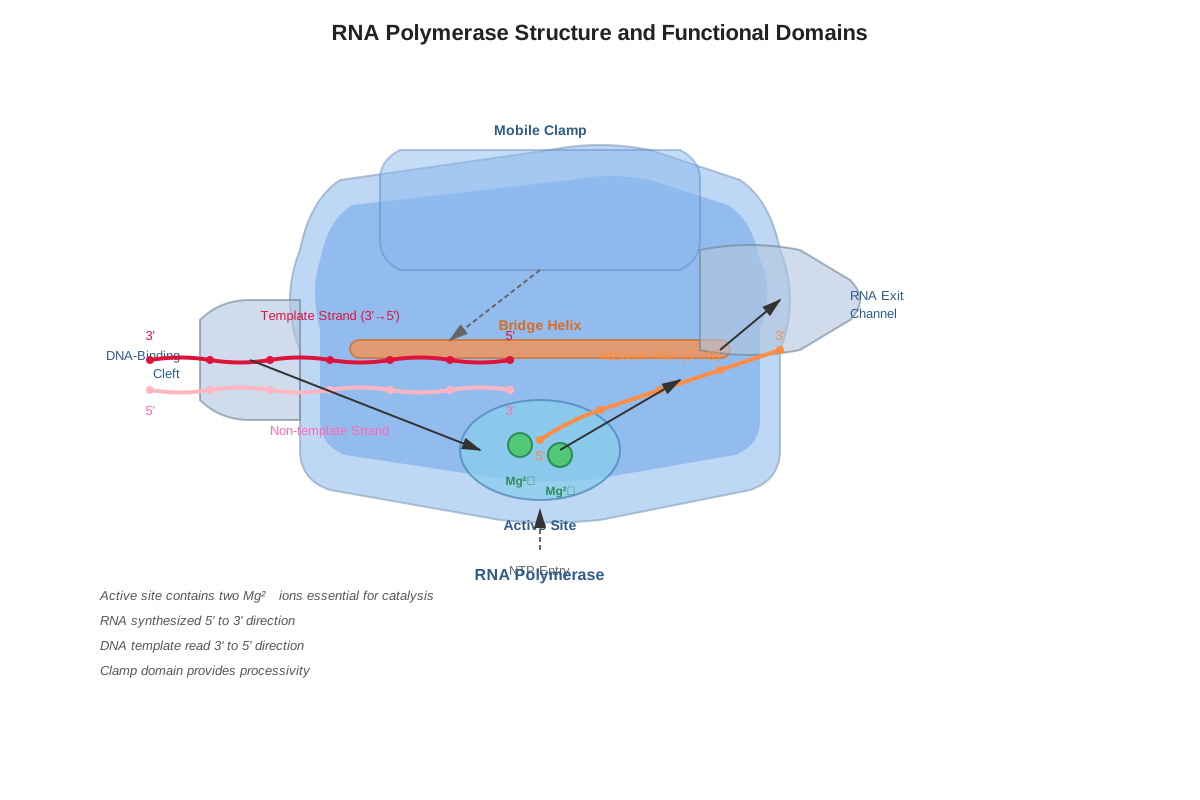
RNA polymerase is a multi-subunit enzyme complex that synthesizes RNA polymers from ribonucleoside triphosphate (rNTP) substrates using a DNA template strand. The enzyme catalyzes the formation of phosphodiester bonds between the 3'-OH group of the growing RNA chain and the 5'-triphosphate of the incoming nucleotide, releasing pyrophosphate (PPi) in the process. This reaction proceeds in the 5' to 3' direction, meaning RNA polymerase adds nucleotides to the 3' end of the growing transcript. Unlike DNA polymerase, RNA polymerase does not require a primer and can initiate synthesis de novo.
The enzyme possesses several critical functional domains: a DNA-binding channel that accommodates the double helix, an active site where catalysis occurs, and a bridge helix that positions substrates correctly. RNA polymerase also contains a "clamp" structure that closes around DNA during transcription, ensuring processivity (the ability to add many nucleotides without dissociating). The enzyme unwinds approximately 8-9 base pairs of DNA at a time, creating a transcription bubble where the template strand is exposed for base pairing with incoming rNTPs.
Prokaryotic RNA Polymerase
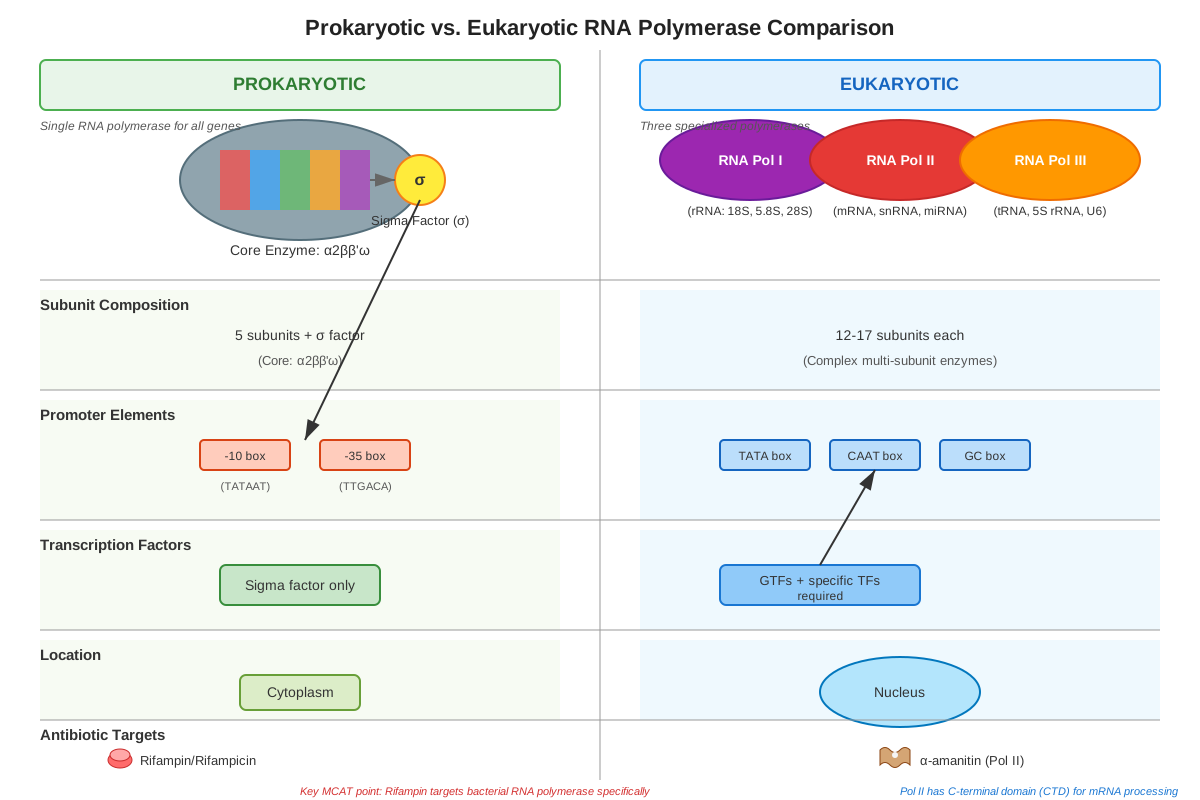
In bacteria, a single RNA polymerase enzyme transcribes all genes. The bacterial RNA polymerase core enzyme consists of five subunits: two α subunits, one β subunit, one β' subunit, and one ω subunit (α₂ββ'ω). The core enzyme can synthesize RNA but cannot recognize promoters independently. To initiate transcription at specific promoter sequences, the core enzyme associates with a sigma factor (σ), forming the holoenzyme (α₂ββ'ωσ).
Different sigma factors recognize different promoter sequences, allowing bacteria to coordinate gene expression programs. The most common sigma factor in E. coli is σ⁷⁰, which recognizes two conserved promoter elements: the -10 box (Pribnow box, consensus sequence TATAAT) and the -35 box (consensus sequence TTGACA). These numbers indicate positions upstream (toward the 5' end) from the transcription start site (+1). The sigma factor binds these sequences, positioning RNA polymerase correctly for transcription initiation.
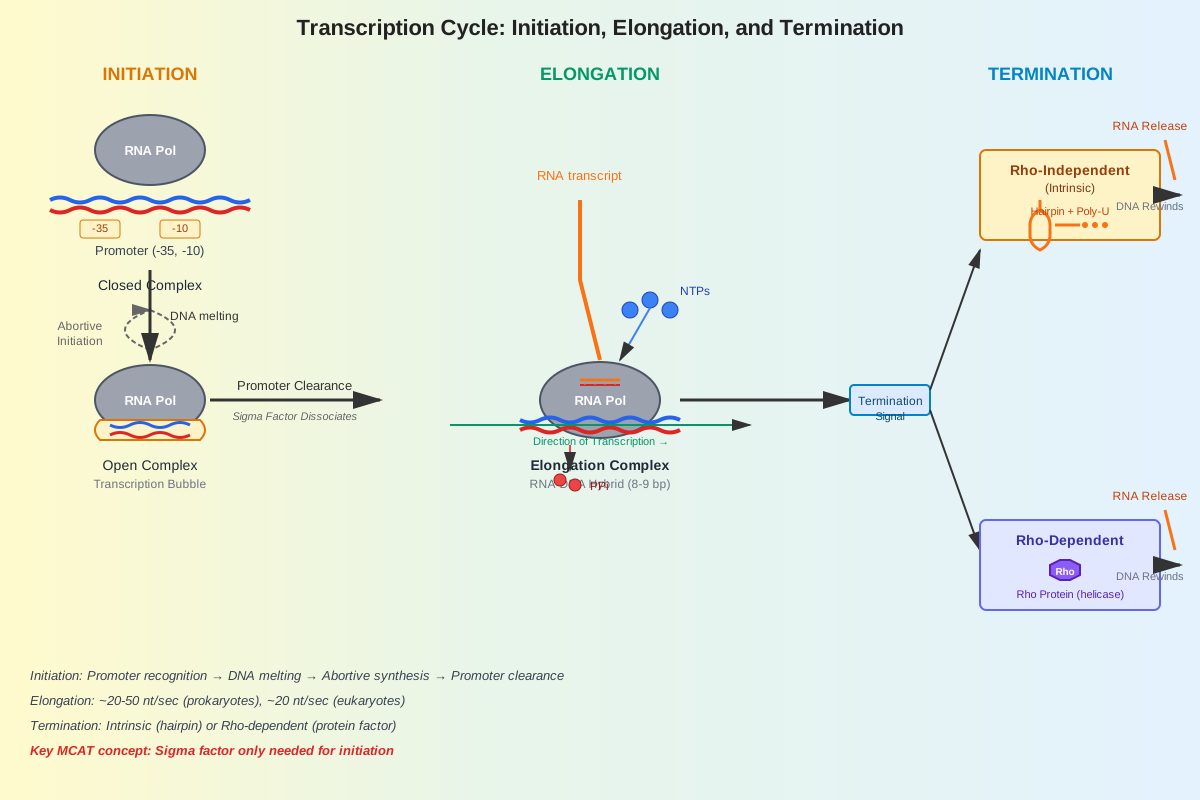
After synthesizing approximately 8-10 nucleotides, the sigma factor dissociates from the core enzyme in a process called promoter clearance. The core enzyme then continues elongation processively. Bacterial transcription terminates through two mechanisms: rho-independent (intrinsic) termination, which involves a GC-rich palindromic sequence followed by a poly-U tract that forms a hairpin structure causing RNA polymerase to dissociate, and rho-dependent termination, which requires the rho protein to actively remove RNA polymerase from the template.
Eukaryotic RNA Polymerases
Eukaryotes possess three distinct nuclear RNA polymerases, each transcribing different gene classes:
| RNA Polymerase | Primary Transcripts | Location | Sensitivity to α-amanitin |
|---|---|---|---|
| RNA Pol I | Most rRNAs (18S, 5.8S, 28S) | Nucleolus | Insensitive |
| RNA Pol II | mRNAs, most snRNAs, miRNAs, lncRNAs | Nucleoplasm | Highly sensitive |
| RNA Pol III | tRNAs, 5S rRNA, U6 snRNA | Nucleoplasm | Moderately sensitive |
RNA polymerase II receives the most attention on the MCAT because it transcribes protein-coding genes. This enzyme contains 12 subunits and possesses a unique C-terminal domain (CTD) on its largest subunit, consisting of multiple repeats of the heptapeptide sequence YSPTSPS. The CTD undergoes extensive phosphorylation during the transcription cycle, serving as a landing platform for RNA processing factors. This coupling ensures that mRNA capping, splicing, and polyadenylation occur co-transcriptionally.
Unlike prokaryotic RNA polymerase, eukaryotic RNA polymerases cannot recognize promoters independently. They require general transcription factors (GTFs) to initiate transcription. For RNA polymerase II, these include TFIIA, TFIIB, TFIID, TFIIE, TFIIF, and TFIIH. The process begins when TFIID, containing the TATA-binding protein (TBP), recognizes and binds the TATA box (consensus sequence TATAAA, typically located 25-30 base pairs upstream of the transcription start site). This binding bends the DNA and recruits other GTFs and RNA polymerase II, forming the pre-initiation complex (PIC).
Transcription Initiation
The transcription cycle consists of three phases: initiation, elongation, and termination. Initiation is the rate-limiting step and the primary point of gene regulation.
Prokaryotic initiation:
- Sigma factor binds core enzyme, forming holoenzyme
- Holoenzyme scans DNA for promoter sequences
- Recognition of -35 and -10 boxes causes RNA polymerase to bind (closed complex)
- DNA melts around -10 region, forming open complex with single-stranded template
- RNA polymerase synthesizes short RNA transcripts (abortive initiation)
- After synthesizing ~10 nucleotides, sigma factor dissociates (promoter clearance)
- Core enzyme enters elongation phase
Eukaryotic initiation (RNA Pol II):
- TFIID (containing TBP) binds TATA box, bending DNA
- TFIIB binds, determining transcription start site location
- RNA Pol II-TFIIF complex recruited to promoter
- TFIIE and TFIIH join, completing pre-initiation complex
- TFIIH (with helicase and kinase activities) unwinds DNA and phosphorylates RNA Pol II CTD
- Phosphorylation triggers promoter clearance and transition to elongation
The requirement for multiple transcription factors in eukaryotes provides numerous regulatory checkpoints. Activator proteins bind enhancer sequences (which can be thousands of base pairs away) and interact with mediator complexes to stimulate PIC formation. Repressor proteins bind silencer sequences and inhibit transcription through various mechanisms, including chromatin remodeling and interference with activator function.
Transcription Elongation
During elongation, RNA polymerase moves along the DNA template at approximately 20-50 nucleotides per second, maintaining the transcription bubble and synthesizing RNA. The enzyme exhibits high processivity, often transcribing thousands of nucleotides without dissociating. Several factors enhance elongation efficiency:
In prokaryotes:
- NusA protein increases RNA polymerase processivity
- NusG protein suppresses pausing
- Core enzyme alone is sufficient for basic elongation
In eukaryotes:
- Elongation factors (TFIIS, Elongin, DSIF, NELF) regulate RNA Pol II progression
- CTD phosphorylation pattern changes during elongation
- Chromatin remodeling complexes facilitate polymerase movement through nucleosomes
- RNA processing occurs co-transcriptionally (5' capping, splicing, 3' cleavage)
The transcription bubble contains approximately 8-9 unwound base pairs. Behind the polymerase, DNA strands re-anneal, and the RNA-DNA hybrid (approximately 8 base pairs long) dissociates, allowing the RNA transcript to exit through a channel in the enzyme. The enzyme's clamp domain closes around DNA, preventing dissociation during elongation.
Transcription Termination
Termination releases the completed RNA transcript and allows RNA polymerase to dissociate from DNA.
Prokaryotic termination mechanisms:
Rho-independent (intrinsic) termination:
- GC-rich palindromic sequence in DNA template
- Transcribed into RNA that forms stable hairpin structure
- Followed by poly-U tract (weak rU-dA base pairs)
- Hairpin formation causes RNA polymerase to pause
- Weak rU-dA interactions allow transcript to dissociate
Rho-dependent termination:
- Rho protein (hexameric helicase) binds rut (rho utilization) site on nascent RNA
- Rho translocates along RNA toward RNA polymerase
- When polymerase pauses, rho catches up and uses ATP hydrolysis to unwind RNA-DNA hybrid
- Transcript and polymerase dissociate
Eukaryotic termination (RNA Pol II):
- No hairpin-based mechanism
- Transcription continues past the polyadenylation signal (AAUAAA)
- Cleavage and polyadenylation factors cleave RNA downstream of AAUAAA
- RNA polymerase continues transcribing, but the uncapped 5' end of the remaining transcript is degraded by exonucleases
- This "torpedo" model suggests that exonuclease degradation catches up to RNA polymerase, causing termination
- Alternative allosteric model proposes conformational changes after polyadenylation signal passage
Regulation of RNA Polymerase Activity
Gene expression regulation primarily occurs at the transcription level, making RNA polymerase activity control crucial. Multiple mechanisms modulate transcription:
Promoter strength: Promoter sequences that closely match consensus sequences bind RNA polymerase more efficiently, increasing transcription rates. Mutations that improve or worsen promoter-polymerase interactions directly affect gene expression levels.
Transcription factors: In eukaryotes, activators increase transcription by recruiting coactivators, stabilizing PIC formation, or recruiting chromatin remodeling complexes. Repressors decrease transcription by blocking activator binding, recruiting corepressors, or inducing repressive chromatin states.
Chromatin structure: DNA packaged into nucleosomes is less accessible to RNA polymerase. Chromatin remodeling complexes use ATP hydrolysis to reposition nucleosomes, while histone-modifying enzymes add or remove chemical groups (acetyl, methyl, phosphate) that affect chromatin compaction. Generally, histone acetylation correlates with active transcription, while certain methylation patterns correlate with repression.
Enhancers and silencers: These regulatory elements function at a distance from promoters. DNA looping brings enhancer-bound activators into proximity with promoters, facilitating transcription. The mediator complex serves as a bridge between activators and RNA polymerase II.
Concept Relationships
RNA polymerase function integrates multiple molecular biology concepts into a coherent system. The enzyme's structure determines its function: the multi-subunit architecture creates the DNA-binding channel, active site, and regulatory domains necessary for controlled transcription. DNA structure and base pairing rules dictate how RNA polymerase reads the template strand and synthesizes complementary RNA (DNA → RNA transcription).
Transcription by RNA polymerase represents the first step in gene expression, connecting genotype to phenotype. The RNA products (mRNA, tRNA, rRNA) undergo further processing and serve distinct functions: mRNA translation produces proteins, tRNA and rRNA enable translation machinery, and regulatory RNAs control gene expression. This flow follows the central dogma: DNA → RNA → Protein.
Gene regulation mechanisms converge on RNA polymerase activity. Transcription factors (activators and repressors) → bind regulatory DNA sequences → recruit or block RNA polymerase → alter transcription rates. Chromatin structure → affects DNA accessibility → influences RNA polymerase binding and movement. Signal transduction pathways → activate transcription factors → modulate RNA polymerase recruitment → change gene expression patterns in response to environmental signals.
The differences between prokaryotic and eukaryotic RNA polymerases reflect evolutionary divergence and cellular complexity. Prokaryotes: single RNA polymerase + sigma factors → simple regulation → rapid response. Eukaryotes: three RNA polymerases + multiple transcription factors + chromatin → complex regulation → precise developmental control. These differences enable antibiotic selectivity (drugs targeting bacterial RNA polymerase don't affect human enzymes) and explain why eukaryotic gene regulation is more elaborate.
RNA polymerase mutations → altered transcription → changed gene expression → cellular dysfunction → disease phenotypes. This causal chain explains how molecular defects manifest as organismal pathology, a common MCAT theme connecting molecular biology to medicine.
Quick check — test yourself on RNA polymerase so far.
Try Flashcards →High-Yield Facts
⭐ RNA polymerase synthesizes RNA in the 5' to 3' direction by reading the DNA template strand 3' to 5', producing an RNA complement antiparallel to the template.
⭐ Prokaryotes have one RNA polymerase that requires a sigma factor to recognize promoters; eukaryotes have three RNA polymerases (I, II, III) that require multiple general transcription factors.
⭐ The prokaryotic promoter contains -10 (Pribnow box, TATAAT) and -35 (TTGACA) consensus sequences recognized by sigma factor; the eukaryotic promoter contains a TATA box (TATAAA) recognized by TBP.
⭐ RNA polymerase does not require a primer to initiate transcription, unlike DNA polymerase, and can begin synthesis de novo.
⭐ Rho-independent termination in prokaryotes involves a GC-rich hairpin followed by poly-U tract; rho-dependent termination requires the rho helicase protein.
- RNA polymerase II transcribes mRNA and possesses a C-terminal domain (CTD) that undergoes phosphorylation to coordinate RNA processing.
- The mushroom toxin α-amanitin specifically inhibits eukaryotic RNA polymerase II, causing fatal liver damage by blocking mRNA synthesis.
- Rifampin (rifampicin) is an antibiotic that specifically inhibits bacterial RNA polymerase by blocking the RNA exit channel, preventing elongation.
- Transcription factors bind enhancers (increase transcription) or silencers (decrease transcription) and can function thousands of base pairs from the promoter through DNA looping.
- The pre-initiation complex (PIC) in eukaryotes includes RNA polymerase II and general transcription factors (TFIIA, TFIIB, TFIID, TFIIE, TFIIF, TFIIH) assembled at the promoter.
- TFIIH possesses both helicase activity (to unwind DNA) and kinase activity (to phosphorylate RNA Pol II CTD), making it essential for transcription initiation.
- Chromatin remodeling and histone modifications regulate RNA polymerase access to DNA; acetylation generally increases transcription while certain methylation patterns decrease it.
Common Misconceptions
Misconception: RNA polymerase synthesizes RNA in the 3' to 5' direction because it reads the template 3' to 5'.
Correction: RNA polymerase reads the DNA template strand 3' to 5' but synthesizes RNA 5' to 3'. The template and product are antiparallel. The enzyme adds nucleotides to the 3'-OH of the growing chain, extending in the 5' to 3' direction.
Misconception: RNA polymerase requires a primer like DNA polymerase does.
Correction: RNA polymerase can initiate transcription de novo without a primer. It positions two rNTPs at the active site and catalyzes formation of the first phosphodiester bond. This is a key difference from DNA polymerase, which absolutely requires a 3'-OH from a primer.
Misconception: The TATA box is the transcription start site.
Correction: The TATA box is a promoter element located approximately 25-30 base pairs upstream of the transcription start site (+1). It serves as a recognition sequence for TBP but is not where transcription begins. The start site is determined by the positioning of the pre-initiation complex.
Misconception: All genes have TATA boxes in their promoters.
Correction: While the TATA box is a common promoter element, many eukaryotic genes (particularly housekeeping genes) have TATA-less promoters. These genes use alternative core promoter elements like the initiator (Inr) sequence, downstream promoter element (DPE), or CpG islands for transcription initiation.
Misconception: Prokaryotic and eukaryotic RNA polymerases are functionally identical.
Correction: While both catalyze RNA synthesis, they differ significantly in structure (prokaryotic has 5 core subunits, eukaryotic RNA Pol II has 12), promoter recognition (sigma factor vs. general transcription factors), regulation complexity, and drug sensitivity. These differences are exploited therapeutically (antibiotics targeting bacterial RNA polymerase).
Misconception: Transcription and translation occur simultaneously in eukaryotes like they do in prokaryotes.
Correction: In prokaryotes, transcription and translation are coupled because both occur in the cytoplasm and mRNA lacks processing. In eukaryotes, transcription occurs in the nucleus and translation in the cytoplasm. The nuclear envelope separates these processes temporally and spatially, allowing for extensive mRNA processing (capping, splicing, polyadenylation) before translation.
Misconception: RNA polymerase only transcribes the coding strand of DNA.
Correction: RNA polymerase transcribes the template strand (also called antisense or non-coding strand) to produce RNA complementary to it. The resulting RNA sequence matches the coding strand (sense strand) except with U instead of T. The terms can be confusing, but remember: template strand is read, coding strand sequence matches the RNA product.
Worked Examples
Example 1: Predicting Effects of Promoter Mutations
Question: A researcher studying bacterial gene expression introduces a mutation in the -10 box of a gene's promoter, changing the sequence from TATAAT to TAAAAT. Predict the effect on transcription and explain the molecular basis.
Solution:
Step 1: Identify what the -10 box does.
The -10 box (Pribnow box) is a conserved promoter element in prokaryotes recognized by the sigma factor. It's essential for RNA polymerase holoenzyme binding and positioning.
Step 2: Analyze the mutation.
The consensus sequence is TATAAT. The mutation changes the second position from T to A (TAAAAT). This represents a deviation from the consensus sequence.
Step 3: Predict the functional consequence.
Promoter sequences that closely match consensus sequences bind RNA polymerase more efficiently. Deviations from consensus typically reduce binding affinity. The mutation creates a mismatch with what sigma factor recognizes optimally.
Step 4: State the expected outcome.
The mutation will likely decrease transcription initiation frequency. The sigma factor will bind this promoter less efficiently than the wild-type promoter, resulting in reduced RNA polymerase recruitment and lower transcript levels. The gene will be expressed at lower levels, though not completely silenced (unless the mutation is severe enough to prevent any binding).
Step 5: Consider additional factors.
The severity depends on how critical that specific position is for sigma factor recognition and whether the -35 box and spacing between elements remain optimal. If the -35 box is strong, it might partially compensate for the weakened -10 box.
Answer: The mutation will decrease transcription by reducing sigma factor binding affinity for the promoter, leading to less efficient RNA polymerase recruitment and lower gene expression levels.
Example 2: Antibiotic Mechanism Analysis
Question: Rifampin is an antibiotic that binds to the β subunit of bacterial RNA polymerase and blocks the path of elongating RNA when the transcript reaches 2-3 nucleotides in length. Explain why this drug is effective against bacterial infections but doesn't harm human cells, and predict what would happen to bacterial cells treated with rifampin.
Solution:
Step 1: Identify the drug target.
Rifampin specifically targets bacterial RNA polymerase, binding to the β subunit. This is a prokaryotic enzyme structure.
Step 2: Explain selectivity.
Bacterial RNA polymerase differs structurally from eukaryotic RNA polymerases (I, II, III). The β subunit structure in bacteria is sufficiently different from eukaryotic RNA polymerase subunits that rifampin binds bacterial enzyme with high affinity but doesn't bind human RNA polymerases effectively. This selectivity is the basis for therapeutic use—the drug kills bacteria without significantly affecting human transcription.
Step 3: Analyze the mechanism.
Rifampin allows transcription initiation (RNA polymerase can bind promoters and begin synthesis) but blocks elongation when the transcript is only 2-3 nucleotides long. It physically obstructs the RNA exit channel, preventing the transcript from extending further.
Step 4: Predict cellular consequences.
Bacteria treated with rifampin cannot produce full-length RNA transcripts. This means:
- No functional mRNA → no protein synthesis → cell cannot maintain metabolism
- No rRNA or tRNA → translation machinery cannot function
- Essential genes cannot be expressed → cell death
The effect is bactericidal (kills bacteria) rather than bacteriostatic (merely inhibits growth) because blocking all transcription is incompatible with life.
Step 5: Consider resistance mechanisms.
Bacteria can develop rifampin resistance through mutations in the β subunit that prevent drug binding while maintaining RNA polymerase function. This is why rifampin is often used in combination with other antibiotics.
Answer: Rifampin selectively inhibits bacterial RNA polymerase due to structural differences from human enzymes, blocking RNA elongation and preventing synthesis of essential transcripts. This causes bacterial cell death while sparing human cells, making it an effective antibiotic. Treated bacteria cannot produce mRNA, rRNA, or tRNA, leading to cessation of protein synthesis and cell death.
Exam Strategy
Approaching RNA Polymerase Questions
When encountering RNA polymerase questions on the MCAT, first identify whether the question addresses prokaryotic or eukaryotic systems—this distinction is crucial because mechanisms differ significantly. Look for context clues: mentions of sigma factors, -10/-35 boxes, or single RNA polymerase indicate prokaryotes; references to RNA Pol I/II/III, TATA boxes, or transcription factors indicate eukaryotes.
Trigger Words and Phrases
Watch for these high-yield terms that signal specific concepts:
- "Promoter region" → think about recognition sequences (-10/-35 or TATA box) and transcription factor binding
- "Initiation of transcription" → focus on holoenzyme formation (prokaryotes) or pre-initiation complex assembly (eukaryotes)
- "Antibiotic targeting transcription" → likely rifampin affecting bacterial RNA polymerase; consider selectivity
- "Gene expression regulation" → think about transcription factors, enhancers/silencers, and chromatin modifications affecting RNA polymerase access
- "Upstream elements" → regulatory sequences before the transcription start site that affect RNA polymerase recruitment
- "α-amanitin" → specific inhibitor of RNA Pol II; consider effects on mRNA synthesis
Process of Elimination Tips
For questions comparing prokaryotic and eukaryotic transcription:
- Eliminate answers suggesting prokaryotes have multiple RNA polymerases or require transcription factors beyond sigma
- Eliminate answers suggesting eukaryotes use sigma factors or have -10/-35 boxes
- Eliminate answers claiming transcription and translation are coupled in eukaryotes
For mechanism questions:
- Eliminate answers suggesting RNA polymerase synthesizes 3' to 5' (always 5' to 3')
- Eliminate answers claiming RNA polymerase requires primers (it doesn't, unlike DNA polymerase)
- Eliminate answers confusing the template strand with the coding strand
For drug/inhibitor questions:
- Eliminate answers suggesting antibiotics targeting bacterial RNA polymerase would harm human cells equally
- Eliminate answers claiming α-amanitin affects bacterial transcription (it's specific to eukaryotic RNA Pol II)
Time Allocation
RNA polymerase questions typically require 60-90 seconds. Discrete questions testing basic facts (structure, direction of synthesis, prokaryotic vs. eukaryotic differences) should take 30-45 seconds. Passage-based questions requiring integration of experimental data with transcription mechanisms may need 90-120 seconds. If a question asks you to trace through the complete transcription cycle or predict multiple downstream effects of a mutation, budget the full 90 seconds to work through the logic systematically rather than rushing to an incorrect answer.
Memory Techniques
Mnemonics for Transcription Stages
"I Eat Tacos" for the three phases of transcription:
- Initiation
- Elongation
- Termination
Prokaryotic Promoter Elements
"The -10 box is TATA-like": Remember TATAAT for the -10 box (Pribnow box) by associating it with the similar-sounding TATA box in eukaryotes, though they're at different positions.
"-35 is TT-GAC-A": Break the -35 box consensus (TTGACA) into "TT-GAC-A" to remember the sequence.
General Transcription Factors
"All Bacteria Definitely Eat Fresh Food Happily" for the order of eukaryotic GTF assembly:
- A = TFIIA
- B = TFIIB (though TFIID actually binds first)
- D = TFIID (binds TATA box first)
- E = TFIIE
- F = TFIIF (comes with RNA Pol II)
- F = (RNA Pol II)
- H = TFIIH (last to join, has helicase and kinase activities)
Alternatively: "TFIID Brings RNA Polymerase, Everyone Follows, Finally TFIIH" emphasizes the functional sequence.
RNA Polymerase Direction
"RNA grows from 5' to 3', reads template 3' to 5'": Visualize RNA polymerase moving left-to-right along DNA, adding nucleotides to the 3' end of RNA (growing 5'→3') while reading the template strand in the opposite direction (3'→5').
Rho-Independent Termination
"GC Hairpin, U-tail, Polymerase Bail": The GC-rich palindrome forms a hairpin, followed by poly-U tract, causing RNA polymerase to dissociate ("bail").
Eukaryotic RNA Polymerase Functions
"Rude People Talk" for RNA Pol I, II, III functions:
- Rude = RRNA (RNA Pol I)
- People = Protein-coding genes/mRNA (RNA Pol II)
- Talk = TRNA (RNA Pol III)
Summary
RNA polymerase is the essential enzyme complex responsible for transcribing DNA into RNA, representing a critical step in gene expression and the central dogma of molecular biology. Prokaryotes utilize a single RNA polymerase with interchangeable sigma factors to recognize different promoters, while eukaryotes employ three specialized RNA polymerases (I, II, III) that require multiple general transcription factors for initiation. The transcription cycle proceeds through initiation (promoter recognition and RNA polymerase recruitment), elongation (processive RNA synthesis in the 5' to 3' direction), and termination (transcript release). Gene regulation primarily occurs at the transcription level through transcription factors, chromatin modifications, and regulatory DNA elements that modulate RNA polymerase activity. Understanding structural and functional differences between prokaryotic and eukaryotic systems explains antibiotic selectivity and disease mechanisms. For the MCAT, mastery of RNA polymerase mechanisms, regulation, and comparative biology is essential for answering questions about gene expression, molecular biology experiments, and therapeutic interventions.
Key Takeaways
- RNA polymerase synthesizes RNA 5' to 3' without requiring a primer, reading the DNA template strand 3' to 5' to produce an antiparallel, complementary transcript
- Prokaryotes have one RNA polymerase requiring sigma factors for promoter recognition (-10 and -35 boxes), while eukaryotes have three RNA polymerases requiring general transcription factors (TATA box recognized by TBP)
- Transcription proceeds through initiation (rate-limiting, highly regulated), elongation (processive synthesis), and termination (rho-dependent/independent in prokaryotes; cleavage-coupled in eukaryotes)
- Gene regulation primarily targets RNA polymerase recruitment and activity through transcription factors, enhancers/silencers, and chromatin modifications
- Structural differences between bacterial and eukaryotic RNA polymerases enable selective drug targeting (rifampin for bacteria, α-amanitin for eukaryotic RNA Pol II)
- RNA polymerase II transcribes mRNA and possesses a C-terminal domain coordinating co-transcriptional RNA processing
- Understanding RNA polymerase mechanisms is essential for interpreting MCAT questions on gene expression, regulation, antibiotics, and molecular biology experiments
Related Topics
RNA Processing: After RNA polymerase II synthesizes pre-mRNA, the transcript undergoes 5' capping, splicing (intron removal), and 3' polyadenylation. Understanding these modifications explains how eukaryotic cells generate mature mRNA and provides opportunities for gene regulation beyond transcription.
Translation and Ribosomes: The mRNA, tRNA, and rRNA products of RNA polymerase activity enable protein synthesis. Mastering translation mechanisms shows how genetic information flows from DNA through RNA to proteins, completing the central dogma.
Gene Regulation and Operons: Prokaryotic operons (lac, trp) demonstrate coordinated gene regulation through RNA polymerase control. Eukaryotic enhancers, silencers, and transcription factor networks show more complex regulatory mechanisms. These topics build directly on RNA polymerase function.
Chromatin Structure and Epigenetics: Histone modifications and chromatin remodeling regulate RNA polymerase access to DNA. Understanding nucleosome positioning, histone acetylation/methylation, and chromatin states explains how cells control gene expression through DNA packaging.
Signal Transduction and Gene Expression: Extracellular signals activate intracellular pathways that ultimately modulate transcription factor activity, connecting cell signaling to RNA polymerase regulation and demonstrating how cells respond to environmental changes.
Molecular Biology Techniques: PCR, RT-PCR, RNA-seq, and ChIP-seq experiments often involve analyzing transcription. Understanding RNA polymerase function enables interpretation of experimental results testing gene expression, transcription factor binding, or drug effects on transcription.
Practice CTA
Now that you've mastered the core concepts of RNA polymerase structure, function, and regulation, it's time to reinforce your understanding through active practice. Attempt the practice questions and flashcards to test your ability to apply these concepts to MCAT-style scenarios. Focus on distinguishing prokaryotic from eukaryotic mechanisms, predicting effects of mutations or inhibitors, and connecting transcription to broader gene expression themes. Remember, understanding RNA polymerase provides the foundation for numerous related topics in molecular biology—investing time here will pay dividends across multiple question types on test day. You've got this!
Sign up free to keep reading
Create a free AnvayaPrep account to finish this MCAT guide on RNA polymerase — plus flashcards and practice questions.