Overview
Arteries are critical blood vessels that form the high-pressure distribution system of the cardiovascular network, carrying oxygenated blood away from the heart to tissues throughout the body (with the notable exception of pulmonary arteries, which carry deoxygenated blood to the lungs). Understanding arterial structure, function, and physiology is fundamental to mastering Physiology and Organ Systems for the MCAT. The Biology content tested on this exam frequently integrates arterial function with concepts of blood pressure regulation, tissue perfusion, and cardiovascular disease mechanisms.
For MCAT success, students must grasp not only the anatomical features that distinguish arteries from other vessel types but also the physiological principles governing blood flow, pressure gradients, and the elastic properties that enable arteries to serve as pressure reservoirs. Arteries Biology encompasses structural adaptations at the cellular and tissue level, hemodynamic principles, and the integration of neural and hormonal control mechanisms. Questions may appear in passage-based formats discussing cardiovascular pathology, experimental physiology, or clinical scenarios involving hypertension, atherosclerosis, or shock states.
The study of arteries connects intimately with cardiac physiology, the autonomic nervous system, endocrine regulation, and cellular respiration. Mastery of this topic enables deeper understanding of how oxygen and nutrients reach metabolically active tissues, how blood pressure is maintained and regulated, and how cardiovascular diseases develop. This foundational knowledge appears across multiple MCAT sections, including Biological and Biochemical Foundations of Living Systems, and occasionally in passages that integrate physics concepts related to fluid dynamics.
Learning Objectives
- [ ] Define Arteries using accurate Biology terminology
- [ ] Explain why Arteries matters for the MCAT
- [ ] Apply Arteries to exam-style questions
- [ ] Identify common mistakes related to Arteries
- [ ] Connect Arteries to related Biology concepts
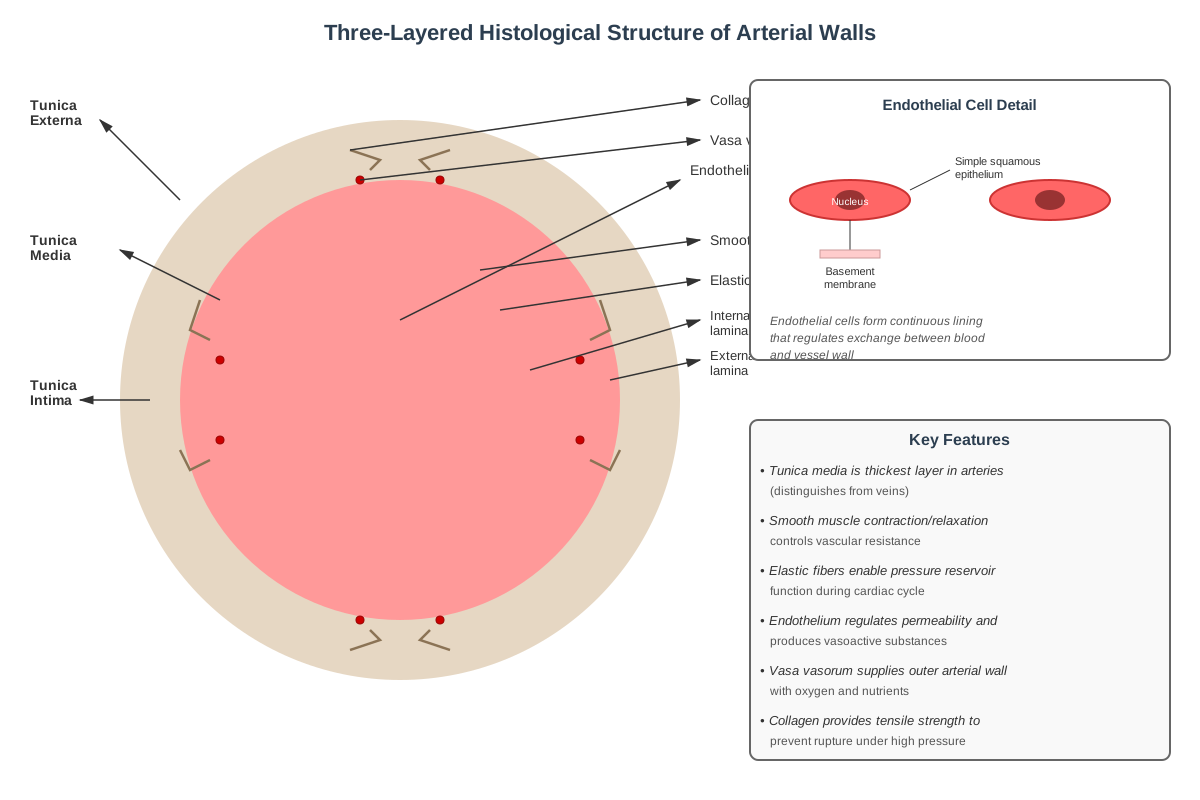
- [ ] Describe the three-layered histological structure of arterial walls and explain the functional significance of each layer
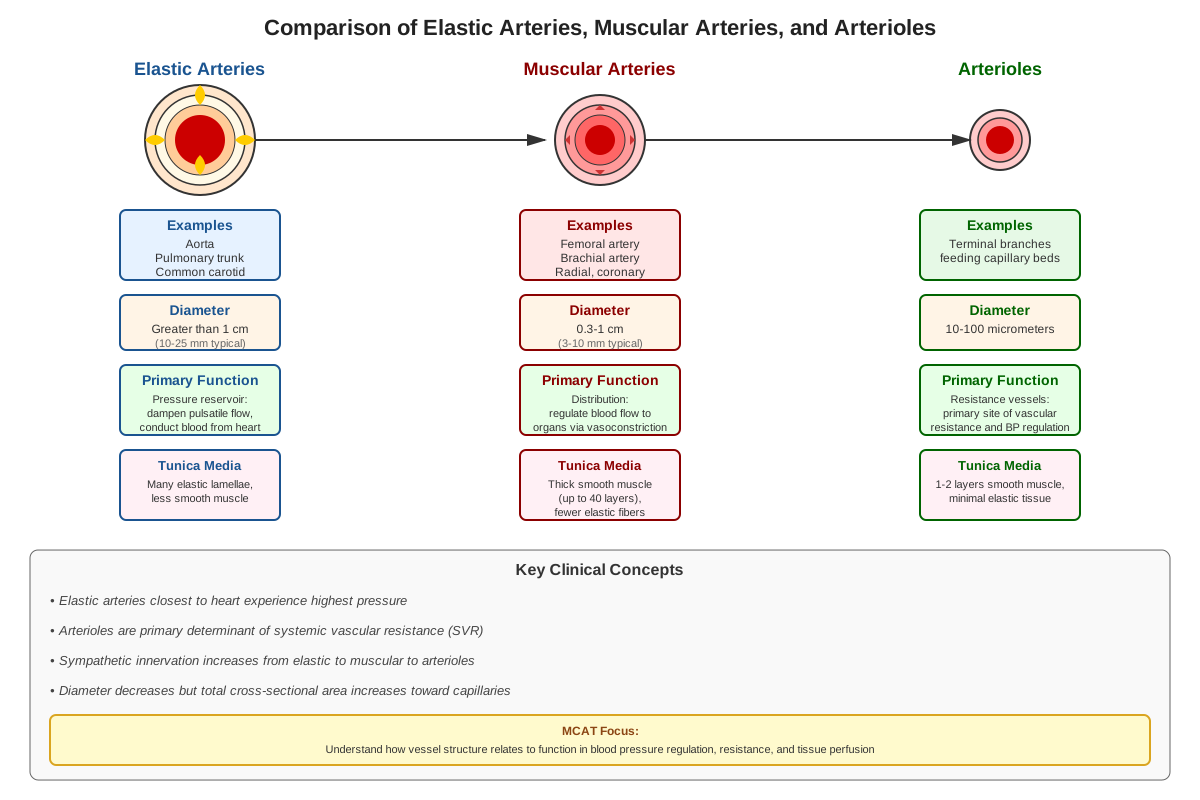
- [ ] Compare and contrast elastic arteries, muscular arteries, and arterioles in terms of structure and function
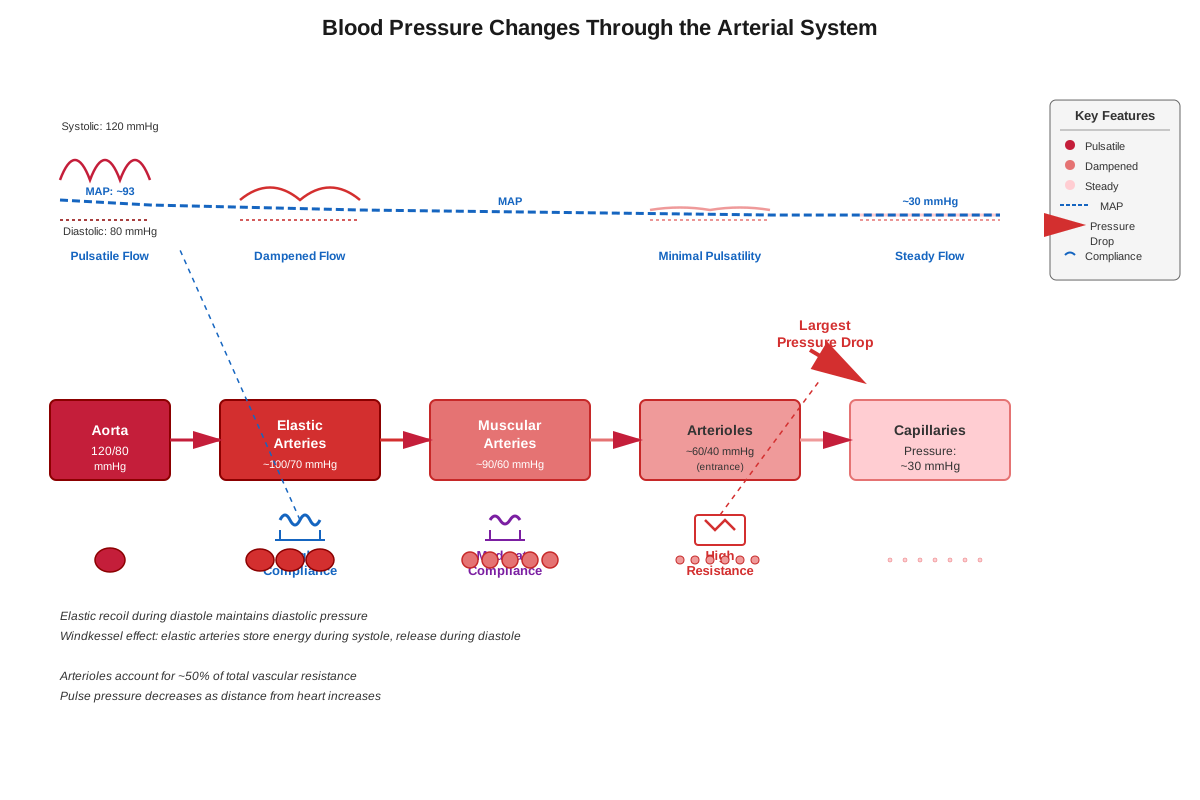
- [ ] Analyze how arterial compliance and elasticity contribute to blood pressure regulation and the dampening of pulsatile flow
Prerequisites
- Basic cardiovascular anatomy: Understanding of the heart's chambers, valves, and the pulmonary versus systemic circulation provides context for where arteries fit in the circulatory pathway
- Cell and tissue biology: Knowledge of smooth muscle, elastic fibers, and connective tissue is essential for understanding arterial wall composition
- Basic physics principles: Familiarity with pressure, flow, resistance, and the relationship between these variables (as in Poiseuille's law) enables comprehension of hemodynamics
- Autonomic nervous system: Understanding sympathetic and parasympathetic divisions is necessary for grasping vascular tone regulation
- Blood composition: Knowledge of blood components helps contextualize what arteries transport and how vessel walls interact with blood
Why This Topic Matters
Clinical and Real-World Significance
Arterial dysfunction underlies some of the most prevalent and deadly diseases in modern medicine, including hypertension, atherosclerosis, myocardial infarction, and stroke. Understanding arterial structure and function is essential for comprehending how these conditions develop and how therapeutic interventions work. For example, antihypertensive medications often target arterial smooth muscle or the mechanisms controlling vascular resistance. The elastic properties of large arteries decline with age and disease, contributing to isolated systolic hypertension in elderly patients—a concept that bridges basic science with clinical medicine.
MCAT Exam Statistics
Arteries MCAT questions appear with moderate frequency, typically 2-4 questions per exam either as discrete items or embedded within passages. These questions most commonly test:
- Structural differences between vessel types (arteries vs. veins vs. capillaries)
- Hemodynamic principles and pressure changes throughout the vascular tree
- Mechanisms of blood pressure regulation
- Pathophysiology of vascular diseases
- Experimental interpretation of cardiovascular physiology data
Common Exam Presentation Formats
Passages may present experimental data on vascular compliance, clinical vignettes involving cardiovascular disease, or research scenarios examining endothelial function. Questions often require integration of multiple concepts: for instance, connecting sympathetic activation to arteriolar constriction to increased peripheral resistance to elevated blood pressure. Graph interpretation questions may show pressure or flow waveforms at different points in the arterial system, testing understanding of how vessel properties modify these parameters.
Core Concepts
Definition and Basic Structure
Arteries are blood vessels that carry blood away from the heart toward peripheral tissues. With the exception of the pulmonary and umbilical arteries, arteries transport oxygenated blood. The defining structural feature of arteries is their thick, muscular walls designed to withstand and regulate high pressure generated by ventricular contraction.
All arteries share a three-layered wall structure, though the relative thickness and composition of each layer varies by arterial type:
- Tunica intima (innermost layer): Consists of a single layer of endothelial cells resting on a basement membrane, with a thin subendothelial layer of connective tissue. The endothelium provides a smooth, non-thrombogenic surface and actively regulates vascular tone through secretion of vasoactive substances like nitric oxide and endothelin.
- Tunica media (middle layer): The thickest layer in arteries, composed primarily of smooth muscle cells arranged in circular layers, interspersed with elastic fibers and collagen. This layer is responsible for vasoconstriction and vasodilation, actively regulating vessel diameter and thus blood flow and pressure.
- Tunica externa (adventitia, outermost layer): Composed of connective tissue containing collagen and elastic fibers, providing structural support and anchoring vessels to surrounding tissues. Contains vasa vasorum (small vessels supplying the vessel wall itself) and nerve fibers.
Classification of Arteries
Arteries are functionally and structurally classified into three main categories:
| Artery Type | Location | Tunica Media Composition | Primary Function | Examples |
|---|---|---|---|---|
| Elastic (Conducting) Arteries | Closest to heart | High elastin content, less smooth muscle | Pressure reservoir; dampens pulsatile flow | Aorta, pulmonary trunk, common carotid |
| Muscular (Distributing) Arteries | Medium-sized vessels | High smooth muscle content, less elastin | Active distribution and regulation of blood flow | Femoral, brachial, radial arteries |
| Arterioles | Smallest arteries | 1-3 layers of smooth muscle | Primary resistance vessels; regulate blood pressure and flow to capillary beds | Terminal branches before capillaries |
Elastic Arteries: The Pressure Reservoir System
Elastic arteries are the largest vessels, with diameters ranging from 2.5 cm (aorta) to 1 cm. Their walls contain abundant elastin in the tunica media, organized in fenestrated sheets between smooth muscle layers. This elastic tissue serves a critical physiological function: during ventricular systole, elastic arteries expand to accommodate the stroke volume ejected from the heart, storing mechanical energy in their stretched walls. During diastole, when the aortic valve closes, these vessels recoil passively, maintaining pressure and continuing to propel blood forward even when the heart is not actively contracting.
This Windkessel effect (from the German word for "air chamber") transforms the pulsatile output of the heart into a more continuous flow in downstream vessels. Without this elastic reservoir function, blood pressure would spike dramatically during systole and fall to near zero during diastole, compromising tissue perfusion. The compliance of elastic arteries decreases with age as elastin degrades and is replaced by stiffer collagen, contributing to increased pulse pressure and systolic hypertension in elderly individuals.
Muscular Arteries: Active Flow Distribution
Muscular arteries have a tunica media dominated by smooth muscle rather than elastic tissue, though an internal and external elastic lamina (sheets of elastin) separate the tunica media from the intima and externa respectively. These vessels actively regulate blood flow distribution to different organs and tissues through vasoconstriction (smooth muscle contraction, decreasing lumen diameter) and vasodilation (smooth muscle relaxation, increasing lumen diameter).
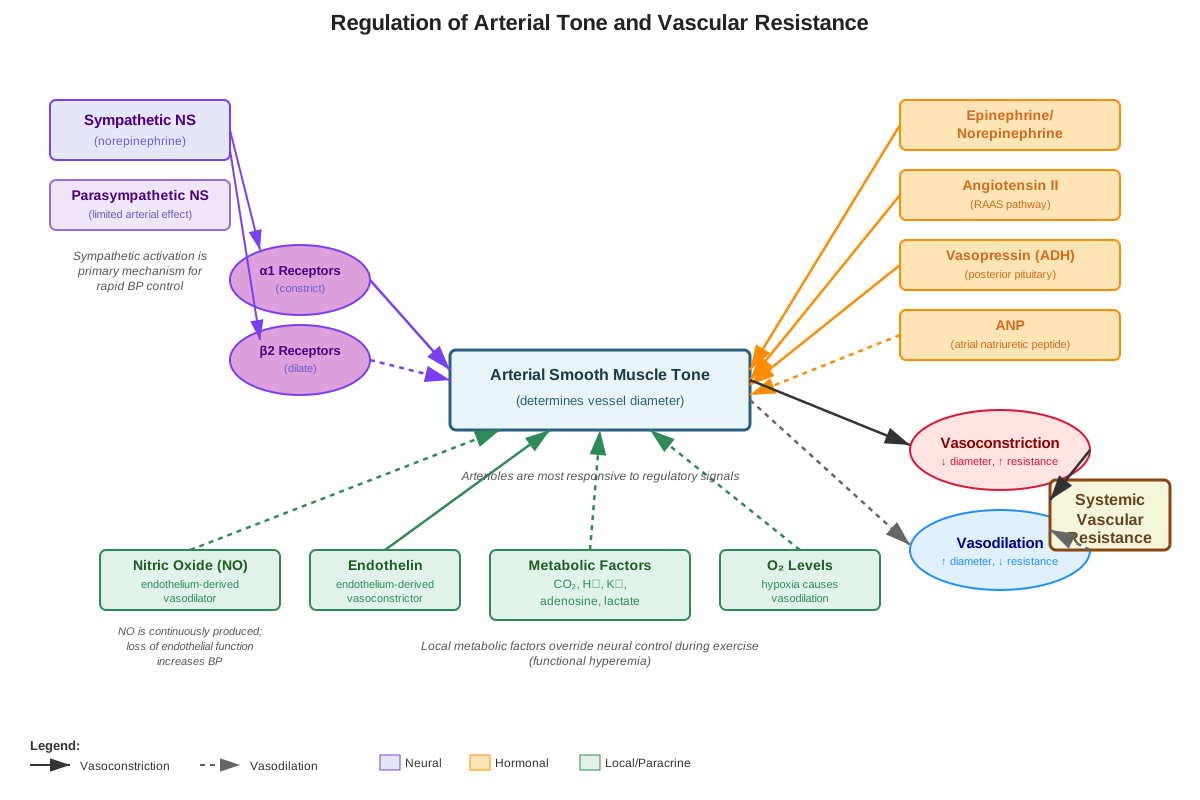
The smooth muscle in muscular arteries responds to:
- Sympathetic nervous system activation via alpha-1 adrenergic receptors (causing vasoconstriction)
- Local metabolic factors such as decreased oxygen, increased carbon dioxide, decreased pH, and increased adenosine (causing vasodilation)
- Endothelial-derived factors including nitric oxide (vasodilator) and endothelin (vasoconstrictor)
- Circulating hormones such as epinephrine, angiotensin II, and vasopressin
Arterioles: The Resistance Vessels
Arterioles are the smallest arteries (10-100 micrometers in diameter) and represent the primary site of vascular resistance in the circulatory system. Despite their small individual size, arterioles collectively account for approximately 50-60% of total peripheral resistance. Their walls consist of only 1-3 layers of smooth muscle, but changes in their diameter have profound effects on blood flow and pressure.
According to Poiseuille's law, resistance is inversely proportional to the fourth power of vessel radius (R ∝ 1/r⁴). This means that small changes in arteriolar diameter produce dramatic changes in resistance and flow. For example, halving arteriolar radius increases resistance 16-fold. This property makes arterioles the primary control point for:
- Regulating systemic blood pressure: Widespread arteriolar constriction increases total peripheral resistance, raising blood pressure
- Directing blood flow: Local arteriolar dilation in active tissues increases their blood supply while constriction elsewhere maintains pressure
- Controlling capillary hydrostatic pressure: Arteriolar constriction reduces downstream capillary pressure, affecting fluid exchange
Hemodynamics and Pressure Changes
Blood pressure decreases progressively as blood flows from the heart through the arterial system, but the pattern of decrease varies by vessel type:
- Aorta and large elastic arteries: Pressure oscillates between systolic (~120 mmHg) and diastolic (~80 mmHg) values, with mean arterial pressure around 93 mmHg
- Medium muscular arteries: Pressure remains relatively high (still pulsatile) but begins to decrease
- Arterioles: Pressure drops dramatically from ~70 mmHg to ~35 mmHg due to high resistance; pulsatility is largely dampened
- Capillaries: Pressure is low (~35-15 mmHg) and non-pulsatile
The pulse pressure (systolic minus diastolic pressure) reflects the stroke volume and arterial compliance. The mean arterial pressure (MAP) can be approximated as:
MAP = Diastolic Pressure + (1/3)(Pulse Pressure)
or
MAP = Diastolic Pressure + (1/3)(Systolic - Diastolic)
MAP represents the average pressure driving blood through the systemic circulation and is the most physiologically relevant pressure for tissue perfusion.
Arterial Compliance and Stiffness
Compliance refers to the ability of a vessel to expand in response to increased pressure, defined as the change in volume per unit change in pressure (ΔV/ΔP). Elastic arteries have high compliance, allowing them to accommodate stroke volume with relatively modest pressure increases. Arterial stiffness is the inverse of compliance.
Factors decreasing arterial compliance (increasing stiffness):
- Aging: Progressive elastin degradation and collagen deposition
- Atherosclerosis: Plaque formation and calcification
- Hypertension: Chronic high pressure damages elastic fibers
- Diabetes: Advanced glycation end-products cross-link proteins
Decreased compliance has important consequences:
- Increased systolic pressure (less buffering of stroke volume)
- Decreased diastolic pressure (less elastic recoil)
- Increased pulse pressure
- Increased cardiac workload
- Reduced coronary perfusion (which occurs primarily during diastole)
Concept Relationships
The structure of arteries directly determines their function: the high elastin content in elastic arteries → enables pressure reservoir function → which dampens pulsatile flow → protecting delicate capillaries from pressure damage. Similarly, the thick smooth muscle layer in muscular arteries and arterioles → enables active vasoconstriction and vasodilation → which regulates blood flow distribution → affecting both local tissue perfusion and systemic blood pressure.
Arterial function connects intimately with cardiac physiology: increased cardiac output → increases blood flow into arteries → raises arterial pressure (if resistance remains constant) → increases afterload on the heart → requiring greater ventricular work. This relationship is bidirectional, as arterial stiffness affects cardiac function.
The autonomic nervous system provides the primary neural control: sympathetic activation → releases norepinephrine → binds alpha-1 receptors on arterial smooth muscle → causes vasoconstriction → increases peripheral resistance → raises blood pressure. This connects to the baroreceptor reflex, where arterial pressure sensors → detect pressure changes → modulate autonomic output → adjusting vascular tone to maintain homeostasis.
Endothelial function bridges arteries to biochemistry and cell signaling: shear stress on endothelial cells → activates endothelial nitric oxide synthase (eNOS) → produces nitric oxide (NO) → diffuses to smooth muscle → activates guanylate cyclase → increases cGMP → causes smooth muscle relaxation → vasodilation. Endothelial dysfunction, common in cardiovascular disease, impairs this pathway.
The renin-angiotensin-aldosterone system (RAAS) connects renal function to arterial physiology: decreased renal perfusion → stimulates renin release → converts angiotensinogen to angiotensin I → converted to angiotensin II by ACE → causes arteriolar vasoconstriction and aldosterone release → increases blood pressure and blood volume.
High-Yield Facts
⭐ Arteries carry blood away from the heart; all arteries except pulmonary and umbilical arteries carry oxygenated blood
⭐ The tunica media is the thickest layer in arteries and contains smooth muscle and elastic fibers; it is responsible for vasoconstriction and vasodilation
⭐ Arterioles are the primary resistance vessels in the circulatory system, accounting for 50-60% of total peripheral resistance
⭐ Elastic arteries (aorta, pulmonary trunk) serve as pressure reservoirs, dampening pulsatile flow through elastic recoil during diastole (Windkessel effect)
⭐ Mean arterial pressure (MAP) = Diastolic pressure + 1/3(Pulse pressure), and represents the average driving pressure for tissue perfusion
- Arterial compliance decreases with age, atherosclerosis, and hypertension, leading to increased pulse pressure and systolic hypertension
- The endothelium actively regulates vascular tone through secretion of nitric oxide (vasodilator) and endothelin (vasoconstrictor)
- Sympathetic nervous system activation causes vasoconstriction via alpha-1 adrenergic receptors on arterial smooth muscle
- According to Poiseuille's law, resistance is inversely proportional to the fourth power of radius (R ∝ 1/r⁴), making small diameter changes in arterioles highly impactful
- Blood pressure decreases progressively through the arterial system, with the steepest drop occurring across arterioles due to their high resistance
- The vasa vasorum are small vessels that supply blood to the walls of large arteries, as diffusion from the lumen is insufficient for thick-walled vessels
- Pulse pressure (systolic - diastolic pressure) reflects stroke volume and arterial compliance; it increases when compliance decreases
Quick check — test yourself on Arteries so far.
Try Flashcards →Common Misconceptions
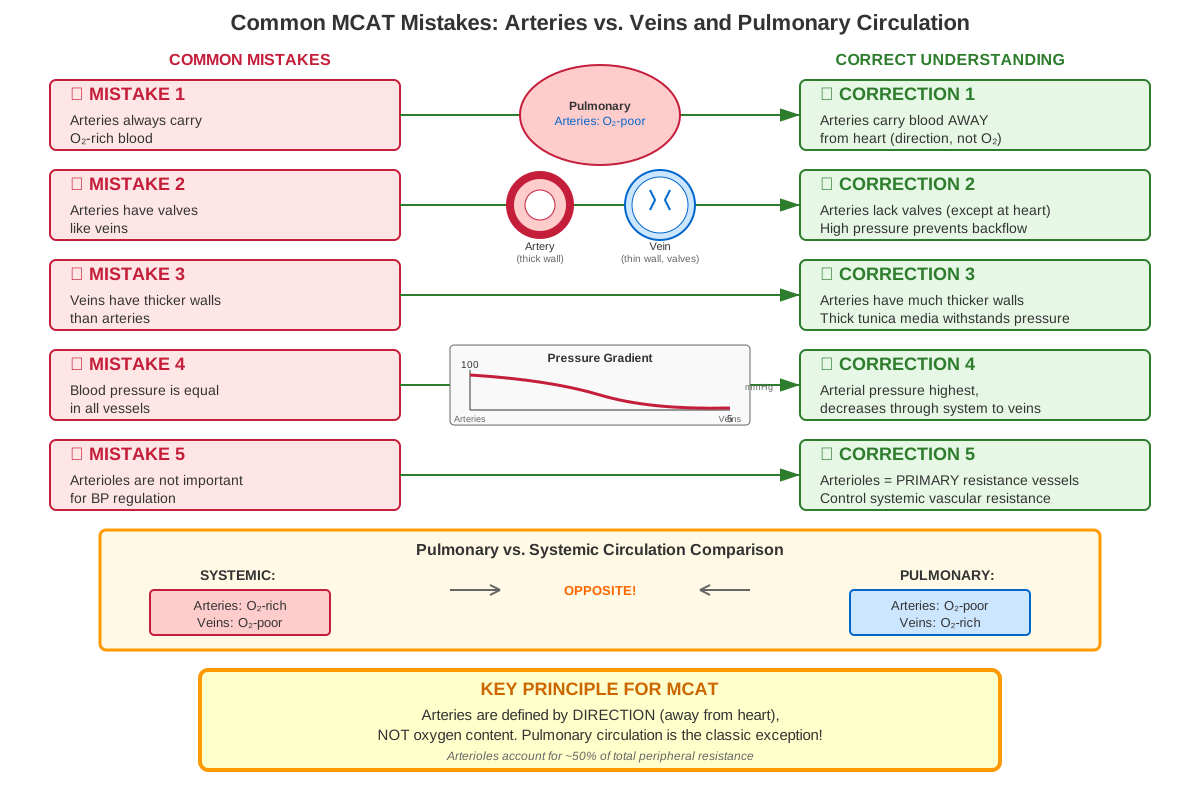
Misconception: All arteries carry oxygenated blood and all veins carry deoxygenated blood.
Correction: While this is true for systemic circulation, it is reversed in pulmonary circulation. Pulmonary arteries carry deoxygenated blood from the right ventricle to the lungs, while pulmonary veins carry oxygenated blood from the lungs to the left atrium. The defining feature of arteries is that they carry blood away from the heart, not the oxygenation status of that blood.
Misconception: Arteries are simply passive tubes that conduct blood from the heart to tissues.
Correction: Arteries are dynamic, active structures that regulate blood flow and pressure. Elastic arteries actively store and release energy through elastic recoil. Muscular arteries and arterioles actively constrict and dilate in response to neural, hormonal, and local metabolic signals, playing crucial roles in blood pressure regulation and flow distribution.
Misconception: Blood pressure is the same throughout the arterial system.
Correction: Blood pressure decreases progressively as blood flows through the arterial tree. Pressure is highest in the aorta (~120/80 mmHg), remains relatively high in large and medium arteries, then drops dramatically across arterioles (to ~35 mmHg entering capillaries) due to their high resistance. Additionally, pulse pressure (the difference between systolic and diastolic) decreases in smaller vessels as pulsatile flow is dampened.
Misconception: The thick walls of arteries exist primarily to prevent rupture from high pressure.
Correction: While structural integrity is important, the thick muscular walls serve primarily active regulatory functions. The smooth muscle in the tunica media enables vasoconstriction and vasodilation, which regulate blood flow distribution, control peripheral resistance, and modulate blood pressure. The elastic tissue in large arteries serves as a pressure reservoir, not just structural support.
Misconception: Arteriolar constriction always decreases blood flow to all tissues.
Correction: Arteriolar constriction can be localized or systemic. Local arteriolar constriction in one tissue bed redirects blood flow to other areas while helping maintain systemic pressure. Widespread arteriolar constriction increases total peripheral resistance and blood pressure but may maintain or even increase flow to vital organs through pressure elevation, while reducing flow to less critical tissues. The effect depends on whether constriction is local or systemic and how the cardiovascular system compensates.
Misconception: Arterial stiffness is purely a structural problem with no functional consequences.
Correction: Arterial stiffness has profound functional consequences beyond just structural changes. Stiff arteries cannot effectively dampen pulsatile flow, leading to increased systolic pressure, decreased diastolic pressure, increased pulse pressure, greater cardiac workload, and reduced coronary perfusion (which occurs primarily during diastole). This creates a vicious cycle where hypertension damages arteries, making them stiffer, which worsens hypertension.
Worked Examples
Example 1: Hemodynamic Consequences of Arteriolar Constriction
Clinical Vignette: A patient receives an intravenous infusion of norepinephrine, a sympathomimetic drug that activates alpha-1 adrenergic receptors. Blood pressure monitoring shows an increase in both systolic and diastolic pressure. Cardiac output initially decreases slightly despite no direct drug effect on the heart.
Question: Explain the hemodynamic changes observed, including why cardiac output decreased despite increased blood pressure.
Solution:
Step 1: Identify the primary drug effect
Norepinephrine activates alpha-1 adrenergic receptors on arterial smooth muscle, particularly in arterioles, causing widespread vasoconstriction.
Step 2: Determine the effect on peripheral resistance
Arteriolar constriction decreases vessel radius. According to Poiseuille's law (R ∝ 1/r⁴), this dramatically increases total peripheral resistance (TPR).
Step 3: Apply the relationship between pressure, flow, and resistance
Blood pressure is determined by: BP = Cardiac Output × Total Peripheral Resistance
With increased TPR and initially unchanged cardiac output, blood pressure must increase.
Step 4: Explain the cardiac output change
The increased blood pressure is detected by baroreceptors in the carotid sinus and aortic arch. These mechanoreceptors send signals to the cardiovascular control center in the medulla, triggering a compensatory baroreceptor reflex. This reflex increases parasympathetic (vagal) tone to the heart, decreasing heart rate and thus cardiac output slightly. This represents a negative feedback mechanism attempting to prevent excessive blood pressure elevation.
Step 5: Explain why both systolic and diastolic pressures increased
Increased TPR elevates the baseline pressure throughout the cardiac cycle, raising diastolic pressure. The increased afterload (resistance the left ventricle must pump against) may initially maintain or slightly reduce stroke volume, but the elevated diastolic baseline means systolic pressure also increases. The net effect is elevation of both pressures, though diastolic typically increases proportionally more with pure resistance changes.
Key Concept Connection: This example integrates arterial structure (arterioles as resistance vessels), autonomic control (alpha-1 receptor activation), hemodynamics (pressure-flow-resistance relationships), and cardiovascular reflexes (baroreceptor reflex).
Example 2: Interpreting Arterial Compliance Changes
Experimental Scenario: Researchers measure arterial pressure and volume in two groups: young healthy adults (Group A) and elderly adults with atherosclerosis (Group B). They inject a fixed volume of fluid into isolated arterial segments and measure the resulting pressure increase.
Data:
- Group A: 10 mL injection → 15 mmHg pressure increase
- Group B: 10 mL injection → 45 mmHg pressure increase
Question: Calculate the arterial compliance for each group, explain the physiological basis for the difference, and predict the cardiovascular consequences for Group B.
Solution:
Step 1: Calculate compliance
Compliance = ΔVolume / ΔPressure
Group A: Compliance = 10 mL / 15 mmHg = 0.67 mL/mmHg
Group B: Compliance = 10 mL / 45 mmHg = 0.22 mL/mmHg
Group B has approximately one-third the arterial compliance of Group A, indicating much stiffer arteries.
Step 2: Explain the physiological basis
In elderly individuals with atherosclerosis, several changes reduce arterial compliance:
- Progressive degradation of elastin fibers in the tunica media
- Increased deposition of collagen (which is stiffer than elastin)
- Atherosclerotic plaque formation and calcification in vessel walls
- Chronic hypertension-induced vascular remodeling
These changes make arteries less able to expand in response to pressure increases, converting elastic arteries into more rigid tubes.
Step 3: Predict cardiovascular consequences
Decreased arterial compliance has multiple effects:
a) Increased systolic pressure: When the left ventricle ejects its stroke volume, stiff arteries cannot expand as much to accommodate this volume, causing a greater pressure spike (increased systolic pressure).
b) Decreased diastolic pressure: Stiff arteries store less elastic energy during systole, so they have less recoil during diastole to maintain pressure when the heart is not ejecting. This reduces diastolic pressure.
c) Increased pulse pressure: The combination of increased systolic and decreased diastolic pressure widens pulse pressure (systolic - diastolic), a hallmark of isolated systolic hypertension in the elderly.
d) Increased cardiac workload: The heart must generate higher pressures to eject blood (increased afterload), increasing myocardial oxygen demand and potentially leading to left ventricular hypertrophy.
e) Reduced coronary perfusion: Coronary blood flow occurs primarily during diastole. Lower diastolic pressure reduces the driving pressure for coronary perfusion, potentially causing myocardial ischemia, especially in patients with coronary artery disease.
f) Transmission of pulsatile pressure: Stiff arteries fail to dampen pulsatile flow effectively, transmitting more pressure oscillation to smaller vessels and potentially damaging delicate capillary beds in organs like the kidneys and brain.
Key Concept Connection: This example demonstrates how structural changes in arterial walls (decreased elastin, increased collagen) directly affect functional properties (compliance), which in turn have systemic hemodynamic consequences affecting cardiac function, blood pressure patterns, and tissue perfusion.
Exam Strategy
Question Recognition and Approach
When encountering Arteries MCAT questions, first identify the question type:
- Structural/Classification questions: Look for trigger words like "tunica media," "elastic fibers," "smooth muscle," "endothelium," or comparisons between vessel types. Approach: Recall the three-layer structure and how layer composition varies between elastic arteries, muscular arteries, and arterioles.
- Hemodynamic questions: Watch for terms like "blood pressure," "resistance," "compliance," "pulse pressure," or "blood flow." Approach: Apply the relationship BP = CO × TPR and Poiseuille's law. Remember that arterioles are the primary resistance vessels.
- Regulatory mechanism questions: Trigger words include "sympathetic," "vasoconstriction," "vasodilation," "nitric oxide," "endothelin," or "baroreceptor." Approach: Trace the signaling pathway from stimulus to receptor to cellular response to physiological outcome.
- Pathophysiology questions: Look for clinical scenarios involving "atherosclerosis," "hypertension," "arterial stiffness," or "pulse pressure." Approach: Connect structural changes to functional consequences using compliance and resistance concepts.
Process of Elimination Strategies
- Eliminate options that confuse arteries with veins: If an answer choice describes thin walls, high compliance with low pressure, or valves (except semilunar valves at the heart), it's describing veins, not arteries.
- Watch for oxygenation status traps: Eliminate choices that state "all arteries carry oxygenated blood" or "all veins carry deoxygenated blood"—remember pulmonary circulation reverses this pattern.
- Identify physiologically impossible combinations: If a choice suggests arteriolar dilation increases peripheral resistance, or that decreased compliance increases diastolic pressure, eliminate it as physiologically inconsistent.
- Check for magnitude errors: Arterioles account for the majority (~50-60%) of peripheral resistance, not capillaries or large arteries. Eliminate options that misidentify the primary resistance vessels.
Time Allocation
For discrete questions on arterial structure or function, allocate 60-90 seconds. These typically test straightforward recall or single-step application. For passage-based questions integrating arterial physiology with experimental data or clinical scenarios, allocate 90-120 seconds per question. Use 30-45 seconds to identify the key concept being tested, then 45-75 seconds to work through the logic or calculations.
Exam Tip: When passages present graphs of pressure changes through the vascular system, the steepest pressure drop always occurs across arterioles. If you see a graph showing pressure vs. vessel type and need to identify arterioles, look for where the slope is steepest.
Exam Tip: Questions asking about the effect of aging on cardiovascular function almost always involve decreased arterial compliance. This leads to increased pulse pressure and isolated systolic hypertension—a high-yield concept.
Memory Techniques
Mnemonic for Arterial Wall Layers (Inside to Outside)
"I Made Excellent Arteries"
- I = Intima (innermost, endothelium)
- M = Media (middle, smooth muscle)
- E = Externa (outermost, connective tissue)
- A = Adventitia (alternative name for externa)
Mnemonic for Elastic Artery Function
"SPRING" - Elastic arteries act like springs:
- Store energy during systole
- Pressure reservoir
- Recoil during diastole
- Increase continuous flow
- Normalize pulsatile output
- Guard capillaries from pressure damage
Visualization Strategy for Resistance
Picture arterioles as adjustable nozzles on a garden hose. When you narrow the nozzle (vasoconstriction), water pressure increases upstream (like blood pressure) and the spray shoots farther (like increased perfusion pressure), but less total water flows through (decreased flow if pressure doesn't compensate). This helps visualize why arteriolar constriction increases blood pressure but can decrease flow to tissues.
Acronym for Factors Decreasing Arterial Compliance
"AAHD" - Factors that make arteries stiff:
- Aging
- Atherosclerosis
- Hypertension
- Diabetes
Memory Aid for Pressure Values
Remember the "120/80" normal blood pressure, then use the "rule of halves" for downstream pressures:
- Aorta: ~120/80 mmHg (systolic/diastolic)
- Arterioles (entering): ~70 mmHg
- Capillaries (entering): ~35 mmHg (approximately half)
- Capillaries (exiting): ~15 mmHg
- Veins: ~5-15 mmHg
This approximation helps estimate pressure at different points in the vascular tree.
Summary
Arteries are thick-walled, muscular blood vessels that carry blood away from the heart under high pressure. Their three-layered structure—tunica intima (endothelium), tunica media (smooth muscle and elastic fibers), and tunica externa (connective tissue)—enables both structural integrity and active regulation of blood flow. Elastic arteries near the heart serve as pressure reservoirs, dampening pulsatile flow through elastic recoil during diastole. Muscular arteries actively distribute blood to different organs through vasoconstriction and vasodilation. Arterioles, the smallest arteries, are the primary resistance vessels in the circulation, accounting for 50-60% of total peripheral resistance and serving as the main control point for blood pressure regulation and flow distribution. Blood pressure decreases progressively through the arterial system, with the steepest drop across arterioles. Arterial compliance, the ability to expand under pressure, decreases with aging and disease, leading to increased pulse pressure and cardiovascular complications. Understanding arterial structure, hemodynamics, and regulation is essential for MCAT success, as these concepts integrate with cardiac physiology, autonomic control, and cardiovascular pathophysiology in both discrete questions and passage-based scenarios.
Key Takeaways
- Arteries are defined by carrying blood away from the heart, not by oxygenation status; pulmonary arteries carry deoxygenated blood
- The three-layered arterial wall (intima, media, externa) enables both structural support and active regulation, with the tunica media being thickest and most functionally important
- Elastic arteries serve as pressure reservoirs through the Windkessel effect, dampening pulsatile flow; arterioles are the primary resistance vessels controlling blood pressure and flow distribution
- Blood pressure decreases progressively through the arterial system, with the steepest drop across arterioles due to their high resistance (R ∝ 1/r⁴)
- Arterial compliance decreases with aging, atherosclerosis, hypertension, and diabetes, leading to increased pulse pressure, increased cardiac workload, and reduced coronary perfusion
- Mean arterial pressure (MAP = diastolic + ⅓ pulse pressure) represents the average driving pressure for tissue perfusion and is regulated primarily through changes in arteriolar resistance
- Arteries are actively regulated by sympathetic innervation (vasoconstriction via alpha-1 receptors), endothelial factors (nitric oxide, endothelin), and local metabolic signals
Related Topics
- Veins and Venous Return: Understanding how veins differ structurally from arteries (thinner walls, valves, higher compliance) and how they return blood to the heart completes the picture of the circulatory system. Mastering arteries enables comparison and contrast with venous physiology.
- Capillaries and Microcirculation: Arterioles directly feed into capillary beds where nutrient and gas exchange occurs. Understanding how arteriolar resistance controls capillary hydrostatic pressure and flow is essential for comprehending tissue perfusion and fluid balance.
- Cardiac Cycle and Cardiac Output: Arterial pressure and flow are direct consequences of cardiac function. Understanding how stroke volume, heart rate, and contractility affect arterial hemodynamics requires integration of cardiac and vascular physiology.
- Blood Pressure Regulation: The baroreceptor reflex, renin-angiotensin-aldosterone system, and other regulatory mechanisms control blood pressure primarily through effects on arterioles and cardiac output. Mastering arterial physiology is prerequisite to understanding these control systems.
- Cardiovascular Pathophysiology: Atherosclerosis, hypertension, aneurysms, and other vascular diseases directly involve arterial structure and function. Understanding normal arterial physiology enables comprehension of how these diseases develop and how treatments work.
Practice CTA
Now that you've mastered the core concepts of arterial structure, function, and regulation, it's time to solidify your understanding through active practice. Attempt the practice questions and flashcards associated with this topic to test your ability to apply these concepts in MCAT-style scenarios. Focus particularly on questions integrating arterial physiology with hemodynamics, autonomic control, and pathophysiology—these represent the highest-yield question types. Remember, understanding arteries isn't just about memorizing structures; it's about grasping the physiological principles that govern cardiovascular function. Each practice question you work through strengthens the neural pathways that will help you quickly and accurately answer similar questions on test day. You've built a strong foundation—now reinforce it through deliberate practice!
Sign up free to keep reading
Create a free AnvayaPrep account to finish this MCAT guide on Arteries — plus flashcards and practice questions.