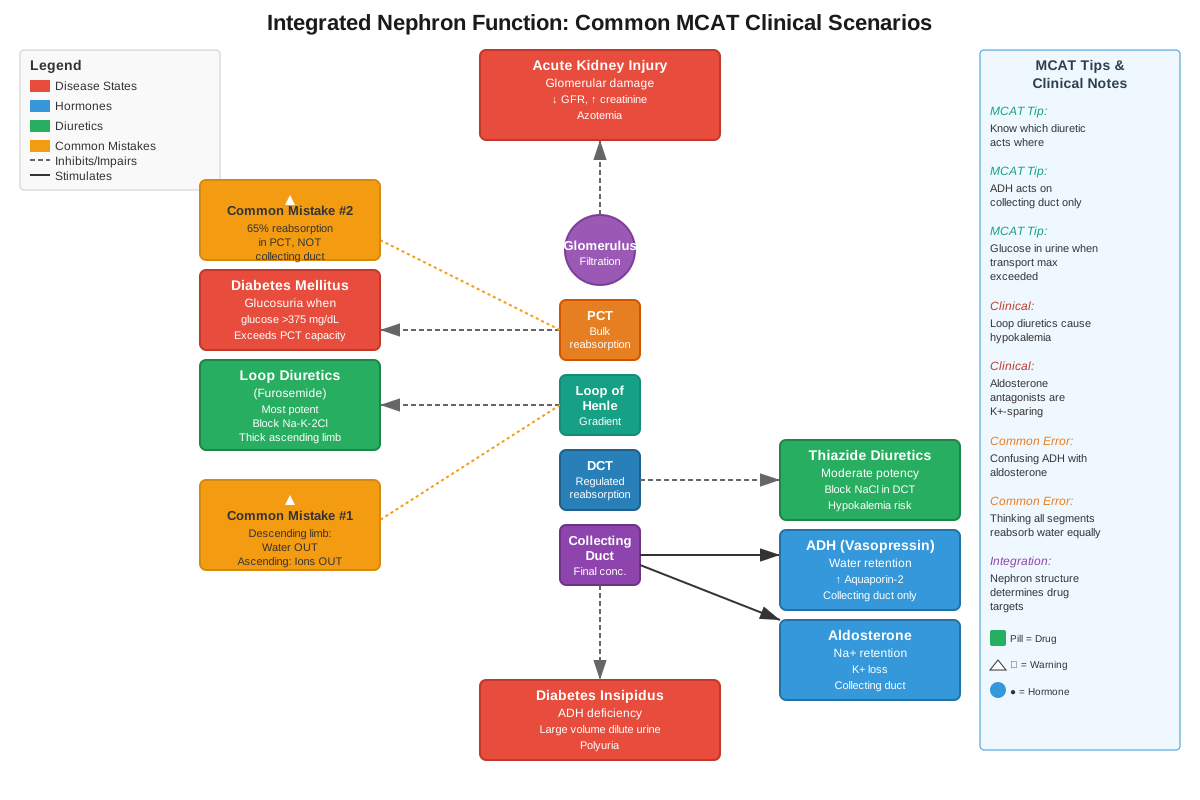
Overview
The nephron is the fundamental functional unit of the kidney, responsible for filtering blood and producing urine through a complex series of filtration, reabsorption, and secretion processes. Understanding nephron structure is essential for MCAT success because it forms the anatomical foundation for comprehending renal physiology, fluid and electrolyte balance, blood pressure regulation, and waste elimination. Each human kidney contains approximately one million nephrons, and the structural organization of each nephron directly determines its physiological capabilities. The MCAT frequently tests nephron anatomy in the context of Physiology and Organ Systems, requiring students to connect structural features with functional outcomes.
Nephron structure Biology encompasses both gross anatomical organization and microscopic cellular specializations that enable the kidney to maintain homeostasis. The nephron consists of two major components: the renal corpuscle (where filtration occurs) and the renal tubule (where reabsorption and secretion take place). Each segment of the nephron possesses unique structural characteristics that correlate with specific physiological functions, making this topic a prime example of the structure-function relationship that pervades biological systems. MCAT questions often present clinical scenarios involving kidney dysfunction, drug mechanisms affecting specific nephron segments, or experimental data about solute handling, all of which require solid knowledge of nephron anatomy.
The study of nephron structure MCAT content connects to broader concepts in Biology including epithelial cell specialization, osmosis and diffusion, active and passive transport mechanisms, hormonal regulation, and acid-base balance. Mastery of nephron anatomy provides the foundation for understanding how the body maintains fluid volume, regulates blood pressure through the renin-angiotensin-aldosterone system, controls electrolyte concentrations, and eliminates metabolic wastes. This topic integrates seamlessly with cardiovascular physiology, endocrine function, and cellular transport mechanisms, making it a high-yield area for interdisciplinary MCAT questions.
Learning Objectives
- [ ] Define nephron structure using accurate Biology terminology
- [ ] Explain why nephron structure matters for the MCAT
- [ ] Apply nephron structure to exam-style questions
- [ ] Identify common mistakes related to nephron structure
- [ ] Connect nephron structure to related Biology concepts
- [ ] Distinguish between cortical and juxtamedullary nephrons and their functional significance
- [ ] Trace the path of filtrate through all segments of the nephron in correct anatomical sequence
- [ ] Correlate specific structural features of each nephron segment with its primary physiological function
Prerequisites
- Basic cell membrane structure and transport mechanisms: Understanding passive diffusion, facilitated diffusion, active transport, and osmosis is essential for comprehending how substances move across nephron epithelial cells
- Cardiovascular system anatomy: Knowledge of blood vessels and blood pressure is necessary to understand renal blood flow and glomerular filtration
- Basic chemistry concepts: Familiarity with concentration gradients, pH, and solute properties enables understanding of filtration and reabsorption processes
- Epithelial tissue characteristics: Recognizing epithelial cell specializations (microvilli, tight junctions) helps explain nephron segment functions
- Osmolarity and tonicity: These concepts are fundamental to understanding water reabsorption and urine concentration mechanisms
Why This Topic Matters
Clinical and Real-World Significance: Nephron dysfunction underlies numerous clinical conditions including chronic kidney disease, acute kidney injury, nephrotic syndrome, and electrolyte imbalances. Approximately 37 million Americans have chronic kidney disease, making renal physiology highly relevant to medical practice. Many commonly prescribed medications (diuretics, ACE inhibitors, NSAIDs) exert their effects by targeting specific nephron segments, and understanding nephron structure is essential for predicting drug actions and side effects. Additionally, dialysis—a life-saving treatment for kidney failure—essentially replaces the filtration function of the nephron, making this knowledge directly applicable to patient care.
Exam Statistics and Question Types: Nephron structure appears in approximately 3-5% of MCAT questions, typically within the Biological and Biochemical Foundations of Living Systems section. Questions may be standalone or embedded within passages describing experimental manipulations of kidney function, clinical cases of renal disease, or pharmacological studies of diuretic medications. The MCAT frequently tests nephron anatomy through:
- Diagram-based questions requiring identification of specific nephron segments
- Data interpretation questions showing solute concentrations at different points along the nephron
- Mechanism questions asking students to predict outcomes of blocking transport in specific segments
- Clinical vignette questions describing symptoms and asking students to identify the affected nephron region
Common Passage Contexts: MCAT passages featuring nephron structure often present experimental scenarios measuring glomerular filtration rate, studies of genetic mutations affecting specific transport proteins in nephron segments, pharmacological research on diuretic mechanisms, or clinical cases involving electrolyte abnormalities. Understanding the anatomical sequence and structural specializations of nephron segments enables students to quickly orient themselves within these passages and predict experimental outcomes.
Core Concepts
Overall Nephron Organization
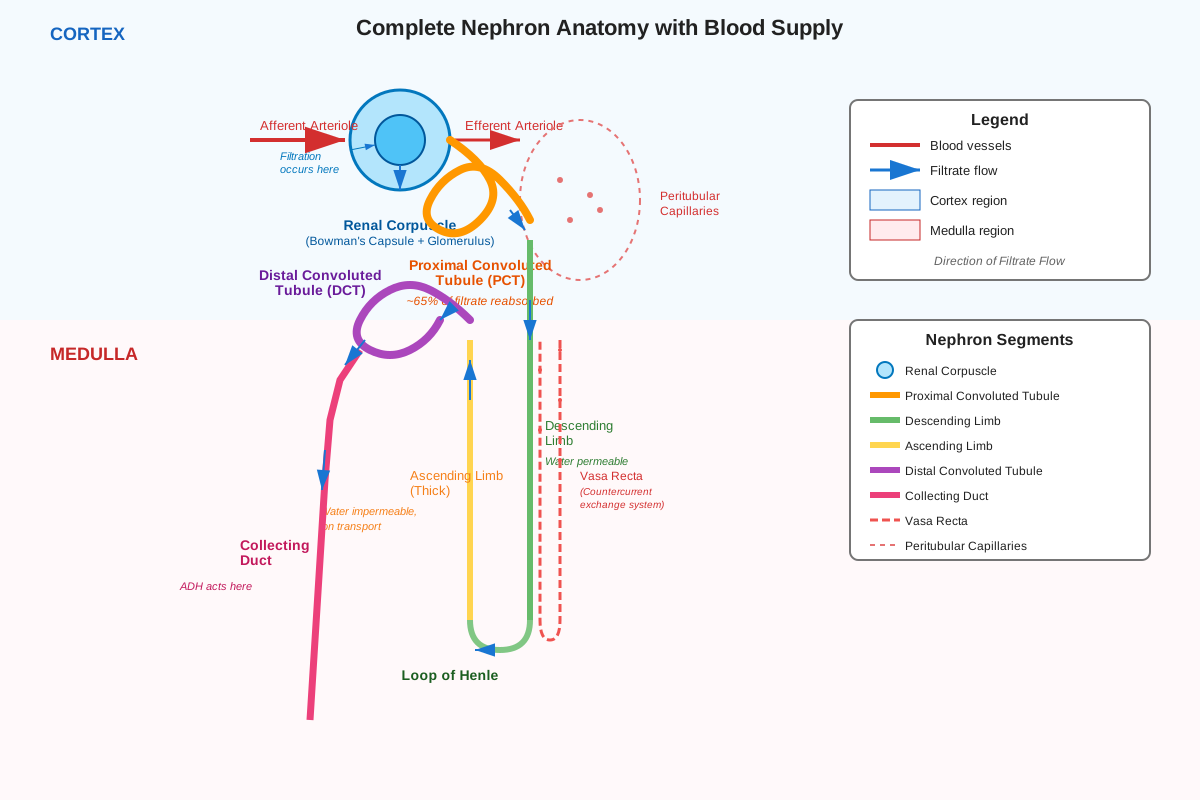
The nephron consists of two primary structural divisions: the renal corpuscle (comprising the glomerulus and Bowman's capsule) and the renal tubule (a long, convoluted tube with multiple functionally distinct segments). Blood enters the nephron through the afferent arteriole, undergoes filtration in the renal corpuscle, and exits through the efferent arteriole. Meanwhile, the filtrate (the fluid that passes from blood into the nephron) travels through the renal tubule, where its composition is modified through reabsorption and secretion before becoming urine.
The nephron can be conceptualized as having seven major structural segments, each with unique anatomical features and physiological roles:
- Renal corpuscle (glomerulus + Bowman's capsule)
- Proximal convoluted tubule (PCT)
- Descending limb of the loop of Henle
- Ascending limb of the loop of Henle
- Distal convoluted tubule (DCT)
- Connecting tubule
- Collecting duct (technically not part of the nephron proper, but functionally integrated)
The Renal Corpuscle
The renal corpuscle is the site of blood filtration and consists of the glomerulus (a specialized capillary network) surrounded by Bowman's capsule (a cup-like structure that collects filtrate). The glomerulus receives blood from the afferent arteriole and drains into the efferent arteriole, creating a high-pressure capillary bed ideal for filtration. This unique arrangement—where blood flows from one arteriole to another through capillaries—maintains the elevated hydrostatic pressure necessary for effective filtration.
The filtration barrier consists of three layers:
- Fenestrated endothelium of glomerular capillaries (with pores approximately 70-100 nm in diameter)
- Basement membrane (a thick extracellular matrix layer with negative charge)
- Podocytes (specialized epithelial cells with foot processes called pedicels that wrap around capillaries)
Between adjacent podocyte foot processes are filtration slits (approximately 25-60 nm wide) covered by a slit diaphragm. This three-layered barrier allows water and small solutes to pass while restricting blood cells and most proteins. The negative charge of the basement membrane provides additional selectivity by repelling negatively charged proteins like albumin.
Bowman's capsule has two layers: the visceral layer (formed by podocytes in direct contact with glomerular capillaries) and the parietal layer (a simple squamous epithelium forming the outer wall). The space between these layers is Bowman's space (or the urinary space), where filtrate collects before entering the proximal tubule.
Proximal Convoluted Tubule (PCT)
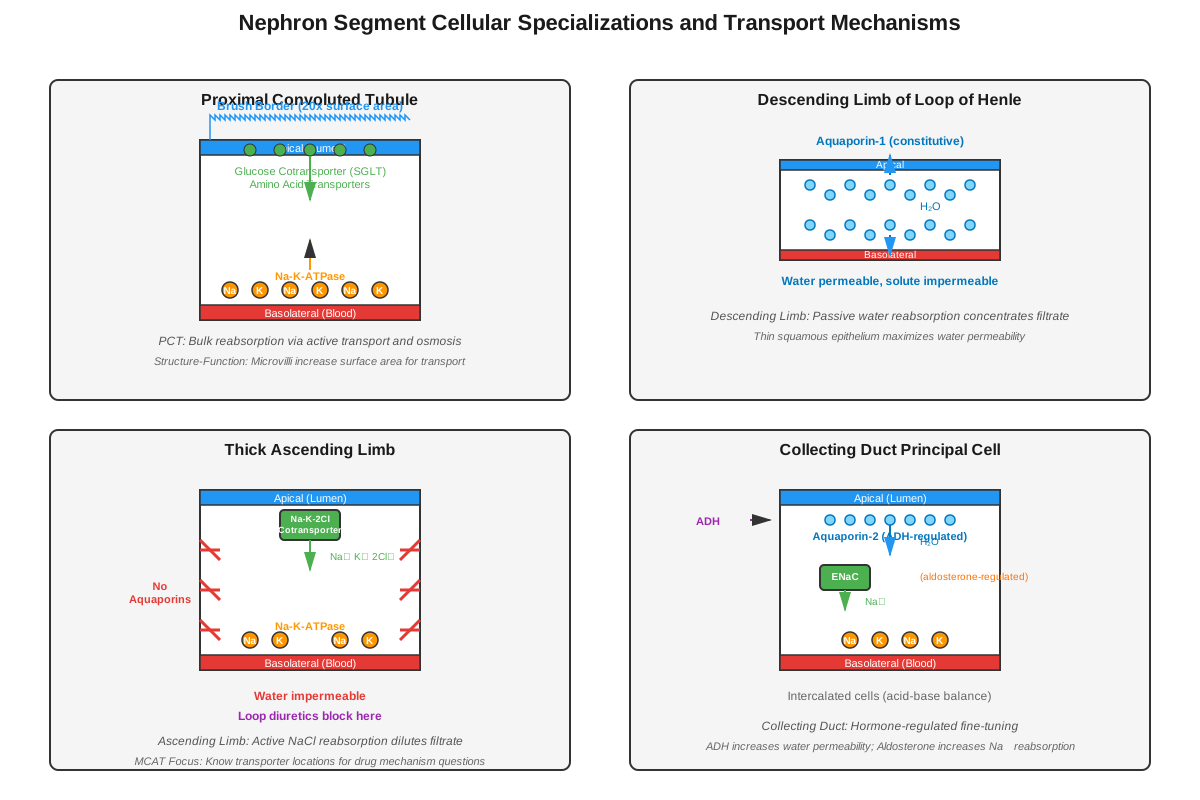
The proximal convoluted tubule is the longest and most metabolically active segment of the nephron, responsible for reabsorbing approximately 65-70% of filtered water, sodium, and chloride, as well as nearly 100% of filtered glucose and amino acids. The PCT epithelium displays several structural specializations that maximize reabsorption:
- Brush border: Extensive microvilli on the apical (luminal) surface increase surface area by 30-40 fold
- Abundant mitochondria: High energy demands for active transport are met by numerous mitochondria
- Basolateral membrane infoldings: Increase surface area for transport proteins and Na⁺/K⁺-ATPase pumps
- Leaky tight junctions: Allow paracellular transport of water and solutes
The PCT epithelial cells are cuboidal with an eosinophilic (pink-staining) cytoplasm due to high mitochondrial content. The brush border appears as a fuzzy pink layer in histological sections. The PCT is located entirely within the renal cortex and follows a highly convoluted path, maximizing contact time between filtrate and epithelium.
Loop of Henle
The loop of Henle is a hairpin-shaped structure that extends from the cortex into the medulla and back, creating and maintaining the medullary osmotic gradient essential for urine concentration. The loop consists of a descending limb and an ascending limb, each with distinct structural and functional properties.
Descending Limb: The thin descending limb is composed of simple squamous epithelium with few mitochondria and no brush border. This structure reflects its function: passive water reabsorption via aquaporin-1 (AQP1) water channels. The thin epithelium minimizes diffusion distance, and the lack of active transport machinery reduces metabolic demands. The descending limb is highly permeable to water but relatively impermeable to solutes, allowing water to exit into the hypertonic medullary interstitium.
Ascending Limb: The ascending limb transitions from thin to thick epithelium. The thick ascending limb features cuboidal epithelium with abundant mitochondria but no brush border and no aquaporin water channels. This segment is impermeable to water but actively transports sodium, potassium, and chloride via the Na⁺-K⁺-2Cl⁻ cotransporter (NKCC2) on the apical membrane. This active solute reabsorption without water reabsorption dilutes the tubular fluid while concentrating the medullary interstitium, establishing the osmotic gradient.
Distal Convoluted Tubule (DCT)
The distal convoluted tubule begins after the thick ascending limb contacts the glomerulus at the juxtaglomerular apparatus (discussed below). The DCT epithelium consists of cuboidal cells with numerous mitochondria but fewer and shorter microvilli than the PCT, giving it a cleaner apical surface in histological sections. The DCT is located in the cortex and is shorter than the PCT.
The DCT performs several important functions:
- Active sodium and chloride reabsorption via the Na⁺-Cl⁻ cotransporter (NCC)
- Calcium reabsorption regulated by parathyroid hormone (PTH)
- Magnesium reabsorption
- Acid-base regulation through hydrogen ion secretion and bicarbonate reabsorption
The DCT is the primary site of action for thiazide diuretics, which block the NCC transporter. The DCT has relatively tight junctions compared to the PCT, limiting paracellular transport.
Collecting Duct System
The collecting duct receives filtrate from multiple nephrons and travels from the cortex through the medulla to the renal papilla, where it empties into the renal pelvis. The collecting duct epithelium contains two cell types:
- Principal cells (majority): Cuboidal cells with sparse microvilli that reabsorb sodium and water and secrete potassium. These cells contain epithelial sodium channels (ENaC) on the apical membrane and aquaporin-2 (AQP2) water channels whose insertion is regulated by antidiuretic hormone (ADH/vasopressin).
- Intercalated cells: Darker-staining cells that regulate acid-base balance by secreting hydrogen ions (Type A) or bicarbonate ions (Type B).
The collecting duct is the final site for urine concentration adjustment. In the presence of ADH, the collecting duct becomes highly permeable to water, allowing water reabsorption into the hypertonic medullary interstitium and producing concentrated urine. Without ADH, the collecting duct remains impermeable to water, producing dilute urine.
Juxtaglomerular Apparatus
The juxtaglomerular apparatus (JGA) is a specialized structure where the thick ascending limb contacts the glomerulus between the afferent and efferent arterioles. The JGA consists of three components:
- Macula densa: Specialized epithelial cells in the thick ascending limb that sense sodium chloride concentration in tubular fluid
- Juxtaglomerular (JG) cells: Modified smooth muscle cells in the afferent arteriole wall that secrete renin
- Extraglomerular mesangial cells: Cells that provide structural support and communication between macula densa and JG cells
The JGA plays a critical role in regulating glomerular filtration rate through tubuloglomerular feedback and in systemic blood pressure regulation through the renin-angiotensin-aldosterone system (RAAS). When the macula densa detects low sodium chloride, it signals JG cells to release renin, initiating the RAAS cascade.
Cortical vs. Juxtamedullary Nephrons
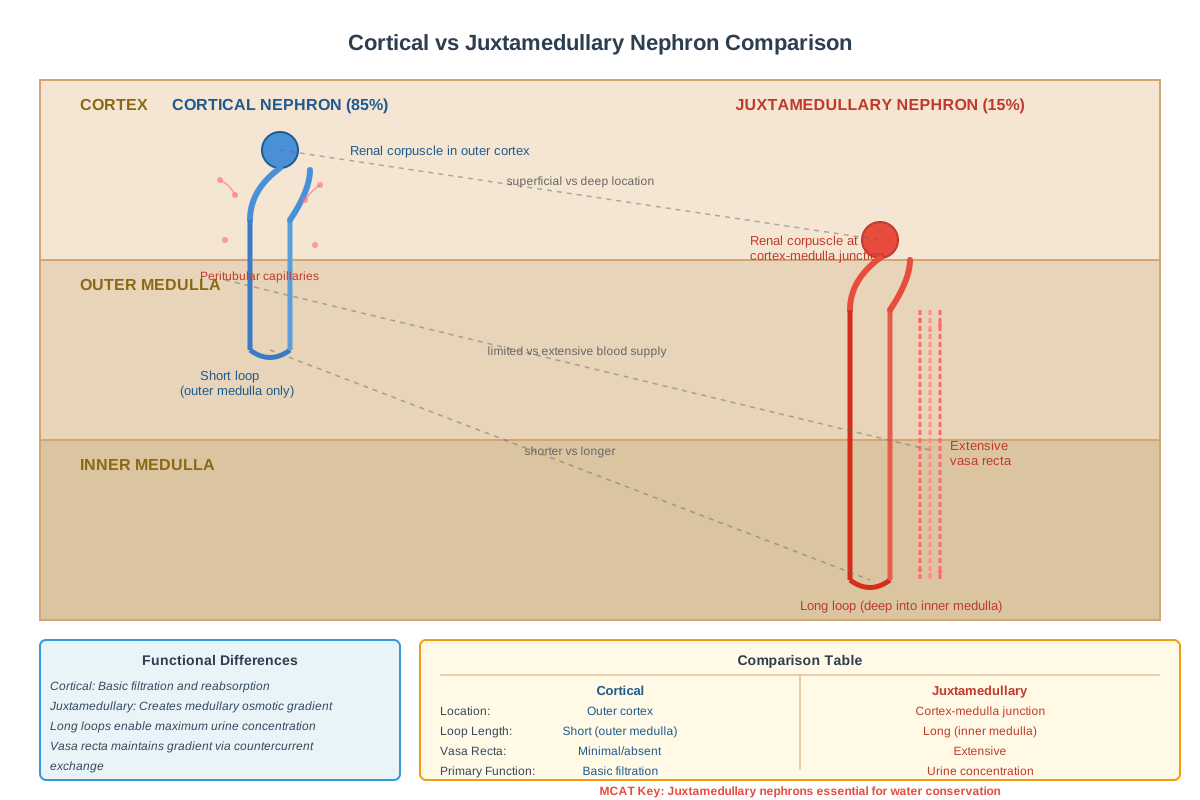
Nephrons are classified into two types based on the location of their renal corpuscles:
| Feature | Cortical Nephrons | Juxtamedullary Nephrons |
|---|---|---|
| Percentage | ~85% of nephrons | ~15% of nephrons |
| Corpuscle location | Outer cortex | Near cortex-medulla junction |
| Loop of Henle length | Short loop, barely enters medulla | Long loop, extends deep into medulla |
| Primary function | Filtration and reabsorption | Urine concentration |
| Peritubular capillaries | Extensive peritubular capillary network | Vasa recta (long, straight capillaries) |
| Blood supply | Efferent arteriole → peritubular capillaries | Efferent arteriole → vasa recta |
Juxtamedullary nephrons are essential for producing concentrated urine because their long loops of Henle establish and maintain the medullary osmotic gradient. The vasa recta (straight capillaries running parallel to the loops of Henle) supply blood to the medulla while preserving the osmotic gradient through countercurrent exchange.
Concept Relationships
The structural organization of the nephron creates a functional sequence where each segment's anatomy enables specific physiological processes. The relationship flows as follows:
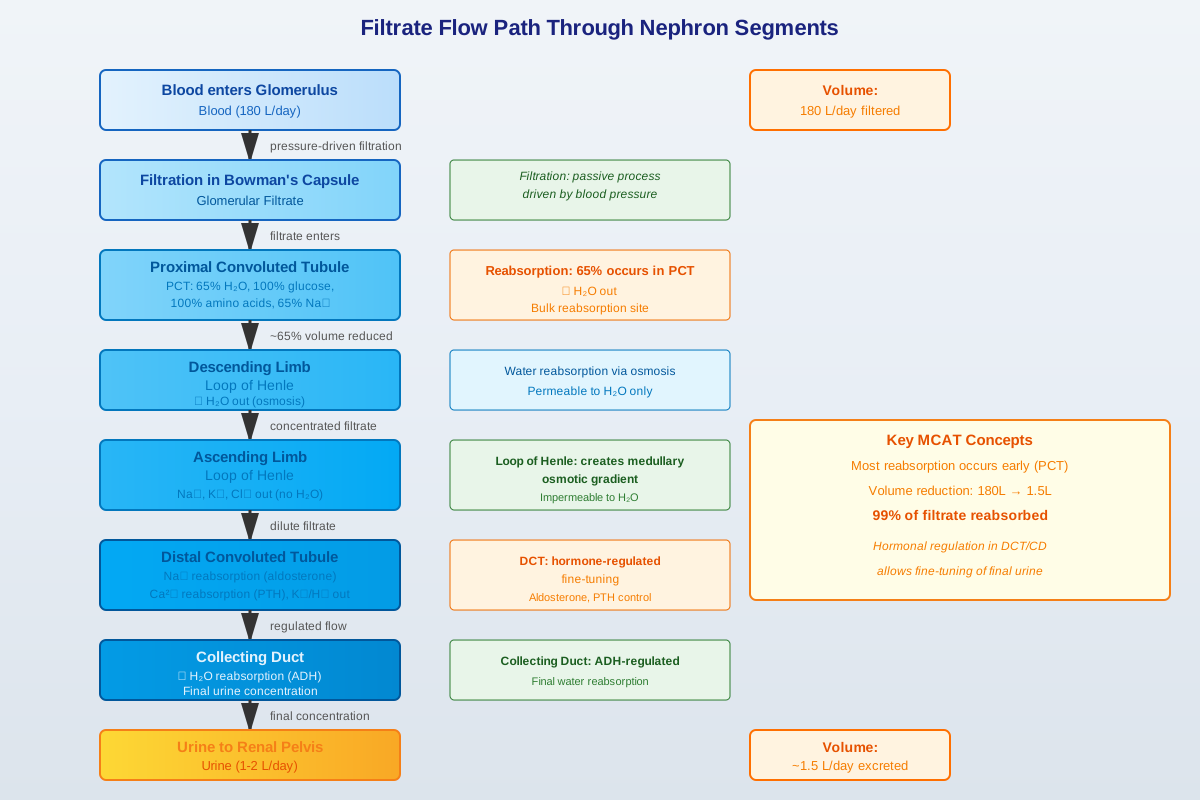
Renal Corpuscle (high-pressure filtration) → Proximal Convoluted Tubule (bulk reabsorption of water, ions, and nutrients) → Loop of Henle (establishes medullary osmotic gradient through countercurrent multiplication) → Distal Convoluted Tubule (fine-tuning of electrolyte balance and acid-base regulation) → Collecting Duct (final water reabsorption and urine concentration under hormonal control).
The nephron structure connects to prerequisite knowledge of epithelial tissue through the specialized epithelial cells lining each segment. Understanding cell membrane transport is essential because the structural features (brush border, tight junction permeability, transporter distribution) determine which transport mechanisms operate in each segment. The cardiovascular system connects through the unique blood supply arrangement (afferent arteriole → glomerulus → efferent arteriole → peritubular capillaries or vasa recta), which maintains filtration pressure and enables reabsorption.
The nephron structure also connects forward to related topics including:
- Renal physiology: Structure determines function in filtration, reabsorption, and secretion
- Fluid and electrolyte balance: Nephron segments regulate sodium, potassium, calcium, and water balance
- Acid-base regulation: Specific segments secrete hydrogen ions and reabsorb bicarbonate
- Endocrine function: The kidney produces renin (JGA), erythropoietin, and active vitamin D
- Pharmacology: Diuretics target specific nephron segments based on their structural features
The juxtaglomerular apparatus serves as a structural link between nephron anatomy and systemic blood pressure regulation, demonstrating how local kidney structure influences whole-body homeostasis. The distinction between cortical and juxtamedullary nephrons illustrates how structural variation within a single organ enables diverse physiological capabilities.
Quick check — test yourself on Nephron structure so far.
Try Flashcards →High-Yield Facts
⭐ The nephron consists of seven major segments: renal corpuscle, proximal convoluted tubule, descending limb of loop of Henle, ascending limb of loop of Henle, distal convoluted tubule, connecting tubule, and collecting duct.
⭐ The glomerular filtration barrier has three layers: fenestrated endothelium, basement membrane, and podocyte foot processes with filtration slits.
⭐ The proximal convoluted tubule reabsorbs approximately 65-70% of filtered water and sodium and nearly 100% of glucose and amino acids, facilitated by its extensive brush border.
⭐ The descending limb of the loop of Henle is permeable to water but not solutes, while the ascending limb is impermeable to water but actively transports solutes.
⭐ The thick ascending limb contains the Na⁺-K⁺-2Cl⁻ cotransporter (NKCC2), which is the target of loop diuretics like furosemide.
- The distal convoluted tubule contains the Na⁺-Cl⁻ cotransporter (NCC), which is the target of thiazide diuretics.
- The collecting duct contains principal cells (regulate sodium and water) and intercalated cells (regulate acid-base balance).
- The juxtaglomerular apparatus consists of the macula densa, juxtaglomerular cells, and extraglomerular mesangial cells.
- Juxtamedullary nephrons (~15% of total) have long loops of Henle that extend deep into the medulla and are essential for urine concentration.
- The vasa recta are specialized straight capillaries that supply juxtamedullary nephrons and preserve the medullary osmotic gradient through countercurrent exchange.
- Aquaporin-2 (AQP2) water channels in the collecting duct are regulated by antidiuretic hormone (ADH), controlling final urine concentration.
- The proximal tubule has "leaky" tight junctions allowing paracellular transport, while the collecting duct has "tight" tight junctions limiting paracellular movement.
Common Misconceptions
Misconception: The collecting duct is part of the nephron proper.
Correction: The collecting duct is technically not part of the nephron; it develops from different embryonic tissue (ureteric bud) than the nephron (metanephric mesoderm). However, it is functionally integrated with nephron function and multiple nephrons drain into a single collecting duct.
Misconception: The entire loop of Henle is impermeable to water.
Correction: Only the ascending limb of the loop of Henle is impermeable to water. The descending limb is highly permeable to water via aquaporin-1 channels, allowing water reabsorption into the hypertonic medullary interstitium.
Misconception: The brush border is present in all nephron segments.
Correction: The brush border (extensive microvilli) is most prominent in the proximal convoluted tubule and absent or minimal in other segments. The distal convoluted tubule has some microvilli but far fewer than the PCT, and the loop of Henle and collecting duct lack a significant brush border.
Misconception: Blood flows through the nephron tubule.
Correction: Blood never enters the nephron tubule. Blood flows through the glomerular capillaries, where filtration occurs, but only the filtrate (water and small solutes) enters Bowman's space and the tubule. Blood exits via the efferent arteriole and flows through peritubular capillaries or vasa recta, which run alongside but outside the tubule.
Misconception: All nephrons are identical in structure.
Correction: Nephrons vary significantly. Cortical nephrons (~85%) have short loops of Henle that barely enter the medulla and are surrounded by peritubular capillaries. Juxtamedullary nephrons (~15%) have long loops extending deep into the medulla and are associated with vasa recta. This structural variation enables different functional capabilities.
Misconception: The juxtaglomerular apparatus is located at the end of the nephron.
Correction: The juxtaglomerular apparatus is located where the thick ascending limb of the loop of Henle returns to the cortex and contacts its own glomerulus between the afferent and efferent arterioles. This occurs relatively early in the nephron's course, not at the end.
Misconception: Podocytes are endothelial cells.
Correction: Podocytes are specialized epithelial cells, not endothelial cells. They form the visceral layer of Bowman's capsule and wrap around glomerular capillaries with their foot processes. The glomerular capillaries themselves are lined by fenestrated endothelial cells, which are distinct from podocytes.
Worked Examples
Example 1: Identifying Nephron Segments from Histological Features
Question: A histological section shows a tubule with cuboidal epithelium, extensive apical microvilli creating a prominent brush border, and abundant eosinophilic cytoplasm indicating high mitochondrial content. The tubule lumen appears irregular due to the microvilli. Which nephron segment is this most likely to be?
Solution:
Step 1: Identify the key structural features
- Cuboidal epithelium
- Extensive brush border (microvilli)
- Abundant mitochondria (eosinophilic cytoplasm)
- Irregular lumen appearance
Step 2: Match features to nephron segments
The proximal convoluted tubule is characterized by:
- Cuboidal epithelium ✓
- Most extensive brush border of any nephron segment ✓
- Highest mitochondrial content (most metabolically active) ✓
- Irregular lumen due to prominent microvilli ✓
The distal convoluted tubule has cuboidal epithelium and mitochondria but has a much less prominent brush border and a cleaner, more regular lumen appearance.
The loop of Henle has either squamous epithelium (thin segments) or cuboidal epithelium without a significant brush border (thick ascending limb).
The collecting duct has cuboidal to columnar epithelium with minimal microvilli and a clear, regular lumen.
Step 3: Conclusion
Answer: This is the proximal convoluted tubule (PCT). The combination of extensive brush border and high mitochondrial content reflects its role in reabsorbing approximately 65-70% of filtered water and solutes, requiring both high surface area (brush border) and high energy production (mitochondria).
Connection to Learning Objectives: This example demonstrates how to apply nephron structure knowledge to identify segments based on structural features, a common MCAT question type. It also illustrates the structure-function relationship where anatomical specializations (brush border, mitochondria) directly enable physiological roles (bulk reabsorption).
Example 2: Predicting Effects of Structural Damage
Question: A patient is exposed to a toxin that specifically damages podocyte foot processes, causing them to fuse together and lose their normal architecture. Based on nephron structure, what would be the most likely consequence?
Solution:
Step 1: Identify the normal structure and function
Podocytes are specialized epithelial cells that form the visceral layer of Bowman's capsule. Their foot processes (pedicels) wrap around glomerular capillaries, and the spaces between adjacent foot processes form filtration slits (25-60 nm wide) covered by slit diaphragms. These filtration slits are a critical component of the glomerular filtration barrier.
Step 2: Analyze the structural damage
If podocyte foot processes fuse together, the filtration slits would be obliterated or significantly reduced. The filtration barrier would lose one of its key size-selective components.
Step 3: Predict functional consequences
The glomerular filtration barrier normally restricts passage of large molecules, particularly proteins. The three-layer barrier (fenestrated endothelium, basement membrane, and podocyte filtration slits) works together to prevent protein loss while allowing water and small solutes to pass.
With damaged podocyte architecture:
- Filtration slits are compromised
- Size selectivity is reduced
- Proteins that normally cannot pass through filtration slits may now enter the filtrate
- This would result in proteinuria (protein in the urine)
Step 4: Clinical correlation
This scenario describes the pathophysiology of nephrotic syndrome, where podocyte damage leads to massive proteinuria, hypoalbuminemia, edema, and hyperlipidemia.
Answer: The patient would develop proteinuria (protein in the urine) because the damaged filtration slits can no longer effectively restrict protein passage from blood into Bowman's space. This demonstrates how structural integrity of the renal corpuscle is essential for proper filtration selectivity.
Connection to Learning Objectives: This example applies nephron structure knowledge to predict clinical outcomes, connects structure to function, and demonstrates how MCAT questions may present pathological scenarios requiring understanding of normal anatomy. It also connects nephron structure to clinical medicine, showing why this topic matters beyond the exam.
Exam Strategy
Approaching MCAT Questions on Nephron Structure:
- Identify the nephron segment first: Many questions hinge on knowing which segment is being discussed. Look for structural clues (brush border = PCT, impermeable to water = ascending limb, ADH-responsive = collecting duct) or functional clues (bulk reabsorption = PCT, dilutes urine = ascending limb).
- Use the structure-function relationship: If a question describes a structural feature, immediately think about what function that structure enables. Extensive microvilli → high surface area → bulk reabsorption. No aquaporins → water impermeable → can transport solutes without water following.
- Follow the flow: Remember the anatomical sequence: renal corpuscle → PCT → descending limb → ascending limb → DCT → collecting duct. If a question asks about what happens "downstream" or "before reaching," trace the path mentally.
- Watch for these trigger words:
- "Brush border" → proximal convoluted tubule
- "Impermeable to water" → ascending limb of loop of Henle
- "Countercurrent multiplication" → loop of Henle
- "ADH-responsive" or "vasopressin-sensitive" → collecting duct
- "Macula densa" → juxtaglomerular apparatus at thick ascending limb
- "Fenestrated capillaries" → glomerulus
- "Podocytes" or "foot processes" → Bowman's capsule (visceral layer)
- Process of elimination for nephron segment questions:
- Eliminate segments that lack the described structural feature
- Eliminate segments whose primary function contradicts the question
- If the question mentions a specific transporter or channel, eliminate segments that don't contain it
- For diagram-based questions:
- Identify the renal corpuscle first (it's the most distinctive structure)
- The most convoluted tubule with the largest diameter is usually the PCT
- The thin, straight segments are the loop of Henle
- The collecting duct is typically shown as a larger tube receiving input from multiple nephrons
Time Allocation: Nephron structure questions are typically straightforward if you know the anatomy. Allocate 60-90 seconds for standalone questions and up to 2 minutes for passage-based questions requiring integration of multiple concepts. Don't overthink—these questions usually test direct knowledge rather than complex reasoning.
Common Question Formats:
- Identification questions: "Which structure is indicated by the arrow?"
- Prediction questions: "What would happen if this segment were damaged?"
- Mechanism questions: "How does this drug affect the nephron?"
- Data interpretation: "The graph shows solute concentration along the nephron. At which point...?"
Memory Techniques
Mnemonic for Nephron Segment Sequence:
"Really Proud Doctors Don't Always Collect Dollars"
- Renal corpuscle
- Proximal convoluted tubule
- Descending limb
- (thin) Descending limb
- Ascending limb
- Connecting tubule
- Distal convoluted tubule (note: DCT actually comes before connecting tubule, so adjust to "Really Proud Doctors Deliver Awesome Care Daily")
Better mnemonic: "Good Physicians Don't Abuse Drugs Carelessly"
- Glomerulus (renal corpuscle)
- Proximal convoluted tubule
- Descending limb
- Ascending limb
- Distal convoluted tubule
- Collecting duct
Visualization Strategy for Loop of Henle:
Picture a hairpin:
- The descending side is going down into the medulla → water goes down (out) into the interstitium
- The ascending side is going up toward the cortex → solutes go up (out) into the interstitium, but water stays in
Acronym for Glomerular Filtration Barrier Layers:
"Every Basement Prevents" (from inside to outside)
- Endothelium (fenestrated)
- Basement membrane
- Podocytes (with filtration slits)
Mnemonic for PCT Features:
"Brush Border Means Maximum Absorption"
- Brush border (microvilli)
- Bulk reabsorption (65-70%)
- Mitochondria (abundant)
- Metabolically active
Juxtaglomerular Apparatus Components:
"JG Makes Renin"
- Juxtaglomerular cells (make renin)
- Granular cells (another name for JG cells)
- Macula densa (monitors sodium)
- Renin (what JG cells secrete)
Distinguishing Cortical vs. Juxtamedullary:
- Cortical = Close to surface, Common (85%), Capillaries (peritubular)
- Juxtamedullary = Just near medulla, Just 15%, Juicy long loops (for concentration)
Summary
Nephron structure represents the anatomical foundation of renal physiology, with each of the seven major segments possessing unique structural specializations that enable specific physiological functions. The nephron begins with the renal corpuscle, where the glomerulus and Bowman's capsule create a three-layered filtration barrier that selectively allows water and small solutes to enter the tubule while retaining blood cells and proteins. The proximal convoluted tubule, with its extensive brush border and abundant mitochondria, performs bulk reabsorption of approximately 65-70% of filtered substances. The loop of Henle establishes the medullary osmotic gradient through countercurrent multiplication, with the descending limb permeable to water and the ascending limb actively transporting solutes without water. The distal convoluted tubule fine-tunes electrolyte balance and responds to hormonal regulation, while the collecting duct makes final adjustments to urine concentration under ADH control. The juxtaglomerular apparatus, located where the thick ascending limb contacts the glomerulus, regulates both local filtration and systemic blood pressure. Understanding these structural features and their functional correlates is essential for MCAT success, as questions frequently test the ability to connect nephron anatomy with physiological processes, predict outcomes of structural damage or pharmacological interventions, and interpret experimental data about kidney function.
Key Takeaways
- The nephron consists of seven major segments in sequence: renal corpuscle, PCT, descending limb, ascending limb, DCT, connecting tubule, and collecting duct, each with unique structural features matching their functions
- The glomerular filtration barrier (fenestrated endothelium, basement membrane, podocyte filtration slits) selectively filters blood based on size and charge
- The PCT has the most extensive brush border and reabsorbs the bulk (65-70%) of filtered water and solutes, plus nearly 100% of glucose and amino acids
- The descending limb is permeable to water but not solutes, while the ascending limb is impermeable to water but actively transports solutes, creating the medullary osmotic gradient
- The collecting duct contains principal cells (sodium and water regulation) and intercalated cells (acid-base balance) and is the site of ADH action via aquaporin-2
- Juxtamedullary nephrons (15%) with long loops of Henle and vasa recta are essential for producing concentrated urine
- The juxtaglomerular apparatus (macula densa, JG cells, extraglomerular mesangial cells) regulates GFR and blood pressure through renin secretion
Related Topics
Renal Physiology and Filtration: Building on nephron structure, this topic covers the mechanisms of glomerular filtration, including filtration pressure calculations (Starling forces), glomerular filtration rate (GFR), and factors affecting filtration. Mastering nephron structure enables understanding of where and how filtration occurs.
Tubular Reabsorption and Secretion: This topic details the specific transport mechanisms operating in each nephron segment, including the transporters, channels, and pumps that move substances between tubular fluid and blood. Knowledge of nephron structure provides the anatomical framework for understanding which transporters are located in which segments.
Urine Concentration and Dilution: This advanced topic explains the countercurrent multiplication and exchange mechanisms that enable the kidney to produce urine ranging from very dilute to highly concentrated. Understanding the structural arrangement of the loop of Henle and vasa recta is prerequisite knowledge.
Renal Regulation of Blood Pressure: The renin-angiotensin-aldosterone system (RAAS) and its effects on nephron function connect nephron structure (particularly the juxtaglomerular apparatus) to cardiovascular physiology and systemic blood pressure control.
Acid-Base Balance: The kidney's role in maintaining blood pH involves specific nephron segments (PCT, DCT, collecting duct intercalated cells) secreting hydrogen ions and reabsorbing bicarbonate. Nephron structure knowledge identifies where these processes occur.
Diuretic Pharmacology: Understanding how different classes of diuretics (loop, thiazide, potassium-sparing, osmotic) work requires knowing which nephron segments they target and what transporters they inhibit, making nephron structure essential prerequisite knowledge.
Practice CTA
Now that you've mastered the structural organization of the nephron, it's time to reinforce your knowledge through active practice. Complete the practice questions to test your ability to identify nephron segments, predict functional outcomes based on structural features, and apply your knowledge to MCAT-style scenarios. Use the flashcards to drill the high-yield facts, particularly the structural features that distinguish each nephron segment. Remember, the MCAT rewards students who can quickly connect structure to function—practice making these connections until they become automatic. Your solid understanding of nephron structure will serve as the foundation for mastering renal physiology, a high-yield topic that integrates with cardiovascular, endocrine, and acid-base concepts throughout the exam. Keep pushing forward—you're building the comprehensive knowledge base that leads to MCAT success!
Sign up free to keep reading
Create a free AnvayaPrep account to finish this MCAT guide on Nephron structure — plus flashcards and practice questions.