Overview
Steroid hormones represent a critical class of lipid-derived signaling molecules that play fundamental roles in human physiology, from regulating metabolism and immune responses to controlling reproductive functions and stress responses. Unlike peptide hormones that bind to cell-surface receptors, steroid hormones are lipophilic molecules derived from cholesterol that can freely cross cell membranes to interact with intracellular receptors, initiating changes in gene transcription. This unique mechanism of action distinguishes them from other hormone classes and makes them a high-yield topic for the MCAT.
Understanding steroid hormones Biology is essential for the MCAT because these molecules integrate multiple testable concepts: lipid biochemistry, cell signaling pathways, endocrine physiology, and gene regulation. The MCAT frequently tests students' ability to distinguish between steroid and peptide hormone mechanisms, predict the effects of hormone deficiencies or excesses, and analyze experimental data involving hormonal regulation. Questions may appear in both passage-based and discrete formats, often requiring students to apply their knowledge of hormone synthesis, transport, receptor binding, and physiological effects across multiple organ systems.
Within the broader context of Physiology and Organ Systems, steroid hormones serve as integrative molecules that coordinate responses across tissues and organs. They connect endocrine system function to reproductive biology, stress physiology, metabolic regulation, and homeostasis. Mastery of this topic provides the foundation for understanding complex physiological processes tested on the MCAT, including the hypothalamic-pituitary-adrenal axis, menstrual cycle regulation, calcium homeostasis, and the body's response to chronic stress. This knowledge also bridges organic chemistry concepts (functional groups, lipid structure) with biological systems, making it a truly interdisciplinary MCAT topic.
Learning Objectives
- [ ] Define steroid hormones using accurate Biology terminology
- [ ] Explain why steroid hormones matters for the MCAT
- [ ] Apply steroid hormones to exam-style questions
- [ ] Identify common mistakes related to steroid hormones
- [ ] Connect steroid hormones to related Biology concepts
- [ ] Compare and contrast the mechanism of action of steroid hormones versus peptide hormones
- [ ] Trace the synthesis pathway from cholesterol to major steroid hormone classes
- [ ] Predict the physiological consequences of steroid hormone receptor mutations or hormone deficiencies
- [ ] Analyze experimental data involving steroid hormone signaling and gene expression
Prerequisites
- Cholesterol structure and lipid biochemistry: Steroid hormones are synthesized from cholesterol, requiring understanding of steroid ring structure and lipid properties
- Cell membrane structure: Knowledge of phospholipid bilayers explains why steroid hormones can cross membranes while peptide hormones cannot
- Gene transcription and translation: Steroid hormones primarily work by altering gene expression, necessitating understanding of transcriptional regulation
- Basic endocrine system organization: Familiarity with glands, hormones, and feedback loops provides context for steroid hormone function
- Receptor-ligand interactions: Understanding binding affinity and specificity is essential for comprehending hormone-receptor dynamics
Why This Topic Matters
Steroid hormones have profound clinical significance across multiple medical specialties. Disorders of steroid hormone production or action cause conditions ranging from Addison's disease (cortisol deficiency) and Cushing's syndrome (cortisol excess) to polycystic ovary syndrome and congenital adrenal hyperplasia. Synthetic steroid hormones serve as medications for inflammation (corticosteroids), contraception (estrogen and progesterone analogs), and hormone replacement therapy. Understanding steroid hormone physiology is foundational for interpreting laboratory values, recognizing endocrine pathologies, and understanding pharmacological interventions that medical students will encounter throughout their careers.
On the MCAT, steroid hormones MCAT questions appear with moderate frequency, typically 2-4 questions per exam. These questions most commonly appear in Biological and Biochemical Foundations of Living Systems passages, though they may also appear in passages testing scientific reasoning or experimental design. Question formats include: (1) mechanism-based questions asking students to predict cellular responses to hormone exposure, (2) comparative questions distinguishing steroid from peptide hormone signaling, (3) experimental interpretation questions involving hormone receptor knockout studies or binding assays, and (4) physiological reasoning questions about feedback loops and hormonal regulation of organ systems.
Common passage contexts include: experiments measuring gene expression changes following hormone treatment, clinical vignettes describing patients with endocrine disorders, research studies investigating hormone receptor mutations, and comparative physiology passages examining hormonal regulation across species. The MCAT particularly favors questions that require integration of multiple concepts—for example, connecting cholesterol metabolism to hormone synthesis, or linking receptor binding kinetics to downstream physiological effects.
Core Concepts
Definition and Chemical Structure
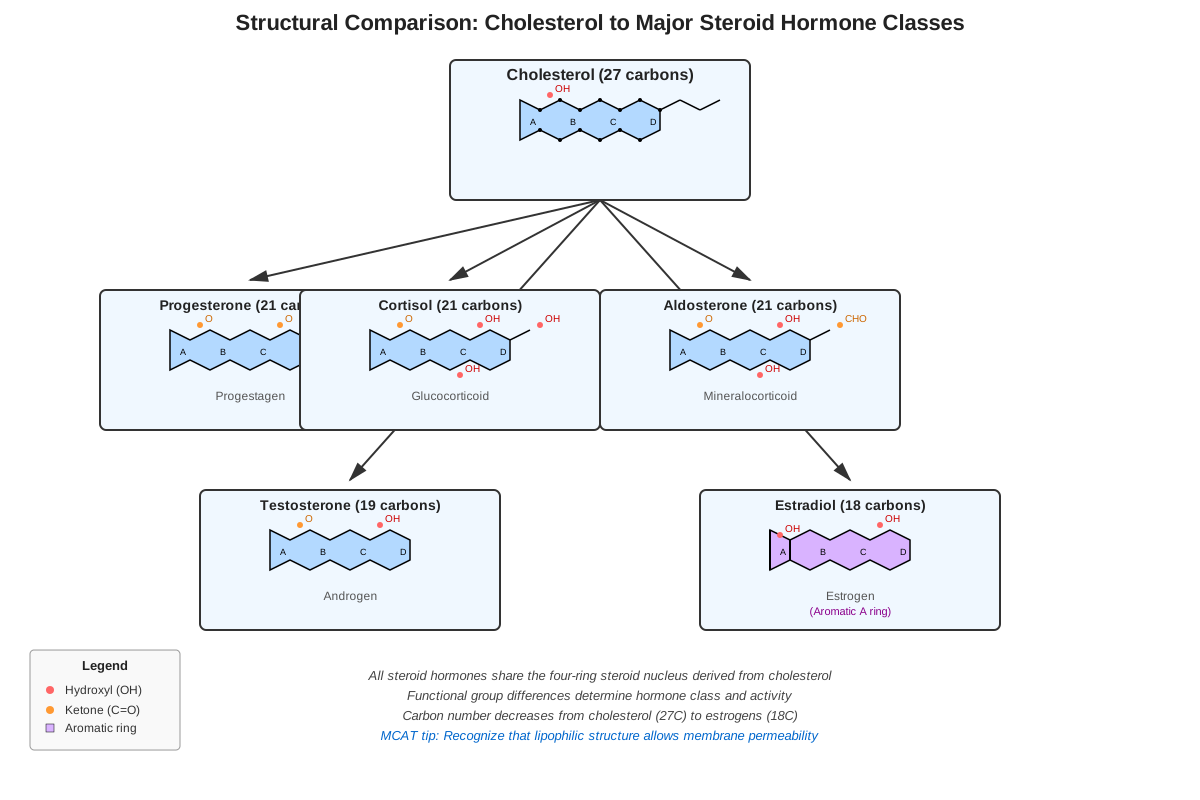
Steroid hormones are lipid-soluble signaling molecules derived from cholesterol that regulate gene expression by binding to intracellular receptors. All steroid hormones share a characteristic four-ring carbon structure called the steroid nucleus or gonane structure, consisting of three cyclohexane rings (A, B, and C rings) and one cyclopentane ring (D ring). This rigid, hydrophobic core structure allows steroid hormones to pass through cell membranes via simple diffusion, distinguishing them fundamentally from water-soluble peptide hormones that require membrane receptors.
The functional diversity of steroid hormones arises from modifications to this basic structure—variations in side chains, hydroxyl groups, ketone groups, and degree of saturation create distinct hormones with specific receptor affinities and biological activities. Despite their structural similarities, these subtle chemical differences enable highly specific receptor binding and diverse physiological effects.
Major Classes of Steroid Hormones
Steroid hormones are classified into five major categories based on their physiological functions and site of synthesis:
| Hormone Class | Primary Source | Key Examples | Main Functions |
|---|---|---|---|
| Glucocorticoids | Adrenal cortex (zona fasciculata) | Cortisol, corticosterone | Glucose metabolism, stress response, immune suppression |
| Mineralocorticoids | Adrenal cortex (zona glomerulosa) | Aldosterone | Sodium retention, potassium excretion, blood pressure regulation |
| Androgens | Testes, adrenal cortex, ovaries | Testosterone, DHEA, androstenedione | Male sex characteristics, muscle growth, libido |
| Estrogens | Ovaries, placenta, adipose tissue | Estradiol, estrone, estriol | Female sex characteristics, menstrual cycle regulation |
| Progestins | Corpus luteum, placenta | Progesterone | Pregnancy maintenance, menstrual cycle regulation |
Additionally, vitamin D (calcitriol) and its metabolites function as steroid hormones despite being classified as vitamins, regulating calcium homeostasis and bone metabolism through similar intracellular receptor mechanisms.
Synthesis Pathway
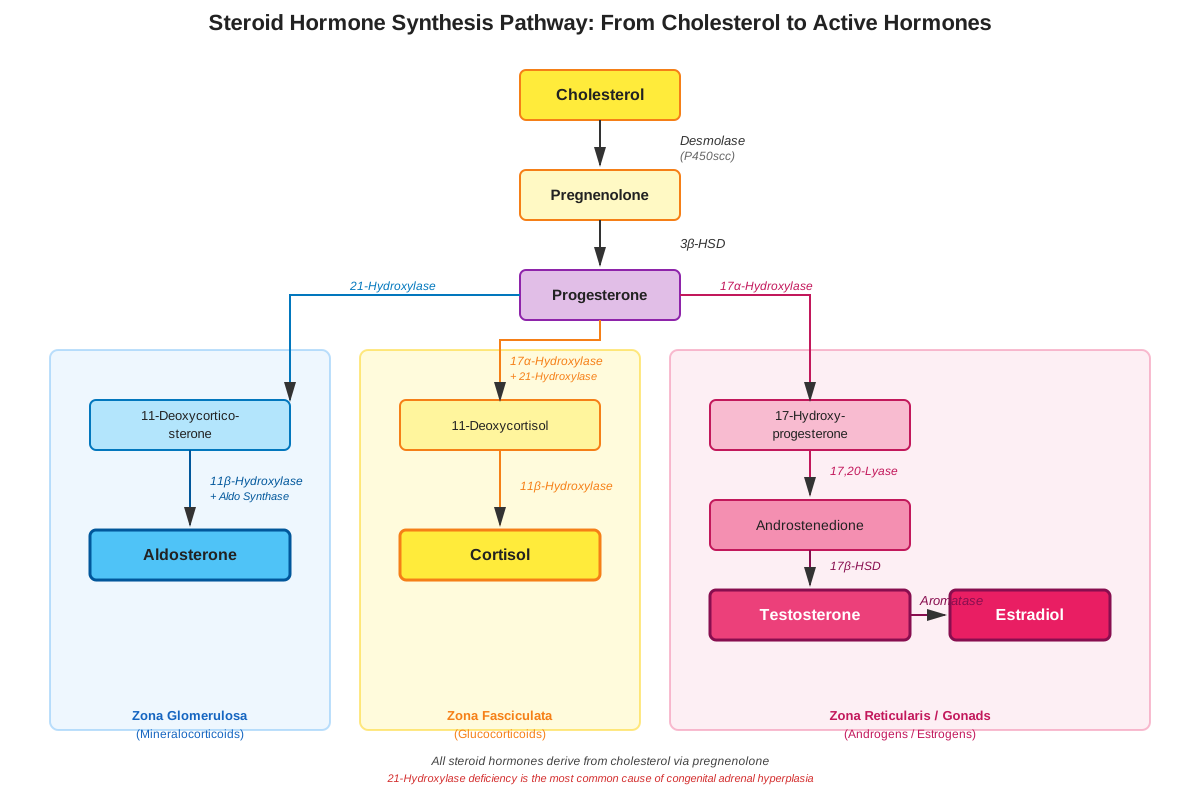
All steroid hormones are synthesized from cholesterol through a series of enzymatic modifications. The synthesis pathway follows a general sequence:
- Cholesterol uptake or synthesis: Endocrine cells obtain cholesterol from circulating LDL or synthesize it de novo from acetyl-CoA
- Transport to mitochondria: Cholesterol is transported to the inner mitochondrial membrane by StAR protein (Steroidogenic Acute Regulatory protein)
- Side-chain cleavage: The enzyme P450scc (cholesterol side-chain cleavage enzyme) converts cholesterol to pregnenolone, the common precursor for all steroid hormones
- Pathway divergence: Pregnenolone undergoes tissue-specific enzymatic modifications to produce different hormone classes
The rate-limiting step in steroid hormone synthesis is the transport of cholesterol into mitochondria, regulated by StAR protein. This step is stimulated by tropic hormones (ACTH for adrenal steroids, LH for gonadal steroids), providing rapid hormonal regulation.
Key enzymatic steps include:
- 17α-hydroxylase: Converts pregnenolone to 17-hydroxypregnenolone (required for cortisol and sex hormone synthesis)
- 21-hydroxylase: Essential for cortisol and aldosterone synthesis (deficiency causes congenital adrenal hyperplasia)
- 11β-hydroxylase: Final step in cortisol synthesis
- Aromatase: Converts androgens to estrogens by aromatizing the A ring
Mechanism of Action
The mechanism of action for steroid hormones differs fundamentally from peptide hormones and represents a high-yield MCAT concept:
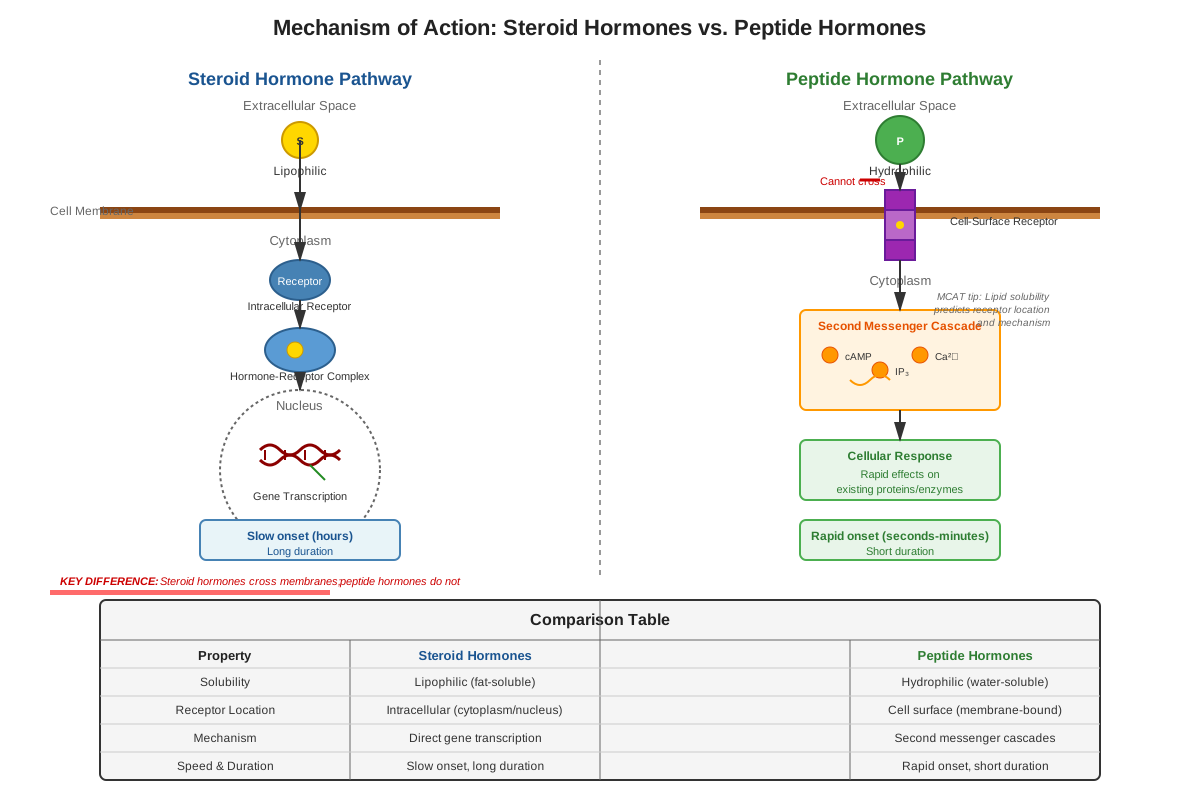
- Membrane crossing: Due to their lipophilic nature, steroid hormones diffuse freely across the plasma membrane without requiring receptors or transport proteins
- Receptor binding: Inside the cell, steroid hormones bind to specific intracellular receptors located in the cytoplasm or nucleus. These receptors are members of the nuclear receptor superfamily
- Receptor activation: Hormone binding causes a conformational change in the receptor, leading to dissociation of heat shock proteins (HSPs) that keep the unbound receptor inactive
- Dimerization: Activated hormone-receptor complexes form homodimers or heterodimers
- Nuclear translocation: If cytoplasmic, the complex translocates to the nucleus
- DNA binding: The receptor dimer binds to specific DNA sequences called hormone response elements (HREs) in the promoter regions of target genes
- Transcriptional regulation: The receptor complex recruits coactivators or corepressors, modulating transcription of target genes
- Protein synthesis: Changes in mRNA levels lead to altered protein synthesis, producing the hormone's physiological effects
This mechanism explains why steroid hormone effects are typically slower in onset (minutes to hours) compared to peptide hormones (seconds to minutes) but longer in duration due to changes in gene expression and protein levels.
Transport in Blood
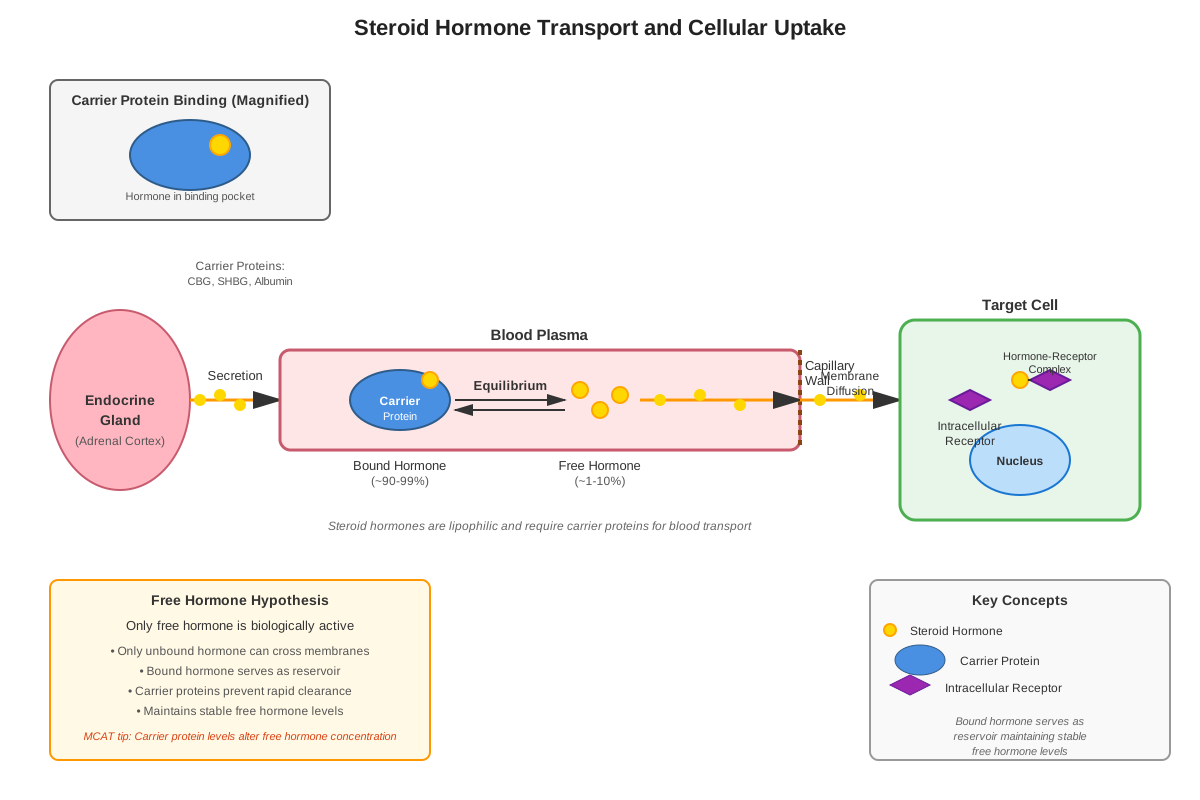
Because steroid hormones are hydrophobic, they cannot dissolve freely in aqueous blood plasma. Most circulating steroid hormones are bound to carrier proteins:
- Cortisol-binding globulin (CBG) or transcortin: Binds cortisol and progesterone
- Sex hormone-binding globulin (SHBG): Binds testosterone and estradiol
- Albumin: Binds steroid hormones with lower affinity but higher capacity
Typically, 90-99% of steroid hormones in blood are protein-bound, with only 1-10% existing as free hormone. Only the free, unbound fraction is biologically active and can enter cells. This binding serves multiple functions:
- Increases hormone solubility in blood
- Creates a hormone reservoir, extending half-life
- Protects hormones from rapid degradation
- Regulates the amount of bioavailable hormone
Changes in carrier protein levels (due to liver disease, pregnancy, or medications) can affect free hormone concentrations without changing total hormone levels, a concept frequently tested on the MCAT.
Regulation and Feedback
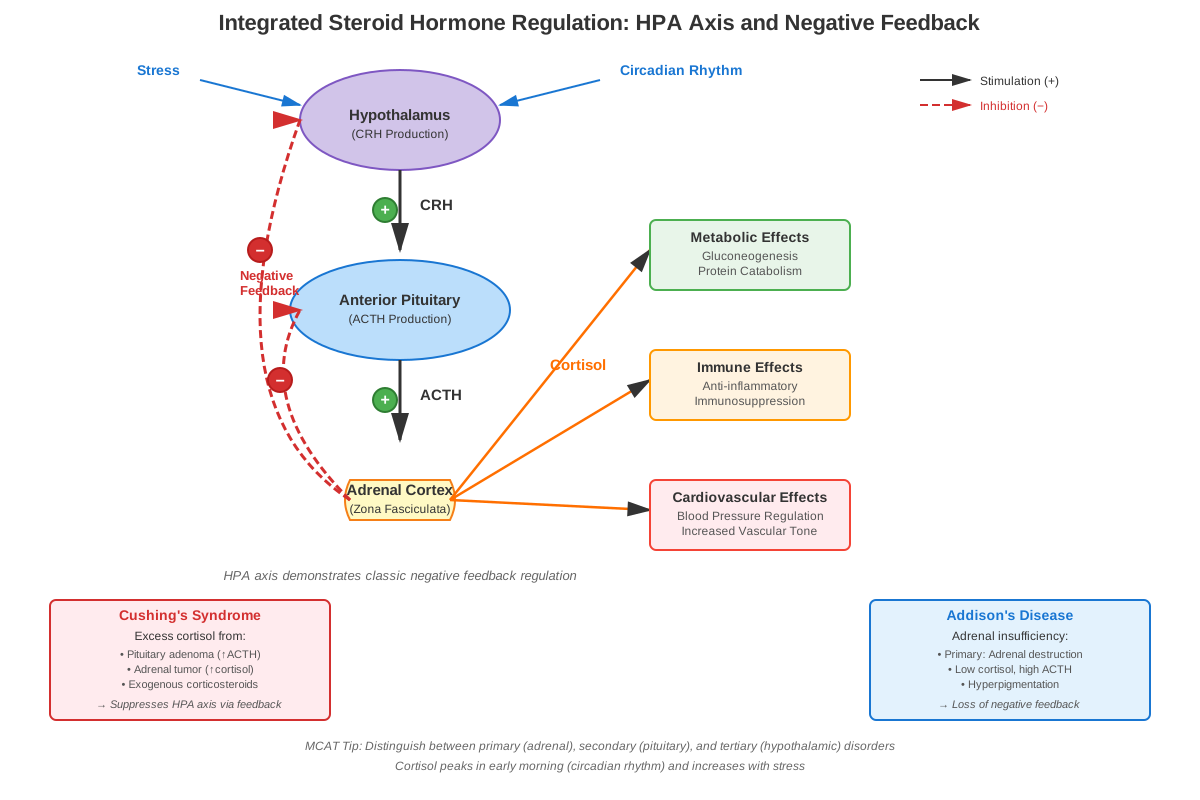
Steroid hormone production is primarily regulated through negative feedback loops involving the hypothalamus and pituitary gland:
Hypothalamic-Pituitary-Adrenal (HPA) Axis:
- Hypothalamus releases CRH (corticotropin-releasing hormone)
- Anterior pituitary releases ACTH (adrenocorticotropic hormone)
- Adrenal cortex releases cortisol
- Cortisol inhibits CRH and ACTH release (negative feedback)
Hypothalamic-Pituitary-Gonadal (HPG) Axis:
- Hypothalamus releases GnRH (gonadotropin-releasing hormone)
- Anterior pituitary releases LH and FSH
- Gonads release sex steroids (testosterone, estradiol, progesterone)
- Sex steroids inhibit GnRH, LH, and FSH (negative feedback, with some positive feedback during the menstrual cycle)
The renin-angiotensin-aldosterone system (RAAS) regulates aldosterone through a different mechanism:
- Low blood pressure or low sodium triggers renin release from kidney
- Renin converts angiotensinogen to angiotensin I
- ACE converts angiotensin I to angiotensin II
- Angiotensin II stimulates aldosterone release
- Aldosterone increases sodium retention, raising blood pressure
Receptor Structure and Specificity
Steroid hormone receptors share a common structural organization:
- N-terminal domain: Contains activation function-1 (AF-1), involved in transcriptional activation
- DNA-binding domain (DBD): Contains zinc finger motifs that recognize specific HRE sequences
- Hinge region: Provides flexibility and contains nuclear localization signals
- Ligand-binding domain (LBD): Binds the specific hormone and contains activation function-2 (AF-2)
Receptor specificity arises from the precise three-dimensional structure of the ligand-binding pocket, which accommodates only hormones with the correct size, shape, and functional groups. This specificity explains why cortisol binds glucocorticoid receptors but not estrogen receptors, despite structural similarities.
Concept Relationships
The concepts within steroid hormone biology form an integrated network. Cholesterol serves as the universal precursor, connecting lipid metabolism to endocrine function. The synthesis pathway branches from pregnenolone to produce different hormone classes, with tissue-specific enzymes determining which hormones each gland produces. This synthesis is regulated by tropic hormones from the pituitary, which are themselves controlled by hypothalamic releasing hormones, creating hierarchical feedback loops.
Once synthesized, steroid hormones enter circulation where they bind carrier proteins, establishing an equilibrium between bound and free hormone. Only free hormone can diffuse into target cells, where it binds intracellular receptors. This binding triggers the mechanism of action: receptor activation, nuclear translocation, DNA binding, and transcriptional regulation. The resulting changes in gene expression produce the hormone's physiological effects, which feed back to regulate hormone production.
Steroid hormones connect to prerequisite topics: cholesterol structure (organic chemistry) provides the molecular foundation; cell membrane structure explains membrane permeability; gene transcription mechanisms underlie hormone action; and protein synthesis produces the effector molecules. They connect forward to: reproductive physiology (menstrual cycle, spermatogenesis), stress response (cortisol effects), fluid and electrolyte balance (aldosterone), and metabolic regulation (cortisol's effects on glucose metabolism).
Relationship map: Cholesterol → Pregnenolone → Hormone-specific pathways → Circulating hormones (bound + free) → Free hormone crosses membrane → Intracellular receptor binding → Receptor activation and dimerization → DNA binding at HREs → Altered gene transcription → Protein synthesis → Physiological effects → Negative feedback to hypothalamus/pituitary
Quick check — test yourself on Steroid hormones so far.
Try Flashcards →High-Yield Facts
⭐ Steroid hormones are lipophilic and derived from cholesterol, allowing them to cross cell membranes and bind intracellular receptors
⭐ Steroid hormones work by altering gene transcription, resulting in slower onset but longer duration of action compared to peptide hormones
⭐ The rate-limiting step in steroid hormone synthesis is cholesterol transport into mitochondria by StAR protein
⭐ Only free (unbound) steroid hormone is biologically active; most circulating steroid hormone is bound to carrier proteins
⭐ Steroid hormone receptors bind to hormone response elements (HREs) in DNA to regulate transcription
- Pregnenolone is the common precursor for all steroid hormones, produced from cholesterol by P450scc enzyme
- 21-hydroxylase deficiency is the most common cause of congenital adrenal hyperplasia, blocking cortisol and aldosterone synthesis
- Cortisol is regulated by the HPA axis with negative feedback; aldosterone is regulated by the RAAS
- Aromatase converts androgens to estrogens, explaining why adipose tissue can produce estrogen
- Vitamin D functions as a steroid hormone, binding intracellular receptors to regulate calcium homeostasis
- Heat shock proteins (HSPs) keep unbound steroid receptors inactive in the cytoplasm
- Steroid hormone receptors contain zinc finger motifs in their DNA-binding domains
- The zona glomerulosa (outer adrenal cortex) produces aldosterone; zona fasciculata (middle) produces cortisol; zona reticularis (inner) produces androgens
- Synthetic glucocorticoids like dexamethasone can suppress the HPA axis through negative feedback
- Steroid hormones have longer half-lives than peptide hormones due to protein binding and lipid solubility
Common Misconceptions
Misconception: All hormones work by binding cell surface receptors and activating second messenger systems.
Correction: Steroid hormones are lipophilic and cross cell membranes to bind intracellular receptors, directly affecting gene transcription without second messengers. Only peptide hormones and catecholamines use cell surface receptors.
Misconception: Steroid hormones act immediately like peptide hormones.
Correction: Steroid hormone effects typically take minutes to hours because they work through gene transcription and protein synthesis, not rapid signaling cascades. This slower onset is accompanied by longer-lasting effects.
Misconception: The total hormone concentration in blood determines biological activity.
Correction: Only the free (unbound) fraction of steroid hormone is biologically active. Changes in carrier protein levels can alter free hormone concentration without changing total hormone levels, affecting physiological responses.
Misconception: Each endocrine gland produces only one type of steroid hormone.
Correction: Endocrine glands produce multiple steroid hormones depending on their enzyme complement. For example, the adrenal cortex produces glucocorticoids, mineralocorticoids, and androgens in different zones. The ovaries produce estrogens, progesterone, and small amounts of androgens.
Misconception: Steroid hormones only affect their primary target tissues.
Correction: Steroid hormones affect any cell expressing the appropriate receptor. For example, cortisol receptors are found in nearly all tissues, explaining cortisol's widespread metabolic, immune, and cardiovascular effects beyond its primary actions.
Misconception: Steroid hormone synthesis occurs entirely in the cytoplasm.
Correction: Steroid hormone synthesis requires both mitochondrial and smooth endoplasmic reticulum enzymes. The initial conversion of cholesterol to pregnenolone occurs in mitochondria, while subsequent modifications occur in the ER, with some hormones shuttling between organelles multiple times.
Misconception: Negative feedback always completely shuts off hormone production.
Correction: Negative feedback modulates hormone production to maintain homeostasis but doesn't completely stop it. Basal hormone levels persist even with negative feedback, and the system can respond to increased demand by overriding feedback inhibition (e.g., stress overriding cortisol feedback).
Worked Examples
Example 1: Mechanism Comparison Question
Question: A researcher is studying two hormones: insulin (a peptide hormone) and cortisol (a steroid hormone). She treats two cell cultures with equal concentrations of each hormone and measures the time to first observable cellular response. She also measures the duration of the response after hormone removal. Which of the following predictions is most accurate?
A) Both hormones will show rapid onset and short duration
B) Insulin will show rapid onset and short duration; cortisol will show delayed onset and long duration
C) Cortisol will show rapid onset and short duration; insulin will show delayed onset and long duration
D) Both hormones will show delayed onset and long duration
Worked Solution:
Step 1: Identify the mechanism of action for each hormone type.
- Insulin is a peptide hormone → binds cell surface receptors → activates second messenger cascades → rapid signaling
- Cortisol is a steroid hormone → crosses membrane → binds intracellular receptors → alters gene transcription → requires protein synthesis
Step 2: Predict onset time.
- Insulin: Second messenger cascades activate within seconds to minutes → rapid onset
- Cortisol: Gene transcription and protein synthesis require 30 minutes to hours → delayed onset
Step 3: Predict duration after hormone removal.
- Insulin: Second messengers are rapidly degraded (phosphodiesterases, phosphatases) → short duration
- Cortisol: Newly synthesized proteins persist for hours to days → long duration
Step 4: Match predictions to answer choices.
Answer B correctly predicts insulin's rapid onset/short duration and cortisol's delayed onset/long duration.
Answer: B
Connection to learning objectives: This question requires applying knowledge of steroid hormone mechanisms to predict experimental outcomes, distinguishing steroid from peptide hormone signaling, and avoiding the common misconception that all hormones act rapidly.
Example 2: Synthesis Pathway and Clinical Application
Question: A newborn presents with ambiguous genitalia, hyponatremia (low blood sodium), and hyperkalemia (high blood potassium). Genetic testing reveals a mutation in the gene encoding 21-hydroxylase. Which of the following best explains the patient's presentation?
A) Excess cortisol production causes sodium retention and potassium loss
B) Deficient aldosterone and cortisol production with shunting of precursors to androgen synthesis
C) Excess aldosterone production causes sodium and water retention
D) Deficient androgen production prevents normal sexual development
Worked Solution:
Step 1: Identify the role of 21-hydroxylase in steroid synthesis.
- 21-hydroxylase is required for both cortisol and aldosterone synthesis
- It is NOT required for androgen synthesis
- Deficiency blocks the cortisol and aldosterone pathways
Step 2: Predict hormonal consequences.
- Decreased cortisol → loss of negative feedback → increased ACTH → increased pregnenolone production
- Decreased aldosterone → impaired sodium retention and potassium excretion
- Accumulated precursors (pregnenolone, 17-hydroxypregnenolone) are shunted to androgen pathway → excess androgens
Step 3: Connect hormonal changes to clinical presentation.
- Hyponatremia and hyperkalemia → explained by aldosterone deficiency (aldosterone normally retains Na+ and excretes K+)
- Ambiguous genitalia → explained by excess androgens during fetal development (virilization of female fetus or enhanced virilization of male fetus)
Step 4: Eliminate incorrect answers.
- A: Wrong direction (deficiency, not excess cortisol) and wrong electrolyte effects
- C: Wrong direction (deficiency, not excess aldosterone)
- D: Opposite of what occurs (excess, not deficient androgens)
Answer: B
Connection to learning objectives: This question integrates steroid synthesis pathways, enzyme functions, feedback regulation, and physiological effects. It demonstrates how enzyme deficiencies redirect precursors to alternative pathways, a high-yield concept for understanding congenital adrenal hyperplasia.
Exam Strategy
When approaching steroid hormones MCAT questions, first identify whether the question asks about structure, synthesis, mechanism of action, or physiological effects. This categorization guides your approach:
Trigger words for mechanism questions: "intracellular," "gene transcription," "nuclear receptor," "lipophilic," "crosses membrane" → Think about the steroid hormone mechanism of action and contrast with peptide hormones.
Trigger words for synthesis questions: "cholesterol," "pregnenolone," "enzyme deficiency," "precursor," "adrenal cortex" → Map out the synthesis pathway and identify which hormones are affected by the described change.
Trigger words for regulation questions: "negative feedback," "ACTH," "CRH," "hypothalamus," "pituitary" → Draw out the relevant axis (HPA or HPG) and trace the feedback loop.
Trigger words for transport questions: "carrier protein," "free hormone," "bound hormone," "albumin," "bioavailable" → Remember that only free hormone is active and that total hormone ≠ active hormone.
Process of elimination strategies:
- Eliminate answers that confuse steroid and peptide hormone mechanisms (e.g., steroid hormones using second messengers)
- Eliminate answers that reverse cause and effect in feedback loops
- Eliminate answers that ignore the free vs. bound hormone distinction
- Eliminate answers that place synthesis steps in the wrong cellular compartment
Time allocation: Steroid hormone questions often appear in passages requiring integration of multiple concepts. Allocate 1.5-2 minutes per question, spending extra time on synthesis pathway questions that require tracing multiple enzymatic steps. For discrete questions, 1 minute is typically sufficient if you have the core concepts memorized.
Common question formats to expect:
- Experimental passages measuring gene expression after hormone treatment
- Clinical vignettes describing endocrine disorders with laboratory values
- Comparative questions contrasting steroid and peptide hormones
- Synthesis pathway questions involving enzyme deficiencies or inhibitors
Memory Techniques
Mnemonic for adrenal cortex zones and products (outer to inner):
"GFR" = "Go Find Rex"
- Glomerulosa → Mineralocorticoids (aldosterone) - "Got Minerals"
- Fasciculata → Glucocorticoids (cortisol) - "Fuel Glucose"
- Reticularis → Androgens (DHEA) - "Reticularis Androgens"
Mnemonic for steroid hormone mechanism:
"Steroids SLIDE through membranes"
- Steroid crosses membrane
- Ligand binds receptor
- Inactivating proteins (HSPs) dissociate
- Dimerization occurs
- Enters nucleus (if cytoplasmic) and binds DNA
Visualization for synthesis pathway:
Picture a branching tree with cholesterol as the trunk, pregnenolone as the main branch point, and different hormone classes as smaller branches. Enzymes are "gates" that must be passed to reach each hormone. When an enzyme is blocked (like 21-hydroxylase), imagine water backing up and flowing down alternative branches (toward androgens).
Acronym for steroid hormone classes:
"MEGA Steroids"
- Mineralocorticoids
- Estrogens
- Glucocorticoids
- Androgens
- Sex hormones (progestins)
Memory aid for mechanism timing:
"Steroids are SLOW but STRONG" - Slow onset (gene transcription takes time) but Strong, lasting effects (proteins persist)
Summary
Steroid hormones are lipophilic signaling molecules derived from cholesterol that regulate gene expression through intracellular receptors. Their unique mechanism of action—crossing cell membranes, binding nuclear receptors, and directly altering transcription—distinguishes them from peptide hormones and explains their slower onset but longer-lasting effects. The five major classes (glucocorticoids, mineralocorticoids, androgens, estrogens, and progestins) are synthesized through tissue-specific enzymatic modifications of the common precursor pregnenolone, with synthesis regulated by hypothalamic-pituitary axes through negative feedback. In circulation, most steroid hormones are bound to carrier proteins, with only the free fraction being biologically active. Understanding steroid hormone synthesis pathways, mechanisms of action, and physiological effects is essential for MCAT success, as these concepts integrate biochemistry, cell biology, and physiology while appearing frequently in both passage-based and discrete questions.
Key Takeaways
- Steroid hormones are lipophilic, cholesterol-derived molecules that cross cell membranes and bind intracellular receptors to regulate gene transcription
- The mechanism of action involves receptor binding, dimerization, nuclear translocation, DNA binding at hormone response elements, and altered gene expression
- All steroid hormones are synthesized from cholesterol via pregnenolone, with tissue-specific enzymes determining which hormones are produced
- Only free (unbound) steroid hormone is biologically active; most circulating hormone is bound to carrier proteins
- Steroid hormone production is regulated by hypothalamic-pituitary axes with negative feedback loops
- Steroid hormones have slower onset but longer duration of action compared to peptide hormones due to their transcriptional mechanism
- The MCAT frequently tests the distinction between steroid and peptide hormone mechanisms, synthesis pathway disruptions, and feedback regulation
Related Topics
Peptide Hormones and Signal Transduction: Understanding peptide hormones (insulin, glucagon, growth hormone) provides essential contrast to steroid hormones, highlighting differences in solubility, receptor location, mechanism of action, and response kinetics. Mastering steroid hormones makes peptide hormone mechanisms clearer through comparison.
Reproductive Physiology: Steroid hormones (estrogen, progesterone, testosterone) drive the menstrual cycle, spermatogenesis, and pregnancy. Understanding steroid hormone synthesis and action is prerequisite for comprehending reproductive endocrinology.
Stress Response and HPA Axis: Cortisol's role in the stress response, metabolism, and immune function builds directly on steroid hormone fundamentals, extending them to integrated physiological responses.
Lipid Metabolism and Cholesterol: Since cholesterol is the precursor for all steroid hormones, understanding cholesterol synthesis, transport (lipoproteins), and metabolism provides the biochemical foundation for steroid hormone synthesis.
Gene Regulation and Transcription Factors: Steroid hormone receptors function as ligand-activated transcription factors, making them excellent examples of gene regulation mechanisms tested on the MCAT.
Practice CTA
Now that you've mastered the core concepts of steroid hormones, it's time to solidify your understanding through active practice. Challenge yourself with MCAT-style practice questions that test your ability to apply these concepts in novel contexts, analyze experimental data, and integrate steroid hormone biology with other testable topics. Use flashcards to memorize high-yield facts like synthesis pathways, hormone classes, and mechanism steps. Remember: understanding steroid hormones gives you a powerful framework for tackling endocrine physiology questions—one of the most integrative and frequently tested areas on the MCAT. Your investment in mastering this topic will pay dividends across multiple question types and passages. You've got this!
Sign up free to keep reading
Create a free AnvayaPrep account to finish this MCAT guide on Steroid hormones — plus flashcards and practice questions.