Overview
Esters are a fundamental class of organic compounds characterized by a carbonyl group (C=O) bonded to an oxygen atom, which is in turn bonded to an alkyl or aryl group. The general structure is R-COO-R', where R and R' can be any carbon-containing group. Within Organic Chemistry, esters represent a critical functional group that bridges multiple concepts in Carbonyl Chemistry, including nucleophilic acyl substitution reactions, hydrolysis mechanisms, and biochemical transformations. Understanding esters is essential for mastering the reactivity patterns of carboxylic acid derivatives, which form a cornerstone of MCAT organic chemistry content.
For the MCAT, esters appear frequently in both discrete questions and passage-based contexts, particularly in biochemistry passages involving lipid metabolism, drug design, and natural product chemistry. The exam tests not only the ability to recognize ester functional groups but also to predict their reactivity under various conditions, understand their formation from carboxylic acids and alcohols, and recognize their role in biological systems. Esters are less reactive than acid chlorides and anhydrides but more reactive than amides, positioning them in the middle of the reactivity spectrum for carboxylic acid derivatives—a comparison that appears regularly on standardized exams.
The study of esters connects directly to broader themes in Organic Chemistry MCAT preparation, including acid-base chemistry, nucleophilic substitution mechanisms, spectroscopy (particularly IR and NMR), and biochemical pathways. Mastery of ester chemistry enables students to tackle complex passages involving pharmaceutical chemistry, where ester prodrugs are commonly discussed, and biochemistry passages exploring triglyceride metabolism, acetylcholine neurotransmission, and aspirin's mechanism of action. This topic typically requires 30 minutes of focused study to achieve competency, with emphasis on mechanism understanding rather than rote memorization.
Learning Objectives
- [ ] Define Esters using accurate Organic Chemistry terminology
- [ ] Explain why Esters matters for the MCAT
- [ ] Apply Esters to exam-style questions
- [ ] Identify common mistakes related to Esters
- [ ] Connect Esters to related Organic Chemistry concepts
- [ ] Predict the products of ester formation (esterification) and ester hydrolysis reactions under acidic and basic conditions
- [ ] Compare and contrast the reactivity of esters with other carboxylic acid derivatives
- [ ] Interpret spectroscopic data (IR, NMR) to identify ester functional groups in unknown compounds
Prerequisites
- Carboxylic acids structure and properties: Esters are derivatives of carboxylic acids, and understanding the parent functional group is essential for predicting ester reactivity
- Nucleophilic substitution mechanisms: Ester formation and breakdown proceed through nucleophilic acyl substitution, requiring familiarity with tetrahedral intermediates
- Acid-base chemistry: Both esterification and hydrolysis are acid- or base-catalyzed processes that depend on protonation/deprotonation steps
- Alcohol functional groups: Esters form from the reaction between carboxylic acids and alcohols, making alcohol chemistry foundational
- Carbonyl group reactivity: The electrophilic carbonyl carbon is the site of nucleophilic attack in ester reactions
- Resonance structures: Understanding electron delocalization in esters explains their reduced reactivity compared to other acyl derivatives
Why This Topic Matters
Esters hold significant clinical and real-world relevance that extends far beyond academic organic chemistry. In pharmaceutical chemistry, many drugs are administered as ester prodrugs—inactive compounds that are enzymatically hydrolyzed in the body to release the active medication. Aspirin (acetylsalicylic acid) functions as an ester that acetylates cyclooxygenase enzymes, providing its anti-inflammatory effects. In biochemistry, triglycerides—the primary form of stored energy in adipose tissue—are triesters of glycerol and fatty acids. The neurotransmitter acetylcholine is an ester whose hydrolysis by acetylcholinesterase terminates nerve signals. These biological examples frequently appear in MCAT passages, requiring students to apply ester chemistry knowledge to physiological contexts.
From an exam statistics perspective, ester-related questions appear in approximately 8-12% of MCAT Organic Chemistry questions, with additional appearances in biochemistry passages. Questions typically test ester nomenclature, reaction mechanisms (especially hydrolysis and transesterification), spectroscopic identification, and reactivity comparisons with other carbonyl compounds. The MCAT favors conceptual understanding over memorization, frequently presenting novel ester structures and asking students to predict reactivity based on mechanistic principles rather than recall of specific reactions.
Common exam presentations include: (1) biochemistry passages describing lipid metabolism where students must recognize ester bonds in triglycerides and understand their hydrolysis by lipases; (2) pharmaceutical chemistry passages discussing ester prodrugs and their activation mechanisms; (3) laboratory technique passages involving ester synthesis or purification; (4) spectroscopy questions requiring identification of ester carbonyl peaks in IR spectra (~1735 cm⁻¹) or characteristic NMR signals; and (5) mechanism-based questions comparing ester reactivity to acid chlorides, anhydrides, and amides. Understanding esters provides the foundation for tackling these diverse question types effectively.
Core Concepts
Structure and Nomenclature of Esters
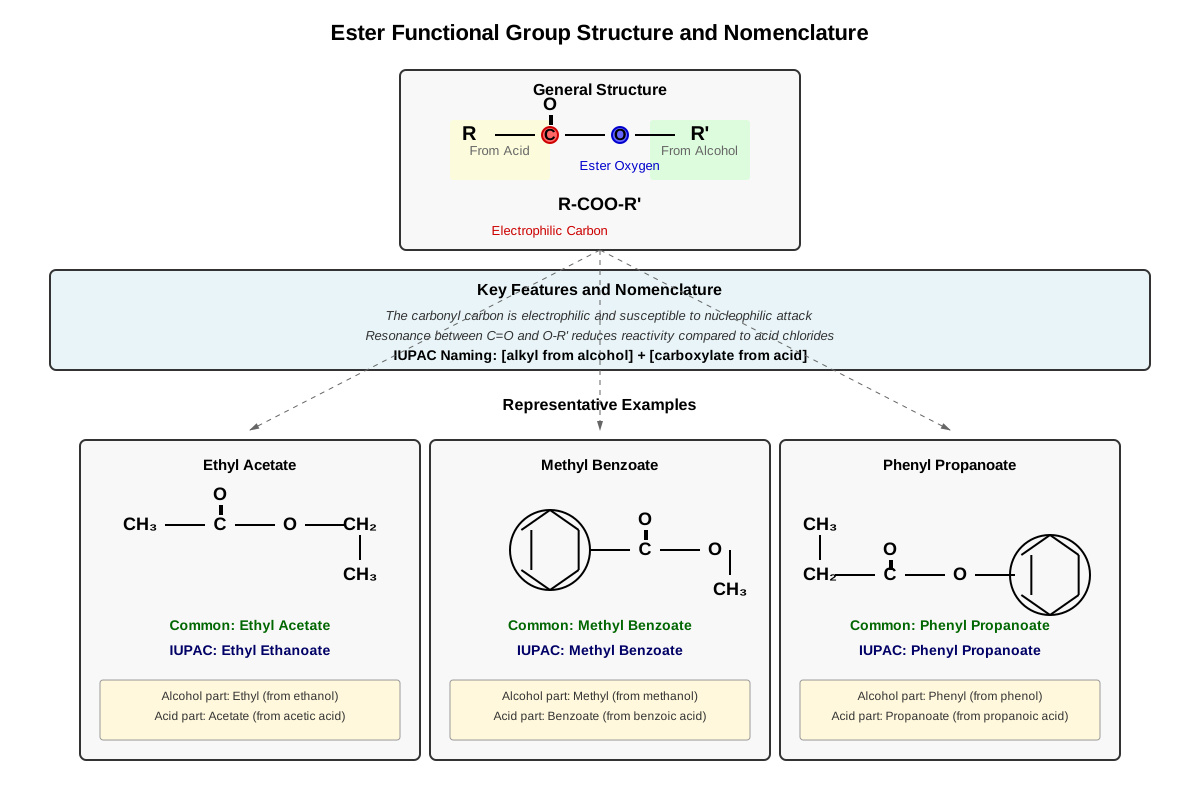
Esters contain a carbonyl carbon bonded to an oxygen atom that connects to an alkyl or aryl group, with the general formula RCOOR'. The ester functional group consists of the -COO- linkage, where the carbonyl carbon is sp² hybridized with trigonal planar geometry. The carbon-oxygen double bond exhibits partial double-bond character throughout the C-O-C system due to resonance, where the lone pair on the single-bonded oxygen can delocalize into the carbonyl π* orbital. This resonance stabilization makes esters less electrophilic than aldehydes, ketones, or acid chlorides.
Nomenclature follows a two-part system: the alkyl group attached to the single-bonded oxygen is named first, followed by the carboxylate portion (derived from the carboxylic acid) with the suffix "-oate." For example, CH₃COOCH₂CH₃ is ethyl acetate (or ethyl ethanoate in IUPAC nomenclature). The carboxylate portion is named by replacing the "-ic acid" ending of the parent carboxylic acid with "-ate." Common examples include methyl formate (HCOOCH₃), propyl butanoate (CH₃CH₂CH₂COOCH₂CH₂CH₃), and phenyl benzoate (C₆H₅COOC₆H₅).
Physical Properties
Esters exhibit distinctive physical properties that distinguish them from their parent carboxylic acids and alcohols. Unlike carboxylic acids, esters cannot form intermolecular hydrogen bonds with themselves because they lack an O-H or N-H bond. However, they can act as hydrogen bond acceptors through their carbonyl oxygen. This results in boiling points intermediate between hydrocarbons of similar molecular weight and alcohols or carboxylic acids. For example, ethyl acetate (MW = 88) has a boiling point of 77°C, compared to butanoic acid (MW = 88, bp = 164°C) and pentane (MW = 72, bp = 36°C).
Many low-molecular-weight esters are volatile liquids with pleasant, fruity odors, making them common components of natural flavors and fragrances. Ethyl butanoate smells like pineapple, pentyl acetate like banana, and octyl acetate like orange. This property frequently appears in MCAT passages discussing natural products or flavor chemistry. Esters are generally less soluble in water than comparable carboxylic acids or alcohols due to their inability to donate hydrogen bonds, though small esters retain some water solubility through hydrogen bond acceptance.
Ester Formation: Fischer Esterification
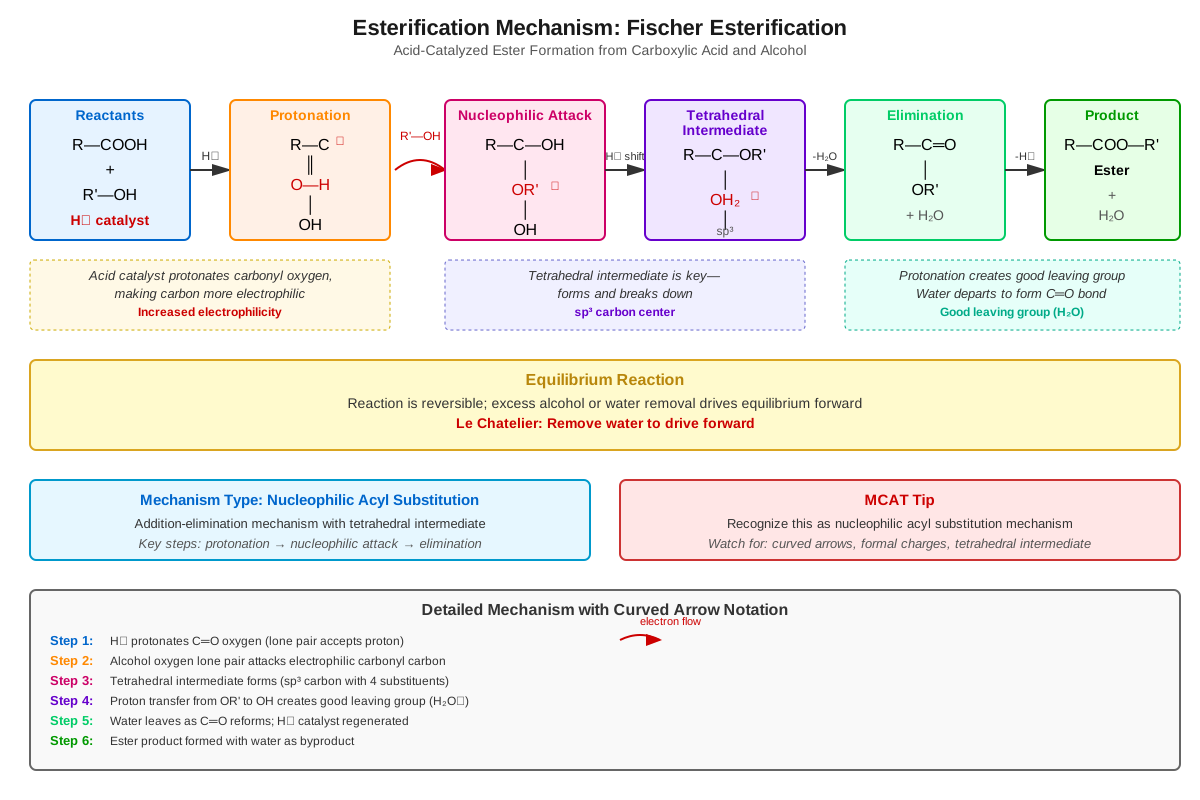
Fischer esterification is the acid-catalyzed reaction between a carboxylic acid and an alcohol to form an ester and water. This reaction represents a classic example of nucleophilic acyl substitution and is reversible, reaching equilibrium rather than going to completion. The mechanism proceeds through several key steps:
- Protonation of the carbonyl oxygen by the acid catalyst (typically H₂SO₄ or HCl) increases the electrophilicity of the carbonyl carbon
- Nucleophilic attack by the alcohol oxygen on the carbonyl carbon forms a tetrahedral intermediate
- Proton transfer within the tetrahedral intermediate
- Elimination of water as the leaving group regenerates the carbonyl, forming the ester
- Deprotonation of the ester oxygen returns the acid catalyst
The equilibrium can be driven toward ester formation by using excess alcohol, removing water as it forms (Le Chatelier's principle), or using a Dean-Stark apparatus. For MCAT purposes, recognizing that Fischer esterification requires acid catalysis and produces water as a byproduct is essential. The reaction does not proceed under basic conditions because the carboxylic acid would be deprotonated to form a carboxylate anion, which is not electrophilic.
Ester Hydrolysis: Acidic and Basic Conditions
Ester hydrolysis reverses esterification, breaking the ester into a carboxylic acid (or carboxylate) and an alcohol. The mechanism and products differ significantly depending on whether acidic or basic conditions are used—a distinction frequently tested on the MCAT.
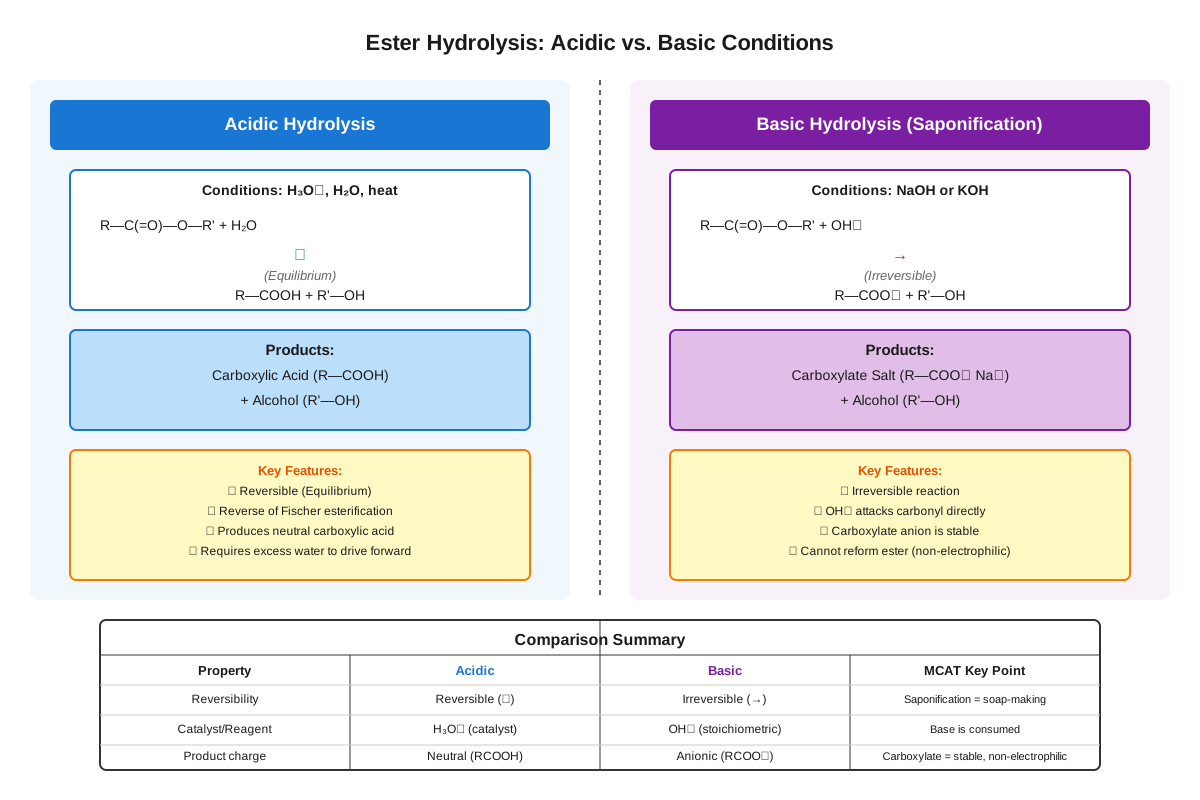
Acid-catalyzed hydrolysis is simply the reverse of Fischer esterification. The mechanism involves protonation of the carbonyl oxygen, nucleophilic attack by water, proton transfers, and elimination of the alcohol. This reaction is reversible and reaches equilibrium. Excess water drives the equilibrium toward hydrolysis products. The products are the carboxylic acid and alcohol.
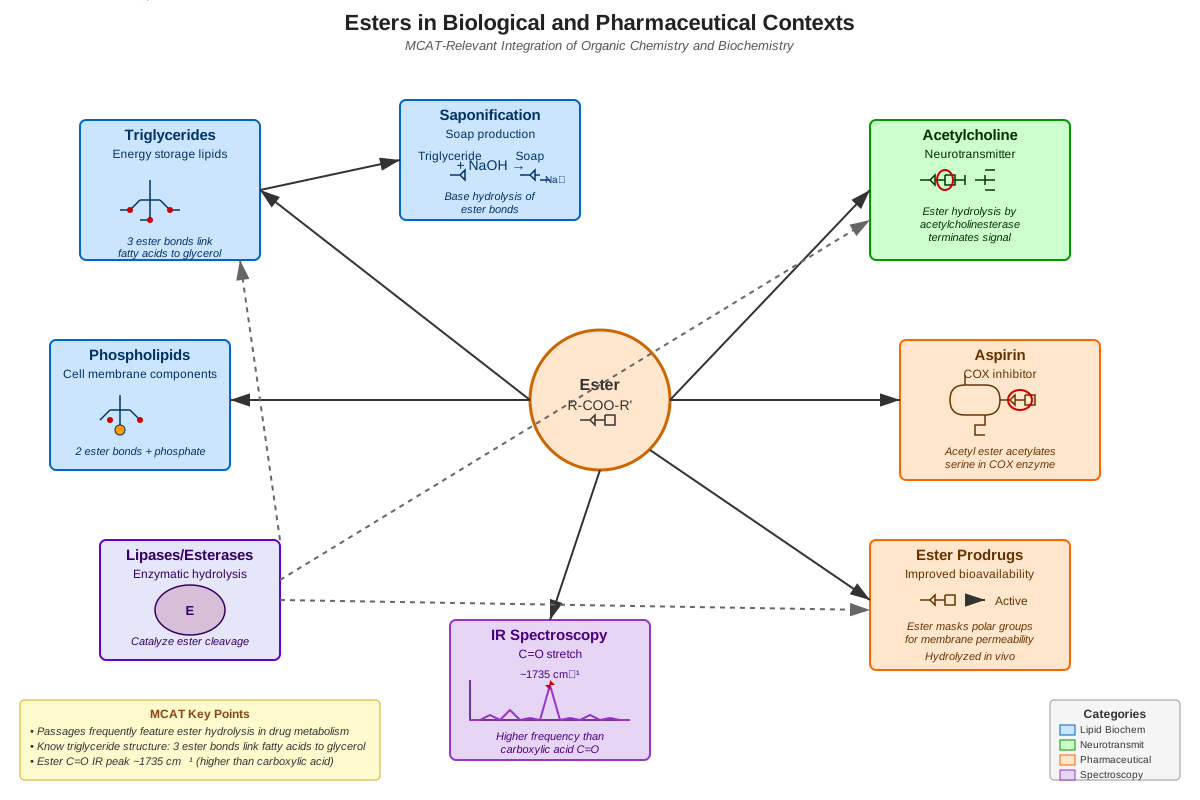
Base-promoted hydrolysis (saponification) proceeds through a different mechanism and is irreversible. Hydroxide ion acts as a nucleophile, attacking the carbonyl carbon to form a tetrahedral intermediate. The alkoxide leaving group is expelled, regenerating the carbonyl. The resulting carboxylic acid is immediately deprotonated by the basic conditions to form a carboxylate salt, which cannot react further. This irreversibility makes saponification go to completion, unlike acid-catalyzed hydrolysis. The term saponification specifically refers to the base-promoted hydrolysis of esters, particularly fats and oils (triglycerides), to produce soap (fatty acid salts) and glycerol.
| Condition | Mechanism Type | Reversibility | Products | Catalyst/Reagent |
|---|---|---|---|---|
| Acidic | Nucleophilic acyl substitution | Reversible | RCOOH + R'OH | H₂SO₄, HCl, H₃O⁺ |
| Basic | Nucleophilic acyl substitution | Irreversible | RCOO⁻ + R'OH | NaOH, KOH, OH⁻ |
Transesterification
Transesterification involves exchanging the alkoxy group of an ester with another alcohol, effectively converting one ester into another. This reaction can be catalyzed by either acid or base and proceeds through mechanisms analogous to esterification and hydrolysis. The alcohol acts as both nucleophile and leaving group in different molecules. Transesterification is important in biodiesel production, where triglycerides (triesters) react with methanol to form fatty acid methyl esters. For the MCAT, recognizing that transesterification requires a catalyst and produces a new ester plus a different alcohol is sufficient.
Reactivity of Esters Compared to Other Carbonyl Compounds
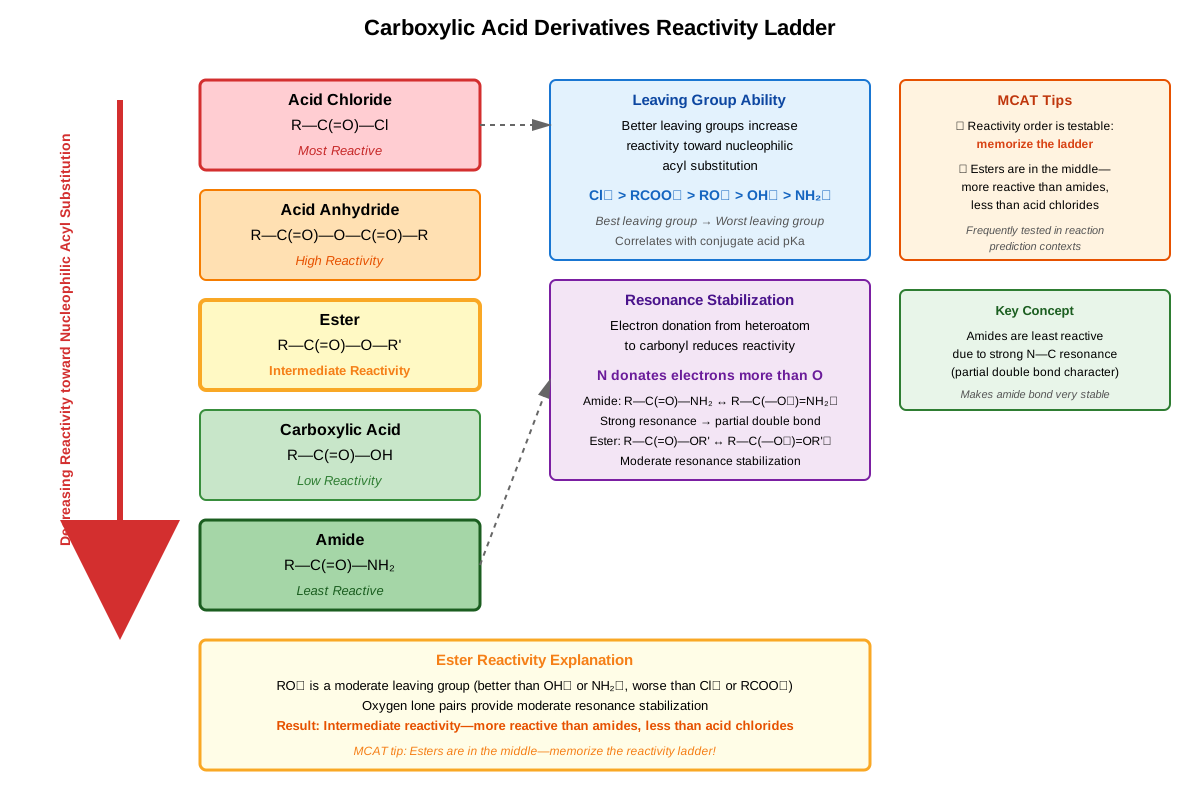
Understanding the relative reactivity of carboxylic acid derivatives is high-yield for the MCAT. The reactivity order for nucleophilic acyl substitution is:
Acid chlorides > Anhydrides > Esters > Amides
This order reflects the stability of the leaving group and the degree of resonance stabilization. Esters are less reactive than acid chlorides and anhydrides because the alkoxy leaving group (RO⁻) is a stronger base and therefore poorer leaving group than chloride (Cl⁻) or carboxylate (RCOO⁻). However, esters are more reactive than amides because oxygen is more electronegative than nitrogen, making the carbonyl carbon more electrophilic in esters. Additionally, nitrogen's lone pair provides stronger resonance stabilization in amides than oxygen's lone pair in esters.
This reactivity hierarchy explains why acid chlorides can convert to esters, anhydrides, or amides, but esters cannot directly convert to acid chlorides without special reagents. For MCAT passages, this concept frequently appears when comparing synthetic routes or predicting reaction outcomes.
Spectroscopic Identification of Esters
Infrared (IR) spectroscopy provides the most straightforward method for identifying esters. The ester carbonyl produces a strong, sharp absorption at 1735 cm⁻¹, slightly lower than ketone or aldehyde carbonyls (1715 cm⁻¹) due to resonance effects. Esters also show strong C-O stretches at 1000-1300 cm⁻¹. Notably, esters lack the broad O-H stretch (2500-3300 cm⁻¹) characteristic of carboxylic acids, allowing clear differentiation.
Proton NMR (¹H-NMR) shows characteristic signals for ester protons. The protons on the carbon adjacent to the single-bonded oxygen (O-CH₂- or O-CH₃) appear downfield at 3.7-4.1 ppm due to the electron-withdrawing effect of oxygen. Protons alpha to the carbonyl carbon appear at 2.0-2.5 ppm. These chemical shifts help identify ester functional groups in unknown structures.
Carbon-13 NMR (¹³C-NMR) shows the carbonyl carbon at 160-180 ppm, the most downfield region of typical organic compounds. The carbon bonded to the single-bonded oxygen appears at 50-80 ppm. While less commonly tested than IR, ¹³C-NMR can confirm ester presence in MCAT passages involving structure determination.
Biological Importance of Esters
Esters play crucial roles in biochemistry, making them frequent subjects of MCAT passages. Triglycerides (triacylglycerols) are triesters of glycerol and three fatty acids, serving as the primary energy storage molecules in adipose tissue. Lipases catalyze the hydrolysis of triglycerides to release fatty acids for β-oxidation. Phospholipids contain ester linkages between glycerol and fatty acids, forming the structural basis of cell membranes.
Acetylcholine, a neurotransmitter, is an ester of acetic acid and choline. The enzyme acetylcholinesterase rapidly hydrolyzes acetylcholine in the synaptic cleft, terminating nerve signals. Organophosphate pesticides and nerve agents inhibit acetylcholinesterase, causing acetylcholine accumulation and continuous nerve stimulation—a mechanism frequently tested in MCAT biochemistry passages.
Aspirin (acetylsalicylic acid) contains an ester functional group that acetylates (transfers an acetyl group to) serine residues in cyclooxygenase enzymes, irreversibly inhibiting prostaglandin synthesis. This mechanism explains aspirin's anti-inflammatory, analgesic, and antiplatelet effects. Many other drugs are administered as ester prodrugs, where the ester is hydrolyzed by esterases in the body to release the active drug, improving bioavailability or targeting specific tissues.
Quick check — test yourself on Esters so far.
Try Flashcards →Concept Relationships
The chemistry of esters is deeply interconnected with multiple organic chemistry concepts, forming a web of relationships essential for MCAT mastery. Esters derive from carboxylic acids, their parent compounds, through Fischer esterification. This connection means that understanding carboxylic acid structure, acidity, and reactivity provides the foundation for predicting ester behavior. The carbonyl group serves as the reactive center in esters, linking this topic to broader carbonyl chemistry including aldehydes, ketones, and other carboxylic acid derivatives.
Nucleophilic acyl substitution mechanisms unify ester chemistry with acid chlorides, anhydrides, and amides. All these functional groups react through formation of tetrahedral intermediates, with differences in reactivity explained by leaving group stability. This mechanistic similarity allows students to apply a single conceptual framework across multiple functional groups rather than memorizing isolated reactions.
Acid-base chemistry permeates ester reactions. Fischer esterification requires acid catalysis to protonate the carbonyl oxygen, increasing electrophilicity. Saponification depends on hydroxide acting as a strong nucleophile and base. Understanding protonation states and pKa values enables prediction of reaction conditions and mechanisms. The resonance stabilization in esters, where oxygen's lone pair delocalizes into the carbonyl π system, connects to broader concepts of electron delocalization and explains reduced reactivity compared to ketones.
Spectroscopy provides the analytical bridge between structure and identification. IR spectroscopy of esters connects to general principles of molecular vibrations and functional group frequencies. NMR chemical shifts reflect electron density and shielding effects, concepts applicable across all organic molecules. The relationship map flows as: Carboxylic acids → Esterification → Esters → Hydrolysis → Carboxylic acids + Alcohols, with Spectroscopy and Mechanism as parallel analytical and mechanistic frameworks supporting each transformation. Biochemistry applications (triglycerides, acetylcholine, aspirin) represent real-world manifestations of these fundamental chemical principles.
High-Yield Facts
⭐ Esters have the general structure RCOOR' with a carbonyl bonded to an alkoxy group
⭐ Fischer esterification (acid-catalyzed) is reversible; saponification (base-promoted) is irreversible
⭐ Ester reactivity order: Acid chlorides > Anhydrides > Esters > Amides
⭐ Ester carbonyl appears at ~1735 cm⁻¹ in IR spectroscopy, lacking the broad O-H of carboxylic acids
⭐ Saponification produces a carboxylate salt and alcohol; acid hydrolysis produces carboxylic acid and alcohol
- Esters cannot form hydrogen bonds with themselves but can accept hydrogen bonds
- Ester nomenclature: alkyl group (from alcohol) + carboxylate name (from acid with -ate ending)
- Low-molecular-weight esters have pleasant, fruity odors
- Triglycerides are triesters of glycerol and fatty acids, serving as energy storage molecules
- Acetylcholine is an ester neurotransmitter hydrolyzed by acetylcholinesterase
- Aspirin contains an ester group that acetylates cyclooxygenase enzymes
- Transesterification exchanges the alkoxy group of an ester with another alcohol
- Resonance delocalization of oxygen's lone pair into the carbonyl reduces ester electrophilicity
- Ester protons adjacent to the single-bonded oxygen appear at 3.7-4.1 ppm in ¹H-NMR
- Base-promoted ester hydrolysis requires stoichiometric base, not just catalytic amounts
Common Misconceptions
Misconception: Esters can undergo Fischer esterification under basic conditions.
Correction: Fischer esterification requires acid catalysis. Under basic conditions, carboxylic acids are deprotonated to carboxylate anions, which are not electrophilic and cannot undergo nucleophilic acyl substitution. Base promotes hydrolysis (saponification), not esterification.
Misconception: Acid-catalyzed ester hydrolysis and base-promoted hydrolysis produce the same products.
Correction: Acid hydrolysis produces a carboxylic acid (RCOOH) and alcohol, while base hydrolysis produces a carboxylate salt (RCOO⁻) and alcohol. The carboxylate salt formation in basic conditions makes saponification irreversible, whereas acid hydrolysis is reversible.
Misconception: Esters are more reactive than ketones toward nucleophiles because they have a leaving group.
Correction: While esters can undergo substitution (unlike ketones which undergo addition), the resonance donation from the alkoxy oxygen makes the ester carbonyl less electrophilic than a ketone carbonyl. Esters react more slowly with nucleophiles than ketones in addition reactions but can undergo substitution that ketones cannot.
Misconception: The ester carbonyl appears at the same IR frequency as carboxylic acid carbonyls.
Correction: Ester carbonyls absorb at ~1735 cm⁻¹, while carboxylic acid carbonyls appear at ~1710 cm⁻¹. More importantly, carboxylic acids show a characteristic broad O-H stretch (2500-3300 cm⁻¹) that esters completely lack, making differentiation straightforward.
Misconception: Saponification only requires catalytic amounts of base.
Correction: Saponification requires stoichiometric (not catalytic) amounts of base because the hydroxide is consumed in the reaction. One equivalent of base is needed per ester group to deprotonate the carboxylic acid product, forming the carboxylate salt and driving the reaction to completion.
Misconception: All esters have pleasant odors.
Correction: While many low-molecular-weight esters have fruity, pleasant odors, this is not universal. Larger, more complex esters may be odorless or have unpleasant smells. The fruity odor property is most characteristic of simple alkyl esters with 2-8 carbons.
Misconception: Esters can be directly converted to acid chlorides by treatment with chloride ions.
Correction: Esters cannot be directly converted to acid chlorides because chloride is a better leaving group than alkoxide. The reaction would be thermodynamically unfavorable. Converting esters to acid chlorides requires special reagents like thionyl chloride (SOCl₂) or oxalyl chloride, typically after first hydrolyzing the ester to the carboxylic acid.
Worked Examples
Example 1: Predicting Products of Ester Hydrolysis
Question: An unknown ester with molecular formula C₅H₁₀O₂ is treated with aqueous sodium hydroxide and heated. After acidification of the reaction mixture, two products are isolated: propanoic acid and ethanol. What is the structure of the original ester, and what is the mechanism classification?
Solution:
Step 1: Identify the reaction type. Treatment with aqueous NaOH followed by heating indicates base-promoted hydrolysis (saponification). The acidification step converts the carboxylate salt to the carboxylic acid.
Step 2: Work backward from products. Propanoic acid (CH₃CH₂COOH) provides the acyl portion of the ester, and ethanol (CH₃CH₂OH) provides the alkoxy portion.
Step 3: Reconstruct the ester. The ester must be ethyl propanoate: CH₃CH₂COOCH₂CH₃
Step 4: Verify molecular formula. C₅H₁₀O₂ matches: 5 carbons (2 from ethyl + 3 from propanoyl), 10 hydrogens, 2 oxygens.
Step 5: Mechanism classification. This is nucleophilic acyl substitution. The hydroxide ion attacks the carbonyl carbon, forming a tetrahedral intermediate. The ethoxide leaving group is expelled, and the resulting propanoic acid is immediately deprotonated to sodium propanoate. Acidification in workup regenerates propanoic acid.
Key concept: Base-promoted hydrolysis is irreversible because the carboxylate product cannot undergo nucleophilic attack. This connects to Learning Objective: Apply Esters to exam-style questions.
Example 2: Comparing Ester Reactivity
Question: A biochemistry passage describes three compounds: acetyl chloride, ethyl acetate, and acetamide. All three contain an acetyl group (CH₃CO-) bonded to different leaving groups. Rank these compounds in order of reactivity toward nucleophilic attack by water, and explain the ranking using resonance and leaving group arguments.
Solution:
Step 1: Identify the leaving groups. Acetyl chloride has Cl⁻ as the leaving group, ethyl acetate has CH₃CH₂O⁻ (ethoxide), and acetamide has NH₂⁻ (amide ion).
Step 2: Evaluate leaving group ability. Better leaving groups are weaker bases. The conjugate acid pKa values indicate base strength:
- HCl: pKa ≈ -7 (Cl⁻ is a very weak base, excellent leaving group)
- CH₃CH₂OH: pKa ≈ 16 (ethoxide is a moderate base, moderate leaving group)
- NH₃: pKa ≈ 38 (amide ion is a very strong base, poor leaving group)
Step 3: Consider resonance effects. In acetamide, nitrogen's lone pair strongly delocalizes into the carbonyl, creating significant resonance stabilization and reducing carbonyl electrophilicity. In ethyl acetate, oxygen's lone pair provides moderate resonance donation. In acetyl chloride, chlorine's lone pair is less effective at resonance donation due to poor orbital overlap (3p-2p).
Step 4: Rank reactivity. Acetyl chloride > ethyl acetate > acetamide
Step 5: Explain for MCAT context. Acetyl chloride reacts fastest because chloride is an excellent leaving group and provides minimal resonance stabilization. Ethyl acetate is intermediate because ethoxide is a moderate leaving group with moderate resonance donation. Acetamide is least reactive because the amide ion is a terrible leaving group and strong N-C resonance significantly reduces carbonyl electrophilicity.
Key concept: This reactivity order explains why acid chlorides can be converted to esters and amides, but not vice versa under normal conditions. This connects to Learning Objectives: Connect Esters to related Organic Chemistry concepts and Compare reactivity of esters with other carboxylic acid derivatives.
Exam Strategy
When approaching MCAT questions on esters, begin by identifying the functional group and the reaction conditions presented. The exam frequently tests whether students can distinguish between acid-catalyzed and base-promoted conditions, as these lead to different mechanisms and products. Trigger words to watch for include "acidic conditions," "H₂SO₄," or "H₃O⁺" (indicating Fischer esterification or reversible hydrolysis) versus "NaOH," "KOH," or "basic conditions" (indicating irreversible saponification).
Process-of-elimination strategies are particularly effective for ester questions. If a question asks about ester hydrolysis products and one answer choice shows a carboxylate salt while another shows a carboxylic acid, immediately check the reaction conditions: base produces the salt, acid produces the carboxylic acid. If asked to compare reactivity of carbonyl compounds, eliminate any answer that places amides as more reactive than esters or esters as more reactive than acid chlorides—the reactivity order is highly testable and invariant.
For spectroscopy questions, use the ester carbonyl IR frequency (~1735 cm⁻¹) and the absence of broad O-H stretch to distinguish esters from carboxylic acids. If a passage provides IR data showing a carbonyl peak but no O-H stretch, ester should be high on the list of possibilities (along with ketones, which appear at ~1715 cm⁻¹). In NMR questions, look for the characteristic 3.7-4.1 ppm signal of protons adjacent to the ester oxygen.
Time allocation for ester questions should follow standard MCAT pacing: 1-1.5 minutes for discrete questions, 1.5-2 minutes for passage-based questions. Mechanism questions may require slightly more time to trace electron movement, but avoid getting bogged down in drawing complete mechanisms unless explicitly asked. The MCAT typically tests mechanistic understanding conceptually (e.g., "What is the role of the acid catalyst?") rather than requiring full curved-arrow mechanisms.
When passages describe biological esters (triglycerides, acetylcholine, aspirin), connect the chemistry to the biological function. For example, if a passage discusses lipase enzymes, recognize that these catalyze ester hydrolysis of triglycerides. If acetylcholinesterase is mentioned, understand that it hydrolyzes the ester bond in acetylcholine. These connections between structure and function are high-yield for MCAT passages that integrate organic chemistry with biochemistry or physiology.
Memory Techniques
Mnemonic for Carboxylic Acid Derivative Reactivity: "All Ants Eat Apples" represents the reactivity order: Acid chlorides > Anhydrides > Esters > Amides. The most reactive (acid chlorides) comes first, the least reactive (amides) comes last.
Mnemonic for Ester Hydrolysis Products: "Acid gives Acid, Base gives Base" (sort of). Acidic hydrolysis produces carboxylic acid (RCOOH), while basic hydrolysis produces the carboxylate salt (the conjugate base, RCOO⁻). Both produce alcohol.
Visualization for Fischer Esterification: Picture a carboxylic acid and alcohol "holding hands" through their oxygen atoms, with water being "squeezed out" between them. The acid catalyst acts as a "matchmaker" by making the carbonyl carbon more attractive (electrophilic) to the alcohol's oxygen nucleophile.
Acronym for Ester Spectroscopy: "COIN" helps remember key ester spectroscopic features:
- Carbonyl at 1735 cm⁻¹ (IR)
- O-CH protons at 3.7-4.1 ppm (¹H-NMR)
- Inability to donate H-bonds (physical properties)
- No broad O-H stretch (distinguishes from carboxylic acids)
Memory aid for Saponification: The term "saponification" comes from "sapo" (Latin for soap). Visualize soap-making: triglycerides (fats) + base → soap (fatty acid salts) + glycerol. This irreversible process requires stoichiometric base because the base is consumed, not just catalytic. The "soap" product (carboxylate salt) cannot react backward, making the reaction irreversible.
Resonance visualization: Draw the ester with the oxygen's lone pair "reaching toward" the carbonyl carbon, creating a partial double bond between O and C. This electron donation makes the carbonyl carbon "less hungry" for nucleophiles compared to ketones or aldehydes, explaining reduced reactivity.
Summary
Esters represent a crucial class of carboxylic acid derivatives characterized by the RCOOR' structure, where a carbonyl group is bonded to an alkoxy group. Their chemistry centers on nucleophilic acyl substitution reactions, particularly esterification (formation from carboxylic acids and alcohols under acidic conditions) and hydrolysis (breakdown to carboxylic acids or carboxylate salts and alcohols). The key distinction between acid-catalyzed hydrolysis (reversible, produces carboxylic acid) and base-promoted hydrolysis/saponification (irreversible, produces carboxylate salt) is fundamental for MCAT success. Esters occupy the middle position in the reactivity hierarchy of carboxylic acid derivatives—more reactive than amides but less reactive than acid chlorides and anhydrides—due to moderate leaving group ability and resonance stabilization. Spectroscopically, esters are identified by their characteristic carbonyl stretch at 1735 cm⁻¹ in IR and the absence of the broad O-H stretch that characterizes carboxylic acids. Biologically, esters appear in triglycerides (energy storage), phospholipids (membrane structure), acetylcholine (neurotransmission), and numerous pharmaceuticals including aspirin. Mastery of ester chemistry requires understanding mechanisms, predicting products based on reaction conditions, comparing reactivity across functional groups, and connecting chemical principles to biological contexts—all skills directly tested on the MCAT.
Key Takeaways
- Esters (RCOOR') form through Fischer esterification (acid-catalyzed, reversible) and break down through hydrolysis (acid: reversible, produces RCOOH; base: irreversible, produces RCOO⁻)
- The reactivity order for nucleophilic acyl substitution is: acid chlorides > anhydrides > esters > amides, based on leaving group ability and resonance stabilization
- Ester carbonyl appears at ~1735 cm⁻¹ in IR spectroscopy with no broad O-H stretch, distinguishing them from carboxylic acids
- Saponification (base-promoted hydrolysis) is irreversible because it requires stoichiometric base and produces a carboxylate salt that cannot undergo nucleophilic attack
- Biological esters include triglycerides (energy storage), acetylcholine (neurotransmitter), and aspirin (anti-inflammatory), making them frequent subjects of MCAT biochemistry passages
- Esters cannot form hydrogen bonds with themselves but can accept hydrogen bonds, resulting in boiling points intermediate between hydrocarbons and alcohols
- Understanding ester mechanisms and reactivity enables prediction of products, comparison with other carbonyl compounds, and application to biological contexts—all high-yield MCAT skills
Related Topics
Carboxylic Acids: The parent compounds from which esters derive; mastering carboxylic acid structure, acidity, and reactivity provides the foundation for understanding ester formation and properties. Study carboxylic acid nomenclature, hydrogen bonding, and acidity trends.
Acid Chlorides and Anhydrides: More reactive carboxylic acid derivatives that can be converted to esters; understanding their enhanced reactivity clarifies the reactivity hierarchy and synthetic strategies. Focus on their formation, reactions, and comparison with esters.
Amides: Less reactive carboxylic acid derivatives that help complete the reactivity spectrum; amide resonance stabilization and biological importance (peptide bonds) connect to ester chemistry. Study amide formation, hydrolysis, and the peptide bond.
Nucleophilic Acyl Substitution Mechanisms: The general mechanistic framework that unifies all carboxylic acid derivative reactions; mastering tetrahedral intermediate formation and leaving group departure enables prediction of ester reactivity. Focus on mechanism steps, catalysis, and factors affecting reactivity.
Lipid Biochemistry: Triglycerides, phospholipids, and waxes all contain ester linkages; understanding their structure and metabolism connects organic chemistry to biochemistry. Study lipid classification, fatty acid structure, and lipase-catalyzed hydrolysis.
Spectroscopy: IR, NMR, and mass spectrometry techniques for identifying functional groups including esters; spectroscopic analysis is essential for structure determination questions. Focus on characteristic frequencies, chemical shifts, and fragmentation patterns.
Practice CTA
Now that you've mastered the core concepts of ester chemistry, it's time to solidify your understanding through active practice. Attempt the practice questions and flashcards associated with this topic to test your ability to apply these concepts under exam conditions. Focus particularly on distinguishing between acidic and basic hydrolysis conditions, predicting products, and comparing ester reactivity with other carbonyl compounds. Remember that the MCAT rewards conceptual understanding over memorization—use practice questions to identify gaps in your mechanistic reasoning and connections to biological contexts. Each practice problem you work through strengthens your ability to tackle novel scenarios on test day. You've built a strong foundation; now reinforce it through deliberate practice!
Sign up free to keep reading
Create a free AnvayaPrep account to finish this MCAT guide on Esters — plus flashcards and practice questions.