Overview
Metabolic pathways overview represents one of the foundational pillars of Biochemistry tested on the MCAT. Understanding how cells extract, transform, and utilize energy through interconnected biochemical reactions is essential for success on the Chemical and Physical Foundations of Biological Systems section. Metabolism encompasses all chemical reactions occurring within living organisms, divided into catabolic pathways (breaking down molecules to release energy) and anabolic pathways (building complex molecules using energy). The MCAT frequently tests students' ability to recognize how these pathways interconnect, identify rate-limiting enzymes, understand regulatory mechanisms, and predict metabolic consequences of enzyme deficiencies or hormonal changes.
Mastering metabolic pathways overview Biochemistry provides the conceptual framework necessary to understand specific pathways like glycolysis, the citric acid cycle, oxidative phosphorylation, gluconeogenesis, fatty acid metabolism, and amino acid catabolism. Rather than memorizing isolated reactions, successful MCAT students recognize recurring themes: the role of ATP as cellular energy currency, the importance of electron carriers (NAD+, FAD), the strategic placement of irreversible reactions for pathway regulation, and the integration of metabolic pathways through shared intermediates. This integrative understanding allows students to tackle complex passage-based questions that require applying metabolic principles to novel scenarios, such as predicting the effects of pharmaceutical interventions or understanding disease states.
The metabolic pathways overview MCAT content bridges multiple disciplines tested on the exam. Metabolic concepts connect directly to cell biology (mitochondrial function, membrane transport), physiology (hormonal regulation of metabolism, fed versus fasted states), genetics (inborn errors of metabolism), and even organic chemistry (reaction mechanisms, functional group transformations). Questions may appear as discrete items testing specific facts, but more commonly emerge within passages describing experimental manipulations of metabolic enzymes, clinical presentations of metabolic disorders, or evolutionary adaptations in energy metabolism. Understanding the big picture of how pathways interconnect enables students to navigate these complex scenarios efficiently.
Learning Objectives
- [ ] Define metabolic pathways overview using accurate Biochemistry terminology
- [ ] Explain why metabolic pathways overview matters for the MCAT
- [ ] Apply metabolic pathways overview to exam-style questions
- [ ] Identify common mistakes related to metabolic pathways overview
- [ ] Connect metabolic pathways overview to related Biochemistry concepts
- [ ] Distinguish between catabolic and anabolic pathways and identify examples of each
- [ ] Explain the role of ATP, NAD+/NADH, and FAD/FADH₂ in metabolic energy transfer
- [ ] Predict the metabolic consequences of hormonal signals (insulin, glucagon, epinephrine) on major pathways
- [ ] Identify the cellular compartmentalization of major metabolic pathways
Prerequisites
- Basic enzyme kinetics and regulation: Understanding how enzymes catalyze reactions and respond to allosteric regulation is essential for comprehending pathway control mechanisms
- Cellular structure and organelles: Knowledge of mitochondrial structure, cytoplasm, and membrane systems is necessary since metabolic pathways are compartmentalized
- Basic organic chemistry functional groups: Recognizing carbonyl groups, carboxylic acids, alcohols, and amines helps predict reaction types in metabolic transformations
- Thermodynamics fundamentals: Understanding free energy (ΔG), spontaneous versus non-spontaneous reactions, and coupled reactions underlies metabolic energy flow
- Redox reactions: Recognizing oxidation and reduction is critical since many metabolic reactions involve electron transfer
Why This Topic Matters
Clinical and Real-World Significance: Metabolic pathway dysfunction underlies numerous human diseases. Diabetes mellitus results from impaired glucose metabolism regulation, affecting millions worldwide. Inborn errors of metabolism, such as phenylketonuria (PKU) or maple syrup urine disease, demonstrate the consequences of single enzyme deficiencies. Cancer cells exhibit altered metabolism (the Warburg effect), preferring glycolysis even in oxygen-rich environments—a principle exploited in PET scanning. Understanding metabolic integration explains why fasting, exercise, and dietary interventions produce specific physiological effects. Pharmaceutical interventions frequently target metabolic enzymes: statins inhibit cholesterol synthesis, metformin affects glucose metabolism, and aspirin irreversibly inhibits prostaglandin synthesis.
Exam Statistics and Question Types: Metabolic pathways appear in approximately 15-20% of Biochemistry questions on the MCAT. Questions typically fall into several categories: (1) identifying the products or substrates of specific pathways, (2) predicting metabolic shifts in response to hormonal or nutritional changes, (3) analyzing experimental data showing enzyme activity under various conditions, (4) recognizing the cellular location of pathways, and (5) understanding how pathway intermediates connect different metabolic routes. The MCAT rarely asks for rote memorization of every reaction step; instead, it tests conceptual understanding and the ability to apply metabolic principles to novel situations.
Common Passage Contexts: Metabolic pathways overview appears in passages describing: genetic mutations affecting metabolic enzymes and their clinical presentations; experimental manipulations of cell culture conditions (glucose availability, oxygen levels) and resulting metabolic adaptations; comparative metabolism across species or tissue types; pharmaceutical development targeting metabolic enzymes; exercise physiology and fuel utilization during different activity intensities; and nutritional biochemistry examining the metabolic fate of dietary macronutrients. Recognizing these contexts helps students quickly orient themselves to passage content and anticipate question types.
Core Concepts
Defining Metabolism and Metabolic Pathways
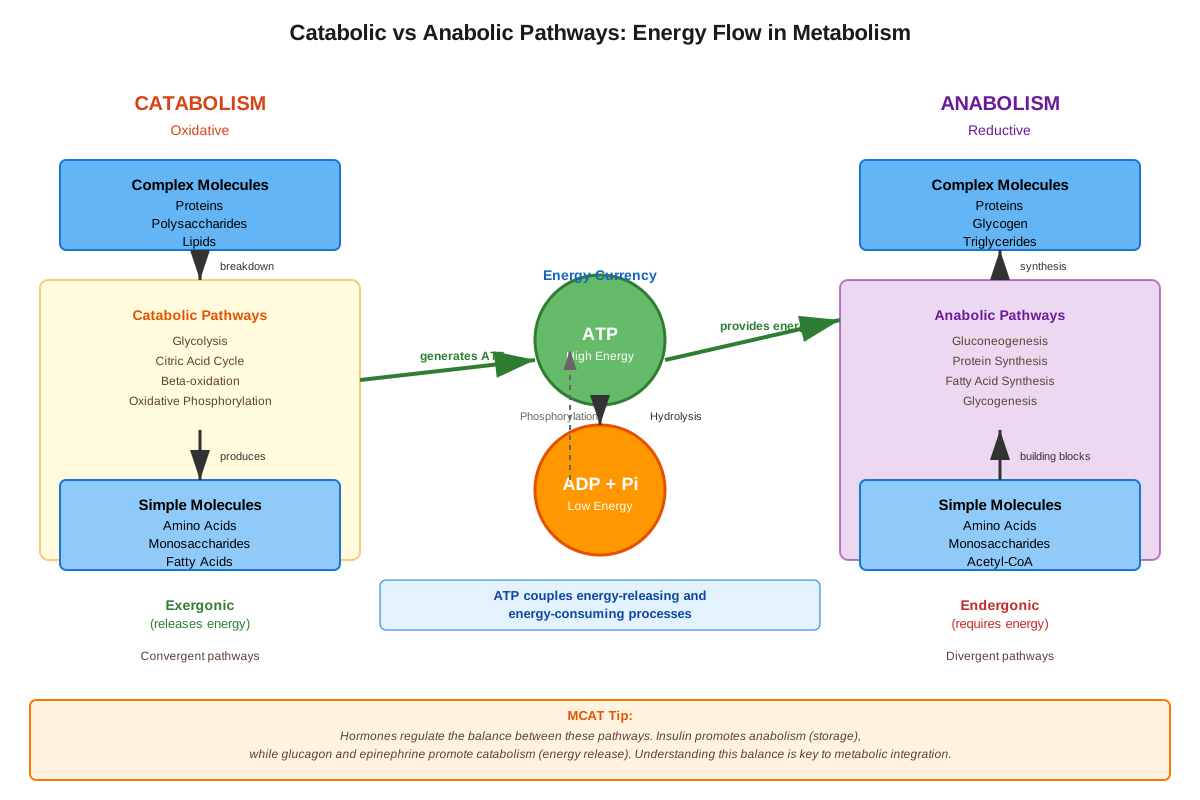
Metabolism refers to the sum of all chemical reactions occurring within a living organism to maintain life. These reactions are organized into metabolic pathways—sequences of enzyme-catalyzed reactions where the product of one reaction becomes the substrate for the next. Metabolic pathways are classified into two major categories:
Catabolic pathways break down complex molecules into simpler ones, releasing energy stored in chemical bonds. This energy is captured primarily as ATP and reduced electron carriers (NADH, FADH₂). Examples include glycolysis (glucose → pyruvate), beta-oxidation (fatty acids → acetyl-CoA), and amino acid catabolism. Catabolic reactions are generally oxidative and exergonic (release free energy).
Anabolic pathways synthesize complex molecules from simpler precursors, requiring energy input (usually from ATP hydrolysis). Examples include gluconeogenesis (pyruvate → glucose), fatty acid synthesis, protein synthesis, and DNA replication. Anabolic reactions are generally reductive and endergonic (require free energy input).
Energy Currency: ATP and Electron Carriers
Adenosine triphosphate (ATP) serves as the universal energy currency of cells. The hydrolysis of ATP to ADP + Pi releases approximately 7.3 kcal/mol under standard conditions (more under cellular conditions). This energy drives otherwise unfavorable reactions through coupled reactions. Cells maintain ATP homeostasis through continuous regeneration via substrate-level phosphorylation (direct transfer of phosphate to ADP) and oxidative phosphorylation (using the electron transport chain).
Nicotinamide adenine dinucleotide (NAD+/NADH) and flavin adenine dinucleotide (FAD/FADH₂) function as electron carriers. NAD+ accepts two electrons and one proton (becoming NADH) during oxidation reactions in catabolic pathways. NADH then donates these electrons to the electron transport chain, ultimately producing ATP. The NAD+/NADH ratio serves as a cellular indicator of metabolic state: high ratios indicate oxidized conditions favoring catabolism, while low ratios indicate reduced conditions. FAD/FADH₂ operates similarly but at a slightly different reduction potential, entering the electron transport chain at Complex II rather than Complex I.
Major Metabolic Pathways and Their Locations
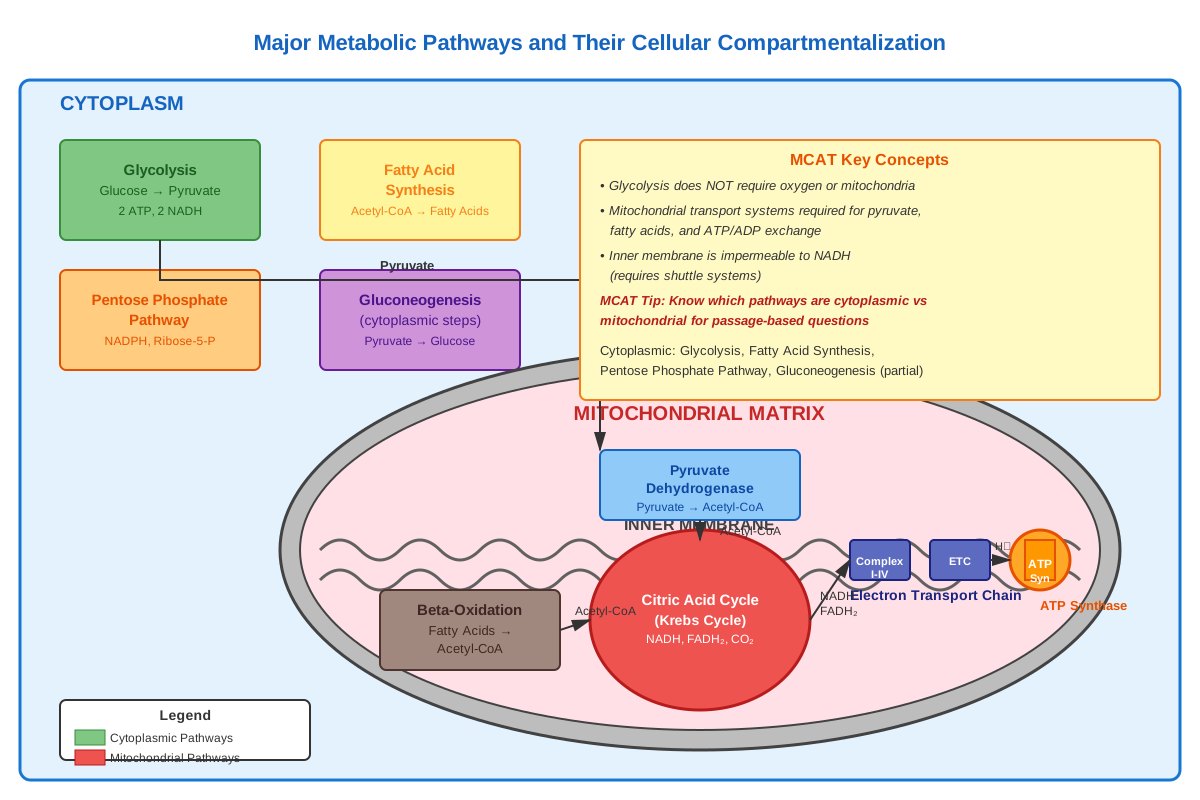
Understanding cellular compartmentalization is crucial for the MCAT:
| Pathway | Location | Primary Function | Net ATP Yield |
|---|---|---|---|
| Glycolysis | Cytoplasm | Glucose → 2 Pyruvate | 2 ATP, 2 NADH |
| Citric Acid Cycle (Krebs Cycle) | Mitochondrial matrix | Acetyl-CoA oxidation | 1 ATP, 3 NADH, 1 FADH₂ per cycle |
| Oxidative Phosphorylation | Inner mitochondrial membrane | NADH/FADH₂ → ATP | ~26-28 ATP per glucose |
| Gluconeogenesis | Cytoplasm and mitochondria | Pyruvate → Glucose | Consumes 6 ATP equivalents |
| Fatty Acid Synthesis | Cytoplasm | Acetyl-CoA → Fatty acids | Consumes ATP and NADPH |
| Beta-Oxidation | Mitochondrial matrix | Fatty acids → Acetyl-CoA | Variable; ~106 ATP per palmitate |
| Pentose Phosphate Pathway | Cytoplasm | NADPH production, ribose-5-phosphate | Produces NADPH |
Pathway Regulation: Control Points and Mechanisms
Metabolic pathways are regulated at multiple levels to respond to cellular energy needs:
Irreversible reactions serve as committed steps and primary control points. These reactions have large negative ΔG values and are catalyzed by regulatory enzymes. For example, phosphofructokinase-1 (PFK-1) catalyzes the committed step of glycolysis, while fructose-1,6-bisphosphatase catalyzes the opposing reaction in gluconeogenesis. These enzymes are reciprocally regulated to prevent futile cycling.
Allosteric regulation provides rapid response to changing metabolite concentrations. High ATP levels inhibit catabolic pathways (negative feedback) while stimulating anabolic pathways. High AMP levels (indicating low energy) activate catabolic pathways. For instance, PFK-1 is allosterically inhibited by ATP and citrate but activated by AMP and ADP.
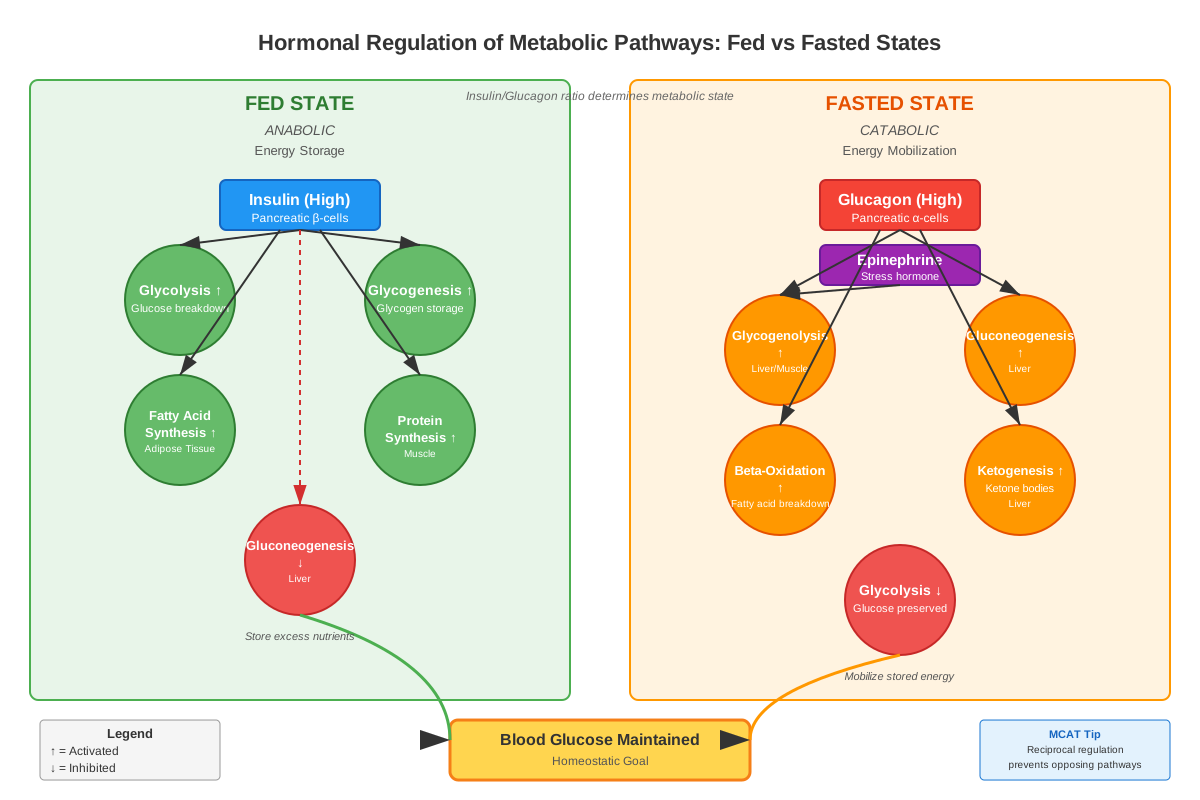
Hormonal regulation coordinates metabolism across tissues. Insulin (released when blood glucose is high) promotes glucose uptake, glycolysis, glycogen synthesis, and fatty acid synthesis while inhibiting gluconeogenesis and glycogenolysis. Glucagon (released when blood glucose is low) has opposite effects, promoting glucose release through glycogenolysis and gluconeogenesis. Epinephrine mobilizes energy stores rapidly during stress, promoting glycogenolysis and lipolysis.
Covalent modification, particularly phosphorylation/dephosphorylation, provides another regulatory layer. Protein kinases add phosphate groups (often activating or inactivating enzymes), while phosphatases remove them. This mechanism allows hormonal signals to be amplified through signaling cascades.
Metabolic Integration and Interconnections
Metabolic pathways do not operate in isolation but form an integrated network. Key integration points include:
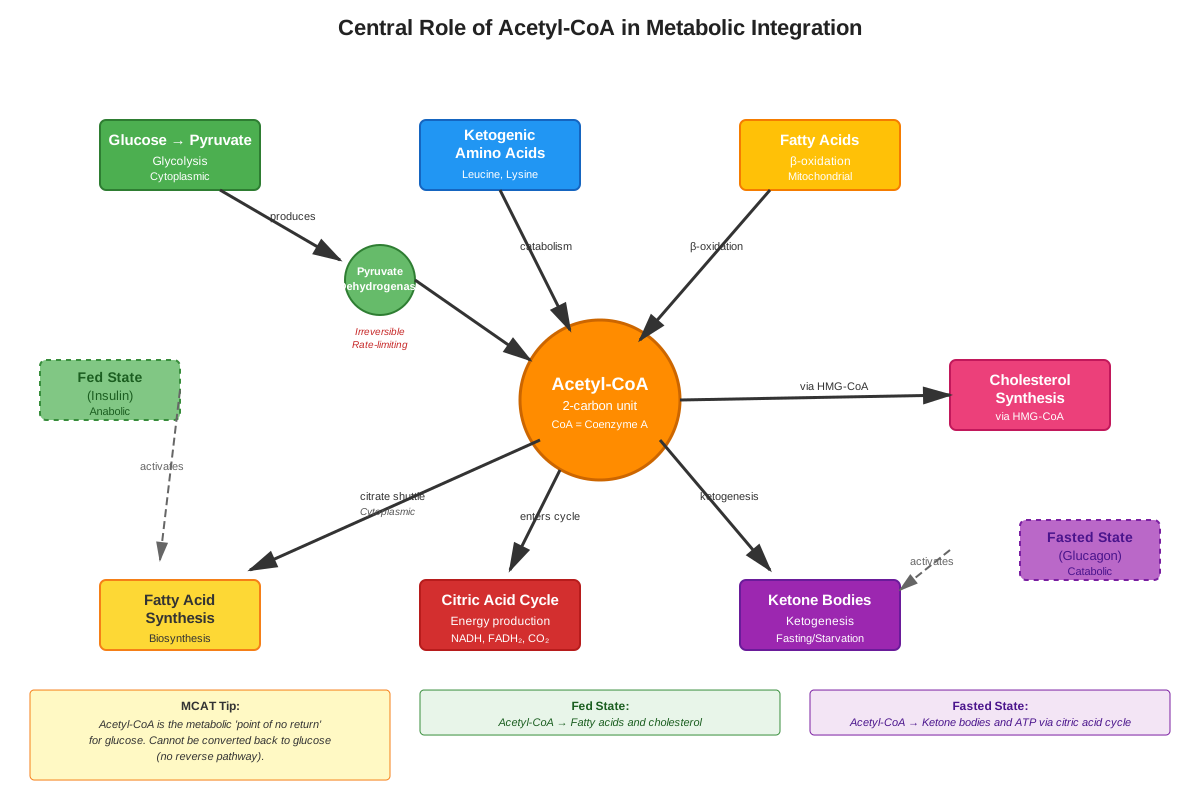
Acetyl-CoA serves as a central metabolic hub, produced from glucose (via pyruvate), fatty acids (via beta-oxidation), and certain amino acids. It enters the citric acid cycle for complete oxidation or serves as a building block for fatty acid and cholesterol synthesis.
Pyruvate stands at a metabolic crossroads: it can be oxidized to acetyl-CoA (aerobic conditions), reduced to lactate (anaerobic conditions), or converted to oxaloacetate for gluconeogenesis.
Amino acids connect to metabolism through their carbon skeletons, which can be converted to citric acid cycle intermediates (glucogenic amino acids) or acetyl-CoA/acetoacetate (ketogenic amino acids).
Fed Versus Fasted States
The fed state (absorptive state) occurs 0-4 hours after eating. Insulin levels are high, promoting:
- Glucose uptake and glycolysis in muscle and adipose tissue
- Glycogen synthesis in liver and muscle
- Fatty acid synthesis and triglyceride storage in adipose tissue
- Protein synthesis
The fasted state (postabsorptive state) occurs 4-12 hours after eating. Glucagon levels rise, promoting:
- Glycogenolysis in liver (muscle glycogen cannot contribute to blood glucose due to lack of glucose-6-phosphatase)
- Gluconeogenesis from lactate, glycerol, and amino acids
- Lipolysis in adipose tissue, releasing fatty acids for beta-oxidation
- Ketone body production in liver during prolonged fasting
Concept Relationships
The concepts within metabolic pathways overview form a hierarchical and interconnected framework. At the foundation lies the distinction between catabolism and anabolism, which determines the overall direction of metabolic flow. This fundamental division connects directly to energy currency molecules (ATP, NADH, FADH₂), which serve as the common language linking all pathways—catabolic pathways produce these molecules while anabolic pathways consume them.
The relationship map flows as follows: Cellular energy state → determines → Regulatory signals (allosteric effectors, hormones) → which control → Rate-limiting enzymes → that govern → Pathway flux → ultimately affecting → Metabolic outcomes (glucose levels, energy availability, biosynthesis capacity).
Compartmentalization intersects with all pathways, as the location of enzymes determines substrate availability and product distribution. For example, fatty acid synthesis occurs in the cytoplasm while beta-oxidation occurs in mitochondria, preventing futile cycling and allowing independent regulation.
The fed/fasted state paradigm integrates hormonal regulation, pathway selection, and tissue-specific metabolism. This concept connects to prerequisite knowledge of hormone signaling and extends to clinical applications like diabetes management.
Pathway interconnections through shared intermediates (acetyl-CoA, pyruvate, citric acid cycle intermediates) demonstrate that metabolism functions as a network rather than isolated linear pathways. This network structure explains how deficiency in one pathway affects others—a concept frequently tested through experimental passages.
High-Yield Facts
⭐ Glycolysis occurs in the cytoplasm and produces 2 ATP and 2 NADH per glucose, functioning under both aerobic and anaerobic conditions
⭐ The citric acid cycle occurs in the mitochondrial matrix and produces 3 NADH, 1 FADH₂, and 1 GTP per acetyl-CoA
⭐ Oxidative phosphorylation in the inner mitochondrial membrane produces approximately 26-28 ATP per glucose through the electron transport chain and ATP synthase
⭐ Insulin promotes anabolic pathways (glycogen synthesis, fatty acid synthesis, protein synthesis) while inhibiting catabolic pathways (gluconeogenesis, glycogenolysis)
⭐ Glucagon promotes catabolic pathways (glycogenolysis, gluconeogenesis, lipolysis) while inhibiting anabolic pathways
- ATP inhibits catabolic pathways through negative feedback while AMP activates them, maintaining energy homeostasis
- Irreversible reactions with large negative ΔG values serve as committed steps and primary regulatory points in metabolic pathways
- Acetyl-CoA serves as the central metabolic intermediate connecting carbohydrate, fat, and protein metabolism
- The pentose phosphate pathway produces NADPH (for biosynthesis and antioxidant defense) and ribose-5-phosphate (for nucleotide synthesis)
- Gluconeogenesis requires 6 ATP equivalents to produce one glucose molecule, making it energetically expensive
- Beta-oxidation of fatty acids produces more ATP per gram than glucose oxidation, making fats the preferred long-term energy storage molecule
- Lactate produced during anaerobic glycolysis in muscle can be converted back to glucose in the liver via the Cori cycle
- Ketone bodies (acetoacetate, β-hydroxybutyrate) are produced in the liver during prolonged fasting and can be used by the brain as an alternative fuel to glucose
Quick check — test yourself on Metabolic pathways overview so far.
Try Flashcards →Common Misconceptions
Misconception: Glycolysis only occurs under anaerobic conditions → Correction: Glycolysis functions under both aerobic and anaerobic conditions. Under aerobic conditions, pyruvate enters mitochondria for complete oxidation; under anaerobic conditions, pyruvate is reduced to lactate to regenerate NAD+ for continued glycolysis.
Misconception: All ATP is produced by oxidative phosphorylation → Correction: While oxidative phosphorylation produces the majority of ATP (~26-28 per glucose), substrate-level phosphorylation in glycolysis (2 ATP) and the citric acid cycle (1 GTP/ATP per cycle, 2 per glucose) also contributes. Some cells (red blood cells) lack mitochondria and rely entirely on glycolysis.
Misconception: Gluconeogenesis is simply the reverse of glycolysis → Correction: While gluconeogenesis reverses most glycolytic steps, it bypasses the three irreversible reactions of glycolysis using different enzymes (pyruvate carboxylase and PEPCK instead of pyruvate kinase; fructose-1,6-bisphosphatase instead of PFK-1; glucose-6-phosphatase instead of hexokinase). This allows independent regulation.
Misconception: Muscle glycogen can directly contribute to blood glucose → Correction: Muscle lacks glucose-6-phosphatase, the enzyme required to convert glucose-6-phosphate to free glucose. Therefore, muscle glycogen can only be used locally for muscle energy needs. Only liver glycogen can contribute to blood glucose maintenance.
Misconception: NADH and FADH₂ produce the same amount of ATP → Correction: NADH donates electrons to Complex I of the electron transport chain, pumping protons at three sites and producing approximately 2.5 ATP. FADH₂ donates electrons to Complex II, bypassing the first proton-pumping site and producing approximately 1.5 ATP.
Misconception: Insulin and glucagon affect all tissues equally → Correction: Metabolic responses to hormones are tissue-specific. For example, brain glucose uptake is insulin-independent, adipose tissue is highly insulin-sensitive, and liver responds to both insulin and glucagon while muscle primarily responds to insulin and epinephrine.
Misconception: Fatty acids can be converted to glucose → Correction: In mammals, fatty acids cannot undergo net conversion to glucose because acetyl-CoA (the product of beta-oxidation) cannot be converted to pyruvate or oxaloacetate in net amounts. The two carbons entering the citric acid cycle as acetyl-CoA are lost as CO₂. However, the glycerol backbone of triglycerides can be converted to glucose via gluconeogenesis.
Worked Examples
Example 1: Predicting Metabolic Changes During Exercise
Question: A student begins intense exercise after an overnight fast. Describe the metabolic changes occurring in muscle tissue during the first 2 minutes versus after 20 minutes of sustained exercise.
Solution:
Step 1 - Identify the metabolic state: After overnight fasting, liver glycogen is partially depleted, blood glucose is maintained at lower-normal levels, and glucagon levels are elevated. The student's muscle glycogen stores remain relatively full.
Step 2 - Analyze first 2 minutes (intense, anaerobic exercise):
- Muscle immediately uses stored ATP and creatine phosphate (first 10 seconds)
- Glycolysis rapidly increases, breaking down muscle glycogen to glucose-6-phosphate
- Due to intense demand exceeding oxygen delivery, pyruvate is reduced to lactate to regenerate NAD+
- This allows glycolysis to continue producing 2 ATP per glucose rapidly
- Lactate accumulates in muscle and blood
Step 3 - Analyze after 20 minutes (sustained aerobic exercise):
- Oxygen delivery increases through cardiovascular adjustments
- Pyruvate now enters mitochondria and is oxidized to acetyl-CoA
- Citric acid cycle and oxidative phosphorylation become primary ATP sources
- Muscle glycogen continues to be used but more efficiently (complete oxidation yields ~30 ATP per glucose vs. 2 ATP from glycolysis alone)
- Fatty acid oxidation increases as epinephrine stimulates lipolysis in adipose tissue
- Blood glucose is maintained by hepatic gluconeogenesis (using lactate from earlier anaerobic phase via Cori cycle) and glycogenolysis
Step 4 - Connect to hormonal regulation:
- Epinephrine released during exercise activates glycogen phosphorylase in muscle (glycogenolysis)
- Epinephrine also activates hormone-sensitive lipase in adipose tissue (lipolysis)
- Glucagon maintains blood glucose through hepatic glucose output
- Insulin levels remain low, preventing glucose uptake by non-exercising tissues
Key Concept: This example demonstrates the integration of multiple pathways (glycolysis, citric acid cycle, oxidative phosphorylation, glycogenolysis, lipolysis, gluconeogenesis) and the shift from anaerobic to aerobic metabolism based on oxygen availability and exercise duration.
Example 2: Analyzing an Enzyme Deficiency
Question: A patient presents with muscle pain and fatigue during exercise, with elevated blood lactate levels even during mild activity. Genetic testing reveals a deficiency in muscle phosphofructokinase (PFK-1), the rate-limiting enzyme of glycolysis. Explain why this patient experiences these symptoms and predict the metabolic consequences.
Solution:
Step 1 - Identify the enzyme's role: PFK-1 catalyzes the committed step of glycolysis: fructose-6-phosphate + ATP → fructose-1,6-bisphosphate + ADP. This is the primary regulatory point of glycolysis.
Step 2 - Predict immediate metabolic consequences:
- Glycolysis is severely impaired in muscle tissue
- Glucose-6-phosphate and fructose-6-phosphate accumulate upstream of the block
- Downstream glycolytic intermediates and pyruvate production are reduced
- ATP production from glycolysis is dramatically decreased
Step 3 - Explain the symptoms:
- Muscle pain and fatigue: Without adequate glycolytic ATP production, muscle cannot meet energy demands during exercise. Muscle relies heavily on glycolysis during intense activity.
- Elevated lactate during mild activity: This seems paradoxical but occurs because: (1) any glucose that does get metabolized (through residual enzyme activity or alternative pathways) produces lactate under the relatively anaerobic conditions of active muscle, and (2) the patient may be experiencing relative tissue hypoxia due to impaired energy metabolism
Step 4 - Consider compensatory mechanisms:
- Muscle will rely more heavily on fatty acid oxidation (beta-oxidation), which occurs in mitochondria
- However, fatty acid oxidation alone cannot support high-intensity exercise
- Creatine phosphate stores will be depleted more rapidly
- The patient may develop "second wind" phenomenon if they can maintain low-intensity exercise long enough for fatty acid oxidation to meet demands
Step 5 - Predict additional findings:
- No rise in blood lactate during exercise (unlike normal individuals) because glycolysis is blocked—this is actually a diagnostic feature called the "flat lactate curve"
- Possible compensatory increase in muscle glycogen stores (since glycogen cannot be effectively broken down)
- Normal fasting blood glucose (liver PFK-1 is a different isoform and remains functional)
Correction to initial prediction: Upon reflection, the question states elevated lactate, but muscle PFK-1 deficiency typically causes failure of lactate to rise. This apparent contradiction might indicate: (1) the question describes a different scenario, (2) lactate is being produced by other tissues, or (3) there's partial enzyme activity. This demonstrates the importance of recognizing when clinical findings don't match expected biochemistry and considering alternative explanations.
Key Concept: This example illustrates how enzyme deficiencies affect pathway flux, the importance of tissue-specific isoforms, and the integration of multiple energy-producing pathways. It also demonstrates critical thinking when apparent contradictions arise.
Exam Strategy
Approaching MCAT Questions on Metabolic Pathways:
- Identify the metabolic state first: Determine whether the scenario describes fed/fasted state, exercise, stress, or disease. This immediately narrows which pathways are active.
- Locate the pathway: Note whether the question involves cytoplasmic or mitochondrial processes, as this affects substrate availability and regulation.
- Follow the carbons: For complex questions, track carbon atoms through transformations to predict products.
- Consider energy accounting: Questions often hinge on whether a process produces or consumes ATP/NADH.
Trigger Words and Phrases:
- "After an overnight fast" → gluconeogenesis, glycogenolysis, lipolysis, ketogenesis active
- "Immediately after a meal" → glycolysis, glycogen synthesis, fatty acid synthesis active
- "During intense exercise" → glycolysis (possibly anaerobic), glycogenolysis
- "Prolonged fasting" → ketone body production, protein catabolism
- "Insulin-dependent" → glucose uptake in muscle and adipose tissue
- "Rate-limiting step" → primary regulatory enzyme, target for control
- "Irreversible reaction" → committed step, large negative ΔG
- "Allosteric regulation" → rapid response to metabolite levels
Process of Elimination Tips:
- Eliminate answers that place pathways in the wrong cellular compartment
- Eliminate answers that violate the fed/fasted state logic (e.g., simultaneous activation of glycolysis and gluconeogenesis)
- Eliminate answers that suggest fatty acids can be converted to glucose in mammals
- Eliminate answers that ignore tissue-specific metabolism (e.g., brain using fatty acids as primary fuel)
- When comparing ATP yields, eliminate answers that don't account for the difference between NADH and FADH₂
Time Allocation:
- For discrete questions on metabolic pathways: 60-90 seconds
- For passage-based questions: Read the passage for 2-3 minutes, identifying the metabolic context, then spend 60-90 seconds per question
- If a question requires extensive calculation (e.g., total ATP yield), flag it and return if time permits—these are often time sinks
Pattern Recognition:
The MCAT frequently tests the same concepts in different contexts:
- Enzyme deficiency → predict accumulated substrates and depleted products
- Hormonal change → predict pathway activation/inhibition
- Metabolic state change → predict fuel utilization shifts
- Tissue-specific metabolism → recognize which pathways operate in which tissues
Memory Techniques
Mnemonic for Catabolic vs. Anabolic:
- "Cats Break Down" - Catabolic pathways break down molecules
- "Ana Builds Up" - Anabolic pathways build up molecules
Mnemonic for Glycolysis Location and Products:
- "Glycolysis Gives 2 and 2" - Produces 2 ATP and 2 NADH
- "Glycolysis in Cytoplasm" - Remember the "C" in both words
Mnemonic for Insulin vs. Glucagon Effects:
- "Insulin = IN-sulin" - Brings glucose IN to cells, promotes storage
- "Glucagon = Glucose-GONE" - Releases glucose, mobilizes stores
Mnemonic for Citric Acid Cycle Products per Acetyl-CoA:
- "3 Nicks, 1 Fad, 1 Got" - 3 NADH, 1 FADH₂, 1 GTP
Visualization Strategy for Pathway Integration:
Imagine a metabolic "highway system":
- Acetyl-CoA is the central hub/interchange where all roads meet
- Glycolysis is the highway from glucose city
- Beta-oxidation is the highway from fatty acid town
- Amino acid catabolism represents multiple on-ramps
- Citric acid cycle is the circular beltway around the hub
- Oxidative phosphorylation is the power plant at the end
Acronym for Major Regulatory Enzymes:
- "HIP-PEP-FIG" for key regulated enzymes:
- Hexokinase (glycolysis entry)
- Isocitrate dehydrogenase (citric acid cycle)
- Pyruvate dehydrogenase (pyruvate → acetyl-CoA)
- Phosphofructokinase (glycolysis committed step)
- Pyruvate kinase (glycolysis exit)
- Fructose-1,6-bisphosphatase (gluconeogenesis)
- Glucose-6-phosphatase (gluconeogenesis exit)
Memory Palace Technique:
Assign each major pathway to a room in a familiar building:
- Kitchen = Glycolysis (breaking down food/glucose)
- Furnace room = Citric acid cycle and oxidative phosphorylation (generating heat/energy)
- Storage room = Glycogen synthesis and fatty acid synthesis (storing supplies)
- Workshop = Gluconeogenesis (building glucose from parts)
Summary
Metabolic pathways overview provides the essential framework for understanding how cells extract, transform, and utilize energy through interconnected biochemical reactions. Metabolism divides into catabolic pathways that break down molecules to release energy (captured as ATP, NADH, and FADH₂) and anabolic pathways that synthesize complex molecules using energy input. Major pathways are compartmentalized within cells: glycolysis occurs in the cytoplasm, while the citric acid cycle and oxidative phosphorylation occur in mitochondria. Regulation occurs through multiple mechanisms including allosteric control (ATP inhibits catabolism, AMP activates it), hormonal signals (insulin promotes anabolism and glucose storage, glucagon promotes catabolism and glucose release), and covalent modification. The fed state favors glucose uptake, glycolysis, and biosynthesis, while the fasted state favors glycogenolysis, gluconeogenesis, and lipolysis. Pathways interconnect through shared intermediates like acetyl-CoA and pyruvate, forming an integrated metabolic network. Understanding these principles enables students to predict metabolic consequences of enzyme deficiencies, hormonal changes, and physiological states—exactly what the MCAT tests through passage-based and discrete questions.
Key Takeaways
- Metabolism divides into catabolism (breaking down molecules, releasing energy) and anabolism (building molecules, consuming energy), with ATP serving as the universal energy currency
- Major pathways are compartmentalized: glycolysis in cytoplasm, citric acid cycle and beta-oxidation in mitochondrial matrix, oxidative phosphorylation in inner mitochondrial membrane
- Regulation occurs at irreversible reactions with large negative ΔG values through allosteric control, hormonal signals, and covalent modification
- Insulin promotes anabolic pathways and glucose storage (fed state), while glucagon promotes catabolic pathways and glucose release (fasted state)
- Acetyl-CoA serves as the central metabolic hub connecting carbohydrate, fat, and protein metabolism
- Complete glucose oxidation yields approximately 30-32 ATP through glycolysis (2 ATP), citric acid cycle (2 ATP), and oxidative phosphorylation (26-28 ATP)
- Metabolic pathways form an integrated network through shared intermediates, allowing flexibility in fuel utilization and coordinated responses to physiological demands
Related Topics
Glycolysis and Fermentation: Detailed examination of the 10-step pathway converting glucose to pyruvate, including regulation by PFK-1 and pyruvate kinase, and anaerobic fermentation to lactate or ethanol. Mastering metabolic pathways overview provides the foundation for understanding glycolysis as the primary glucose catabolic pathway.
Citric Acid Cycle (Krebs Cycle): In-depth study of the eight-step cycle oxidizing acetyl-CoA to CO₂, producing NADH and FADH₂. Understanding metabolic pathways overview clarifies how the citric acid cycle integrates with other pathways through acetyl-CoA.
Oxidative Phosphorylation and Electron Transport Chain: Detailed mechanisms of how NADH and FADH₂ donate electrons to the electron transport chain, creating a proton gradient that drives ATP synthesis. The overview establishes why electron carriers are essential for energy metabolism.
Gluconeogenesis: The pathway synthesizing glucose from non-carbohydrate precursors (lactate, glycerol, amino acids), including the four bypass reactions that circumvent irreversible glycolytic steps. The overview explains the reciprocal regulation preventing futile cycling.
Fatty Acid Metabolism: Beta-oxidation (fatty acid breakdown) and fatty acid synthesis, including their compartmentalization and regulation. The overview establishes fatty acids as high-energy fuel molecules and acetyl-CoA as the connection point.
Metabolic Regulation and Integration: Advanced study of hormonal control, tissue-specific metabolism, and metabolic adaptations to exercise, fasting, and disease states. The overview provides the conceptual framework for understanding these complex regulatory networks.
Practice CTA
Now that you've mastered the foundational concepts of metabolic pathways overview, it's time to reinforce your understanding through active practice. Attempt the practice questions to test your ability to apply these concepts to MCAT-style scenarios, and use the flashcards to solidify high-yield facts and regulatory mechanisms. Remember, metabolic pathways questions reward conceptual understanding over rote memorization—focus on recognizing patterns, predicting metabolic shifts, and integrating multiple pathways. Each practice question you complete strengthens your ability to navigate complex biochemistry passages efficiently. You've built a strong foundation; now demonstrate your mastery through deliberate practice!
Sign up free to keep reading
Create a free AnvayaPrep account to finish this MCAT guide on Metabolic pathways overview — plus flashcards and practice questions.