Overview
The bacterial cell wall is a critical structural component that surrounds the cell membrane of most bacteria, providing mechanical support, maintaining cell shape, and protecting the organism from osmotic lysis. This rigid layer is composed primarily of peptidoglycan (also called murein), a unique polymer found exclusively in bacteria that consists of sugars and amino acids cross-linked into a mesh-like structure. Understanding the bacterial cell wall is essential for MCAT Biology preparation because it represents a fundamental difference between prokaryotic and eukaryotic cells, serves as the basis for bacterial classification (Gram-positive versus Gram-negative), and is the target of numerous clinically important antibiotics.
For the MCAT, the bacterial cell wall appears frequently in microbiology passages and discrete questions, often integrated with topics such as antibiotic mechanisms, immune system recognition of pathogens, and evolutionary adaptations. Test-makers favor this topic because it allows them to assess understanding of biochemical structure, cellular organization, and the application of biological principles to medical scenarios. Questions may present experimental data about antibiotic efficacy, ask students to predict the effects of cell wall disruption, or require interpretation of Gram staining results in a clinical context.
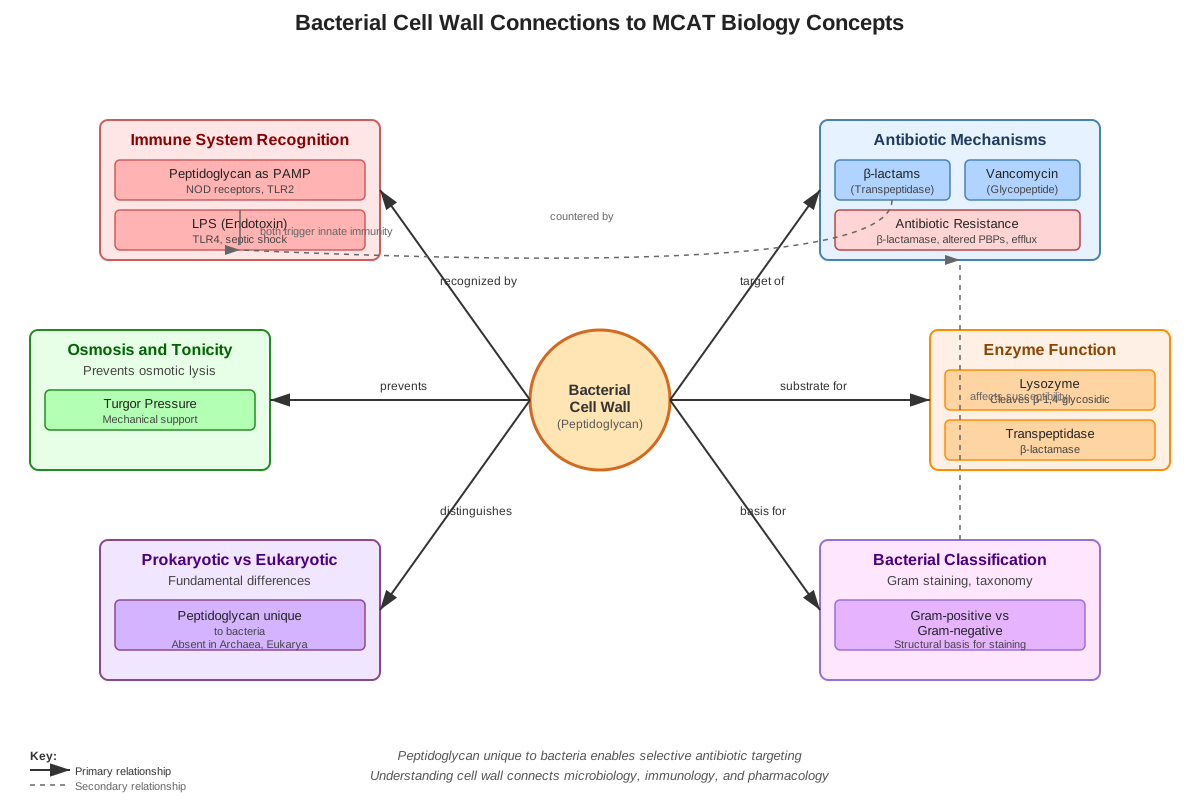
The bacterial cell wall connects to broader Biology concepts including osmosis and tonicity, protein synthesis (as a target for translation-inhibiting antibiotics), enzyme function (lysozyme and transpeptidase), and evolutionary biology (the unique nature of peptidoglycan as evidence of bacterial distinctiveness). Mastery of this topic provides a foundation for understanding bacterial pathogenesis, host-pathogen interactions, and the ongoing challenge of antibiotic resistance—all high-yield areas for the MCAT's biological and biochemical foundations section.
Learning Objectives
- [ ] Define bacterial cell wall using accurate Biology terminology
- [ ] Explain why bacterial cell wall matters for the MCAT
- [ ] Apply bacterial cell wall concepts to exam-style questions
- [ ] Identify common mistakes related to bacterial cell wall
- [ ] Connect bacterial cell wall to related Biology concepts
- [ ] Compare and contrast the structure and composition of Gram-positive and Gram-negative bacterial cell walls
- [ ] Analyze the mechanism of action of antibiotics that target bacterial cell wall synthesis
- [ ] Predict the physiological consequences of bacterial cell wall disruption in different osmotic environments
Prerequisites
- Basic cell structure: Understanding of prokaryotic versus eukaryotic cells is necessary to appreciate why bacteria require cell walls while animal cells do not
- Osmosis and tonicity: Knowledge of water movement across membranes is essential for understanding why cell walls prevent osmotic lysis
- Biochemical bonding: Familiarity with covalent bonds, hydrogen bonds, and peptide bonds helps in comprehending peptidoglycan structure
- Protein structure: Understanding of amino acids and peptide linkages is required to grasp the peptide component of peptidoglycan
- Carbohydrate chemistry: Basic knowledge of polysaccharides aids in understanding the glycan chains in peptidoglycan
Why This Topic Matters
Clinical and Real-World Significance
The bacterial cell wall represents one of the most important targets in modern medicine. Beta-lactam antibiotics (penicillins, cephalosporins, carbapenems) work by inhibiting cell wall synthesis, making them among the most widely prescribed medications worldwide. Understanding cell wall structure explains why these antibiotics are selectively toxic to bacteria—they target a structure that human cells completely lack. The rise of antibiotic resistance, particularly methicillin-resistant Staphylococcus aureus (MRSA), involves modifications to cell wall synthesis enzymes, making this knowledge directly relevant to contemporary medical challenges.
Gram staining, which differentiates bacteria based on cell wall composition, remains a fundamental diagnostic tool in clinical microbiology. A physician's initial treatment decisions for bacterial infections often depend on whether the causative organism is Gram-positive or Gram-negative, as this affects antibiotic selection. Additionally, components of the bacterial cell wall, particularly lipopolysaccharide (LPS) from Gram-negative bacteria, trigger powerful immune responses and can cause septic shock, a life-threatening condition.
MCAT Exam Statistics and Question Types
Bacterial cell wall content appears in approximately 3-5% of MCAT Biology/Biochemistry questions, with higher frequency in passages involving microbiology, pharmacology, or immunology. Questions typically fall into three categories: (1) structure-function relationships asking students to predict consequences of cell wall modifications, (2) antibiotic mechanism questions requiring understanding of peptidoglycan synthesis inhibition, and (3) experimental interpretation questions presenting data about bacterial growth under various conditions or antibiotic treatments.
Common passage contexts include: antibiotic development research, bacterial adaptation to extreme environments, immune system recognition of bacterial pathogens, and evolutionary studies comparing bacterial species. Discrete questions often test Gram staining interpretation, antibiotic classification, or the relationship between cell wall structure and bacterial survival in hypotonic environments.
Core Concepts
Peptidoglycan Structure and Composition
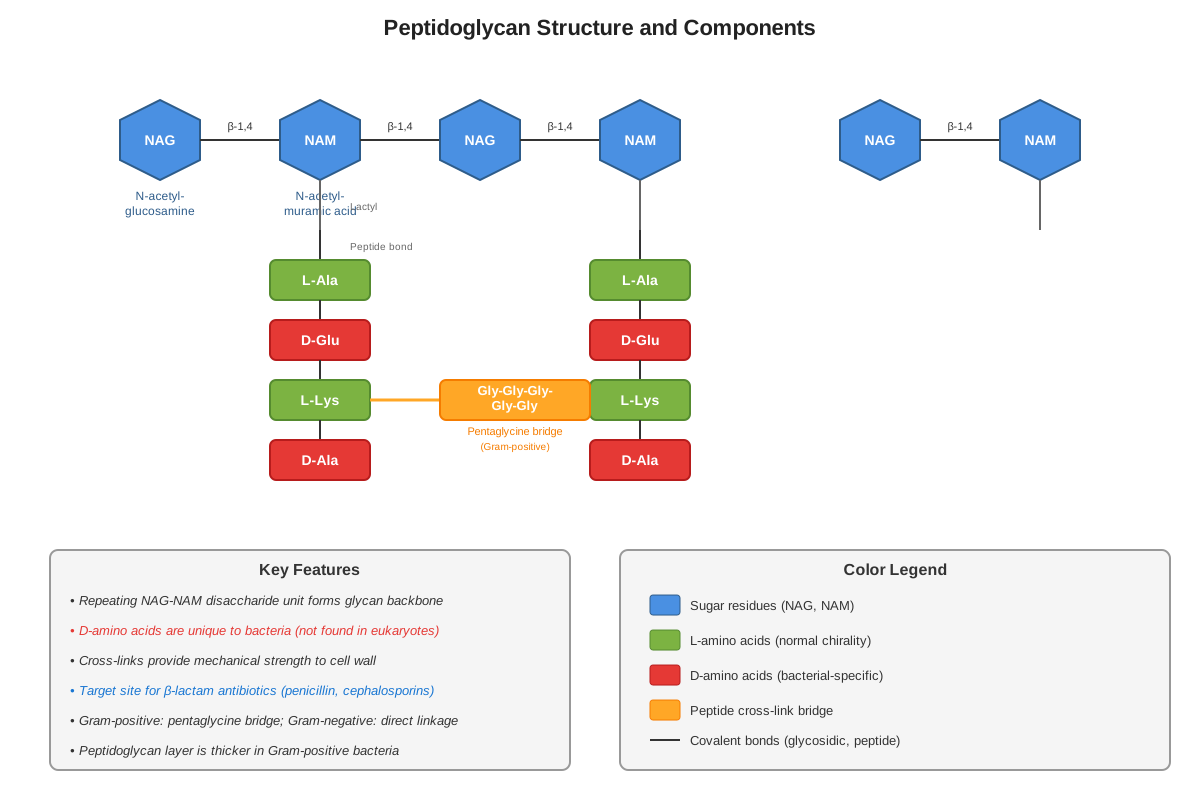
Peptidoglycan is the defining structural molecule of the bacterial cell wall, consisting of repeating disaccharide units connected by short peptide chains. The disaccharide unit comprises N-acetylglucosamine (NAG) and N-acetylmuramic acid (NAM) linked by β-1,4-glycosidic bonds. These sugar chains run parallel to each other, forming the glycan strands that provide the basic framework of the cell wall.
Attached to each NAM molecule is a short peptide chain, typically consisting of four amino acids. In many bacteria, this tetrapeptide sequence is L-alanine, D-glutamic acid, L-lysine (or diaminopimelic acid in Gram-negative bacteria), and D-alanine. The presence of D-amino acids is particularly noteworthy because these stereoisomers are rare in nature and not found in eukaryotic proteins, making them excellent targets for selective antibiotics.
The peptide chains from adjacent glycan strands form cross-links through peptide bonds, creating a mesh-like, three-dimensional structure that encases the entire bacterial cell. In Gram-positive bacteria, these cross-links often involve a pentaglycine bridge connecting the L-lysine of one chain to the D-alanine of another. This extensive cross-linking provides tremendous mechanical strength, allowing the cell wall to withstand internal turgor pressures that can reach several atmospheres.
Gram-Positive Bacterial Cell Walls
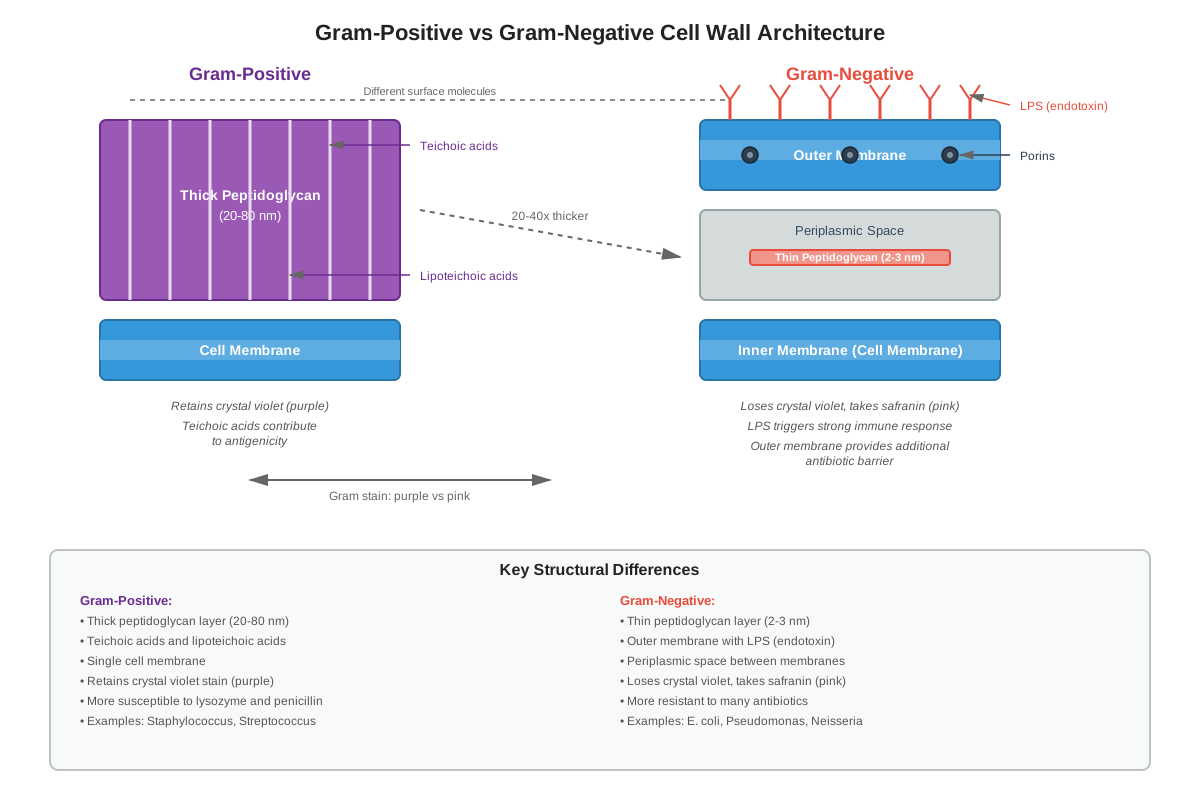
Gram-positive bacteria possess a thick peptidoglycan layer, typically 20-80 nanometers in depth, comprising multiple layers (20-40 sheets) of cross-linked peptidoglycan. This thick wall accounts for approximately 90% of the cell wall mass and is directly exposed to the external environment, lying outside the plasma membrane.
Embedded within and attached to the peptidoglycan are teichoic acids—polymers of glycerol or ribitol phosphate that extend through and beyond the peptidoglycan layer. Lipoteichoic acids are anchored to the plasma membrane and extend through the peptidoglycan, while wall teichoic acids are covalently attached to the peptidoglycan itself. These negatively charged molecules serve multiple functions: they help maintain cell wall structure, regulate ion movement (particularly Mg²⁺ and Ca²⁺), contribute to cell adhesion, and can trigger immune responses in host organisms.
The thick peptidoglycan layer of Gram-positive bacteria retains the crystal violet-iodine complex during Gram staining, causing these bacteria to appear purple under microscopy. This retention occurs because the extensive cross-linking creates a dense network with small pore sizes that trap the dye complex even when exposed to alcohol decolorization.
Gram-Negative Bacterial Cell Walls
Gram-negative bacteria have a more complex cell envelope structure with a thin peptidoglycan layer (only 2-3 nanometers thick, comprising just 1-2 sheets) sandwiched between two membranes. The inner membrane is the plasma membrane, while the outer membrane is a unique lipid bilayer found only in Gram-negative organisms.
The periplasmic space (or periplasm) lies between the inner and outer membranes and contains the thin peptidoglycan layer along with various proteins involved in nutrient acquisition, protein folding, and detoxification. Despite its thinness, the peptidoglycan in Gram-negative bacteria is still essential for maintaining cell shape and preventing osmotic lysis.
The outer membrane has an asymmetric lipid composition: the inner leaflet contains typical phospholipids, while the outer leaflet is composed primarily of lipopolysaccharide (LPS). LPS molecules consist of three regions: (1) Lipid A, a hydrophobic anchor embedded in the outer membrane that acts as an endotoxin and potent immune stimulator, (2) a core polysaccharide region, and (3) the O-antigen, a variable polysaccharide chain extending into the environment that contributes to antigenic diversity.
The outer membrane also contains porins—protein channels that allow passive diffusion of small hydrophilic molecules (typically <600 Da) while excluding larger molecules and many hydrophobic compounds. This selective permeability makes Gram-negative bacteria inherently more resistant to many antibiotics, detergents, and host defense molecules compared to Gram-positive bacteria.
| Feature | Gram-Positive | Gram-Negative |
|---|---|---|
| Peptidoglycan thickness | Thick (20-80 nm, 20-40 layers) | Thin (2-3 nm, 1-2 layers) |
| Outer membrane | Absent | Present |
| Teichoic acids | Present | Absent |
| Lipopolysaccharide (LPS) | Absent | Present in outer membrane |
| Periplasmic space | Absent or minimal | Present |
| Gram stain result | Purple (retains crystal violet) | Pink/red (counterstained with safranin) |
| Antibiotic susceptibility | Generally more susceptible | Generally more resistant |
| Percentage of cell wall that is peptidoglycan | ~90% | ~10% |
Cell Wall Synthesis and Antibiotic Targets
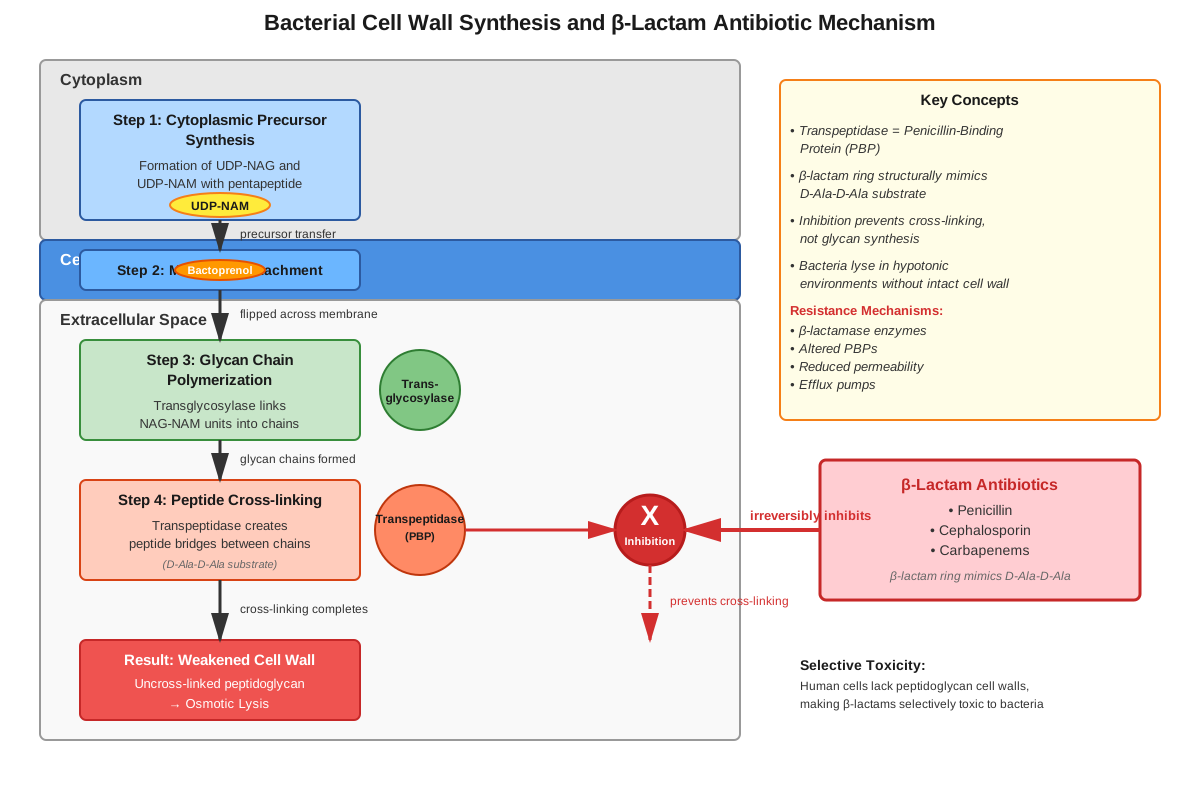
Peptidoglycan synthesis occurs in three stages: (1) cytoplasmic synthesis of precursor molecules, (2) membrane-associated assembly and transport, and (3) extracellular cross-linking and incorporation into the existing cell wall.
In the cytoplasm, NAM-pentapeptide precursors are synthesized and attached to a lipid carrier called bactoprenol, which transports them across the plasma membrane. Once in the periplasm (or outside the membrane in Gram-positive bacteria), the disaccharide-peptide units are polymerized into glycan chains by transglycosylases.
The final and crucial step involves transpeptidases (also called penicillin-binding proteins or PBPs), which catalyze the cross-linking of peptide chains between adjacent glycan strands. This reaction involves cleaving the terminal D-alanine from the pentapeptide and forming a new peptide bond with an amino acid on an adjacent chain, creating the mesh-like structure.
Beta-lactam antibiotics (penicillins, cephalosporins, carbapenems, monobactams) contain a four-membered beta-lactam ring that structurally mimics the D-alanyl-D-alanine terminus of the peptide chain. These antibiotics irreversibly bind to and inhibit transpeptidases, preventing cross-link formation. Without proper cross-linking, the cell wall weakens, and the bacteria undergo lysis due to osmotic pressure—particularly in hypotonic environments where water influx is greatest.
Vancomycin, a glycopeptide antibiotic, works differently by binding directly to the D-alanyl-D-alanine terminus of peptidoglycan precursors, sterically hindering both transglycosylase and transpeptidase activities. Bacitracin inhibits the dephosphorylation of bactoprenol, preventing recycling of the lipid carrier and thus blocking transport of new peptidoglycan units.
Lysozyme and Cell Wall Degradation
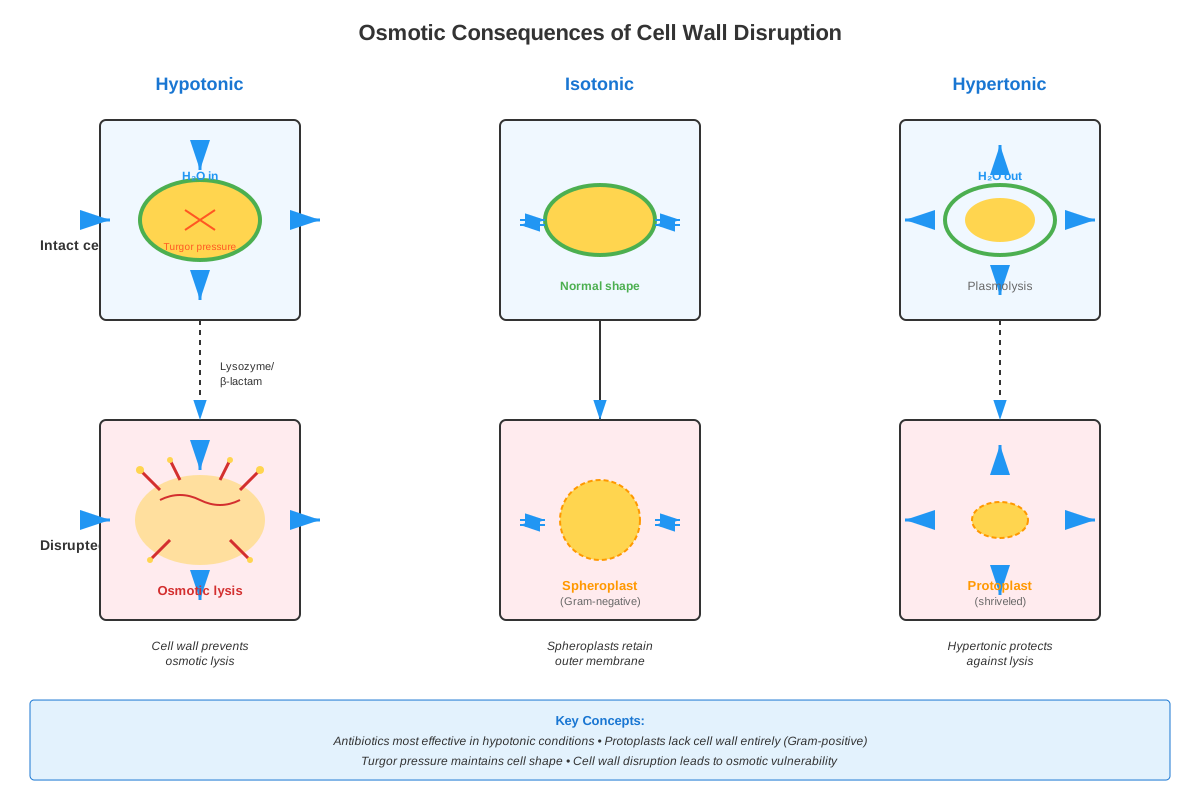
Lysozyme is an enzyme found in human tears, saliva, mucus, and other secretions that serves as part of the innate immune system. It catalyzes hydrolysis of the β-1,4-glycosidic bonds between NAM and NAG in peptidoglycan, effectively degrading the bacterial cell wall. Bacteria treated with lysozyme in isotonic or hypotonic solutions often lyse due to loss of cell wall integrity.
When Gram-positive bacteria are treated with lysozyme in hypertonic solutions (which prevent osmotic lysis), they form protoplasts—cells that have lost their entire cell wall but retain their plasma membrane. Gram-negative bacteria treated similarly form spheroplasts, which retain the outer membrane and some peptidoglycan remnants. These forms are useful in research for studying membrane properties and for bacterial transformation procedures.
Bacterial Cell Wall Variations and Exceptions
While most bacteria possess peptidoglycan-containing cell walls, important exceptions exist. Mycobacteria (including Mycobacterium tuberculosis and M. leprae) have a unique cell wall with a thin peptidoglycan layer surrounded by a thick, waxy coat composed of mycolic acids—long-chain fatty acids that make these bacteria acid-fast and highly resistant to desiccation, many antibiotics, and immune defenses.
Mycoplasma species completely lack a cell wall and peptidoglycan, instead possessing only a plasma membrane reinforced with sterols. This makes them naturally resistant to all beta-lactam antibiotics and gives them a pleomorphic (variable) shape. They are the smallest free-living organisms and can pass through filters that retain other bacteria.
Archaea, though prokaryotic, do not have peptidoglycan in their cell walls. Instead, they may have pseudopeptidoglycan (with different sugar components and linkages) or protein-based S-layers, representing a fundamental biochemical distinction between the domains Bacteria and Archaea.
Concept Relationships
The bacterial cell wall concepts form an interconnected network of structural, functional, and clinical relationships. Peptidoglycan structure (NAG-NAM disaccharides with peptide cross-links) → determines mechanical strength → enables survival in hypotonic environments where osmotic pressure would otherwise cause lysis. This fundamental structure-function relationship underlies all other cell wall concepts.
Peptidoglycan thickness and composition → determines Gram staining results → guides antibiotic selection in clinical practice. The thick peptidoglycan of Gram-positive bacteria retains crystal violet (purple stain), while the thin peptidoglycan of Gram-negative bacteria does not (pink/red counterstain), creating a diagnostic tool that directly reflects structural differences.
Transpeptidase enzyme activity → creates peptide cross-links → is inhibited by beta-lactam antibiotics → leads to cell wall weakening and bacterial lysis. This mechanistic chain explains both normal cell wall synthesis and the therapeutic action of the most widely used antibiotic class.
The presence of an outer membrane in Gram-negative bacteria → creates a permeability barrier → increases antibiotic resistance → necessitates different treatment approaches. This relationship explains why Gram-negative infections are often more challenging to treat and why certain antibiotics (like vancomycin) are ineffective against Gram-negative organisms—they cannot penetrate the outer membrane.
Lipopolysaccharide (LPS) in Gram-negative outer membranes → triggers strong immune responses → can cause septic shock when bacteria lyse and release LPS into the bloodstream. This connects cell wall structure to immunology and clinical pathology.
These concepts connect to prerequisite knowledge: osmosis and tonicity explain why cell wall disruption causes lysis in hypotonic environments; protein structure knowledge enables understanding of peptide cross-links and enzyme-substrate interactions; biochemical bonding underlies the covalent and non-covalent interactions maintaining cell wall integrity.
High-Yield Facts
⭐ Peptidoglycan consists of alternating NAG and NAM sugars connected by β-1,4-glycosidic bonds, with peptide chains attached to NAM that cross-link adjacent glycan strands.
⭐ Gram-positive bacteria have thick peptidoglycan layers (20-80 nm) and stain purple; Gram-negative bacteria have thin peptidoglycan (2-3 nm), an outer membrane with LPS, and stain pink/red.
⭐ Beta-lactam antibiotics (penicillins, cephalosporins) inhibit transpeptidases (penicillin-binding proteins), preventing peptidoglycan cross-linking and causing bacterial lysis.
⭐ The bacterial cell wall contains D-amino acids, which are rare in nature and absent from eukaryotic proteins, making it an excellent selective target for antibiotics.
⭐ Gram-negative bacteria are generally more antibiotic-resistant than Gram-positive bacteria due to their outer membrane, which acts as a permeability barrier.
- Teichoic acids are found only in Gram-positive bacteria and contribute to cell wall structure, ion regulation, and immune recognition.
- Lipopolysaccharide (LPS) in Gram-negative outer membranes acts as an endotoxin, with Lipid A being the toxic component that triggers septic shock.
- Lysozyme degrades peptidoglycan by hydrolyzing β-1,4-glycosidic bonds between NAG and NAM, serving as an innate immune defense.
- Vancomycin binds to D-alanyl-D-alanine termini of peptidoglycan precursors and is effective primarily against Gram-positive bacteria because it cannot cross the Gram-negative outer membrane.
- Mycoplasma lack cell walls entirely and are naturally resistant to all beta-lactam antibiotics.
- The periplasmic space in Gram-negative bacteria contains the peptidoglycan layer and various proteins involved in nutrient processing and detoxification.
- Transpeptidases are called penicillin-binding proteins (PBPs) because beta-lactam antibiotics bind irreversibly to their active sites.
- Protoplasts (from Gram-positive bacteria) and spheroplasts (from Gram-negative bacteria) are cell wall-deficient forms that can be created experimentally with lysozyme.
Quick check — test yourself on Bacterial cell wall so far.
Try Flashcards →Common Misconceptions
Misconception: All bacteria have the same basic cell wall structure, just with minor variations.
Correction: Gram-positive and Gram-negative bacteria have fundamentally different cell envelope architectures. Gram-positive bacteria have a thick peptidoglycan layer as their primary barrier, while Gram-negative bacteria have a thin peptidoglycan layer sandwiched between two membranes, with the outer membrane containing LPS. Additionally, some bacteria (Mycoplasma) lack cell walls entirely, and Archaea have completely different cell wall compositions.
Misconception: The Gram stain color directly indicates antibiotic susceptibility—purple bacteria are resistant, pink bacteria are susceptible.
Correction: The Gram stain indicates cell wall structure, not inherent antibiotic susceptibility. In fact, Gram-negative bacteria (pink/red) are generally MORE resistant to many antibiotics due to their outer membrane barrier, while Gram-positive bacteria (purple) are often more susceptible. However, antibiotic resistance depends on multiple factors including specific resistance mechanisms, not just Gram status.
Misconception: Beta-lactam antibiotics work by directly breaking down existing peptidoglycan in the bacterial cell wall.
Correction: Beta-lactam antibiotics inhibit the synthesis of NEW peptidoglycan by blocking transpeptidases (PBPs). They prevent cross-link formation during cell wall construction. As the bacteria grow and divide, they cannot properly repair or expand their cell walls, leading to weakening and eventual lysis. They do not enzymatically degrade existing peptidoglycan—that is the function of lysozyme.
Misconception: Bacteria with cell walls can survive in any environment because the wall provides complete protection.
Correction: The cell wall protects against osmotic lysis primarily in hypotonic environments. However, bacteria can still be killed by extreme pH, temperature, radiation, oxidizing agents, and other factors that damage proteins, nucleic acids, or membranes. The cell wall provides mechanical support and osmotic protection but does not make bacteria invulnerable to all environmental stresses.
Misconception: Vancomycin is ineffective against Gram-negative bacteria because they are inherently resistant to it.
Correction: Vancomycin is ineffective against Gram-negative bacteria primarily because it cannot penetrate the outer membrane due to its large molecular size (approximately 1,450 Da), not because Gram-negative bacteria have a biochemically different peptidoglycan that vancomycin cannot bind. If the outer membrane is disrupted, vancomycin can inhibit Gram-negative peptidoglycan synthesis.
Misconception: The peptide chains in peptidoglycan are made of the standard 20 amino acids found in proteins.
Correction: Peptidoglycan contains several unusual amino acids not found in proteins, including D-amino acids (D-alanine, D-glutamic acid) and diaminopimelic acid (DAP). These unusual amino acids are produced by post-translational modification or alternative synthetic pathways and are crucial for the selective toxicity of antibiotics targeting cell wall synthesis.
Misconception: All antibiotics that target bacteria work by disrupting the cell wall.
Correction: While cell wall synthesis inhibitors are a major antibiotic class, many antibiotics work through completely different mechanisms: aminoglycosides and tetracyclines inhibit protein synthesis, fluoroquinolones inhibit DNA replication, and polymyxins disrupt membrane integrity. Cell wall inhibitors are just one category among several antibiotic mechanisms.
Worked Examples
Example 1: Antibiotic Mechanism and Osmotic Environment
Question: A researcher treats Staphylococcus aureus (a Gram-positive bacterium) with penicillin in three different solutions: hypotonic, isotonic, and hypertonic. In which solution(s) would the bacteria be most likely to survive, and why?
Solution:
Step 1: Identify the mechanism of penicillin.
Penicillin is a beta-lactam antibiotic that inhibits transpeptidases (penicillin-binding proteins), preventing cross-linking of peptidoglycan chains during cell wall synthesis.
Step 2: Determine the consequence of inhibited cell wall synthesis.
Without proper cross-linking, the cell wall weakens and cannot withstand the internal turgor pressure generated by the high concentration of solutes inside the bacterial cell.
Step 3: Analyze each osmotic environment.
- Hypotonic solution: Water flows into the cell by osmosis, increasing internal pressure. With a weakened cell wall, the bacteria cannot resist this pressure and will undergo osmotic lysis. Bacteria will NOT survive.
- Isotonic solution: Water movement is balanced, so there is less osmotic pressure. However, the bacteria still experience some internal turgor pressure from their normal metabolic processes. With a compromised cell wall, many bacteria will still lyse, though survival might be slightly better than in hypotonic conditions. Most bacteria will NOT survive.
- Hypertonic solution: Water flows out of the cell, reducing internal pressure. The weakened cell wall may be sufficient to maintain cell integrity under these conditions because there is less mechanical stress. Bacteria are most likely to survive.
Step 4: State the answer with reasoning.
The bacteria would be most likely to survive in the hypertonic solution because the reduced osmotic pressure (water flowing out rather than in) decreases the mechanical stress on the weakened cell wall. This demonstrates that antibiotic effectiveness can be influenced by environmental conditions, and it explains why protoplasts (cell wall-deficient forms) can be maintained in hypertonic solutions in laboratory settings.
Connection to learning objectives: This example applies bacterial cell wall concepts to predict outcomes in different conditions, demonstrating understanding of the relationship between cell wall structure, osmotic pressure, and antibiotic mechanism—all high-yield for MCAT passages involving experimental manipulations.
Example 2: Gram Staining and Antibiotic Selection
Question: A patient presents with bacterial pneumonia. A Gram stain of sputum shows pink, rod-shaped bacteria. The physician must choose between vancomycin and gentamicin (an aminoglycoside that inhibits protein synthesis). Based on the Gram stain result, which antibiotic is more appropriate and why?
Solution:
Step 1: Interpret the Gram stain result.
Pink staining indicates Gram-negative bacteria. The pink/red color appears because these bacteria have a thin peptidoglycan layer that does not retain the crystal violet-iodine complex during alcohol decolorization, so they take up the safranin counterstain.
Step 2: Recall the structural features of Gram-negative bacteria.
Gram-negative bacteria have:
- Thin peptidoglycan layer (2-3 nm)
- Outer membrane containing LPS
- Periplasmic space between inner and outer membranes
- Porins in the outer membrane that limit permeability
Step 3: Analyze vancomycin's effectiveness.
Vancomycin is a large glycopeptide antibiotic (approximately 1,450 Da) that binds to D-alanyl-D-alanine termini of peptidoglycan precursors. However, it cannot effectively penetrate the outer membrane of Gram-negative bacteria due to its large size—it cannot pass through porins, which typically allow molecules <600 Da. Therefore, vancomycin is ineffective against Gram-negative bacteria and is primarily used for Gram-positive infections.
Step 4: Analyze gentamicin's effectiveness.
Gentamicin is an aminoglycoside that inhibits bacterial protein synthesis by binding to the 30S ribosomal subunit. While Gram-negative bacteria have an outer membrane barrier, aminoglycosides can penetrate this barrier through:
- Active transport mechanisms
- Porin channels (they are smaller than vancomycin)
- Disruption of the outer membrane by the antibiotic itself
Gentamicin is effective against many Gram-negative bacteria and is commonly used for Gram-negative infections.
Step 5: Make the clinical decision.
Gentamicin is the more appropriate choice for this Gram-negative pneumonia. Vancomycin would be ineffective because it cannot reach its peptidoglycan target through the outer membrane barrier.
Additional consideration: In clinical practice, the physician would also consider the specific bacterial species (identified through culture), local resistance patterns, and patient factors (kidney function, as aminoglycosides are nephrotoxic). However, the Gram stain provides crucial initial guidance for empiric therapy.
Connection to learning objectives: This example demonstrates application of bacterial cell wall knowledge to clinical decision-making, integrating Gram stain interpretation, structural differences between bacterial types, and antibiotic mechanisms—a common MCAT passage scenario linking basic science to medical practice.
Exam Strategy
Approaching MCAT Questions on Bacterial Cell Walls
When encountering bacterial cell wall questions on the MCAT, follow this systematic approach:
- Identify the bacterial type first: Determine whether the question involves Gram-positive or Gram-negative bacteria, as this fundamentally affects all subsequent reasoning about structure, antibiotic susceptibility, and physiological responses.
- Map structure to function: The MCAT frequently tests whether students can predict functional consequences from structural information. If a passage describes a structural modification (e.g., altered peptidoglycan cross-linking), immediately consider how this affects mechanical strength, osmotic resistance, and antibiotic susceptibility.
- Consider the environment: Many questions involve bacteria in different osmotic conditions. Always think about water movement and internal pressure when evaluating scenarios involving cell wall disruption or antibiotic treatment.
Trigger Words and Phrases
Watch for these high-yield terms that signal bacterial cell wall content:
- "Gram stain," "crystal violet," "purple/pink bacteria": Indicates classification question; immediately recall structural differences
- "Beta-lactam," "penicillin," "cephalosporin": Signals transpeptidase inhibition mechanism
- "Peptidoglycan," "murein," "NAG-NAM": Direct reference to cell wall structure
- "Osmotic lysis," "hypotonic solution," "turgor pressure": Indicates need to consider cell wall's protective function
- "Penicillin-binding protein," "PBP," "transpeptidase": Refers to cross-linking enzyme targeted by antibiotics
- "Outer membrane," "LPS," "endotoxin": Specific to Gram-negative bacteria
- "Teichoic acid": Specific to Gram-positive bacteria
- "Vancomycin resistance," "MRSA": Involves cell wall synthesis modifications
Process of Elimination Tips
When using POE on bacterial cell wall questions:
- Eliminate options that confuse Gram-positive and Gram-negative features: If a choice states that Gram-positive bacteria have outer membranes or that Gram-negative bacteria have thick peptidoglycan, eliminate immediately.
- Eliminate options that misstate antibiotic mechanisms: Beta-lactams inhibit synthesis, not degradation; vancomycin binds precursors, not enzymes directly.
- Watch for options that ignore the outer membrane barrier: If a question asks why an antibiotic doesn't work against Gram-negative bacteria, options suggesting the peptidoglycan is chemically different (rather than inaccessible) are usually incorrect.
- Eliminate options that violate osmotic principles: If cell wall is disrupted, bacteria should lyse in hypotonic, not hypertonic, solutions.
Time Allocation Advice
Bacterial cell wall questions are typically medium difficulty and should take 60-90 seconds for discrete questions. For passage-based questions:
- Spend 30-45 seconds identifying the bacterial type and key structural features mentioned
- Allocate 60-90 seconds per question, using the passage information to eliminate wrong answers
- If a question requires detailed mechanism knowledge (e.g., specific steps in peptidoglycan synthesis), spend up to 2 minutes, but flag and return if uncertain
Don't get bogged down in memorizing every detail of peptidoglycan synthesis—focus on the high-yield concepts (structure, Gram differences, antibiotic mechanisms) that appear most frequently.
Memory Techniques
Mnemonics for Key Concepts
"NAG NAM Makes Peptidoglycan"
- N-AcetylGlucosamine and N-AcetylMuramic acid are the two sugars in peptidoglycan
- Helps remember both sugar names and that they work together
"Gram-Positive = Purple = Plenty of Peptidoglycan"
- All three words start with "P"
- Gram-positive bacteria stain purple and have plenty (thick layer) of peptidoglycan
"Gram-Negative = Nasty = Need outer membrane"
- All start with "N"
- Gram-negative bacteria are "nastier" (more antibiotic-resistant) because they need (have) an outer membrane
"VANCO Can't Cross"
- VANCOmycin Can't Cross the outer membrane
- Reminds you that vancomycin is ineffective against Gram-negative bacteria
"Beta-lactams Block Building"
- Beta-lactams Block Building (synthesis) of peptidoglycan
- Emphasizes that they inhibit synthesis, not degrade existing structure
Visualization Strategy for Gram Staining
Visualize the Gram stain process as a "retention test":
- Purple dye floods both types (crystal violet enters all bacteria)
- Iodine locks it in (forms complex with crystal violet)
- Alcohol washes (the critical differentiating step)
- Gram-positive: Thick peptidoglycan = tight mesh = dye TRAPPED = stays PURPLE
- Gram-negative: Thin peptidoglycan = loose mesh = dye ESCAPES = becomes colorless
- Pink counterstain (safranin colors the now-colorless Gram-negative bacteria)
Acronym for Antibiotic Targets
"PCRNF" (Pronounced "Pee-Cernf") - Major antibiotic target categories:
- Peptidoglycan synthesis (beta-lactams, vancomycin)
- Cell membrane (polymyxins, daptomycin)
- RNA synthesis (rifampin)
- Nucleic acid synthesis (fluoroquinolones)
- Folate synthesis (sulfonamides, trimethoprim)
This helps you remember that cell wall is just one of several antibiotic targets, preventing the misconception that all antibiotics work the same way.
Memory Palace for Gram-Negative Structure
Imagine walking through a building (the bacterial cell):
- Entrance (outer membrane): A security checkpoint with selective gates (porins) and warning signs (LPS/endotoxin)
- Hallway (periplasmic space): A narrow corridor with thin support beams (thin peptidoglycan)
- Inner office (plasma membrane): The actual workspace where cellular activities occur
This spatial visualization helps remember the layered structure and the protective/selective nature of each component.
Summary
The bacterial cell wall is a rigid, protective structure composed primarily of peptidoglycan—a unique polymer of NAG and NAM sugars cross-linked by peptide chains containing unusual D-amino acids. Gram-positive bacteria possess thick peptidoglycan layers (20-80 nm) with embedded teichoic acids, retain crystal violet in Gram staining (appearing purple), and are generally more susceptible to antibiotics. Gram-negative bacteria have thin peptidoglycan (2-3 nm) sandwiched between inner and outer membranes, with the outer membrane containing LPS (endotoxin) and porins; they stain pink/red and are more antibiotic-resistant due to the outer membrane permeability barrier. Beta-lactam antibiotics inhibit transpeptidases (penicillin-binding proteins), preventing peptidoglycan cross-linking and causing bacterial lysis, particularly in hypotonic environments. The bacterial cell wall is clinically significant as a major antibiotic target and diagnostically important through Gram staining, making it essential knowledge for MCAT success in microbiology, pharmacology, and immunology contexts.
Key Takeaways
- Peptidoglycan structure: Alternating NAG-NAM sugars with peptide cross-links containing D-amino acids, unique to bacteria and absent in eukaryotes
- Gram-positive vs. Gram-negative: Thick peptidoglycan/purple stain/teichoic acids versus thin peptidoglycan/pink stain/outer membrane with LPS
- Beta-lactam mechanism: Inhibit transpeptidases (PBPs), preventing peptidoglycan cross-linking during synthesis, leading to osmotic lysis
- Outer membrane barrier: Makes Gram-negative bacteria more antibiotic-resistant; large molecules like vancomycin cannot penetrate
- Osmotic protection: Cell wall prevents lysis in hypotonic environments; disrupted cell walls cause lysis when internal pressure exceeds wall strength
- Clinical relevance: Gram staining guides antibiotic selection; LPS causes septic shock; antibiotic resistance involves cell wall modifications
- Selective toxicity: D-amino acids and unique peptidoglycan structure make bacterial cell walls excellent antibiotic targets without harming human cells
Related Topics
Antibiotic Resistance Mechanisms: Understanding bacterial cell wall structure provides the foundation for studying how bacteria develop resistance through altered PBPs (MRSA), beta-lactamase production, and efflux pumps. Mastering cell wall concepts enables deeper comprehension of the ongoing clinical challenge of antibiotic resistance.
Bacterial Genetics and Transformation: Knowledge of cell wall structure is essential for understanding bacterial transformation procedures, where cell walls are partially removed to allow DNA uptake, and for comprehending how genetic elements encoding antibiotic resistance spread through bacterial populations.
Innate Immunity and Pattern Recognition: The immune system recognizes bacterial cell wall components (peptidoglycan fragments, LPS) through pattern recognition receptors like TLRs. Understanding cell wall structure connects to immunology topics frequently tested on the MCAT.
Osmosis and Membrane Transport: The bacterial cell wall's role in preventing osmotic lysis directly applies principles of tonicity and water movement, reinforcing fundamental concepts while adding biological context.
Prokaryotic vs. Eukaryotic Cells: The presence of peptidoglycan cell walls in bacteria (but not in eukaryotes or archaea) represents a fundamental distinction between domains of life, connecting to evolution and comparative biology.
Practice CTA
Now that you have mastered the core concepts of bacterial cell walls, it's time to solidify your understanding through active practice. Complete the associated practice questions to test your ability to apply these concepts to MCAT-style scenarios, and use the flashcards to reinforce high-yield facts and terminology. Remember, understanding bacterial cell wall structure and function provides a foundation for numerous related topics in microbiology, pharmacology, and immunology—making this time investment highly valuable for your MCAT preparation. Focus particularly on distinguishing Gram-positive from Gram-negative bacteria and understanding antibiotic mechanisms, as these are the most frequently tested applications of this material. You've got this!
Sign up free to keep reading
Create a free AnvayaPrep account to finish this MCAT guide on Bacterial cell wall — plus flashcards and practice questions.