Overview
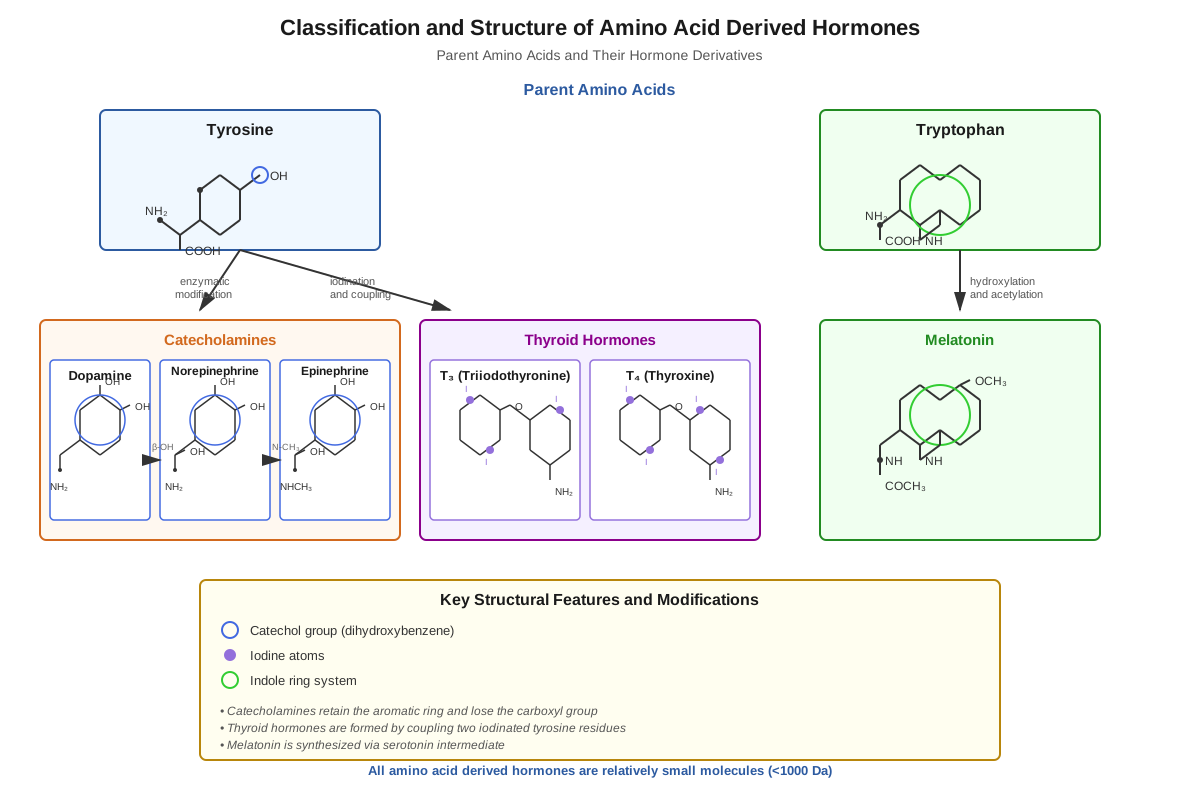
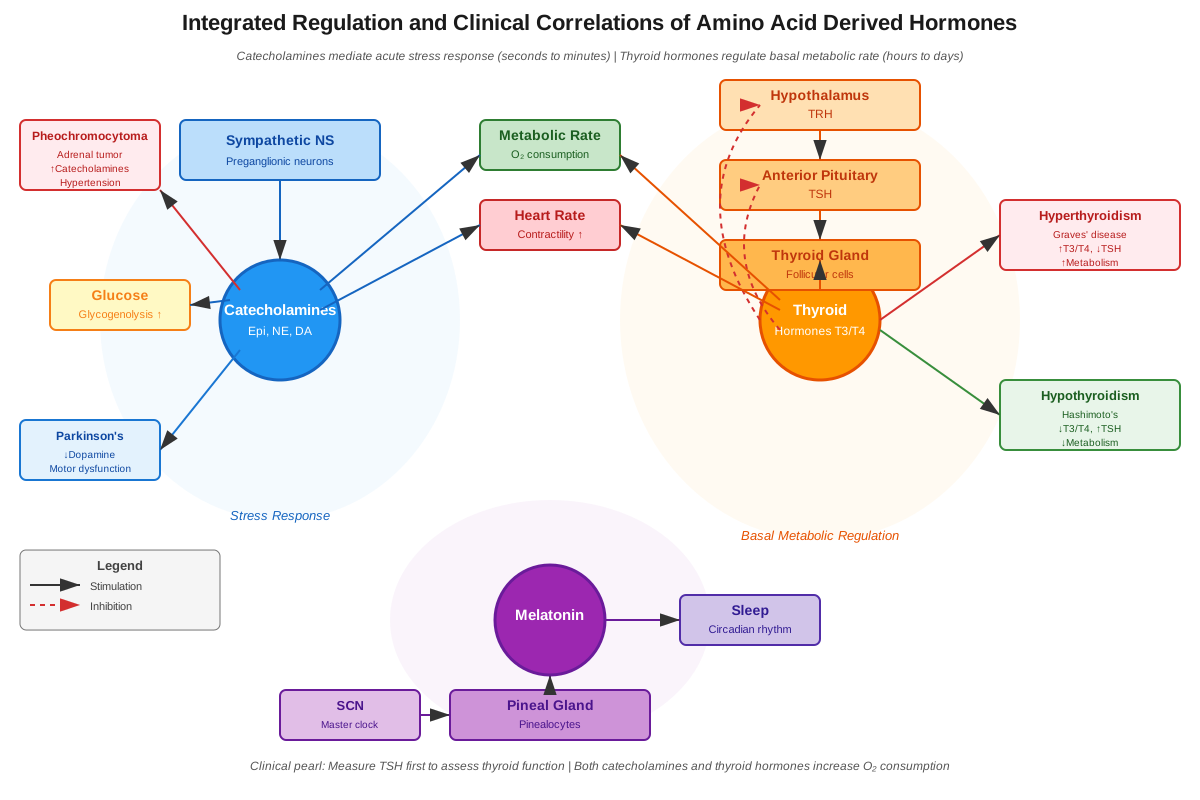
Amino acid derived hormones represent a critical class of signaling molecules in human physiology and organ systems, synthesized from single amino acid precursors—primarily tyrosine and tryptophan. Unlike peptide hormones that consist of chains of amino acids or steroid hormones derived from cholesterol, amino acid derived hormones are relatively small molecules that retain structural features of their parent amino acids while exhibiting diverse mechanisms of action. This hormone class includes the catecholamines (epinephrine, norepinephrine, and dopamine), thyroid hormones (T3 and T4), and melatonin, each playing distinct roles in regulating metabolism, stress responses, circadian rhythms, and developmental processes.
Understanding amino acid derived hormones is essential for MCAT success because these molecules bridge multiple testable concepts in biology, including enzyme kinetics, signal transduction pathways, receptor pharmacology, and metabolic regulation. The MCAT frequently tests students' ability to distinguish between hormone classes based on their chemical properties, mechanisms of synthesis, transport in blood, receptor locations, and signaling mechanisms. Questions often appear in passage-based formats that require integration of endocrine physiology with biochemistry, requiring students to predict hormone behavior based on structural characteristics or explain pathophysiological conditions resulting from hormone dysregulation.
The study of amino acid derived hormones connects foundational biochemistry concepts (amino acid structure, enzyme function) with complex physiological systems (endocrine regulation, nervous system function, metabolic homeostasis). This topic frequently appears alongside discussions of the hypothalamic-pituitary axis, autonomic nervous system function, and metabolic disorders, making it a high-yield area that integrates multiple MCAT content categories. Mastery of this material enables students to approach interdisciplinary questions that span biological and biochemical sciences, particularly those involving experimental data interpretation and clinical reasoning.
Learning Objectives
- [ ] Define amino acid derived hormones using accurate biology terminology
- [ ] Explain why amino acid derived hormones matters for the MCAT
- [ ] Apply amino acid derived hormones to exam-style questions
- [ ] Identify common mistakes related to amino acid derived hormones
- [ ] Connect amino acid derived hormones to related biology concepts
- [ ] Compare and contrast the synthesis pathways of catecholamines and thyroid hormones
- [ ] Predict the mechanism of action for amino acid derived hormones based on their chemical structure
- [ ] Analyze experimental data involving amino acid derived hormone signaling and receptor interactions
Prerequisites
- Amino acid structure and classification: Understanding the basic structure of tyrosine and tryptophan is essential for recognizing how these precursors are modified to form hormones
- Enzyme kinetics and regulation: Necessary for comprehending the multi-step enzymatic pathways that synthesize amino acid derived hormones
- Cell membrane structure and transport: Required to understand why some amino acid derived hormones cross membranes while others require receptors on the cell surface
- Basic endocrine system organization: Foundational knowledge of hormone secretion, transport, and feedback mechanisms provides context for hormone function
- Receptor types and signal transduction: Understanding G-protein coupled receptors and nuclear receptors is critical for predicting hormone mechanisms of action
Why This Topic Matters
Clinical and Real-World Significance
Amino acid derived hormones regulate numerous physiological processes that are clinically relevant and frequently encountered in medical practice. Catecholamines mediate the "fight-or-flight" response and are used therapeutically in emergency medicine (epinephrine for anaphylaxis, norepinephrine for septic shock). Thyroid hormones regulate basal metabolic rate, and thyroid disorders (hypothyroidism, hyperthyroidism, Graves' disease, Hashimoto's thyroiditis) represent some of the most common endocrine pathologies. Melatonin regulates circadian rhythms and sleep-wake cycles, with clinical applications in jet lag and sleep disorders. Understanding these hormones provides insight into conditions ranging from pheochromocytoma (catecholamine-secreting tumors) to metabolic syndrome and developmental disorders.
MCAT Exam Statistics and Question Types
Amino acid derived hormones appear in approximately 8-12% of MCAT biology and biochemistry questions, with particularly high representation in passages involving endocrine physiology, metabolism, and pharmacology. The MCAT tests this topic through multiple question formats: discrete questions assessing hormone classification and properties, passage-based questions requiring interpretation of experimental data on hormone synthesis or signaling, and interdisciplinary questions connecting hormone function to nervous system activity or metabolic pathways. Questions frequently require students to distinguish between hormone classes based on solubility, receptor location, or mechanism of action.
Common Exam Passage Contexts
This topic commonly appears in passages describing: (1) experimental manipulation of hormone synthesis pathways using enzyme inhibitors, (2) clinical vignettes involving thyroid function tests or catecholamine excess, (3) research studies on receptor binding kinetics and signal transduction mechanisms, (4) comparative physiology examining hormone evolution or species differences, and (5) pharmacological studies of drugs that mimic or block amino acid derived hormones. Students must be prepared to integrate information about hormone structure, synthesis, transport, and mechanism of action within these diverse contexts.
Core Concepts
Definition and Classification of Amino Acid Derived Hormones
Amino acid derived hormones are signaling molecules synthesized from single amino acid precursors through enzymatic modification. This hormone class represents one of three major chemical categories of hormones in biology (alongside peptide/protein hormones and steroid hormones). The defining characteristic is derivation from either tyrosine or tryptophan through specific enzymatic pathways that modify the parent amino acid structure while retaining recognizable features of the original molecule.
The major subclasses include:
- Catecholamines: Dopamine, norepinephrine (noradrenaline), and epinephrine (adrenaline)
- Thyroid hormones: Thyroxine (T4) and triiodothyronine (T3)
- Melatonin: Derived from tryptophan via serotonin
Each subclass exhibits distinct chemical properties, synthesis pathways, transport mechanisms, and modes of action, making this a diverse hormone category despite the common origin from amino acids.
Catecholamine Synthesis and Structure
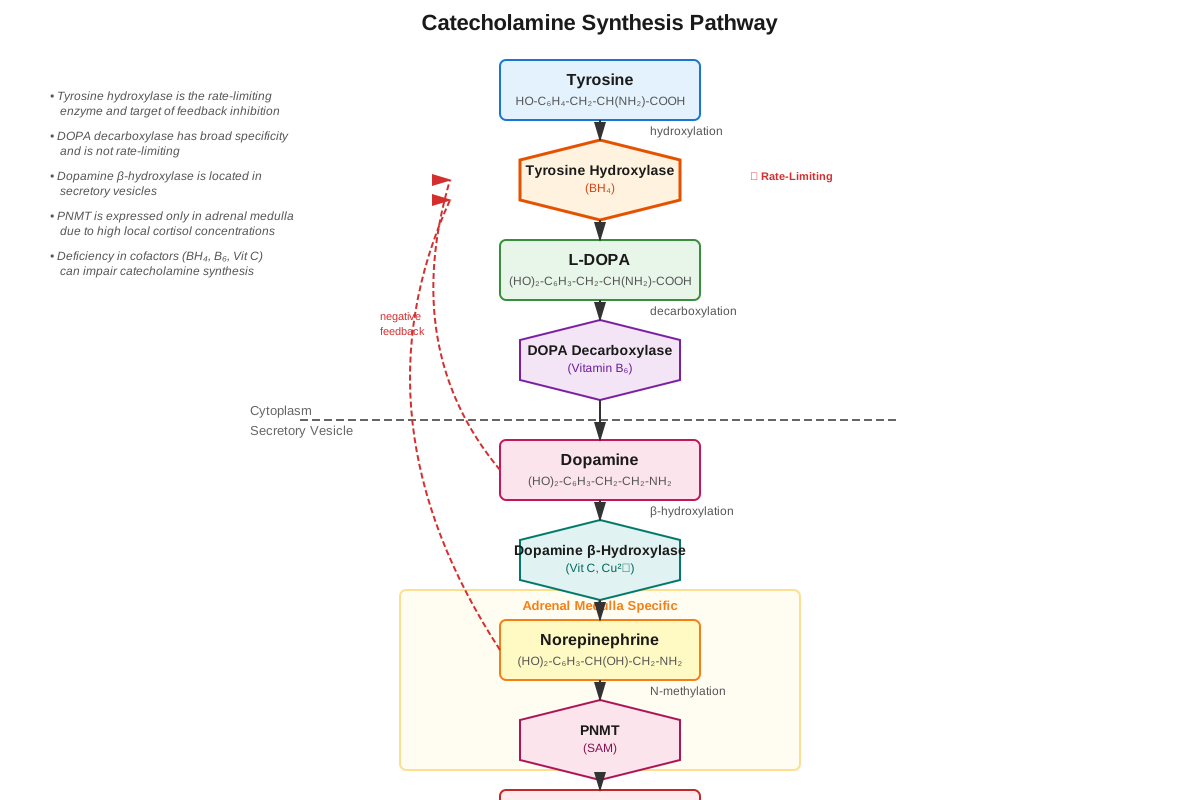
Catecholamines are synthesized from the amino acid tyrosine through a sequential enzymatic pathway occurring primarily in the adrenal medulla and sympathetic neurons. The synthesis pathway proceeds as follows:
- Tyrosine → L-DOPA (via tyrosine hydroxylase, the rate-limiting enzyme)
- L-DOPA → Dopamine (via DOPA decarboxylase)
- Dopamine → Norepinephrine (via dopamine β-hydroxylase)
- Norepinephrine → Epinephrine (via phenylethanolamine N-methyltransferase, PNMT)
The structural feature that defines catecholamines is the catechol group (a benzene ring with two adjacent hydroxyl groups) attached to an amine-containing side chain. This structure makes catecholamines hydrophilic and water-soluble, which has profound implications for their transport and mechanism of action.
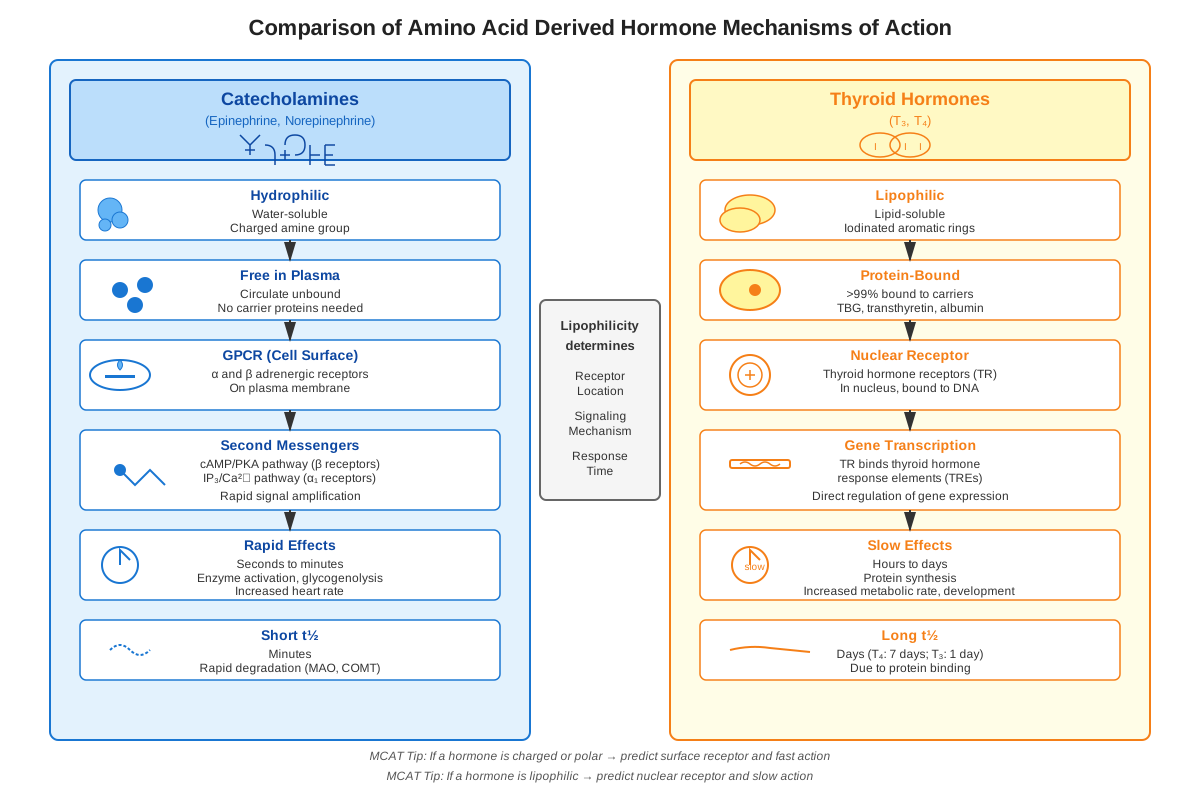
Because catecholamines cannot cross lipid bilayers efficiently, they:
- Circulate freely in blood (do not require carrier proteins)
- Bind to cell surface receptors (primarily G-protein coupled receptors)
- Act through second messenger systems (cAMP, IP3/DAG, Ca²⁺)
- Produce rapid but short-lived effects (minutes)
- Are rapidly degraded by enzymes (MAO and COMT)
Catecholamine Receptors and Mechanisms
Catecholamines exert their effects through adrenergic receptors (for epinephrine and norepinephrine) and dopaminergic receptors (for dopamine), all of which are G-protein coupled receptors (GPCRs). The major receptor subtypes include:
| Receptor Type | Primary Ligand | G-Protein | Second Messenger | Major Effects |
|---|---|---|---|---|
| α₁-adrenergic | Norepinephrine | Gq | IP₃/DAG, Ca²⁺ ↑ | Vasoconstriction, pupil dilation |
| α₂-adrenergic | Norepinephrine | Gi | cAMP ↓ | Decreased neurotransmitter release |
| β₁-adrenergic | Epinephrine = Norepinephrine | Gs | cAMP ↑ | Increased heart rate and contractility |
| β₂-adrenergic | Epinephrine > Norepinephrine | Gs | cAMP ↑ | Bronchodilation, vasodilation |
| β₃-adrenergic | Norepinephrine | Gs | cAMP ↑ | Lipolysis |
The fight-or-flight response mediated by catecholamines involves coordinated activation of these receptors to increase cardiac output, redirect blood flow to muscles, mobilize energy stores (glycogenolysis and lipolysis), and increase alertness. Understanding receptor-specific effects is crucial for predicting physiological responses and pharmacological interventions.
Thyroid Hormone Synthesis and Structure
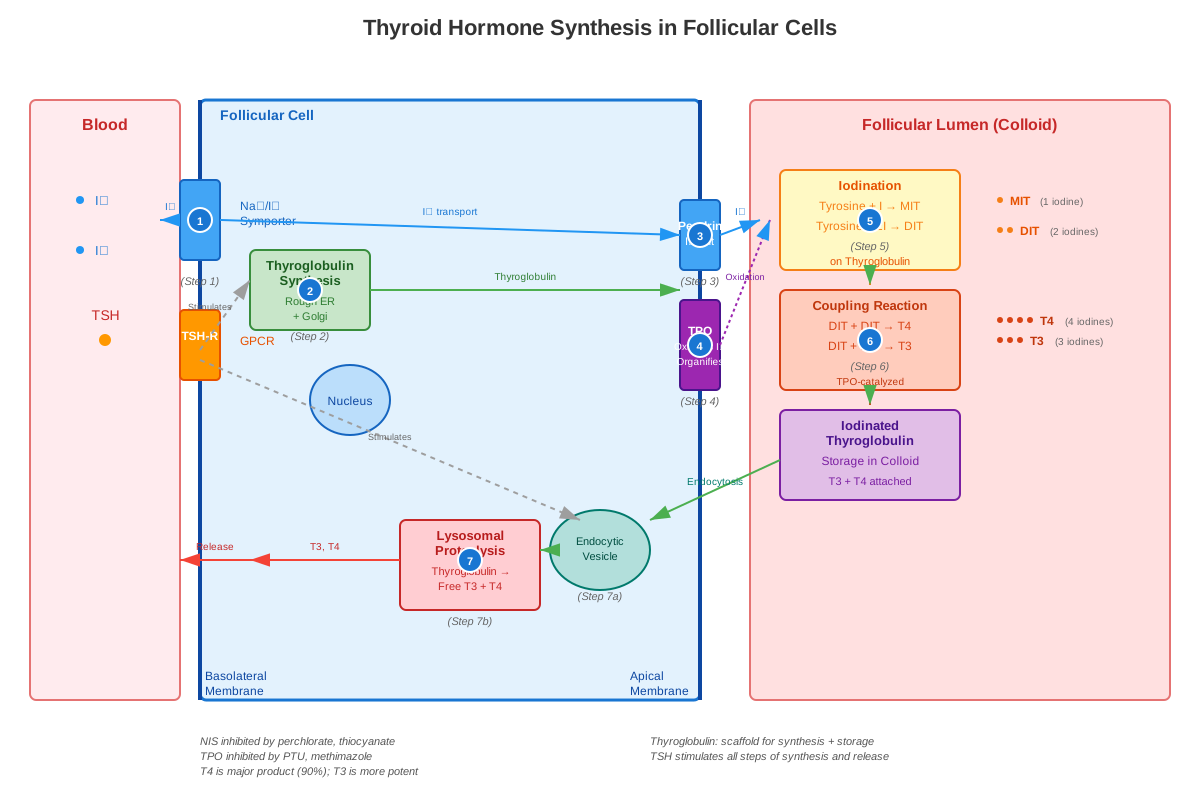
Thyroid hormones (T3 and T4) are unique among amino acid derived hormones because they are synthesized from two tyrosine molecules that are iodinated and coupled together. The synthesis occurs within the thyroid gland through a complex process involving the protein thyroglobulin:
- Iodide uptake: Active transport of I⁻ into thyroid follicular cells via the sodium-iodide symporter (NIS)
- Oxidation: Conversion of I⁻ to reactive iodine species by thyroid peroxidase (TPO)
- Iodination: Addition of iodine to tyrosine residues on thyroglobulin, forming monoiodotyrosine (MIT) and diiodotyrosine (DIT)
- Coupling: TPO catalyzes coupling of iodinated tyrosines:
- MIT + DIT → T3 (triiodothyronine, 3 iodine atoms)
- DIT + DIT → T4 (thyroxine, 4 iodine atoms)
- Storage: Iodinated thyroglobulin is stored in the thyroid follicle lumen
- Release: Proteolytic cleavage releases T3 and T4 into circulation
Unlike catecholamines, thyroid hormones are lipophilic due to their large hydrophobic structure with multiple iodine atoms. This lipophilicity fundamentally changes their transport and mechanism of action.
Thyroid Hormone Transport and Mechanism of Action
Because thyroid hormones are hydrophobic, they require carrier proteins for transport in blood. The major carriers include:
- Thyroxine-binding globulin (TBG): Binds ~70% of circulating thyroid hormone
- Transthyretin (TTR): Binds ~15-20%
- Albumin: Binds ~10-15%
Only the small fraction of free (unbound) hormone (~0.03% of T4, ~0.3% of T3) is biologically active and can enter cells. T4 is the predominant form secreted by the thyroid gland, but T3 is the more active form (approximately 3-4 times more potent). Peripheral tissues convert T4 to T3 via deiodinase enzymes, making T4 essentially a prohormone.
The mechanism of action of thyroid hormones differs dramatically from catecholamines:
- Thyroid hormones cross the cell membrane (lipophilic)
- Bind to nuclear receptors (thyroid hormone receptors, TR)
- TR-hormone complexes bind to thyroid response elements (TREs) on DNA
- Alter gene transcription and protein synthesis
- Produce slow but long-lasting effects (hours to days)
This nuclear receptor mechanism is similar to steroid hormones, making thyroid hormones functionally distinct from other amino acid derived hormones despite their amino acid origin.
Thyroid Hormone Physiological Effects
Thyroid hormones regulate basal metabolic rate and influence virtually every organ system. Major effects include:
- Metabolic effects: Increased oxygen consumption, heat production, and BMR; stimulation of carbohydrate and lipid metabolism
- Cardiovascular effects: Increased heart rate, contractility, and cardiac output; increased sensitivity to catecholamines
- Developmental effects: Essential for normal brain development in fetuses and infants; required for skeletal growth and maturation
- Other effects: Increased protein synthesis, enhanced sympathetic nervous system activity, regulation of other hormones
The regulation of thyroid hormone secretion involves the hypothalamic-pituitary-thyroid (HPT) axis:
- Hypothalamus secretes thyrotropin-releasing hormone (TRH)
- TRH stimulates anterior pituitary to secrete thyroid-stimulating hormone (TSH)
- TSH stimulates thyroid gland to synthesize and secrete T3 and T4
- T3 and T4 exert negative feedback on hypothalamus and pituitary
Melatonin Synthesis and Function
Melatonin is synthesized from the amino acid tryptophan through a pathway that first produces serotonin:
- Tryptophan → 5-hydroxytryptophan (via tryptophan hydroxylase)
- 5-hydroxytryptophan → Serotonin (via aromatic amino acid decarboxylase)
- Serotonin → N-acetylserotonin (via serotonin N-acetyltransferase)
- N-acetylserotonin → Melatonin (via hydroxyindole-O-methyltransferase)
Melatonin synthesis occurs primarily in the pineal gland and is regulated by light exposure through the retinohypothalamic tract. Darkness stimulates melatonin production, while light inhibits it, making melatonin the primary hormone regulating circadian rhythms and sleep-wake cycles.
Melatonin is lipophilic and can cross cell membranes, but unlike thyroid hormones, it acts through cell surface receptors (MT1 and MT2, which are GPCRs) as well as potentially through direct effects on cellular processes. Its effects include promoting sleep, regulating seasonal reproductive cycles in some animals, and antioxidant activity.
Comparative Properties of Amino Acid Derived Hormones
| Property | Catecholamines | Thyroid Hormones | Melatonin |
|---|---|---|---|
| Precursor | Tyrosine | Tyrosine (×2) | Tryptophan |
| Solubility | Hydrophilic | Lipophilic | Lipophilic |
| Transport | Free in blood | Protein-bound | Free/some binding |
| Receptor location | Cell surface (GPCR) | Nuclear (intracellular) | Cell surface (GPCR) |
| Mechanism | Second messengers | Gene transcription | Second messengers |
| Speed of action | Seconds to minutes | Hours to days | Minutes to hours |
| Duration of action | Short (minutes) | Long (days) | Intermediate (hours) |
| Primary function | Stress response, metabolism | Metabolic rate, development | Circadian rhythms |
Concept Relationships
The concepts within amino acid derived hormones are interconnected through their common origin from amino acid precursors, yet they diverge significantly in their chemical properties and physiological roles. The synthesis pathway determines the final structure, which in turn dictates solubility characteristics → solubility determines transport mechanisms → transport mechanisms influence receptor location → receptor location determines mechanism of action → mechanism of action affects speed and duration of effects.
Catecholamines connect to the autonomic nervous system (particularly the sympathetic division) and stress physiology, linking amino acid derived hormones to neural control of physiological responses. Thyroid hormones connect to metabolic regulation and developmental biology, bridging endocrine function with growth and energy homeostasis. Both catecholamines and thyroid hormones interact with cardiovascular physiology, demonstrating how different hormone classes can produce synergistic effects on the same organ systems.
The concept of receptor specificity connects amino acid derived hormones to pharmacology, as many drugs target these receptors (beta-blockers for hypertension, levothyroxine for hypothyroidism). The feedback regulation of thyroid hormones exemplifies the broader principle of homeostatic control that applies across endocrine systems. The enzymatic synthesis pathways connect to biochemistry and enzyme regulation, particularly the concept of rate-limiting enzymes (tyrosine hydroxylase for catecholamines, thyroid peroxidase for thyroid hormones).
Understanding amino acid derived hormones requires integration of: amino acid biochemistry → enzyme function → hormone synthesis → transport physiology → receptor biology → signal transduction → physiological effects → feedback regulation → clinical pathology. This conceptual chain demonstrates how molecular-level understanding enables prediction of system-level physiological outcomes.
Quick check — test yourself on Amino acid derived hormones so far.
Try Flashcards →High-Yield Facts
⭐ Catecholamines are water-soluble and bind to cell surface G-protein coupled receptors, producing rapid effects through second messenger systems
⭐ Thyroid hormones are lipid-soluble, bind to nuclear receptors, and alter gene transcription, producing slow but long-lasting effects
⭐ Tyrosine hydroxylase is the rate-limiting enzyme in catecholamine synthesis; thyroid peroxidase is essential for thyroid hormone synthesis
⭐ T3 is more biologically active than T4; peripheral conversion of T4 to T3 by deiodinases occurs in target tissues
⭐ Epinephrine has higher affinity for β2-receptors than norepinephrine, explaining differential effects on bronchodilation and vasodilation
- Catecholamines are degraded by monoamine oxidase (MAO) and catechol-O-methyltransferase (COMT), limiting their duration of action
- Thyroid hormones require iodine for synthesis; iodine deficiency causes goiter and hypothyroidism
- The hypothalamic-pituitary-thyroid axis demonstrates negative feedback: elevated T3/T4 suppress TSH and TRH secretion
- Melatonin synthesis increases in darkness and decreases in light, regulated by the suprachiasmatic nucleus
- Pheochromocytoma is a catecholamine-secreting tumor causing hypertension, tachycardia, and sweating—classic MCAT clinical vignette
- Graves' disease involves antibodies that stimulate the TSH receptor, causing hyperthyroidism despite low TSH levels
Common Misconceptions
Misconception: All amino acid derived hormones act through the same mechanism because they come from amino acids.
Correction: Amino acid derived hormones exhibit diverse mechanisms of action. Catecholamines act through cell surface receptors and second messengers, while thyroid hormones act through nuclear receptors and gene transcription. The chemical modifications during synthesis determine solubility, which dictates mechanism of action.
Misconception: Thyroid hormones are peptide hormones because they contain amino acids.
Correction: Thyroid hormones are classified as amino acid derived hormones, not peptide hormones. They are synthesized from tyrosine residues but are not chains of amino acids linked by peptide bonds. Their lipophilic nature and nuclear receptor mechanism distinguish them from true peptide hormones.
Misconception: T4 is more active than T3 because the thyroid gland secretes more T4.
Correction: T3 is actually 3-4 times more biologically active than T4. The thyroid secretes predominantly T4 (about 90% of thyroid hormone output), but T4 functions primarily as a prohormone that is converted to the more active T3 in peripheral tissues by deiodinase enzymes.
Misconception: Epinephrine and norepinephrine have identical effects because they are both catecholamines.
Correction: While both are catecholamines, epinephrine and norepinephrine have different receptor affinities and therefore different physiological effects. Epinephrine has higher affinity for β2-receptors (causing bronchodilation and vasodilation in some vessels), while norepinephrine has higher affinity for α-receptors (causing more pronounced vasoconstriction).
Misconception: All hormones that bind to cell surface receptors are water-soluble, and all hormones that cross membranes are lipid-soluble.
Correction: While this is generally true, melatonin is an exception that demonstrates the complexity of hormone classification. Melatonin is lipophilic and can cross membranes, but it primarily acts through cell surface GPCRs rather than nuclear receptors, showing that solubility doesn't always predict receptor location.
Misconception: Thyroid hormone synthesis occurs in the bloodstream like other hormones.
Correction: Thyroid hormone synthesis is unique because it occurs on the protein thyroglobulin within the thyroid follicle lumen (extracellular space). The iodinated thyroglobulin is stored extracellularly, and hormones are only released into the bloodstream after proteolytic cleavage when stimulated by TSH.
Worked Examples
Example 1: Predicting Hormone Mechanism from Structure
Question: A researcher discovers a novel hormone derived from a single tyrosine molecule. The hormone is found to be highly water-soluble and has a half-life of approximately 2 minutes in circulation. Based on these properties, predict: (A) the likely location of receptors for this hormone, (B) the probable mechanism of action, and (C) the expected speed of physiological response.
Solution:
Step 1: Analyze the chemical properties
- Derived from tyrosine (amino acid derived hormone)
- Highly water-soluble (hydrophilic)
- Short half-life (2 minutes)
Step 2: Apply principles of hormone solubility and transport
- Water-soluble hormones cannot easily cross lipid bilayers
- Hydrophilic molecules typically circulate freely without carrier proteins
- Short half-life suggests rapid degradation and quick turnover
Step 3: Predict receptor location (Answer A)
- Because the hormone is water-soluble and cannot cross cell membranes efficiently, receptors must be located on the cell surface
- This is consistent with catecholamines, which are also tyrosine-derived and hydrophilic
Step 4: Predict mechanism of action (Answer B)
- Cell surface receptors for amino acid derived hormones are typically G-protein coupled receptors (GPCRs)
- The mechanism likely involves second messenger systems (cAMP, IP3/DAG, Ca²⁺)
- Signal amplification through second messenger cascades
Step 5: Predict speed of response (Answer C)
- Second messenger systems produce rapid responses (seconds to minutes)
- The short half-life supports quick on/off signaling
- Effects would be short-lived unless hormone secretion is sustained
Connection to learning objectives: This example demonstrates application of amino acid derived hormone principles to predict functional properties from structural characteristics, a common MCAT question type that integrates biochemistry with physiology.
Example 2: Interpreting Thyroid Function Tests
Clinical Vignette: A 35-year-old woman presents with fatigue, weight gain, cold intolerance, and constipation. Laboratory tests reveal: TSH = 45 mIU/L (normal: 0.5-5.0), Free T4 = 0.3 ng/dL (normal: 0.8-1.8), Free T3 = 1.2 pg/mL (normal: 2.3-4.2). Explain the pathophysiology and identify the site of dysfunction in the hypothalamic-pituitary-thyroid axis.
Solution:
Step 1: Identify the pattern of hormone abnormalities
- TSH is markedly elevated (9× upper limit of normal)
- Free T4 is low (below normal range)
- Free T3 is low (below normal range)
Step 2: Review normal HPT axis function
- Hypothalamus secretes TRH → Pituitary secretes TSH → Thyroid secretes T3/T4
- T3/T4 exert negative feedback on hypothalamus and pituitary
- Low T3/T4 should stimulate increased TSH secretion
Step 3: Analyze the feedback relationship
- Low T3 and T4 indicate hypothyroidism
- Elevated TSH indicates the pituitary is responding appropriately to low thyroid hormone
- The pituitary is attempting to stimulate the thyroid gland but failing to achieve normal T3/T4 levels
Step 4: Localize the dysfunction
- The problem is primary hypothyroidism (thyroid gland failure)
- The thyroid gland is not responding adequately to TSH stimulation
- The hypothalamus and pituitary are functioning normally (appropriate feedback response)
- If the problem were in the pituitary (secondary hypothyroidism), TSH would be low, not high
Step 5: Explain the clinical symptoms
- Low thyroid hormone → decreased metabolic rate → fatigue, weight gain
- Decreased thermogenesis → cold intolerance
- Decreased GI motility → constipation
- All symptoms consistent with hypothyroidism
Step 6: Consider the mechanism at the molecular level
- Reduced thyroid hormone means less T3 binding to nuclear receptors
- Decreased transcription of genes involved in metabolism
- Reduced synthesis of metabolic enzymes and mitochondrial proteins
- Overall decrease in cellular oxygen consumption and ATP production
Connection to learning objectives: This example integrates thyroid hormone synthesis, transport, mechanism of action, and feedback regulation with clinical reasoning, demonstrating how understanding amino acid derived hormones enables interpretation of laboratory data and diagnosis of endocrine disorders.
Exam Strategy
Approaching MCAT Questions on Amino Acid Derived Hormones
When encountering questions on this topic, first identify which specific hormone is being discussed (catecholamine, thyroid hormone, or melatonin), as this immediately narrows the possible mechanisms and effects. Look for clues about solubility in the question stem or passage—terms like "freely circulating," "protein-bound," or "carrier protein" indicate whether the hormone is hydrophilic or lipophilic, which determines receptor location and mechanism.
For passage-based questions, pay attention to experimental manipulations of synthesis pathways. If an enzyme inhibitor is mentioned, identify which step in the synthesis pathway is blocked and predict the accumulation of precursors and depletion of products. Questions often test whether students can trace through multi-step pathways and predict downstream effects.
Trigger Words and Phrases
Watch for these high-yield trigger phrases:
- "Rapid response" or "immediate effect" → suggests catecholamines and second messenger systems
- "Long-lasting effect" or "changes in gene expression" → suggests thyroid hormones and nuclear receptors
- "Protein-bound in circulation" → indicates lipophilic hormone (thyroid hormones)
- "Fight-or-flight" or "stress response" → catecholamines
- "Basal metabolic rate" or "metabolic rate" → thyroid hormones
- "Circadian rhythm" or "sleep-wake cycle" → melatonin
- "Iodine deficiency" → thyroid hormone synthesis problem
- "Rate-limiting enzyme" → tyrosine hydroxylase (catecholamines) or thyroid peroxidase (thyroid hormones)
Process of Elimination Tips
When distinguishing between hormone classes:
- Eliminate based on solubility: If the question mentions crossing cell membranes easily, eliminate peptide hormones and catecholamines
- Eliminate based on speed: If effects occur within seconds, eliminate thyroid hormones and steroid hormones
- Eliminate based on receptor location: If nuclear receptors are mentioned, eliminate catecholamines and most peptide hormones
- Eliminate based on precursor: If the question mentions cholesterol, eliminate all amino acid derived hormones
For receptor-specific questions about catecholamines:
- If the effect is vasoconstriction → α₁-receptors (eliminate β-receptors)
- If the effect is bronchodilation → β₂-receptors (eliminate α-receptors)
- If the effect is increased heart rate → β₁-receptors (eliminate α-receptors)
Time Allocation Advice
For discrete questions on amino acid derived hormones, spend 60-90 seconds maximum. These questions typically test straightforward recall of hormone properties or simple application of principles. If you find yourself taking longer, you may be overthinking—return to the basic properties (solubility, receptor location, mechanism).
For passage-based questions, allocate 1.5-2 minutes per question after reading the passage. These questions often require integration of passage information with content knowledge. Quickly identify what the passage adds to your baseline knowledge, then apply the combined information to answer questions. Don't get bogged down in complex passage details that aren't relevant to the specific question being asked.
Memory Techniques
Mnemonics for Catecholamine Synthesis
"Try To Do No Eating" for the catecholamine synthesis pathway:
- Tyrosine
- Tyrosine hydroxylase (rate-limiting)
- DOPA
- DOPA decarboxylase
- Norepinephrine (after dopamine β-hydroxylase)
- Epinephrine (after PNMT)
Mnemonic for Thyroid Hormone Properties
"Thyroid Takes Time To Transform" (all T's):
- Thyroid hormones
- Takes (requires)
- Time (slow acting)
- To (through)
- Transcription (gene transcription mechanism)
Visualization Strategy for Hormone Solubility
Water vs. Oil Rule: Visualize catecholamines as "water-loving" molecules that stay in the aqueous bloodstream and knock on the cell door (surface receptors), while thyroid hormones are "oil-loving" molecules that slip through the lipid membrane and go directly to the nucleus. This mental image helps predict transport, receptor location, and mechanism.
Acronym for Catecholamine Receptors
"All Betas Go Slow" for remembering that β-receptors use Gs proteins (stimulatory):
- Alpha-1 uses Gq
- Betas (β₁, β₂, β₃) use Gs
- Stimulatory (increase cAMP)
"Alpha-2 Inhibits" for remembering that α₂-receptors use Gi proteins (inhibitory)
Memory Palace for Thyroid Hormone Synthesis
Create a mental journey through a factory:
- Loading dock: Iodide enters via NIS (sodium-iodide symporter)
- Processing room: TPO oxidizes iodide
- Assembly line: Tyrosines on thyroglobulin get iodinated (MIT, DIT)
- Coupling station: MIT + DIT = T3; DIT + DIT = T4
- Storage warehouse: Iodinated thyroglobulin stored in follicle
- Shipping department: Proteolysis releases T3 and T4 into blood
Summary
Amino acid derived hormones represent a diverse class of signaling molecules synthesized from tyrosine or tryptophan, encompassing catecholamines, thyroid hormones, and melatonin. Despite their common origin from amino acids, these hormones exhibit dramatically different chemical properties, transport mechanisms, and modes of action. Catecholamines are hydrophilic molecules that bind to cell surface G-protein coupled receptors and produce rapid effects through second messenger systems, mediating the stress response and acute metabolic adjustments. Thyroid hormones are lipophilic molecules that require carrier proteins for transport, bind to nuclear receptors, and alter gene transcription to produce slow but sustained effects on metabolic rate and development. Understanding the relationship between hormone structure and function—particularly how solubility determines receptor location and mechanism of action—is essential for predicting physiological effects and interpreting experimental data on the MCAT. Mastery of synthesis pathways, receptor specificity, and feedback regulation enables students to approach interdisciplinary questions that integrate endocrinology, biochemistry, and physiology.
Key Takeaways
- Amino acid derived hormones are synthesized from tyrosine (catecholamines, thyroid hormones) or tryptophan (melatonin) through specific enzymatic pathways
- Catecholamines are hydrophilic, bind to cell surface GPCRs, use second messengers, and produce rapid, short-lived effects
- Thyroid hormones are lipophilic, require carrier proteins, bind to nuclear receptors, alter gene transcription, and produce slow, long-lasting effects
- T3 is more active than T4; peripheral conversion by deiodinases makes T4 a prohormone
- Receptor specificity determines physiological effects: α₁ causes vasoconstriction, β₁ increases heart rate, β₂ causes bronchodilation
- Rate-limiting enzymes (tyrosine hydroxylase for catecholamines, thyroid peroxidase for thyroid hormones) are key regulatory points and common drug targets
- The hypothalamic-pituitary-thyroid axis demonstrates negative feedback regulation essential for maintaining metabolic homeostasis
Related Topics
Signal Transduction Pathways: Understanding G-protein coupled receptor mechanisms and second messenger systems (cAMP, IP3/DAG, calcium) provides the molecular basis for catecholamine action. Mastering amino acid derived hormones enables deeper comprehension of how extracellular signals are amplified and integrated within cells.
Steroid Hormones: Comparing steroid hormones with thyroid hormones reveals similarities in lipophilicity, carrier protein transport, and nuclear receptor mechanisms, while highlighting differences in synthesis (cholesterol vs. amino acid precursors) and chemical structure.
Autonomic Nervous System: Catecholamines function as both hormones (from adrenal medulla) and neurotransmitters (from sympathetic neurons), connecting endocrine and nervous system function. Understanding amino acid derived hormones enhances comprehension of sympathetic and parasympathetic regulation.
Metabolic Regulation: Thyroid hormones and catecholamines both regulate metabolism through different timescales and mechanisms. This topic connects to gluconeogenesis, glycogenolysis, lipolysis, and thermogenesis.
Peptide Hormones: Contrasting peptide hormones with amino acid derived hormones clarifies the three major hormone classes and their distinguishing features in synthesis, transport, and mechanism of action.
Enzyme Kinetics and Regulation: The multi-step synthesis pathways for amino acid derived hormones exemplify enzyme cascades, rate-limiting steps, and feedback inhibition, reinforcing biochemistry concepts in a physiological context.
Practice CTA
Now that you've mastered the core concepts of amino acid derived hormones, it's time to reinforce your understanding through active practice. Challenge yourself with MCAT-style practice questions that test your ability to apply these principles in novel contexts, interpret experimental data, and integrate endocrine physiology with other biological systems. Use flashcards to drill the high-yield facts, receptor specificities, and synthesis pathways until recall becomes automatic. Remember: understanding the "why" behind hormone properties—how structure determines function—will enable you to reason through even unfamiliar questions on test day. Your investment in mastering this high-yield topic will pay dividends across multiple MCAT content categories. You've got this!
Sign up free to keep reading
Create a free AnvayaPrep account to finish this MCAT guide on Amino acid derived hormones — plus flashcards and practice questions.