Overview
Anxiolytics are a class of psychoactive medications specifically designed to reduce anxiety symptoms and treat anxiety-related disorders. These pharmaceutical agents work by modulating neurotransmitter systems in the brain, primarily targeting the gamma-aminobutyric acid (GABA) system to produce calming effects. For the MCAT, understanding anxiolytics extends beyond simple memorization of drug names—it requires comprehension of their mechanisms of action, clinical applications, side effects, and how they fit within the broader context of Psychological Disorders and Treatment. The MCAT frequently tests students' ability to connect biological mechanisms with psychological outcomes, making anxiolytics a perfect intersection of neuroscience and clinical Psychology.
The study of Anxiolytics Psychology encompasses not only the pharmacological properties of these medications but also their role in treating various anxiety disorders, including generalized anxiety disorder (GAD), panic disorder, social anxiety disorder, and specific phobias. Understanding anxiolytics requires knowledge of neurotransmitter systems, receptor pharmacology, and the biopsychosocial model of mental health treatment. The MCAT may present passages describing clinical scenarios where patients receive anxiolytic treatment, requiring students to predict outcomes, identify side effects, or compare treatment modalities.
Within the MCAT curriculum, anxiolytics connect to multiple high-yield topics including neurotransmitter function, the limbic system, stress response pathways, and treatment approaches for psychological disorders. This topic bridges biological psychology with clinical applications, making it essential for passages in both the Psychological, Social, and Biological Foundations of Behavior section. Students must be prepared to analyze experimental designs testing anxiolytic efficacy, interpret data about treatment outcomes, and apply knowledge of drug mechanisms to novel clinical scenarios.
Learning Objectives
- [ ] Define Anxiolytics using accurate Psychology terminology
- [ ] Explain why Anxiolytics matters for the MCAT
- [ ] Apply Anxiolytics to exam-style questions
- [ ] Identify common mistakes related to Anxiolytics
- [ ] Connect Anxiolytics to related Psychology concepts
- [ ] Compare and contrast the mechanisms of action of different anxiolytic drug classes
- [ ] Analyze the advantages and disadvantages of various anxiolytic treatments in clinical contexts
- [ ] Evaluate the role of anxiolytics within comprehensive treatment plans that include psychotherapy
Prerequisites
- Neurotransmitter systems: Understanding GABA, serotonin, and other neurotransmitters is essential because anxiolytics primarily work by modulating these chemical messengers
- Basic pharmacology principles: Knowledge of agonists, antagonists, receptor binding, and drug half-life helps explain how anxiolytics produce therapeutic effects
- Anxiety disorders classification: Familiarity with DSM-5 anxiety disorder categories provides context for when anxiolytics are clinically indicated
- Brain anatomy: Understanding the amygdala, hippocampus, and prefrontal cortex is necessary because these structures mediate anxiety responses that anxiolytics target
- Stress response: Knowledge of the hypothalamic-pituitary-adrenal (HPA) axis and sympathetic nervous system explains the physiological manifestations that anxiolytics help reduce
Why This Topic Matters
Anxiolytics represent a critical intersection of biological and psychological sciences that appears regularly on the MCAT. Clinically, anxiety disorders affect approximately 30% of adults at some point in their lives, making anxiolytic medications among the most commonly prescribed psychotropic drugs. Understanding these medications is essential for future physicians who will encounter patients taking anxiolytics across all medical specialties, not just psychiatry. The clinical significance extends to recognizing drug interactions, managing side effects, and understanding when pharmacological intervention is appropriate versus other treatment modalities.
On the MCAT, anxiolytics appear in approximately 3-5% of Psychology and Sociology section questions, either as the primary focus or as part of broader passages about psychological disorders and treatment. Questions typically test understanding of mechanisms of action, ability to predict side effects based on neurotransmitter systems, and capacity to evaluate treatment efficacy in experimental or clinical scenarios. The MCAT favors questions that require application of knowledge rather than simple recall, so students must be prepared to analyze novel situations involving anxiolytic use.
Common MCAT passage formats include research studies comparing anxiolytic efficacy to psychotherapy, case studies of patients with anxiety disorders receiving combined treatment, and experimental designs investigating new anxiolytic compounds. Questions may ask students to identify dependent variables in treatment studies, predict outcomes based on drug mechanisms, explain why certain side effects occur, or evaluate the appropriateness of anxiolytic prescription in specific clinical contexts. Understanding anxiolytics also enables students to answer questions about the biopsychosocial model, treatment compliance, and the integration of biological and psychological interventions.
Core Concepts
Definition and Classification of Anxiolytics
Anxiolytics, also known as anti-anxiety medications or minor tranquilizers, are pharmaceutical agents that reduce anxiety symptoms by modulating central nervous system activity. The term derives from "anxio-" (anxiety) and "-lytic" (loosening or dissolving), literally meaning "anxiety-dissolving." These medications differ from antipsychotics (major tranquilizers) in that they specifically target anxiety without significantly affecting thought processes or perception in therapeutic doses.
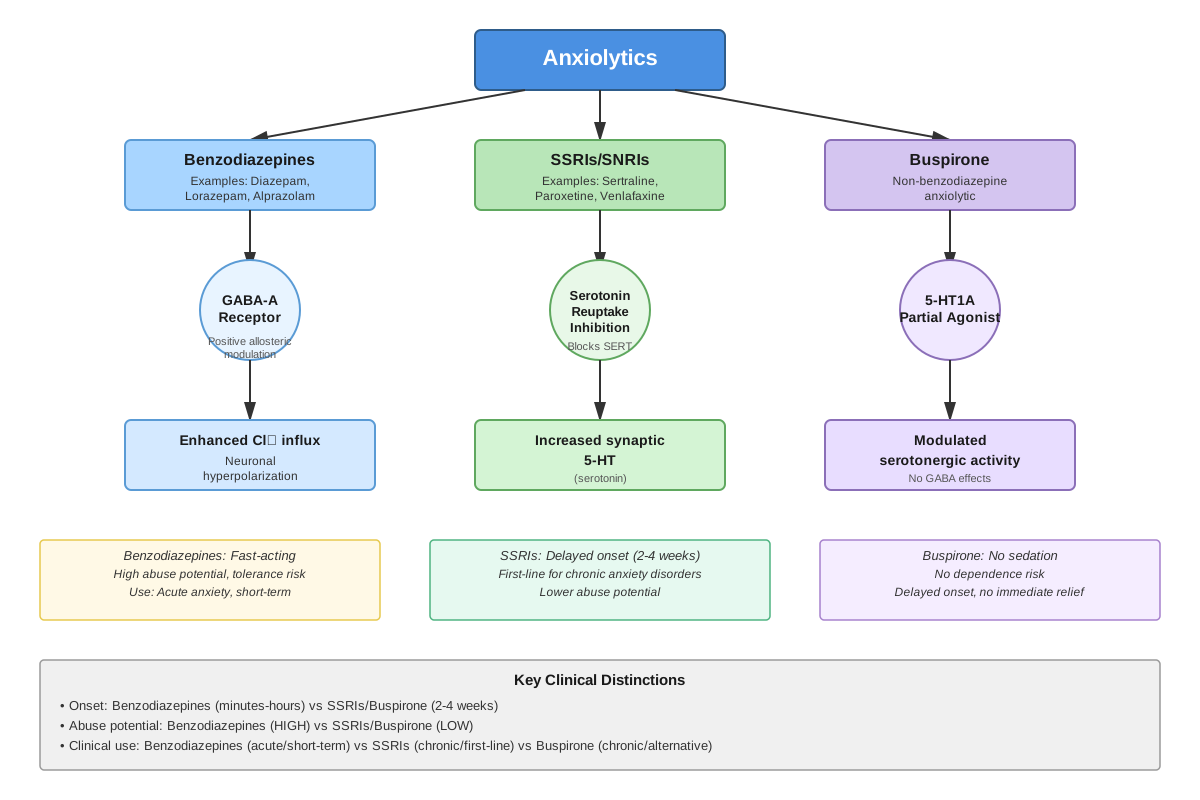
Anxiolytics are classified into several major categories based on their chemical structure and mechanism of action:
- Benzodiazepines (e.g., diazepam, alprazolam, lorazepam)
- Azapirones (e.g., buspirone)
- Selective serotonin reuptake inhibitors (SSRIs) - used for chronic anxiety
- Beta-blockers (e.g., propranolol) - for performance anxiety
- Antihistamines (e.g., hydroxyzine) - mild anxiolytic effects
Benzodiazepines: Mechanism and Clinical Use
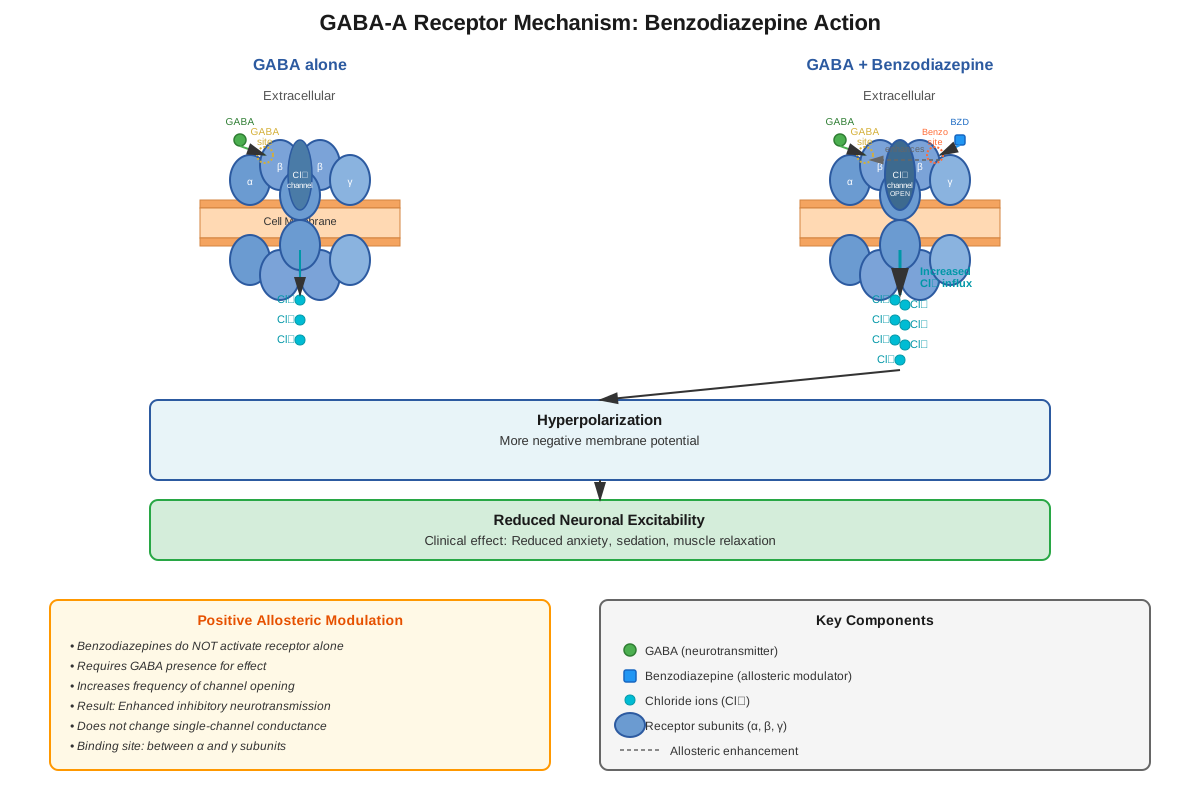
Benzodiazepines represent the most commonly prescribed class of anxiolytics for acute anxiety management. These drugs work by enhancing the effect of gamma-aminobutyric acid (GABA), the primary inhibitory neurotransmitter in the central nervous system. Specifically, benzodiazepines bind to the GABA-A receptor complex at a site distinct from where GABA itself binds (an allosteric site), increasing the receptor's affinity for GABA. This results in increased frequency of chloride channel opening, leading to hyperpolarization of neurons and decreased neuronal excitability.
The mechanism can be understood as follows: GABA-A receptors are ligand-gated chloride channels. When GABA binds, chloride ions flow into the neuron, making the inside more negative (hyperpolarization). Benzodiazepines don't directly open these channels but make the receptor more sensitive to GABA's effects, amplifying the inhibitory signal. This produces the characteristic anxiolytic, sedative, muscle relaxant, and anticonvulsant effects of benzodiazepines.
Clinical applications of benzodiazepines include:
- Acute anxiety episodes and panic attacks
- Generalized anxiety disorder (short-term management)
- Insomnia
- Alcohol withdrawal
- Seizure disorders
- Muscle spasms
- Pre-procedural sedation
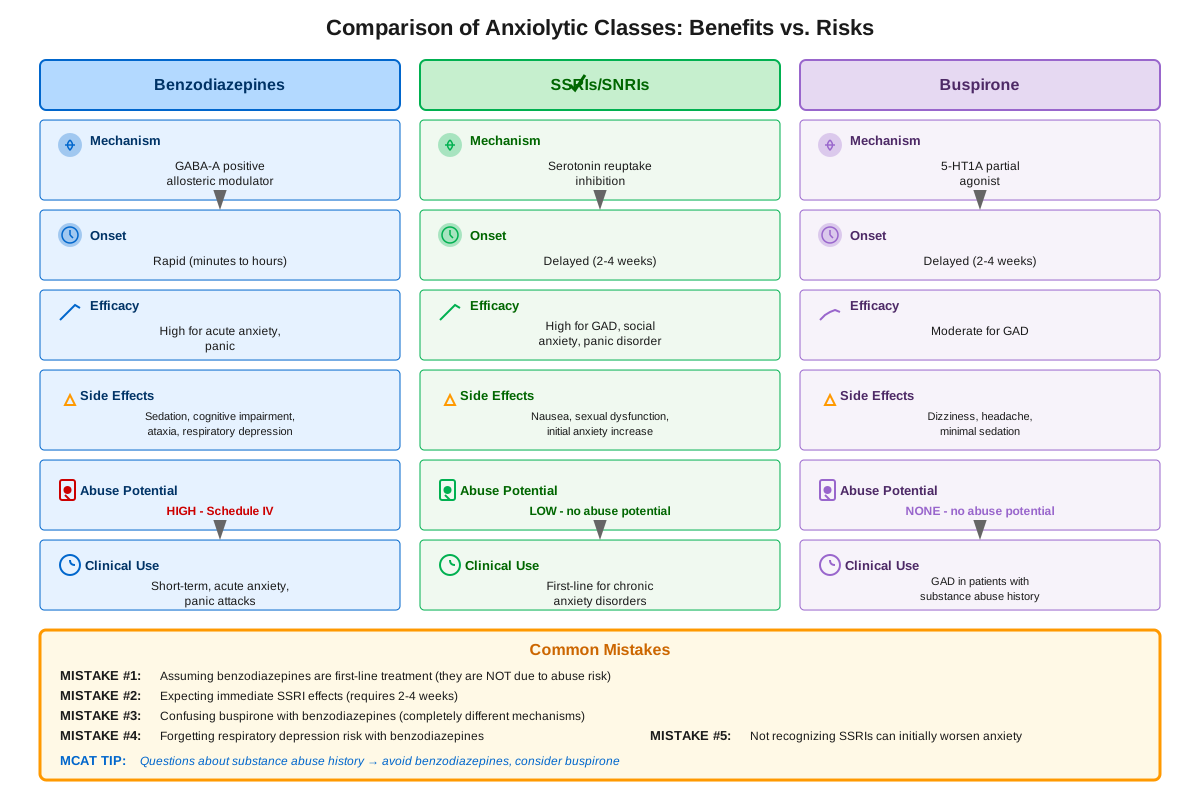
Side effects result directly from enhanced GABAergic inhibition and include drowsiness, cognitive impairment, motor incoordination, and paradoxical disinhibition in some patients. The most significant concerns are tolerance (requiring increasing doses for the same effect), physical dependence (withdrawal symptoms upon discontinuation), and addiction potential. Benzodiazepines also carry risks of respiratory depression, especially when combined with other central nervous system depressants like alcohol or opioids.
Buspirone: The Serotonergic Alternative
Buspirone represents a distinct class of anxiolytics (azapirones) with a fundamentally different mechanism from benzodiazepines. Rather than enhancing GABA, buspirone acts as a partial agonist at serotonin 5-HT1A receptors, particularly in brain regions associated with anxiety such as the hippocampus and amygdala. As a partial agonist, buspirone activates these receptors but produces a weaker response than the natural neurotransmitter serotonin.
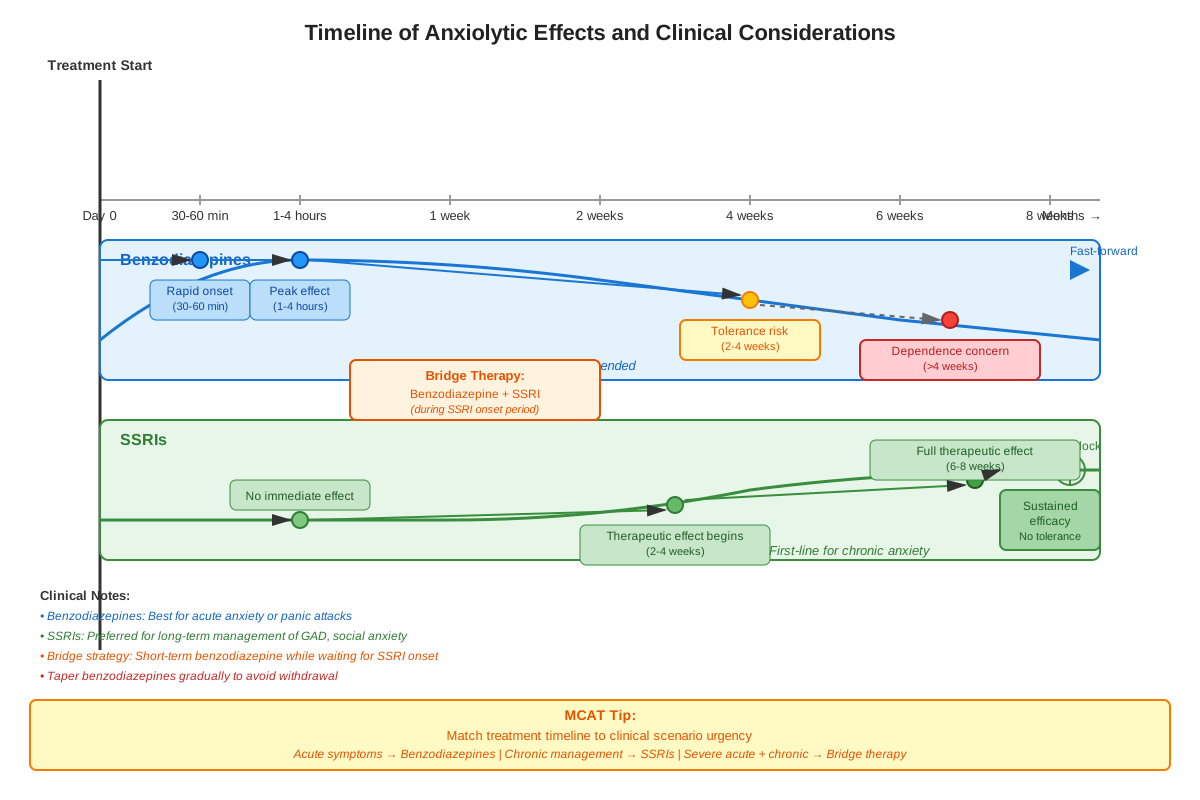
The anxiolytic effect of buspirone develops gradually over 2-4 weeks, contrasting sharply with the immediate effects of benzodiazepines. This delayed onset occurs because buspirone's therapeutic effects depend on neuroadaptive changes in serotonergic neurotransmission rather than acute receptor modulation. The drug is particularly effective for generalized anxiety disorder but ineffective for panic disorder or acute anxiety episodes.
Advantages of buspirone include:
- No sedation or cognitive impairment
- No physical dependence or withdrawal syndrome
- No abuse potential
- No interaction with alcohol
- No muscle relaxation (avoiding weakness)
Disadvantages include:
- Delayed therapeutic onset (2-4 weeks)
- Ineffective for acute anxiety
- Less potent than benzodiazepines for severe anxiety
- Requires consistent daily dosing
SSRIs as Anxiolytics
While primarily classified as antidepressants, selective serotonin reuptake inhibitors (SSRIs) such as sertraline, paroxetine, and escitalopram have become first-line pharmacological treatments for most chronic anxiety disorders. SSRIs block the serotonin transporter (SERT) on presynaptic neurons, preventing reuptake of serotonin from the synaptic cleft. This increases serotonin availability and enhances serotonergic neurotransmission.
The anxiolytic effects of SSRIs, like buspirone, require several weeks to manifest fully, reflecting the time needed for receptor downregulation and other neuroadaptive changes. SSRIs are particularly effective for:
- Generalized anxiety disorder
- Social anxiety disorder
- Panic disorder
- Obsessive-compulsive disorder
- Post-traumatic stress disorder
SSRIs offer advantages over benzodiazepines for long-term anxiety management because they don't cause dependence, don't impair cognition, and simultaneously treat comorbid depression (present in approximately 60% of anxiety disorder patients). However, side effects include sexual dysfunction, gastrointestinal disturbances, initial anxiety increase (paradoxically, in the first 1-2 weeks), and discontinuation syndrome if stopped abruptly.
Comparative Pharmacology Table
| Drug Class | Mechanism | Onset | Duration | Dependence Risk | Primary Use |
|---|---|---|---|---|---|
| Benzodiazepines | GABA-A positive allosteric modulator | Minutes to hours | Short to long (varies by drug) | High | Acute anxiety, panic attacks |
| Buspirone | 5-HT1A partial agonist | 2-4 weeks | Requires daily dosing | None | Generalized anxiety disorder |
| SSRIs | Serotonin reuptake inhibition | 2-6 weeks | Requires daily dosing | Low (discontinuation syndrome) | Chronic anxiety disorders |
| Beta-blockers | Beta-adrenergic receptor antagonist | 30-60 minutes | 3-6 hours | None | Performance anxiety, physical symptoms |
Beta-Blockers for Anxiety
Beta-adrenergic receptor antagonists (beta-blockers) like propranolol represent a unique approach to anxiety management by targeting the peripheral manifestations of anxiety rather than central nervous system mechanisms. These drugs block beta-adrenergic receptors, preventing the effects of epinephrine and norepinephrine on the cardiovascular system and other organs.
Beta-blockers are particularly useful for performance anxiety or situational anxiety where physical symptoms (tremor, tachycardia, sweating) are prominent and problematic. By blocking peripheral beta receptors, these drugs prevent the racing heart, shaking hands, and other somatic symptoms that can worsen anxiety through a feedback loop. Musicians, public speakers, and test-takers sometimes use beta-blockers to manage performance anxiety.
The mechanism is purely peripheral—beta-blockers do not cross the blood-brain barrier significantly and therefore don't directly affect central anxiety circuits. Their effectiveness demonstrates the important role of somatic feedback in the subjective experience of anxiety, supporting the James-Lange theory of emotion, which proposes that physiological arousal precedes and contributes to emotional experience.
Anxiolytic Selection and Treatment Considerations
Choosing an appropriate anxiolytic depends on multiple factors:
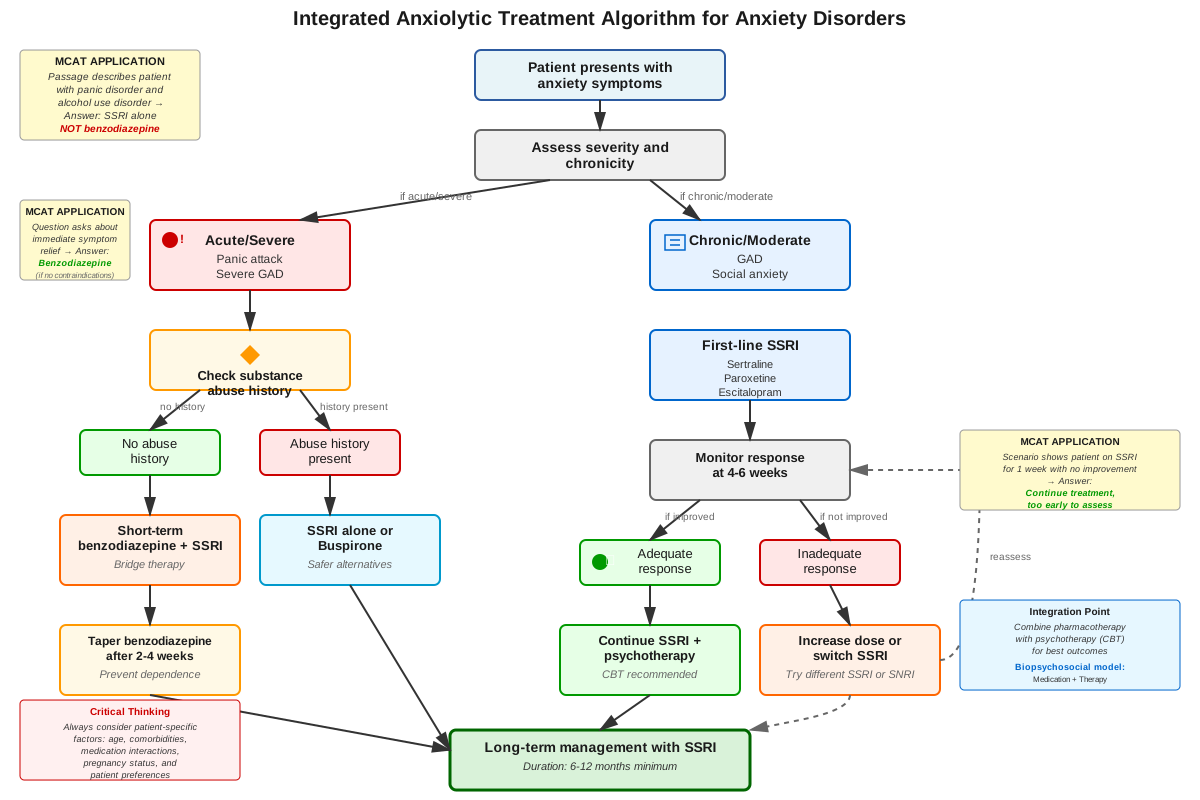
Temporal considerations: Acute anxiety or panic attacks require rapid-onset medications (benzodiazepines), while chronic anxiety disorders benefit from medications with gradual onset but better long-term safety profiles (SSRIs, buspirone).
Comorbidity: Patients with both anxiety and depression benefit from SSRIs that treat both conditions. Patients with substance use history should avoid benzodiazepines due to addiction risk.
Side effect profile: Patients who need to maintain alertness (e.g., operating machinery) should avoid sedating benzodiazepines. Patients concerned about sexual side effects may prefer buspirone over SSRIs.
Duration of treatment: Short-term anxiety (e.g., adjustment disorder) may warrant brief benzodiazepine use, while chronic conditions require long-term treatment with SSRIs or buspirone.
Concept Relationships
The concepts within anxiolytics are interconnected through the neurotransmitter systems they target and the clinical contexts in which they're applied. The relationship map flows as follows:
Anxiety disorders → create need for → Anxiolytic medications → which work through → Neurotransmitter modulation (primarily GABA and serotonin) → producing → Therapeutic effects (anxiety reduction) and → Side effects (based on receptor distribution throughout the body).
Within anxiolytic classes, benzodiazepines connect to GABA neurotransmission, which links to broader concepts of inhibitory neurotransmission and the balance between excitation and inhibition in the nervous system. This connects to prerequisite knowledge of action potentials, synaptic transmission, and receptor pharmacology. The GABA system also relates to other topics including alcohol effects (alcohol enhances GABA-A receptors similarly to benzodiazepines), sleep physiology, and seizure disorders.
Buspirone and SSRIs connect through the serotonergic system, linking anxiolytics to depression treatment, mood regulation, and the broader role of serotonin in emotional processing. This connects to prerequisite knowledge of monoamine neurotransmitters and relates to other topics including antidepressants, the monoamine hypothesis of depression, and serotonin syndrome.
Beta-blockers connect anxiolytics to the autonomic nervous system, specifically the sympathetic division and the fight-or-flight response. This links to prerequisite knowledge of the stress response, the HPA axis, and cardiovascular physiology. The use of beta-blockers for anxiety also connects to theories of emotion, particularly the James-Lange theory and the role of physiological feedback in emotional experience.
The concept of treatment selection connects anxiolytics to the biopsychosocial model, evidence-based medicine, and the integration of pharmacological and psychological interventions. This relates to psychotherapy (particularly cognitive-behavioral therapy for anxiety), the placebo effect, and treatment adherence.
Quick check — test yourself on Anxiolytics so far.
Try Flashcards →High-Yield Facts
⭐ Benzodiazepines enhance GABA-A receptor function by increasing the frequency of chloride channel opening, not the duration of opening (which is what barbiturates do).
⭐ Benzodiazepines carry high risk of tolerance, physical dependence, and addiction, making them inappropriate for long-term anxiety management in most cases.
⭐ Buspirone is a 5-HT1A partial agonist with no cross-tolerance to benzodiazepines, meaning it cannot be used to treat benzodiazepine withdrawal.
⭐ SSRIs require 2-6 weeks to produce anxiolytic effects and are considered first-line treatment for most chronic anxiety disorders.
⭐ Beta-blockers like propranolol reduce peripheral manifestations of anxiety (tremor, tachycardia) but do not directly affect central anxiety circuits.
- Benzodiazepines with shorter half-lives (alprazolam, lorazepam) have higher addiction potential and more severe withdrawal symptoms than longer-acting agents (diazepam, clonazepam).
- Flumazenil is a benzodiazepine receptor antagonist used to reverse benzodiazepine overdose but can precipitate seizures in dependent patients.
- Buspirone's anxiolytic effects develop gradually over 2-4 weeks, making it ineffective for acute anxiety or panic attacks.
- Combining benzodiazepines with alcohol or opioids dramatically increases risk of respiratory depression and death.
- SSRIs can paradoxically increase anxiety during the first 1-2 weeks of treatment before therapeutic effects emerge.
- Abrupt discontinuation of benzodiazepines after chronic use can cause life-threatening withdrawal symptoms including seizures.
- Anxiolytics treat symptoms but do not address underlying psychological factors; combined treatment with psychotherapy produces superior long-term outcomes.
Common Misconceptions
Misconception: All anxiolytics work through the same mechanism.
Correction: Anxiolytics work through diverse mechanisms—benzodiazepines enhance GABA, buspirone modulates serotonin, SSRIs increase serotonin availability, and beta-blockers block peripheral adrenergic receptors. Understanding these distinct mechanisms is essential for predicting effects and side effects.
Misconception: Benzodiazepines are safe for long-term use because they're commonly prescribed.
Correction: Benzodiazepines carry significant risks of tolerance, dependence, and addiction with chronic use. Current clinical guidelines recommend limiting benzodiazepine use to 2-4 weeks for acute anxiety, with SSRIs or buspirone preferred for long-term management.
Misconception: Buspirone can be used "as needed" for anxiety like benzodiazepines.
Correction: Buspirone requires consistent daily dosing for 2-4 weeks before therapeutic effects emerge. It cannot be used on an as-needed basis and is ineffective for acute anxiety episodes. This reflects its mechanism of gradually modulating serotonergic neurotransmission rather than producing immediate receptor effects.
Misconception: SSRIs are only antidepressants and shouldn't be used for anxiety.
Correction: SSRIs are first-line pharmacological treatment for most chronic anxiety disorders and are FDA-approved for multiple anxiety conditions. The serotonergic system plays a crucial role in both mood and anxiety regulation, making SSRIs effective for both depression and anxiety.
Misconception: Beta-blockers reduce anxiety by calming the brain directly.
Correction: Beta-blockers work peripherally by blocking beta-adrenergic receptors in the heart and other organs, reducing physical symptoms of anxiety (rapid heartbeat, tremor). They do not significantly cross the blood-brain barrier and don't directly affect central anxiety circuits. Their effectiveness demonstrates the role of physiological feedback in the subjective experience of anxiety.
Misconception: Patients can safely stop taking anxiolytics whenever they feel better.
Correction: Abrupt discontinuation of benzodiazepines can cause dangerous withdrawal symptoms including seizures, while stopping SSRIs suddenly can cause discontinuation syndrome. Anxiolytics should be tapered gradually under medical supervision. This reflects the neuroadaptive changes that occur with chronic use.
Worked Examples
Example 1: Mechanism-Based Prediction
Clinical Vignette: A 35-year-old patient with generalized anxiety disorder is prescribed alprazolam (a benzodiazepine) for anxiety management. After taking the medication, the patient reports feeling drowsy and has difficulty concentrating at work. The patient asks why this medication causes these effects when it's supposed to treat anxiety.
Analysis:
Step 1: Identify the drug class and mechanism. Alprazolam is a benzodiazepine that enhances GABA-A receptor function by acting as a positive allosteric modulator.
Step 2: Consider GABA's role in the nervous system. GABA is the primary inhibitory neurotransmitter, reducing neuronal excitability throughout the central nervous system.
Step 3: Predict effects based on mechanism. Enhancing GABAergic inhibition will reduce neuronal activity not only in anxiety circuits (amygdala, hippocampus) but also in areas controlling arousal (reticular activating system) and cognition (prefrontal cortex).
Step 4: Connect mechanism to side effects. The drowsiness results from enhanced GABAergic inhibition in arousal centers, while cognitive impairment reflects reduced activity in cortical areas involved in attention and executive function.
Answer: The sedation and cognitive impairment are predictable side effects of benzodiazepines based on their mechanism of enhancing GABA-mediated inhibition throughout the central nervous system, not just in anxiety-specific circuits. This illustrates why benzodiazepines, while effective for anxiety, may not be appropriate for patients who need to maintain alertness and cognitive performance.
Learning Objective Connection: This example demonstrates application of anxiolytic knowledge to predict outcomes based on mechanism of action, connecting drug pharmacology to clinical effects.
Example 2: Treatment Selection
Research Scenario: A study compares three treatments for social anxiety disorder: (1) alprazolam (benzodiazepine) taken as needed before social situations, (2) sertraline (SSRI) taken daily, and (3) propranolol (beta-blocker) taken before social situations. After 12 weeks, the sertraline group shows the greatest reduction in overall anxiety symptoms, the propranolol group shows reduced physical symptoms during social situations but no change in anticipatory anxiety, and the alprazolam group shows initial improvement but increasing tolerance and no benefit by week 12.
Analysis:
Step 1: Analyze each treatment's mechanism and expected timeline.
- Alprazolam: Rapid onset (minutes), enhances GABA, high tolerance risk
- Sertraline: Delayed onset (2-6 weeks), increases serotonin, low dependence risk
- Propranolol: Rapid onset (30-60 minutes), blocks peripheral beta receptors, no central effects
Step 2: Predict outcomes based on mechanisms.
- Alprazolam should provide immediate relief but tolerance develops with repeated use, explaining the loss of efficacy by week 12
- Sertraline should show no benefit initially but increasing improvement after 2-4 weeks, with sustained effects addressing both anticipatory and situational anxiety
- Propranolol should reduce physical symptoms (tremor, tachycardia) during social situations but not affect anticipatory worry because it doesn't cross the blood-brain barrier
Step 3: Evaluate appropriateness for social anxiety disorder.
Social anxiety disorder is a chronic condition requiring long-term treatment. SSRIs are first-line treatment because they address both anticipatory and situational anxiety without causing dependence. Beta-blockers are useful adjuncts for performance situations but don't treat the underlying disorder. Benzodiazepines are inappropriate for chronic use due to tolerance and dependence.
Answer: The results align with predicted outcomes based on each drug's mechanism. Sertraline's superiority reflects its ability to produce sustained neuroadaptive changes in serotonergic neurotransmission that address the underlying pathophysiology of social anxiety disorder. This study demonstrates why SSRIs are considered first-line treatment for chronic anxiety disorders despite their delayed onset.
Learning Objective Connection: This example requires applying knowledge of anxiolytic mechanisms to evaluate treatment outcomes in a research context, demonstrating understanding of appropriate clinical applications and the relationship between mechanism and efficacy.
Exam Strategy
When approaching MCAT questions about anxiolytics, follow this systematic approach:
Step 1: Identify the drug class mentioned in the question stem or passage. Look for generic names (alprazolam, buspirone, sertraline) or class names (benzodiazepine, SSRI). Each class has distinct mechanisms and properties that determine the correct answer.
Step 2: Recall the mechanism of action for that drug class. MCAT questions often require predicting effects or side effects based on mechanism rather than memorized lists. Understanding that benzodiazepines enhance GABA allows you to predict sedation, muscle relaxation, and respiratory depression.
Step 3: Consider the timeline. Questions may test understanding that benzodiazepines work immediately while buspirone and SSRIs require weeks. If a question asks about treating acute panic attacks, eliminate options suggesting SSRIs or buspirone.
Step 4: Evaluate clinical appropriateness. The MCAT may present scenarios where you must select the most appropriate treatment based on factors like chronicity, comorbidity, or patient characteristics. Remember that SSRIs are first-line for chronic anxiety, benzodiazepines for acute anxiety, and beta-blockers for performance anxiety.
Trigger words to watch for:
- "Immediate relief" or "acute" → suggests benzodiazepines
- "Long-term management" or "chronic" → suggests SSRIs or buspirone
- "Performance anxiety" or "physical symptoms" → suggests beta-blockers
- "GABA" → benzodiazepines
- "Serotonin" → SSRIs or buspirone
- "Dependence" or "tolerance" → benzodiazepines
- "First-line treatment" → SSRIs for most chronic anxiety disorders
Process of elimination tips:
- Eliminate benzodiazepines for questions about long-term treatment or patients with substance use history
- Eliminate buspirone or SSRIs for questions about acute anxiety or immediate relief
- Eliminate beta-blockers for questions about treating worry or anticipatory anxiety (they only address physical symptoms)
- If a question mentions GABA, eliminate options that don't involve benzodiazepines
Time allocation: Anxiolytic questions typically require 60-90 seconds. Spend 20-30 seconds identifying the drug class and mechanism, 20-30 seconds analyzing the clinical scenario, and 20-30 seconds evaluating answer choices. Don't get bogged down trying to recall specific drug names—focus on class-level properties.
Memory Techniques
Mnemonic for benzodiazepine effects - "GABA Gives Awesome But Addictive" relaxation:
- GABA enhancement (mechanism)
- Anxiolytic (primary effect)
- But causes sedation
- Addictive potential (dependence risk)
Mnemonic for anxiolytic classes - "BASS" fishing reduces anxiety:
- Benzodiazepines (GABA enhancement, acute use)
- Azapirones/buspirone (serotonin, chronic use)
- SSRIs (serotonin reuptake inhibition, first-line)
- Sympathetic blockers/beta-blockers (peripheral effects)
Visualization for benzodiazepine mechanism: Picture GABA as a key trying to open a chloride channel lock. Benzodiazepines are like oil that makes the lock easier to turn—they don't open the lock themselves but make GABA more effective. This helps remember that benzodiazepines are positive allosteric modulators, not direct agonists.
Timeline memory aid - "2-4 rule": Both buspirone and SSRIs require 2-4 weeks for anxiolytic effects to develop. This single number helps you remember that neither is appropriate for acute anxiety and both require patient counseling about delayed onset.
Acronym for benzodiazepine risks - "TAD":
- Tolerance (need increasing doses)
- Addiction (abuse potential)
- Dependence (withdrawal symptoms)
Contrast memory technique: Create a mental table contrasting benzodiazepines (fast, addictive, GABA) with SSRIs (slow, safe, serotonin). The alliteration helps cement the associations.
Summary
Anxiolytics are medications that reduce anxiety through diverse mechanisms targeting different neurotransmitter systems. Benzodiazepines enhance GABA-A receptor function to produce rapid anxiolytic effects but carry significant risks of tolerance, dependence, and addiction, limiting their use to acute anxiety management. Buspirone acts as a serotonin 5-HT1A partial agonist with delayed onset (2-4 weeks) but no dependence risk, making it suitable for chronic generalized anxiety disorder. SSRIs, while primarily classified as antidepressants, are first-line treatments for most chronic anxiety disorders due to their efficacy, safety profile, and ability to treat comorbid depression. Beta-blockers reduce peripheral manifestations of anxiety without affecting central anxiety circuits, making them useful for performance anxiety. Understanding anxiolytic mechanisms allows prediction of therapeutic effects, side effects, and appropriate clinical applications. The MCAT tests this knowledge through questions requiring mechanism-based reasoning, treatment selection in clinical scenarios, and analysis of research studies comparing anxiolytic efficacy. Mastery requires understanding not just what each drug does, but why it works, when it's appropriate, and how it connects to broader concepts in neuroscience and psychology.
Key Takeaways
- Benzodiazepines enhance GABA-A receptor function as positive allosteric modulators, producing rapid anxiolytic effects but carrying high risks of tolerance, dependence, and addiction that limit their use to short-term acute anxiety management.
- Buspirone and SSRIs require 2-4 weeks for therapeutic effects to develop, making them inappropriate for acute anxiety but preferred for chronic anxiety disorders due to superior safety profiles and lack of dependence risk.
- SSRIs are first-line pharmacological treatment for most chronic anxiety disorders because they effectively reduce anxiety, treat comorbid depression, and don't cause physical dependence.
- Different anxiolytic classes work through distinct mechanisms (GABA enhancement, serotonin modulation, peripheral beta-blockade), requiring understanding of neurotransmitter systems to predict effects and select appropriate treatments.
- Beta-blockers reduce physical manifestations of anxiety without affecting central anxiety circuits, demonstrating the role of physiological feedback in the subjective experience of anxiety.
- Treatment selection depends on multiple factors including acuity (acute vs. chronic), comorbidity, side effect profile, and dependence risk, requiring integration of pharmacological knowledge with clinical reasoning.
- Anxiolytics are most effective when combined with psychotherapy, as medications treat symptoms while therapy addresses underlying psychological factors contributing to anxiety disorders.
Related Topics
Antidepressants: Understanding SSRIs as anxiolytics provides foundation for learning about their use in depression, including mechanisms of action, side effects, and the monoamine hypothesis. Mastering anxiolytics enables deeper comprehension of how serotonergic medications affect both mood and anxiety.
Neurotransmitter systems: Anxiolytic mechanisms directly connect to broader study of GABA and serotonin systems, including their roles in mood regulation, sleep, and other physiological processes. This knowledge transfers to understanding alcohol effects, sleep medications, and other psychoactive drugs.
Anxiety disorders: Understanding anxiolytic pharmacology complements knowledge of anxiety disorder phenomenology, diagnostic criteria, and psychological treatments. This integration supports comprehensive understanding of the biopsychosocial approach to mental health.
Psychotherapy for anxiety: Cognitive-behavioral therapy (CBT) represents the primary psychological treatment for anxiety disorders. Understanding both pharmacological and psychological interventions enables analysis of combined treatment approaches and comparative efficacy studies.
Substance use disorders: Benzodiazepine dependence and addiction connect to broader concepts of substance use disorders, including tolerance, withdrawal, and neurobiological mechanisms of addiction. This relationship appears frequently in MCAT passages about addiction.
Autonomic nervous system: Beta-blockers' anxiolytic effects through peripheral mechanisms connect to comprehensive understanding of sympathetic and parasympathetic divisions, stress response, and the relationship between physiological arousal and emotional experience.
Practice CTA
Now that you've mastered the core concepts of anxiolytics, it's time to test your knowledge with practice questions and flashcards. Focus on questions that require mechanism-based reasoning rather than simple recall—these best simulate actual MCAT questions. Pay special attention to passages presenting research studies or clinical scenarios where you must apply anxiolytic knowledge to novel situations. Remember that understanding why each answer is correct or incorrect is more valuable than simply getting questions right. Your ability to explain the reasoning behind correct answers demonstrates true mastery of this high-yield topic. Keep pushing forward—every practice question brings you closer to MCAT success!
Sign up free to keep reading
Create a free AnvayaPrep account to finish this MCAT guide on Anxiolytics — plus flashcards and practice questions.